
Last Updated on: Mar 09, 2026
A yoga mat looks simple: a long rectangle you roll out on the floor. But the right one makes a real difference. A mat that slides, bunches up, or feels too thin can pull your attention away from your breathing and your form. A mat that is too soft can make standing poses wobbly. The good news is that a few clear choices, thickness, grip, material, and size, narrow the field fast.
What We'll Cover
- Top Yoga Mats
- Thickness: how much cushion you need
- Material: what the mat is made of
- Grip and texture
- Size and weight
- Cushioned and all-around mats
- Natural and lightweight mats
- Matching the mat to your practice
- Practicing safely
- Setting up a home practice space
- Cleaning and care
- Useful extras
- Questions to ask before you buy
- The short answer
Yoga is a popular form of physical activity for good reason. The National Center for Complementary and Integrative Health (NCCIH) says yoga is generally considered safe for healthy people when performed properly under the guidance of a qualified instructor. As with any activity, injuries can happen; NCCIH notes the most common are sprains and strains, most often in the knee or lower leg, and that serious injuries are rare. A mat with steady grip and the right cushion is one simple way to set up a safer practice.
Top Yoga Mats
Thickness: how much cushion you need
3 to 4 mm mats are thin and light. They give you a firm connection to the floor, which helps with balance in standing poses. They are easy to fold into a bag for travel.
5 to 6 mm is the most common range and a good middle ground. It offers enough cushion for knees and hips in kneeling poses while staying stable for standing work.
1/2 inch (about 12 mm) or thicker mats feel soft and are great for stretching, Pilates, and floor exercises. The extra foam can make balance poses feel less steady, so they are better for gentle and floor-based routines.
If you have sensitive knees but want a thinner mat for balance, a folded towel or a small knee pad under the knees in kneeling poses can help.
Material: what the mat is made of
- PVC: Durable, easy to clean, and budget-friendly. Common in basic mats.
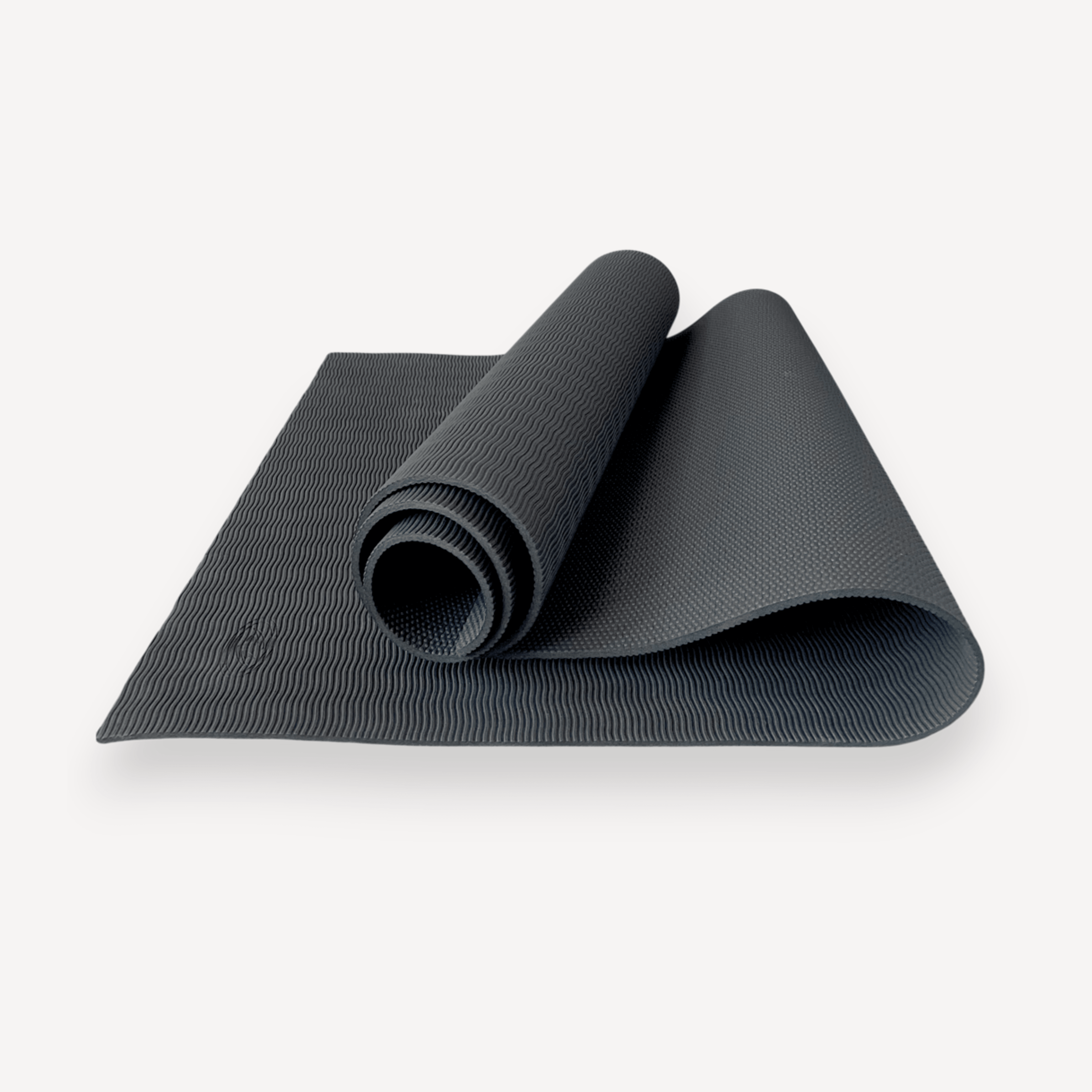
- TPE (thermoplastic elastomer): Light and springy, often marketed as a more eco-friendly choice than PVC. Good for beginners and travel.
- Natural rubber: Heavy and grippy, with a firm feel that stays put on the floor. Not for anyone with a latex allergy, and some have a rubber smell at first.
- Cork: Often paired with a rubber base. Cork has a natural texture that many people find grippy even when hands get damp.
- NBR foam: Thick and soft, usually used in cushy mats for floor workouts.
Grip and texture
Grip matters most in poses where your hands and feet press into the mat, like downward dog. Rubber and cork tend to grip well. Some PVC and TPE mats have a textured pattern to help. If your hands sweat a lot, a yoga towel on top of the mat can add grip. Check the underside too: a mat should stay flat and not slide on your floor.
Size and weight
Most standard mats are about 68 inches long and 24 inches wide. Taller people may want a 72-inch or extra-long mat so their head and feet both stay on the mat when lying down. Wider mats give more room for flowing movements. Keep weight in mind if you carry your mat to class: rubber and cork mats weigh more than TPE or thin PVC.
Cushioned and all-around mats
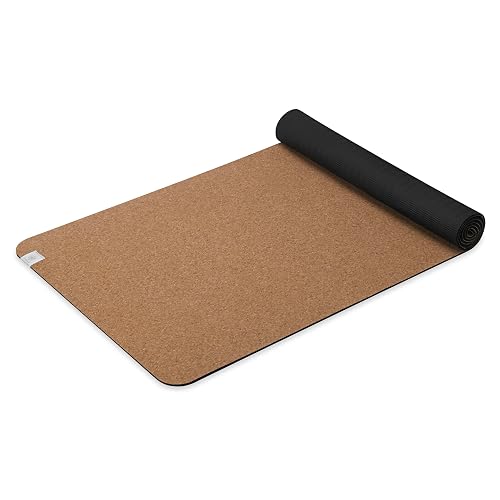
CORK YOGA MAT: Crafted with natural cork top and eco-friendly TPE bottom for a premium, sustainable yoga and exercise experience, ensuring stability and comfort in your workouts.
SWEAT and ODOR-RES...
The Gaiam Premium 5 mm mat sits in the middle thickness range, a solid choice for yoga, Pilates, and general floor work.
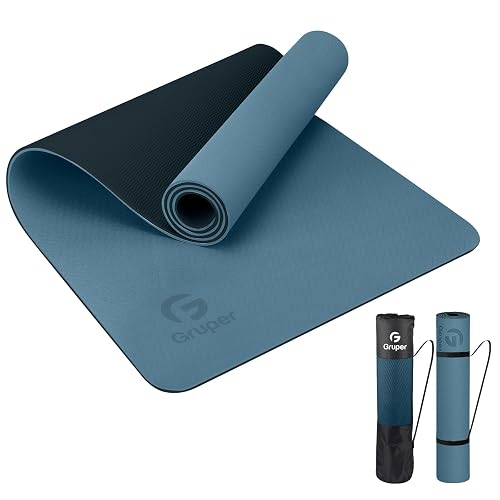
NEW ECO FRIENDLY MATERIAL: The upgraded Gruper Yoga mat is made with premium friendly material. It costs more to make, but it is safer and more soft than traditional non-green PVC and EVA yoga mats...
The Gruper mat has a non-slip surface, an eco-friendly material, and a carrying strap at a friendly price.
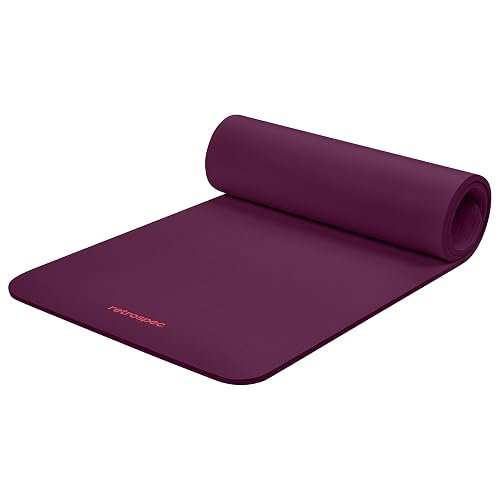
EXTRA THICK FOR COMFORT AND BALANCE: Solana firm 1⁄2-inch extra thick fitness mat w/ mat strap alleviates stress on pressure points such as joints, hips, hands, and knees. 72" x 24" x 1⁄2"
NON-SLIP...
The Retrospec Solana is 1/2 inch thick and 72 by 24 inches, with a nylon strap. It suits stretching and floor exercises.
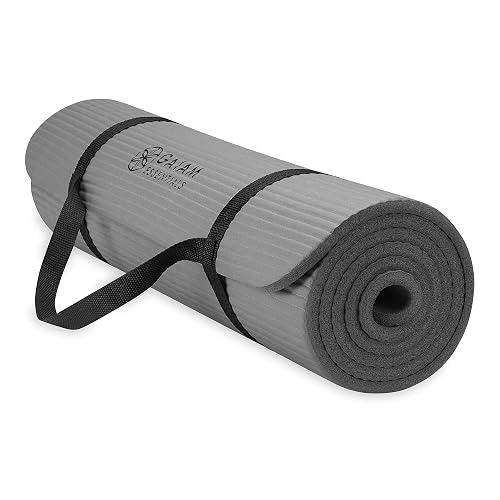
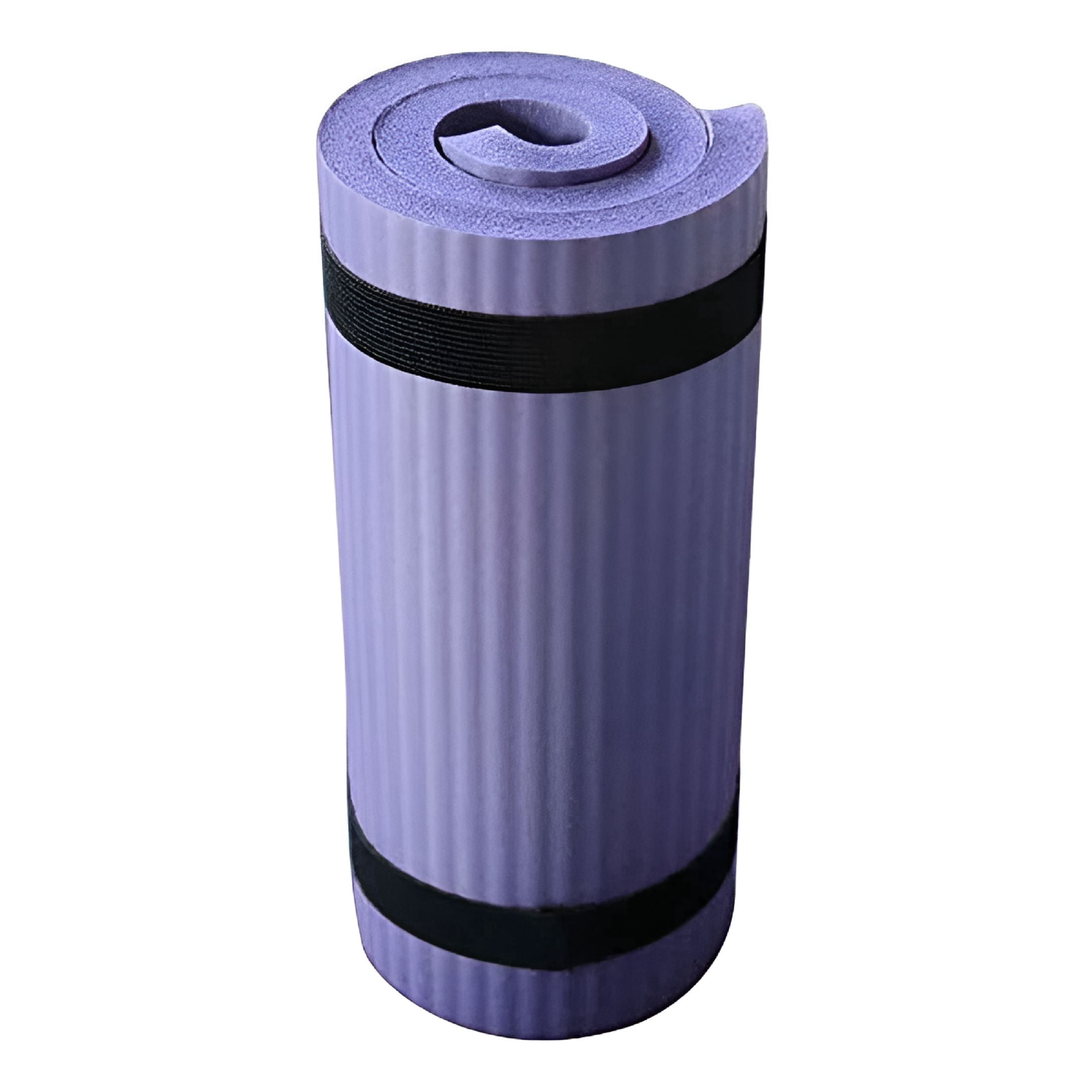
Extra-Thick Cushioning for Joint Comfort : Made with 10mm (2/5") high-density NBR foam, this mat delivers plush cushioning that helps reduce pressure on knees, hips, and joints—ideal for beginners,...
The Gaiam Thick mat offers extra cushion for kneeling poses and comes with an easy-cinch strap.
At Walmart, the BESTSKY NBR mat is a soft foam option with a carry strap, good for floor workouts.
Natural and lightweight mats
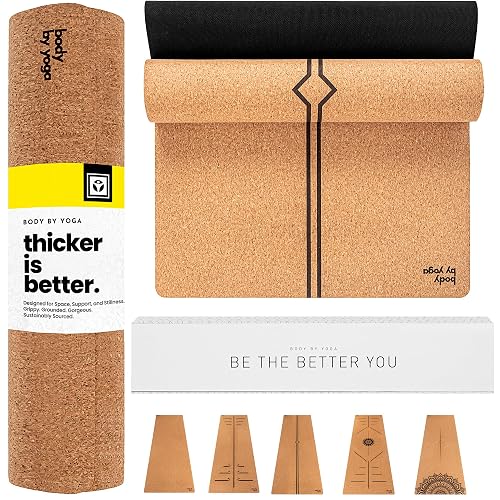
CREATED BY YOGA INSTRUCTORS - Designed from years of teaching experience, this mat delivers exactly what yogis need: reliable grip, balanced cushioning, and a surface you’ll actually enjoy practici...
This cork mat pairs a cork top with a natural rubber base, comes in an extra-large size, and offers optional alignment lines.
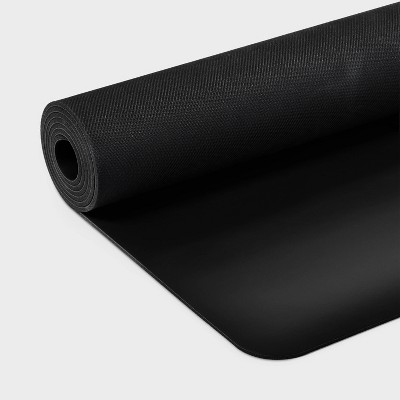
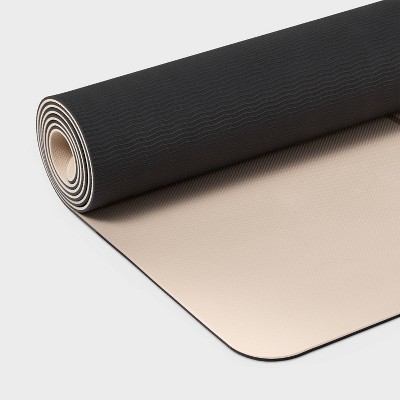
At Target, the All In Motion Peak mat is 5 mm natural rubber for a steady, firm feel.
The All In Motion Evolve mat is 5 mm TPE, light enough to carry to class.
The Athletic Works 5 mm TPE mat is 68 by 24 inches with a carry strap, a simple budget pick.
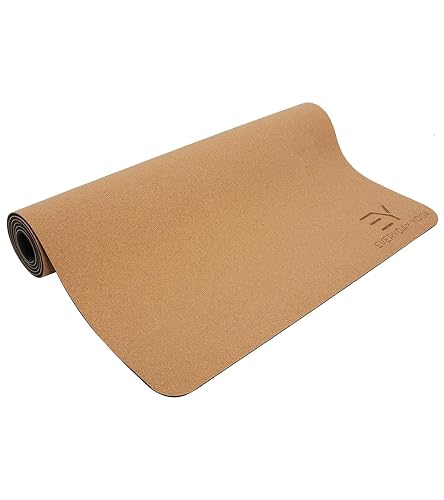
Premium Cork Yoga Mat for Comfort, Stability & Quality: Achieve grounded stability and elevated comfort with a 5mm cork yoga mat designed for durability and a more mindful practice.
High Quality Ma...
The Everyday Yoga Mat Premium Edition comes in 3 to 5 mm thicknesses so you can pick firmer or softer.
Matching the mat to your practice
- Gentle or restorative yoga: A thicker, softer mat keeps hips, knees, and spine comfortable during long holds.
- Flow or power yoga: A 4 to 6 mm mat with strong grip keeps hands and feet from sliding.
- Hot yoga: Look for a mat that stays grippy when damp, like cork, or add a yoga towel.
- Travel: A thin, light mat that folds or rolls small is easiest to pack.
- Pilates and floor workouts: Extra cushion helps when you spend most of the time lying or sitting.
Practicing safely
A mat helps, but form matters most. NCCIH suggests practicing under a qualified instructor, especially when you are new. Start with beginner classes or videos, move slowly, and skip any pose that causes pain. If you have a health condition, talk with your health care provider before starting.
NCCIH also notes that yoga is safe and desirable for most pregnant women as long as appropriate precautions are taken. It advises avoiding hot yoga during pregnancy because it can cause overheating, avoiding poses that involve long periods of lying on your back, and checking with a health care provider about how to adjust your practice.
Setting up a home practice space
You do not need a studio at home. A clear patch of floor about the size of your mat plus a little room on each side is enough. A firm floor, like wood or low carpet, gives the steadiest base; very plush carpet can make a mat shift. Keep the space free of furniture corners you could bump into when you step back or reach your arms out.
Good light and fresh air make practice more pleasant. Some people like to face a window or a plant. Keep your blocks, strap, and a water bottle nearby so you do not have to break the flow to find them. If you follow videos, set the screen at eye level to the side of your mat so you are not twisting your neck to watch.
A regular time helps the habit stick. Even ten or fifteen minutes on most days can feel better than one long session a week. Leaving the mat rolled out in plain view is a simple nudge to use it.
Cleaning and care
Wipe your mat after each session, especially if you sweat. Many mats clean up with a damp cloth and a little mild soap; check the maker's instructions, since some materials like natural rubber and cork need gentler care. Let the mat dry fully before rolling it up, and store it out of direct sunlight, which can break down some materials over time. Roll it with the top side facing out to help it lie flat next time.
Useful extras
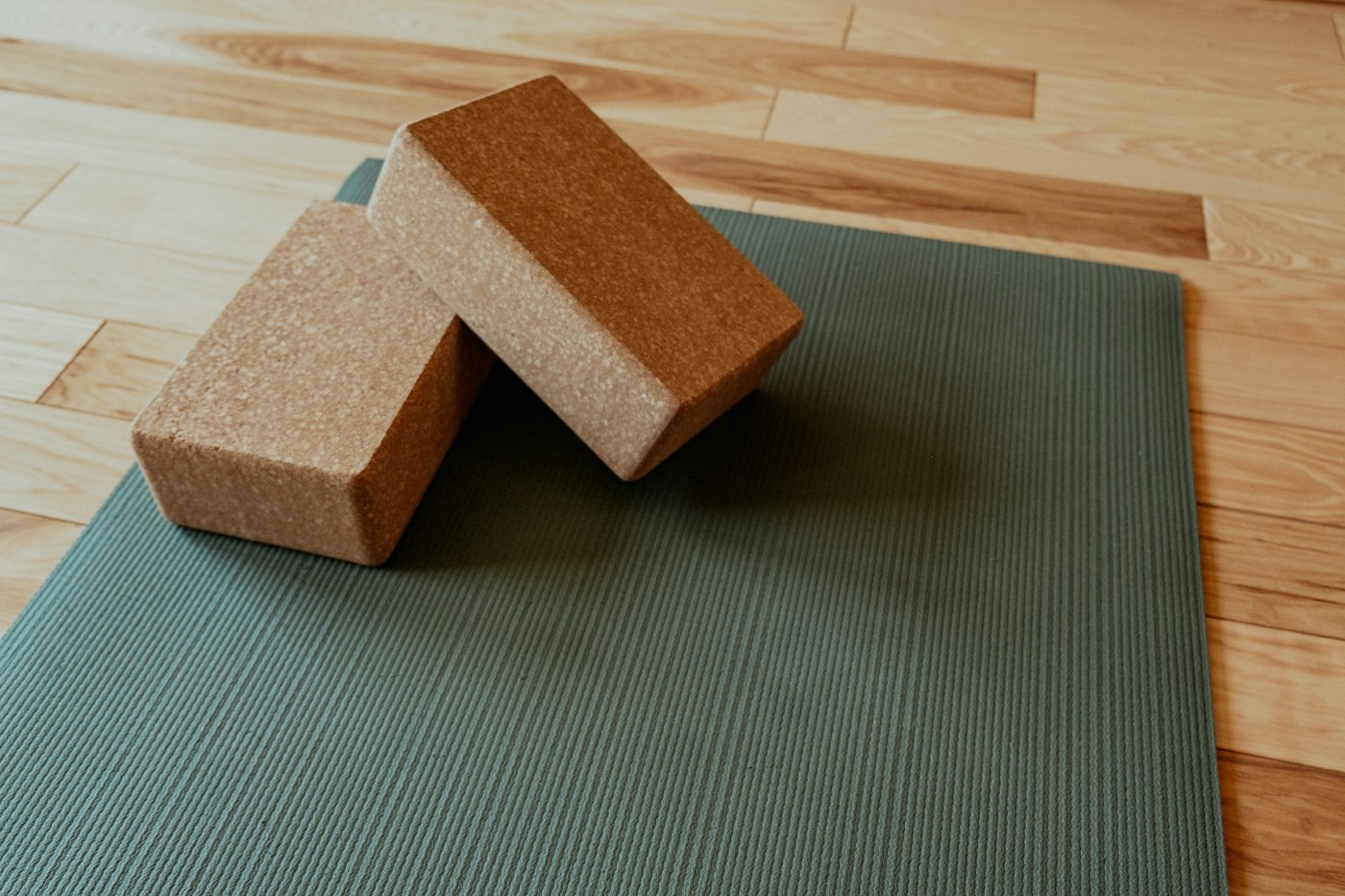
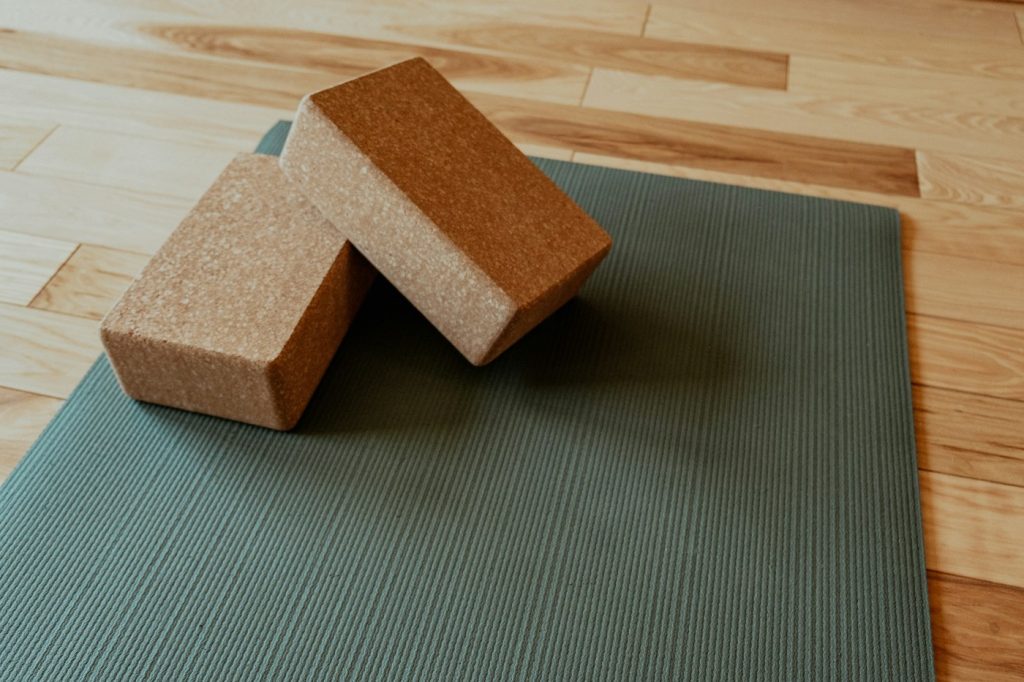
A few accessories can make a mat work better. Yoga blocks bring the floor closer in standing and seated poses. A strap helps with stretches when you cannot reach your feet. A carry strap or bag makes it easy to take your mat to class. None are required to start, but blocks in particular help many beginners.
Questions to ask before you buy
- Where will I use it? A home floor, a studio, or a park each put different demands on grip and weight.
- What style will I practice? Balance-heavy styles favor firmer mats; floor work favors cushion.
- How tall am I? Consider a 72-inch mat if a standard one feels short.
- Any allergies? Skip natural rubber if you have a latex allergy.
The short answer
For most people, a 5 to 6 mm mat with a grippy surface is the best place to start. Choose thicker foam for floor work and sensitive knees, a thin mat for travel, and rubber or cork if grip is your top concern. Clean it after use, and follow NCCIH's advice to practice with a qualified instructor and move within your comfort range.
The responses below are not provided, commissioned, reviewed, approved, or otherwise endorsed by any financial entity or advertiser. It is not the advertiser’s responsibility to ensure all posts and/or questions are answered.
Question for the cork mat folks: does it need any special cleaning, or is a damp cloth enough? Also a small tip - if a new mat feels slippery at first, a gentle wipe with a damp towel before the first few sessions can help.