
Last Updated on: Sep 24, 2026
A yoga mat looks like the simplest piece of fitness gear you can buy: a rectangle of foam you roll out on the floor. Then you start shopping and find mats from 3 millimeters to a full inch thick, in TPE, NBR, PVC, and natural rubber, with alignment lines, foldable designs, and price tags that range from the cost of lunch to the cost of a nice dinner out.
The right mat depends less on the brand and more on what you actually do on it. Someone doing slow stretches on carpet needs something very different from someone doing a sweaty flow class on a hardwood floor. Here is how to match thickness, material, and size to the way you move.
Top Yoga Mats
What We'll Cover
Start with what you will use it for
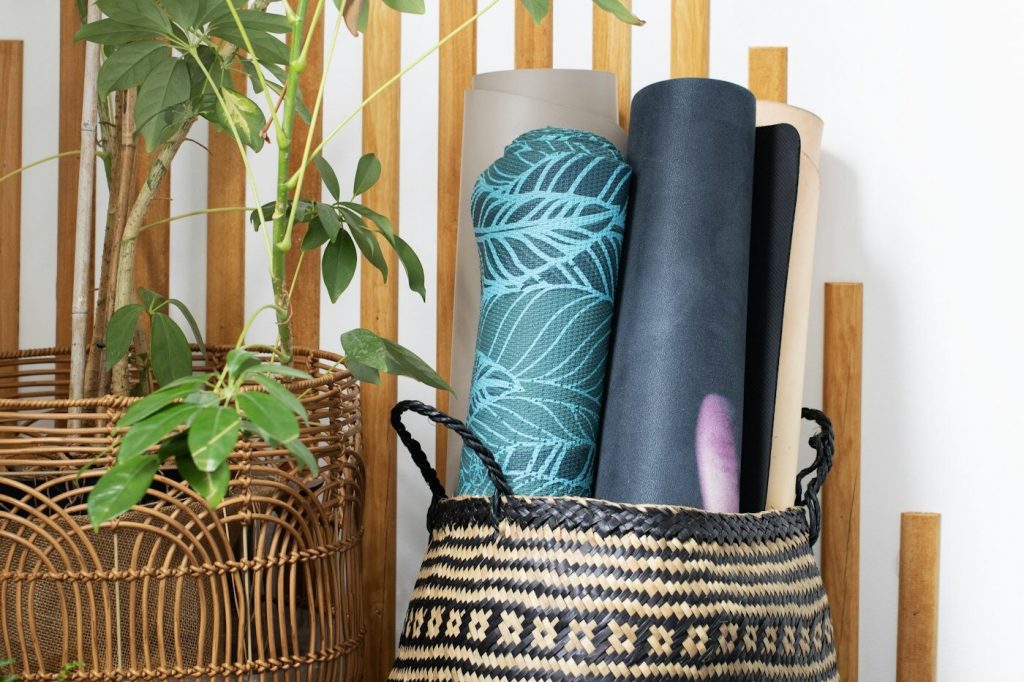
Before looking at any specs, think about the workouts the mat will see most often.
- Standing yoga flows. Balance poses and lunges need a mat that is firm and grippy. Too much cushion makes you wobble.
- Pilates, core work, and stretching. Much of the time is spent lying down or kneeling, so extra padding under the spine, hips, and knees feels good.
- General home workouts. Planks, push-ups, and bodyweight moves are fine on a mid-thickness mat that does not bunch up.
- Travel or small spaces. Weight and how small it packs down matter more than cushion.
Many people buy the thickest mat they can find, expecting it to be the most comfortable, and then find it feels like standing on a mattress during a tree pose. Others buy a thin studio mat and wince every time they kneel. Knowing your mix of workouts saves you from both.
Thickness: what the numbers mean
3 to 4 mm
Thin mats are light, easy to carry, and give you a stable connection with the floor. They are common in studios and good for standing poses. On a hard floor, though, kneeling can be uncomfortable, and many people fold the mat or add a pad under their knees.
5 to 6 mm
This is the middle ground and the most popular range for home use. There is enough padding for kneeling and lying on your back, but the mat is still firm enough for balance work. If you are not sure what to buy, start here.
7 to 10 mm
Thicker mats add comfort for floor exercises and are popular for Pilates and stretching. They are heavier and bulkier to roll, and softer foams in this range can feel unsteady in standing poses.
1/2 inch to 1 inch
These very thick foam mats are closer to exercise pads. They are great for sit-ups, stretching, and anyone who wants a lot of cushion between them and the floor. They are not the best choice for yoga flows that involve a lot of balancing, because your feet sink into the foam.
Materials and how they feel
TPE (thermoplastic elastomer) is a light foam used in many mid-priced mats. It has good grip, a bit of bounce, and is often described as more eco-friendly than PVC. It can wear faster than rubber under heavy use.
NBR foam is the soft, spongy material in most thick exercise mats. It is comfortable and inexpensive but squishes more, so it is better for floor work than for balance.
PVC is durable and easy to clean, and it is used in many classic studio mats. Dense PVC mats are heavy but last a very long time. Many have a closed-cell surface that keeps sweat from soaking in.
Natural rubber mats have excellent grip and a dense, stable feel. They are heavy, can have a strong smell at first, and are not a good fit for everyone. The American College of Allergy, Asthma and Immunology explains that natural rubber latex comes from the sap of the rubber tree and advises people with a latex allergy to limit or avoid latex products. If that applies to you, check the label and choose a mat that says it is latex-free.
A new foam mat often has a smell when you first unroll it. Several makers suggest leaving the mat unrolled in a well-aired room for a day or two before your first session.
Size, grip, and extra features
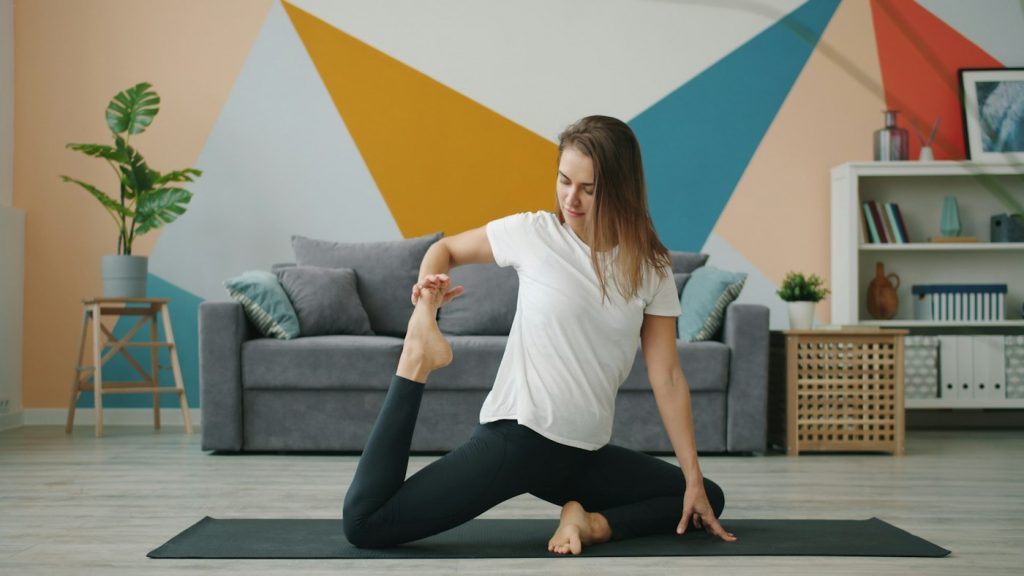
A standard mat is about 68 to 72 inches long and 24 inches wide. That works for most people, but taller users often find their head or feet hanging off during lying poses. Look for 74 inches or more if you are over about six feet. Extra-wide mats, around 30 to 36 inches, give room for wider stances and side-lying moves, and they are popular for home workouts where you move around more.
Grip comes from both the top surface and the bottom. A textured top keeps your hands from sliding when they get sweaty. A tacky or dotted bottom keeps the mat from creeping across a smooth floor. If you practice hot yoga or sweat a lot, a closed-cell surface or a towel on top helps.
Other features to consider:
- Alignment lines printed or etched on the surface help beginners place hands and feet evenly.
- A carrying strap is handy if the mat goes back and forth to a class.
- Foldable mats fold into a flat square rather than rolling, which fits in a suitcase or under a bed.
- Knee pads are small, thick cushions you place on top of a thin mat for kneeling poses, a cheap fix if your mat is too firm.
Keeping your mat clean
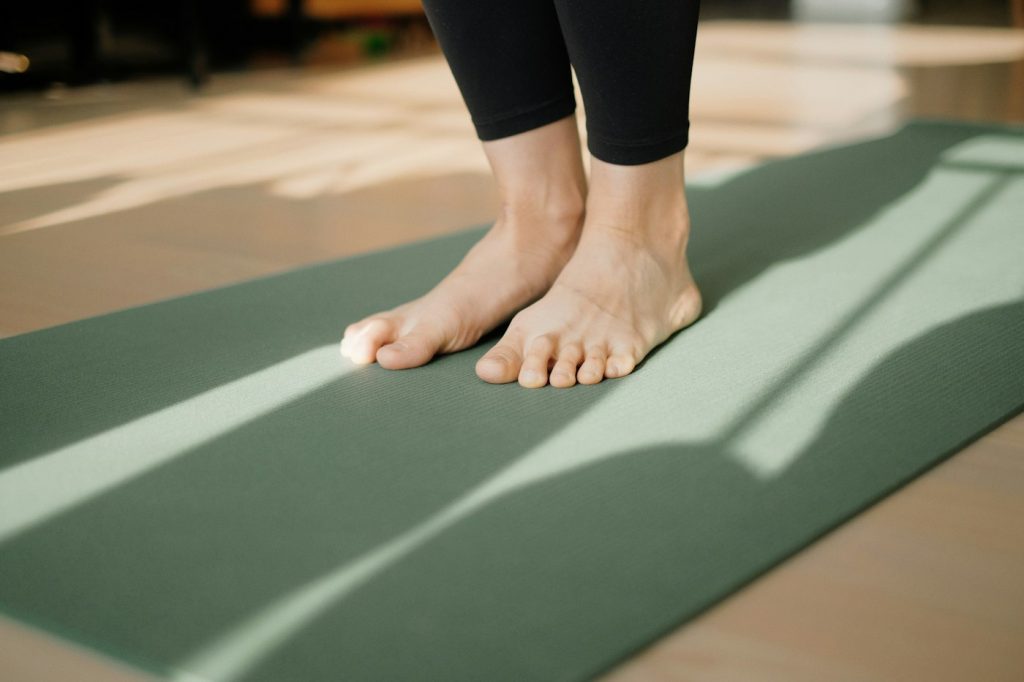
A mat collects sweat, skin oils, and dust from the floor, so it needs regular cleaning. After most sessions, a quick wipe with a damp cloth is enough. Every week or two, give it a more thorough clean with a mild soap and water mix or a spray made for mats, then let it air dry fully before rolling it up.
Check the maker's care instructions, since some materials do not like certain cleaners. Natural rubber, for example, can break down with oils or harsh chemicals, and some mats should not be left in direct sun, which can fade or dry them out. Roll the mat with the top side facing out so the edges lie flat when you unroll it.
It is time for a new mat when it starts to flake, tear, or lose its grip, or when you can see dents where your hands and feet usually go.
Popular yoga mats worth a look
These picks come from the yoga mat best-seller list and cover thick exercise pads, extra-wide mats, a foldable travel option, and a dense studio mat. Prices and colors change often, so check the listing for the size you want before you buy.
One-inch thick mat. A firm 72 by 24 by 1 inch mat with a nylon strap. The maker suggests airing it out for a day or two if it arrives with a smell.
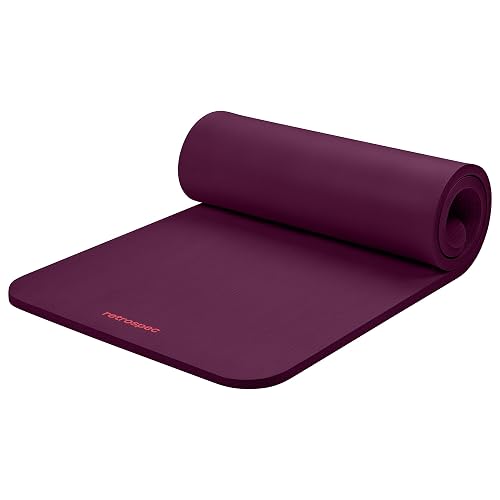
EXTRA THICK FOR COMFORT & BALANCE: Solana firm 1-inch extra thick fitness mat w/ mat strap alleviates stress on pressure points such as joints, hips, hands, and knees. Solana measures 72" X 24" X 1...
Extra-wide 7 mm mat. A 72 by 32 inch mat that gives more room for wide stances and side-lying moves at home.
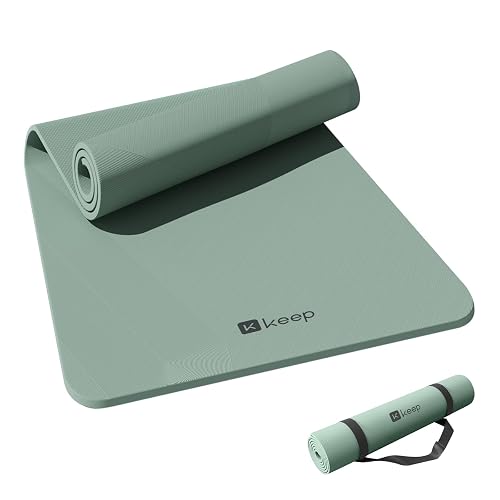
Wider, Thicker, and Ready for Anything: Upgrade your yoga practice with our 32-inch Extra Wide Yoga Mat, designed to provide you with ample space for every pose. With its 0.28-inch (7mm) thick padd...
Mat with alignment lines. A textured, closed-cell mat with etched center markings that show where hands and heels go, plus a shoulder strap.
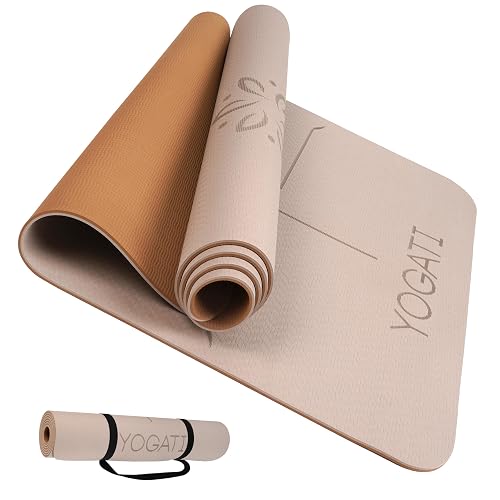
STAYS PUT WHEN YOU SWEAT: A textured, closed-cell surface holds hands plus feet steady through hot flows, planks, lunges or downward dog, so every pose feels secure instead of slippery
CUSHIONS JOI...
Foldable 10 mm mat. A 75 by 26 inch TPE mat that folds into a flat square instead of rolling. It has a lined texture on one side and dots on the other.
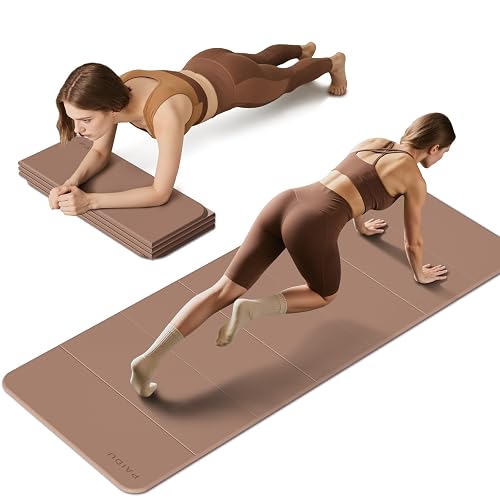
[3 seconds folding speed, storage and carrying ultra-convenient]: innovative folding design, without the need for cumbersome winding, only 3 seconds to fold the yoga mat, the volume is reduced to 1...
Extra-wide 72 by 36 inch mat. One of the widest home mats on the list, for people who like plenty of room during floor workouts.
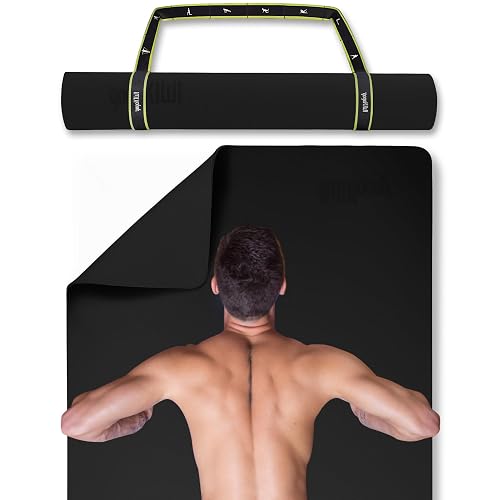
𝐘𝐨𝐮𝐫 𝐜𝐮𝐬𝐡𝐢𝐨𝐧, 𝐲𝐨𝐮𝐫 𝐜𝐚𝐥𝐥: choose Standard 1/4 in (6 mm) for steady, close-to-the-floor balance work, or Extra Cushion 1/2 in (12 mm) when your knees, wrists, and spine want more padding; one design ...
Studio mat, 6 mm. A dense, heavy mat, about 71 by 26 inches and 7.5 pounds, with a closed-cell surface and a dotted bottom that keeps it in place.
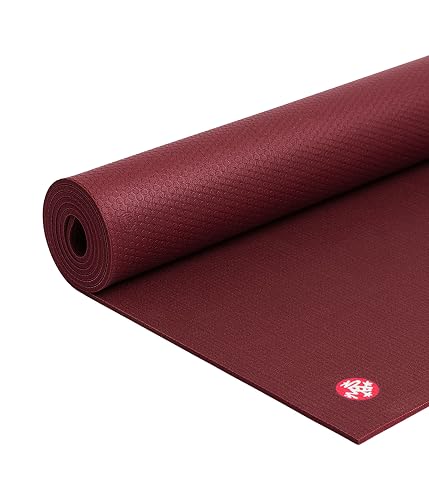
LEGENDARY DURABILITY & STABILITY: The original Manduka PRO mat, trusted by teachers worldwide, delivers unmatched stability and support—Guaranteed to last a lifetime of practice
PREMIUM STUDIO-QUAL...
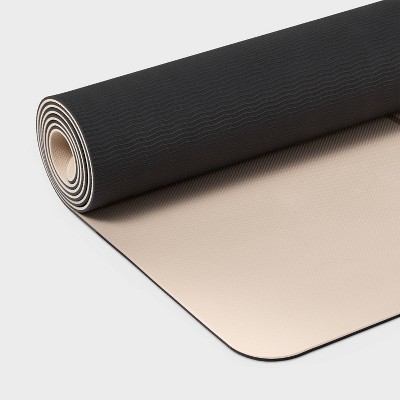
Budget mat with a tacky surface. Target's All In Motion Evolve mat is 5 mm thick, made of EVA and TPE, and has a high-tack grip. It folds instead of only rolling, which helps if you store it in a closet or a car trunk.
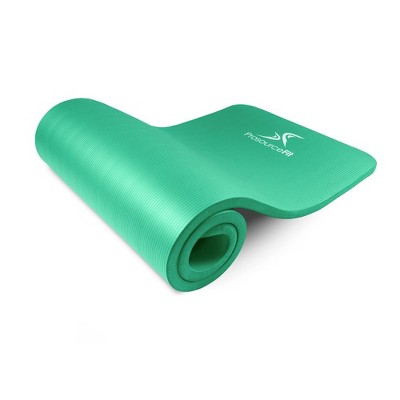
Thick NBR mat for Pilates. Also at Target, the ProsourceFit extra thick mat uses 1 inch of high-density NBR foam in a 71 by 24 inch size. NBR resists moisture and wipes clean with a damp cloth. At that thickness it is better for mat Pilates and floor work than for standing balance poses.
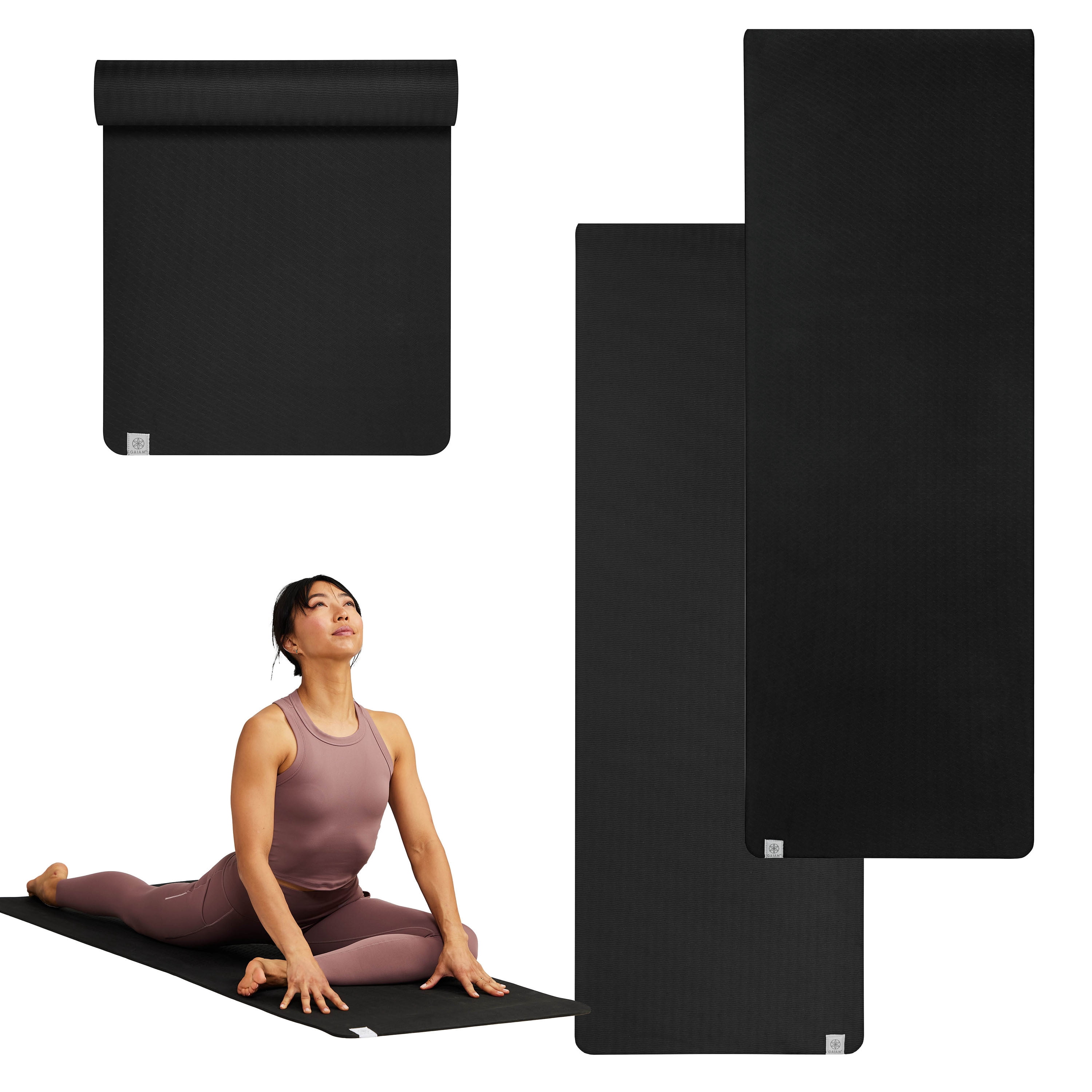
Reversible 6 mm mat. Walmart carries the Gaiam Performance mat in 6 mm TPE with a closed-cell design and a different color and texture on each side. It measures 68 by 23.5 inches, a bit shorter than some mats, so taller people may want to check the length.
The short version
For most home users, a 5 or 6 mm mat with a grippy surface is the safest first pick. Go thicker if you mostly stretch or do floor work, go wider or longer if you are tall or like room to move, and add a knee pad before you replace a mat that is only uncomfortable under your knees.
The responses below are not provided, commissioned, reviewed, approved, or otherwise endorsed by any financial entity or advertiser. It is not the advertiser’s responsibility to ensure all posts and/or questions are answered.
Would a 1 inch mat be too soft for standing poses like tree pose, or is it mostly for floor exercises?