
Last Updated on: Sep 29, 2026
A filter pitcher is the cheapest water upgrade there is: no plumbing, no installation, just a jug in the fridge that makes tap water taste better. But pitchers vary enormously in what they actually remove, and the marketing rarely spells it out. The right choice depends on what is in your water and how much you drink.
What We'll Cover
This guide explains what pitcher filters do and do not remove, how filter life changes the real cost, and ten pitchers worth buying across Amazon and Target.
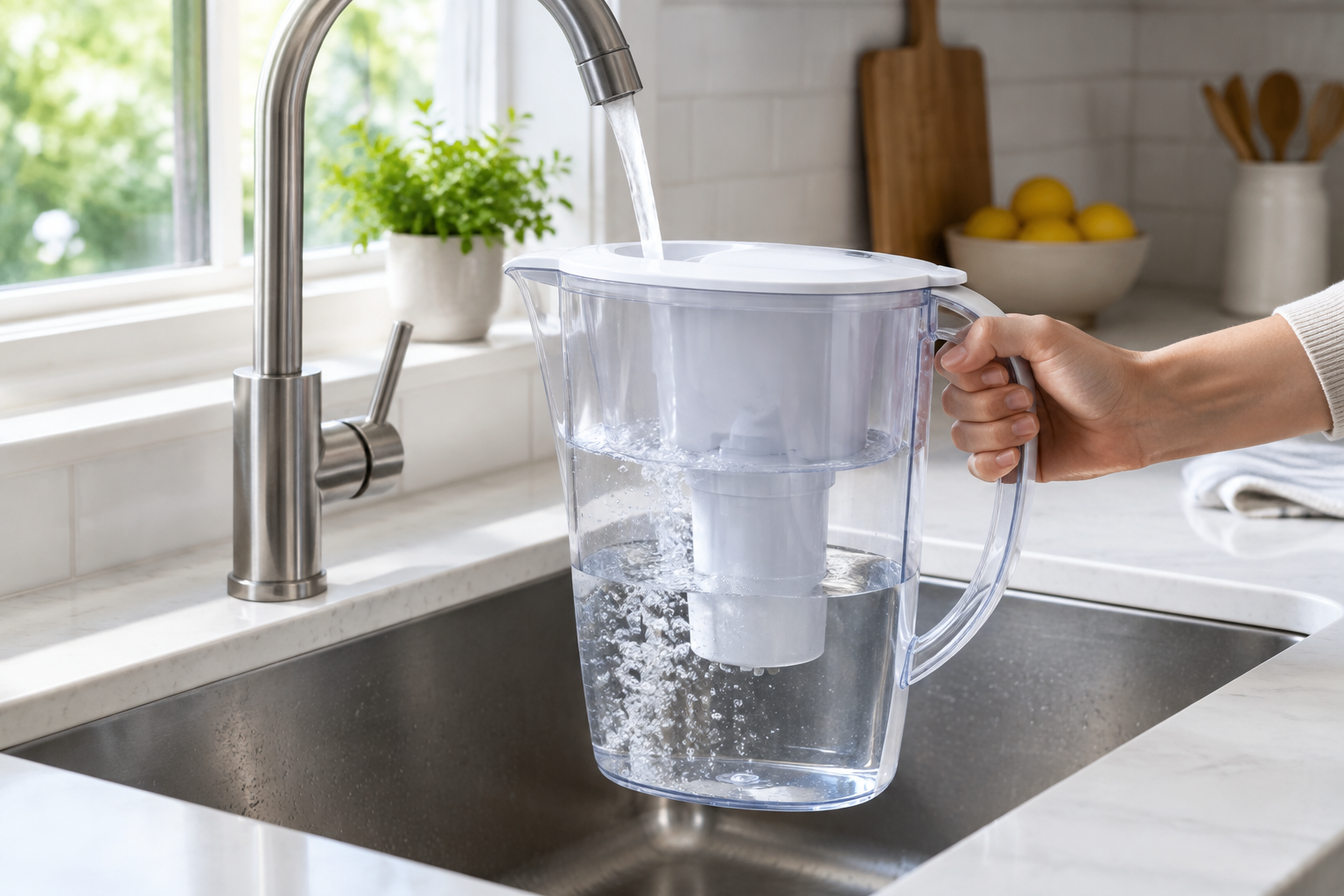
Top Water Filter Pitchers
What pitcher filters actually remove
Every mainstream pitcher uses activated carbon, which is excellent at chlorine taste and odor - the most common complaint about city water. Beyond that, certifications matter more than claims. A filter certified to NSF/ANSI Standard 53 reduces specific health contaminants like lead; Standard 42 covers taste and appearance. Premium filters add media for fluoride, PFAS, or microplastics, and ZeroWater's five-stage approach removes dissolved solids entirely.
No pitcher removes everything, and none replaces a certified system for a known contamination problem. If your water report shows a specific issue, match the filter's certification sheet to that contaminant before buying.
Filter life is the real price
The pitcher is a one-time cost; the filters are forever. Standard filters run about 40 gallons or two months. Long-life options - Brita Longlast, Aquagear's 120-gallon filter, Nakii's 150-gallon - cost more per filter but less per gallon. ZeroWater filters remove the most and wear out fastest, especially with hard tap water.
Do the math for your household: two people drinking two liters a day each use roughly 120 gallons a year. That is three standard filters, one Aquagear, or a handful of ZeroWater cartridges. Buy the pitcher whose filters you can actually afford to replace on schedule, because an expired filter is worse than none.
Size, speed, and fridge fit
Ten to eleven cups is the standard large size and fills two people's daily needs with one or two refills. Slim bodies fit fridge doors; wider dispensers need a shelf. Filtration speed varies from a few minutes to ten - slower usually means more contact time and more thorough filtering, which is a trade, not a flaw.
Whatever you buy, wash the reservoir weekly and keep it in the fridge. A pitcher left warm on the counter grows things, filter or no filter.
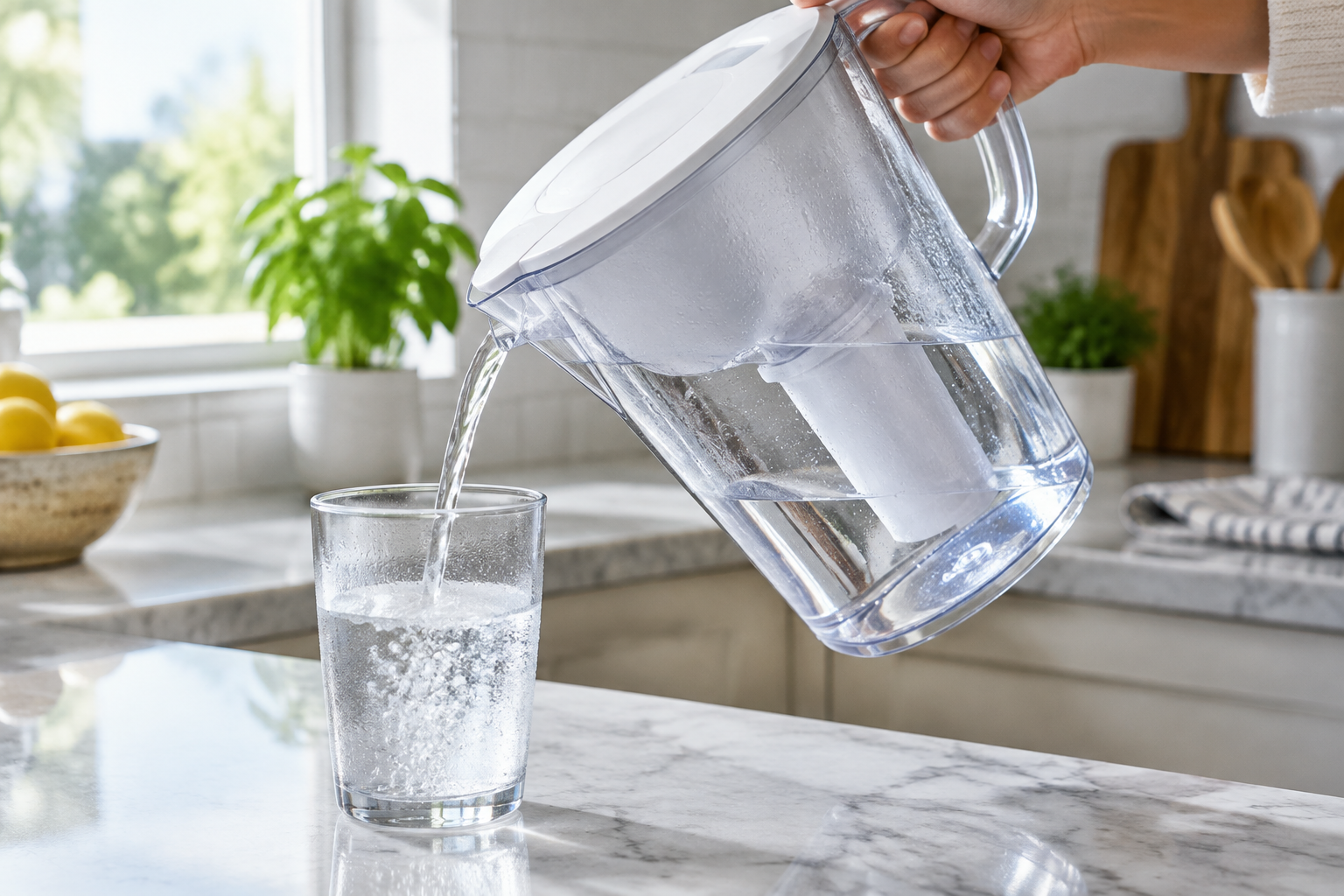
Water filter pitchers worth a look
These picks come from current listings at Amazon and Target, spanning basic carbon filters to five-stage and specialty systems.

LARGE WATER PITCHER: This large, plastic water filtration pitcher is easy to pour and refill. The space efficient pitcher fits perfectly on refrigerator shelves and is great for families. Height 10...
The Brita Everyday is the default pitcher for a reason: ten cups, a slim body that fits the fridge door, and standard filters sold everywhere. It targets chlorine taste and odor, which is what most city water needs. The standard filter wants swapping about every two months.
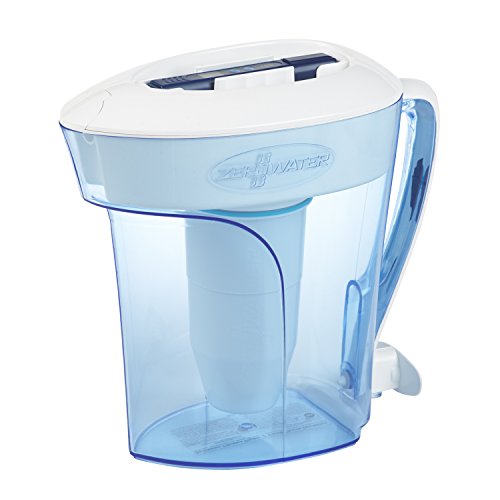
Check Your TDS: The 10 Cup 5-Stage Ready-Pour Water Filter Pitcher Dispenser has a TDS Meter to check the levels of dissolved solids before dispensing or pouring water – always know when it is time...
ZeroWater's five-stage filter strips dissolved solids down to a reading of zero on the included TDS meter, which no basic carbon pitcher attempts. The filters work harder and therefore wear out faster - expect a shorter filter life and a higher per-gallon cost. For taste purists and high-TDS tap water, it is the benchmark.
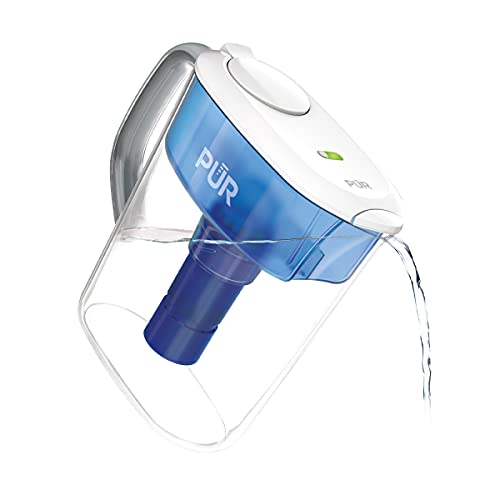
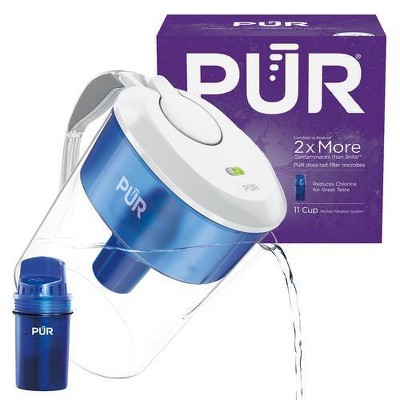
PUR's 11-cup pitcher carries a filter certified to reduce lead along with chlorine, which matters in older buildings with aging pipes. The lid flips open for one-handed filling and the body still fits most fridge doors. Filters run about two months like the Brita standard.
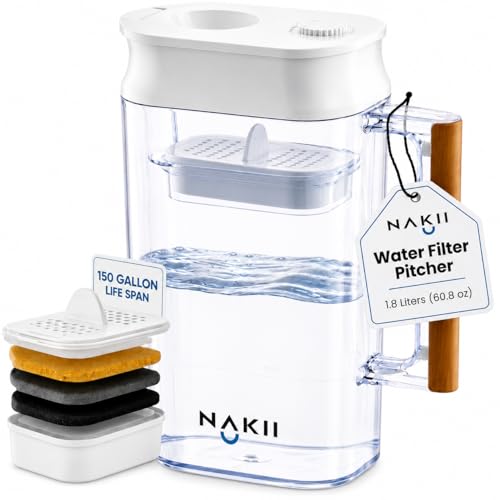
FILTERS WATER FAST: Enjoy fresh-tasting water quickly with a high-flow filter design that reduces waiting time compared to slower traditional glass water filter pitcher.
CLEAN, REFRESHING TASTE: Im...
Nakii's pitcher pairs a 150-gallon filter with a faster flow rate than most long-life cartridges, so the reservoir refills in a couple of minutes instead of ten. The 1.8-liter body is compact enough for small fridges. It is a mid-price option that splits the difference between cheap standard filters and premium specialty media.
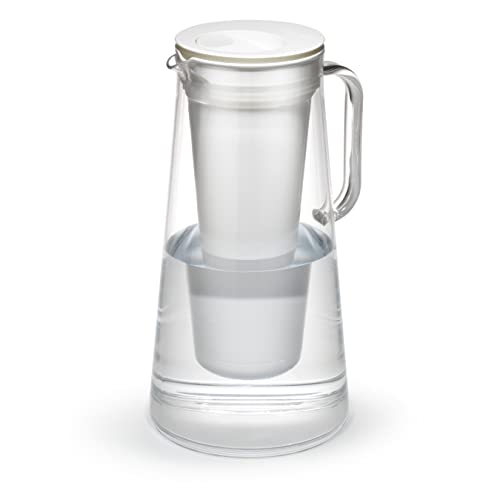
Filtration that actually does stuff. The only water filter pitcher that removes bacteria and parasites, in addition to microplastics.
Reduces lead, mercury, and chemicals including PFAS (“forever c...
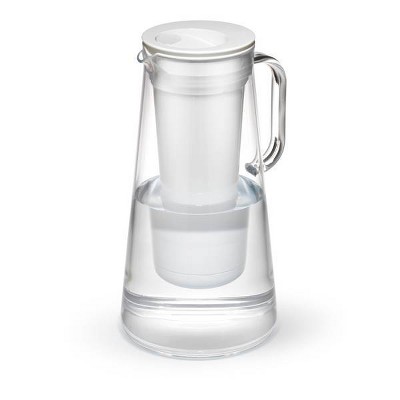
LifeStraw's Home pitcher pairs a membrane microfilter rated for bacteria and parasites with a carbon stage for taste and chemicals. That dual-stage design comes from the company's emergency-water background. The membrane lasts about a year, the carbon stage about two months.
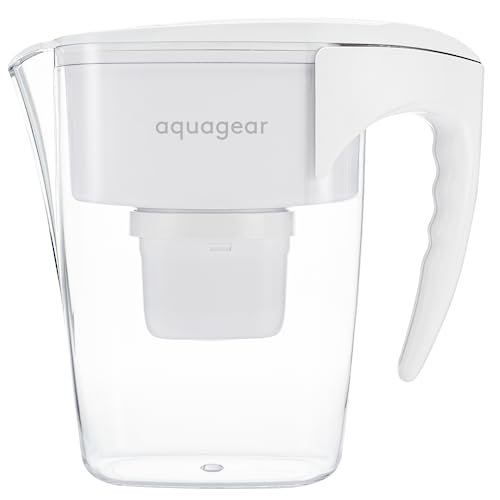
Removes 20X more contaminants than a traditional pitcher. Third-party tested to filter lead, chlorine, microplastics, PFOA, PFOS, and more contaminants other filters miss.
Keeps good minerals in. O...
Aquagear's filter is rated for 120 gallons - roughly three times the standard pitcher filter - and targets lead, chlorine, PFOA/PFOS, and microplastics. The pitcher itself is plain, but the long filter life changes the math on cost per gallon. A quiet favorite for heavy daily use.
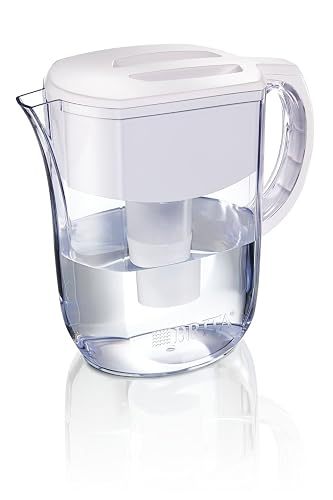
The BPA-free Monterey water pitcher with filter holds 10 cups of water, enough to fill 3 24-ounce reusable water bottles
Get great-tasting water without the waste; by switching to Brita, you can sa...
The Monterey pairs Brita's large pitcher body with the Longlast filter, rated for six months instead of two. Fewer filter changes means lower running cost and less hassle, at a higher price per filter. Confirm the pitcher uses the filter style you can buy locally.
Target's PUR 11-cup pitcher is the same lead-reducing family as the Amazon pick, available for same-day pickup. Useful when a filter subscription runs out or the old pitcher cracks. Check which filter generation the box includes.
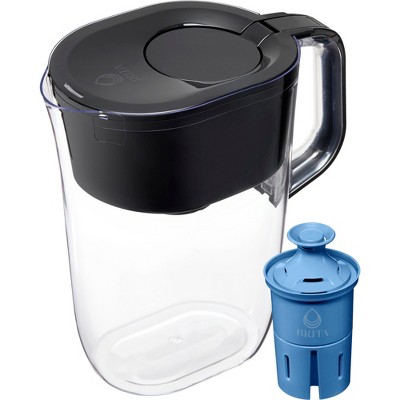
The Tahoe at Target is Brita's newer body style with the Elite filter in the box, a cleaner look than the classic Everyday. The Elite filter is Brita's longer-life option. A good local pickup when the old pitcher is due for replacement.
Target's LifeStraw Home in the 7-cup size suits small fridges and one or two drinkers, with the same two-stage filter approach as the 10-cup. The smaller reservoir means more filling trips for a family. Measure the fridge shelf height first.
Which one to choose
For most households the Brita Everyday remains the answer: cheap filters available everywhere, and it fixes the chlorine taste most people actually notice. If lead is a concern, step to the PUR PLUS with its certified lead reduction. ZeroWater is the pick for maximum removal and the TDS meter to prove it, accepting higher filter costs. Heavy drinkers should do the math on Aquagear's 120-gallon filter. Whatever you choose, set a reminder for filter changes - the pitcher only works as well as its freshest filter.
The responses below are not provided, commissioned, reviewed, approved, or otherwise endorsed by any financial entity or advertiser. It is not the advertiser’s responsibility to ensure all posts and/or questions are answered.