
Last Updated on: May 03, 2026
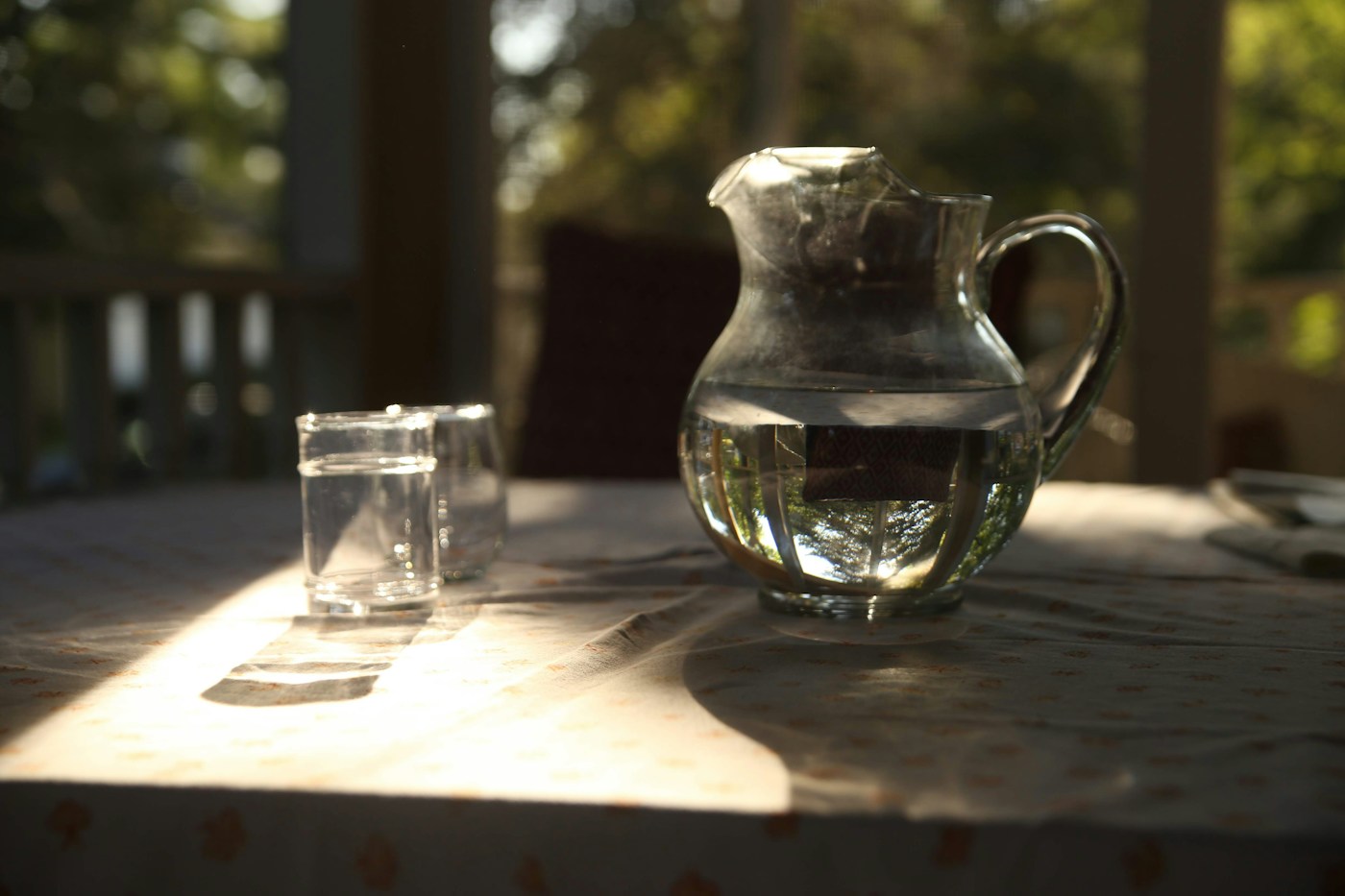
A water filter pitcher is one of the easiest ways to have cold, better-tasting water on hand. There is nothing to install, it costs little up front, and it cuts down on bottled water. Many people buy one because their tap water tastes or smells of chlorine, and others want to reduce specific contaminants such as lead.
What We'll Cover
- Top Water Filter Pitchers
- Start with what you want to remove
- How to read filter certifications
- Capacity and size
- Filter speed, life, and cost
- Features worth having
- Water filter pitchers
- Large dispensers
- Keeping a pitcher clean
- Pitcher, faucet filter, or under-sink system?
- Common mistakes
- Questions to ask before you buy
- The short answer
Pitchers look alike, but they differ in capacity, how fast they filter, what their filters are certified to reduce, and how much the replacement filters cost over a year. This guide covers what to look for, how to read filter certifications, how to keep a pitcher clean, and what the Centers for Disease Control and Prevention says about home filters, with models from several stores.
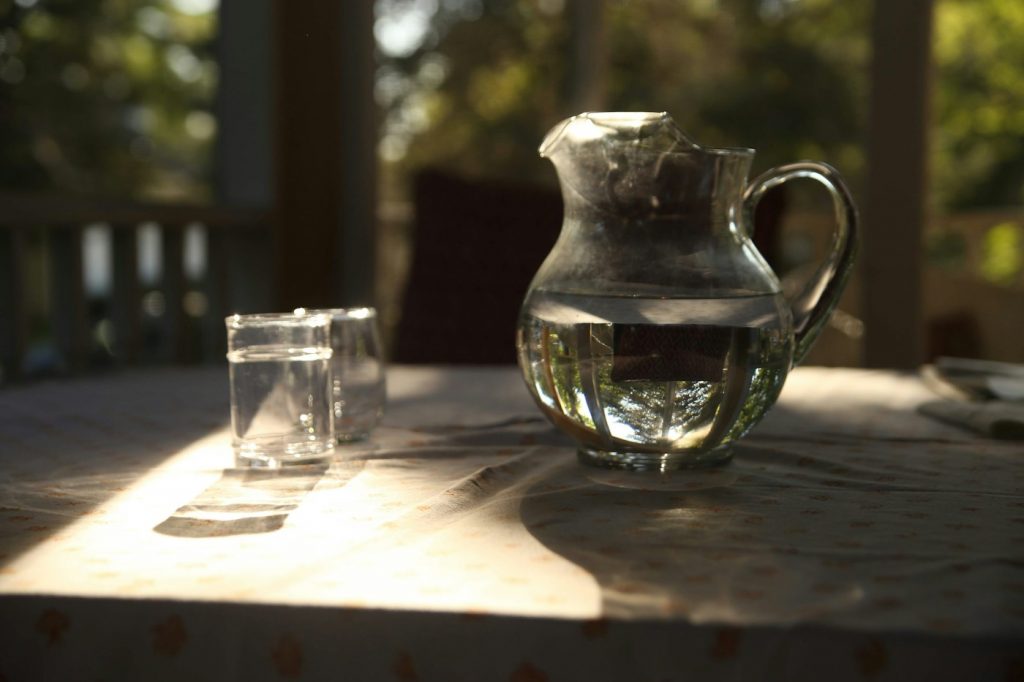
Top Water Filter Pitchers
Start with what you want to remove
Before choosing a pitcher, think about why you want one. If the water is safe but tastes of chlorine, almost any certified pitcher will help. If you are worried about something specific, such as lead from old pipes, you need a filter that is certified to reduce that contaminant. Your water utility's annual water quality report, often called a Consumer Confidence Report, lists what is in public water. If you use a private well, a water test from a certified lab is the best starting point.
The CDC notes that most home water filters, like pitcher and fridge filters, are not designed to remove germs from water. These filters typically use carbon to make water taste better or to remove heavy metals like lead. The CDC also says pitcher and refrigerator filters mainly improve the taste and smell, rather than the safety, of water. If your water may be unsafe because of germs, a pitcher is not the right fix.
How to read filter certifications
According to the CDC, one way to figure out what a water filter removes is to look for an NSF certification on the filter's label, and you can look up specific products in the NSF database to see what they are certified to remove. The CDC lists several NSF standards related to water treatment, including Standard 42 for taste and odor, Standard 53 for cyst reduction, and Standard 58 for reverse osmosis systems.
- Check the filter, not the pitcher: Certification applies to a specific filter model, so look at the exact replacement filter.
- Read the list of contaminants: A filter certified for taste and odor may not be certified for lead.
- Look it up: The NSF database shows what a product is certified to reduce.
- Be wary of vague claims: Words like "purifies" or "removes toxins" mean little without a certification behind them.
Capacity and size
Pitchers are sold by the number of cups they hold, but that number usually includes the top reservoir, so the amount of filtered water at one time is smaller. A 6- to 7-cup pitcher suits one or two people and fits in most fridge doors. A 10- to 11-cup pitcher suits a small family. Large dispensers of 18 cups or more sit on a fridge shelf or counter and have a spigot, which is handy for families and for filling water bottles.
Measure your fridge before you buy. A tall 10-cup pitcher may not fit on the shelf you want, and a large dispenser takes up a lot of space.
Filter speed, life, and cost
Filters that reduce more contaminants often filter more slowly, since water spends more time passing through the media. Some multi-stage filters take several minutes to fill the pitcher. Filter life is usually listed in gallons or months, and long-life filters last longer than standard ones. Check the maker's rating for the specific filter.
The real cost of a pitcher is the filters. Multiply the price of a replacement filter by the number you will use in a year. A cheap pitcher with pricey filters can cost more over time than a pricier pitcher with long-lasting filters. Many brands sell filters in multi-packs that lower the cost per filter.
Features worth having
- Filter change indicator: A sticker, dial, or electronic light reminds you when to change the filter.
- Easy-fill lid: A flip-top lets you fill the reservoir without taking the lid off.
- Spigot: Dispensers with a spigot are easy to use without lifting a heavy container.
- BPA-free plastic: Most pitchers today are made without BPA; check the listing.
- Dishwasher-safe parts: Some pitchers can be hand washed only, so check the care instructions.
Water filter pitchers
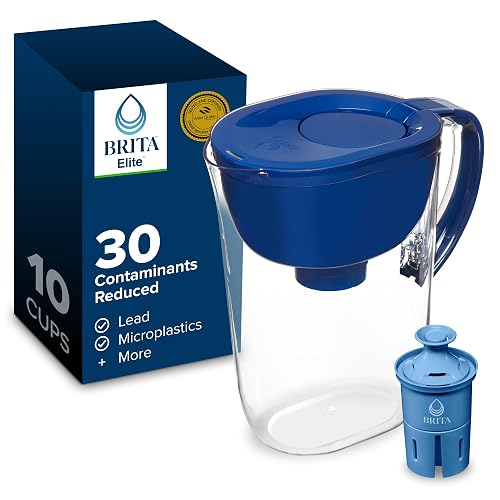
This Everyday water pitcher is made without BPA, easy to fill, fits in most fridges and can hold 10 cups of water, enough to fill 3 24-ounce reusable water bottles; Packaging may vary
This space ef...
The Brita Large 10-cup pitcher comes with an Elite filter, a well-rounded size for a small family.
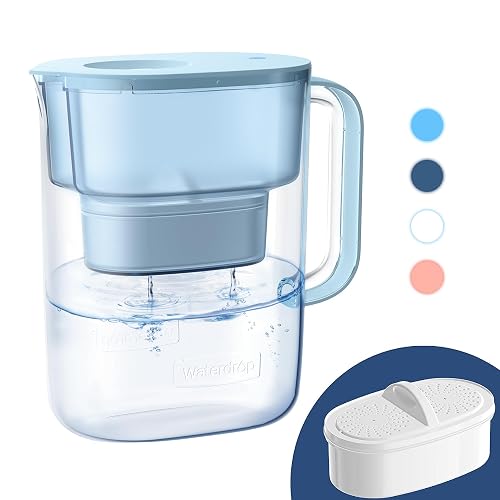
[Replacement filters] Need filters for PT-07? Search for PF-01A or ASIN B086ZPR3WM on Amazon. Choose genuine Waterdrop filters for a precise fit and reliable performance. Please confirm your model ...
The Waterdrop PT-07B is a 10-cup pitcher listed as NSF certified, a good choice for buyers who want a certified alternative to the biggest brands.
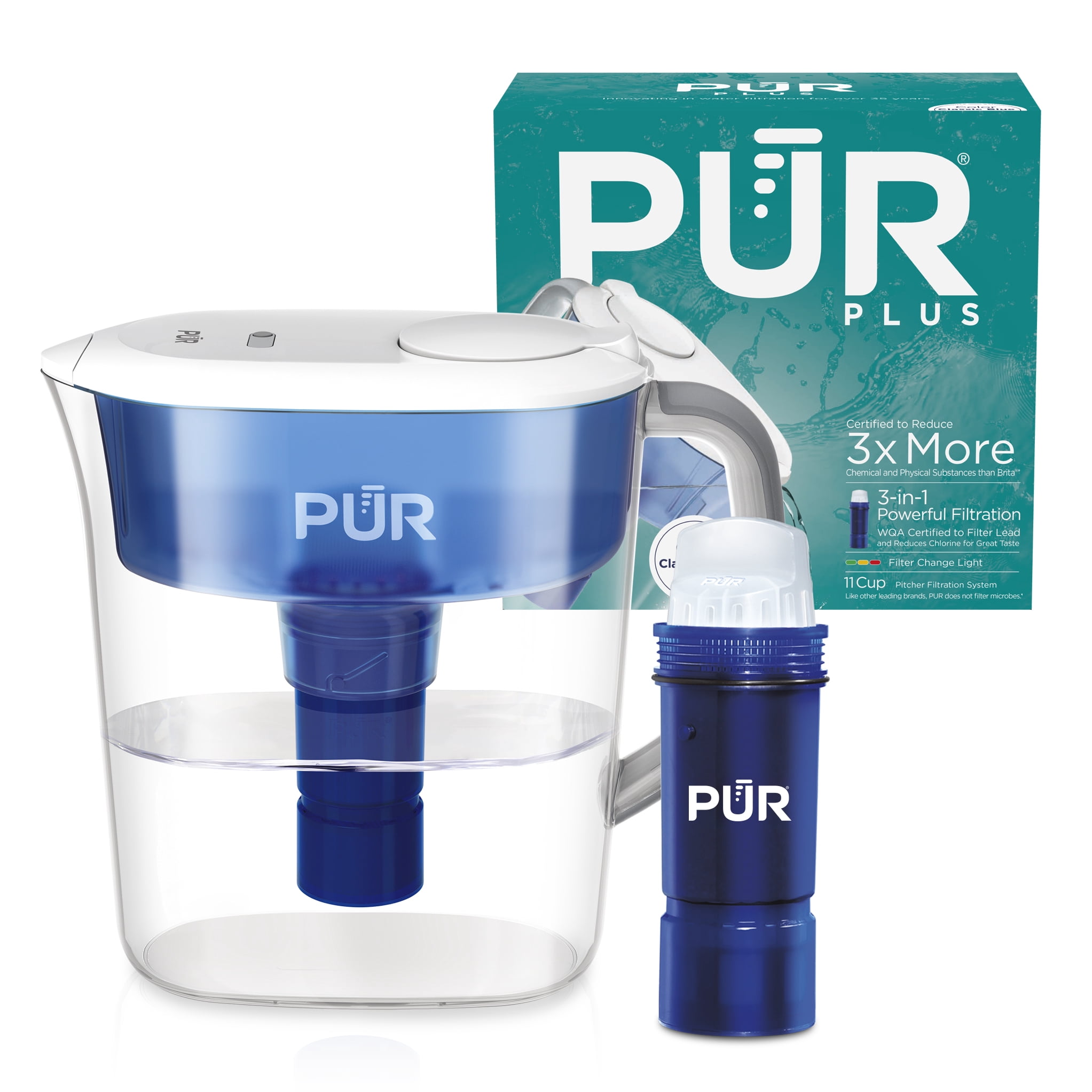
At Walmart, the PUR PLUS 11-cup pitcher uses a filter that the maker says reduces lead, a pick for homes with older plumbing. Check the filter's certification for the contaminants you care about.
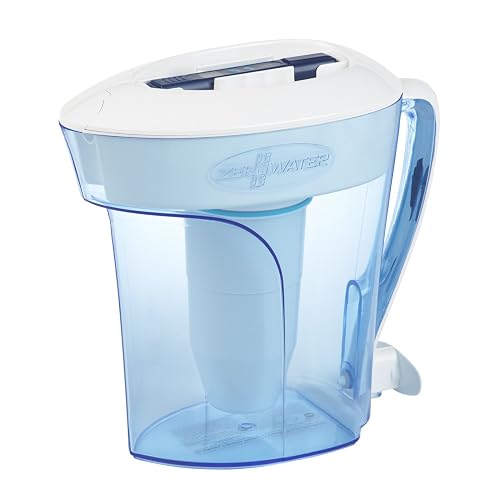
Check Your TDS: The 10 Cup 5-Stage Ready-Pour Water Filter Pitcher Dispenser has a TDS Meter to check the levels of dissolved solids before dispensing or pouring water – always know when it is time...
The ZeroWater 10-cup pitcher uses a multi-stage filter. The maker lists PFOA and PFAS reduction for this model, so check its certifications for details.
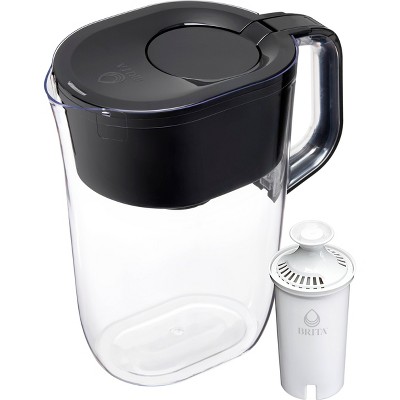
At Target, the Brita 10-cup Tahoe pitcher has an easy-fill lid and an electronic filter indicator that shows when it is time for a new filter.
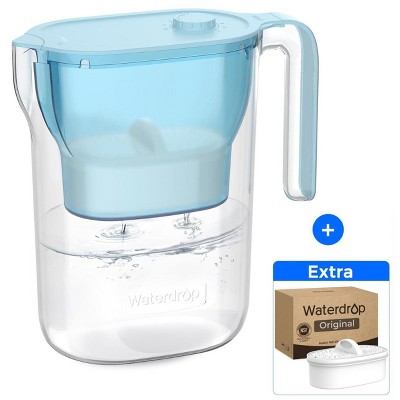
Also at Target, the Waterdrop PT-05B-L is a compact 7-cup pitcher listed as NSF certified, and it comes with two filters.
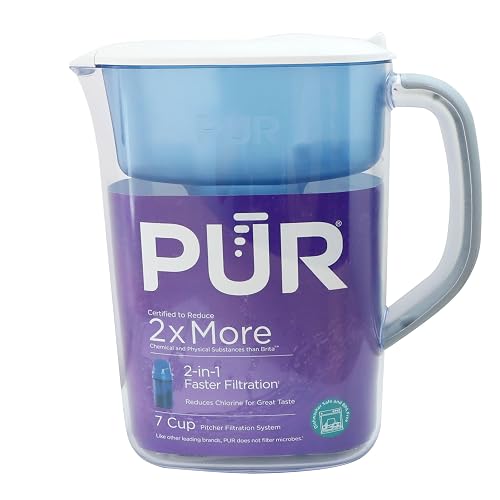
Powerful filtration: This 7-cup PUR water filter pitcher for fridge has been certified by IAPMO to reduce chlorine and other chemical and physical substances that may be found in your tap or bottle...
The PUR 7-cup pitcher is a small, simple option for one or two people and tight fridge doors.
Large dispensers
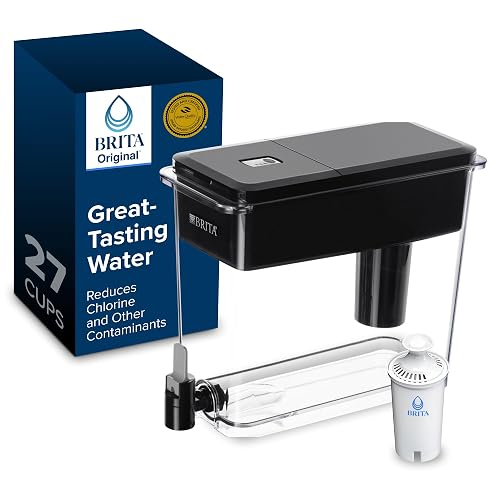
WATER DISPENSER: One BPA-free, large 27-cup Brita UltraMax Filtered Water Dispenser includes one Standard filter to help remove impurities from your tap water
CUTS OUT IMPURITIES: Brita water purif...
The Brita X-Large 27-cup dispenser has a spigot and sits on a fridge shelf, a practical choice for families and anyone who fills water bottles often.
Keeping a pitcher clean
The CDC says any filter needs to be maintained to keep it working properly and to prevent germs from growing in it. That includes changing filters regularly according to the manufacturer's recommendations. The CDC also advises wearing gloves while changing filters and washing your hands afterward.
- Change filters on time: An old filter stops working well and can harbor germs.
- Wash the pitcher: Clean the reservoir and pitcher with mild soap and water each time you change the filter.
- Keep it cold: Store the pitcher in the fridge, and do not leave it in direct sun.
- Prime new filters: Follow the directions to soak or flush a new filter before use.
- Filter only cold tap water: Many filters are not designed for hot water.
Pitcher, faucet filter, or under-sink system?
A pitcher is the cheapest and easiest option, and it works for renters since there is nothing to install. A faucet-mounted filter gives filtered water on demand but does not fit every faucet. Under-sink systems, including reverse osmosis, filter more water and can reduce a wider range of contaminants, but they cost more and need installation. For most small households that mainly want better taste, a pitcher is a good fit.
Common mistakes
The most common mistake is forgetting to change the filter, which is why an indicator is so useful. Another is buying a pitcher for a specific contaminant without checking that its filter is certified for it. People also leave pitchers on the counter in warm rooms, or skip washing the reservoir. Finally, a pitcher is not a fix for water that may contain germs; follow the local health department's advice in that case.
Questions to ask before you buy
- What do you want to reduce? Match the filter certification to your goal.
- How much water do you drink? Choose capacity to match your household.
- Will it fit your fridge? Measure the shelf or door first.
- What do filters cost per year? Compare the long-term cost, not just the pitcher price.
The short answer
For most households that want better-tasting water, a 10-cup pitcher with a certified filter, an easy-fill lid, and a filter change reminder is the best place to start. If you want to reduce a specific contaminant like lead, check the filter's NSF certification for that contaminant first, and change filters on schedule so the pitcher keeps doing its job.
The responses below are not provided, commissioned, reviewed, approved, or otherwise endorsed by any financial entity or advertiser. It is not the advertiser’s responsibility to ensure all posts and/or questions are answered.
Good point about checking the certification on the replacement filter itself. Is there a simple way to find our city's water quality report online?