
Last Updated on: Aug 18, 2026
Nobody enjoys shopping for a toilet brush, which is probably why so many bathrooms still have the same tired one that came with the first apartment. But the brush you use makes a real difference. A good one reaches under the rim, dries quickly, and sits in a holder that does not leave a puddle on the floor. A bad one splatters, holds on to grime, and turns a five-minute job into something you put off.
Toilet brushes have changed a lot. You can now choose between classic nylon bristles, flat silicone heads, curved designs for under the rim, disposable heads, and pumice sticks for hard water rings. This guide explains the trade-offs, how to pick a holder that stays clean, and how to keep the whole setup fresh.
Top Toilet Brushes
What We'll Cover
- Top Toilet Brushes
- The main types of toilet brushes
- Nylon or PP bristle brushes
- Silicone brushes
- Curved and under-rim brushes
- Disposable-head systems
- Pumice sticks
- Why the holder matters
- A simple cleaning routine
- A word on cleaning products
- Don't forget the rest of the toilet
- When to replace your brush
- Popular toilet brushes worth a look
- Which brush to choose
The main types of toilet brushes
Nylon or PP bristle brushes
The classic toilet brush has stiff plastic bristles, often nylon or polypropylene, arranged in a round or oval head. Stiff bristles scrub stains well and can reach up into the drain. Many newer designs add a smaller tuft or a curved section on top to reach under the rim.
The downside is that bristles hold on to water and debris, and they can splay out over time. Look for a brush with a replaceable head so you can swap it out without buying a whole new set.
Silicone brushes
Silicone brushes have flexible rubbery bristles, often on a flat head that bends to fit the curve of the bowl. They do not hold on to water or hair as much as nylon bristles do, so they rinse clean and dry faster. Many people find them more pleasant to store.
Silicone bristles are softer than nylon, so they may take a little more effort on tough stains. They work best for regular weekly cleaning rather than a deep scrub of a neglected bowl.
Curved and under-rim brushes
The area under the rim is where stains and buildup hide. Some brushes have an S-shaped or angled head designed specifically to reach up there. If the under-rim area is a trouble spot in your bathroom, this shape is worth it.
Disposable-head systems
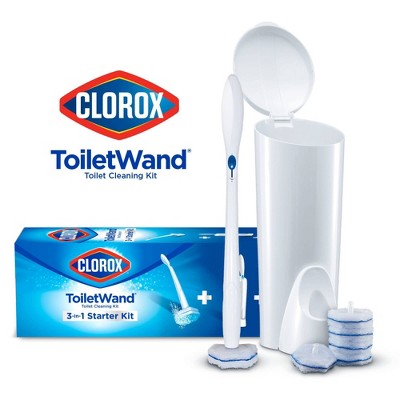
These use a wand with a clip at the end that holds a single-use scrubbing pad, often pre-loaded with cleaner. After cleaning, you eject the pad into the trash. You never store a used brush, which many people like. The trade-off is ongoing cost for refills and more waste.
Pumice sticks
Pumice sticks scrub away hard water rings and mineral stains that a normal brush cannot move. They are meant for porcelain and must be used wet. Check the instructions before using one, since many makers say not to use pumice on plastic, stainless steel, or colored or coated finishes.
Why the holder matters
A brush is only as clean as the holder it sits in. A closed cup that traps water becomes a breeding ground for smells and grime. Look for a holder with some way for the brush to dry:
- Vented or open holders let air reach the brush head.
- Drip trays catch water in a separate section that you can empty and rinse.
- Lids hide the brush head from view. Some open and close automatically when you lift the brush.
- Wall-mounted holders keep the brush off the floor, which makes cleaning around the toilet easier.
Also think about size. A compact holder fits in tight spaces beside the toilet or behind it, while a wider base is steadier and less likely to tip.
A simple cleaning routine
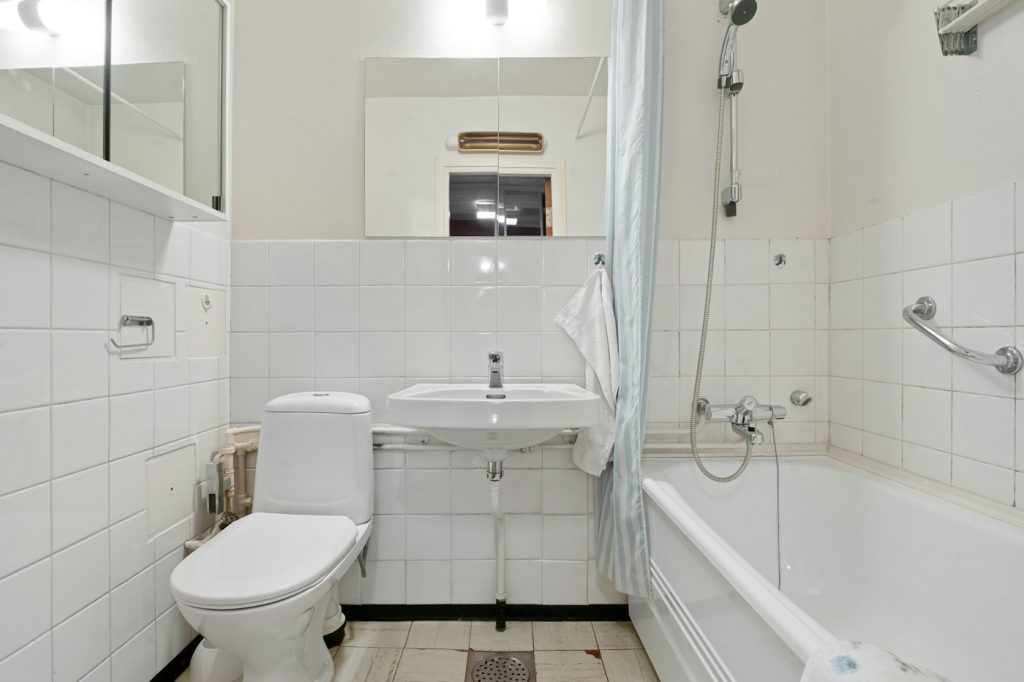
For most bathrooms, a quick weekly clean keeps the bowl in good shape. Apply toilet bowl cleaner under the rim and let it sit for the time listed on the label. Scrub the bowl, paying attention to the rim and the waterline, then flush and rinse the brush in the clean flush water.
Before putting the brush back, let it drip dry for a minute. The easiest way is to rest the handle between the toilet seat and the bowl, with the head hanging over the water, then close the seat to hold it in place. Once most of the water has dripped off, return the brush to its holder.
Once a month or so, clean the holder, too. Rinse it out, wash it with hot soapy water or a cleaner, and let it dry fully before putting the brush back.
A word on cleaning products
Toilet cleaning often involves strong products, so read labels carefully. The CDC warns never to mix household bleach, or any disinfectant, with other cleaners, because doing so can release vapors that are very dangerous to breathe. Use one product at a time, rinse well between them, and keep the bathroom ventilated. If you use a disposable-head system that comes pre-loaded with cleaner, do not add other products to the bowl while you use it.
That guidance comes from the CDC's page on cleaning and disinfecting with bleach.
Don't forget the rest of the toilet
The bowl gets the attention, but the outside of the toilet collects plenty of grime too. The base, the hinges of the seat, and the floor around the toilet all need a regular wipe. Use a separate cloth or disposable wipe for these areas, and keep it just for the toilet so it never ends up on the sink or counter.
Start at the top and work down: the tank lid and handle, then the seat and lid, then the outside of the bowl and the base. Finish with the floor around the toilet. Lifting the seat and cleaning the hinges every few weeks keeps buildup from forming in those small gaps.
If your toilet has a hard water ring that keeps coming back, it may help to clean more often rather than scrub harder. Weekly cleaning keeps minerals from building up into a thick layer that takes much more work to remove.
When to replace your brush
Replace the brush or brush head when the bristles are splayed, stained, or no longer spring back, or when the brush has a smell that does not go away after cleaning. For most households, that means every few months for a nylon brush. Silicone brushes tend to last longer. If your holder is cracked or stained, replace it too.
Popular toilet brushes worth a look
These picks come from the top of the toilet brush best-seller list and cover classic brushes, silicone heads, curved designs, combos, and a pumice stick.
Classic brush with a replaceable head. A white brush with dense PP bristles that the maker says will not scratch the bowl, a 15.8-inch handle, and a flat, steady base.
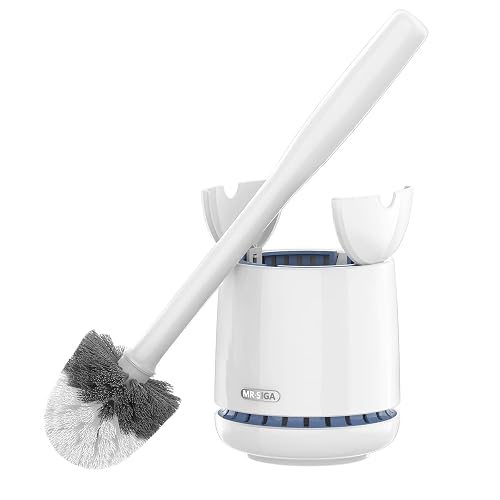
DURABLE CONSTRUCTION & ELEGANT DESIGN- Durable and dense PP fibers create long lasting bristles for strong cleaning ability but won't scratch the toilet bowl. Flat base secures the toilet bowl brus...
Curved brush for under the rim. An S-shaped head with dense, flexible bristles, plus an open, hanging holder that lets water drip off and dry.
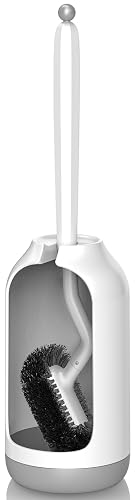
DEEP CLEANING WITHOUT DIRT: Unique S-shaped dense and flexible bristles of this toilet brush set can clean internal of toilet outlet throughly. Leaves no stains in toilet bowl, effectively removes ...
Flat silicone brush. A flexible flat head that bends to reach under the rim, with a vented holder that drains water. Larger bristles help keep hair from tangling.
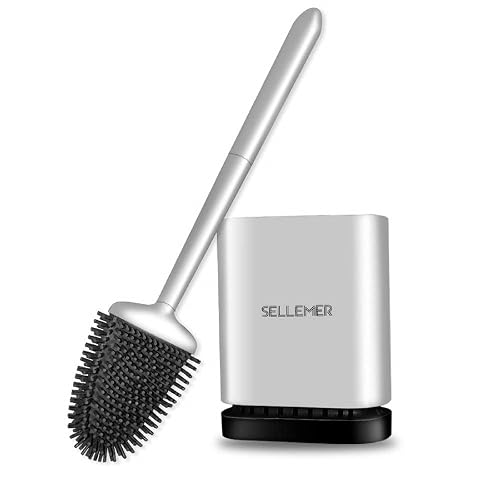
Easily Clean Dead Corner: The flat silicone toilet brush head can be bent to fit the angle of the rim, reaching under the rim. The tip of the brush head is designed to clean the edge of the toilet ...
Compact brush with a stainless handle. A small holder, about 4.1 by 3.3 by 5.1 inches, that hides the head inside the base. Good for tight bathrooms.
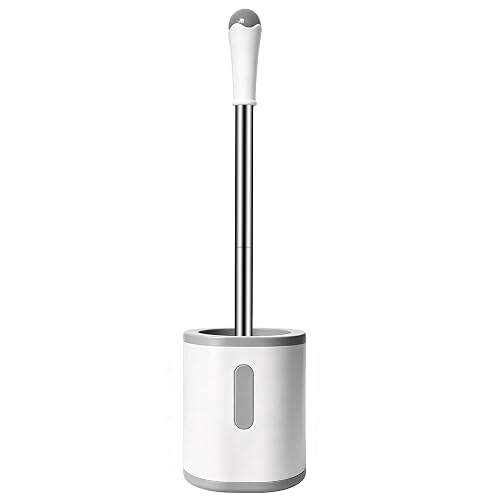
Compact Size:The holder measures 4.1" x 3.3" x 5.1", Small Size holder Space Saving for Storage and Organization, Easy to hide to ensure the beauty of the bathroom.
Hidden Toilet Scrubber: Toilet b...
Self-closing lid. The lid on this holder opens and closes on its own when you lift and replace the brush. A two-layer base keeps drips off the floor and helps the brush dry.
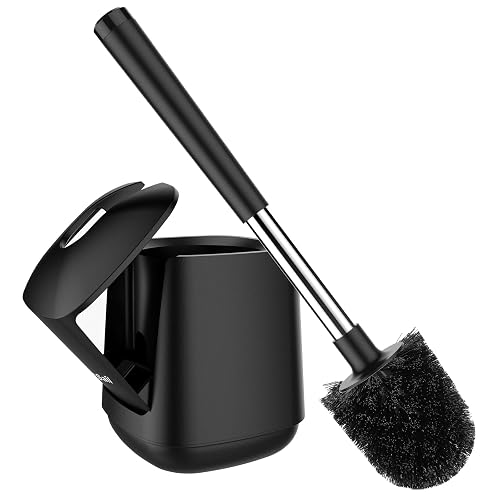
AUTOMATIC DESIGN: Toilet cleaner brush with the design of automatic opening and closing of the lid, when not in use, the brush head can be hidden, when in use the toilet scrubber brush, the lid is ...
Pumice stick for hard water rings. A two-pack of pumice sticks with long handles, made from recycled glass. The maker says to use them only with water and not on delicate plastic or stainless steel.
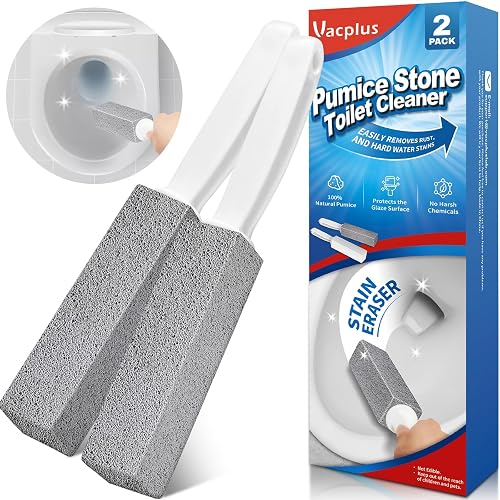
SCRUBS AWAY TOUGH STAINS: Vacplus pumice stone toilet bowl cleaner powers through all sorts of difficult bathroom stains with ease. Its natural abrasive properties allow it to effectively remove ha...
Disposable heads with the cleaner built in. The Clorox ToiletWand system at Target comes with a long wand, a storage caddy, and six scrubbing pads preloaded with cleaner. You click on a pad, scrub, and toss it, so there is no wet brush to store. Because the pads already hold cleaner, skip adding a second product to the bowl.
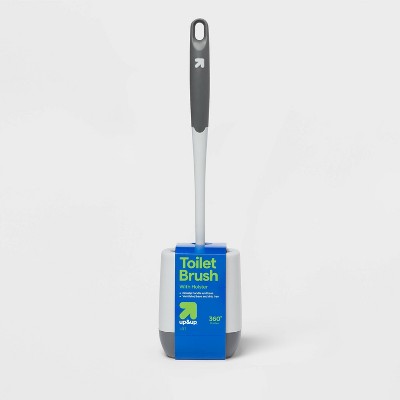
Low-cost brush with a drip tray. Target's up&up brush comes with a holster that has a vented base and a drip tray, plus a non-slip handle and base. It stands about 17 inches tall, so check the space beside your toilet.
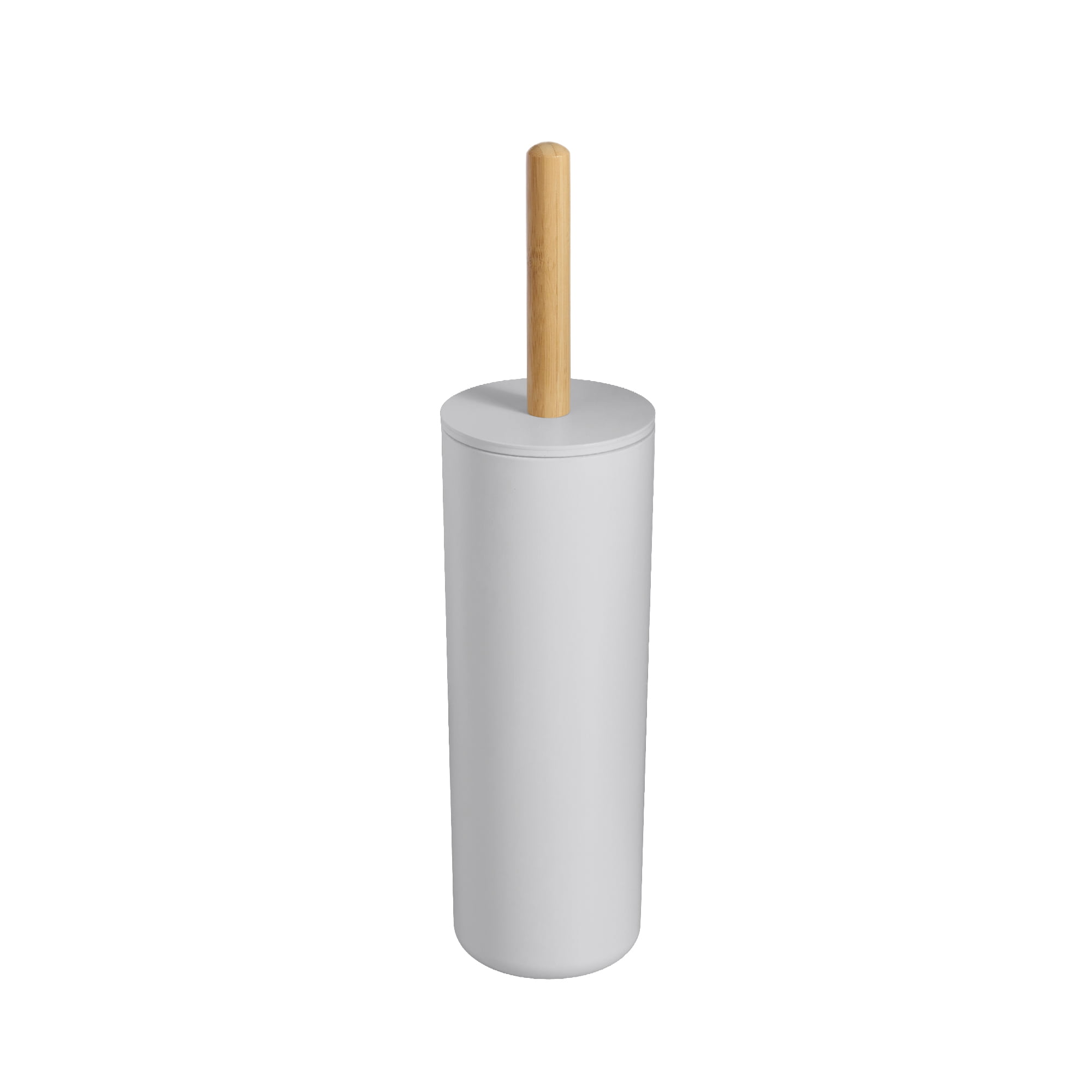
Brush set with a bamboo handle. The Mainstays brush and holder pairs a white holder with a natural bamboo handle, a simple way to make the brush look less out of place in a bathroom you have styled with care.
Which brush to choose
For most bathrooms, a silicone brush with a vented holder is the easiest to live with: it rinses clean and dries fast. If you have stubborn stains or a lot of buildup under the rim, a stiff or curved nylon brush does more scrubbing. Add a pumice stick for hard water rings, and choose a holder that lets the brush dry. With the right setup, cleaning the toilet becomes a quick, simple chore.
The responses below are not provided, commissioned, reviewed, approved, or otherwise endorsed by any financial entity or advertiser. It is not the advertiser’s responsibility to ensure all posts and/or questions are answered.