

Last Updated on: Apr 11, 2026
Sunglasses are easy to think of as a fashion accessory, but their most important job is protecting your eyes. The same ultraviolet light that burns skin can harm the eyes over time, and glare from water, snow, and pavement can make it hard to see clearly. A good pair of sunglasses cuts that glare, keeps your eyes comfortable, and still looks great.
What We'll Cover
- Top Sunglasses
- UV protection comes first
- Polarized lenses
- Lens colors and tints
- Lens darkness and special lenses
- Lens materials
- Wear them all year
- Prescription options
- Classic and everyday styles
- Sport and active styles
- Finding the right frame shape
- Getting a good fit
- Checking lens quality
- Kids need sunglasses too
- Care tips
- Common mistakes
- The short answer
With so many styles, lens types, and price points, it helps to know what actually matters. This guide explains UV protection, polarized lenses, lens colors, frame shapes, and fit, with picks from several stores.
Top Sunglasses
UV protection comes first
The American Academy of Ophthalmology says to always buy sunglasses that block 99 percent or 100 percent of all UV light. Long-term exposure to UV radiation in sunlight is linked to cataracts and eye growths, including cancer. The academy notes that a label reading "UV absorption up to 400nm" means the same thing as 100 percent UV absorption, which is why many sunglasses are labeled UV400.
Price is not a guarantee of protection. The academy points out that the color and darkness of a lens tell you nothing about how well it blocks UV light. Only sunglasses with 100 percent UV protection give the safety you need, so always check the label.
Polarized lenses
Polarized lenses cut reflected glare, the bright light that bounces off smooth surfaces such as water, pavement, car windows, and chrome. The academy notes they can be especially useful for driving and fishing. Polarization is separate from UV protection, but many polarized lenses also include UV blocking, so check the label for both.
Polarized lenses can make some phone screens, car dashboards, and ATM displays look dark or patchy at certain angles. Pilots and some skiers who need to spot icy patches may prefer non-polarized lenses.
Lens colors and tints
- Gray: Reduces brightness without changing colors much. A good all-purpose choice.
- Brown and amber: Boost contrast and depth, helpful for driving, golf, and variable light.
- Green: Offers balanced contrast and color, a classic everyday tint.
- Yellow and orange: Increase contrast in low or flat light, such as cloudy days or dusk.
- Mirrored: Reflect more light away, useful in very bright settings. The academy notes that mirror coatings alone should not be assumed to fully protect against UV.
Lens darkness and special lenses
The academy suggests a medium lens for day-to-day wear and a darker lens for very bright conditions. Gradient lenses are darker at the top and lighter at the bottom, which cuts glare from the sky while keeping the dashboard easy to read. Photochromic lenses darken in bright light and lighten indoors, although they take time to adjust. Wraparound frames help block light and UV rays that sneak in around the sides of ordinary frames.
Lens materials
All sunglasses must meet FDA impact standards, according to the academy. Most nonprescription lenses are plastic, which is less likely to shatter than glass. Polycarbonate lenses are especially tough and popular for sports, but they scratch easily, so look for a scratch-resistant coating. Glass lenses offer sharp optics and resist scratches but are heavier and can break.
Wear them all year
The academy calls sunglasses essential eyewear in all seasons, not just summer. UV rays, including UV-A and especially UV-B, can damage the eye's surface, cornea, and lens, and that damage can lead to cataracts, macular degeneration, and other conditions that can permanently harm sight. Keep a pair in the car and in your bag so you are not caught without them on bright spring days, at the beach, on the water, or on the ski slopes, where snow reflects a lot of light.
The academy also notes that oversize lenses give the largest shield from sun damage, and wraparound styles add more protection by keeping UV rays from coming in along the sides. If you like a smaller frame for style, pairing it with a wide-brimmed hat helps block light from above.
Prescription options
If you wear glasses, you have several choices. Prescription sunglasses give the clearest view and full coverage, and many shops can add polarization and UV protection. Clip-on or magnetic sun lenses attach to your regular frames for a low-cost option. Fit-over sunglasses are large frames designed to slip over your everyday glasses. Photochromic prescription lenses switch between indoor and outdoor use, though they take time to adjust and may not darken fully inside a car. Contact lens wearers can use any regular sunglasses.
Classic and everyday styles
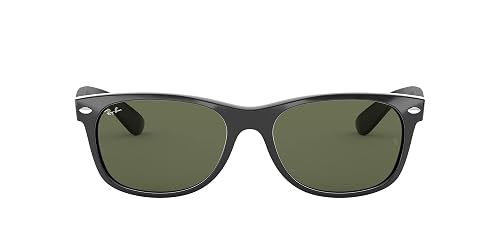
SIZING INFORMATION: This frame size is Small with a hinge to hinge measurement of 128 mm. Ideal for narrow to average faces.
FRAME FEATURES: RB2132 New Wayfarer sunglasses for men and women feature...
The Ray-Ban RB2132 New Wayfarer is a classic square frame that suits many face shapes and is sold for both men and women.
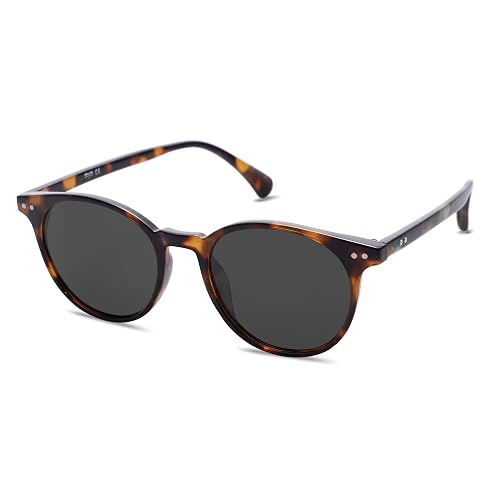
HIGH-DEFINITION POLARIZED LENSES – SOJOS High Definition TAC polarized lenses can filter out sunlight reflected glare, and protect your eyes from long-term damage by blocking 99.99% of UV rays
LIGH...
The SOJOS small round sunglasses bring a vintage look with polarized lenses.
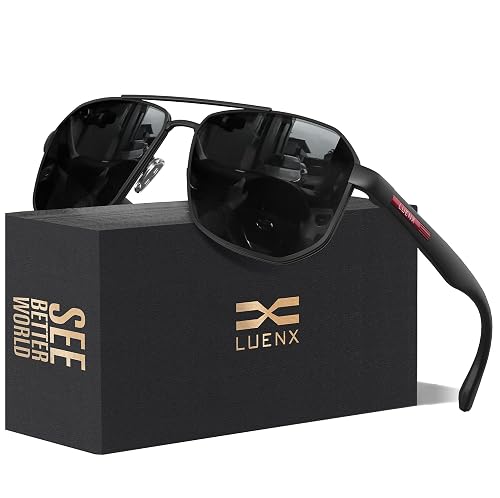
[SQUARE AVIATOR STYLE WITH POLARIZED LENS] :UV400 eye protection effectively filter & block glares. Designed for driving & outdoor activities;High-definition lens gives you a natural & clear vision...
The Luenx aviator sunglasses have polarized UV400 lenses in a timeless pilot shape.
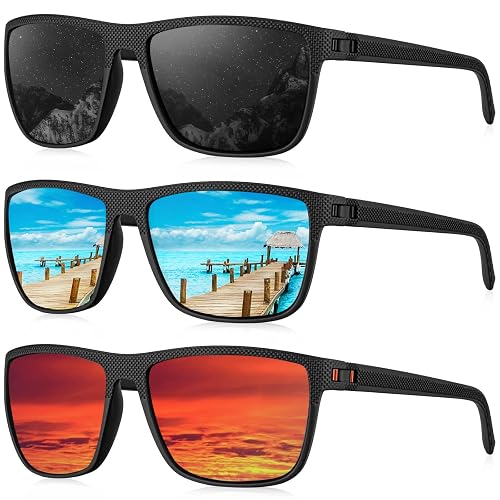
HD Polarized Lens: To prevent your eyes from the harmful UV rays, all of KALIYADI mens sunglasses polarized choose premium polarized lenses with UV400 protection function. You can be free all the t...
The KALIYADI polarized sunglasses are lightweight with UV protection, an easy pick for driving and everyday wear.
Sport and active styles
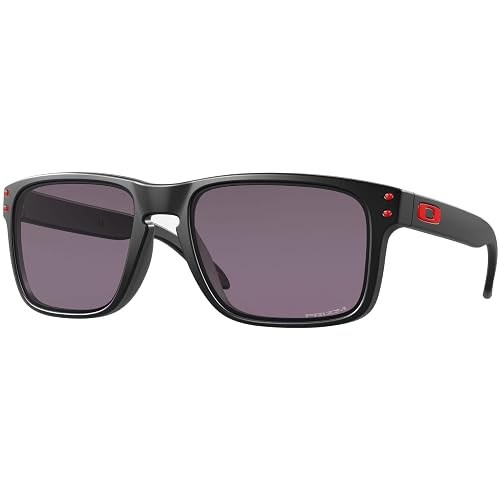
Lightweight O Matter frame material
Available with Prizm lenses to enhance color, contrast and detail for an optimized experience
The Oakley Holbrook is a square frame with polarized lenses, a premium pick for active days outdoors.
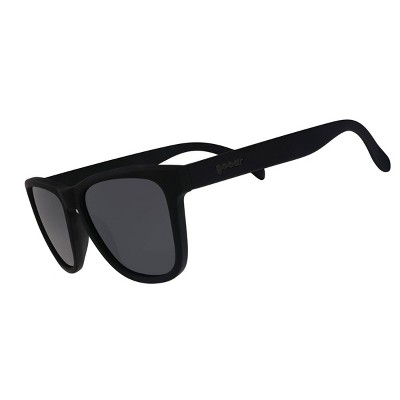
At Target, goodr OG sunglasses use a lightweight plastic rectangle frame, a popular choice among runners.
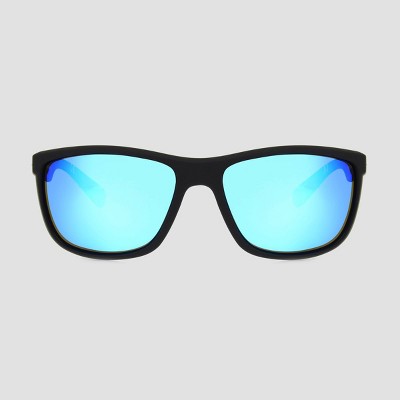
Also at Target, the All In Motion Surfer Shade sunglasses have mirrored polarized lenses, a rubberized frame, and scratch-resistant lenses with UV protection.
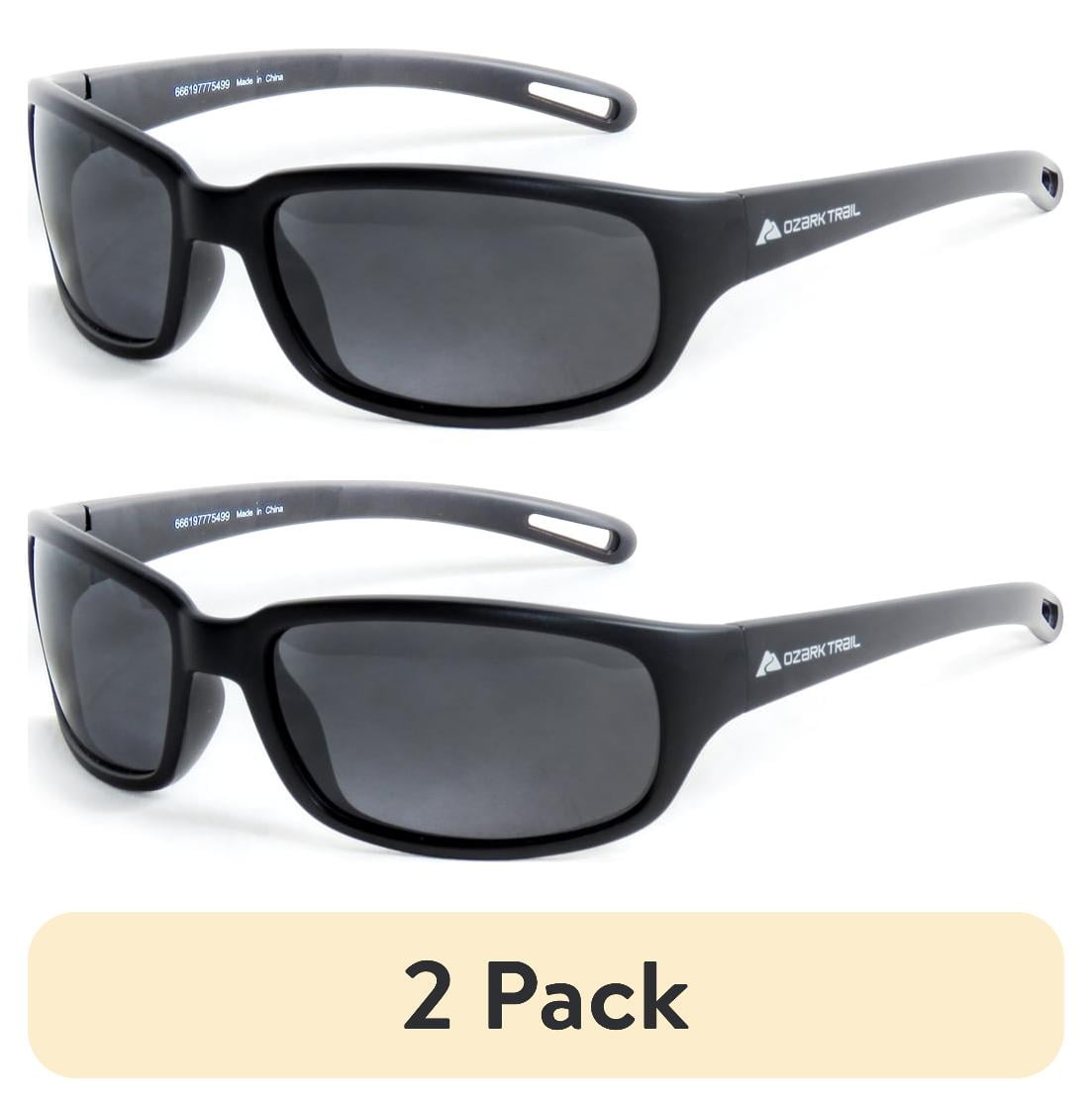
At Walmart, the Ozark Trail full frame sports sunglasses come as a two pack with polarized lenses, handy for fishing trips or keeping a spare in the car.
Finding the right frame shape

A common rule is to choose a frame that contrasts with your face shape. Round faces often suit square or rectangular frames, while square faces often look good in round or oval frames. Oval faces can wear almost anything. Heart-shaped faces may suit frames that are wider at the bottom, such as aviators. In the end, choose what feels comfortable and makes you happy to wear them.
Getting a good fit
- Width: The frame should be about as wide as your face, without extending far past it.
- Nose bridge: The glasses should sit comfortably without pinching or sliding down.
- Temples: The arms should rest on your ears without pressing on the sides of your head.
- Coverage: Larger lenses and wraparound styles block more light from the sides.
- Eyelashes: Your lashes should not brush the lenses.
Checking lens quality
The academy offers a simple test for nonprescription lenses. Look at something with a rectangular pattern, such as floor tile. Hold the glasses at a comfortable distance, cover one eye, and slowly move the glasses side to side and up and down. If the lines stay straight, the lens is fine. If they wiggle, especially near the center, try another pair.
Kids need sunglasses too
Children spend a lot of time outdoors, so sunglasses with UV protection are a smart habit to start early. Look for impact-resistant lenses, flexible frames, and a strap or snug fit so they stay on during play. A wide-brimmed hat adds extra shade for eyes and face.
Care tips
Clean lenses with a microfiber cloth and lens cleaner or mild soap and water, not your shirt, which can scratch them. Store sunglasses in a case, and never leave them on a hot car dashboard, where heat can warp frames and damage lens coatings. Put them on and take them off with both hands to keep the frame aligned.
Common mistakes
The most common mistake is choosing sunglasses by darkness or price instead of the UV label. Another is buying frames that sit too far from the face, which lets light and UV rays in around the edges. Many people also toss sunglasses loose into a bag or leave them on the car dashboard, where they get scratched or warped. Finally, cheap novelty glasses without a clear UV rating are best saved for costumes, not sunny days.
The short answer
Choose sunglasses that block 99 to 100 percent of UV light, often labeled UV400. Go polarized if glare from water or roads bothers you, pick a tint that fits how you use them, and choose a frame that fits well and covers your eyes. Price and darkness matter far less than the UV label.
The responses below are not provided, commissioned, reviewed, approved, or otherwise endorsed by any financial entity or advertiser. It is not the advertiser’s responsibility to ensure all posts and/or questions are answered.
Did not know polarized lenses could make car screens look patchy. For someone who drives a lot at dusk, would a gradient lens be a better choice than a fully dark one?