
Last Updated on: Apr 24, 2026
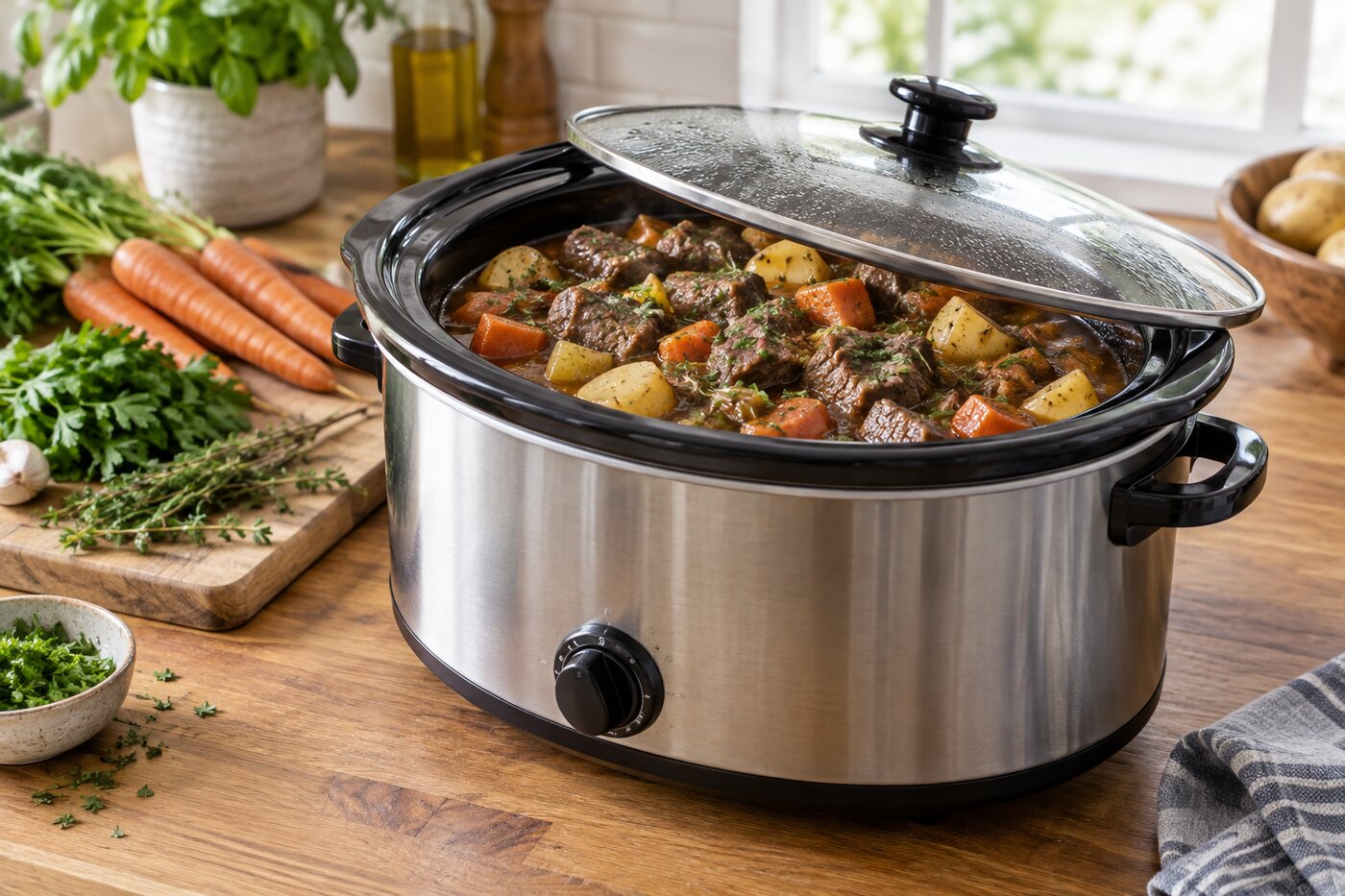
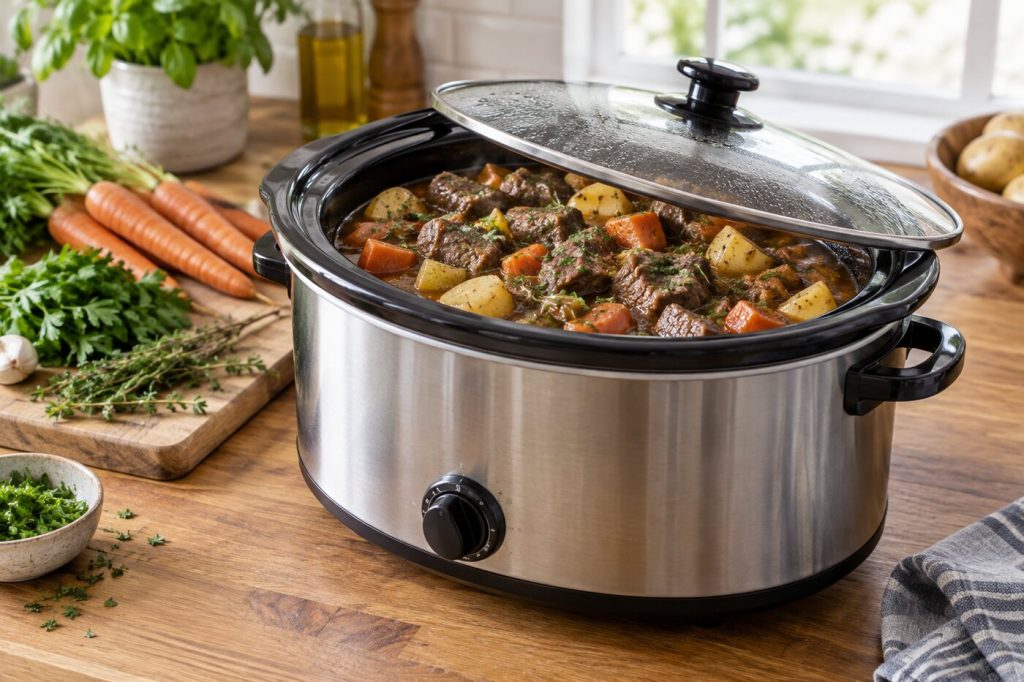
A slow cooker is one of the few kitchen appliances that does most of the work while you are somewhere else. You add ingredients in the morning, set it, and come home to a pot of chili, pulled pork, soup, or stew. It turns tough, cheap cuts of meat tender, keeps food warm for parties, and needs very little attention.
What We'll Cover
- Top Slow Cookers
- How a slow cooker works
- Pick the right size
- Oval or round?
- Manual dial or programmable?
- Other features worth having
- Family-size slow cookers
- Small slow cookers
- Slow cooker food safety
- Slow cooker or multi-cooker?
- What to make in a slow cooker
- Tips for better results
- Cleaning and care
- The short answer
Choosing one is mostly about size and controls. A single person and a family of six need very different pots, and a basic dial works differently from a programmable timer that switches to warm on its own. This guide covers what to look for, plus the food safety basics from the U.S. Department of Agriculture that every slow cooker owner should know.
Top Slow Cookers
How a slow cooker works
A slow cooker is a heating base wrapped around a removable pot, usually stoneware or ceramic, with a lid that traps moisture. It cooks at low temperatures for many hours. The low, steady heat and the moist environment break down connective tissue in meat and let flavors blend, which is why stews and braises come out so well.
Most models have low and high settings, and many add a warm setting for holding food after it is done. According to the USDA, foods cook faster on high than on low, and the low setting works well for all-day cooking and less-tender cuts.
Pick the right size
- 1.5 to 3 quarts: Good for one or two people, dips, sauces, and side dishes. Small cookers are also handy for keeping queso or meatballs warm at a party.
- 4 to 5 quarts: A fit for small families of three or four.
- 6 to 7 quarts: The most popular size. Big enough for a family meal with leftovers, a whole chicken, or a pork shoulder.
- 8 quarts and up: For large families, batch cooking, and big gatherings.
Slow cookers generally do best when they are filled within a range the manufacturer recommends, so a pot that is far too big for your usual recipes can cook unevenly. Check the manual for your model's guidance and choose the size you will fill most often.
Oval or round?
Oval cookers fit roasts, whole chickens, and ribs better. Round cookers are fine for soups, stews, and chili and sometimes take up less counter space. If you plan to cook large cuts of meat, go oval.
Manual dial or programmable?
A manual slow cooker has a simple knob for off, low, high, and sometimes warm. It is cheap and reliable, but it keeps cooking at the setting you pick until you turn it off. A programmable model lets you set a cook time, after which it switches to warm automatically. That is a big help if you are away longer than the recipe calls for, since the food does not overcook while you are stuck in traffic.
Other features worth having
- Locking lids: Clip the lid down so you can carry the cooker to a potluck without spills.
- Removable, dishwasher-safe pots: Make cleanup easy. Some stoneware inserts can also go in the oven.
- Stovetop-safe inserts: On some multi-cookers, you can brown meat right in the pot before slow cooking, which saves a pan.
- Probes: Some models have a temperature probe that switches to warm when meat reaches a target temperature.
- Glass lids: Let you check food without lifting the lid and letting heat escape.
Family-size slow cookers
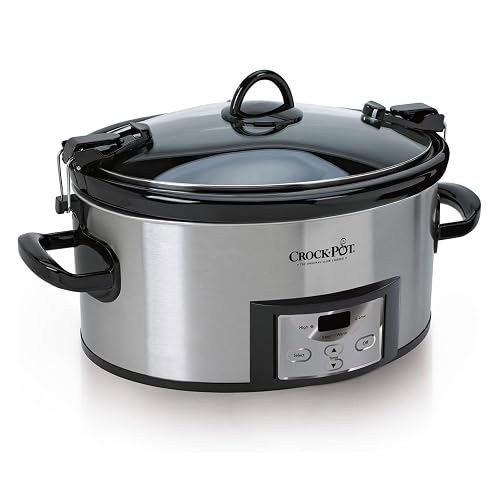
Programmable Digital Timer: Control cooking times from 30 minutes up to 20 hours
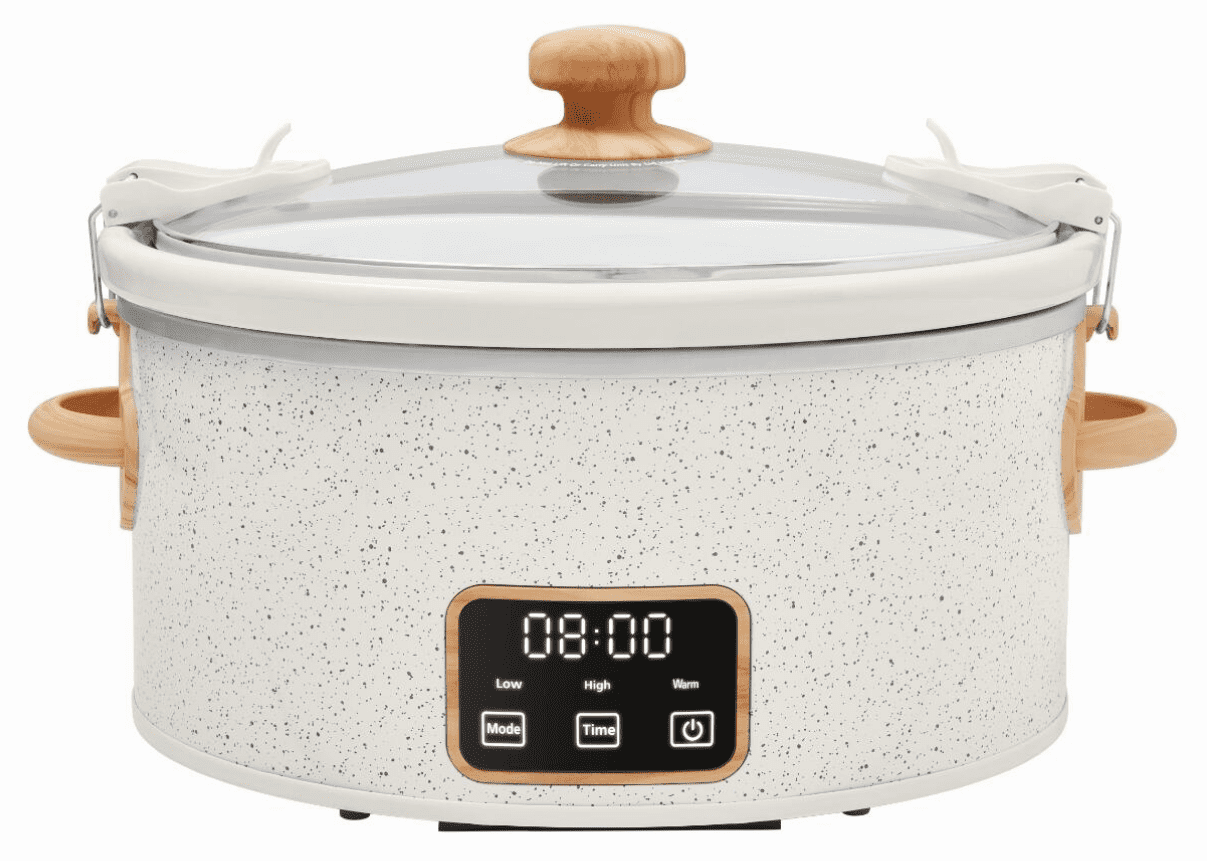
Serve a Crowd: 6 quart Cook & Carry Slow Cooker serves 7 plus people
Locking Lid: Lid gasket provides extra seal for...
The Crock-Pot 6-quart Cook and Carry has a digital timer and a locking lid, so it works for everyday dinners and for carrying food to gatherings.
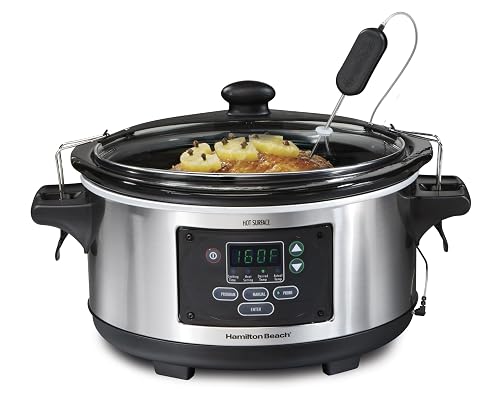
NOT YOUR MOM’S SLOW COOKER: Smart technology allows you to cook a recipe to either a desired cooking time or specific temperature, before automatically switching to Warm when it’s done.
PATENTED TE...
The Hamilton Beach Set and Forget is a portable 6-quart programmable slow cooker. It is a solid choice for families who want a timer and an easy-to-transport pot.
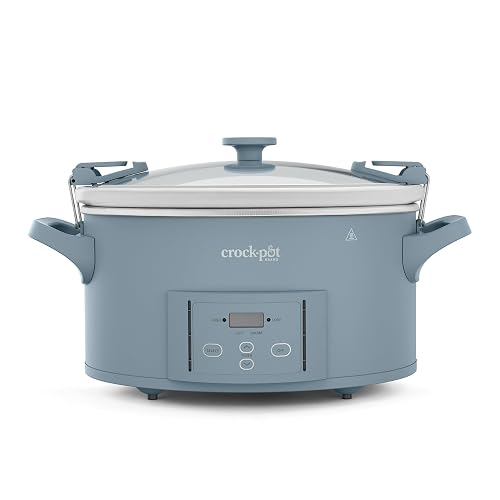
Elevated Design: Streamlined, modern-vintage aesthetic, and calming Morning Haze blue color
Countdown Control: Programmable control allows for customized cook times between 30 minutes to 20 hours
D...
The Crock-Pot Design Series 7-quart programmable cooker adds a bit more capacity and a colored finish that looks nice on the counter.
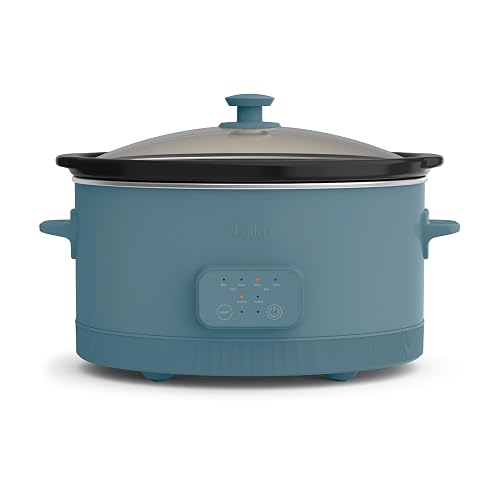
BIG BATCH COOKING: The 6-quart capacity is perfect for cooking large batches of soups, chili, or even a whole roast chicken. Ideal for family meals or meal prepping, this programmable crock pot mak...
The bella SAVOR 6-quart programmable cooker comes in several colors and covers the same everyday cooking as other 6-quart models.
The Pioneer Woman 6-quart slow cooker has digital controls and a locking lid, making it a good pick for potlucks and holidays.
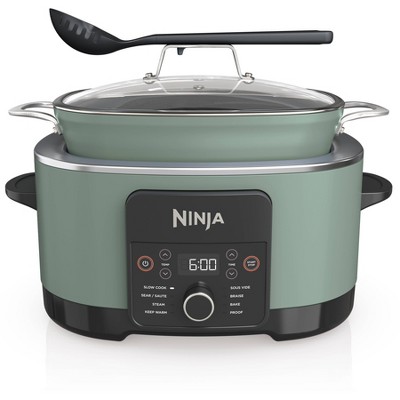
At Target, the Ninja PossibleCooker PRO is an 8.5-quart multi-cooker that slow cooks and also works as a Dutch oven and a sous vide cooker. Its pot is oven-safe to 500°F. It suits cooks who want one appliance to cover several jobs.
Small slow cookers
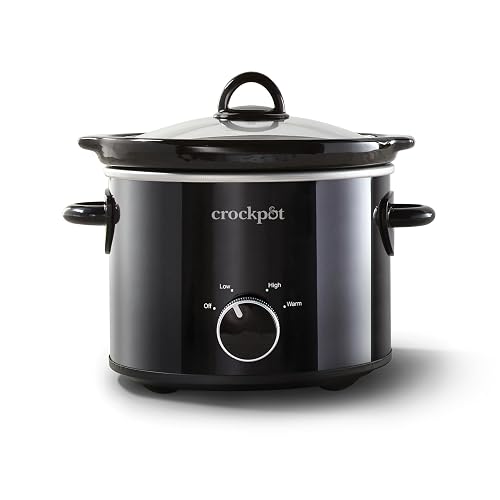
3 Manual Heat Settings: Choose from high, low, and warm, for cooking flexibility no matter what you're making
2-Quart Capacity: Feeds 2+ people and is perfectly sized for preparing small meals, dip...
The Crock-Pot 2-quart manual cooker is sized for two people, dips, and sides. Its removable stoneware is oven and dishwasher safe.
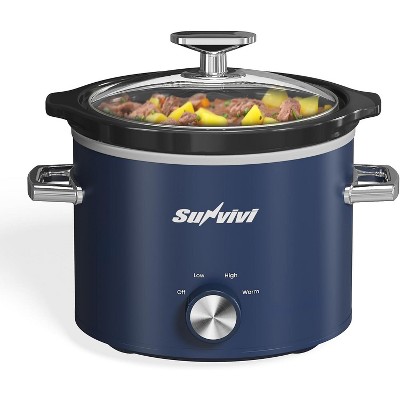
Also at Target, the Heynemo 2-quart slow cooker has a removable ceramic pot and three heat settings. It is handy as a food warmer for parties.
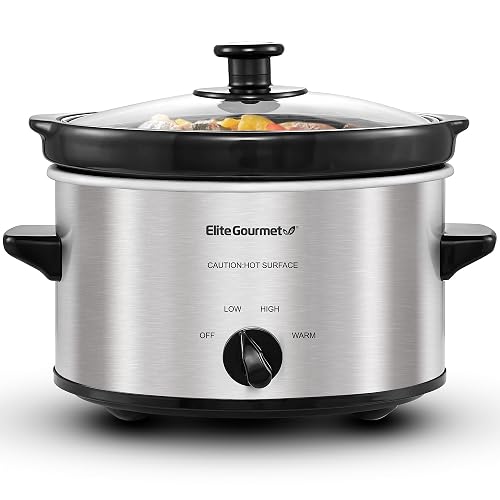
PERSONAL 2 QUART slow cooker makes cooking fork-tender roasts and poultry a breeze. Cool-touch handles and knob protect hands and allow you to safely transport your slow cooker.
ADJUSTABLE SETTINGS...
The Maxi-Matic MST-275XS is a 2-quart oval slow cooker with a stainless finish, a low-cost pick for small households.
Slow cooker food safety
Slow cookers are safe when used correctly. The USDA Food Safety and Inspection Service offers these basics:
- Thaw meat and poultry first. The USDA advises always thawing meat or poultry before putting it in a slow cooker. For commercially frozen slow cooker meals, follow the package instructions.
- Start on high if you can. The USDA suggests using the highest setting for the first hour when possible, then switching to low or the setting in your recipe. It notes that cooking on low the whole time is also safe.
- Power outages: If the power goes out while you are away, the USDA says to throw the food away, even if it looks done. If you are home, finish cooking it another way right away.
- Leftovers: Refrigerate leftovers in shallow, covered containers within two hours after cooking is finished.
- Do not reheat in the slow cooker. The USDA does not recommend reheating leftovers in a slow cooker. Reheat on the stove, in the microwave, or in the oven to 165°F, then keep the food hot in a preheated slow cooker at 140°F or above.
Slow cooker or multi-cooker?
Multi-cookers combine slow cooking with other functions such as pressure cooking, searing, steaming, or sous vide. They save space if you would otherwise buy several appliances, and some let you brown meat in the same pot before slow cooking. The trade-offs are cost and complexity. Some multi-cookers use a metal pot that behaves a little differently from heavy stoneware, so slow cooker recipes may need small adjustments. If you only want slow cooking, a traditional slow cooker is simpler and usually cheaper.
What to make in a slow cooker
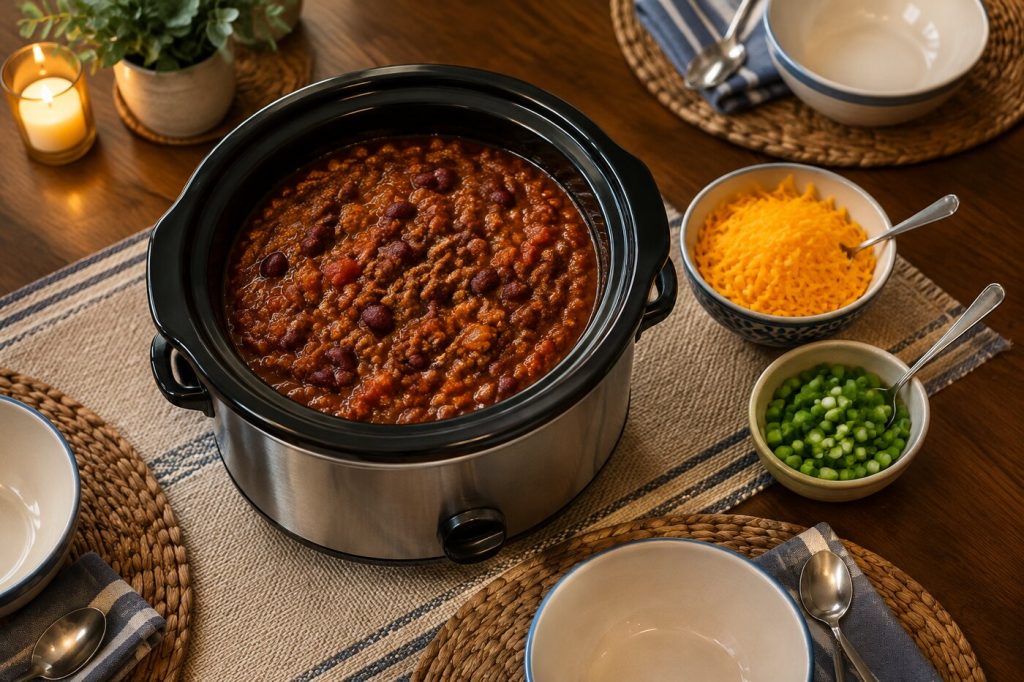
Slow cookers shine with dishes that benefit from long, gentle heat. Chili, beef stew, and split pea soup are classics. Pork shoulder turns into pulled pork for sandwiches, and chicken thighs shred easily for tacos. Beans, oatmeal, and even apple butter work well. Small cookers are great for keeping dips, meatballs, and cider warm at parties. Lean cuts like chicken breast and pork tenderloin can dry out over long cook times, so check them earlier or use the low setting for a shorter time.
Tips for better results
- Brown meat first for deeper flavor. It is optional, but it makes a noticeable difference in stews and chili.
- Go easy on liquid. Slow cookers lose very little moisture, so recipes often need less liquid than stovetop versions.
- Keep the lid on. Every time you lift it, heat escapes and cooking slows down.
- Add delicate ingredients late. Dairy, fresh herbs, pasta, and quick-cooking vegetables do better in the last 30 minutes.
- Layer smart. Put dense root vegetables on the bottom, where heat is strongest, and meat on top.
Cleaning and care
Let the stoneware cool before washing it, since sudden temperature changes can crack ceramic. Most inserts and lids are dishwasher safe, but check the manual. Wipe the base with a damp cloth and never put it in water. For stuck-on food, fill the pot with warm soapy water and let it soak.
The short answer
For most households, a 6-quart programmable slow cooker with a removable pot is the best all-around choice. Choose a 2-quart model for one or two people or for dips and sides, and step up to 7 quarts or a multi-cooker for big families and batch cooking. Thaw meat first, keep the lid on, and refrigerate leftovers promptly, and your slow cooker will make weeknight dinners much easier.
The responses below are not provided, commissioned, reviewed, approved, or otherwise endorsed by any financial entity or advertiser. It is not the advertiser’s responsibility to ensure all posts and/or questions are answered.
Good tip about adding dairy near the end. I also add a splash of lemon juice or vinegar right before serving stews, it wakes up the flavor after the long cook.