
Last Updated on: Sep 24, 2026
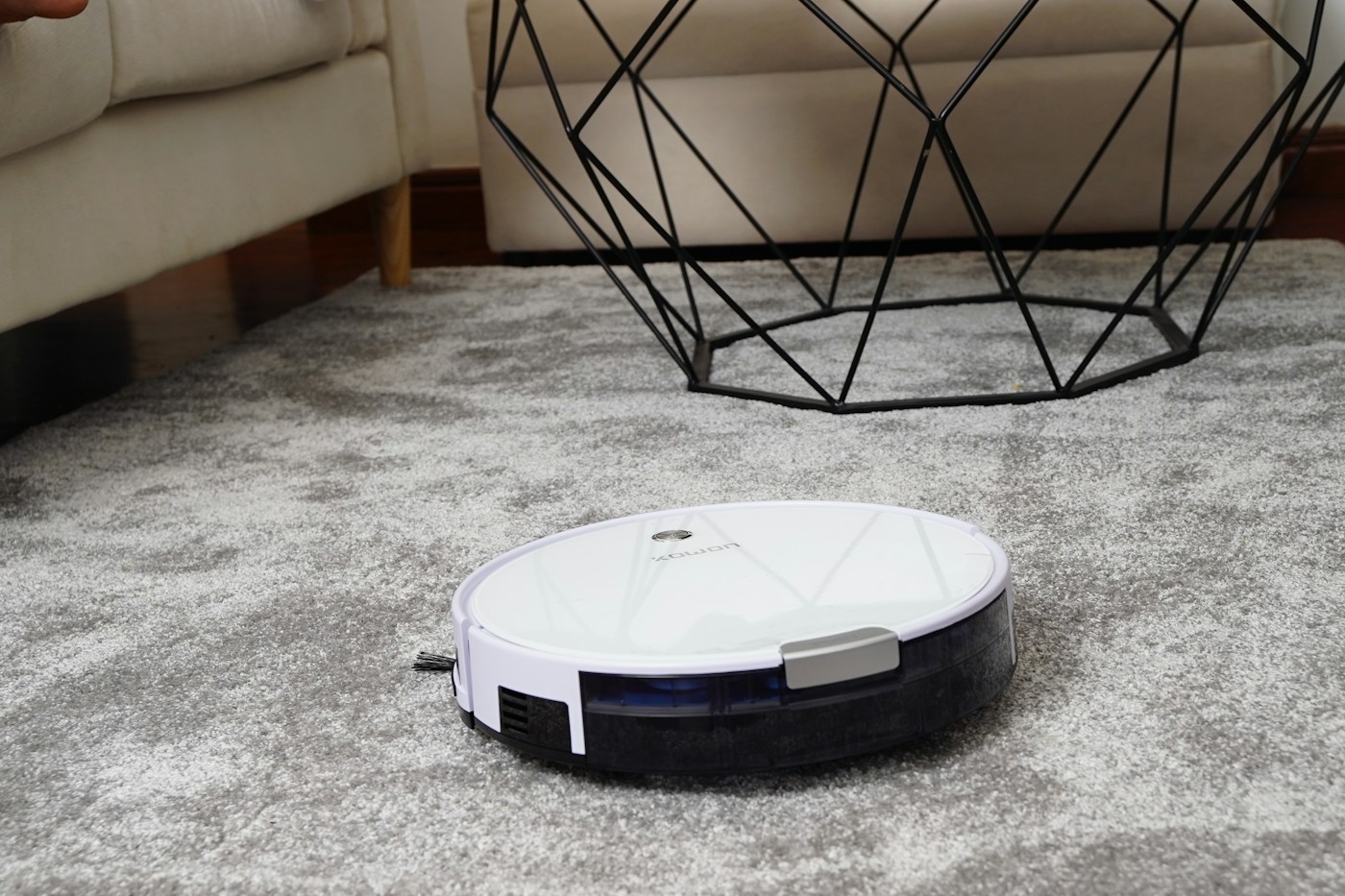
A robot vacuum takes one of the most repetitive chores off your list. Set a schedule, and it runs while you are at work, asleep, or out for the day, picking up crumbs, dust, and pet hair before they build up. It will not replace a full-size vacuum for deep cleaning, but it keeps floors tidier between big cleanings.
What We'll Cover
- Top Robot Vacuums
- Navigation: random, gyro, LiDAR, and camera
- Suction power
- Brushes and pet hair
- Self-emptying docks
- Vacuum and mop combos
- Battery life and run time
- Apps, schedules, and privacy
- Robot vacuums with mapping and docks
- Simple and budget robot vacuums
- Getting your home ready
- Care and maintenance
- Robot or regular vacuum?
- Common robot vacuum mistakes
- Questions to ask before you buy
- The short answer
Robot vacuums range from simple budget models to machines that map every room, mop hard floors, and empty themselves into a dock. This guide covers the features that matter, how to prepare your home, how to keep a robot running well, and a range of models from several stores.
Top Robot Vacuums
Navigation: random, gyro, LiDAR, and camera
How a robot finds its way around decides how well and how fast it cleans. Basic robots bounce off walls and furniture and change direction, which covers the floor eventually but can miss spots. Gyroscope-based robots clean in neater rows. LiDAR robots use a spinning laser sensor to build a map of the home, clean in efficient lines, and return to the dock reliably. Some use cameras to see and avoid obstacles like cords and socks.
Mapping is what makes a robot easy to live with. With a saved map, most apps let you choose which rooms to clean, set no-go zones around pet bowls or play areas, and send the robot to one spot for a quick cleanup. For homes with more than a few rooms, a mapping robot is usually worth the extra cost.
Suction power
Many listings give suction in pascals (Pa). Higher numbers generally mean stronger pickup, which helps on carpet and with pet hair. The number is not the whole story, though. Brush design, the seal between the robot and the floor, and how well the robot follows edges all affect how clean the floor gets. Suction figures are measured by each maker and are not always easy to compare across brands.
Brushes and pet hair
- Main brush: Rubber brushes and anti-tangle designs resist hair wrapping, which saves time cutting hair off the roller.
- Side brush: Spins dirt out of corners and along baseboards into the robot's path.
- Filter: A fine filter traps more dust. Check how often it needs to be replaced and what it costs.
- Bin size: A larger bin means fewer trips to empty it, which matters most in homes with shedding pets.
Self-emptying docks
A self-emptying dock sucks the dirt out of the robot's small bin into a larger bag or container in the base each time it returns. Instead of emptying the robot after every run, you empty the dock every few weeks. Docks add cost and take up more floor space, and many use disposable bags that need to be replaced. For busy households or pet owners, a self-emptying dock is often the feature that makes a robot truly hands-off.
Vacuum and mop combos
Many robots now mop as well as vacuum. Simple models drag a damp pad behind the robot, which is fine for light dust on hard floors. More advanced models press or scrub the pad, and some lift it when they reach a rug. Mopping robots are best for regular upkeep, not for scrubbing sticky spills. If your home is mostly carpet, a vacuum-only robot may be the better value.
Battery life and run time
Run time varies widely between models and drops on carpet or at higher suction settings. For a small apartment, almost any robot can finish in one charge. For a larger home, look for a robot that can return to the dock, recharge, and then resume where it left off. That feature matters more than the longest listed run time, since it lets the robot finish the whole map without help.
Apps, schedules, and privacy
Most robots connect to a phone app over home Wi-Fi. The app is where you set cleaning schedules, pick rooms, set suction levels, and see when parts need to be replaced. Some robots also work with voice assistants. Robots with cameras and maps collect information about the inside of your home, so read the maker's privacy settings, turn off features you do not need, and keep the app updated.
Robot vacuums with mapping and docks
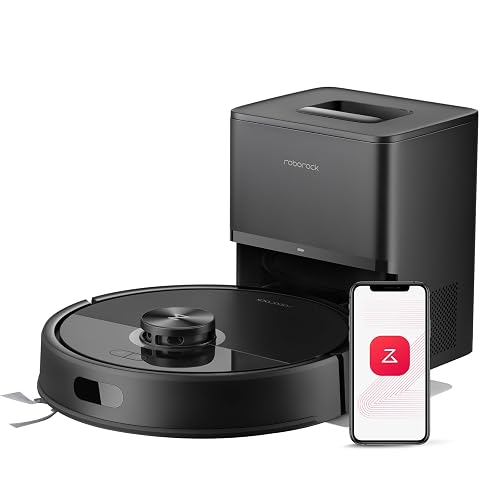
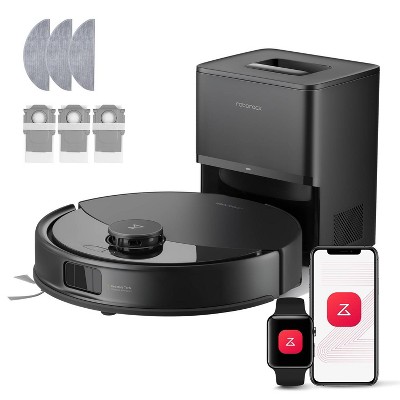
𝗨𝗽 𝘁𝗼 𝟳-𝟵 𝗪𝗲𝗲𝗸𝘀 𝗛𝗮𝗻𝗱𝘀 𝗙𝗿𝗲𝗲 𝗖𝗹𝗲𝗮𝗻𝗶𝗻𝗴: With a 2.7L sealed dust bag, the RockDock Plus efficiently collects pet hair, dirt, and debris without the need for constant emptying. This means longer cleanin...
The roborock Q7 M5+ lists 10,000Pa of suction, vacuums and mops, and comes with a self-empty dock, a strong all-in-one choice.
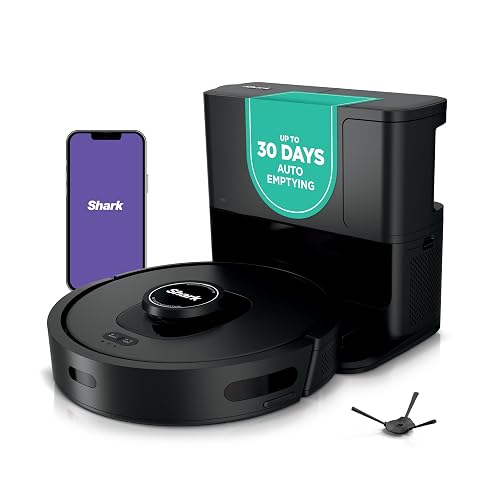
INCREDIBLE SUCTION: Powerful Shark suction picks up dirt and debris on all floor types—tackling even the toughest of messes in your home.
NO SPOTS MISSED: With Matrix Clean Navigation, the vacuum c...
The Shark AV2501S AI Ultra comes with a bagless self-empty base, HEPA filtration, and home mapping, a good fit for homes that want a hands-off robot.
At Target, the Roborock Q10 PF+ vacuums and mops and includes an auto-empty dock and an anti-tangle brush system.
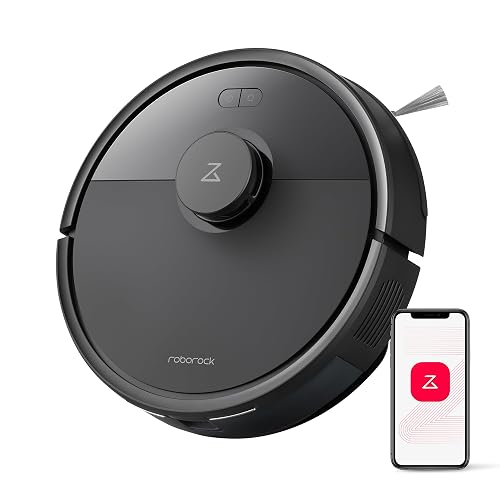
𝗨𝗹𝘁𝗿𝗮-𝗣𝗼𝘄𝗲𝗿𝗳𝘂𝗹 𝗗𝗲𝗲𝗽 𝗦𝘂𝗰𝘁𝗶𝗼𝗻: HyperForce 8,000 Pa lifts dust, hair, and debris from floor cracks and deep within carpets — for spotless floors, every time
𝗗𝘂𝗮𝗹 𝗔𝗻𝘁𝗶-𝗧𝗮𝗻𝗴𝗹𝗲 𝗕𝗿𝘂𝘀𝗵𝗲𝘀: A specially desig...
The roborock Q7 L5 is a vacuum and mop combo with 8,000Pa of suction, a mid-range option without the extra cost of a dock.
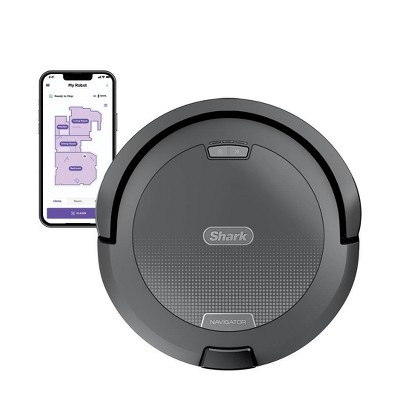
Also at Target, the Shark Navigator robot uses SmartPath navigation and a self-cleaning brushroll designed to cut down on hair wrap.
Simple and budget robot vacuums
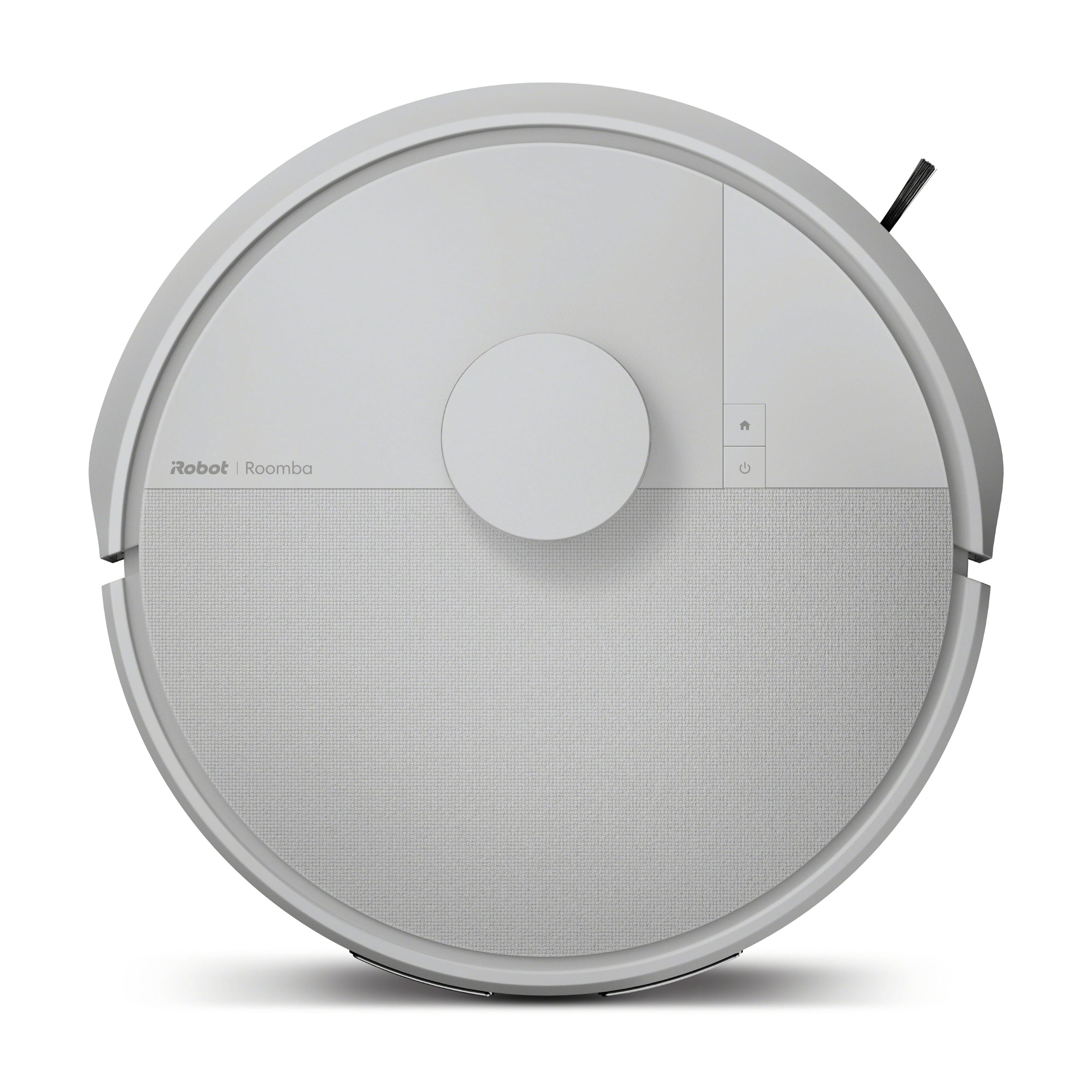
At Walmart, the iRobot Roomba 1010 Combo is a 2-in-1 robot vacuum and mop for carpet and hard floors that returns to charge on its own.
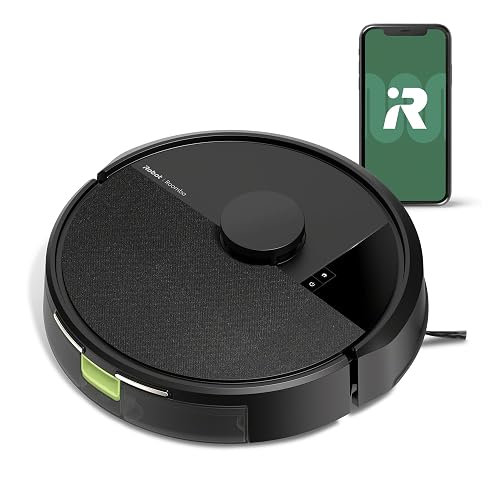
DEVOURS DIRT WITH 70X MORE POWER-LIFTING SUCTION*. 3-Stage Cleaning includes 70X more power-lifting suction*, a Multi-Surface brush, and Edge-Sweeping brush to devour dirt and dust bunnies and lea...
The iRobot Roomba 105 Vac uses LiDAR navigation and is designed to be easy to set up and use.
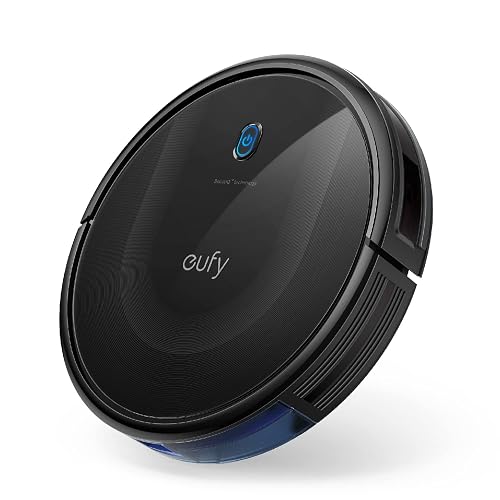
1. Compact and Quiet Operation: With a slim 2.85" profile, the eufy robot vacuum operates quietly, offering a comprehensive clean without causing a disturbance, making it perfect for use at any hou...
The eufy 11S MAX has a slim body that fits under many beds and sofas and runs quietly, a budget pick for smaller homes and hard floors.
Getting your home ready
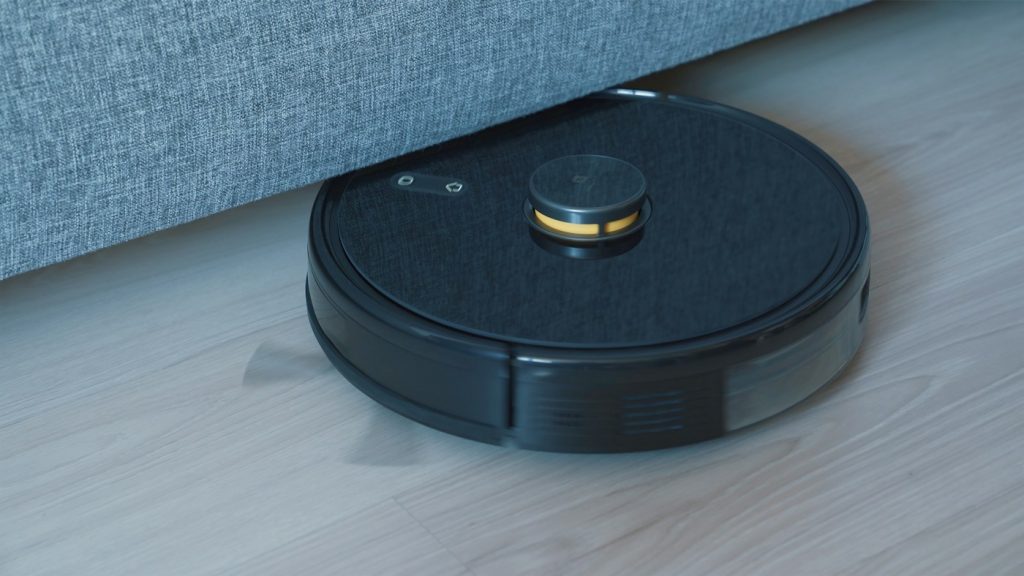
- Pick up cords: Charging cables and curtain cords are the most common things robots get stuck on.
- Clear small items: Socks, toys, and pet toys can jam the brush.
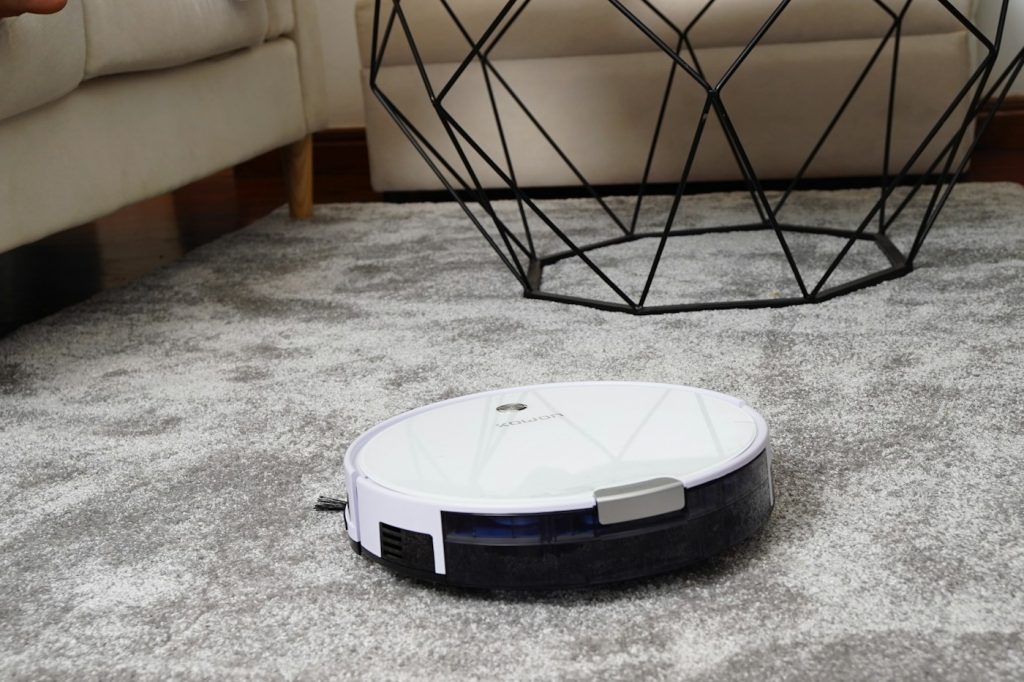
- Check furniture height: Measure the gap under beds and sofas and compare it with the robot's height.
- Watch rug fringes: Tassels can tangle in the brush, so set a no-go zone or tuck them under.
- Place the dock well: Give the dock open space on each side and in front, on a hard, level floor.
Care and maintenance
A robot vacuum needs a few minutes of care each week to keep cleaning well. Empty the bin if there is no self-emptying dock, and cut away hair that wraps around the brushes. Tap out or rinse the filter as the manual directs. Wipe the sensors and charging contacts with a dry cloth, since dust on the sensors can confuse navigation. Replace brushes, filters, and mop pads when they wear out, and check whether replacement parts are easy to find before you buy.
Robot or regular vacuum?
A robot vacuum is best at daily upkeep. It keeps crumbs, dust, and pet hair under control, especially on hard floors and low-pile rugs. A regular upright, canister, or stick vacuum is still better for stairs, upholstery, deep-pile carpet, and deep cleaning. Most homes that use a robot keep a regular vacuum too, but use it far less often.
Common robot vacuum mistakes
A common mistake is buying a robot without measuring the space under furniture, then finding it gets stuck or cannot reach. Another is skipping brush and filter care, which slowly cuts suction. People also expect a mopping robot to scrub sticky messes, which it is not built for. Finally, running a robot over pet accidents can spread the mess, so check the floor first if you have a new puppy or a pet that is sick.
Questions to ask before you buy
- How big is your home? Larger homes benefit from mapping and longer battery life.
- Carpet or hard floors? Carpet needs stronger suction; hard floors can use mopping.
- Do you have pets? Look for anti-tangle brushes and a self-emptying dock.
- How hands-off do you want it? A dock and app scheduling save the most time.
The short answer
For most homes, a robot vacuum with LiDAR mapping, room selection in the app, and anti-tangle brushes gives the best mix of cleaning and convenience. Add a self-emptying dock if you have pets or want to empty it less often, and choose a vacuum and mop combo if most of your floors are hard. Keep cords off the floor, clean the brushes weekly, and a robot can handle much of the daily sweeping.
The responses below are not provided, commissioned, reviewed, approved, or otherwise endorsed by any financial entity or advertiser. It is not the advertiser’s responsibility to ensure all posts and/or questions are answered.
The tip about measuring the gap under the sofa is a good one. How often should the side brush be replaced compared with the main brush?