
Last Updated on: Mar 17, 2026
Hand pruners are the garden tool most people reach for first. They deadhead flowers, shape shrubs, cut back perennials, harvest herbs and vegetables, and trim small branches. A good pair makes clean cuts with little effort, while a dull or poorly matched pair crushes stems, tires your hand, and leaves ragged wounds on plants.
What We'll Cover
This guide explains the main types of pruning shears, what to look for in blades, handles, and springs, and how to keep them sharp and clean. It draws on guidance from the University of Maryland Extension on choosing and caring for pruning tools.
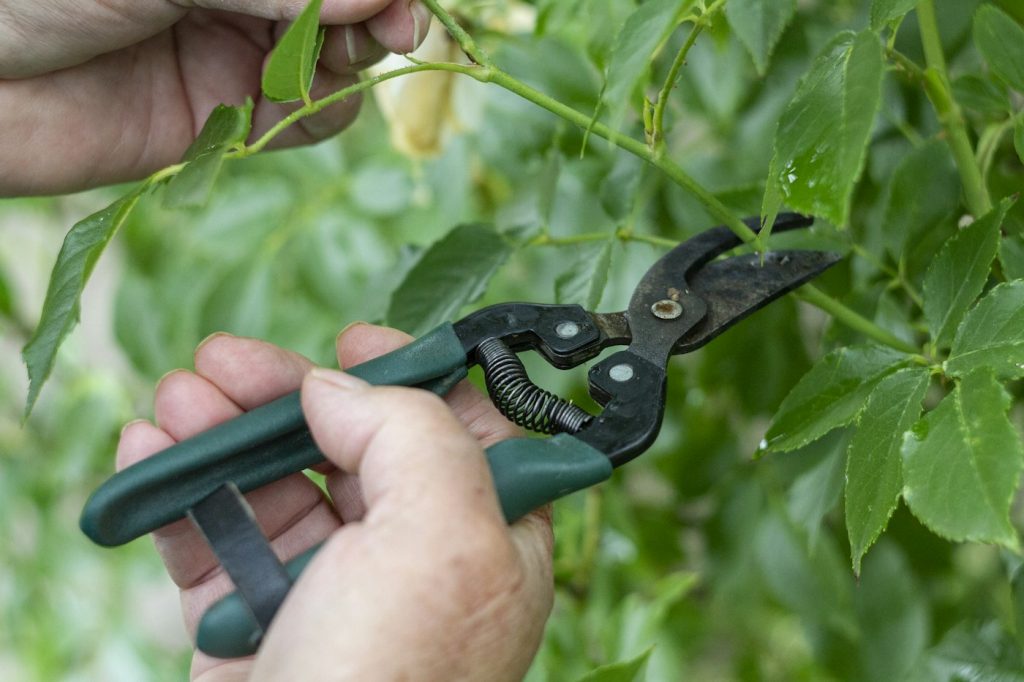
Top Pruning Shears
Bypass or anvil
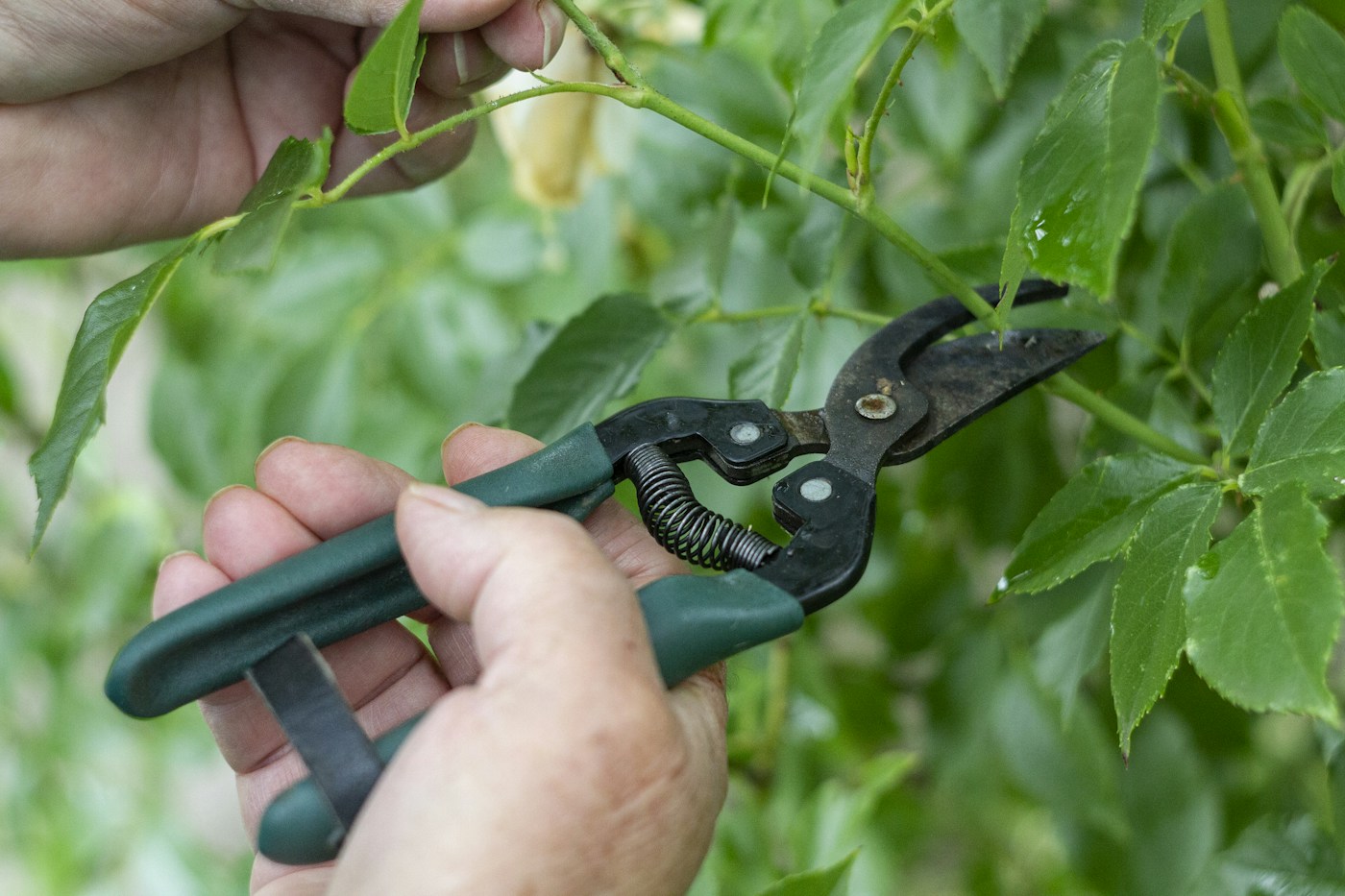
Hand pruners come in two main types. Bypass pruners work like scissors: a sharp upper blade slides past a lower hook. Anvil pruners have a straight blade that closes down onto a flat block, like a knife on a cutting board.
The University of Maryland Extension notes that hand pruners are meant for branches up to about one inch in diameter, and that bypass pruners are the better choice for most cuts because they reduce tearing and crushing of plant tissue. That clean cut matters. The Extension explains that sharp tools leave a smooth wound with no stubs, split branches, or torn bark where decay can start.
Anvil pruners still have a place. They take less hand strength to push through dry, dead wood, and they are less likely to twist on a tough cut. Many gardeners keep a bypass pair for live growth and an anvil pair for dead branches and cleanup.
Ratchet pruners
Ratchet pruners, usually anvil style, cut in stages. You squeeze, release, and squeeze again, and a ratchet holds the blade in place between squeezes. Each step takes less force, so a thick stem can be cut with several easy squeezes instead of one hard one. They are a good fit for people with smaller hands, less grip strength, or sore joints, and for anyone who does a lot of cutting in one session.
Cut capacity
Pruners list a maximum cut size, often from half an inch to about one inch. Treat that as the top of the range, not the everyday target. Cutting at the edge of a pruner's capacity strains the tool and your hand, and the Extension warns that a stem too wide for the blades cannot be cut cleanly in one cut. For thicker branches, move up to loppers, which have long handles for more leverage, or a pruning saw.
- Under 1/2 inch: Flowers, herbs, soft stems, and light deadheading. Compact snips and small shears work well.
- 1/2 to 3/4 inch: Most shrub shaping, roses, and perennials. A standard bypass pruner is ideal.
- 3/4 to 1 inch: The top end for hand pruners. A ratchet or heavy-duty pruner helps.
- Over 1 inch: Use loppers or a saw.
Blades, handles, and springs
Blade steel matters most. High-carbon and SK5 steel hold a sharp edge well. Coatings such as titanium or non-stick finishes help reduce sap buildup and rust. Look for blades that can be sharpened, and ideally replaced.
Handles should fit your hand. If the handles open too wide, you will strain to close them; too narrow, and you lose leverage. Cushioned or rubber grips help on long sessions. Some models come in smaller sizes or left-handed versions.
Springs and locks open the blades after each cut. Coil and volute springs are common, and both work well. A lock that you can work with one hand, while holding a branch with the other, is handy. Check that the lock does not engage by accident while you cut.
Bypass pruners
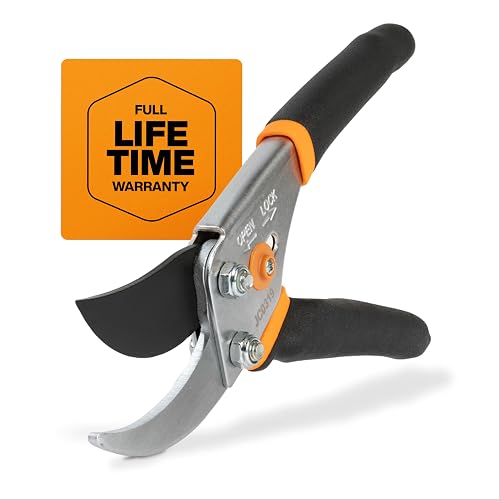
CLEAN CUTS FOR LIVE GROWTH: Bypass blade design is ideal for pruning delicate flower stems and green growth, helping reduce crushing and plant damage while cutting stems and small branches up to 5/...
The Fiskars bypass pruner has a 5/8-inch cut capacity and a simple design that suits everyday shrub and flower work.
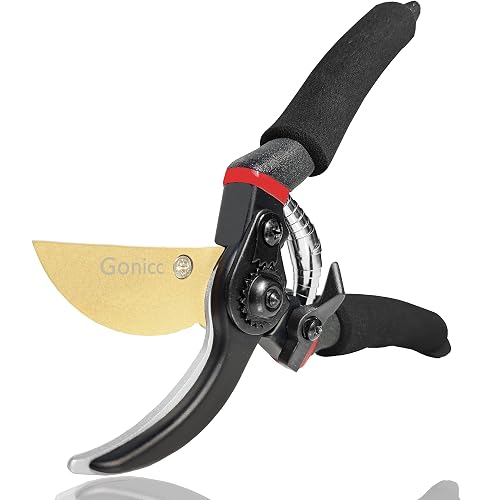
Drop-forged construction delivers exceptional durability and sturdiness for long-term heavy garden use.
Premium SK-5 steel blade with titanium coating and ultra-fine polishing ensures sharpness, ru...
The gonicc eight-inch bypass pruner uses titanium-coated blades for smooth cuts on live stems.
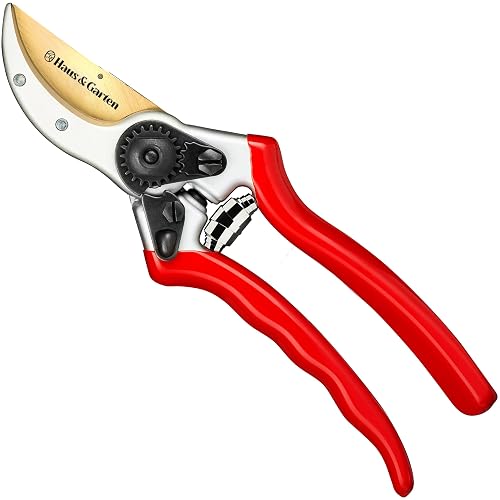
Sharp, Clean Cuts Every Time – Engineered from Japanese grade, high-carbon steel, ClassicPRO bypass pruning shears for gardening stay sharp and make precise cuts that encourage healthy growth and w...
The Haus & Garten ClassicPRO is an 8.5-inch bypass pruner with titanium-coated blades.
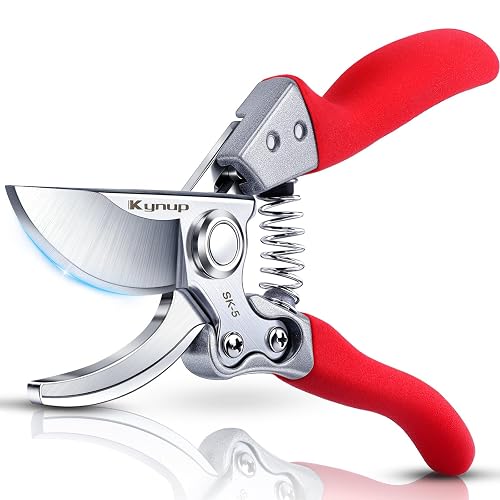
· ULTRA-SHARP SK5 STAINLESS STEEL - Engineered with premium SK5 stainless steel, these heavy duty pruning shears deliver razor-sharp precision and maximum hardness. The rust-resistant blades are de...
The Kynup heavy-duty shears use SK5 steel blades, a solid choice for regular yard work.
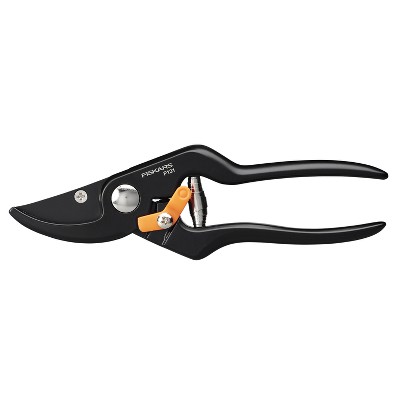
At Target, the Fiskars P131 is a low-cost bypass pruner for light, everyday cuts.
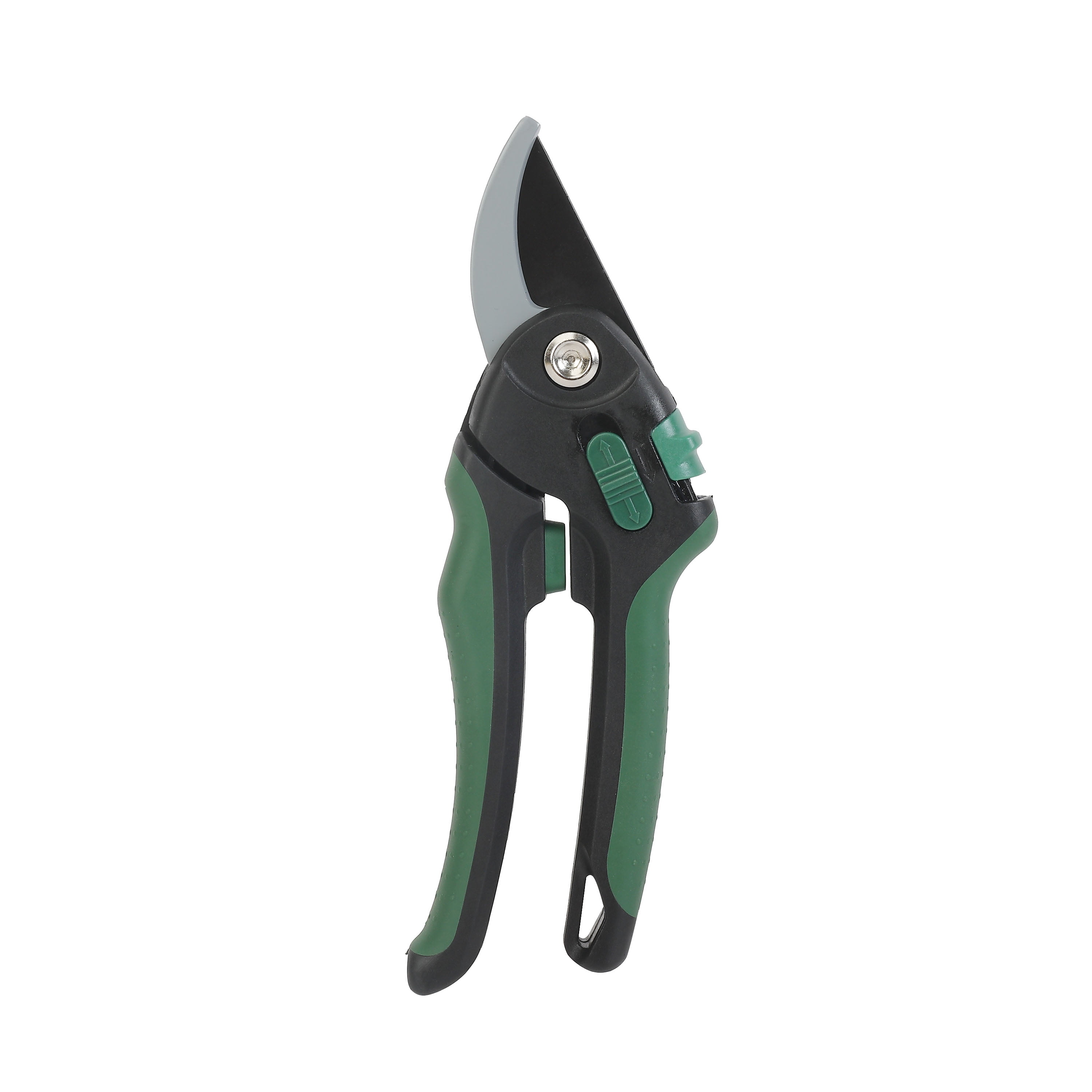
The Expert Gardener bypass pruner at Walmart handles cuts up to 3/4 inch.
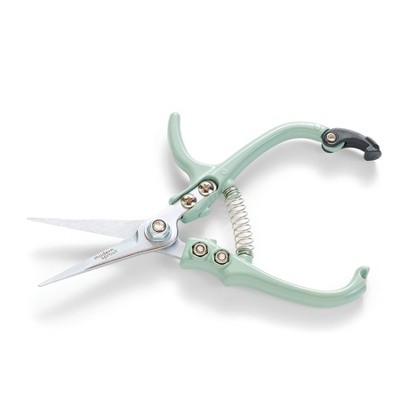
The Modern Sprout garden shear is a compact, half-inch tool suited to herbs, houseplants, and cut flowers.
Anvil and ratchet pruners
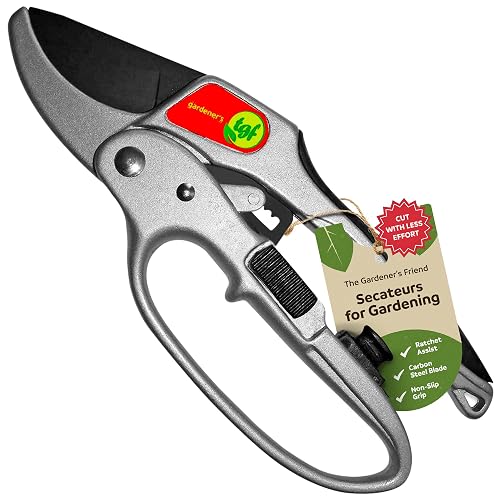
Strength-Boosting Shears: boost your cutting power with ratchet garden shears for pruning, trimming, and harvesting plants. Your TGF anvil pruners help you achieve cleaner cuts with less strain
New...
The Gardener's Friend pruner pairs an anvil blade with ratchet action, so thick, dry stems take less effort.
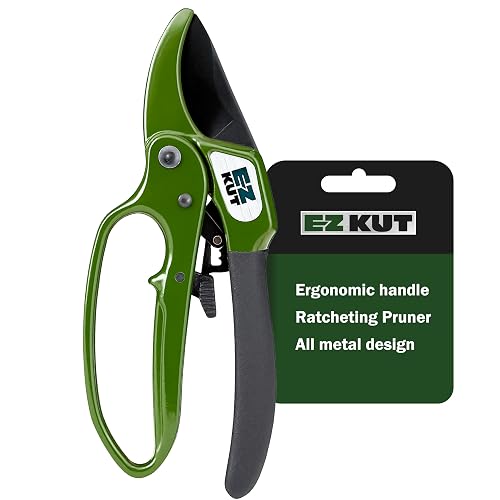
✅ CUTS BRANCHES UP TO 1.5 INCHES – HEAVY-DUTY PERFORMANCE – Designed for larger cuts and tougher jobs. Best suited for medium to large hands – Equipped with a premium SK5 hardened carbon steel blad...
The EZ Kut ratcheting anvil pruner cuts in stages, which helps anyone who wants to use less grip strength.
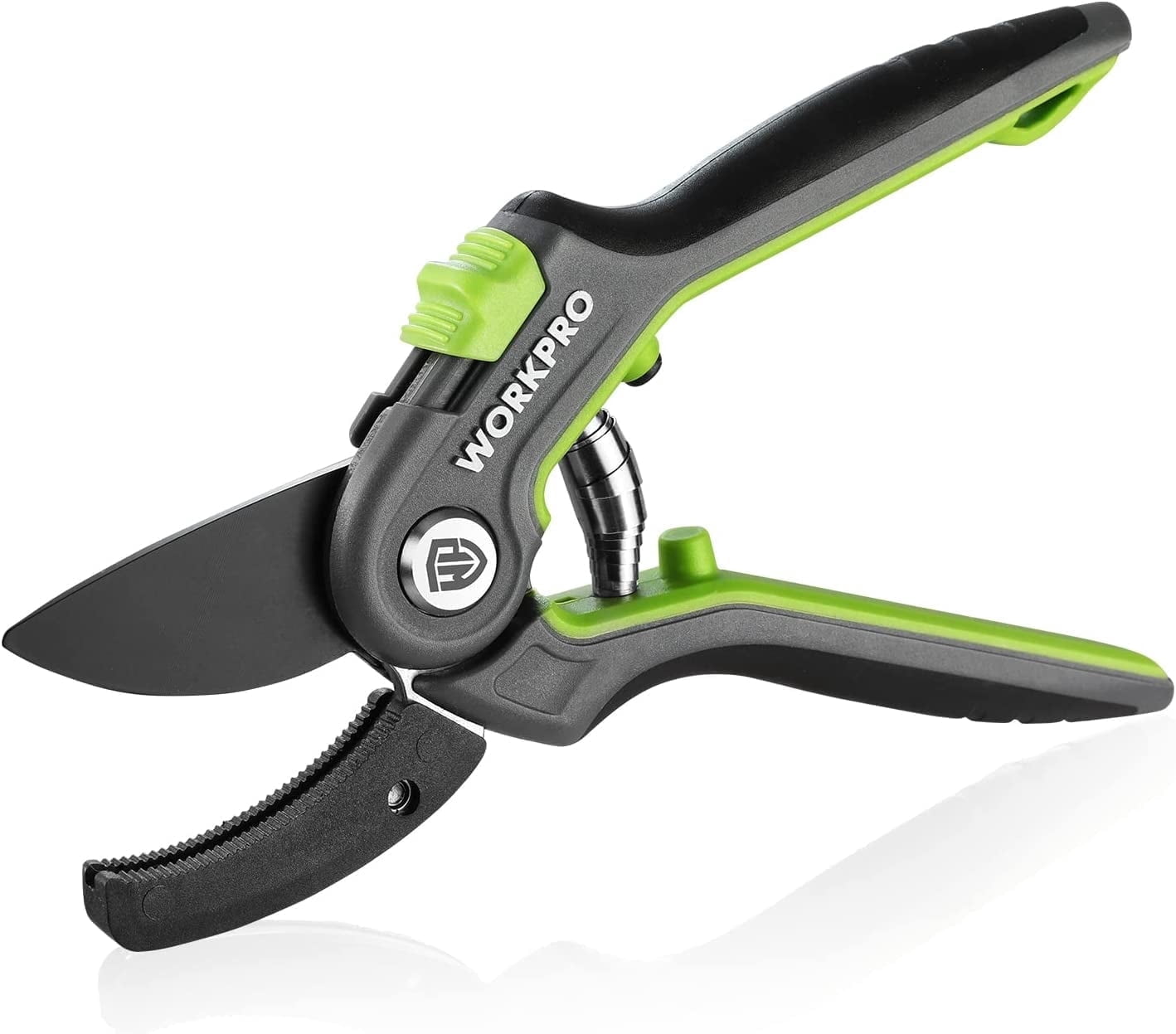
The WORKPRO anvil shears use SK5 steel blades, handy for dead wood and cleanup.
Matching pruners to the job
- Roses: A narrow-nosed bypass pruner reaches into crowded canes, and gauntlet gloves protect your arms from thorns.
- Herbs and cut flowers: Small snips or compact shears make quick, precise cuts without bruising soft stems.
- Shrubs and hedges: A standard bypass pruner handles shaping cuts, while hedge shears are faster for flat, formal hedges.
- Fruit trees: Use bypass pruners for small shoots, loppers for thicker branches, and a pruning saw for anything larger.
- Dead wood and cleanup: Anvil or ratchet pruners push through dry stems with less effort.
Comfort on long sessions
Spring cleanup and fall cutbacks can mean hundreds of cuts in an afternoon. To reduce hand fatigue, choose a pruner that fits your grip, keep the blades sharp so each cut takes less force, and take short breaks. Switch hands or tools when your grip starts to tire. A pruner with a rotating lower handle can also help, since the handle turns with your fingers as you squeeze. People with arthritis or weak grip often find ratchet pruners and lightweight models easier to use.
Keep a small bucket or tarp nearby for clippings, and cut in short sessions if the job is large. Sharp tools, the right size of pruner, and good posture go a long way toward making the work comfortable.
How to make a good cut
Position the thin cutting blade toward the part of the plant you are keeping, with the hook or anvil on the side being removed. Cut just above a bud or side branch, at a slight angle, without leaving a long stub. Keep the branch in the deepest part of the blades, close to the pivot, where the pruner has the most power. If you find yourself twisting the pruner to finish a cut, the branch is too big for the tool.
Cleaning and disinfecting
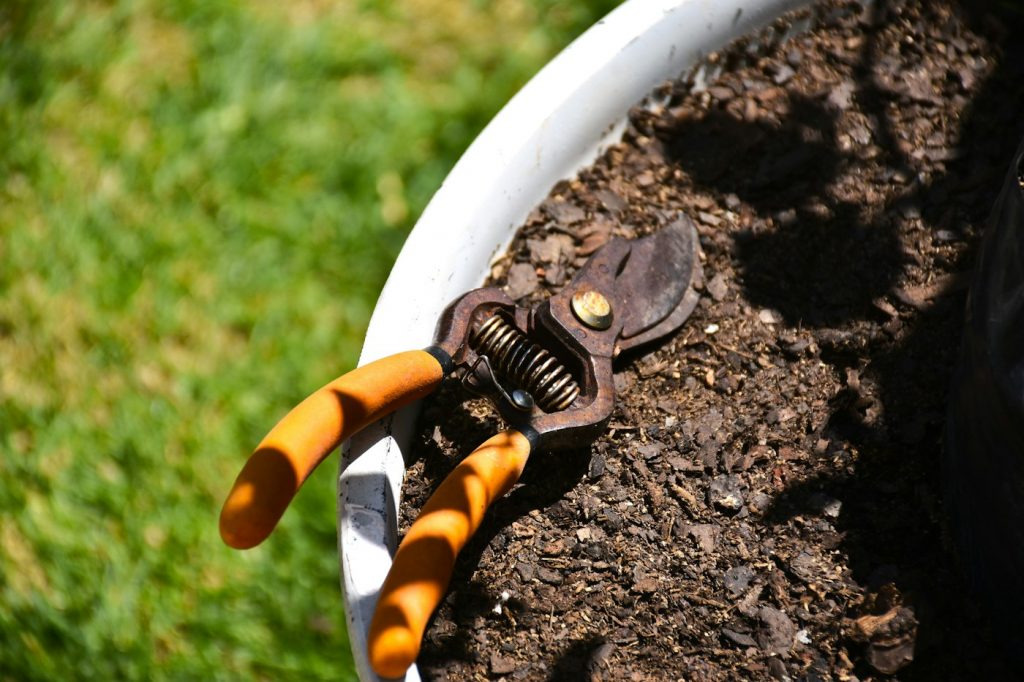
Wipe sap and dirt off the blades after each use, and dry them before storing. A little light oil on the blades and pivot keeps rust away and helps the pruner open smoothly.
The University of Maryland Extension advises disinfecting pruning tools when there is a chance of spreading disease from one plant to another. It recommends cleaning tools between cuts with 70 percent alcohol or with bleach diluted one part to nine parts water, and rinsing off bleach afterward because it is corrosive to metal.
Sharpening
According to the Extension, you can keep cutting edges sharp with a file, diamond sharpener, or whetstone. On a bypass pruner, sharpen only the beveled side of the cutting blade, following the original angle, and take a few light strokes. Remove any small burr on the flat side with one gentle pass. Test on a piece of paper or a thin stem; a sharp blade cuts cleanly without folding or tearing. If the blades feel loose, tighten the pivot nut slightly so they close without a gap.
Storage and safety
Close and lock pruners when you are done, and store them somewhere dry, out of reach of kids. A belt holster keeps them handy and keeps the blades from poking you in a pocket. Wear gloves when pruning thorny plants like roses, and never cut toward your other hand.
The short answer
For most gardens, a sharp bypass pruner with a 5/8 to 3/4-inch capacity handles the bulk of the work, and the University of Maryland Extension favors bypass blades for clean cuts on live growth. Add an anvil or ratchet pruner for dead wood or if hand strength is a concern, use loppers above one inch, and keep blades clean, oiled, and sharp.
The responses below are not provided, commissioned, reviewed, approved, or otherwise endorsed by any financial entity or advertiser. It is not the advertiser’s responsibility to ensure all posts and/or questions are answered.
Good point about keeping the branch deep in the blades near the pivot. Is it worth oiling the spring too, or just the blades and pivot?