

Last Updated on: Sep 23, 2026
Most of the photos we care about live on a phone, somewhere between a screenshot of a recipe and a blurry picture of a parking spot. Printing a few and putting them in frames is a small thing that changes how a room feels. A wedding photo on the hallway wall, a kid's drawing on a bookshelf, a concert poster over the couch: they make a place look lived in.
Picture frames look simple, but the choices add up fast. Sizes, mats, glass versus plastic, wood versus metal, wall versus tabletop. Get one of those wrong and the photo either will not fit or looks lost in the frame. Here is how to sort it out.
Top Picture Frames
What We'll Cover
Frame size vs. photo size
The number on a frame's label is the size of the opening behind the glass, not the outside of the frame. An 8x10 frame holds an 8x10 inch print. Where it gets confusing is the mat.
A mat is the paper border between the photo and the frame. Many frames come with one, and it shrinks the visible opening. A common setup is an 8x10 frame with a mat cut for a 5x7 photo, or an 11x14 frame matted for an 8x10. So you can often use one frame two ways: with the mat for a smaller photo, or without it for a full-size print.
- 4x6 is the standard size for phone and drugstore prints. Good for desks, nightstands, and small shelves.
- 5x7 is a step up and works well on a mantel or side table.
- 8x10 is the classic size for portraits and the most common frame in gallery wall sets.
- 11x14 and up are best for statement pieces, art prints, and posters that need to be seen from across a room.
One tip: mats cover a little of the photo's edge, usually about a quarter inch on each side, so the opening is slightly smaller than the print. If something important sits right at the edge of your photo, such as a face or a signature, leave some extra room when you crop.
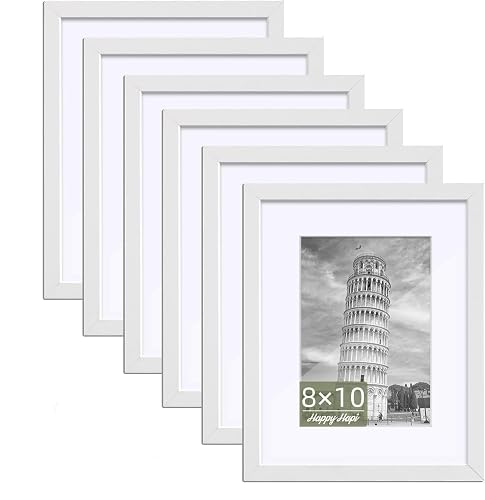
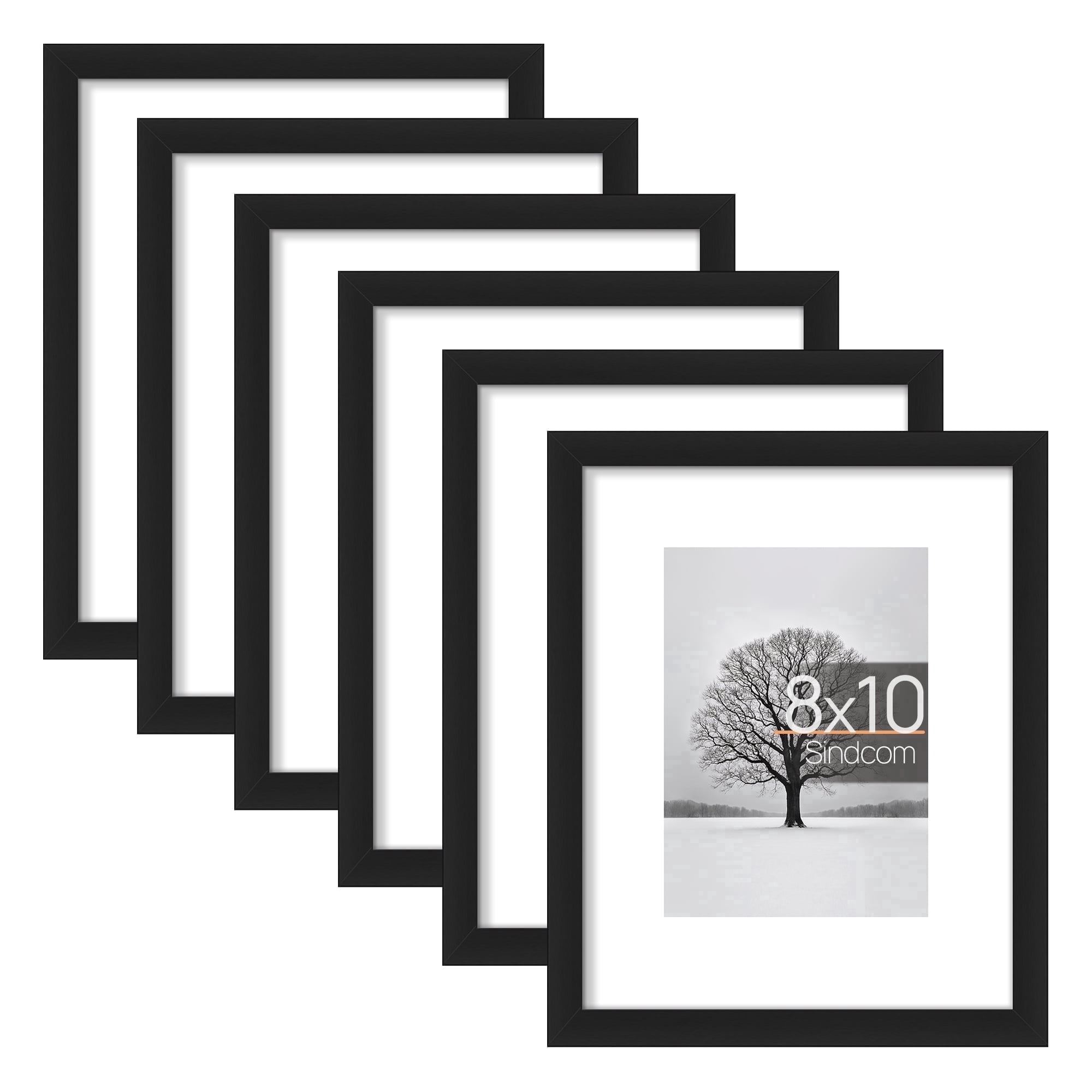
Super Value Collage Frame Set: This gallery wall frame set contains 6 pack white 8x10 picture frames. These 8 x 10 photo frames can display photos 5x7 with mat or 8x10 without. You can use these 8x...
Why mats are worth it
Mats are not just filler. The blank space around a photo draws the eye in and makes even a casual phone picture look more finished. A wide white mat in a thin black frame is a look you see in galleries for a reason. It works with almost any photo and any room.
Mats also keep the print from pressing directly against the glass. Over time, a photo touching the glass can stick to it, especially in a humid room. If you skip the mat, a frame with small spacers does the same job.
Walmart's Sindcom six-pack is an easy way to try mats on a budget. Each 8x10 frame shows a 5x7 photo with the included mat, or an 8x10 print without it.
Glass, plexiglass, or acrylic
The clear front of a frame is usually glass or a plastic like plexiglass or acrylic. Each has a trade-off.
- Glass is the clearest and most scratch resistant. It feels solid and looks sharp. The downsides are weight and the chance of breaking, which matters for large frames and kids' rooms.
- Plexiglass and acrylic are lighter and do not shatter, so they are a smart pick for big poster frames, dorms, or anywhere a frame might fall. They can scratch more easily and sometimes look a little softer than glass. Clean them with a soft cloth and a mild cleaner, not paper towels, which can leave fine scratches.
Many frames ship with a thin protective film on the plastic front. It is easy to miss, and it makes the picture look cloudy. Peel it off before you put the photo in.
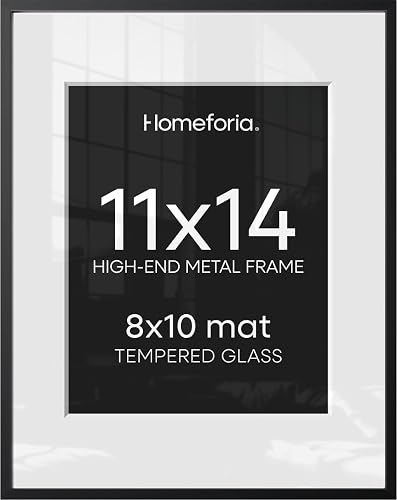
MATTE BLACK. CLEAN AND MODERN. Defined by sharp edges and a smooth matte finish, this black aluminum frame suits contemporary, minimalist, or industrial interiors. A versatile choice for photos, pr...

Wood, metal, or composite
Frame material mostly comes down to looks, but it also affects weight and price.
Wood frames feel warm and classic. They come in natural finishes like oak and walnut, plus painted colors, and they suit most homes. Metal frames, usually aluminum, have thin, sharp edges that look modern and clean. They are great for posters, black-and-white prints, and minimal spaces. Composite or engineered wood frames look like wood at a lower price and are what most multi-frame sets use. They are fine for most walls, though the corners are not as sturdy as solid wood.
There is no rule that every frame in a room has to match. Mixing materials can look great, as long as there is something tying them together, like a shared color or similar border width.
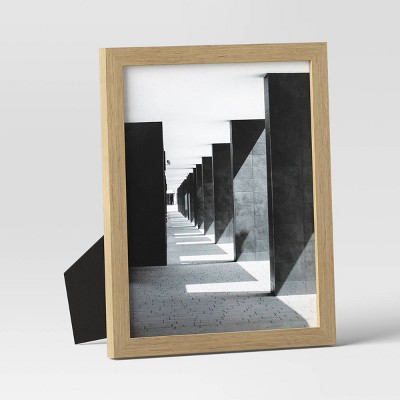
If you want a single wood frame that works with nearly anything, Target's Threshold thin grain frame has a slim natural finish and a glass front, and it costs only a few dollars.
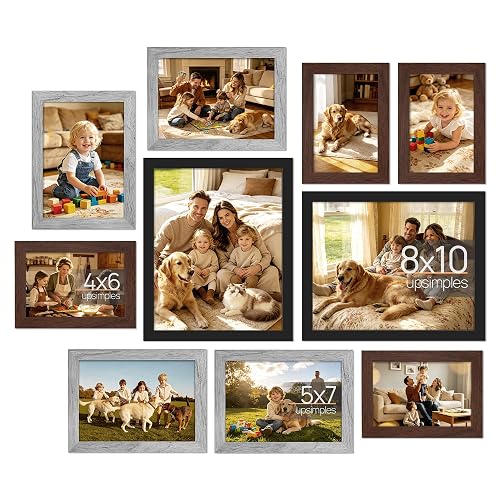
【Durable Material】Our collage frame is made of well made wood frame. Comes with a plastic cover, which provides a clear view of photos and is lighter than glass. No need to worry about hurt by glas...
Planning a gallery wall

A gallery wall is a group of frames hung together as one display. It can look casual or very neat depending on how you arrange it. Two common styles are a grid, where same-sized frames are lined up evenly, and a salon style, where different sizes are clustered more loosely.
Before you put a single nail in the wall, trace each frame on kraft paper or newspaper, cut out the shapes, and tape them to the wall. Mark where the hanging hardware sits on each paper cutout. You can move the paper around until the layout looks right, then nail right through the marks. It saves you from a wall full of extra holes.
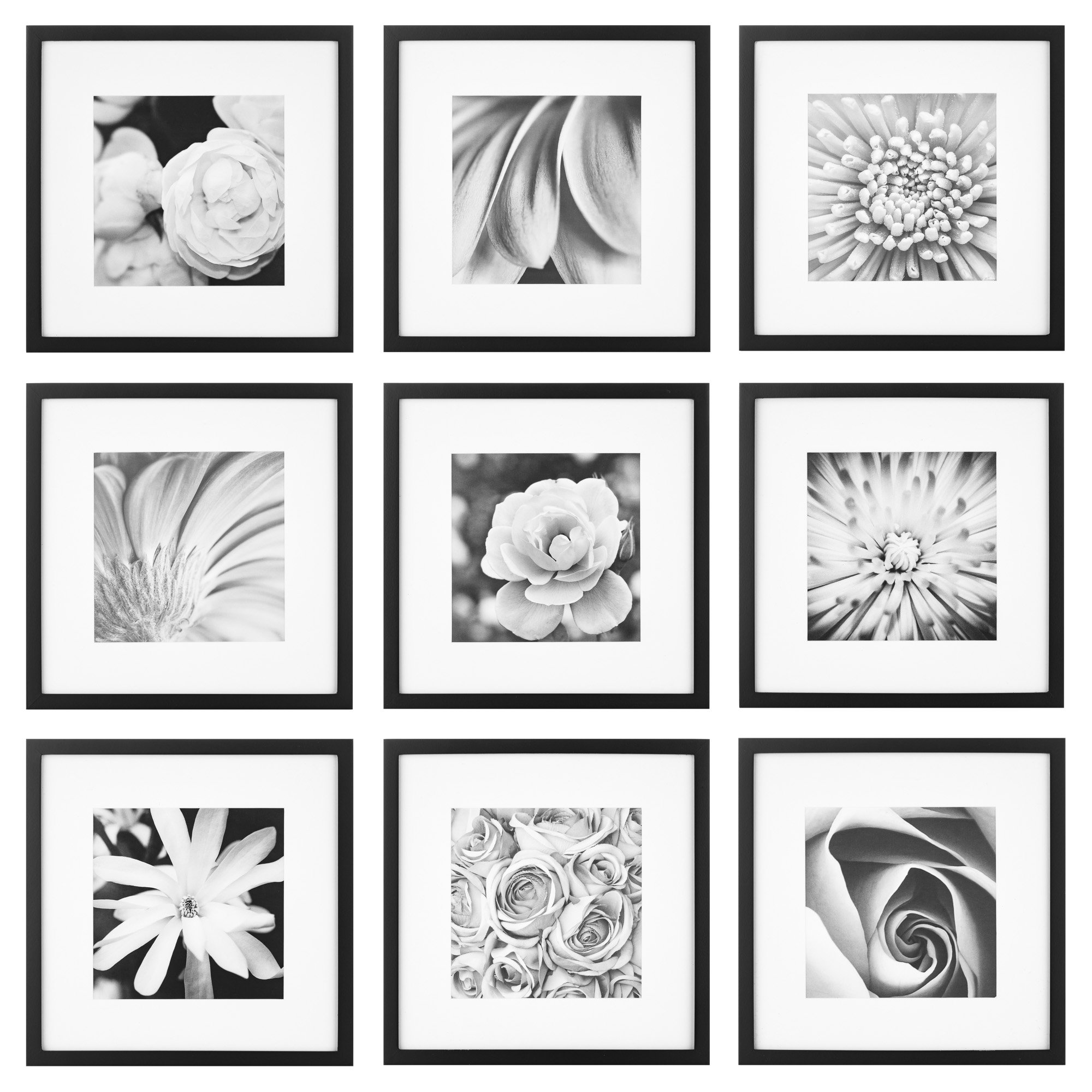
If you would rather skip the kraft paper, Wayfair sells the Gallery Perfect nine-piece kit. It comes with matching square frames, mats for 8x8 photos, and hanging templates for a neat grid.
A few layout tips:
- Keep the spacing between frames consistent, usually 2 to 3 inches.
- Hang the center of the whole group at about eye level, often around 57 to 60 inches from the floor.
- Over a couch or console, leave about 8 to 10 inches between the furniture and the bottom of the lowest frame.
- Start with the largest piece near the middle and build out from there.

Material: Our 5x7 picture frames are made of engineered wood with a high-definition plexiglass. It offers durability and longevity, to protect your photos from dust, moisture, and scratches
Suitabl...
Hanging hardware and safety
Most small frames come with a sawtooth hanger or a small hook on the back. Heavier frames usually have a wire or D-rings. For light frames on drywall, a simple picture hook nailed in at an angle is often enough. Heavier frames, especially large glass ones, may need a wall anchor or should be hung on a stud. Check the weight rating on the hook package and go up a size if you are unsure.
If you rent or do not want holes, adhesive strips made for picture hanging can hold light frames. Follow the weight limits exactly and press them on firmly. They work best on smooth, clean, painted walls and may not stick well to textured walls or fresh paint.
In a child's room or above a bed, it is smart to use plastic fronts instead of glass and to make sure every frame is firmly secured.
Beyond the basic frame
Some photos and keepsakes need a different kind of frame.
- Shadow boxes are deep frames that hold three-dimensional items: medals, baby shoes, concert tickets, dried flowers, or a folded jersey.
- Acrylic block frames hold a photo between two clear pieces, often held with magnets. They stand on their own and look modern on a desk.
- Floating frames sandwich art between two panes of glass so the wall shows through around it.
- Digital frames display a rotating slideshow and can often receive new photos from family over Wi-Fi, which makes them a popular gift for grandparents.
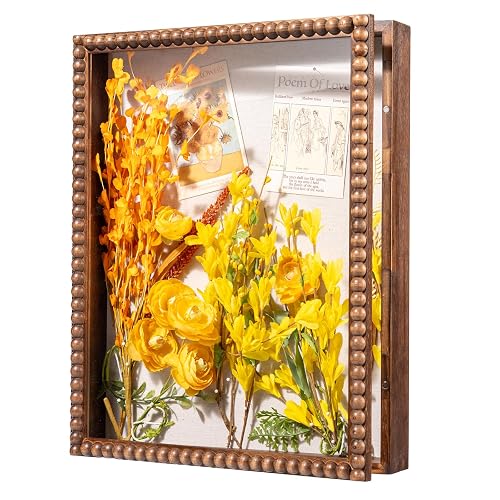
Bead-Shape Solid Pine Wood Frame - Crafted from high-quality solid pine wood, this shadow box features a decorative bead-shape border that adds elegance, texture, and timeless charm to your keepsak...
Acrylic blocks and shadow boxes are also good ways to show things that are not photos at all. A postcard from a trip, a handwritten recipe card, or a child's first drawing often looks better in a simple clear frame than stuck to the fridge.
Protecting prints over time
Direct sunlight can fade photos and art, so avoid hanging treasured pieces on a wall that gets strong afternoon sun. Bathrooms and kitchens can be tough on frames because of steam and grease. If you want art there, choose metal or sealed frames and prints you would not mind replacing. For anything irreplaceable, like an old family photo, frame a copy and keep the original stored flat in a cool, dry place.
The bottom line
Start by picking the photos, then choose frames around them. Measure the print, decide whether you want a mat, and pick glass or plastic based on where the frame will go. For a first gallery wall, a matching set of 8x10 frames with mats is an easy win. Add a few tabletop frames, a shadow box for keepsakes, or a clear acrylic block for your desk, and you will have more of your favorite moments where you can actually see them.
The responses below are not provided, commissioned, reviewed, approved, or otherwise endorsed by any financial entity or advertiser. It is not the advertiser’s responsibility to ensure all posts and/or questions are answered.
The paper cutout trick saved my wall. I moved the layout around three times before I was happy and didn't make a single extra hole.