
Last Updated on: Sep 25, 2026
A picture frame should protect and present the image, but size labels can make a simple choice confusing. An 8-by-10 frame may fit an 8-by-10 print without a mat, or a smaller 5-by-7 print behind a mat. A set sold for a gallery wall can contain several different openings. Before choosing a finish, write down the real dimensions of the images you want to display and where they will hang or stand. These eight current retailer listings offer single frames and larger sets to compare.
What We'll Cover
Start with the photograph or artwork, not a styled room shot. Is it an original you want to preserve, an inexpensive print you can replace, or a family photo you will change next season? The choice affects glazing, matting, how easy the back is to open, and whether you need professional framing. A frame that fits on paper may still crop an important face once its lip overlaps the image edge.
Top Picture Frames

Measure the print, opening, and outside edge
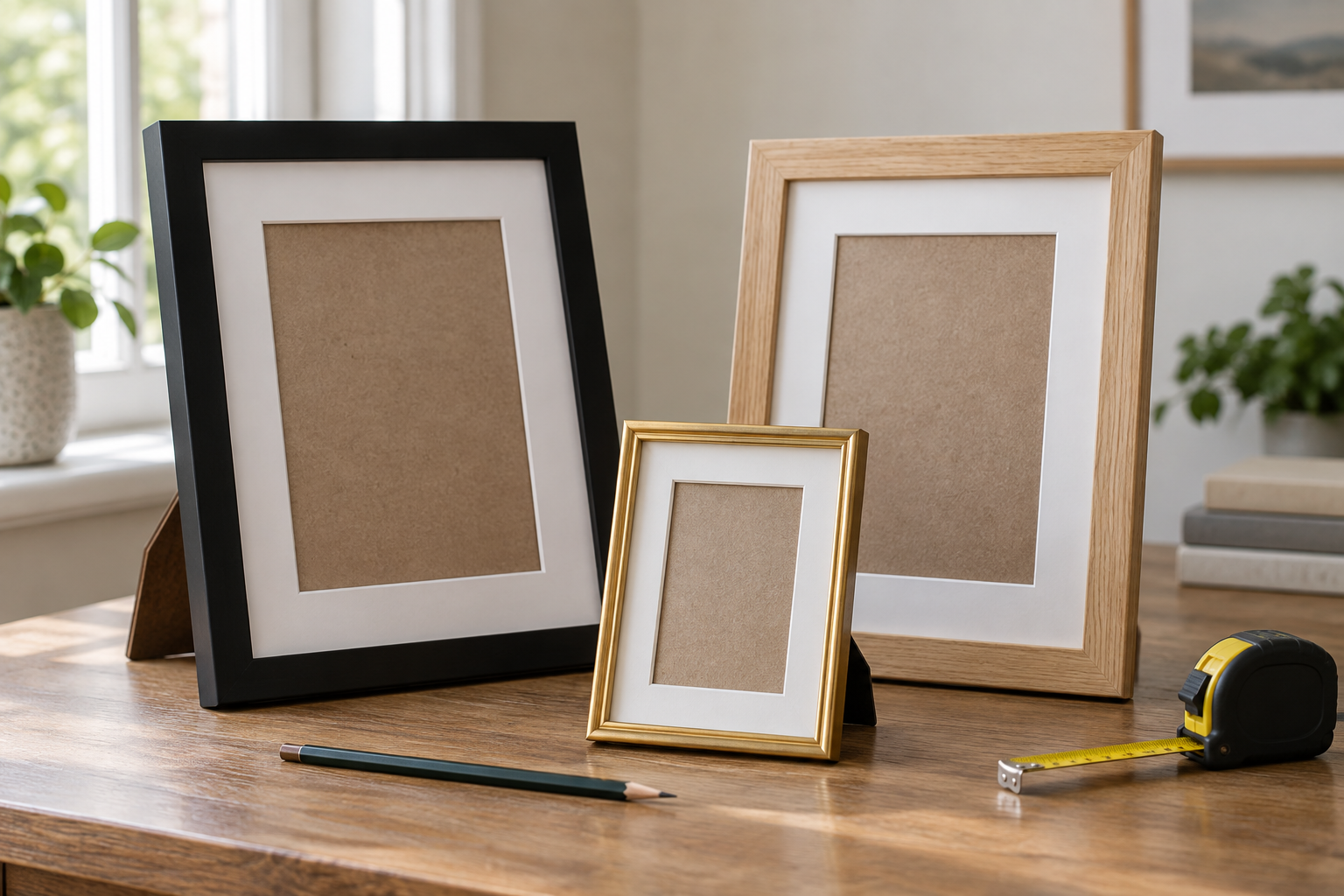
Frame sizes generally name the print they are designed to hold, but packaging may instead emphasize an outer dimension or a mat opening. Check the product details for all three: image size without mat, image size with mat, and outside measurements. Measure your actual print with a ruler, including any white border. If the print has a signature or a caption near its edge, leave enough room so the frame lip or mat does not cover it.
A mat can make a small photo look intentional inside a larger frame. It also adds a visual border between image and frame. But a nominal 5-by-7 opening may be cut slightly smaller to hold a 5-by-7 print in place. Read the listed opening dimensions where available. If an image has an unusual aspect ratio, do not force it into a standard opening by trimming something important; choose a different mat or a custom solution.
- Measure the image, including any border you want visible.
- Check both matted and unmatted fit for the exact listing.
- Note the outer frame size for the available wall or tabletop.
- Leave space for a signature, face, or key part of the artwork near the edge.
Orientation matters too. Many frames can hang horizontally or vertically, but not every easel back supports both tabletop positions. A frame that can stand on a shelf may have a different wall hanger than one sold solely for hanging. Look at the back in the exact product photographs and specifications. For a wall gallery, check the distance from hanger to the top edge before marking holes so the final arrangement does not drift upward or downward.
Choose glazing for the room
Glazing may be glass, acrylic, or another clear plastic. Glass can resist ordinary scratches but is heavier and breakable. Plastic glazing is often lighter and less prone to shattering, though it can scratch or show glare differently. A product described as shatter-resistant is not automatically unbreakable. If a frame will sit where it can be knocked down, consider the material, placement, and wall attachment together rather than treating one feature as a guarantee.
Standard glazing may reflect a lamp or window, hiding the image at some times of day. Tilt a sample frame or move the proposed display location before investing in many matching frames. Some listings describe non-glare or UV-filtering glazing; verify the exact version rather than assuming those features are included. For valuable originals, heirlooms, or works on paper that need conservation, consult a professional framer about archival mats, backing, and glazing instead of relying on a mass-market set.
Inspect how the back closes. Turn buttons, flexible tabs, and sliding clips differ in ease of use. If photos will change frequently, pick an opening system you can handle without bending tabs until they break. Dust inside the glazing will be obvious on a bright print, so wipe the pieces carefully before closing the frame. Follow the maker’s cleaning directions, especially for plastic surfaces that can be scratched by rough cloths.
Build a gallery wall on paper first
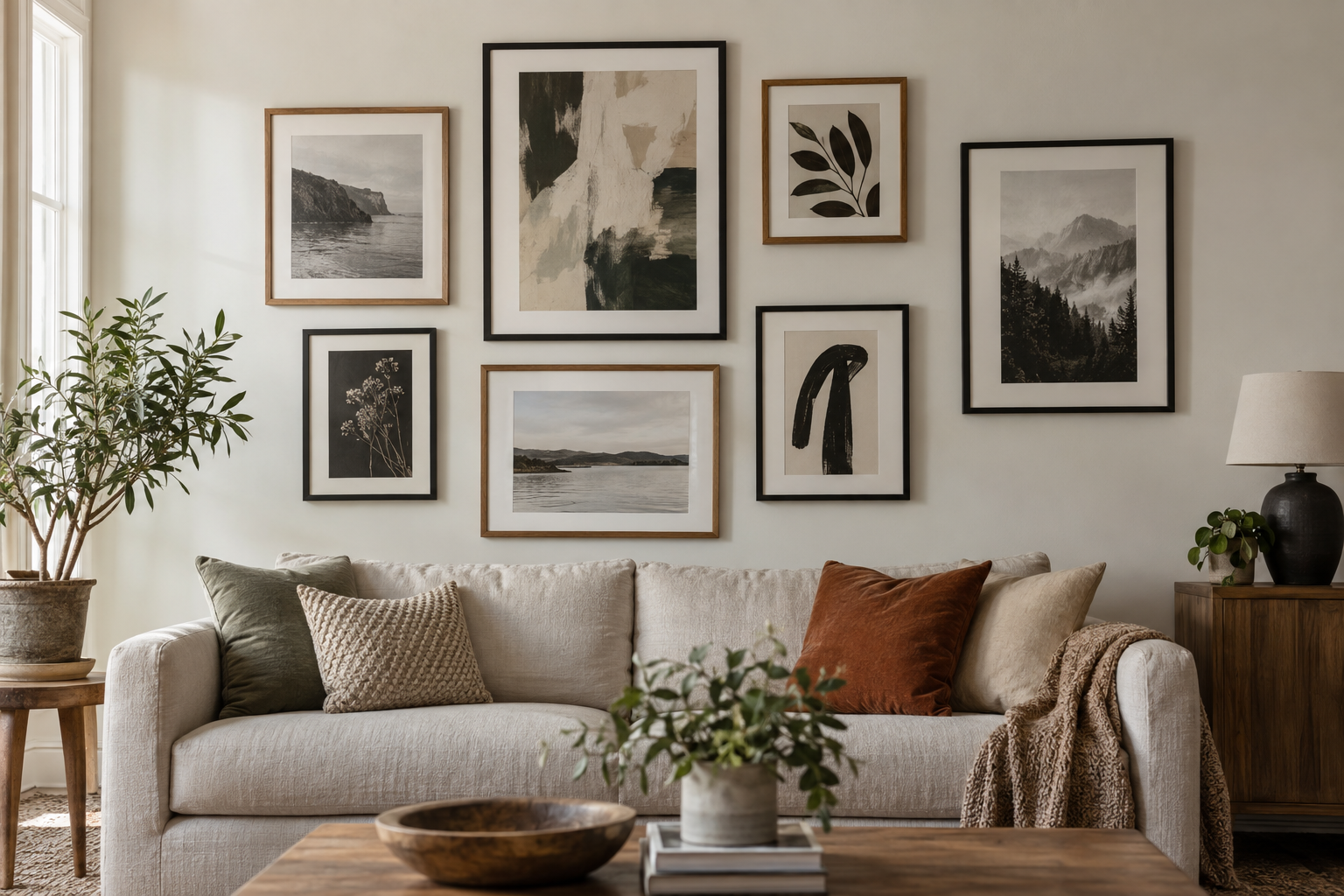
A gallery wall feels calmer when it has a consistent rule, even if the frames differ. You could align their centers, keep a consistent gap, or use one large picture as an anchor. Cut paper rectangles to the outer dimensions of each frame and tape them to the wall. Step back, sit in the room, and check how the arrangement relates to the sofa, console, doorway, and light switch. This is faster to revise than a cluster of misplaced holes.
Make sure the set contains the sizes you need. A ten-piece assortment sounds generous but might give you too few large frames for your available art. Conversely, a dozen uniform 8-by-10 frames can work for a photo series but may look repetitive with varied print shapes. Keep a list of image sizes and label each paper template. Arrange the art in the frames on the floor before transferring it to the wall.
Check the wall material and the frame’s actual weight with glazing and artwork installed. Use the maker’s specified hanging hardware and fasteners appropriate for the wall. A tiny nail shown in a photo is not proof that it suits plaster, hollow drywall, tile, or masonry. Avoid hanging breakable frames where a fall could strike someone. If the structural support is uncertain, choose a lighter arrangement or ask a qualified installer.
Match frame material and display style
Engineered wood, solid wood, metal, and molded materials can all give a clean edge when assembled well. The visible profile, corner joints, and surface finish matter more than a broad material label. A thick profile may overwhelm a small print, while a very thin one may disappear against a busy wall. Black frames can unify mismatched photos, natural wood can add warmth, and a gold accent can draw attention to one piece.
For a tabletop display, consider the footprint of the easel stand as well as the frame’s outside size. A narrow mantel may not accommodate a frame that leans back several inches. Check whether a frame sits steadily beside a lamp or plant and remains clear of heat and moisture. On a high shelf, secure objects so a door slam or passing hand cannot easily tip them. A leaning group of frames can be attractive, but avoid stacking fragile glazing without stable support.
Eight retailer listings to compare
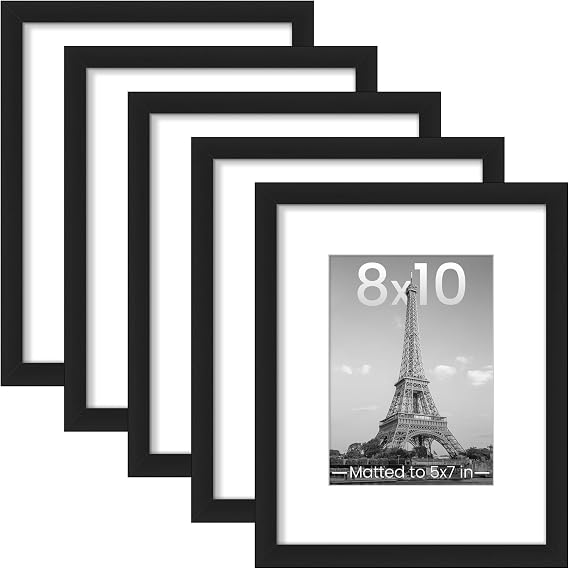
MULTIPLE FRAMES COLLAGE: Bulk of 5 pieces Picture Frames set in the same Sizes. Perfect for Pictures 5x7 with Mat or 8x10 Without Mat. The frame opening display size will be 0.5 in smaller than the...
The upsimples black five-pack lists 8-by-10 frames with mats for 5-by-7 photos. It is a way to start a consistent wall; confirm the exact glazing and hanging pieces in the selected listing.
Target’s Room Essentials seven-frame gallery set includes easel and sawtooth backs in its listing. Compare the individual sizes with your images before relying on the set for a finished arrangement.

Premium Materials: Made of sturdy composite wood material, our 8x10 frames are lightweight and built to last. With a high-definition plexiglass front that resists breaking, simply remove the protec...
Vittanly offers nine listed 8-by-10 frames with a smaller 5-by-7 mat option. Plan the wall space for nine outside rectangles, not nine image openings.
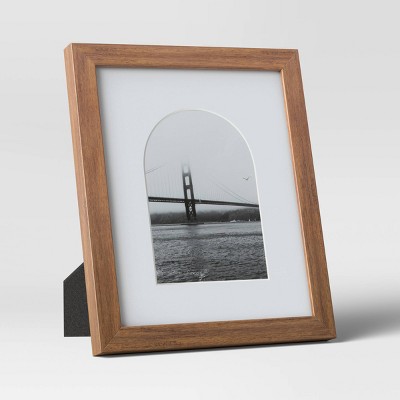
The Threshold brown arch-top table frame is a single 8-by-10 design matted to 5-by-7. Its shape works as an accent rather than a uniform gallery piece; check the easel footprint.
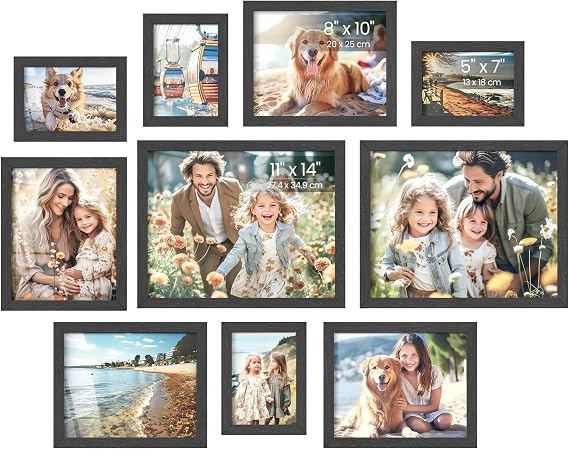
[Custom Display] Two 11x14 inch frames, four 8x10 inch frames, four 5x7 inch picture frames let you create a photo collage of unforgettable memories that enhances various wall decor. Or fill the mu...
The SONGMICS mixed-size set lists two 11-by-14, four 8-by-10, and four 5-by-7 frames. Lay out the largest pieces first and then fill gaps with the smaller ones.
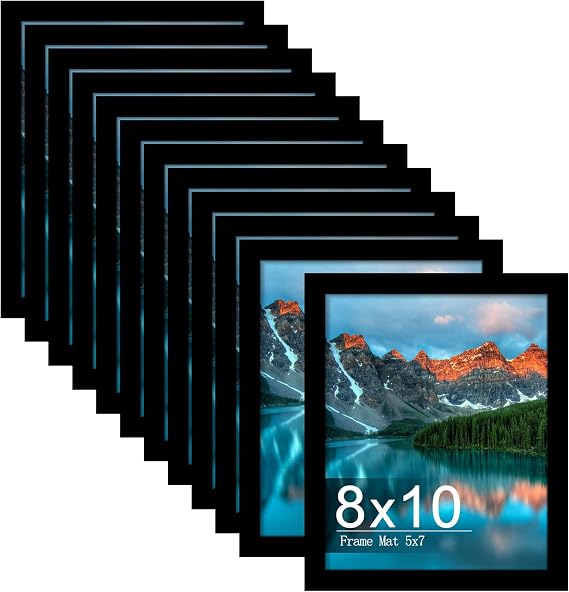
【STYLISH ENGINEERED WOOD FRAME】: Crafted from quality engineered wood with an MDF core, these 8x10 picture frames feature a balanced frame profile and smooth modern finish for a more substantial, s...
Picrit’s twelve-pack uses uniform 8-by-10 frames with mats for 5-by-7 images. A large consistent run is useful for a series; verify you have enough distinct photos to fill it.
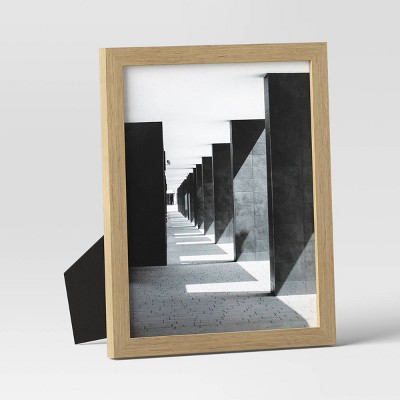
Threshold’s thin-grain wood-look 8-by-10 tabletop frame is a single accent. Check its usable photo opening and whether the finish suits the nearby furniture.

Multi-size: 10pcs picture frame set come with TWO black frames 8x10in, FOUR brown frames 5x7in and FOUR wood distressed white frames 4x6in. Just remember to peel off the protective film on both sid...
LUCKYLIFE lists a ten-pack with 8-by-10, 5-by-7, and 4-by-6 sizes across three finishes. Compare the exact quantity of each size with the prints already in hand.
Make the final arrangement easy to live with
Leave room to dust the frames and reach any wall controls. If you plan to swap seasonal art, choose hardware and a layout that allow one frame to come down without disturbing the rest. Keep copies or digital originals of irreplaceable photos before putting them on a sunny wall. A gallery should be enjoyable to update, not a project that requires rebuilding each time one image changes.
After hanging, check that each frame sits level and that the fastening remains secure. A crooked picture can be adjusted, but a loose hanger is a different problem. On a table, set the easel on a stable flat surface and keep the arrangement away from an edge. If a frame arrives with damaged glazing or a warped corner, use the seller’s return process rather than hoping the defect disappears on the wall.
Questions before checkout
- What are the actual print sizes, including borders?
- What are the mat opening and outside frame dimensions?
- Is the glazing and backing right for the display location?
- Do the wall hangers or easel backs work in the planned orientation?
- Does the set contain the number of each size you actually need?
Buy for the images and the space, not for a package count alone. Correct openings, suitable backing and glazing, and a measured layout make a group of modest frames look considered. The finish can be the last choice, after the photographs and mounting plan are right.
The responses below are not provided, commissioned, reviewed, approved, or otherwise endorsed by any financial entity or advertiser. It is not the advertiser’s responsibility to ensure all posts and/or questions are answered.