
Last Updated on: Aug 23, 2026
A cutting board is the tool you use more than any knife, pan, or gadget in the kitchen, and most people own one they never chose on purpose. It came with a set, or it was a gift, or it was the cheapest one on the shelf. Then it slides around the counter, stains orange after one batch of carrots, or dulls every knife that touches it.
What We'll Cover
Getting the right board is cheap and makes daily cooking easier. The big choices are material, size, and how many boards you need. This guide covers each one, what food safety experts actually say about wood versus plastic, how to clean and care for a board, and a range of popular boards to consider.
Top Cutting Boards
Wood, bamboo, plastic, or composite
There is a long-running argument about whether wood or plastic is safer. The U.S. Department of Agriculture's Food Safety and Inspection Service keeps it simple: consumers may choose either wood or a nonporous surface such as plastic, marble, glass, or pyroceramic. It notes that nonporous surfaces are easier to clean than wood. In other words, both are fine if you clean them well and replace them when they wear out.
Beyond safety, each material feels and behaves a little differently.
Plastic
Plastic boards, usually polypropylene, are light, cheap, and easy to wash. Most can go in the dishwasher, which is a real help after cutting raw chicken. They are also easy to buy in more than one color, so you can keep one just for meat. The downside is that plastic scars with use. Deep knife marks collect food and are harder to clean, so plastic boards need replacing more often.
Wood
Hardwood boards, such as maple, walnut, and cherry, are the classic choice. They are kind to knife edges, they look good on the counter, and a thick one stays put while you work. Edge-grain boards show long strips of wood on the surface. End-grain boards show the ends of the wood fibers, like a checkerboard, and tend to hide knife marks better but cost more. Wood needs hand washing and an occasional coat of oil, and it should not soak in the sink.
Bamboo
Bamboo is technically a grass, but it is pressed into boards that look and act like wood. FSIS notes that bamboo is harder and less porous than hardwoods, absorbs very little moisture, and resists scarring from knives. The trade-off is that its hardness can be a bit tougher on knife edges than softer woods. Bamboo boards are usually cheap and light, which makes them a popular set to buy in multiple sizes.
Composite
Composite boards are made from wood fiber or paper pressed with resin. They are thin, light, nonporous, and many are dishwasher safe, while still feeling closer to wood under the knife than plastic. They are a good middle ground for people who want one board that can take the dishwasher without warping.
How many boards you need
The single most useful habit is keeping raw meat away from food that will not be cooked. FSIS suggests considering one cutting board for fresh produce and bread and a separate one for raw meat, poultry, and seafood. That way bacteria from raw meat cannot end up on a salad or a sliced loaf that goes straight to the table.
For most home kitchens, that means at least two boards:
- A large everyday board for vegetables, fruit, herbs, and bread. Wood, bamboo, or composite all work well here.
- A separate board for raw meat, poultry, and fish. A plastic or composite board that can go in the dishwasher makes cleanup simpler.
- An optional small board for quick jobs like slicing a lemon or a single onion, so you are not hauling out the big one.
If you cook a lot, a set of three in different sizes covers almost every task. Some people also like a separate board for strong flavors like garlic and onion, so fruit does not pick up the taste.
Size and features that matter
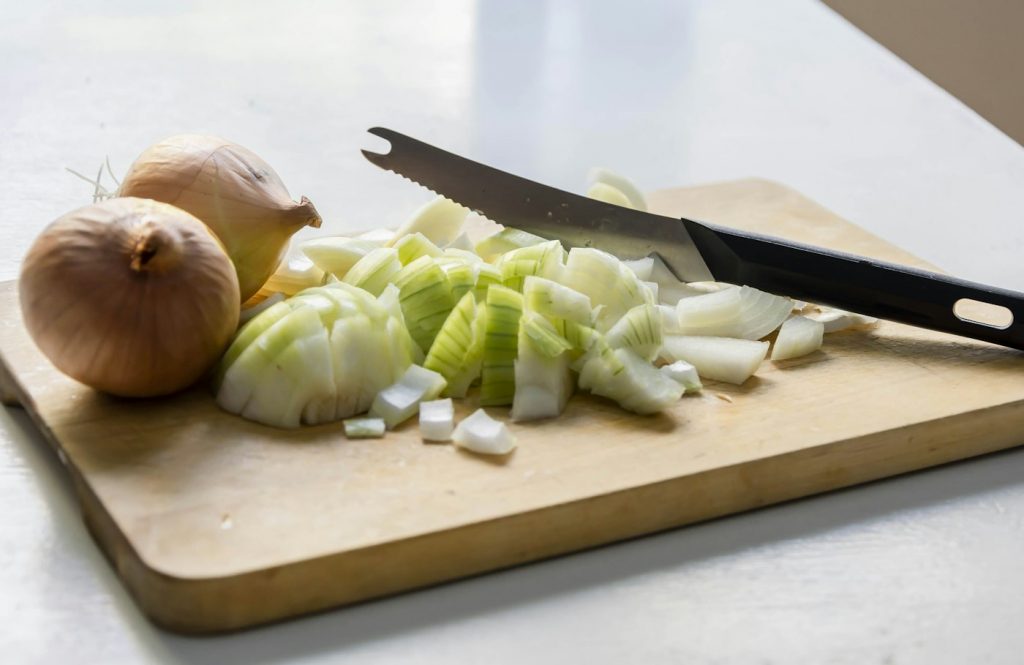
Bigger is usually better for the main board. A board around 15 by 11 inches or larger gives you room to chop and push food aside without it spilling over the edges. Just check that it fits your counter, your sink, and wherever you plan to store it. If you want to wash it in the dishwasher, measure the rack too.
A few features make a board easier to live with:
- Non-slip grip. Rubber edges or feet keep the board still. If a board slides, a damp towel under it fixes the problem.
- Juice groove. A channel around the edge catches liquid from meat, tomatoes, and fruit. It is great for carving and less useful for everyday chopping, so many boards put it on one side only.
- Thickness. Thin boards are light and easy to store. Thick wood boards are heavy, but they do not bounce or warp and last for years.
- Handles or a hole. These make lifting and hanging easier and help you tip chopped food into a pan.
Cleaning and caring for a cutting board
FSIS recommends washing all cutting boards with hot, soapy water after each use, then rinsing with clear water and air drying or patting dry with clean paper towels. It notes that nonporous acrylic, plastic, or glass boards and solid wood boards can go in the dishwasher, but laminated boards may crack and split. In practice, most wood and bamboo board makers suggest hand washing to keep the board from drying out, so check the care label on yours.
To sanitize either wood or plastic, FSIS suggests a solution of 1 tablespoon of unscented liquid chlorine bleach per gallon of water. Flood the surface, let it stand for several minutes, then rinse with clear water and dry.
Wood and bamboo also benefit from an occasional rub of food-grade mineral oil, which FSIS mentions for bamboo to help it keep moisture. Oil the board when it looks dry or pale. Never leave a wood board soaking in water, and let it dry standing on its edge so air reaches both sides.
Finally, know when to let go. FSIS says all plastic and wooden boards wear out over time, and once a board becomes excessively worn or develops hard-to-clean grooves, it should be thrown out.
Cutting boards worth a look
These popular boards cover plastic, bamboo, composite, and hardwood. Prices change often, so check the current listing.
Basic plastic board for raw meat. An 11 by 14 inch polypropylene board that is reversible, has a hand hole for grip, and goes in the dishwasher. At a low price, it is an easy pick for a dedicated meat board.
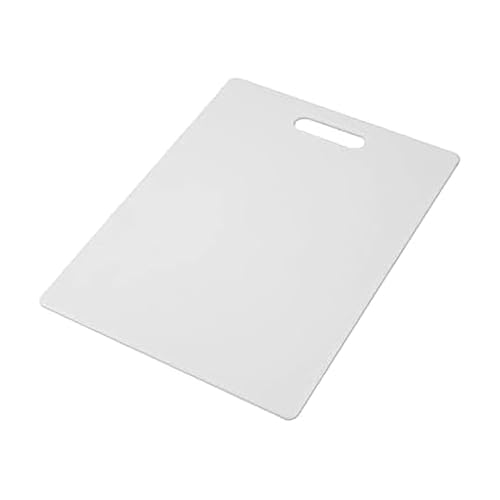
QUALITY MATERIALS: This cutting board is made of polypropylene plastic. The poly material is non absorbent, nonporous, and will not harbor stains. It is gentle on knives, keeping their blades from ...
Large bamboo board with a deep groove. A 17 by 11 inch bamboo board with a food-grade oil finish, a deep juice groove, and silicone pads that keep it from sliding. It is reversible, so you can keep one side for cooked food and one for raw prep, though a fully separate board for raw meat is still the safer habit.
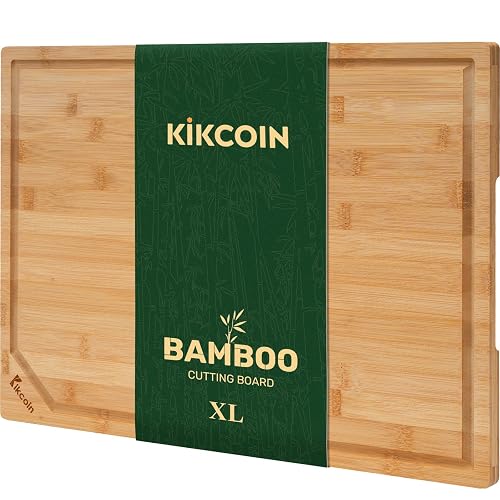
100% BAMBOO: Kikcoin bamboo wooden cutting boards for kitchen preserves the original bamboo grain and texture.The surface is carefully polished and coated with food-grade oil, ensuring a smooth, bu...
Bamboo set of three. A light set in three sizes with a hanging hole on each board. It is an inexpensive way to have separate boards for bread, produce, and quick jobs.
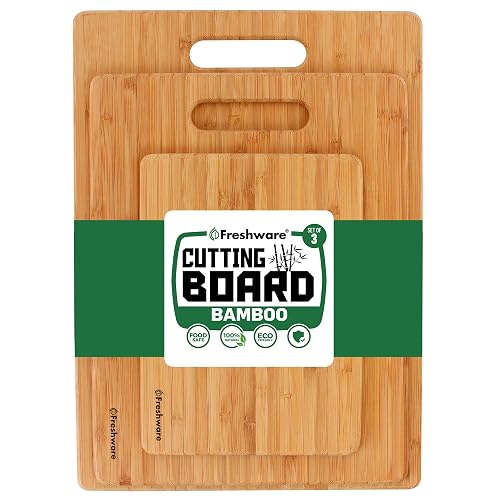
The Ultimate Cutting Board Set for All: If you are looking for a top notch quality cutting board that is extremely safe to use, then we got you covered. Not only one, but 3 premium quality cutting ...
Composite board for the dishwasher. A large 17.5 by 13 inch wood fiber composite board with removable silicone corners that keep it from sliding. It is nonporous, reversible, and dishwasher safe, so it works as a main board or as the one you keep for raw meat.
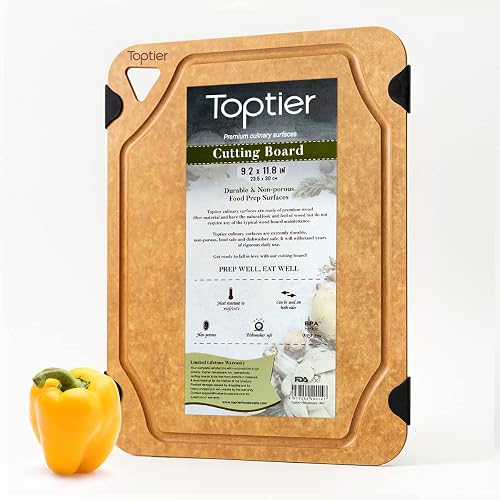
🌟 A Cut Above - 17.5 x 13 inch wood fiber composite cutting board, wooden natural color, removable silicone corners, dual-sided cutting surface. If you are looking for a crafted wood cutting board ...
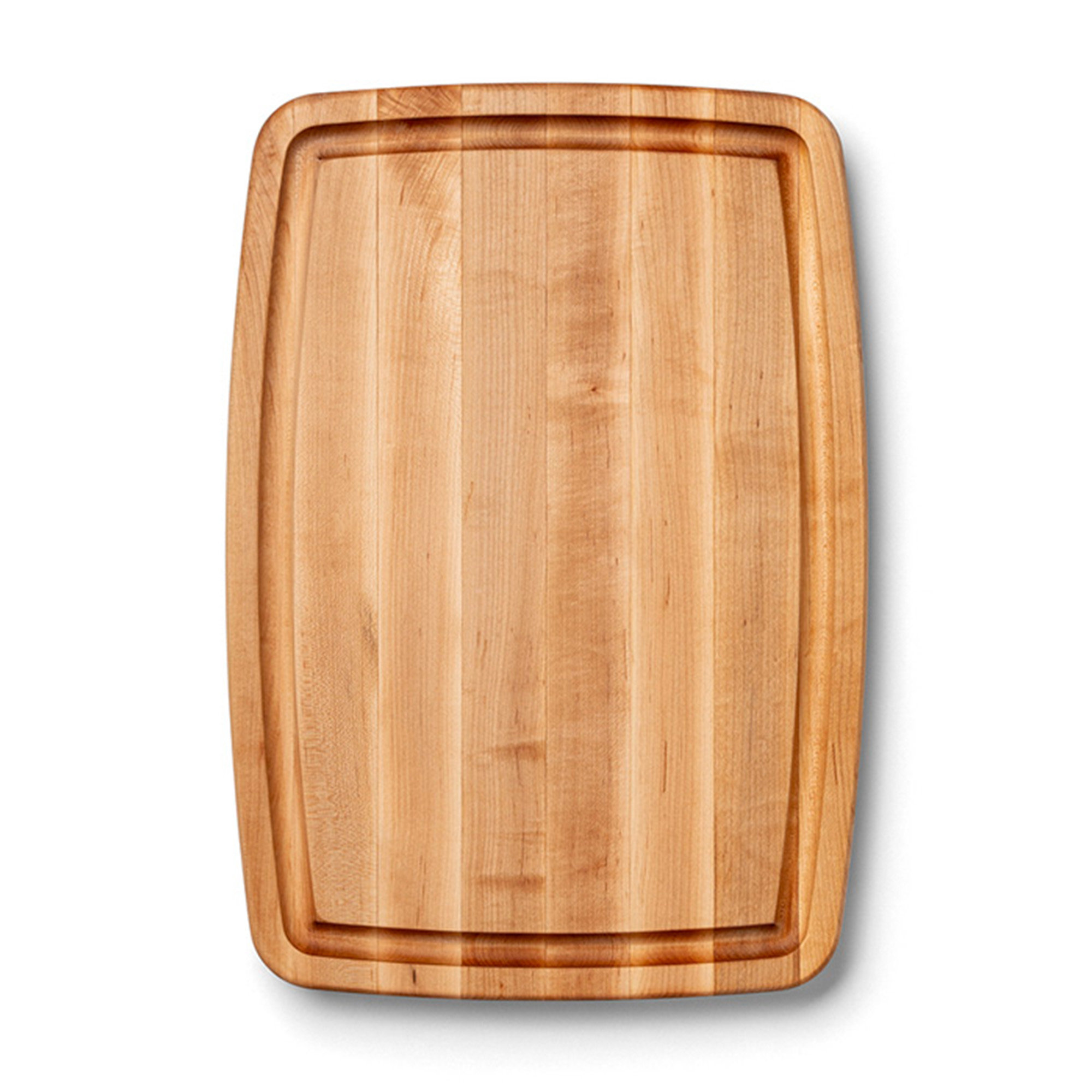
Walnut board for serious prep. An edge-grain American black walnut board, 20 by 15 by 1.5 inches. It sits on rubber feet so it does not slide, and a deep juice groove holds about 4.5 ounces of liquid. It needs hand washing and regular oiling, but it is the kind of board that can last for decades.
Maple board with a groove. Wayfair sells John Boos's Chef's board, a 1.5-inch-thick edge-grain maple board that is reversible, with a juice groove and finger grips. Maple is a little lighter in color than walnut and just as easy on knives. Like any solid wood board, it should be hand washed and oiled.
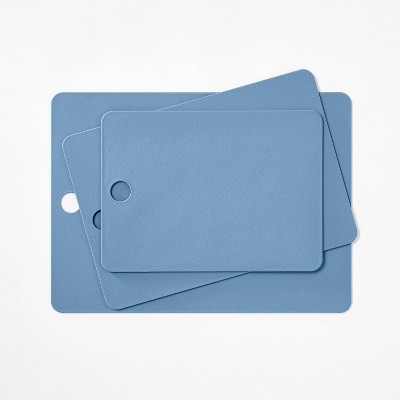
Budget plastic set. Target's Figmint set gives you three recycled polypropylene boards in small to large sizes. They are reversible, dishwasher safe, BPA-free, and have a small hanging hole. A cheap set like this makes it easy to keep one board just for raw meat.
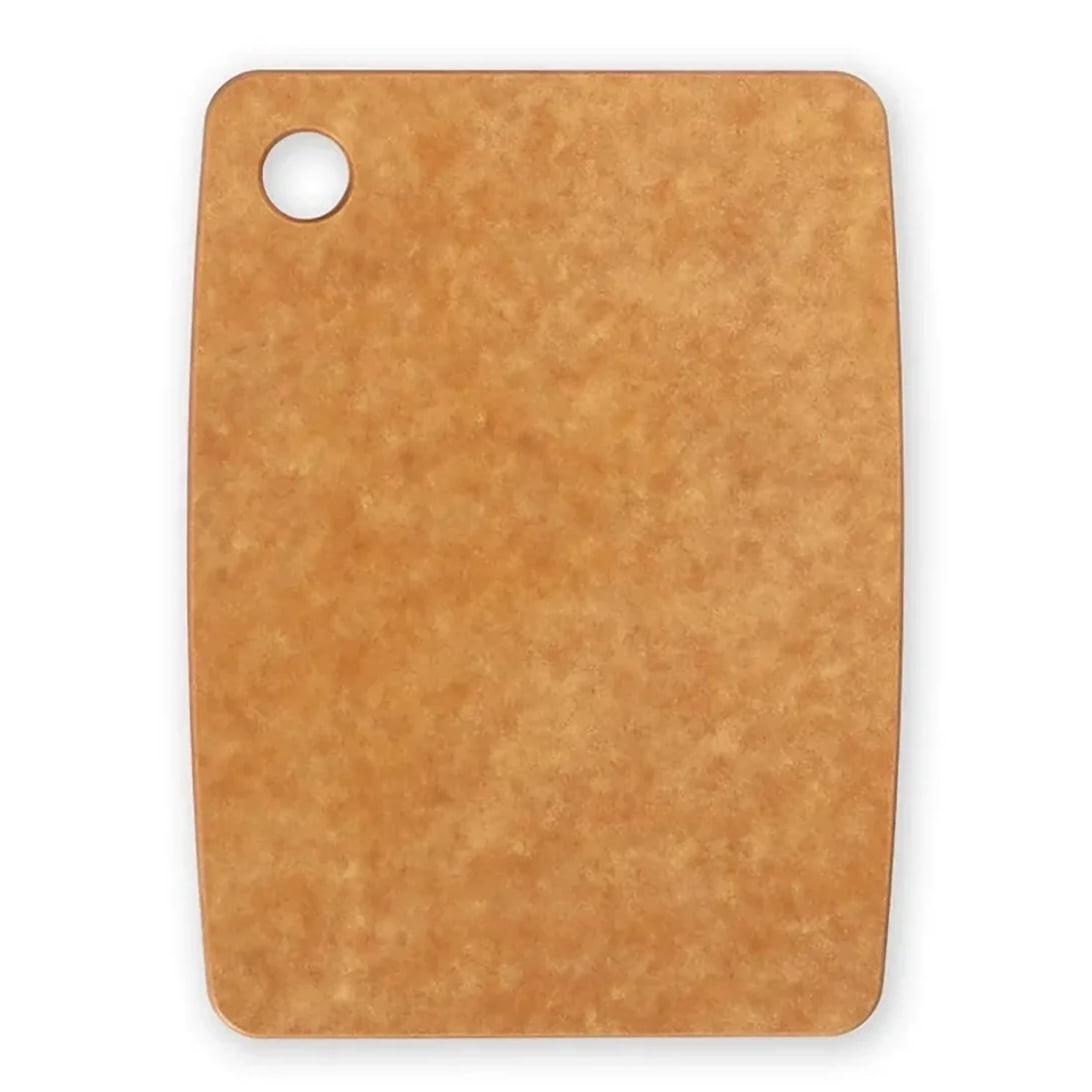
Small board for quick jobs. At Walmart, Dexas makes an 8 by 5.9 inch natural fiber composite board with a built-in handle. It is reversible and dishwasher safe, and it is the right size for a lemon, a shallot, or a block of cheese.
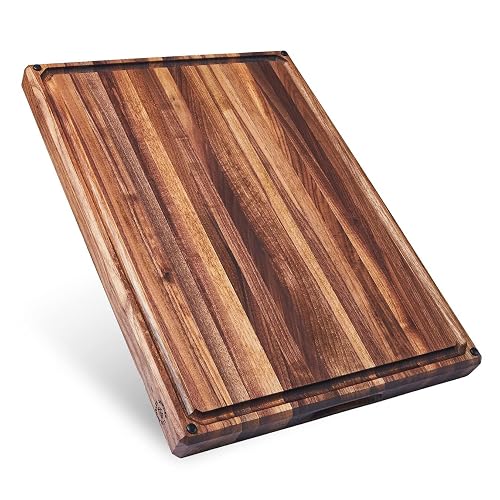
EDGE GRAIN CUTTING BOARDS: THE CLASSIC CHOICE — Built for daily use, this edge grain wood cutting board is a true kitchen staple. The horizontal fibers create a solid, resilient, and non-porous sur...
Which board to choose
If you are starting from scratch, get two boards: a large wood, bamboo, or composite board for produce and bread, and a plastic board that goes in the dishwasher for raw meat. That setup follows FSIS advice and covers almost every recipe. Add a small board for quick jobs if you have room.
Whatever you buy, wash it after every use, keep wood oiled, and replace any board that is badly scarred. A good board is a small purchase that pays off every time you cook.
The responses below are not provided, commissioned, reviewed, approved, or otherwise endorsed by any financial entity or advertiser. It is not the advertiser’s responsibility to ensure all posts and/or questions are answered.
Tip for the two-board setup: pick different colors for the meat board and the produce board so nobody in the house has to guess which is which.
Is there a rule of thumb for how often to oil a new walnut or maple board in the first month? The article says when it looks dry, just curious if new boards need it more often.