

Last Updated on: Jul 17, 2026

What We'll Cover
Nobody thinks about their can opener until it fails. The wheel slips halfway around, the lid is left hanging by a thread, and you end up prying it back with a fork. Or the handles are so stiff that opening a can of beans feels like a grip-strength test. A good can opener costs little and quietly makes weeknight cooking easier.
There are more types than you might expect: classic hand-crank openers, smooth-edge openers that cut from the side, electric countertop models, and small battery units that ride along the can on their own. This guide covers how each type works, who it suits, how to use and clean one safely, and what USDA food safety experts say about cans you should not open at all.
Top Can Openers
Do you still need one?
Plenty of cans now come with pull tabs, so it is fair to ask whether an opener is still worth a drawer spot. The answer for most homes is yes. Many staples, such as broth, pumpkin, coconut milk, and large cans of tomatoes, still ship without tabs. Pull tabs can also snap off, and they are hard to use with weak fingers or long nails. A reliable opener is cheap insurance, and it belongs in an emergency kit too, since canned food is only useful if you can get into it.
How can openers cut
Every opener uses a sharp wheel to cut through the metal and a toothed gear to turn the can. The difference is where the wheel cuts.
- Top-cutting openers push the blade down through the top of the lid, just inside the rim. This is the classic design. It leaves a lid with a sharp edge and a can rim that can also be sharp.
- Side-cutting or smooth-edge openers cut through the side of the seam just below the lid. The whole top lifts off like a cap, and neither the lid nor the can has a sharp edge. The blade also never touches the food.
Smooth-edge openers are safer to handle and let you put the lid back on as a loose cover. They can take a little practice to line up, and it is not always obvious when the cut is finished. Top-cutting openers are simple and familiar, but you need to handle the lid with care.
Manual can openers
A manual opener is cheap, needs no outlet or batteries, works during a power outage, and takes up almost no space in a drawer. For most kitchens it is the right first choice. Look for comfortable, padded handles, a large turning knob that is easy to grip, and a solid cutting wheel made of stainless or hardened steel. Cheaper openers with thin wheels and loose gears tend to slip and skip.
Some manual openers are made with a simple, all-metal design that has barely changed in decades. They last a long time and have no plastic to crack, though they can be harder on the hands. If you have arthritis or weak grip, look for a model with extra-large handles, or consider an electric one.
Electric can openers
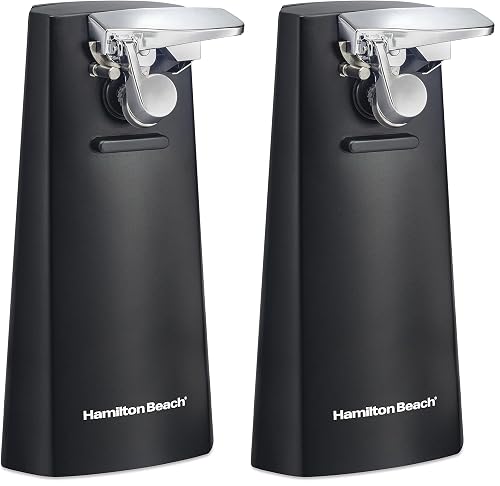
A countertop electric opener clamps the can with a lever, spins it against the blade, and usually stops on its own when the lid is cut. Many have a magnet that holds the lid so it does not fall into the food. They are a big help for anyone with hand pain, limited strength, or who opens a lot of cans for family meals or pets.
Check a few things before buying:
- Height. Tall models fit large cans that short openers cannot reach.
- Removable cutting parts. A lever or cutting unit that comes off makes cleaning much easier, and some are dishwasher safe.
- Cord storage. A cord that wraps inside the base keeps the counter tidy.
- Extras. Some include a knife sharpener or bottle opener. Handy, but not a reason to buy on their own.
Small battery-powered openers sit on top of the can and travel around the rim by themselves. They take up very little space and are easy for people with limited grip. Most cut from the side, leaving smooth edges. They are slower than a countertop model and you will need to replace or recharge batteries.
Using a can opener safely
A can opener is simple, but the metal edges it leaves can cut. A few habits help:
- Wipe the lid first. Cans sit in warehouses and on shelves. A quick rinse or wipe of the top keeps dust and grime from ending up in the food when the blade goes through.
- Lift lids with care. With a top-cutting opener, use the magnet, a fork, or the tip of a butter knife to lift the lid. Do not reach in with bare fingers.
- Dispose of lids safely. Push sharp lids down into the empty can before recycling, or check what your local recycling program asks for.
- Keep it clean. Wash the cutting wheel after each use, especially after opening fish, meat, or sauces. Food trapped around the gear and wheel can build up over time.
Cans you should not open
Before you reach for the opener, take a quick look at the can. The USDA Food Safety and Inspection Service says a can with a small dent that is otherwise in good shape should be safe. But it advises discarding deeply dented cans, which it describes as a dent you can lay your finger into, and any can with a deep dent on a seam, since that can let bacteria in.
FSIS also says to throw out heavily rusted cans, which can have tiny holes, and never to use swollen cans. It warns that leaking, bulging, or badly dented cans can be signs of botulism, a rare but very serious food poisoning. Some hissing when a vacuum-packed can opens is normal. But if a can hisses loudly or the contents spurt out when opened, FSIS says it may be unsafe, and you should not taste it.
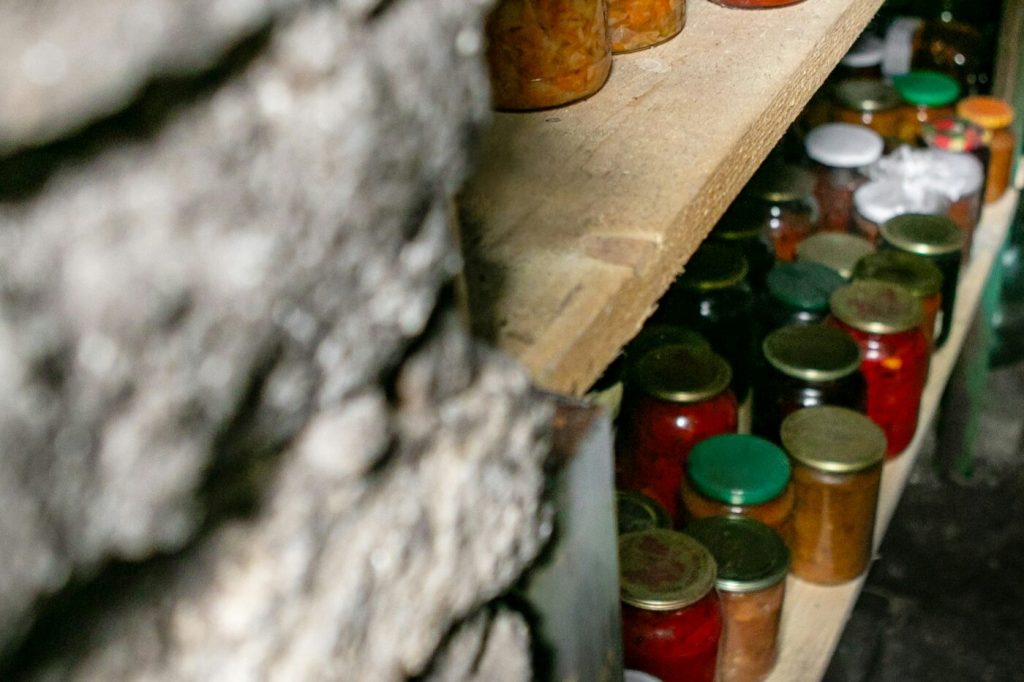
Storage matters too. FSIS recommends keeping canned goods in a cool, dry place below 85 degrees Fahrenheit, and never above or beside the stove, under the sink, or in a damp garage or basement. Check your pantry every few weeks and use older cans first.
Can openers worth a look
These popular openers cover manual, smooth-edge, and electric options. Prices change often, so check the current listing.
Classic all-metal manual opener. A made-in-the-USA manual opener with an easy-turn design. It is a simple, sturdy option for people who want an opener that lasts for years without batteries or a cord.
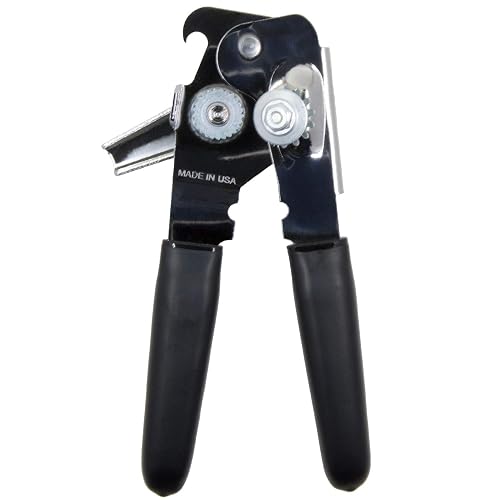
A classic for 70 years– official branded Seller ohsay USA. Made by the same manufacturer as the swing-a-way which is now imported. This is the only manual Can Opener Made in the USA. You’ll support...
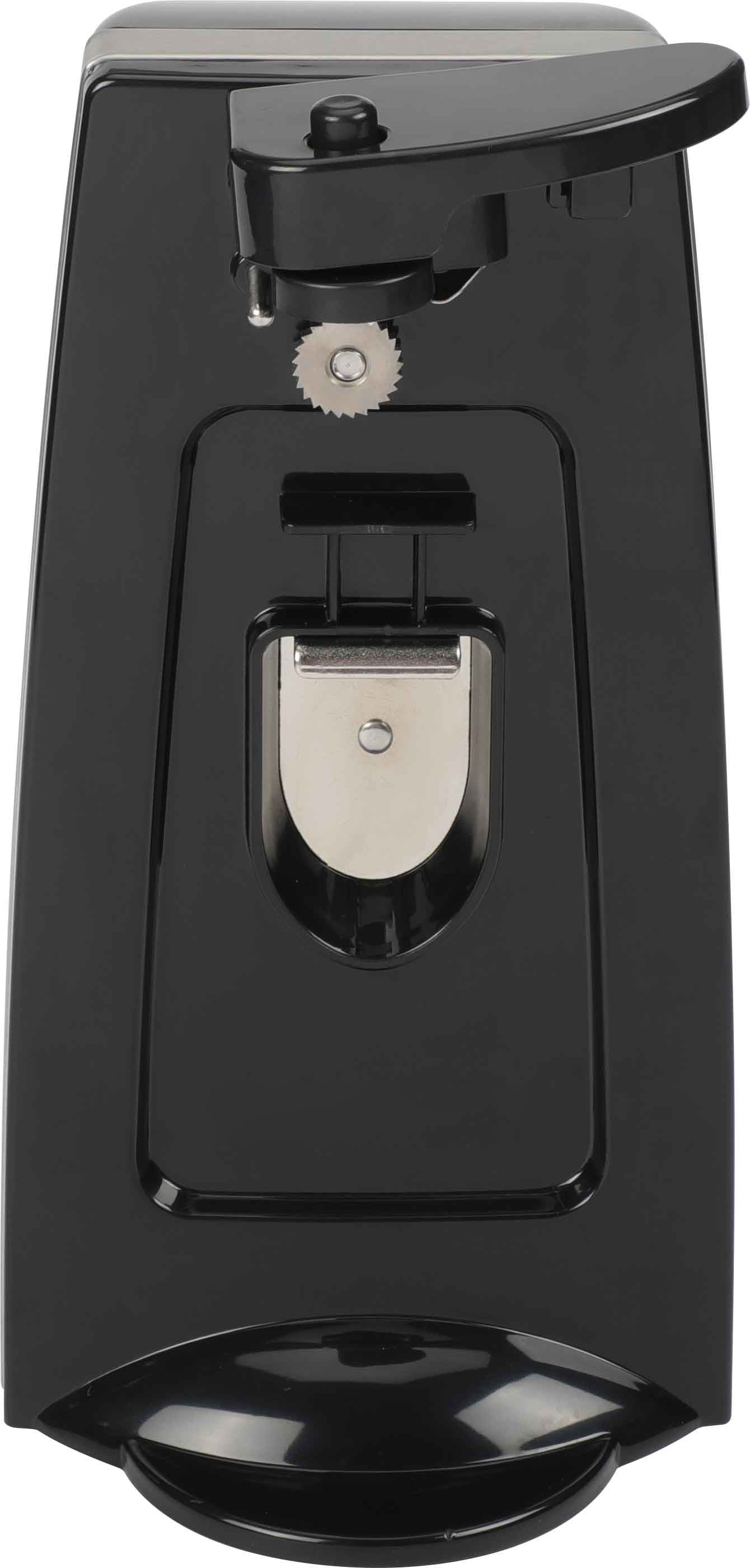
Extra-tall electric opener. An extra-tall countertop model that opens small to large cans, including taller ones, and shuts off on its own when the cut is done. The cutting lever comes off so you can rinse it under the faucet, which keeps food from building up around the blade. It also has cord storage and a built-in knife sharpener.
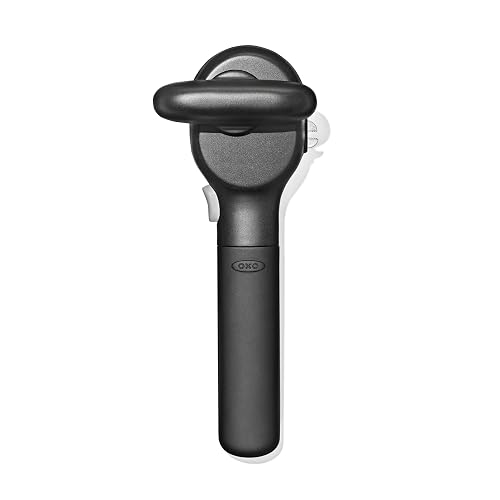
Magnetic manual opener. A heavy-duty manual opener with a sharp stainless steel blade and a magnet that grabs the lid as you finish the cut, so you never have to fish it out with your fingers. It is sold with older cooks in mind, but the lid magnet is handy for anyone.
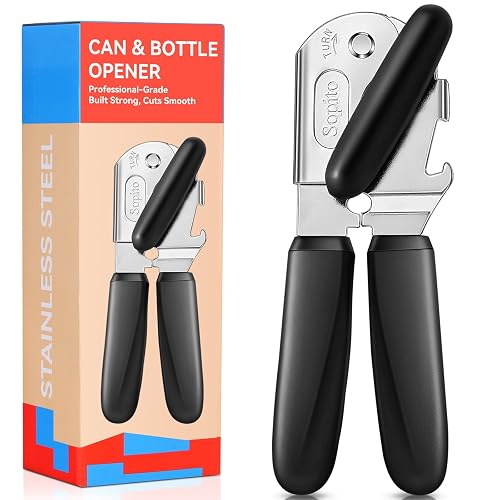
Strong Stainless Steel Blade: Manual can opener is tough and sharp. Can opener smooth edge cuts through cans easily, for a smooth cutting experience
Easy-turn Knob: Can opener's knob is large and e...
Hands-free battery opener. A small opener that rides around the rim on its own with the press of a button, leaving a smooth edge. It suits people with limited grip and takes up little drawer space.
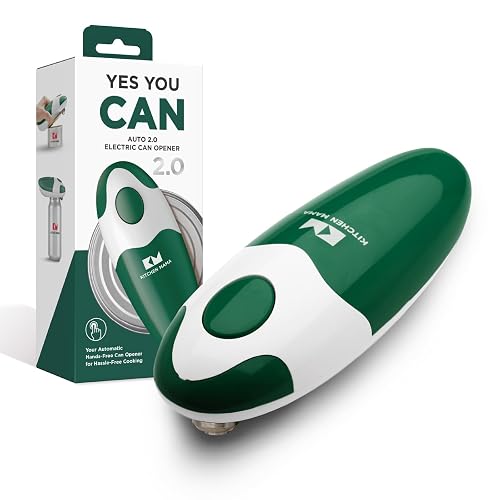
MEET KITCHEN MAMA AUTO 2.0: Designed with the same aesthetic; conquers more can shapes, including curved ones like soda cans; powerful, easily handles high-pressure and sticky food cans; a new era ...
Smooth-edge manual opener. This soft-grip opener cuts around the side of the can instead of the top, so neither the lid nor the rim is left with a sharp edge. The lid can often be set back on as a loose cover, and a small pincer helps lift it off.
Easily opens cans without creating sharp edges on can or lid
Oversized side-wind mechanism moves smoothly
Soft-grip knob and non-slip handles
Sharp stainless steel cutting wheel doesn't touch can c...
Side-cut opener with a ring-pull tool. Another smooth-edge design, with a built-in hook that lifts the cut lid without touching it and a tab lifter for pop-top cans. It is compact and easy to turn, which helps if your hands get sore.
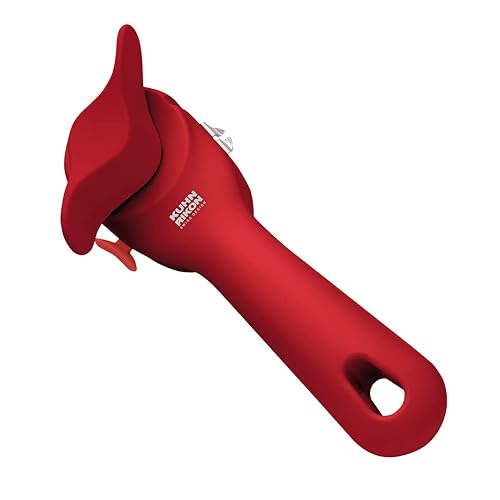
✓ Safe smooth-edge cutting – Side-cut design opens cans cleanly and leaves a safe, smooth rim without sharp edges.
✓ Hygienic touch-free lid removal – Patented LidLifter grips and lifts lids withou...
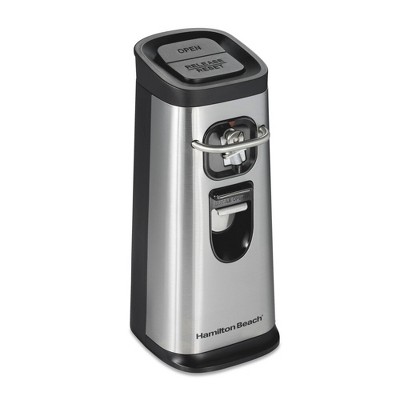
Smooth-edge electric opener. Target carries a Hamilton Beach Smooth Touch model that cuts from the side, so the lid comes off without sharp edges. It also has a knife sharpener and a bottle opener built in.
Low-cost electric opener. Walmart's Mainstays countertop opener has an extra-tall body for bigger cans, a removable cutting lever for washing, cord storage, and a built-in knife sharpener and bottle opener.
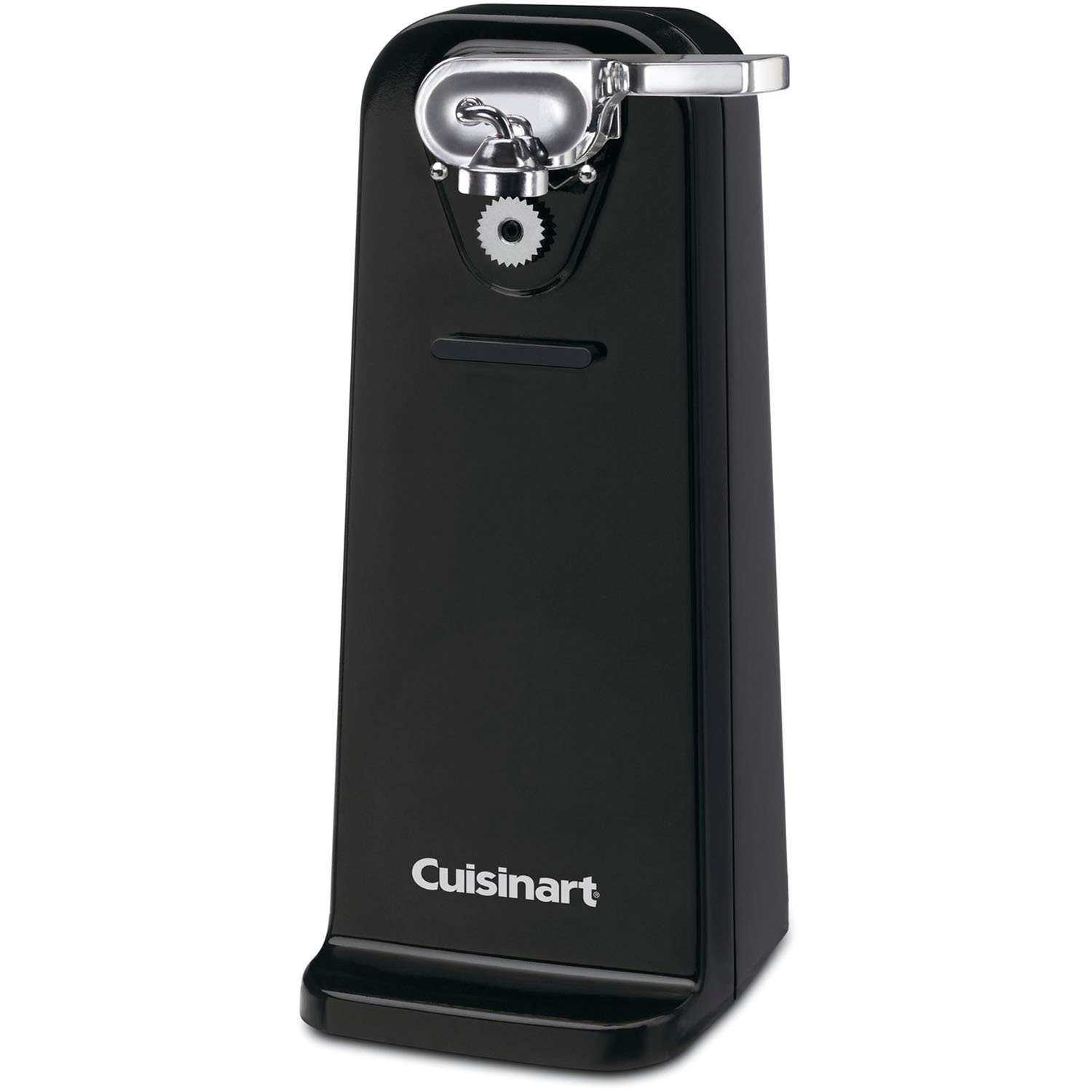
Stainless steel electric opener. Wayfair sells the Cuisinart Deluxe, a stainless steel model with a magnetic lid holder on a removable arm, so the part that touches food can be washed by hand.
Which one to choose
For most kitchens, a good smooth-edge manual opener is all you need. It is cheap, safe to handle, and works in a blackout. If hand strength is an issue or you open cans every day, add a countertop electric opener or a battery model that does the work for you.
Whatever you use, give each can a quick look before opening, wipe the lid, and keep the wheel clean. It is a small tool, but a good one makes every can of soup, beans, or tomatoes a little easier.
The responses below are not provided, commissioned, reviewed, approved, or otherwise endorsed by any financial entity or advertiser. It is not the advertiser’s responsibility to ensure all posts and/or questions are answered.