
Last Updated on: Sep 05, 2026
Anyone who lives with a dog or cat knows the feeling of sitting down in dark pants and standing up covered in fur. Hair works its way into couch cushions, car seats, rugs, and every blanket in the house. A vacuum handles the floors, but it often struggles with fabric, where hair weaves itself into the fibers and clings.
That is where hand tools come in. Pet hair removers range from simple sticky rollers to rubber brushes, reusable rollers with a built-in bin, and long-handled carpet rakes. Each one works best on a certain surface. This guide explains how each type works, which one to reach for on the couch, in the car, and on the rug, and ends with popular options that do the job without much effort.
Top Pet Hair Removers
What We'll Cover
- Top Pet Hair Removers
- Why pet hair is so hard to get off fabric
- The main types of pet hair removers
- Sticky lint rollers
- Reusable rollers with a bin
- Rubber brushes and textured pads
- Metal-edge tools and carpet rakes
- Matching the tool to the surface
- Ways to cut down on the hair in the first place
- Keeping your tools working
- Popular pet hair removers worth a look
- Which tool to start with
Why pet hair is so hard to get off fabric
Pet hair is fine and often has tiny barbs or scales along each strand. When it lands on woven fabric, those strands slip between the threads and catch. Static makes things worse, especially in dry weather, since the charge holds hair against synthetic fabrics like microfiber and polyester.
The goal of most removal tools is to grab the hair and drag it out in a single direction, or to create a bit of friction or static that pulls the hair toward the tool instead of the fabric. Knowing that helps you pick the right tool. Sticky tape lifts loose hair off the surface. Rubber and textured edges drag out hair that has worked its way in. Metal blades and rakes pull out the most stubborn fur from carpet.
The main types of pet hair removers
Sticky lint rollers
The classic lint roller is a roll of adhesive sheets on a handle. You roll it over fabric, the tape picks up hair, and you tear off the used sheet to expose a fresh one. Rollers made for pet hair use stronger adhesive than standard ones.
Sticky rollers are great for clothes right before you walk out the door. They are gentle on delicate fabrics and easy to keep in a drawer, a bag, or the car. The downsides are cost and waste, since you go through sheets quickly on a heavy shedder, and they only pick up hair sitting on the surface.
Reusable rollers with a bin
These look like a paddle with a fabric-covered roller inside. You push it back and forth across the couch, and the roller sweeps hair into a small compartment. When the bin fills up, you open it and dump the hair in the trash. No sheets, no batteries.
Reusable rollers work well on large fabric areas like sofas, beds, and pet blankets. They need a back-and-forth motion to work, so they are less handy on small or curved spots. Short, quick strokes tend to work better than long, slow ones.
Rubber brushes and textured pads
Rubber bristles and textured pads grip hair through friction and a little static. As you drag the tool across fabric, hair bunches up into clumps you can pick up by hand or vacuum. These tools last a long time and rinse clean with water.
Rubber brushes are a strong choice for car interiors, cloth seats, and upholstered furniture. Many are shaped with narrow edges that fit into seams and between cushions.
Metal-edge tools and carpet rakes
Tools with a fine metal edge or blade scrape embedded hair out of tight weaves and carpet. Short-handled versions are sized for car mats and furniture. Long-handled carpet rakes let you stand while you work on rugs and wall-to-wall carpet, pulling up hair the vacuum left behind.
Metal tools are the most aggressive option. They pull out hair that nothing else can reach, but you should test them on a hidden spot first, since some fabrics and delicate rugs can snag or pill. Most makers say to avoid knitted or loosely woven fabric.
Matching the tool to the surface
Clothes. A sticky roller is still the fastest and safest choice. For a lighter touch on wool or delicate knits, a soft rubber brush can work too.
Sofas and chairs. A reusable roller covers big cushions fast. Follow up with a rubber brush or textured pad along seams and the front of the seat, where hair collects most.
Beds and pet blankets. A reusable roller works well on duvets and blankets. For heavy hair, shake the blanket outside first, then roll.
Rugs and carpet. A long-handled carpet rake pulls up embedded hair so the vacuum can pick it up. Run the rake in one direction, then vacuum.
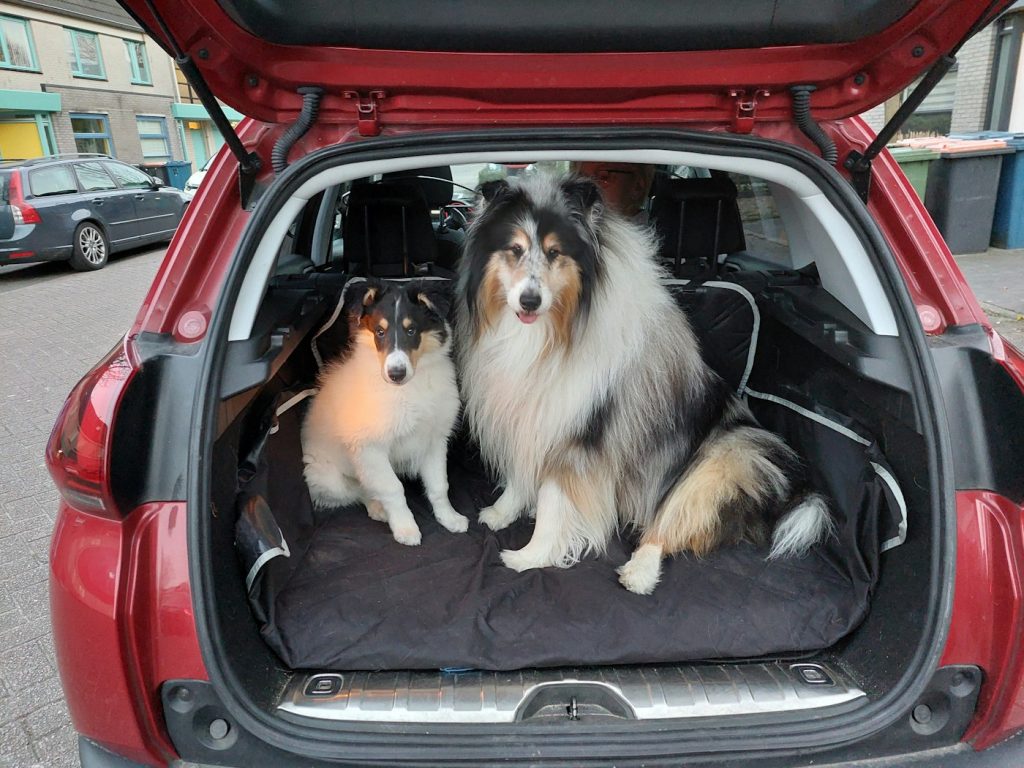
Car seats and cargo areas. Car carpet and cloth seats tend to trap hair more tightly than home furniture. A small rubber or metal-edge tool built for car detailing is the best bet. Work in short strokes toward you, collect the clumps, and finish with a vacuum.
Ways to cut down on the hair in the first place
No tool beats having less hair to remove. Regular brushing, especially during seasonal shedding, catches loose fur before it ends up on the couch. Do it outside or in one easy-to-clean spot.
Washable covers help, too. A throw blanket on your pet's favorite spot on the sofa, or a seat cover in the car, turns a big cleanup into a quick trip through the washer. Wash those covers often, and clean the lint trap in your dryer after each load, since pet hair fills it fast.
Finally, when a bit of fur sticks to clothes after washing, a dryer cycle on low heat with a couple of dryer sheets or wool dryer balls can loosen what is left before you reach for the roller.
Keeping your tools working
Reusable tools only work as well as they are kept. Empty the bin on a reusable roller after every use, since a full bin cannot pick up more hair and may push fur back out. Every so often, open it up and pull out any hair wrapped around the roller.
Rinse rubber brushes and textured pads under warm water to clear out oils and dust, then let them air dry before the next use. A dirty rubber surface loses grip. For metal-edge tools and rakes, wipe the teeth with a damp cloth so trapped hair does not get pushed back into the carpet.
Sticky rollers need the least care, but store them with the cover on or in a drawer. An exposed roll picks up dust and loses its grip before you ever use it.
Popular pet hair removers worth a look
These picks cover every type above, from quick lint rollers to car detailing tools and a long-handled rug rake.
Reusable roller with a large bin. This roller sweeps hair into a big compartment as you push it back and forth. It needs no batteries and works on couches, bedding, rugs, and car seats.
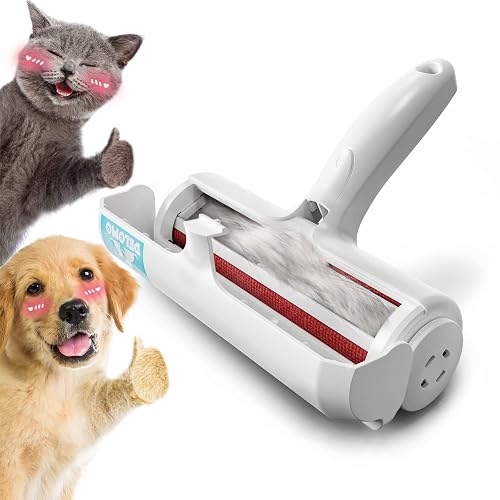
FAST & DEEP CLEAN FOR COUCH, BEDDING, RUGS & CAR SEATS: Tired of hair everywhere? This manual pet hair remover uses a back-and-forth roller design to lift dog and cat hair quickly, trapping it insi...
Extra-sticky lint rollers. A four-pack of pet rollers with 48 sheets each, for 192 sheets total. The maker says the adhesive is 50 percent stickier than its standard roller, and the rollers work on clothes, curtains, dog beds, and lamp shades.
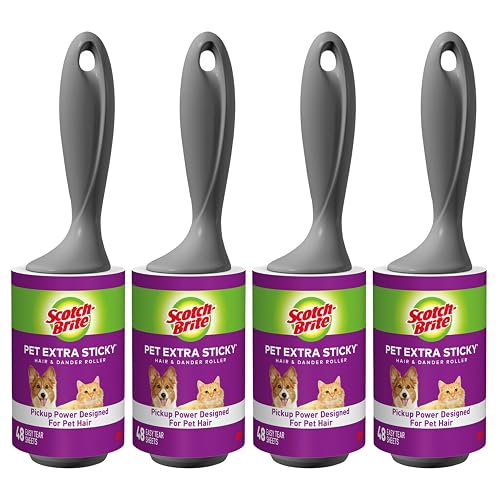
50% STICKIER*: This pet lint roller uses an extra sticky surface to pick up lint, hair, and debris without damaging clothes or fabrics.
PICK THE FLUFF UP: Put away the scary vacuum cleaner and make...
Rubber brush for car and home. Rubber bristles on this brush build a static charge that lifts and traps hair from car seats, carpets, and upholstery. The bristles are designed not to scratch delicate surfaces.
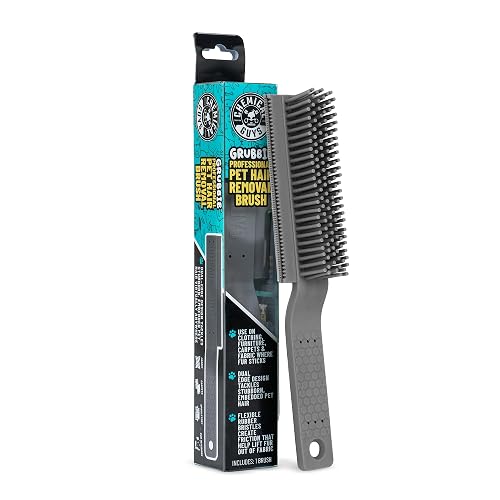
Pet Hair Brush (ACC_S06) - Professional rubber car pet hair removal tool removes stubborn pet hair, lint, and debris from car seats, carpets, and upholstery as well as home furniture and rugs with ...
Six-in-one detailing tool. Three squeegee blades, two textured pads, and a crevice tool in one handheld piece, made in the USA. Hold it flat, press, and pull to collect embedded hair into a pile.
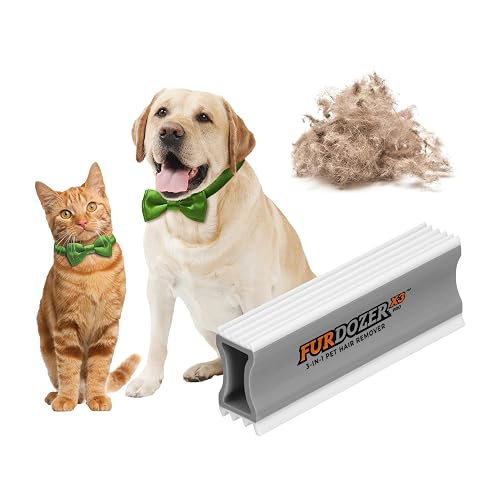
FOR BEST RESULTS: To get the most out of your FurDozer X6 Pet Hair Remover, we recommend making sure that the part of the tool that you are cleaning with makes full contact with the surface you're ...
Metal-edge tool with a carpet rake. A reusable tool with a multi-fabric metal edge for couches, cat trees, and rugs, plus a carpet rake side for deeper cleaning.
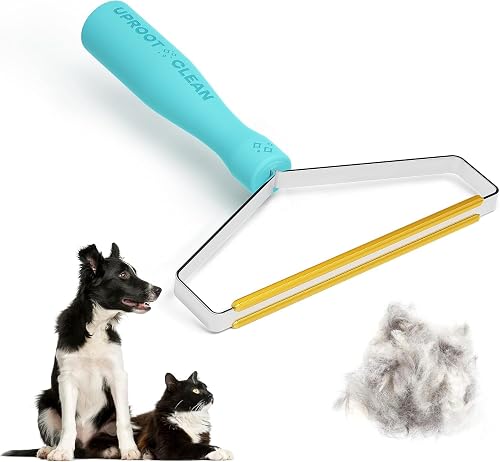
GETS EVERY STRAND OF HAIR AND FUR: The Uproot Cleaner Pro saves you energy without cutting corners. The pet fur remover reaches even the most embedded follicles, pulling them out with an easy swipe...
Handheld roller with a dust bin. A reusable handheld with a see-through window that shows when the bin is full and a latch that opens with a push. A rubber grip makes it easy to hold.
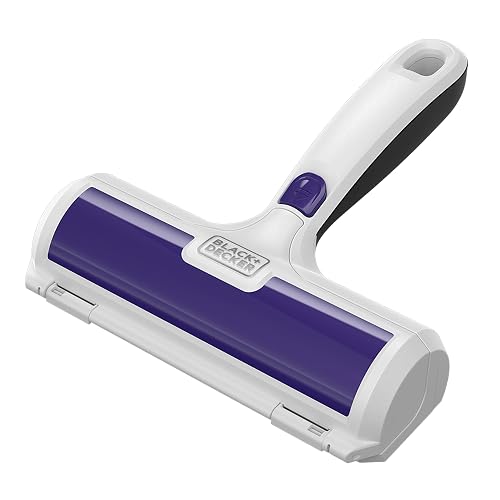
Know when it's full: the translucent window shows you when its time to empty
Easy empty: A latch keeps the dust bin door secured in place and is simple to open with a press of the button
Reusable a...
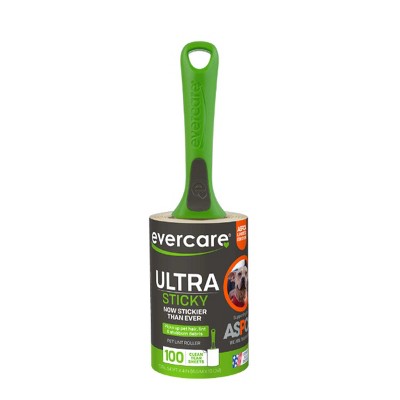
Classic sticky roller at a low price. Target carries the Evercare Pet Lint Roller in a 100-sheet roll made for pet hair. Keep one by the front door or in a desk drawer for a quick pass over pants and jackets before you head out.
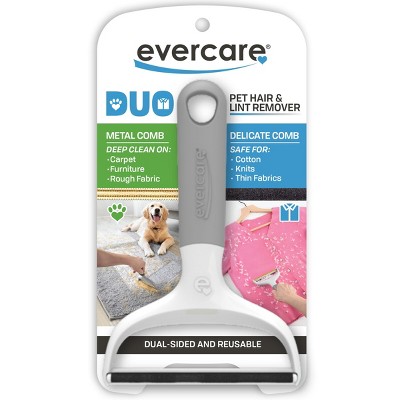
Two-sided brush with no refills. The Evercare DUO, also at Target, is a small reusable brush that lifts pet hair and lint from clothes and furniture. It fits in a bag or glove box, so it is handy for touch-ups away from home.
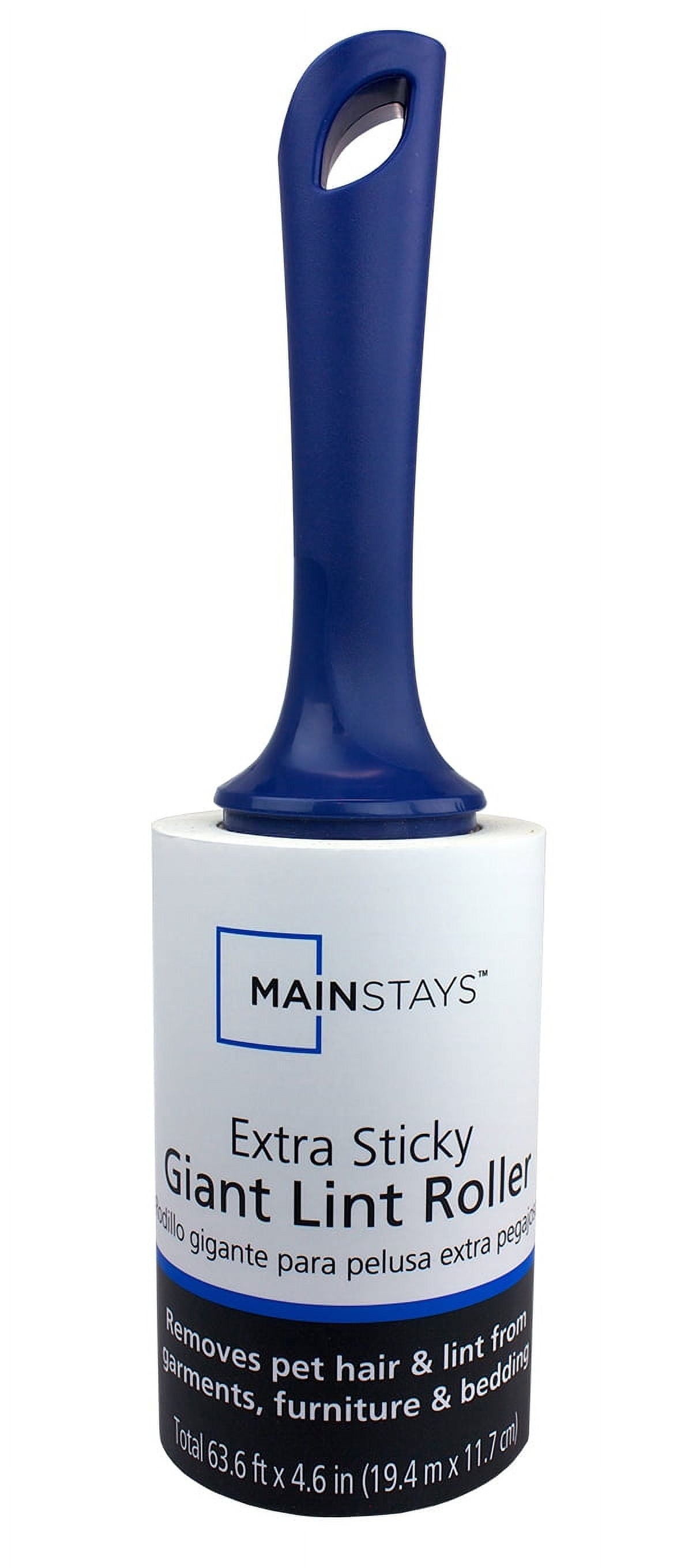
Wider sheets for bigger jobs. The Mainstays Extra Sticky Giant Lint Roller has 100 sheets that are 4.6 inches tall, so each pass covers more of a couch cushion or car seat than a standard roller.
Which tool to start with
If you only buy one, pick a reusable roller for the sofa and bed, and keep a pack of sticky rollers by the door for clothes. Add a rubber brush or a small detailing tool if your dog rides in the car, and a carpet rake if you have rugs that hold on to fur.
Pair the right tool with regular brushing and washable covers, and pet hair goes from a daily battle to a quick weekly chore.
The responses below are not provided, commissioned, reviewed, approved, or otherwise endorsed by any financial entity or advertiser. It is not the advertiser’s responsibility to ensure all posts and/or questions are answered.
Does the metal edge type of tool work on velvet or microfiber couches, or is it better to stick with a rubber brush there?