

Last Updated on: Sep 25, 2026
Over-ear headphones can make a long train ride calmer, help you focus in a noisy office, or make an album feel more personal. But a great spec sheet does not guarantee a good fit. Clamp pressure, earcup shape, controls, and how the headset connects to your devices matter every day, long after the excitement of unboxing fades.
What We'll Cover
- Top Over-Ear Headphones
- Choose by where you actually listen
- Wireless, wired, and multi-device use
- What active noise cancellation does
- Sound without the marketing fog
- Comfort on the second hour
- Battery and charging
- Noise-canceling picks from Amazon
- Target and Walmart alternatives
- Hearing health while listening
- Calls and controls
- Questions to settle before checkout
This guide compares wireless and wired listening, active noise cancellation, comfort, microphone quality, and useful extras. Eight products from multiple stores show different trade-offs. Match the exact model, color, and bundle at the retailer before buying, since similar names can hide meaningful differences.

Top Over-Ear Headphones
Choose by where you actually listen
At a desk in a quiet room, comfort and sound may matter more than aggressive noise cancellation. On a plane or commute, active noise cancellation and a compact carry case become more useful. For frequent video calls, pay attention to microphone performance, mute controls, and how the headphones behave when connected to both a phone and computer. One pair can do all three jobs, but knowing which job matters most keeps the shortlist manageable.
Try to wear a candidate for more than a quick store demonstration if possible. A headphone that feels soft for two minutes may squeeze glasses after an hour. Check whether the cups fully surround the ears, whether the band distributes weight, and whether the pads are replaceable. A good fit also helps passive isolation by closing gaps around the ear.
Wireless, wired, and multi-device use
- Bluetooth wireless: Convenient for phones and laptops, with battery life and charging to manage. Check codec support only after confirming everyday compatibility.
- Wired: No battery needed for basic listening, and often useful for a computer or plane entertainment system. Some wireless headsets include a cable, but may disable certain features when plugged in.
- Multipoint: Lets two devices stay connected, which helps switch between a laptop call and phone audio. Test whether switching is smooth on your devices.
- USB audio: Some models carry digital audio and calls over USB-C, while others use USB only for charging. Read the actual product spec.
What active noise cancellation does
Active noise cancellation, often called ANC, uses microphones and processing to reduce steady background sounds. It is usually most effective against an airplane engine, air conditioner, or train rumble. It does less with sudden voices and irregular sounds. Earcup fit affects how well it works, so do not compare ANC claims without considering comfort and seal.
An ambient or transparency mode lets outside sound through so you can hear an announcement or talk briefly. It is useful, but headphones can still reduce awareness of traffic and other hazards. Take them off when the surroundings need your full attention. ANC is not a replacement for hearing protection in loud work or at concerts; use properly rated protection where required.
Sound without the marketing fog
Sound preferences vary. Some headphones boost bass for a punchy feel; others aim for a more balanced sound. An app equalizer can help tune the result, but it cannot fix an uncomfortable fit. Listen to a familiar song with voices, bass, and a quiet passage. Notice whether the voice stays clear when the bass enters and whether instruments sound crowded.
Driver size alone does not determine sound quality. A larger driver is not automatically better than a smaller one, and a label like high resolution does not prove the whole wireless chain is delivering it. The recording, source device, codec, tuning, and fit all influence what you hear. Prioritize a sound you enjoy at a comfortable volume.
Comfort on the second hour
Compare weight, clamp force, pad material, and headband padding. Glasses wearers should pay special attention to pressure on the temples. Faux leather pads often seal well for ANC but can feel warm; fabric or velour may breathe better but vary in isolation. Check whether replacement pads are sold for the exact model so a worn pair does not end the life of otherwise good headphones.
Folded size matters if these travel every day. Swiveling earcups lie flat in a bag, while folding hinges can make the case smaller. A hard case adds bulk but protects the hinges and cups. If the headphones mostly stay on a desk, a compact fold may be less important than sturdy controls and easy charging.
Battery and charging
Battery figures are usually measured under particular settings. ANC, loud volume, calls, and different wireless codecs can change the real result. Compare the battery time with ANC turned on, then ask whether a ten-minute charge can cover the commute. USB-C charging is common, but the cable included in a box does not always include a wall charger.
A wired backup can be handy when the battery is empty, but check whether the pair works passively over its 3.5 mm cable or needs power even when wired. If you plan to use an airplane screen, check its jack arrangement. On a laptop, test the microphone and audio profile during an actual call rather than assuming music performance carries over.
Noise-canceling picks from Amazon
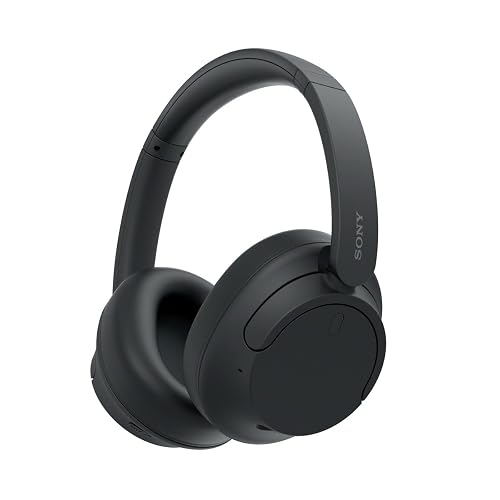
SONY’S LIGHTEST WIRELESS NOISE CANCELING HEADBAND EVER: Weighing just 192g, our lightest overhead wireless headphones with Noise Canceling yet, for incredible comfort without compromising on techno...
The Sony WH-CH720N is a wireless ANC over-ear model with a microphone, a practical starting point for commuters who want a light everyday pair.
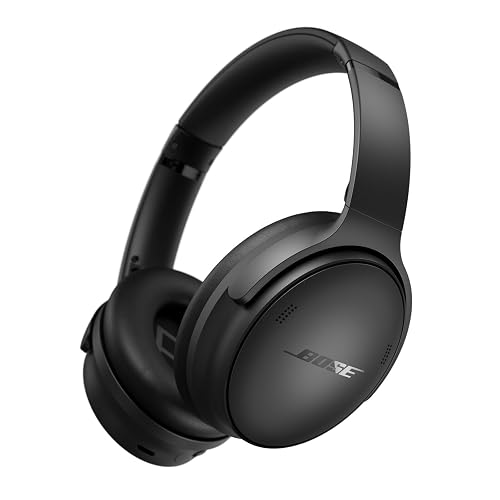
NOISE CANCELLING HEADPHONES: Effortlessly combines noise cancellation technology with passive features so you can shut off the outside world, quiet distractions, and take music beyond the beat
COMF...
Bose QuietComfort puts comfort and strong noise cancellation at the center. The listed battery reaches up to 24 hours, but actual use varies with settings.
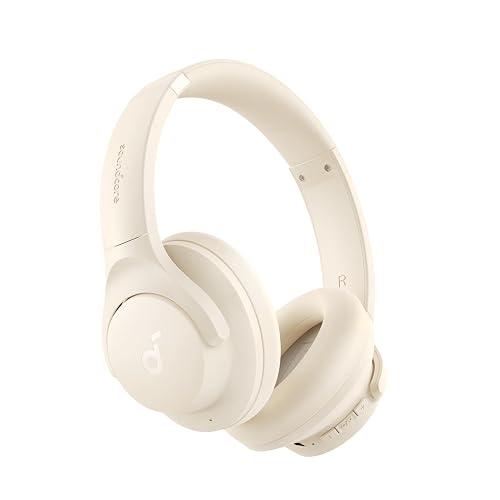
Block the World, Keep the Music: Four built-in mics work together to filter out background noise — whether you're in a packed office, on a crowded commute, or moving through a busy street — so ever...
Soundcore Q20i offers hybrid ANC in a value-focused wireless pair. Check the exact color and version, as retailer listings can mix variants.
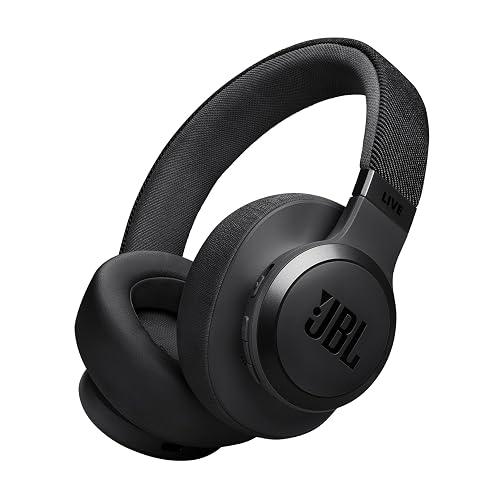
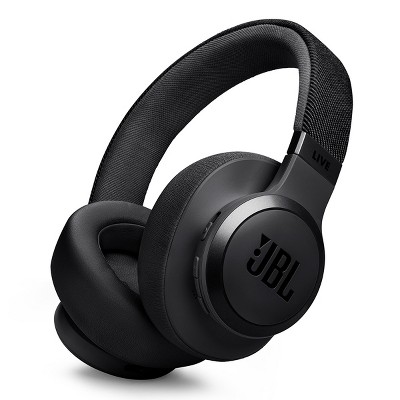
JBL Signature Sound and surround sound: Along with powerful JBL Signature Sound, the 40mm drivers offer immersive JBL Spatial Sound that turns any stereo content from any device into virtual surrou...
The JBL Live 770NC has adaptive ANC, ambient mode, and a fabric headband. Its listed battery figure is long, though ANC usage changes the result.
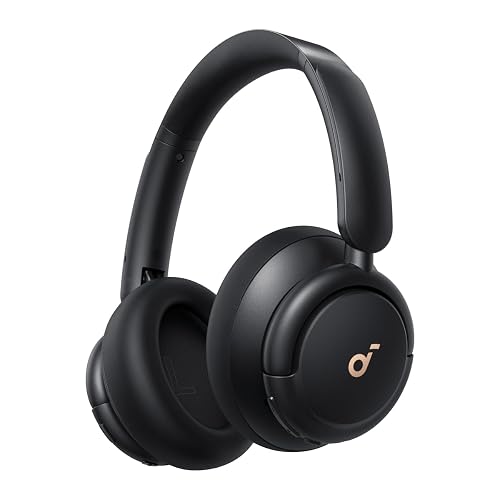
Advanced Noise Cancellation Technology: Maintain your focus with Life Q30’s hybrid active noise cancellation. Dual noise-detecting microphones pick up and filter out up to 95% of low-frequency ambi...
Soundcore Q30 is another hybrid ANC option, with app-based settings for listeners who like to adjust the sound.
Target and Walmart alternatives
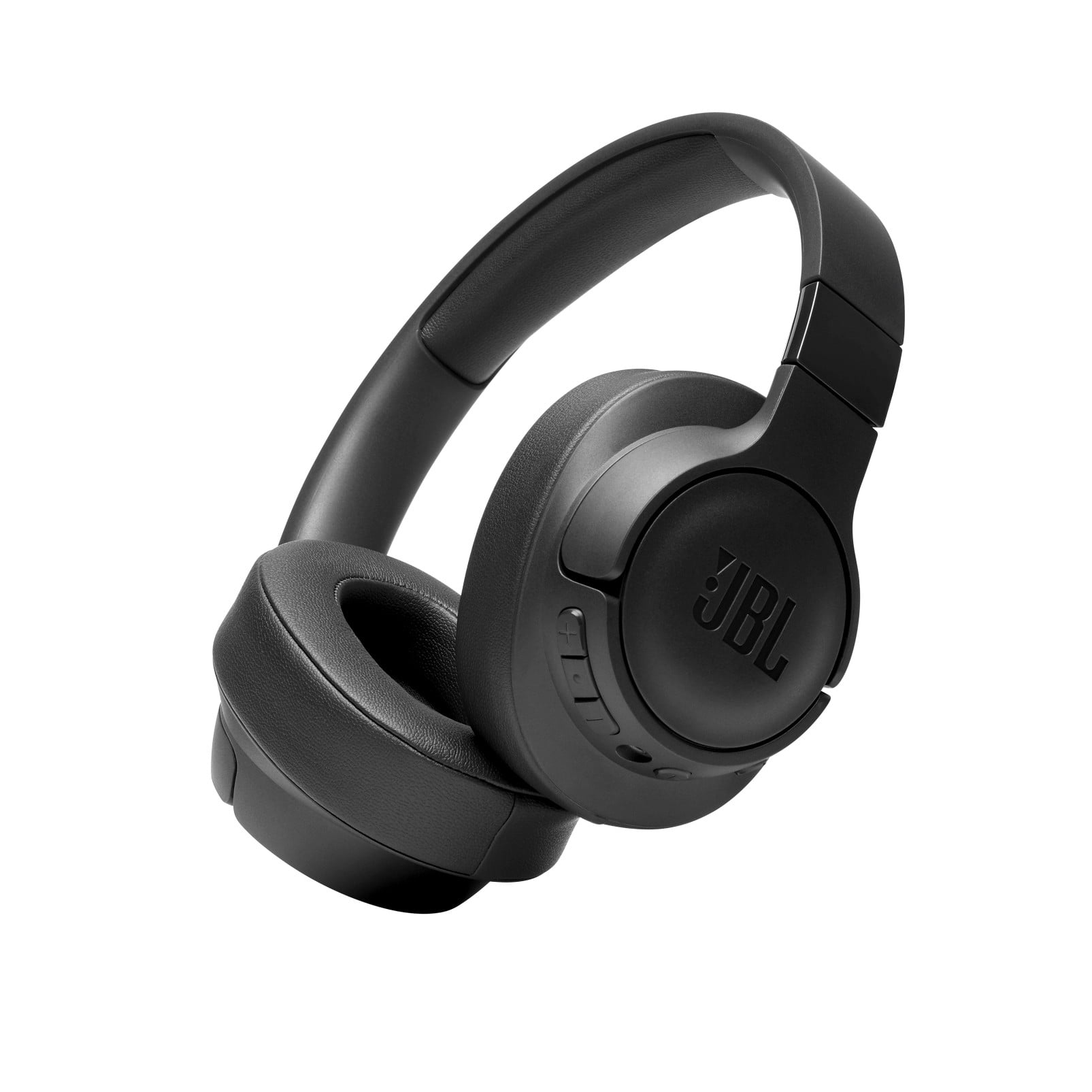
At Target, JBL Live 770NC is a midrange wireless ANC pick. Confirm stock for the black color and compare the exact model number with other listings.
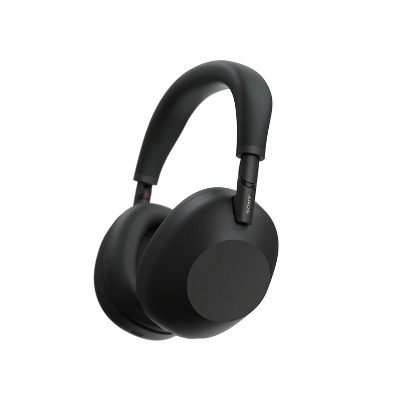
At Target, Sony WH-1000XM6 is a premium travel-oriented noise-canceling headset. Compare the full price and return policy before paying for a step up.
At Walmart, JBL Tune 760NC provides a folding wireless ANC design. Confirm the seller and whether the listing is new rather than restored.
Hearing health while listening
Headphones can feel comfortable even when the volume is too high. The National Institute on Deafness and Other Communication Disorders says sound at or below 70 dBA is unlikely to cause hearing loss even after long exposure, while long or repeated exposure at or above 85 dBA can cause hearing loss. It lists music through headphones at maximum volume at roughly 94 to 110 dBA. These are environmental sound levels, not a safe setting guaranteed by any particular volume slider.
Keep the volume at a comfortable level, take breaks, and pay attention if your ears ring or sound seems muffled afterward. ANC may make it easier to listen without turning up the music to compete with a loud train, but it does not make high volume harmless. For children, use the device and headphones under the relevant age and volume guidance rather than relying on a marketing label alone.
Calls and controls
If calls matter, test in the place you actually work. A quiet-room microphone sample says little about a windy street or busy cafe. Look for a mute action you can use without hunting through an app. Physical buttons are easier to locate by feel for some people; touch controls avoid moving parts but can activate accidentally when adjusting a cup.
Voice prompts, auto-pause when removing the headphones, and a companion app can be convenient. They can also be frustrating if they trigger too often. Read how to change those settings before deciding that a single feature is a dealbreaker. Firmware updates may improve connection issues, but they should not be needed to make a new purchase usable.
Questions to settle before checkout
- Will these be worn with glasses or for several hours? Prioritize fit and return flexibility.
- Is the main use travel, calls, or quiet-room music? Match ANC and microphone needs to that setting.
- Will you use two devices at once? Confirm multipoint behavior for this exact model.
- Do you need wired audio when the battery is empty? Check the manual, not just the presence of a cable.
- Are pads and a case included or separately sold? Count them in the full cost.
The best over-ear headphones are the ones you can wear comfortably at a safe volume through a normal day. Pick the features you will use, test the controls and connections, and keep the return window in mind. A slightly less flashy model with a secure fit is often the one that stays in your bag.
Source: NIDCD, Noise-Induced Hearing Loss.
The responses below are not provided, commissioned, reviewed, approved, or otherwise endorsed by any financial entity or advertiser. It is not the advertiser’s responsibility to ensure all posts and/or questions are answered.