
Last Updated on: Aug 21, 2026
A night light is one of the cheapest things you can buy for your home, and one of the most useful. It lights the way to the bathroom at 3 a.m., keeps a child's room from feeling too dark, and saves you from stubbing a toe on the corner of the bed. Yet a bad one can be just as annoying as none at all: too bright, too blue, or so dim it barely helps.
Today's night lights come in far more styles than the old plastic shell with a tiny bulb. There are plug-ins that switch on at dusk, motion-activated lights for stairs and closets, rechargeable lights you can carry, and soft lamps for nurseries. This guide walks through what to look for, where each type works best, and a set of popular options for different rooms.
Top Night Lights
What We'll Cover
Why night lights help
The main job of a night light is simple: help you see where you are walking when the room is dark, without turning on bright overhead lights. The CDC's fall prevention checklist for older adults suggests putting in a night light so you can see where you are walking, and notes that some night lights turn on by themselves after dark. That advice applies to anyone who gets up at night, not just older adults.
A soft night light also helps in a child's room or nursery, where parents need to check in or handle a late feeding without waking everyone up. And in hallways, bathrooms, and kitchens, a low light saves you from the jolt of a bright ceiling fixture in the middle of the night.
What to look for
Brightness
Night light brightness is measured in lumens. For comparison, a typical 60-watt-equivalent household bulb puts out around 800 lumens. Most night lights range from under 10 to about 60 lumens. A hallway or bathroom light that you use to walk around can sit toward the top of that range, while a bedroom light can be much dimmer. Many models let you slide a switch to adjust brightness, which is handy if you are not sure what you will like.
Color of the light
Color temperature is measured in Kelvin. Lower numbers, around 2200K to 3000K, give a warm, yellow-orange glow similar to a candle or an old incandescent bulb. Higher numbers, 4000K and up, look white or slightly blue, like daylight. For bedrooms and nurseries, most people prefer a warm light because it feels softer and less jarring. Cooler light can make sense in a kitchen or garage, where you want to see detail.
Some lights also come in red or amber. These give a very dim, warm glow that many people find easy on the eyes at night. Color-changing lights are popular in kids' rooms, but a steady warm glow is usually the better choice for getting around.
Sensors
Most plug-in lights today have a dusk-to-dawn sensor. They turn on when the room gets dark and turn off when it gets light, so you never have to think about them. Some models also adjust their brightness based on how dark the room is.
Motion sensors turn the light on only when someone walks by, then switch it off after a short delay. They are great for stairs, hallways, closets, and anywhere a light that stays on all night would be a waste or a distraction.
Power source
Plug-in lights are the most common. They need an open outlet, and they block it unless the design includes a pass-through outlet. Rechargeable, battery-powered lights stick or clip anywhere, including places with no outlet, like inside a closet, under a cabinet, or along a staircase. They need charging every so often, usually through a USB cable.
Energy use
Modern LED night lights use very little power, usually well under one watt. Even running every night, a typical LED night light costs very little per year in electricity. That makes it easy to put one in every room that needs it.
Where to put night lights
- The path from bed to bathroom. This is the most important spot. Put a light in the bedroom, the hallway, and the bathroom so the whole route is lit.
- Stairs. Motion-activated stick-on lights along the steps or a plug-in at the top and bottom help you see each step.
- Kids' rooms and nurseries. A dim, warm light lets you check on a child without waking them. A portable lamp you can carry is useful for late feedings.
- Kitchens. A light near the floor or under a cabinet lets you grab a glass of water without turning on the overheads.
- Closets and cabinets. Rechargeable motion lights make it easy to find things in dark spaces.
Tips for getting it right
Mount lights low when you can. A light near the floor lights the path without shining in your eyes, so it is easier to see where you are stepping. If a plug-in is too bright facing the bed, try an outlet on another wall, or choose a model that points its light down toward the floor.
Test a few options if you are sensitive to light. What looks dim in a bright store or on a screen may seem much brighter in a dark bedroom. Adjustable models make this easy. And keep an eye on sensor placement. A dusk-to-dawn light next to a TV or a lamp may flicker on and off as the room light changes.
What about smart bulbs and lamps
If you already have smart bulbs, you can set a bedside lamp to a very low, warm setting on a schedule and use it as a night light. That works well in a bedroom, but it ties up a lamp and depends on your phone or hub. A dedicated night light is simpler, costs less, and keeps working on its own.
For hallways and bathrooms, a plug-in night light is usually the better choice anyway. It sits low near the floor, turns on by itself, and does not need a lamp or a table. Many homes end up using both: smart lamps in the bedroom for reading and winding down, and small plug-ins along the path to the bathroom.
Popular night lights worth a look
These picks cover plug-ins, motion lights, rechargeable stick-ons, and a nursery lamp.
Simple dusk-to-dawn two-pack. A 0.3-watt plug-in light with a 3000K soft white glow at about 40 lumens. It turns on at dusk, off at dawn, and gets brighter as the room gets darker.
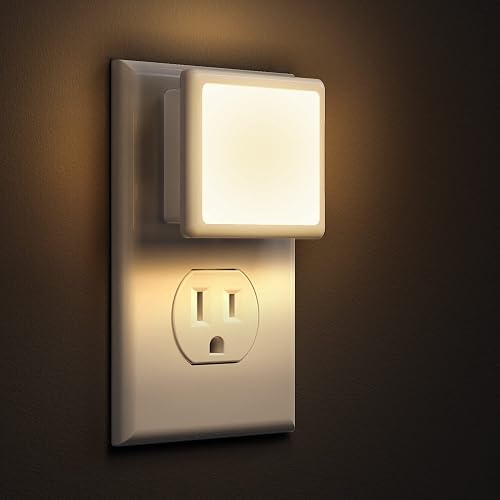
Auto On/Off: With built-in light sensor, the LOHAS LED home decor night light will detect the light intensity, light up automatically at night, turn off during the day. Just plug in, no need to tur...
Six-pack for the whole house. A set of six 0.5-watt plug-in lights in daylight white with dusk-to-dawn sensors. The maker estimates about 2.2 kWh per year for eight hours of use each night.
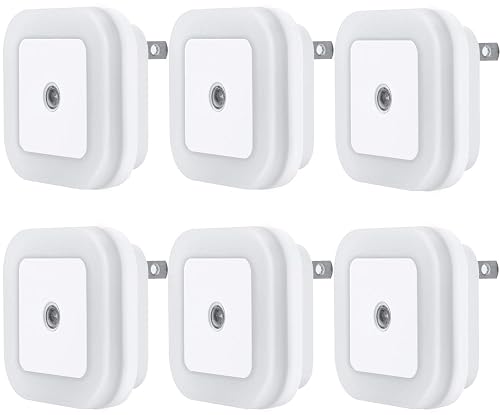
Not too bright, not too dim, just the right amount of light to see where you are going in the dark
Built-in sensitive light sensor, the nightlight automatically turns on at dusk and off at dawn
nig...
Motion and dusk sensing. A four-pack of warm 2200K backlit night lights with both a motion sensor and a dusk-to-dawn mode, and dimmable brightness from 1 to 50 lumens.
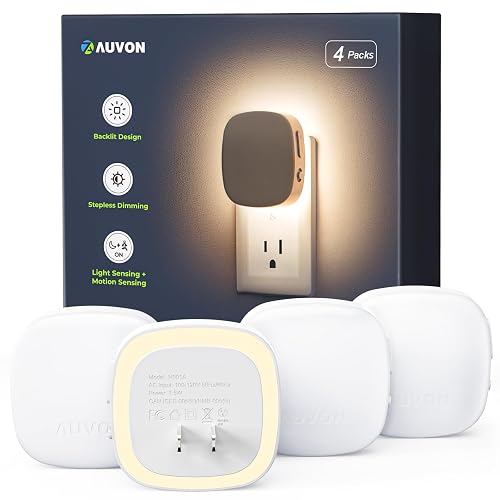
Diffuse Backlit Design: AUVON backlit night light features 16 LED bulbs with uniform luminescence and produces diffuse backlight by reflecting light onto the wall to avoid uncomfortable feeling of ...
Red night lights. A two-pack of dim red plug-ins with three brightness levels and a dusk-to-dawn sensor. The LEDs are hidden, so the light reflects off the outer shell as a soft, indirect glow.
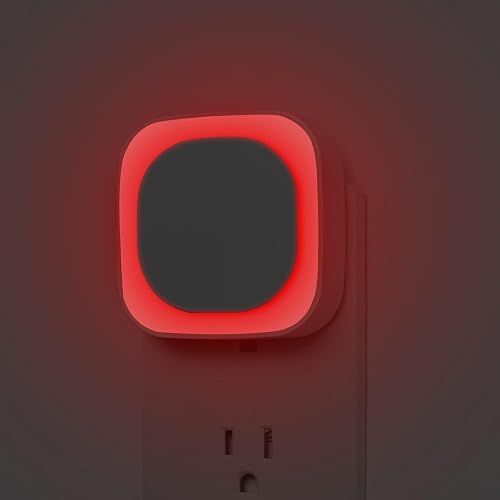
Adjustable 3-Level Brightness: Easily slide the top switch to select Low, Medium, or High. This dimmable night light delivers the ideal glow for every scenario — soft and restful for bedroom, or vi...
Rechargeable stick-on lights. A two-pack of small warm white motion-sensor lights that stick on anywhere, with adjustable brightness. They are a good fit for closets, cabinets, and stairs.
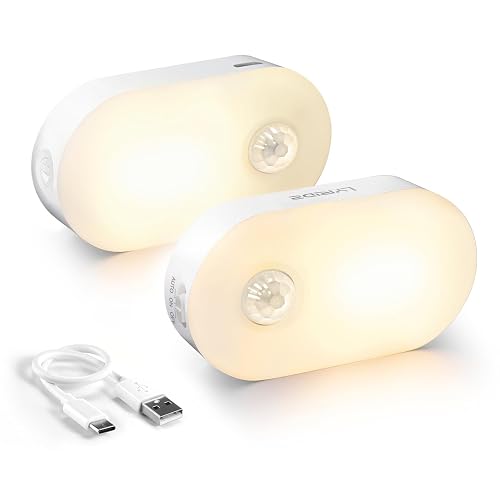
[180-Day Battery Life & USB-C] Stop wasting money on AA batteries. This eco-friendly LED light fully charges in 3 hours via USB-C and lasts up to 6 months in sensor mode. ClimatePartner certified f...
Nursery lamp. A soft silicone touch lamp with a flip design and stepless dimming. It is rechargeable and portable, so you can carry it for late-night feedings.
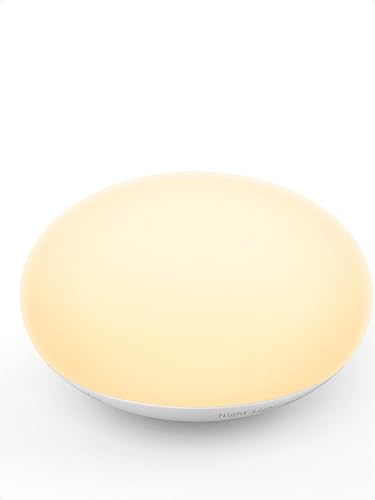
★ World's Easiest Flip Design - No button-press, no timer needed, just a single flip to turn on the light and the next flip to turn it off! EASZZZ Night Light, a top innovative design product, aims...
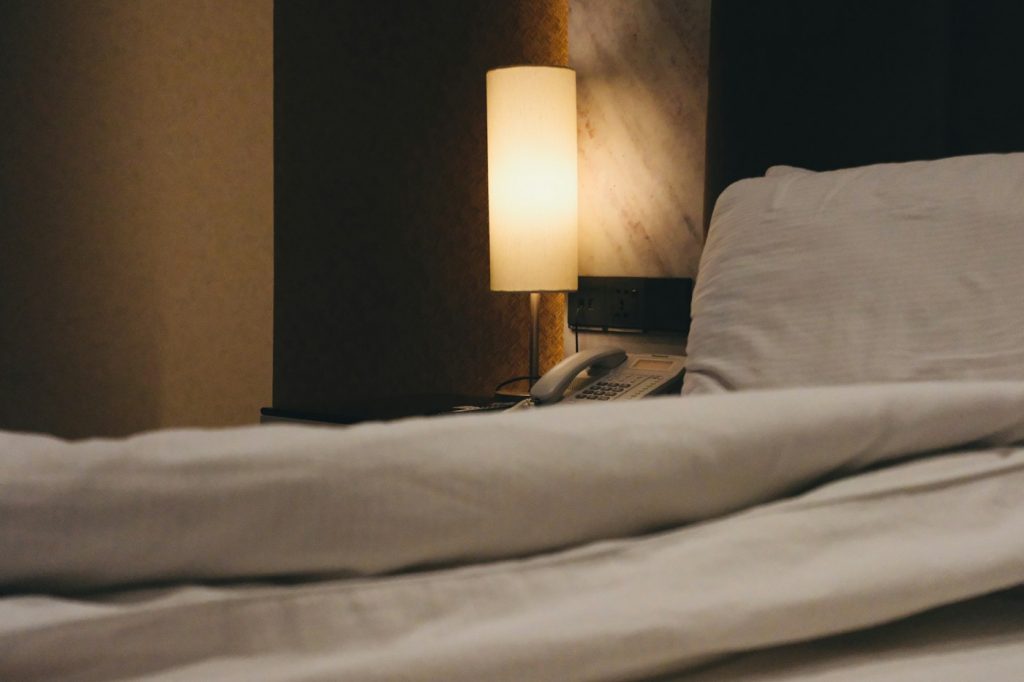
Budget four-pack with a warm glow. At Target, the Energizer Glo Dot four-pack is a set of small square plug-ins with a light sensor and a 3000K soft white color. Four lights is enough to mark the path from a bedroom to the bathroom and still have one for the kitchen.
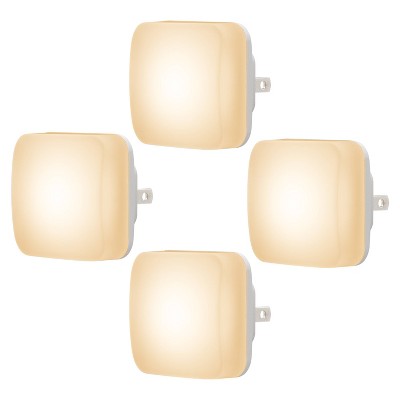
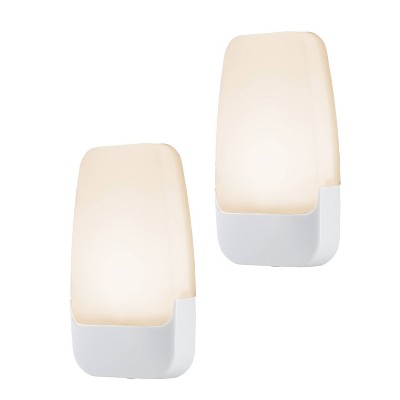
Plain and tidy. If you want something that looks like part of the wall plate rather than a gadget, the Energizer contemporary two-pack, also at Target, is a low-profile LED plug-in with a clean white shape. It is a good fit for guest rooms and hallways where you want a light that nobody notices during the day.
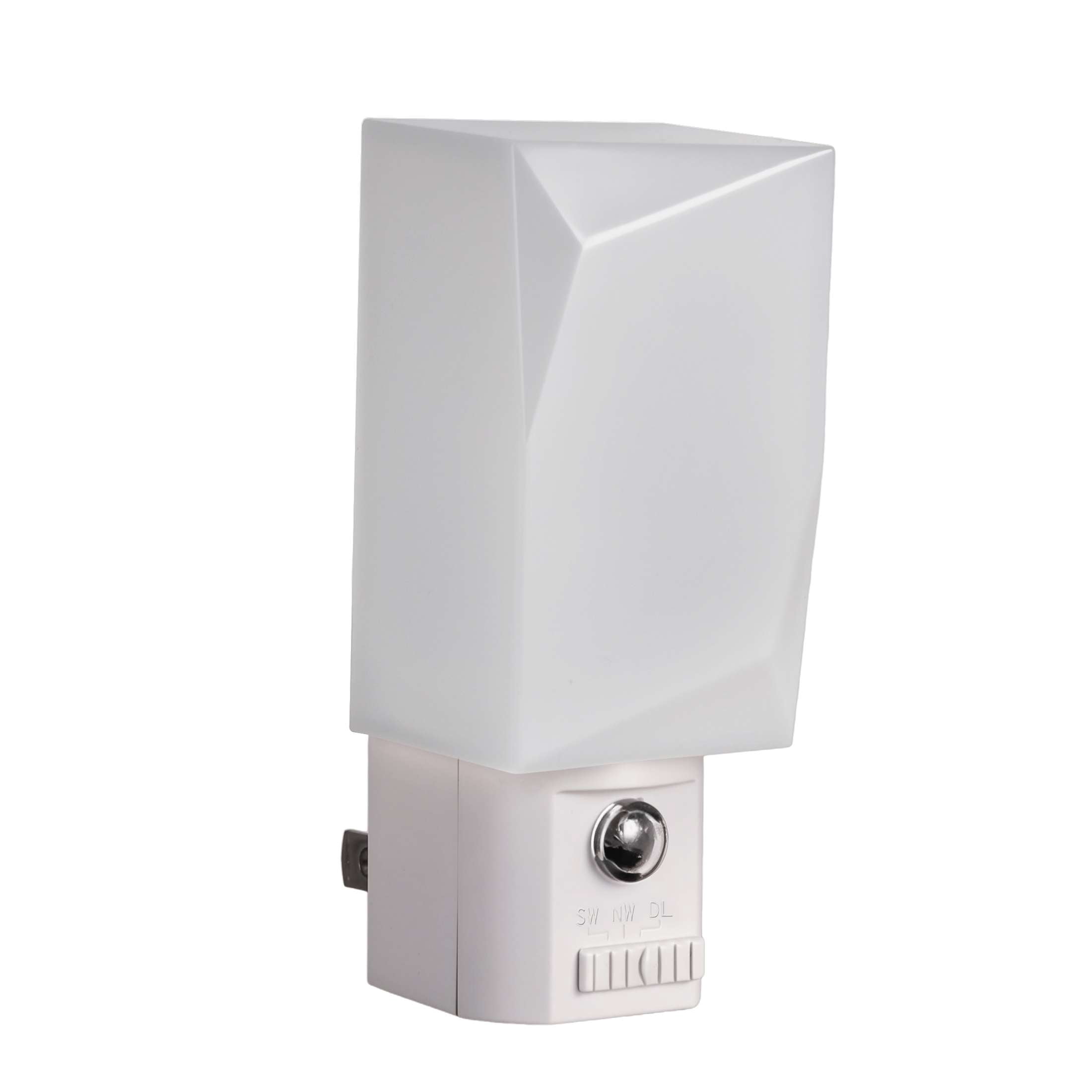
One light, three colors. The Great Value LED night light has a light sensor and lets you switch between three color temperatures, so you can try a warmer tone in a bedroom and a cooler one in a hallway without buying two kinds. It is a single light, which makes it an easy way to test a spot before you buy more.
Which night light to choose
For most homes, a few warm, dusk-to-dawn plug-ins along the path from bedroom to bathroom are the best place to start. Add motion lights for stairs and closets, and a dim, portable lamp if you have a baby. Choose warm light for bedrooms, keep lights low to the floor, and pick adjustable models if you are not sure how bright you want them. A few dollars spent here can make every late-night trip easier.
The responses below are not provided, commissioned, reviewed, approved, or otherwise endorsed by any financial entity or advertiser. It is not the advertiser’s responsibility to ensure all posts and/or questions are answered.
Tip for hallways: put the light in an outlet low on the wall and aim for the floor, not eye level. Much less glare when you get up at night.
Is red light really better than warm white for a bedroom, or is it mostly about keeping the brightness low?