
Last Updated on: Aug 11, 2026
Most kitchen drawers have a jumble of measuring cups and spoons that nobody remembers buying. One set is plastic and warped from the dishwasher, another is missing the 1/3 cup, and the teaspoon has a bent handle. It works until the day a recipe fails and you start to wonder whether the cup you used was really a cup.
What We'll Cover
Measuring tools are cheap, but they are not all the same. The shape of the cup, the material, how the markings are printed, and whether the spoons fit into a spice jar all change how easy it is to get a recipe right. This guide covers what to look for, how to measure dry and liquid ingredients the right way, and a handful of popular sets that are worth a look.
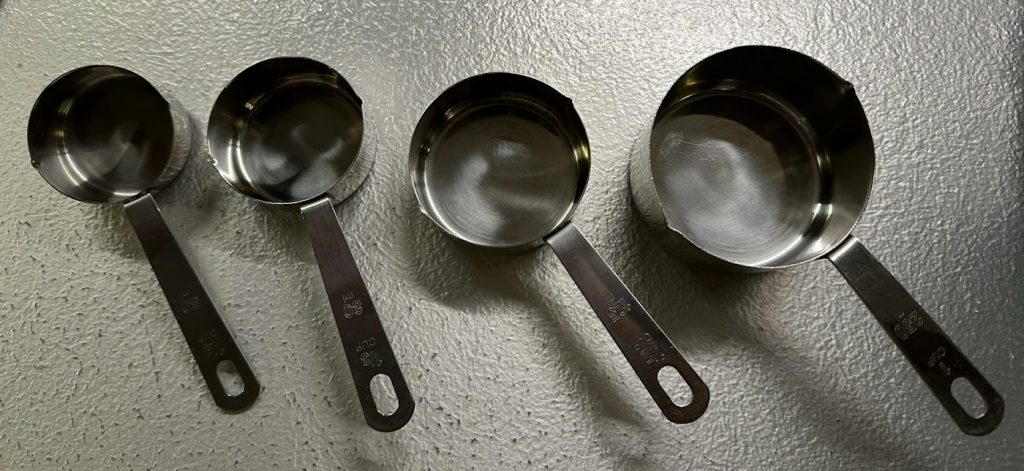
Top Measuring Cups and Spoons
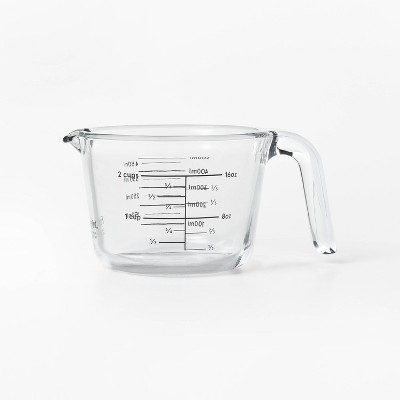
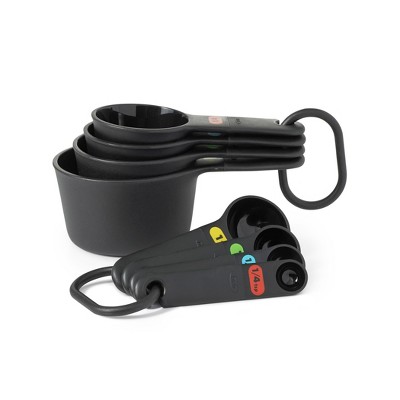
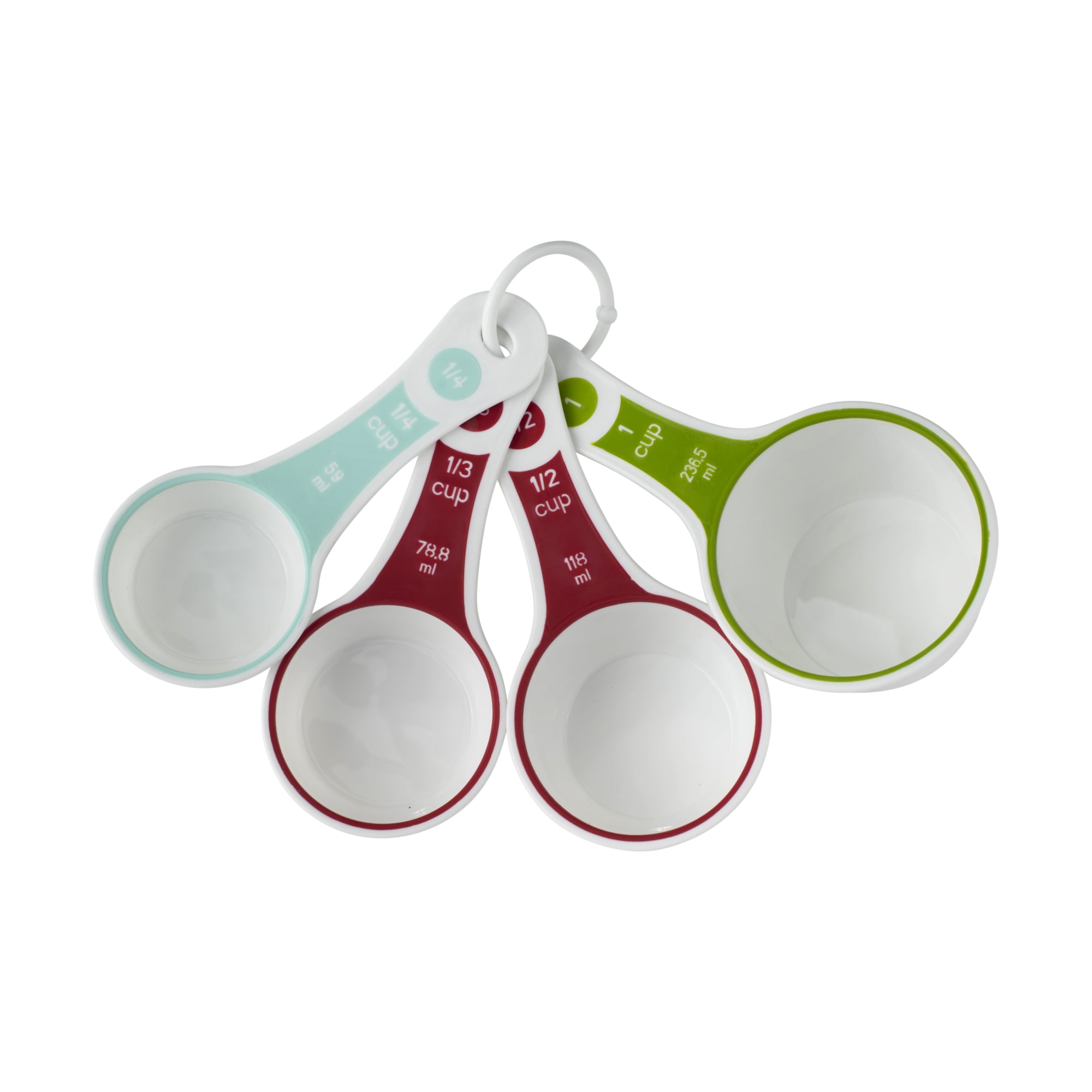
Dry cups and liquid cups are different tools
The first thing to know is that there are two kinds of measuring cups, and they are not meant to be swapped.
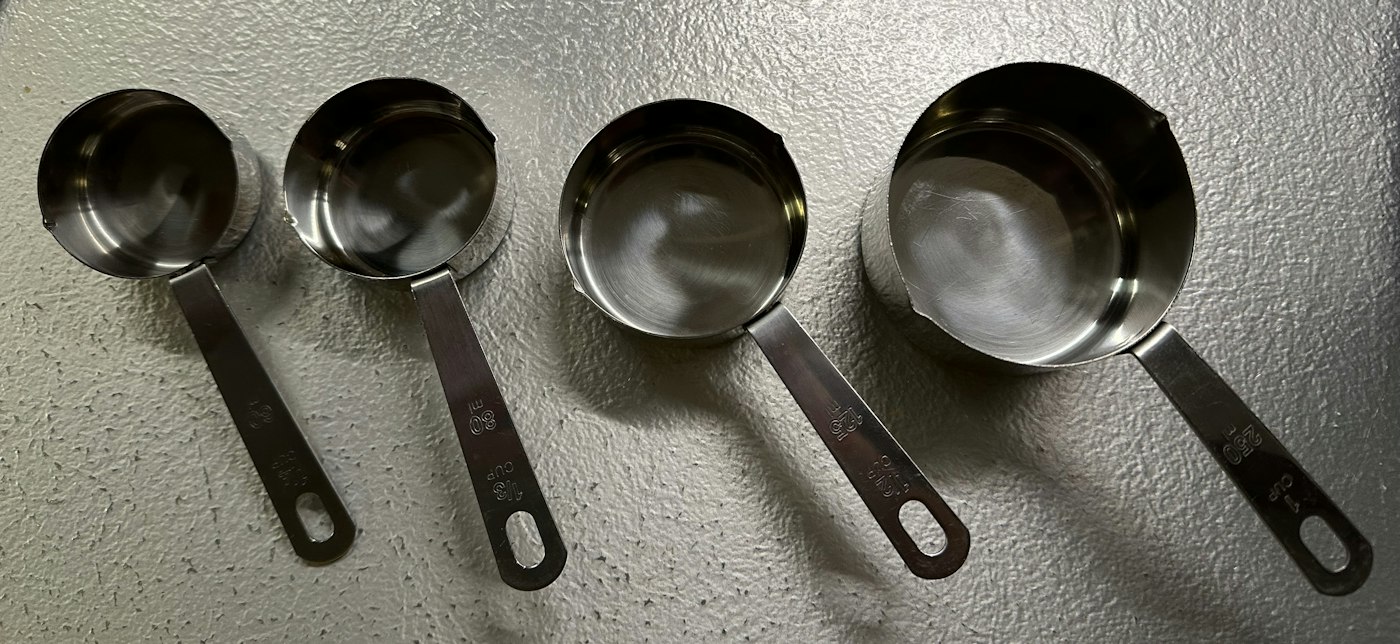
Dry measuring cups come in nested sets, usually 1/4, 1/3, 1/2, and 1 cup. Each one is filled to the very top and leveled off with a flat edge. That is the only way to get a repeatable amount of flour, sugar, oats, or rice. Because the rim is the measurement line, a dry cup is hard to use for liquids: you have to fill it to the brim and then carry it without spilling.
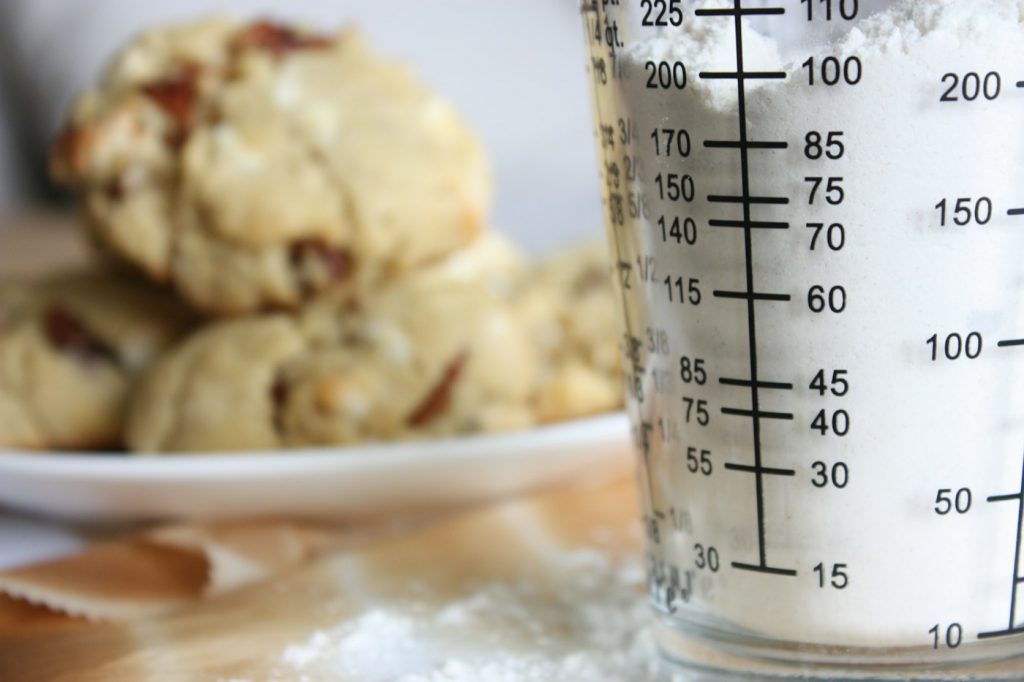
Liquid measuring cups look like small pitchers. They are usually glass or clear plastic, with a spout and markings printed on the side well below the rim. The extra space at the top lets you fill to a line and move the cup without sloshing. To read one correctly, set it on the counter and bend down so your eyes are level with the line, rather than looking down from above.
You can get away with using a liquid cup for dry goods in a pinch, but it is hard to level flour in a pitcher, so the amount will vary. For baking, it is worth having both.
How to measure flour without packing it
Flour is where most measuring mistakes happen. If you scoop the cup straight into the bag, you press the flour down and end up with a lot more than the recipe expects. Cakes come out dry, cookies do not spread, and bread dough turns stiff.
The method most bakers use is simple:
- Stir or fluff the flour in its bag or canister so it is not compacted.
- Spoon the flour into the dry cup until it is heaped over the top. Do not tap or shake the cup.
- Sweep a straight edge, such as the back of a knife, across the rim to level it off.
Brown sugar is the exception. Most recipes want it packed, pressed firmly into the cup so it holds its shape when you turn it out. If a recipe says "packed," press it down. If it does not, measure it like flour.
If you bake often, a kitchen scale is the most accurate option, and many newer recipes list grams for that reason. But plenty of recipes, including most family ones, are still written in cups and spoons, so a good set of measures is still worth having next to the scale.
What to look for in measuring cups
Material
Stainless steel is the most common choice for dry cups. It does not stain, hold smells, or warp in the dishwasher, and it lasts for years. Thin steel can dent if dropped, so look for a set that feels solid in your hand. Plastic cups are light and cheap, and many are fine, but some warp or crack over time, and printed markings can fade with repeated washing.
For liquid cups, glass lets you see the level clearly and can usually go in the microwave for warming milk or melting butter. Check the maker's instructions before heating anything, since not every glass cup is made for it.
Markings you can read
Engraved or stamped markings last longer than printed ones. On dry cups, look for the size on the handle, where you can see it when the set is stacked. On liquid cups, check that the lines are easy to read against both light and dark liquids, and that both cups and milliliters are shown if you use recipes from different countries.
The in-between sizes
A basic set has four cups, but 2/3 and 3/4 cup sizes save a lot of double-scooping. Some sets also add a 1/8 cup, which is handy for small amounts of oil or honey. If you often halve recipes, a set with more sizes pays for itself quickly.
Flat bottoms and steady handles
A cup that sits flat on the counter is easier to fill with liquid or sticky ingredients like honey. Handles should be long enough to keep your fingers out of the bowl but not so long that the cup tips when set down.
What to look for in measuring spoons
Measuring spoons get used more than cups in many kitchens, for salt, baking soda, spices, and vanilla. A few details make a big difference.
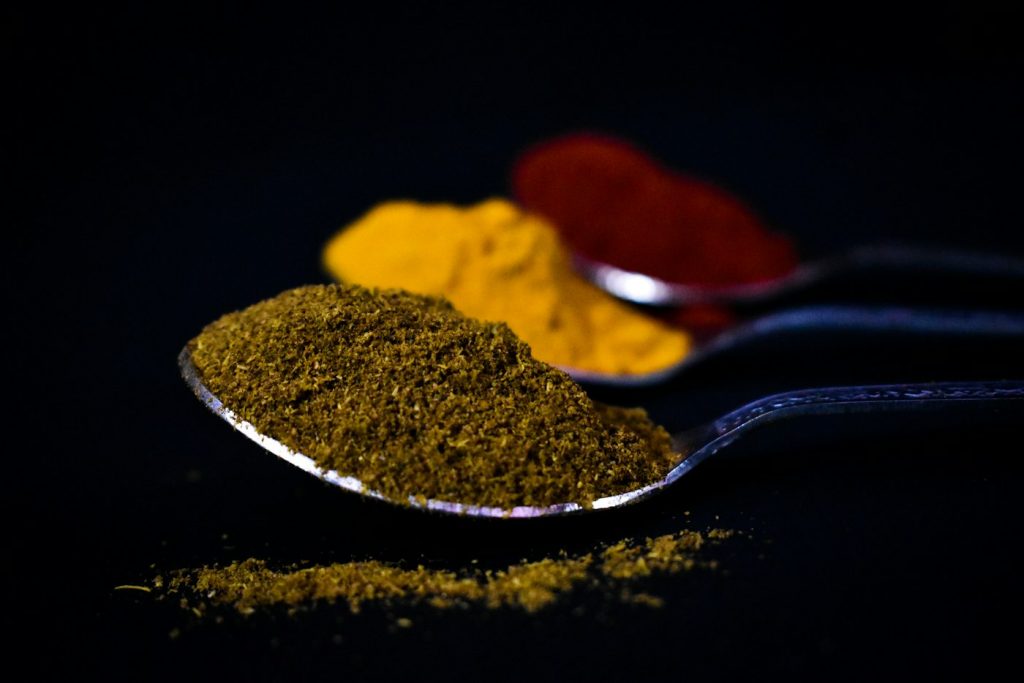
- Narrow shape. Oval or narrow spoons fit inside most spice jars, so you can scoop straight from the jar instead of shaking spice onto the spoon.
- Dual-sided spoons. Some spoons have a round end for liquids and a narrow end for spice jars.
- Magnets or a ring. Spoons on a ring stay together but have to be unhooked or washed as a bundle. Magnetic spoons snap apart and back together, which many people find easier.
- Odd sizes. A 1/8 teaspoon and a 1/2 tablespoon cover many small amounts that would otherwise need guessing.
As with cups, fill dry ingredients to overflowing and level them off with a knife. For liquids, fill the spoon right to the rim over a small dish, not over the mixing bowl, so a slip does not ruin the batter.
A quick conversion refresher
A few conversions come up again and again in recipes, and knowing them means you can still measure when one size goes missing:
- 3 teaspoons equal 1 tablespoon.
- 4 tablespoons equal 1/4 cup.
- 16 tablespoons equal 1 cup.
- 1 US cup equals 8 fluid ounces, or roughly 237 milliliters.
Recipes from outside the United States may use metric cups, which are slightly larger at 250 milliliters. For most cooking the difference does not matter, but in baking it can add up, which is one more reason metric markings on a liquid cup are useful.
Care and storage
Most stainless steel sets are dishwasher safe, but check the label, since silicone handle wraps and printed markings can wear faster there. Dry steel cups and spoons fully before stacking them, and wash plastic sets on the top rack if the maker allows it.
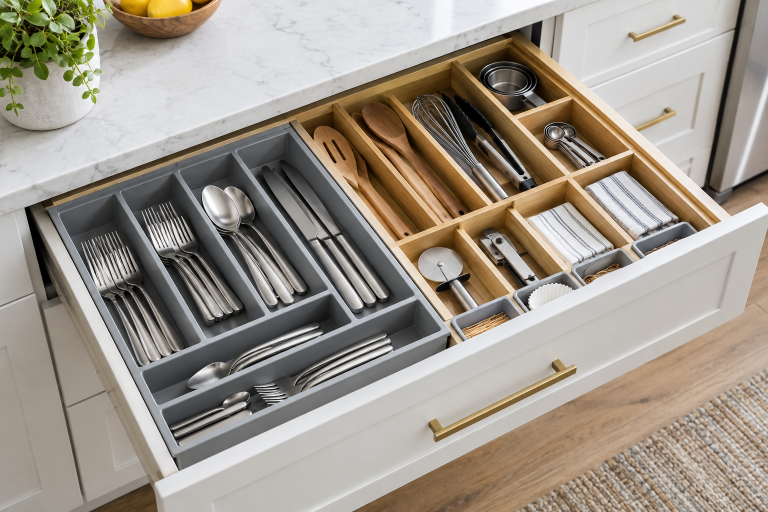
Storage is where a set either stays useful or falls apart. Nesting cups stack into a small footprint, and a ring or magnets keep spoons from scattering through the drawer. Some people hang their cups on a hook near the stove so the most-used sizes are always at hand.
It is worth replacing a set when the markings have worn off, the rims are bent, or pieces have gone missing. A bent rim on a dry cup means it no longer levels flat, and that is enough to throw off a recipe.
Popular measuring cups and spoons worth a look
These picks cover stainless sets, plastic cups, glass liquid cups, and magnetic spoons.
Stainless cups and spoons in one set. Four cups from 1/4 to 1 cup and six spoons from 1/8 teaspoon to 1 tablespoon, all in 18/8 stainless steel. The pieces stack and go in the dishwasher.
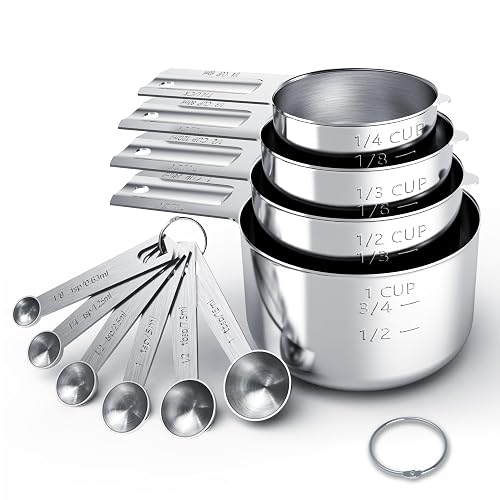
[Multiple Sizes]: Including 4 Measuring cups ( 1/4, 1/3, 1/2, 1 cup), 6 Measuring spoons (1/8, 1/4, 1/2 , 1 tsp, 1/2, 1 tbsp). Meet All Your Needs On Cooking And Baking
[Premium Material]: The meas...
Six stainless cups including 2/3 and 3/4. A nesting set of six cups, from 1/4 to 1 cup, that covers the in-between sizes a basic set skips.
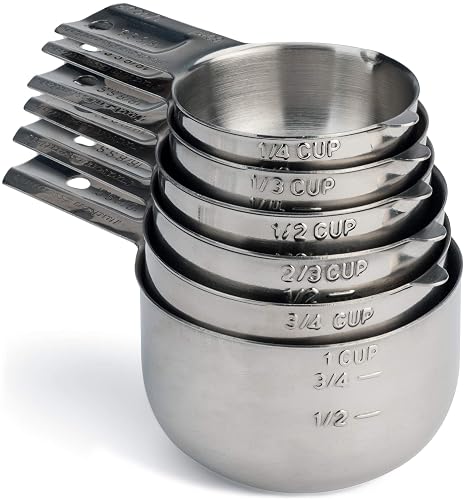
Complete set of six: includes 1/4, 1/3, 1/2, 2/3, 3/4 and 1 cup premium stainless steel measuring cups
Conveniently nests inside one another, allowing you to store them in any drawer, cabinet or cu...
Magnetic dual-sided spoons. Eight stainless spoons with a round end and a narrow oval end that fits into most spice jars. Magnets hold the set together in the drawer.
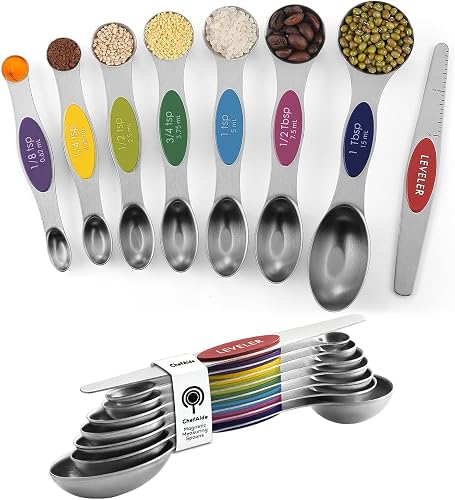
Treat Yourself To A Set Worth Having - With single metal construction and heavy duty premium Stainless Steel, these measuring spoons were built with endurance in mind. Get this set that looks beaut...
Small glass liquid cups. Three borosilicate glass cups at 60, 120, and 250 ml, with V-shaped spouts and markings in ml, fluid ounces, cups, tablespoons, and teaspoons. Good for vanilla, oil, and sauces where a large pitcher is too big.
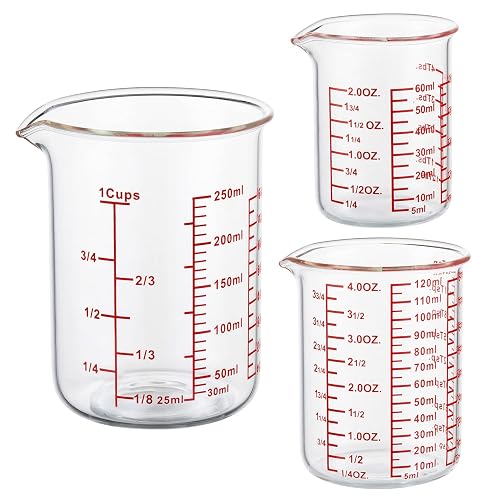
Right-Sized Measuring: Three small liquid measuring cups cover flavorings, sauces, coffee and cocktail ingredients, letting you choose a vessel closer to the portion instead of one oversized pitche...
Plastic nesting cups with a coffee scoop. Four cups from 1/4 to 1 cup plus a two-tablespoon scoop, on a removable ring. A light, low-cost option that the maker says is BPA-free and dishwasher safe.
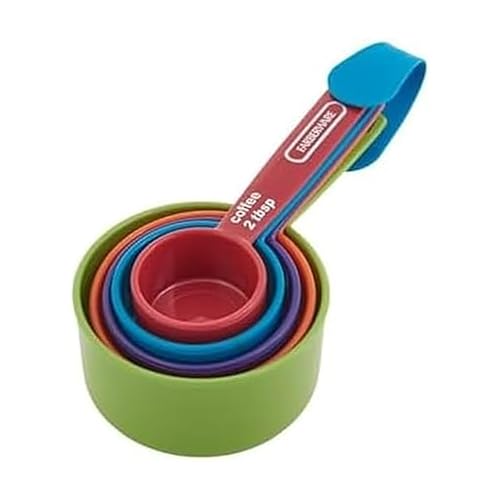
COMPLETE MEASURING SET: Includes 1/4 cup, 1/3 cup, 1/2 cup, and 1 cup measurements plus bonus coffee scoop (2 tablespoons). Perfect for both wet and dry ingredients. Clearly marked measurements for...
Basic five-spoon set. A simple stainless set from 1/8 teaspoon to 1 tablespoon, with the size marked on each handle. A good spare for a second kitchen or a camping box.
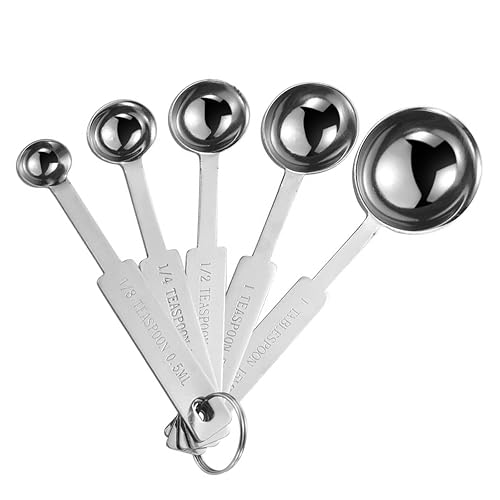
【Selection】OstWony 5PCS measuring spoon set, made of food-grade stainless steel, for accurate and practical measurement.
【Accurate health】OstWony stainless steel measuring spoon 5PCS combination, t...
A 2-cup glass pitcher. Every kitchen needs one liquid cup you can read at eye level. Target's Figmint 2-cup glass measuring cup is borosilicate glass, holds 16 ounces, and is safe in the microwave and dishwasher, so you can warm milk or melt butter right in it.
Plastic cups and spoons in one set. Also at Target, the OXO 10-piece set pairs dry measuring cups with measuring spoons. The pieces are dishwasher safe, and plastic is lighter and quieter in a drawer than steel.
Color-coded cups. The GoodCook PROfreshionals set has four cups in different colors with textured grip handles. Color makes it easy to grab the right size fast, and it helps kids who are learning to bake.
Which set to choose
If you are starting from scratch, a stainless set of dry cups with the 2/3 and 3/4 sizes, a glass liquid cup, and a set of narrow spoons that fit in spice jars will cover almost every recipe. If you mostly cook rather than bake, a basic set is plenty. Whatever you buy, measure flour by spooning and leveling, read liquids at eye level, and your recipes will turn out the way they were written.
The responses below are not provided, commissioned, reviewed, approved, or otherwise endorsed by any financial entity or advertiser. It is not the advertiser’s responsibility to ensure all posts and/or questions are answered.
For sticky things like honey or peanut butter, a light spray of oil in the cup first makes it slide right out and the measure stays accurate.