
Last Updated on: Mar 03, 2026
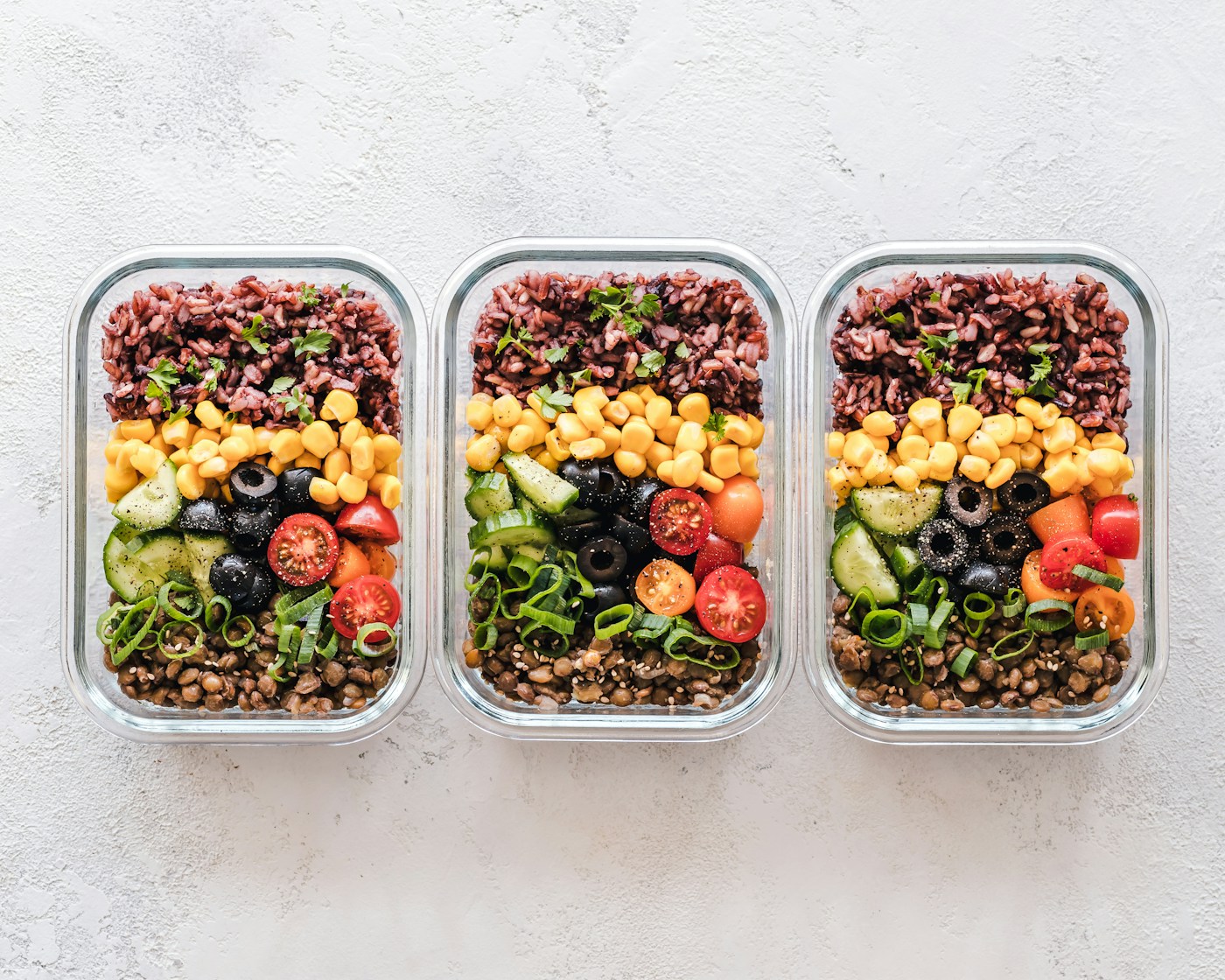
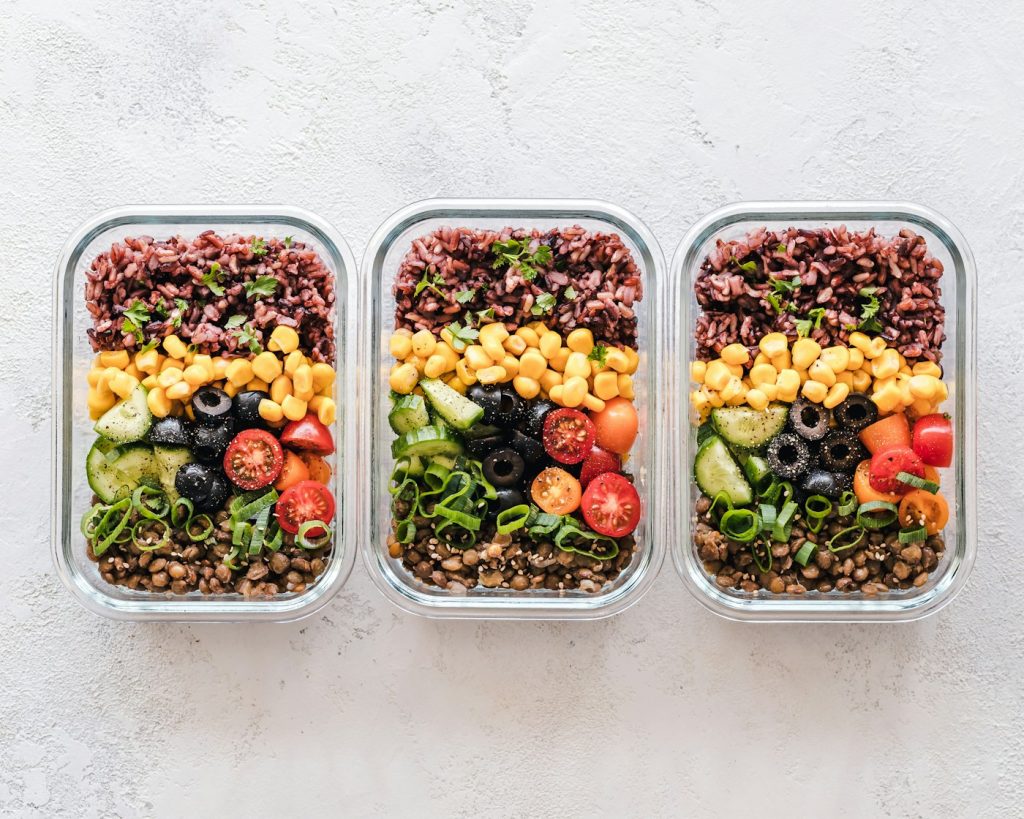
Cooking once and eating well all week starts with good containers. The right set keeps food fresh, stacks neatly in the fridge, survives the microwave and dishwasher, and does not leak in a work bag. The wrong set cracks, stains, loses its lids, or turns every lunch into a mess. This guide walks through glass versus plastic, sizes and compartments, lids, and the food safety basics that decide how long prepped meals really last.
What We'll Cover
Timing matters as much as the container. The USDA Food Safety and Inspection Service (FSIS) says leftovers can be kept in the refrigerator for 3 to 4 days or frozen for 3 to 4 months. That shapes how many days to prep at once, and how many containers you need for the fridge versus the freezer.
Top Meal Prep Containers
Glass or plastic?
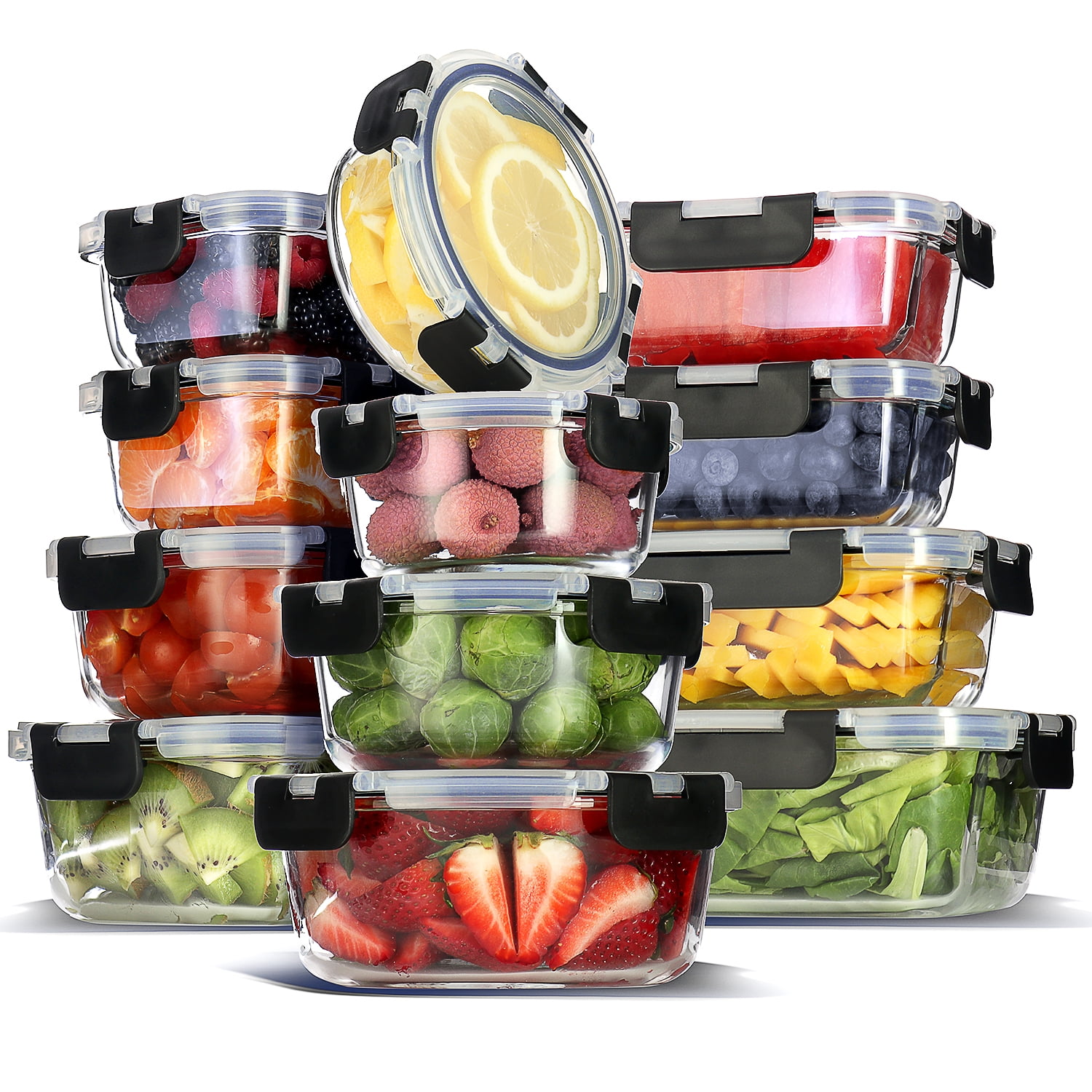
Glass containers do not hold stains or smells, and many can go from fridge to microwave to oven (check the lid, which is often plastic and not oven safe). They feel sturdy and last for years with care. The downsides are weight and the chance of breaking if dropped. Glass can also crack from sudden temperature changes, so avoid moving a container straight from the freezer into a hot oven.
Plastic containers are light, cheap, and hard to break, which makes them great for commuting, kids' lunches, and big batches. Over time, some plastics stain from tomato sauce or curry and can hold odors. Look for containers labeled BPA free and microwave safe if you plan to reheat in them, and follow the maker's guidance on microwave use.
Many people end up with both: glass for home and reheating, plastic for taking food on the go.
Size and compartments
- Single compartment, 24 to 32 oz: Good for full meals like grain bowls, stews, and pasta.
- Two or three compartments: Keep a main, a side, and a sauce apart so food does not get soggy.
- Small 1 to 2 cup containers: Handy for snacks, dressings, cut fruit, and portioning.
- Shallow containers: Help hot food cool faster, which matters for food safety (more below).
Think about your fridge too. Rectangular containers that nest when empty and stack when full save a lot of space compared to round ones.
Lids and seals
Lids are where most containers fail. Snap-lock lids with a silicone gasket seal tightly and resist leaks, which matters for soups and dressings. Simple press-on lids are fine for dry food. Check whether the lid is dishwasher safe, and whether it needs to be vented or removed for microwaving. Buying a set where all lids fit several containers saves the hunt for a match.
Glass containers
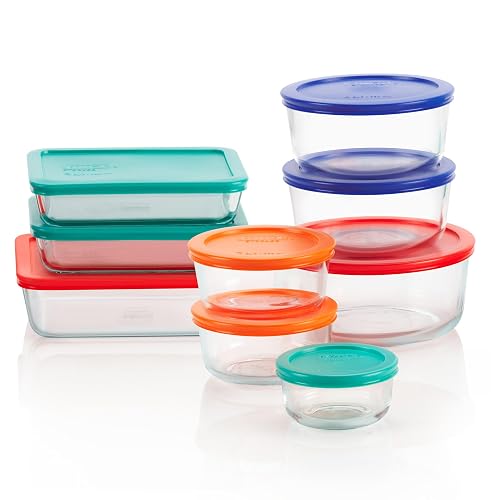
18-PIECE SET: Includes (1) 7-Cup round, (1) 6-Cup rectangle, (2) 4-Cup round, (2) 3-Cup rectangle, (2) 2-Cup round, and (1) 1-Cup round glass containers with lid. These containers will help you sto...
The Pyrex Simply Store set gives you nine glass containers in mixed sizes, useful for both prepped meals and leftovers.
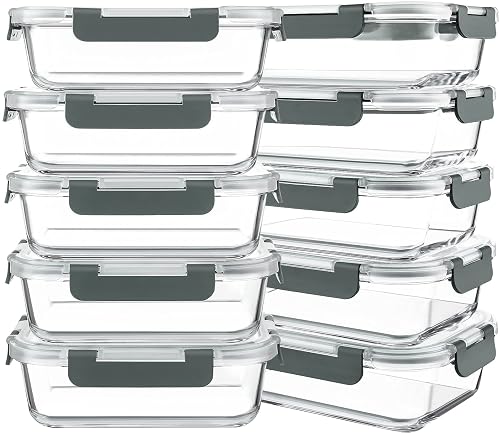
GLASS MEAL PREP CONTAINERS 10 PACKS: Buying our versatile glass containers sets (10 plastic lids & 10 glass containers) size: 30 Oz, you'll have a set of 10 food storage containers. Ideal for both ...
The KOMUEE 10-pack has ten 30 oz glass containers, a good size for full meals.
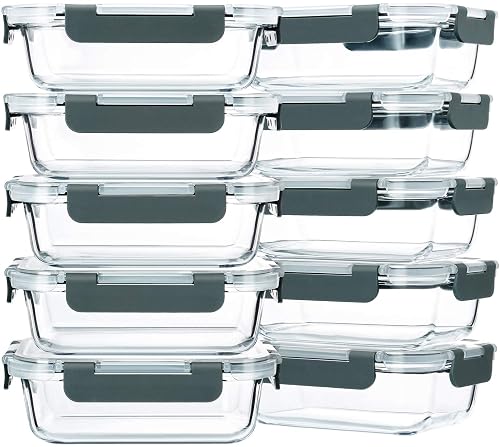
10 PACKS GLASS MEAL PREP CONTAINERS: With 10 packs 22oz (6.7 in x 4.9 in x 2.1 in) single compartment food Prep Containers with Lids, They are great for meal prepping. Save time by cooking and free...
The M MCIRCO 10-pack offers 22 oz glass containers for smaller portions and lunches.
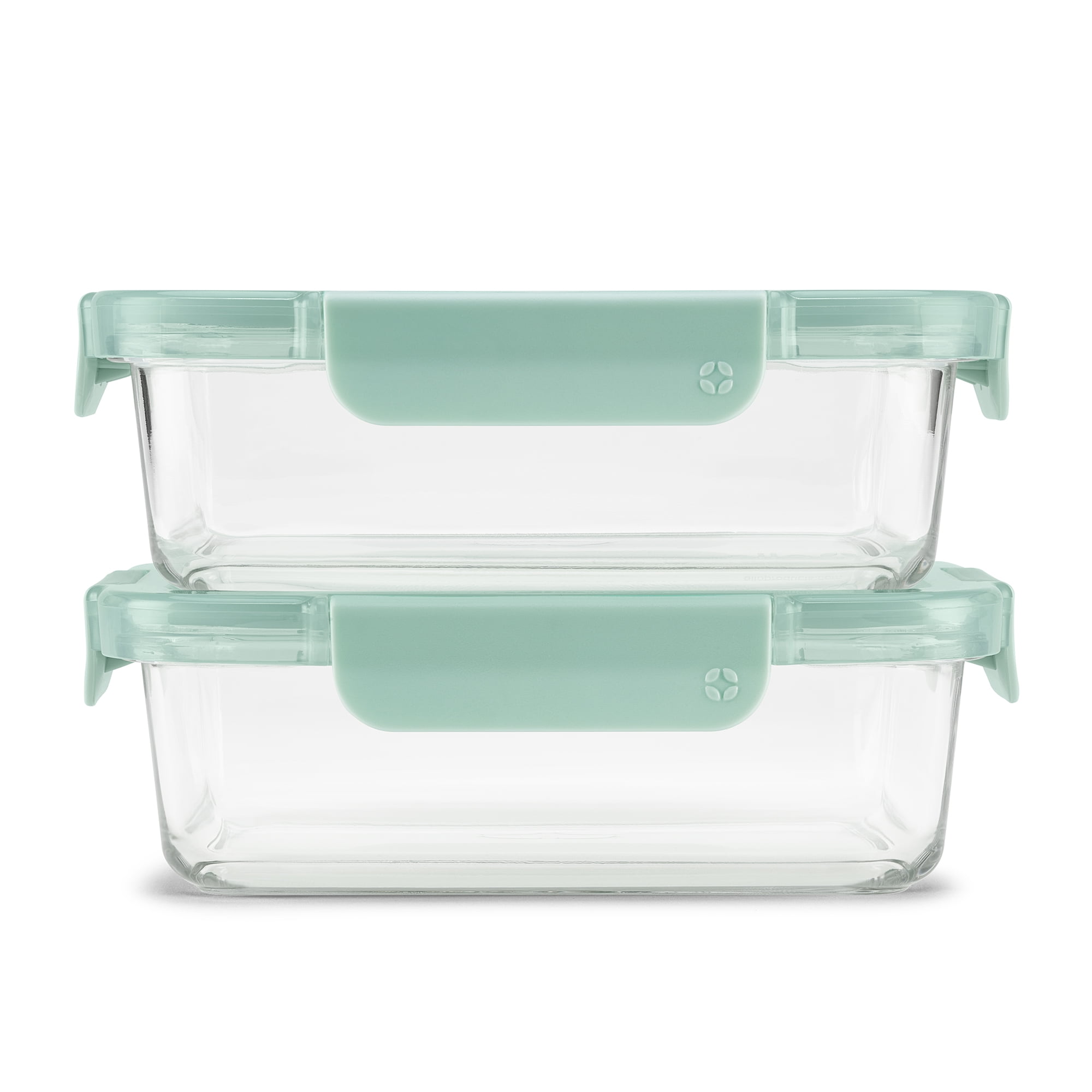
At Target, the Ello Glass Refresh set has four 3.4 cup glass containers with locking lids.
At Walmart, the LammaLoe set includes 24 pieces with airtight lids, listed as oven, microwave, and freezer safe.
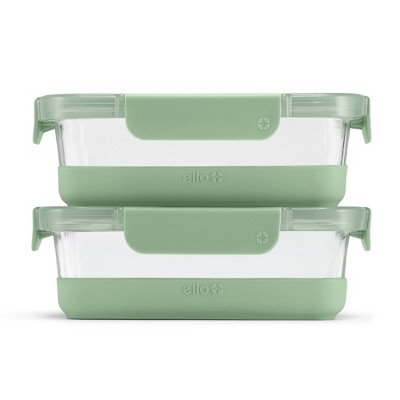
The Ello Color Lock 2-pack is a simple way to try glass containers with locking lids.
Plastic containers
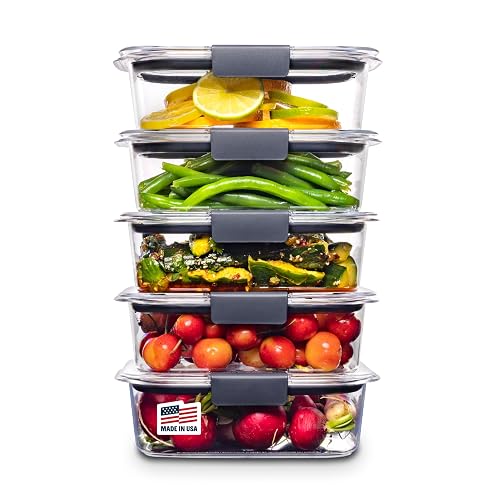
100% Leak-proof: Guaranteed no-spill seal and secure latches
Crystal-clear Tritan Built: Stain-resistant and odor-resistant material for a clear view of contents
Lightweight & Sturdy: Easy to carry...
The Rubbermaid Brilliance set is made from Tritan plastic, BPA free, with airtight lids in a 3.2 cup size.
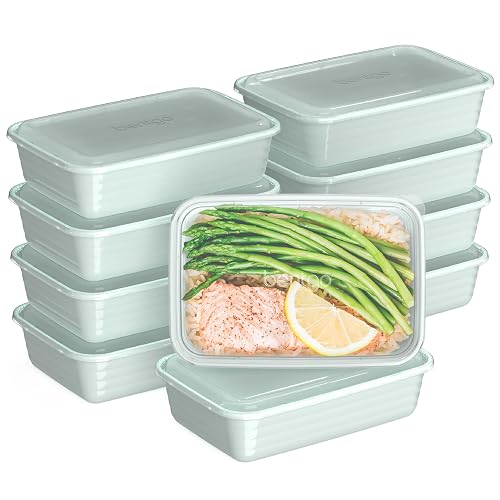
#1 Brand Pick for Meal Prep Containers: Bentgo is the top pick for meal prep containers!* This lightweight, portable 20-piece set includes tennmnnmake portioning easy to support balanced, healthy m...
The Bentgo Prep set has 20 pieces and is labeled PFAS and BPA free by the maker.
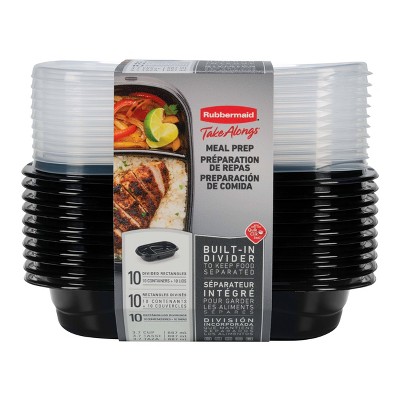
The Rubbermaid TakeAlongs divided set is a budget pick for keeping foods separate.
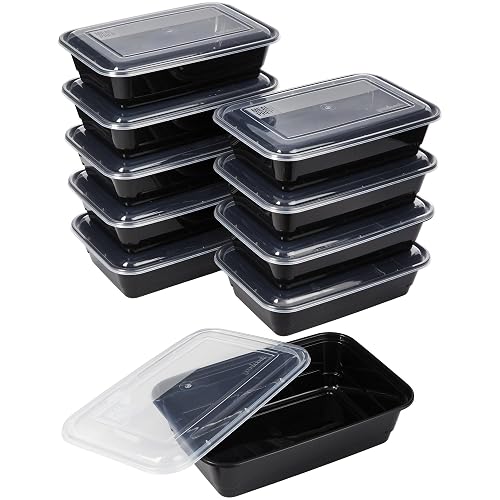
REUSABLE MEAL PREP CONTAINER SET: Includes 10 pre-portioned containers and 10 lids, perfect for lunches and snacks
LABELED COMPARTMENT: Features a versatile single compartment embossed with 4 cup v...
The GoodCook 10-pack of single compartment containers is an easy, low-cost way to stock up.
Food safety for meal prep
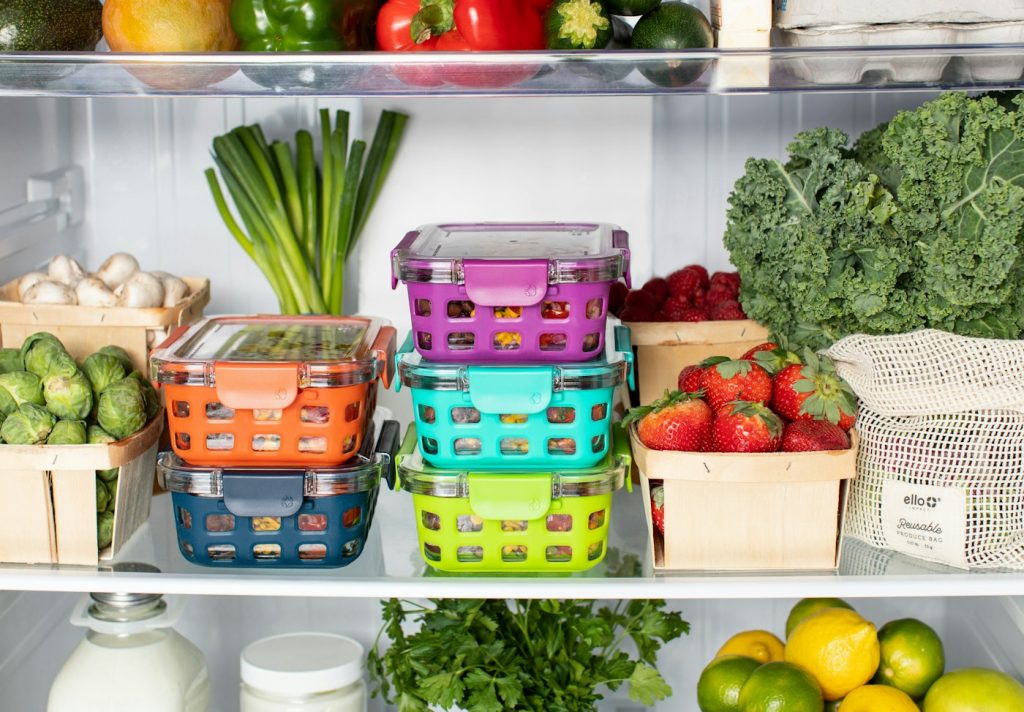
FSIS says bacteria grow rapidly between 40 and 140 degrees Fahrenheit, and leftovers must be refrigerated within 2 hours of cooking, or within 1 hour if the temperature is above 90 degrees. To cool food quickly, FSIS recommends dividing large amounts into shallow containers. A big pot of soup takes a long time to cool; splitting it into smaller containers helps it reach 40 degrees or below faster. Hot food can go straight into the refrigerator.
FSIS also advises covering leftovers or sealing them in storage containers to keep bacteria out, keep moisture in, and stop them from picking up odors from other food.
- Plan by days: Since FSIS says refrigerated leftovers keep 3 to 4 days, prep that many days of meals for the fridge and freeze the rest.
- Label containers: Write the date on a piece of tape so you know what to eat first.
- Reheat thoroughly: FSIS says leftovers should reach 165 degrees Fahrenheit, checked with a food thermometer. In the microwave, cover and rotate food for even heating, and vent the lid to let steam escape.
- Thaw safely: FSIS lists the refrigerator, cold water, and the microwave as safe ways to thaw leftovers.
Freezing prepped meals
Freezer-safe containers let you stock up for busy weeks. Leave a little space at the top, since food expands as it freezes. FSIS notes that frozen leftovers are safe indefinitely but can lose moisture and flavor over long storage, which is why it suggests 3 to 4 months for best quality. Soups, stews, chili, cooked grains, and many casseroles freeze well. Crisp salads and fried foods usually do not.
A simple weekly routine
Pick one or two prep days, such as Sunday and Wednesday, so nothing sits in the fridge longer than a few days. Cook a protein, a grain, and two or three vegetables, then mix and match them in containers. Add sauces in small separate cups so food stays fresh. Keep breakfast and snacks in smaller containers so they are easy to grab.
Having a set number of containers helps keep the routine going. For one person eating lunch and dinner from prepped meals, 10 to 15 main containers plus a handful of small ones is a common starting point. Families may want more, or a mix of large containers for shared dinners.
What foods prep well
Some foods hold up better than others over a few days in the fridge. Roasted vegetables, cooked grains like rice and quinoa, beans, lentils, and hearty soups and stews stay tasty and keep their texture. Sturdy greens like kale and cabbage handle dressing better than delicate lettuce. Hard-boiled eggs, cut carrots, celery, and peppers make easy snacks.
Foods that tend to go soggy or dry out, like crispy fried items, sliced avocado, and dressed tender salads, are better added the day you eat them. Keeping sauces and dressings in small separate containers until mealtime helps everything else stay fresh. If a meal will be reheated, slightly undercooking pasta and vegetables at the start keeps them from turning mushy later.
Packing meals to go
If you take meals to work or school, a leak-resistant lid is a must. Pack cold foods with an ice pack in an insulated bag, and keep hot foods hot in an insulated food jar. FSIS notes that perishable food left at room temperature for more than 2 hours should be thrown away, so plan to refrigerate your lunch on arrival if you can.
Cleaning and care
Wash containers soon after eating so food does not dry on. Glass and many plastics go in the dishwasher; top-rack placement is often recommended for plastic lids. To lift stains from plastic, a paste of baking soda and water can help. Let lids and gaskets dry fully before storing them, and store lids separately or loosely set on top so trapped moisture does not cause odors. Replace containers that crack, warp, or no longer seal.
Questions to ask before you buy
- Will I reheat in the container? Choose glass or plastic labeled microwave safe, and check the lid.
- Will I carry meals to work or school? Plastic or locking glass lids with gaskets travel best.
- How much fridge space do I have? Rectangular, stackable designs save room.
- Do I freeze meals? Look for containers labeled freezer safe.
The short answer
For most people, a set of rectangular glass containers with locking lids covers home meals and reheating, while a lighter plastic set handles lunches on the go. Divide food into shallow containers so it cools fast, refrigerate within 2 hours, eat refrigerated meals within 3 to 4 days, and reheat to 165 degrees, as FSIS recommends.
The responses below are not provided, commissioned, reviewed, approved, or otherwise endorsed by any financial entity or advertiser. It is not the advertiser’s responsibility to ensure all posts and/or questions are answered.
Tip: putting a strip of masking tape and a marker in the same drawer as the containers makes dating them much more likely to actually happen. Question - do glass containers with snap lids handle soup in a bag without leaking, or is a screw-top jar safer?