
Last Updated on: Aug 11, 2026
A mattress is one of the most expensive things most people buy for their home, and it is also one of the hardest to clean. Spilled coffee, a sick child, a pet that jumps up after a muddy walk, or plain nightly sweat can all soak into foam and fabric that you cannot toss in the washer. A mattress protector is the cheap layer that takes that hit instead.
What We'll Cover
It sounds like a simple purchase, but the category covers several quite different products. Some are thin waterproof sheets, some are padded toppers that happen to shield the bed, and some are zippered covers that seal the whole mattress. This guide explains the differences, how to size one properly, and which popular options match which needs.
Top Mattress Protectors
Why bother with one at all
The first reason is hygiene. A mattress collects sweat, skin flakes, and the occasional spill over years of use, and a washable cover keeps most of that on a layer you can clean. The second reason is money. Many mattress warranties can be voided by stains, so keeping the surface clean protects the value of the bed as well as the bed itself. Check your own warranty terms, since each maker words this differently.
The third reason is comfort over time. Liquid that reaches the foam can leave odors and uneven spots that never fully go away. A protector costs a small fraction of a new mattress, and it is much easier to replace a worn protector than to live with a stained bed.
The three main types
Fitted waterproof protectors
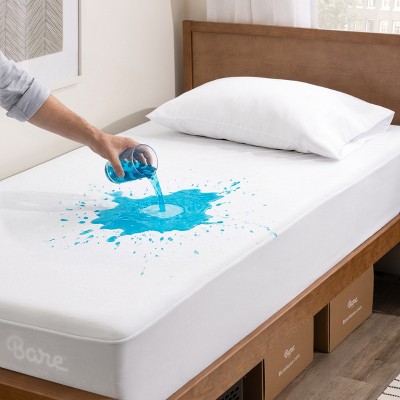
This is the most common style. It goes on like a fitted sheet, with an elastic skirt that wraps under the corners, and it covers the top of the mattress and part of the sides. A thin waterproof backing, often a polyurethane film sometimes listed as TPU, stops liquids from passing through. The top fabric can be cotton terry, polyester knit, or a bamboo-derived rayon. Fitted protectors are easy to take off and wash, which makes them the practical choice for most beds.
Quilted mattress pads
A quilted pad adds a layer of fiberfill for softness, so it doubles as a light topper. Some quilted pads have a waterproof backing and some do not, and that difference matters. A pad without a waterproof layer will absorb small amounts of moisture but will not stop a real spill. If you want both softness and protection, look for a quilted pad that says waterproof, or put a thin waterproof protector underneath a non-waterproof pad.
Zippered encasements
An encasement wraps the entire mattress on all six sides and closes with a zipper. It offers the most complete coverage, and it is the type recommended for bed bug problems. Encasements take more effort to put on and remove, so most people leave them in place and wash a regular sheet or fitted protector on top.
What official guidance says about bed bugs
Bed bugs are one area where the type of cover really matters. The U.S. Environmental Protection Agency suggests using a protective cover that encases mattresses and box springs to remove many hiding spots, and notes that the light color of an encasement makes bed bugs easier to see. The agency advises buying a high quality encasement that resists tearing and checking it regularly for holes.
If bed bugs are already in a mattress, the EPA says special bed bug covers on the mattress and box spring make it harder for the bugs to reach you while you sleep, and it recommends leaving the encasements on for a year. It also advises choosing a product that has been tested for bed bugs and is strong enough to last that long. An encasement is one part of control, not a full fix, so pair it with the rest of the agency's steps or a professional treatment if you have an active problem.
A standard fitted protector does not seal the bottom of the mattress, so it will not trap bugs inside. If bed bugs are your main concern, skip fitted styles and go straight to a zippered encasement.
Getting the size right

Width and length follow standard bed sizes, so a queen protector fits a 60 by 80 inch mattress and a king fits 76 by 80 inches. The number that trips people up is depth. Mattresses have become much thicker, and a protector with shallow pockets will pop off the corners every time you move.
Measure your mattress from the bottom edge to the top surface, including any topper you plan to cover, and pick a protector rated for at least that depth. Many fitted protectors list a range, such as fits up to 15, 17, or 18 inches. Encasements are more exact, since the zipper needs to close without strain, so match the listed depth closely.
Fabric, noise, and heat
Older waterproof covers had a reputation for crinkling and trapping heat. Most current protectors use a thin, flexible membrane that is far quieter. Even so, the top fabric shapes how the bed feels. Cotton terry is absorbent and soft but a little warmer. Smooth polyester knit feels cool and slick. Bamboo-derived rayon is soft and breathable, and it is popular with people who sleep hot.
If you share a bed with a light sleeper, look for protectors described as noiseless and try yours for a few nights before you decide. Any waterproof layer will hold some heat compared with bare fabric, so if you already sleep warm, choose a thin protector over a thick quilted one.
Washing and care
Wash a protector when you change the sheets or at least every month or two, and right away after any spill. Most can go in the washer on warm or cold with mild detergent. Skip bleach and fabric softener, which can break down the waterproof layer and make the fabric less absorbent. Tumble dry on low or no heat, since high dryer heat is one of the fastest ways to crack the backing. Keeping a second protector on hand means the bed is never bare while one is in the wash.
Replace a protector when the waterproof layer starts to peel, crack, or leak, or when the elastic stops holding the corners. With regular washing, that is usually a matter of years, not months.
Protectors worth a look
These picks come from current best-seller lists and top search results for mattress protectors. Features and sizes are from the makers, and most come in every standard bed size.
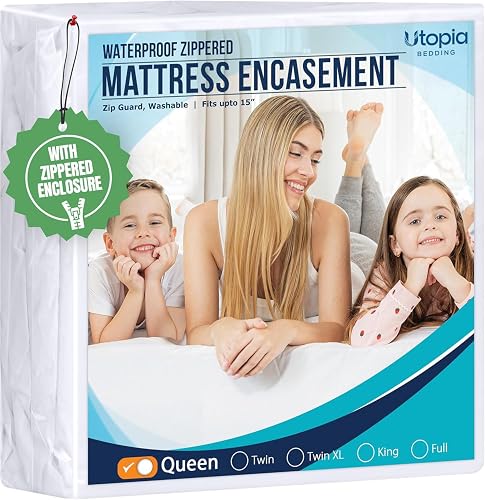
360° Coverage Protection - Fits 60 inches by 80 inches queen size mattress up to 15 inches deep, fully encasing all sides. The stretchy fabric slips on easily and stays securely in place without sh...
Utopia Bedding's zippered encasement fully covers all six sides of a queen mattress up to 15 inches deep. It has a wrap-around zipper and a smooth knitted polyester top that the maker says stays quiet and flat.
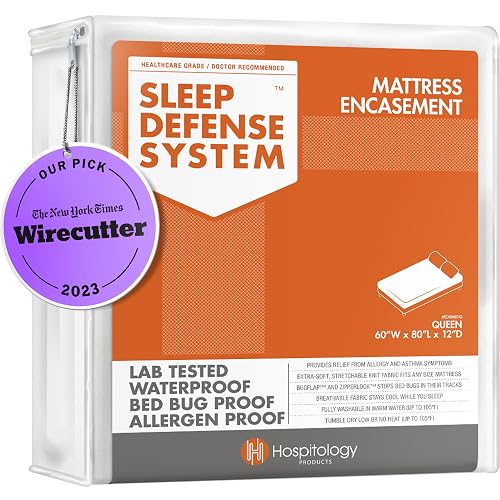
Zippered mattress cover stretches to fit any Queen (60” x 80”) standard mattress depth from 12" to 18"
100% Waterproof barrier on all six sides of mattress - Lab-tested
Extra-soft polyester knit fa...
Hospitology's encasement is another six-sided option with a waterproof barrier on every side. It stretches to fit standard queen mattresses from 12 to 18 inches deep and carries a five-year limited warranty.
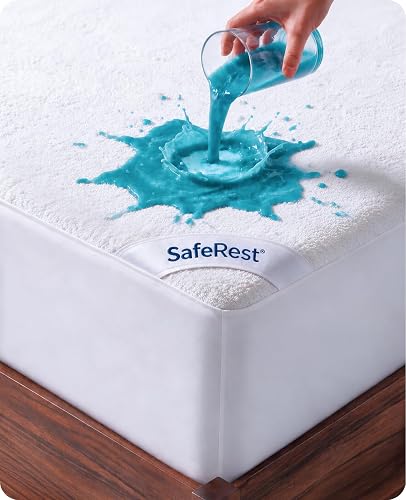
KEEP YOUR MATTRESS DRY - Helps protect against fluids, urine, perspiration and anything else that might stain your mattress!
QUIET & BREATHABLE - Quiet breathable Queen mattress protector that will...
SafeRest's fitted protector is a long-running favorite for guest rooms and rentals. It goes on like a fitted sheet, protects against fluids and sweat, and machine washes on cold.
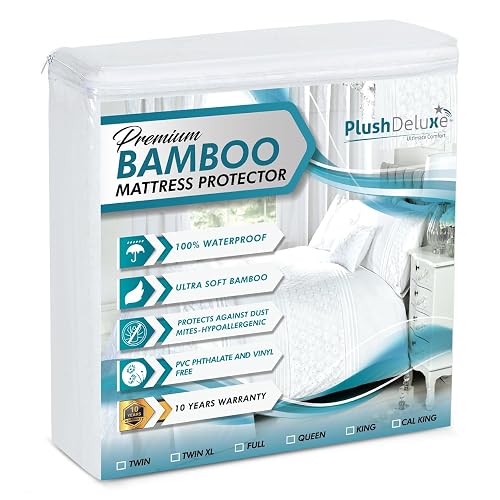
SAFEGUARD YOUR INVESTMENT: Keep your expensive mattress in pristine condition with our Premium Queen Bamboo Mattress Protector. Our ultra-soft mattress cover protects from dirt, water and normal we...
PlushDeluxe's protector uses a bamboo viscose top over a waterproof membrane. The maker pitches it at hot sleepers, saying the fabric wicks moisture and stays cool.
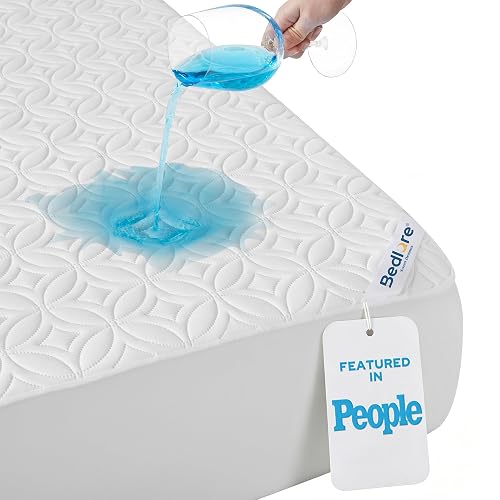
Unique Style: Stand out with our classic quilted design. It locks in filling for even support and helps regulate temperature—stylish and practical
100% Waterproof: Don't stress over spills or accid...
BEDLORE's quilted protector combines a padded top with a TPU waterproof layer and a 360-degree elastic skirt for mattresses up to 18 inches deep. It is a good fit if you want some softness along with spill protection.
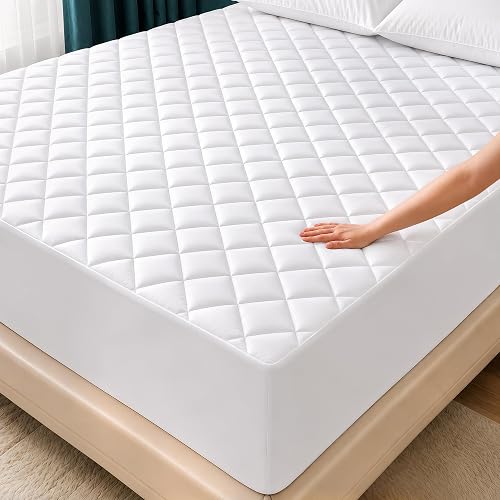
Mattress Pad: Our Queen size microfiber mattress pad measures 60 by 80 inches and fits mattresses up to 16 inches deep.
Durable: The mattress pad keeps your mattress clean and comfortable. It is no...
This quilted microfiber pad adds loft and fits mattresses up to 16 inches deep. Note that the maker says it is not liquid proof, so pair it with a waterproof cover if spills are a concern.
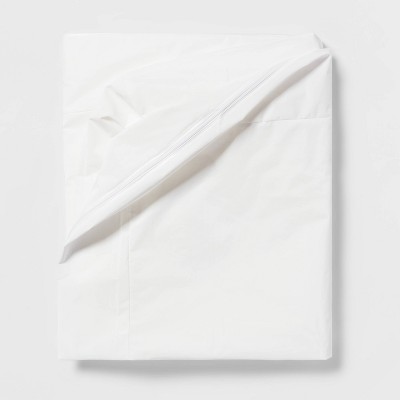
At Target, the Room Essentials zippered protector is a low-cost waterproof option with a zipper closure for easy removal. It fits mattresses up to 12 inches deep and is STANDARD 100 by OEKO-TEX certified.
Terry top that stays quiet. Also at Target, the Bare Home protector has a cotton-rich terry cloth top over a breathable waterproof membrane, with elastic that runs through the entire hem. Bare Home says it is noiseless and will not change the feel of your mattress, and it is machine washable.
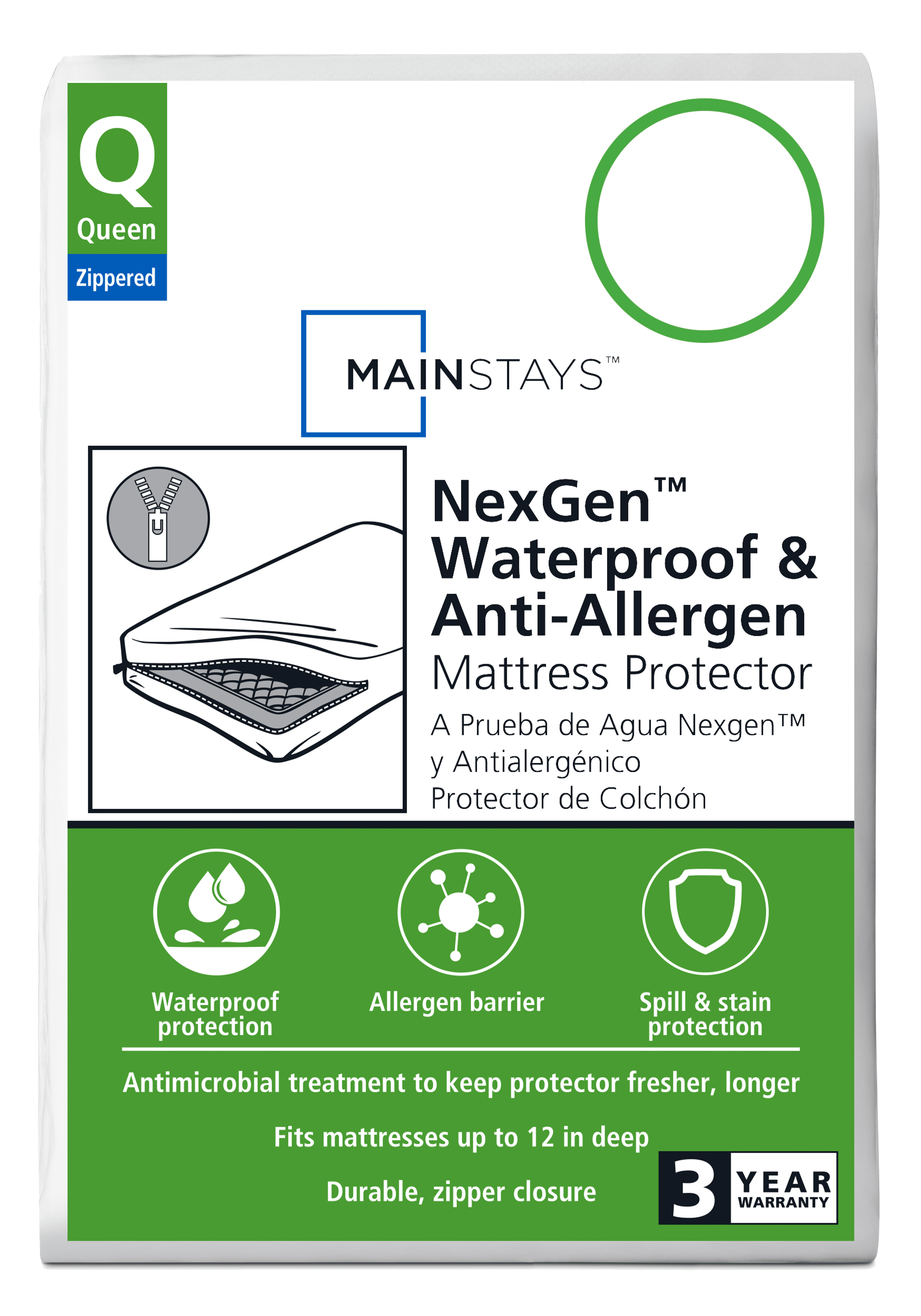
Zippered cover at a low price. The Mainstays NexGen zippered protector is waterproof, hypoallergenic, and closes with a zipper, and the queen size fits mattresses up to 12 inches deep. It is a vinyl-free alternative to older plastic covers.
Which one to choose
For most bedrooms, a fitted waterproof protector sized to your mattress depth is the easiest win. It handles spills and sweat and goes through the wash with your sheets. Families with young kids or pets should keep two, so one is always ready. Choose a zippered encasement if you travel often, live in an apartment building, or are dealing with bed bugs, and follow the EPA advice to leave it on for a full year. If your bed feels a little firm, a waterproof quilted protector gives you softness and protection in one layer.
Whichever you pick, measure first, wash it gently, and replace it when it stops keeping liquid out. It is a small, dull purchase that quietly adds years to one of the most expensive things in your house.
The responses below are not provided, commissioned, reviewed, approved, or otherwise endorsed by any financial entity or advertiser. It is not the advertiser’s responsibility to ensure all posts and/or questions are answered.
Tip: skip the dryer's high heat setting. Low heat or line drying keeps the waterproof layer from cracking.
How often should a protector be washed if you already wash your sheets every week?