
Last Updated on: Sep 06, 2026
Cats are famously particular about their bathroom. A box that is too small, too hard to get into, or kept in the wrong spot can lead to a cat going somewhere else entirely, and that is a problem no amount of cleaning spray fixes. The good news is that most litter box trouble comes down to a few choices you can get right from the start: size, style, number, and where the box sits.
This guide covers those choices, how to keep a box clean and safe for the people in the house, and a range of boxes from current best-seller lists, from a basic open pan to enclosed and stainless steel models.
Top Litter Boxes
What We'll Cover
- Top Litter Boxes
- Size comes first
- Open, covered, or high-sided
- Open pans
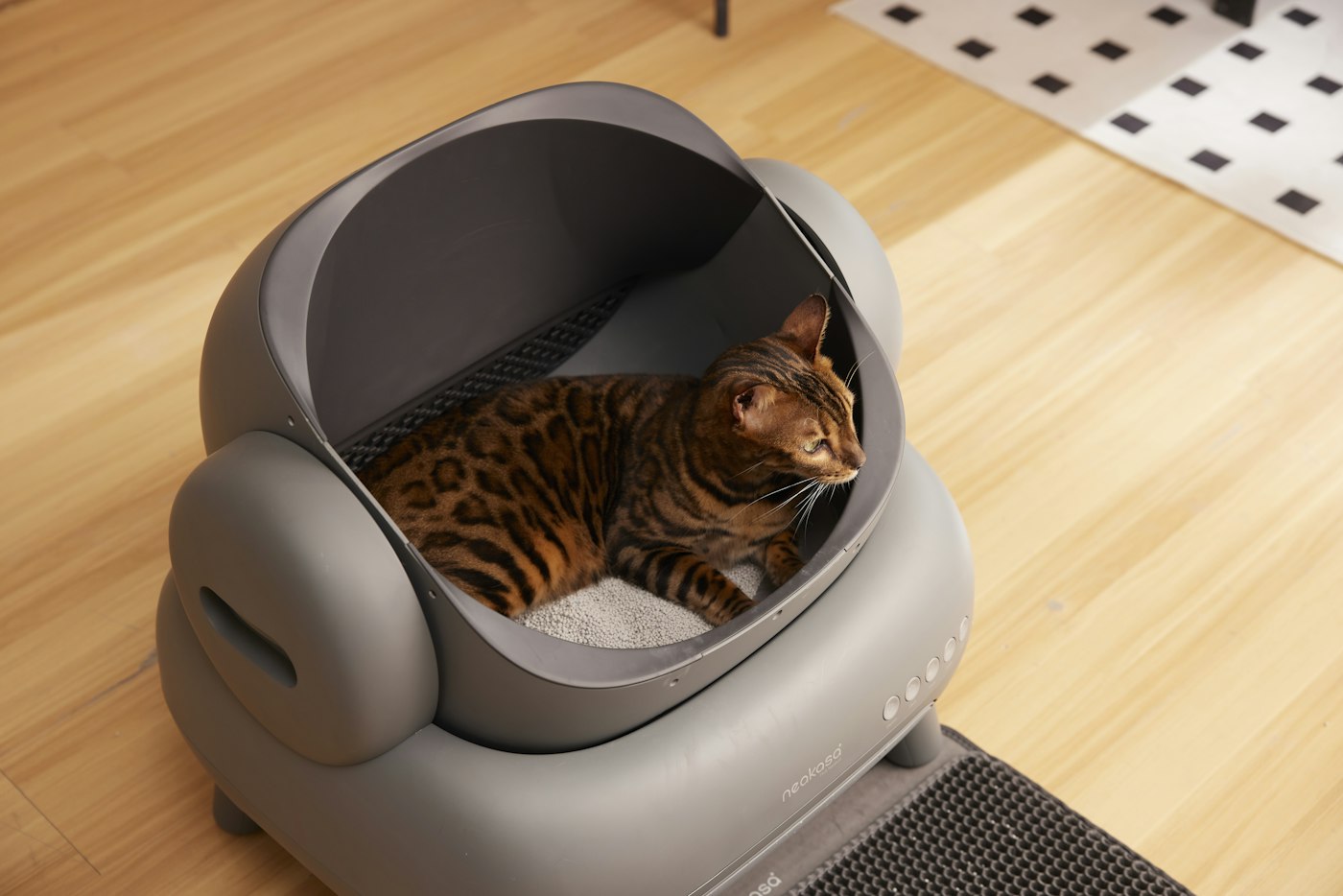
- Covered and front-door boxes
- High-sided open boxes
- Stainless steel
- Sifting and self-cleaning
- Match the litter to the box
- How many boxes, and where
- Keeping it clean and safe
- Litter boxes worth a look
- Switching boxes without drama
- Which one to choose
Size comes first
The most common mistake is a box that is too small. A cat should be able to step in, turn around, and dig without hanging off the edge. A useful rule of thumb is a box about one and a half times the length of your cat from nose to base of tail. Many standard boxes sold as large are still cramped for a big adult cat, which is why extra-large and storage-bin style boxes have become popular.
Height matters too. High sides keep litter and spray inside, but the entry should stay low enough for your cat to step over easily. Kittens and senior cats with stiff joints do best with a low entry or a box with a cut-out opening.
Open, covered, or high-sided
Open pans
Simple open pans are cheap, easy to scoop, and let odors disperse rather than trapping them inside. Many cats prefer them. The downside is scattered litter and smells that are easier for you to notice.
Covered and front-door boxes
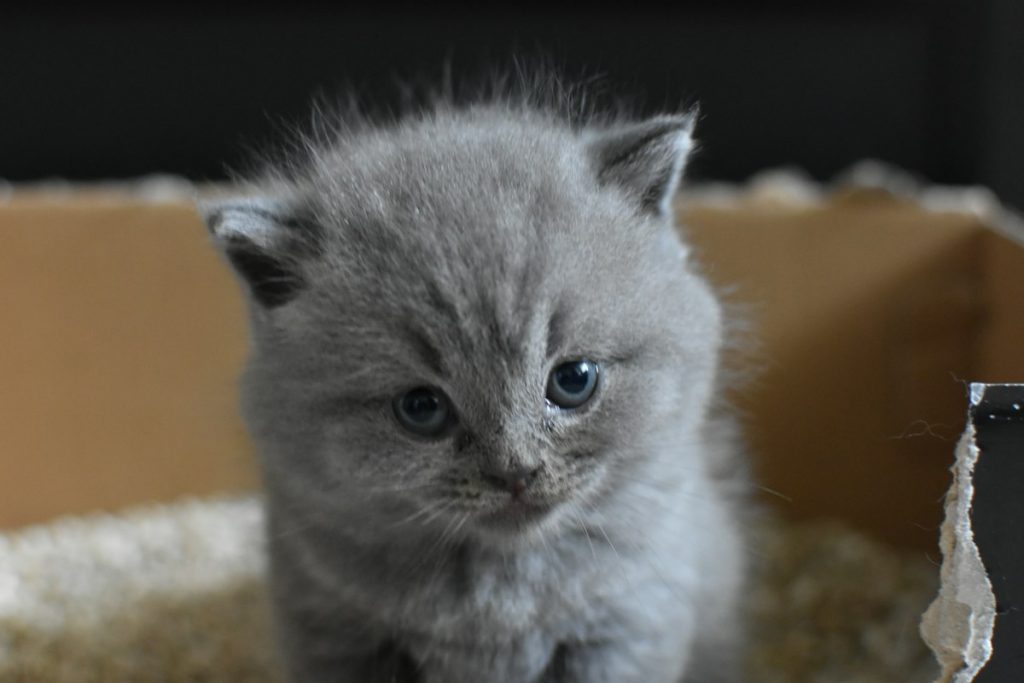
Hooded boxes hide the view, cut down on litter scatter, and often include a flap door. Some cats like the privacy, and others dislike being enclosed or trapped with the odor. If you try a covered box, watch how your cat reacts in the first week, and be ready to take the hood off.
High-sided open boxes
A middle ground is a tall-walled open box with a lower front entry. You get the scatter control of a covered box with the airflow and easy access of an open pan, which works well for cats that kick litter or spray high.
Stainless steel
Stainless steel boxes have become popular because the non-porous surface does not scratch the way plastic does over time. Scratched plastic tends to hold on to smells, which is why many owners replace plastic boxes from time to time. Steel costs more up front, but it is easy to clean and lasts.
Sifting and self-cleaning
Sifting boxes use nested trays to separate clumps and waste from clean litter without a scoop. Automatic self-cleaning boxes rake or rotate waste into a sealed bin after each use. They can save time for busy households, but they are expensive, some cats are nervous around them, and they need regular emptying and care.
Match the litter to the box
The box and the litter work as a pair. Clumping clay is the most common choice and works in almost any open or covered box. Sifting boxes are usually designed around pellets, like pine, or crystal litter, so check what the maker recommends before you buy. Self-cleaning boxes often need a specific type of clumping litter to work properly. Fill most boxes with two to three inches of litter, enough for digging without spilling over the sides. If your cat is used to one texture, stick with it when you switch boxes, and change only one thing at a time.
How many boxes, and where
A common guideline is one litter box per cat, plus one extra. Two cats would have three boxes. That gives every cat an option if one box is occupied or dirty, which can help prevent accidents and tension in multi-cat homes.
Put boxes in quiet, easy-to-reach places, away from loud appliances like a washing machine that might startle your cat. Keep them away from food and water bowls. In a multi-level home, place a box on each floor. Avoid tucking a box somewhere your cat could get cornered by another pet, since cats like to see a way out.
Keeping it clean and safe
Scooping every day is good for your cat, who may avoid a dirty box, and for people in the house. The Centers for Disease Control and Prevention recommends changing the cat litter box daily to reduce the risk of toxoplasmosis. The CDC explains that the Toxoplasma parasite does not become infectious until one to five days after a cat sheds it in its feces, so cleaning the box every day removes the feces before they can become infectious.
The CDC also advises washing hands with soap and water after touching anything that may be contaminated with cat feces, and it recommends feeding cats only canned or dried commercial food or well-cooked table food, not raw or undercooked meat. If anyone in the house is pregnant or has a weakened immune system, it is worth asking a doctor about who should handle the litter box.
Beyond daily scooping, empty and wash the box with mild soap and water regularly, then dry it and refill with fresh litter. Avoid strong scented cleaners, which can put cats off the box.
Litter boxes worth a look
These picks mix current best sellers in the cat litter box category with a few options from other big retailers. Sizes and features are from the makers.
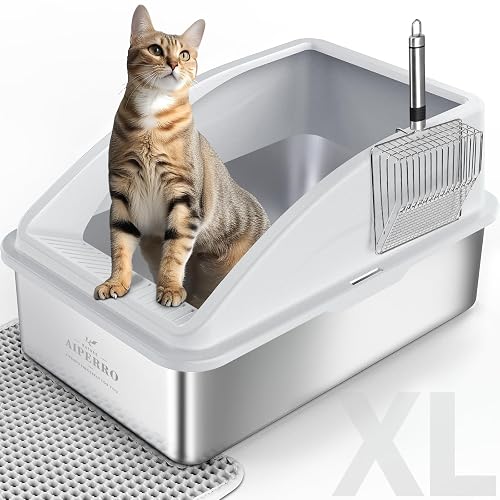
ENCLOSED DESIGN: The cat litter box with top cover is designed to prevent litter scatter and provide a private space for your furry friends. The cat litter box is made of high-quality stainless ste...
AIPERRO's enclosed stainless steel box adds a top cover for privacy and a patented 30-degree angled filter plate that the maker says helps keep cats from tracking litter out of the box.
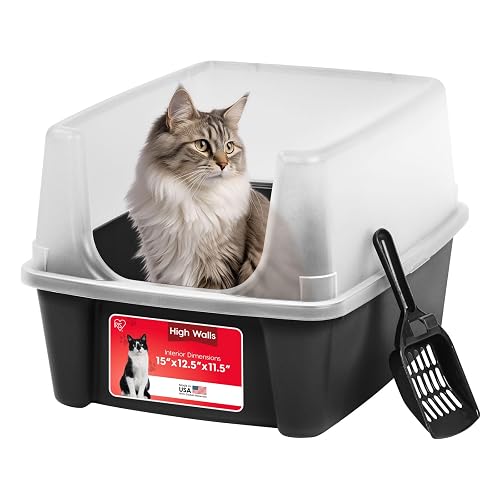
MADE IN USA with global materials - The IRIS USA open top kitty litter tray offers a functional and comfortable solution to your cat's bathroom needs. With the open air kitty litter pan, getting in...
IRIS USA's high-sided box is a plastic option with tall walls that form a scatter shield around an open top. The maker says it is made in the USA with global materials, and the open design keeps scooping easy.
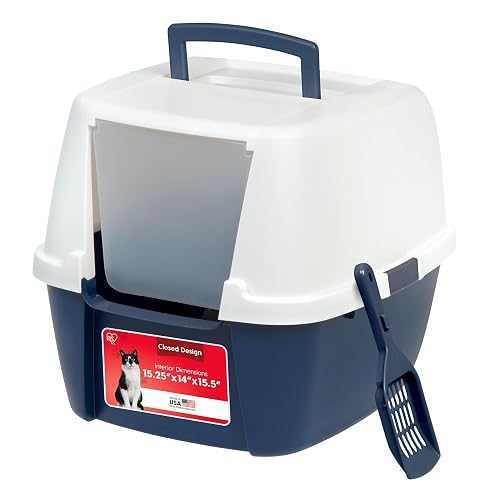
ODOR CONTROL: The easy access flap door seals in odors and keeps particles from spilling onto the floor, ensuring they don't infiltrate your home and keeping the area neat and clean.
ENCLOSED PRIVA...
For cats that like privacy, IRIS USA's front-door box has a 9.25 by 9 inch walk-in entry with a flap door. A carrying handle and side buckles make it easier to move, and the scoop hangs from a hook under the hood.
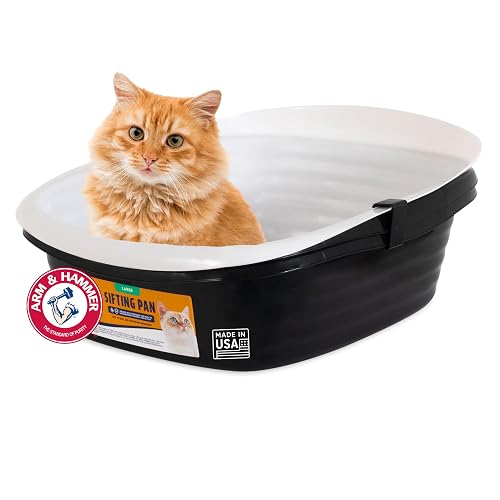
EASY CLEANING: Simplify your cat care routine with the sifting cat litter box's patented lift-to-sift technology. This provides efficient litter maintenance without scooping.
MAXIMUM ODOR CONTROL: ...
Arm and Hammer's sifting box uses a lift-to-sift design so you can separate waste without scooping. It has built-in Microban protection that the maker says inhibits odor, and it works with pine, crystal, pellet, and clumping litter.
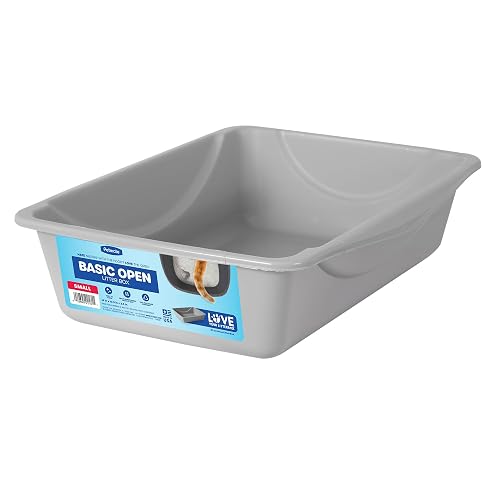
OPEN-TOP KITTY LITTER BOX: This small cat litter pan provides ample space on all sides for cats to do their business comfortably, and is great for small cats or kittens to access
KEEPS LITTER CONTA...
For kittens, Petmate's small basic pan measures 14 by 10.5 inches, with a low rim that small cats can step over easily.
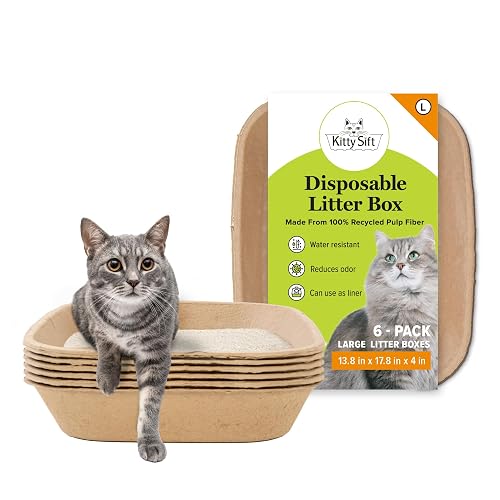
No Liners, No Scrubbing: Fill, use, and replace this disposable litter box in minutes. No cat box liners or scrubbing required. The easy clean litter box design keeps daily maintenance fast and pre...
Kitty Sift's disposable boxes come six to a pack. The maker says the thick recyclable walls resist leaks and digging. They are handy for travel, a new kitten, or a temporary spare.
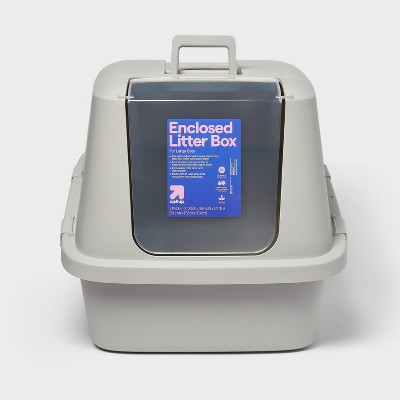
At Target, the up&up enclosed XL box is a budget-friendly covered option, with side buckles, a top handle, and BPA-free plastic that includes at least 20 percent post-consumer recycled content.

Walmart's Vibrant Life top-entry box is a different take on privacy. Your cat hops in through the lid, and the textured top catches loose litter from paws on the way out, which cuts down on tracking. It measures about 20.4 by 15.5 inches and is made from BPA-free plastic. Top entry is not a good fit for kittens, seniors, or cats with stiff joints.
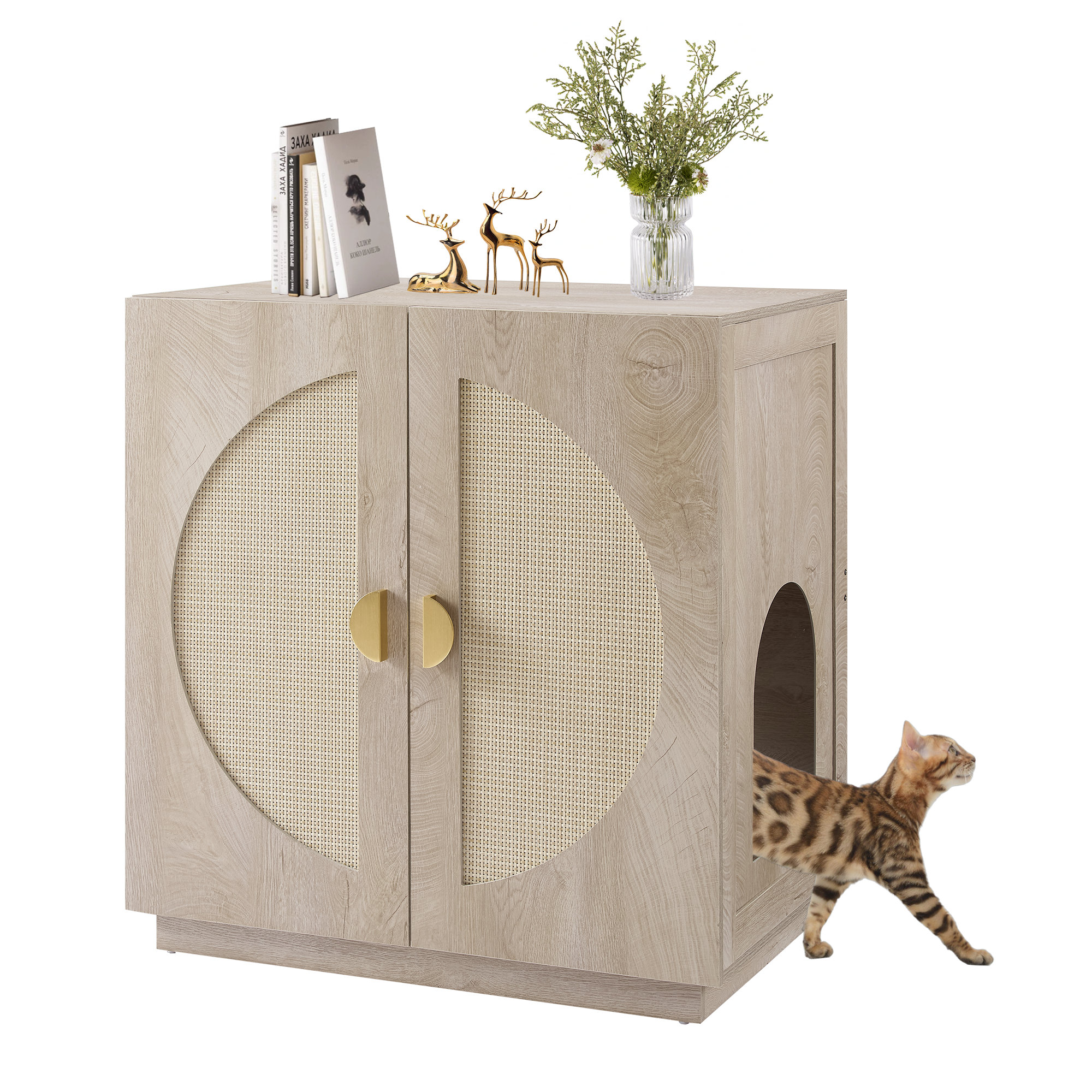
If the box has to live in a living space, Wayfair sells a litter box enclosure that looks like a cabinet. The standard XL version fits most regular boxes and has two entrances, and a taller deep version is made to fit many self-cleaning boxes, with a built-in charging station on select models. It hides the box, but check the inside measurements against your box before you order.
Switching boxes without drama
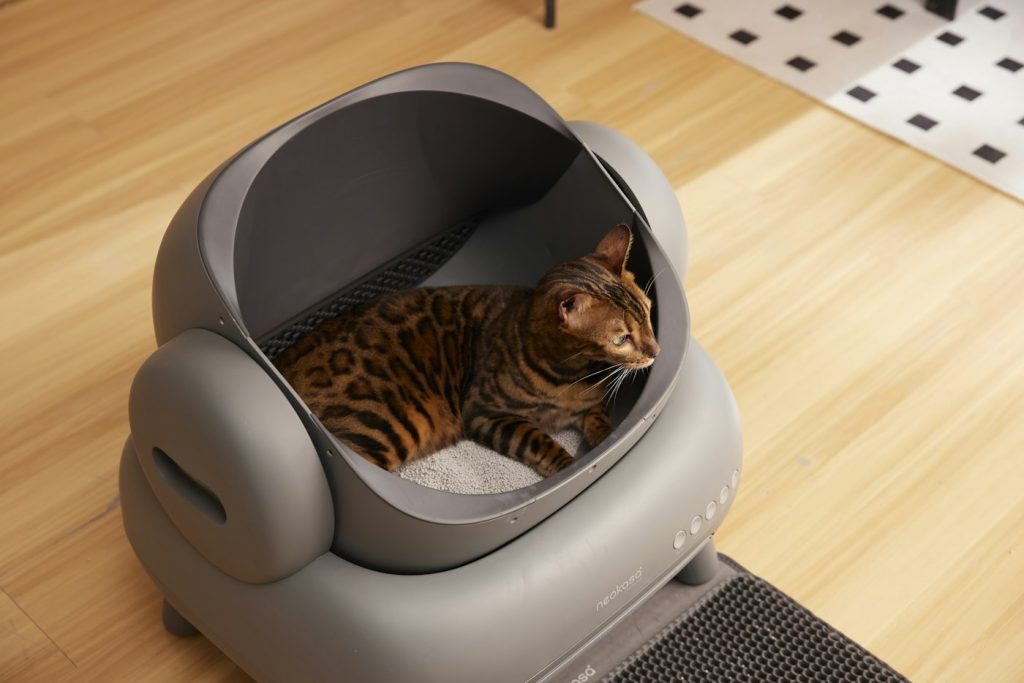
Cats do not love sudden change. If you are replacing a box, set the new one next to the old one for a week or so, using the same litter your cat already knows. Once your cat uses the new box regularly, remove the old one. If you are also changing litter, mix the new litter in gradually over a couple of weeks.
If a cat that has always used its box suddenly stops, or strains, cries, or goes often with little output, call your veterinarian. Litter box changes can be a sign of a medical problem, not just a preference.
Which one to choose
For most cats, a large or extra-large open or high-sided box is the safest bet. Stainless steel is worth it if you want a box that lasts for years, and a covered or front-door box can suit cats that like privacy. Whatever you choose, get one more box than you have cats, put them in quiet spots, scoop every day, and wash your hands afterward.
The responses below are not provided, commissioned, reviewed, approved, or otherwise endorsed by any financial entity or advertiser. It is not the advertiser’s responsibility to ensure all posts and/or questions are answered.
Question on the top-entry style: is there a rough age or weight where people usually switch an older cat back to a low-entry box? Trying to plan ahead.