
Last Updated on: Mar 13, 2026
A kettlebell is a ball of iron with a handle on top, and that simple shape makes it one of the most useful pieces of home gym gear. Because the weight sits below and away from the handle, you can swing it, press it, carry it, and squat with it. One or two bells take up less space than a rack of dumbbells and can cover a full-body workout.
What We'll Cover
The Centers for Disease Control and Prevention says adults need at least 150 minutes of moderate-intensity activity a week, plus muscle-strengthening activity on at least 2 days a week that works all major muscle groups: legs, hips, back, abdomen, chest, shoulders, and arms. Kettlebells are one way to cover the strength part at home. This guide explains how to choose weights, handles, and types, and how to start safely.
Top Kettlebells
Cast iron, competition, or adjustable
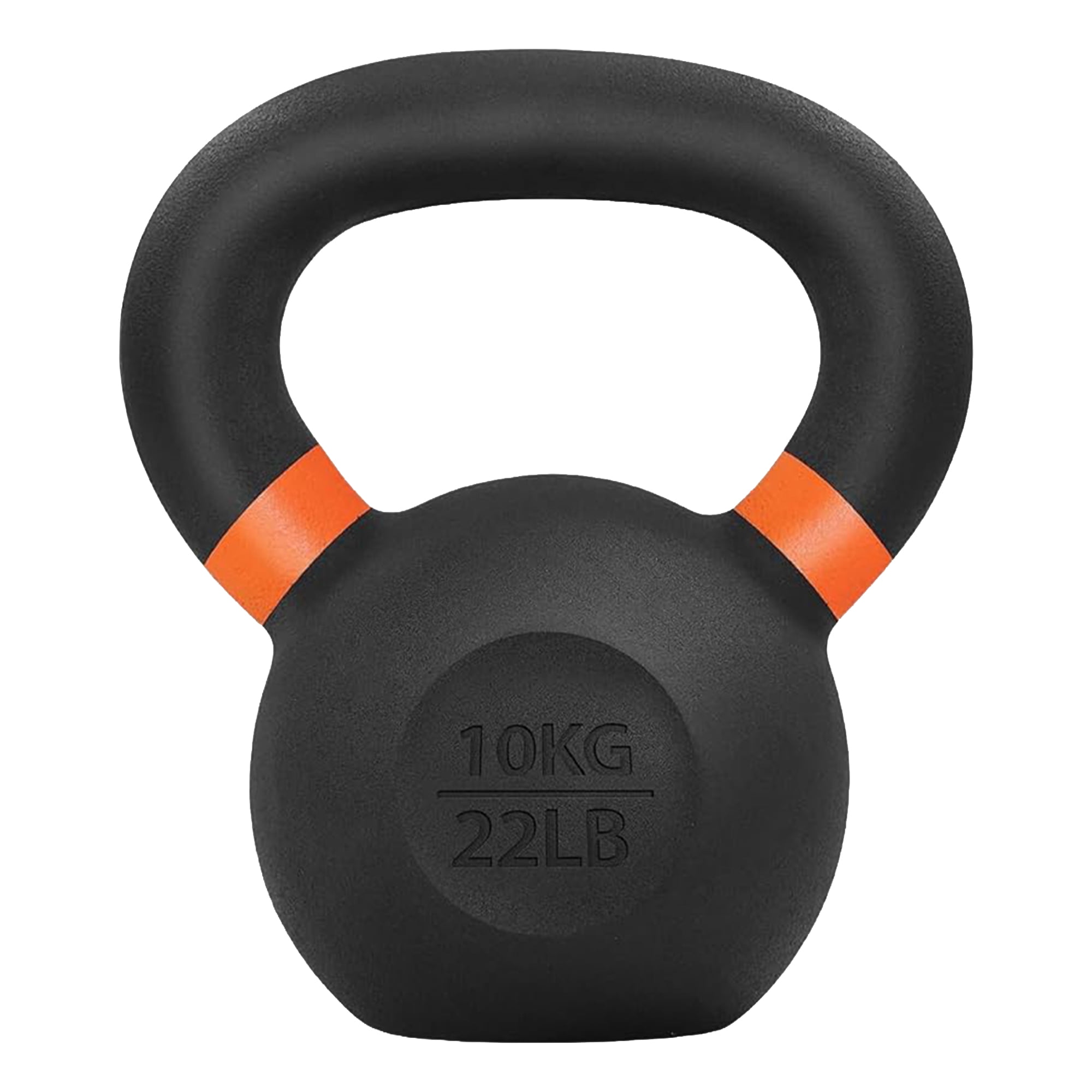
Cast iron kettlebells are the classic style. They are one solid piece, last for decades, and get larger as they get heavier. They are simple and usually the best value per bell.
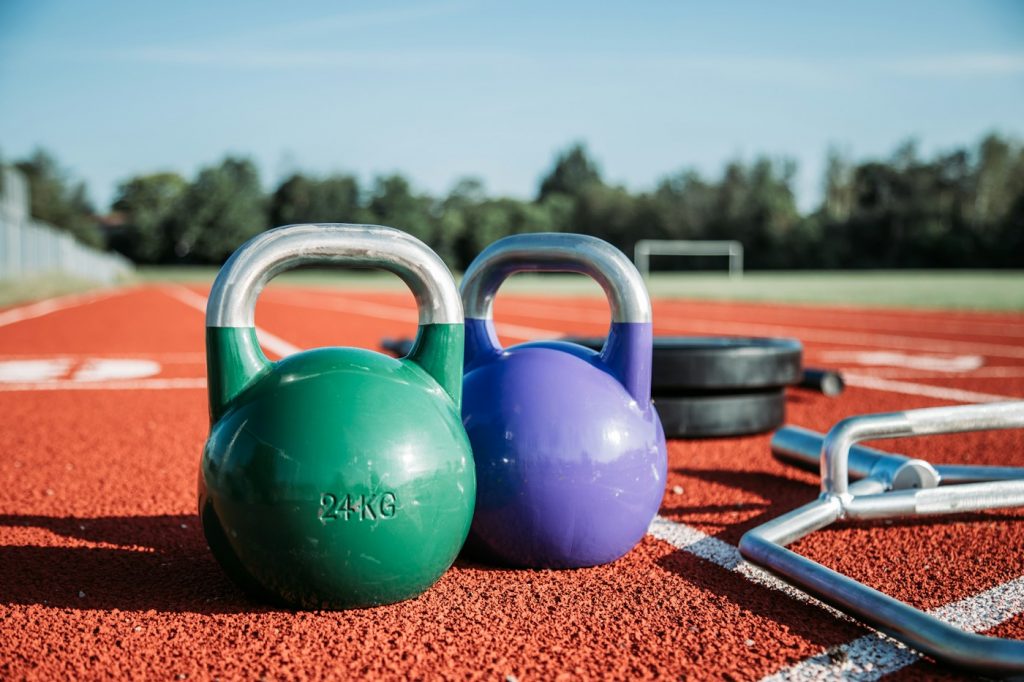
Competition kettlebells are made of steel and keep the same size at every weight, often with color coding. The handle and bell sit in the same spot on your arm no matter the weight, which helps when you move up. They cost more and are popular with people who train kettlebell sport.
Adjustable kettlebells let you change the weight, either with a dial or by adding plates. One adjustable bell can replace several fixed ones, which saves space and money over time. The tradeoff is a bulkier shape, and some designs are not ideal for fast, ballistic moves; check the maker's guidance before swinging or snatching one.
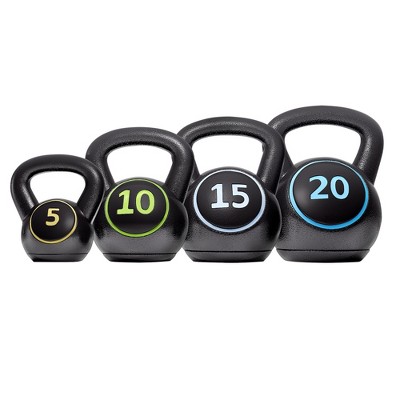
Soft kettlebells have a padded or vinyl shell filled with sand or iron. They are gentler on floors and feel less scary for beginners, though they tend to come in lighter weights.
Choosing a starting weight
The right weight depends on the move. Ballistic moves like swings use the hips and legs and let you handle more weight. Presses and other upper-body moves need a lighter bell. Many people start with two bells: a moderate one for swings, squats, and deadlifts, and a lighter one for presses and rows.
- New to strength training: Start light and learn the movements first. A soft or light cast iron bell is a good place to begin.
- Some lifting experience: A moderate bell for lower-body moves and a lighter bell for upper-body work covers most routines.
- Growing strength: An adjustable bell or a set lets you move up without buying many single bells.
If you are unsure, go lighter. Good form matters far more than the number on the bell, and you can always add weight later.
Handle and finish
Look at the handle closely. It should be smooth, with no sharp seams, and wide enough to fit both hands for two-handed swings. A handle that is too thick is hard to grip; too thin, and it can dig into your palms. Powder-coated finishes offer a slightly textured, chalk-friendly grip. Painted or glossy finishes can get slick with sweat. Vinyl-coated bells protect floors but can feel bulky.
A flat base keeps the bell from rolling and lets it stand upright for moves like renegade rows. Check for this if you plan to do floor work.
Cast iron kettlebells
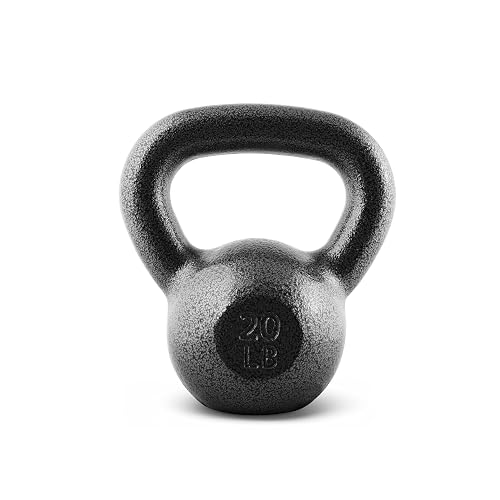
SOLID CAST IRON CONSTRUCTION - One-piece cast iron design has no welds or seams, creating a durable kettlebell built for repeated strength and conditioning workouts.
SOLID CAST IRON CONSTRUCTION - ...
The CAP Barbell cast iron kettlebell comes as singles and sets in many weights, a simple, solid starting point.
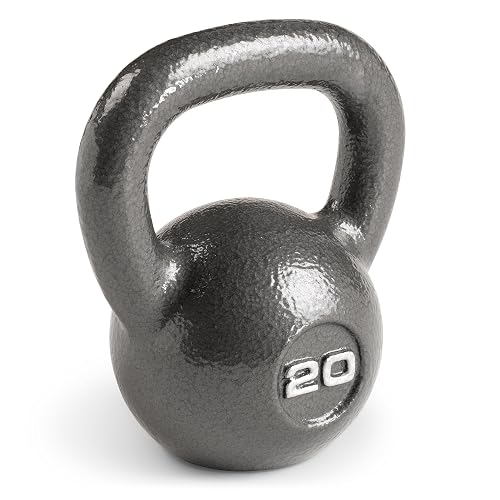
Premium Quality Kettlebells: Marcy’s kettlebell weights are furnished with high-quality hammer-tone finish for optimum performance and durability. The ergonomic construction boasts a sturdy handle ...
The Marcy Hammertone line runs from 10 to 55 pounds with a textured hammertone finish.
At Walmart, the Yes4All 22-pound bell is powder-coated cast iron, a friendly grip for swings.
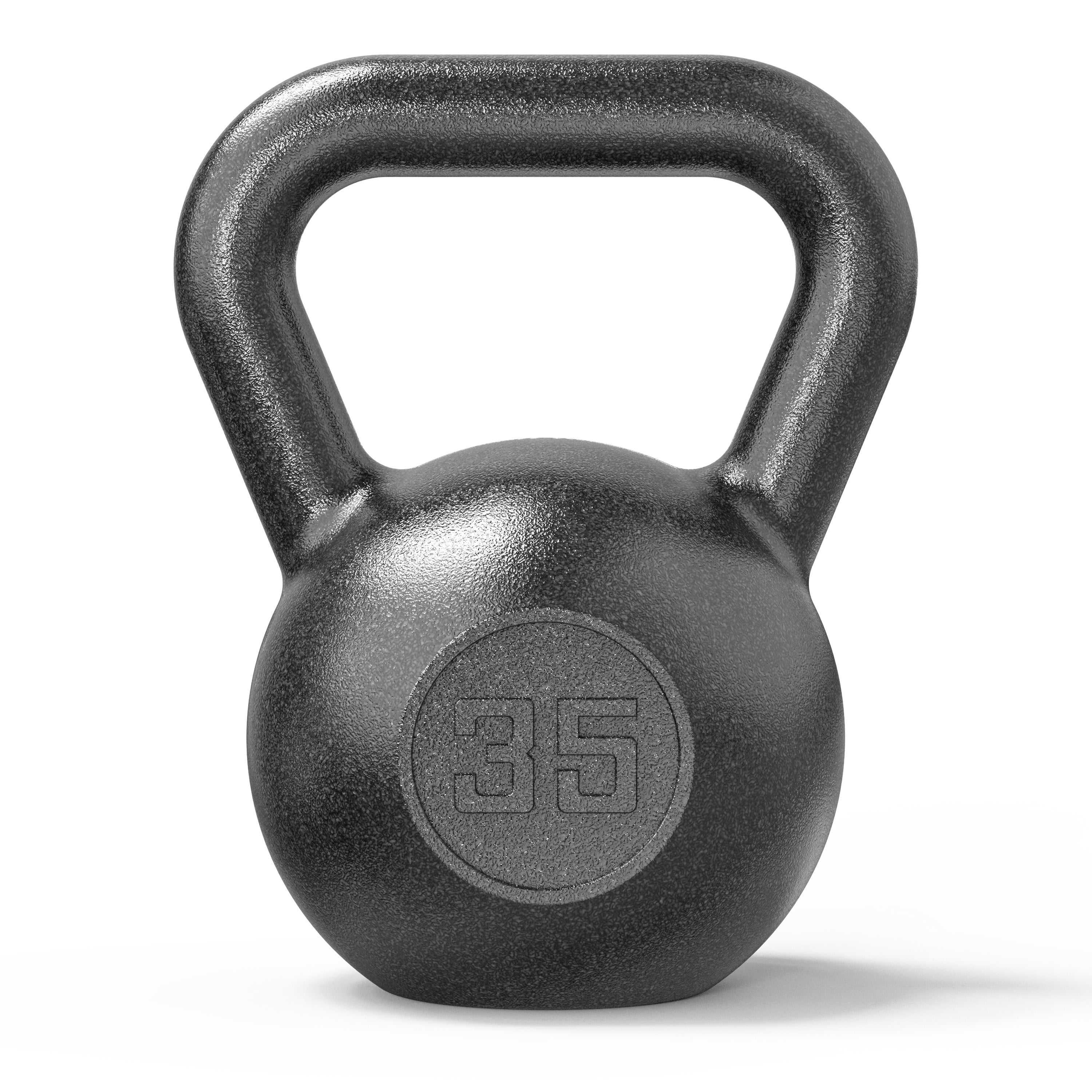
The Athletic Works 35-pound cast iron bell has a hammertone finish, a good next step as you get stronger.
At Target, the Yaheetech set gives several kettlebells totaling 50 pounds, so you have a range of weights from day one.
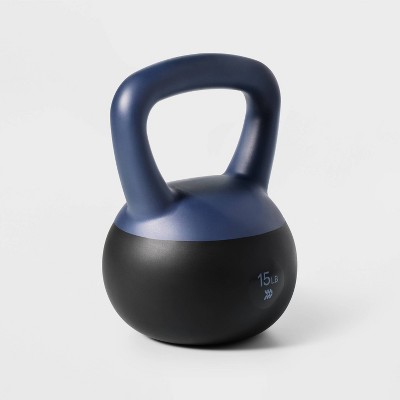
The All In Motion soft kettlebell has a padded shell at 15 pounds, easy on floors and good for beginners.
Adjustable kettlebells
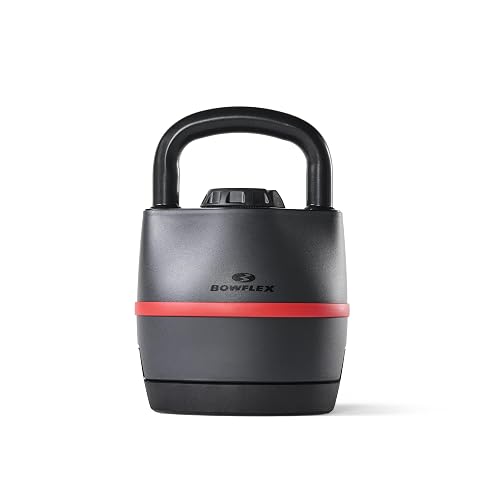
TURN OF A DIAL: With the turn of a dial, you can easily adjust from 8 to 40 lbs., rapidly switch from one exercise to the next, and perform a wide variety of full-body exercises.
SPACE EFFICIENT: R...
The BowFlex SelectTech 840 changes weight with a dial, so one bell can stand in for several.
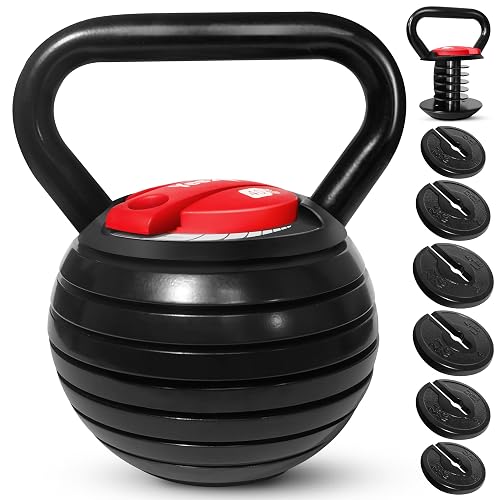
IMPROVED HANDLE DESIGN: The Yes4All kettlebell adjustable features a non-slip and textured surface handle which enhances strength even during sweaty workouts; Kettlebell wide grip offers comfort fo...
The Yes4All adjustable set uses plates to change the load at a lower cost.
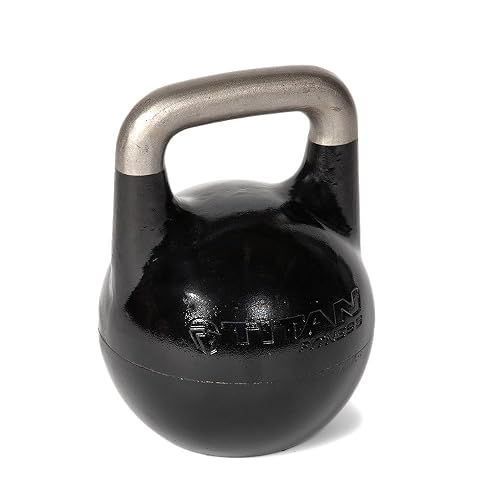
ADJUSTABLE COMPETITION KETTLEBELL: This adjustable Pro Kettlebell features a 12 KG shell with 6 cast iron plates weighing 2, 2, 3, 3, 4, and 6 kg.
12 KG to 32 KG COMBINATIONS: Using different combi...
The Titan Fitness adjustable kettlebell runs from 12 to 32 kilograms with an ergonomic handle, sized for stronger lifters.
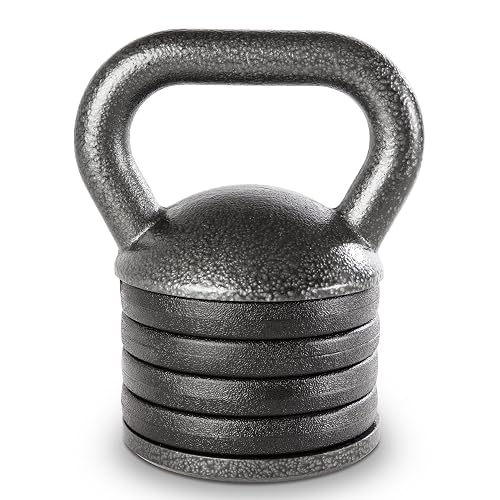
COMPLETE SET: This 20lb kettlebell system features a 15lb weighted handle, 4 non-weighted removable spacer disks, a 5lb bottom plate, and center pin to support additional weight plates and adjustab...
The Apex handle starts at 20 pounds and loads up to 50 pounds with 1-inch plates, handy if you already own small plates.
Core moves to learn first
- Deadlift: Hinge at the hips with a flat back, grab the bell between your feet, and stand tall. This teaches the hip hinge behind the swing.
- Goblet squat: Hold the bell at your chest by the horns, sit down between your heels, and stand back up.
- Two-hand swing: Hike the bell back between your legs, then drive your hips forward to float it to chest height. The power comes from your hips, not your arms.
- Overhead press: Hold the bell in the rack position against your forearm and press it straight up.
- Farmer's carry: Pick up a heavy bell in each hand and walk tall. Simple and effective for grip and core.
Learn each move slowly with a light weight. Many community centers and gyms offer kettlebell classes, and a few sessions with a coach can help you get form right from the start.
Space and safety
Swings need room. Clear a space in front of and behind you, away from furniture, windows, pets, and kids. A rubber mat protects floors and keeps your feet steady. Wear flat, stable shoes or train barefoot on a non-slip surface, and never let go of the bell mid-swing. Set the bell down gently rather than dropping it.
If you have a health condition, an injury, or have not been active in a while, talk with a health professional before starting a new strength routine. Start with fewer reps and sets, and build up over weeks.
Fitting kettlebells into your week
A simple plan is two or three short sessions a week, with a rest day in between. Pair a lower-body move like swings or goblet squats with an upper-body move like presses or rows, and finish with carries. That approach lines up with the CDC's call for muscle-strengthening work on at least 2 days a week, and it fits easily around walking, biking, or other cardio.
Questions to ask before you buy
- What moves will I do most? Swings and squats favor a heavier bell; presses and rows favor a lighter one.
- How much space do I have? If floor space is tight, one adjustable bell may beat a row of fixed bells.
- Who else will use it? A household with different strength levels may get more use from a set or an adjustable bell.
- What floor will I train on? Hardwood and tile call for a mat or a soft or vinyl-coated bell.
- Do I want to grow into it? Buying a slightly heavier second bell later is often easier than guessing high on day one.
Writing down your answers makes the choice simpler. Most people end up with one of three setups: a single moderate cast iron bell, a light and moderate pair, or one adjustable bell that covers a range. Any of these can support steady progress for months or years.
Storage and care
Keep kettlebells on the floor or on a low rack so they cannot fall. Wipe the handles after use, and store cast iron in a dry place to limit rust. A little chalk helps if your hands sweat. Check adjustable bells regularly to make sure the locking parts are secure before each workout.
The short answer
Most people do well starting with one or two cast iron or soft kettlebells: a moderate weight for swings and squats and a lighter one for presses. Pick a smooth handle with room for two hands and a flat base. Choose an adjustable bell if space or budget limits you. Learn the basic moves with light weight, and aim for strength work on at least 2 days a week, as the CDC recommends.
The responses below are not provided, commissioned, reviewed, approved, or otherwise endorsed by any financial entity or advertiser. It is not the advertiser’s responsibility to ensure all posts and/or questions are answered.
Tip for anyone doing swings on a hardwood floor: a cheap horse stall mat from a farm supply store works as a solid base and doesn't slide around. Question though - for presses, is it better to start with a lighter single bell or just use the lightest setting on an adjustable one?