
Last Updated on: Aug 03, 2026
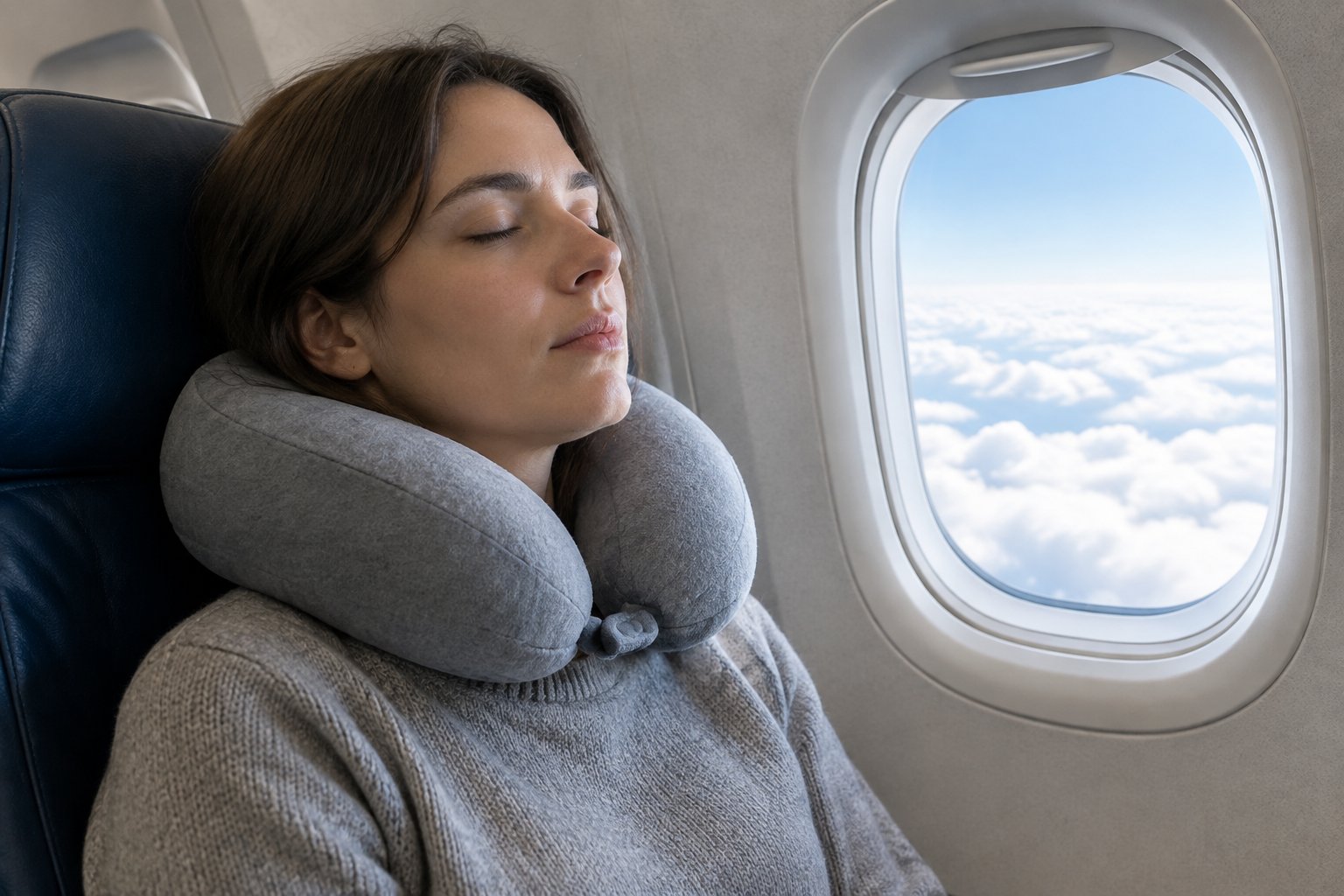
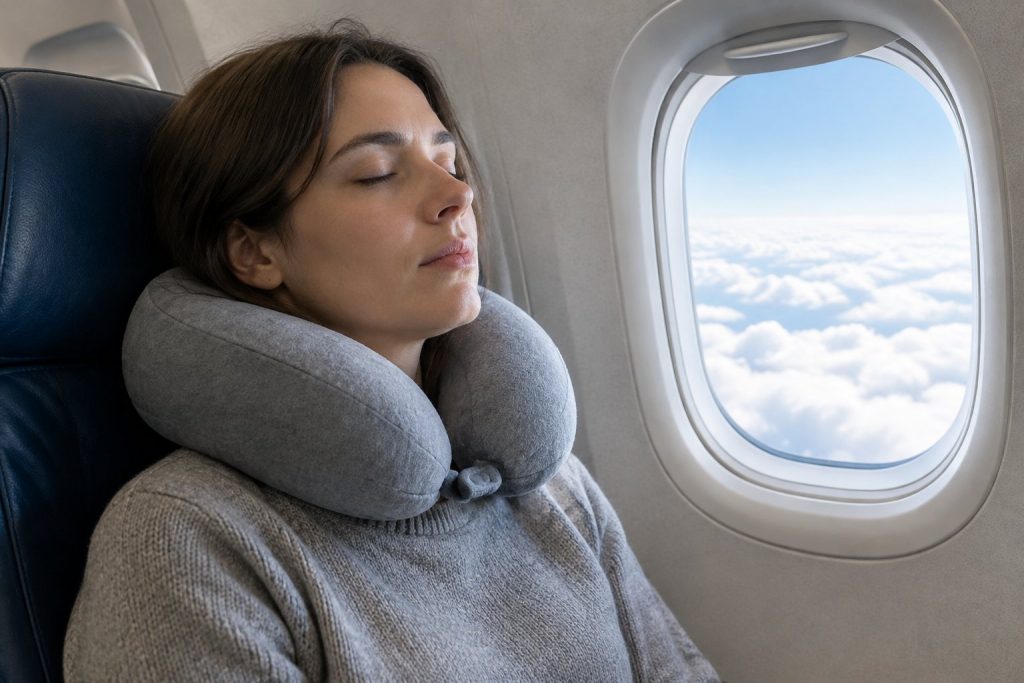
The classic travel pillow has a design flaw most people discover about an hour into their first red-eye. The soft U-shape keeps your head from tipping sideways, but when you fall asleep your head drops forward, and the pillow does nothing about it. You wake with your chin on your chest and a sore neck, which is exactly what you bought the pillow to avoid.
Newer designs deal with that forward drop in different ways: raised fronts, chin supports, wraparound braces, and straps that attach to the seat. None is perfect for everyone, and the right choice depends on how you sleep sitting up and how much space you have in your bag.
Top Travel Pillows
What We'll Cover
- Top Travel Pillows
- First, figure out how you fall asleep
- Memory foam pillows with chin support
- Pillows that attach to the seat
- Wraparound braces
- Inflatable pillows for light packers
- Road trips, trains, and kids
- What else makes sleeping on a plane easier
- Move around on long flights
- Caring for your pillow
- Which one to pick
First, figure out how you fall asleep
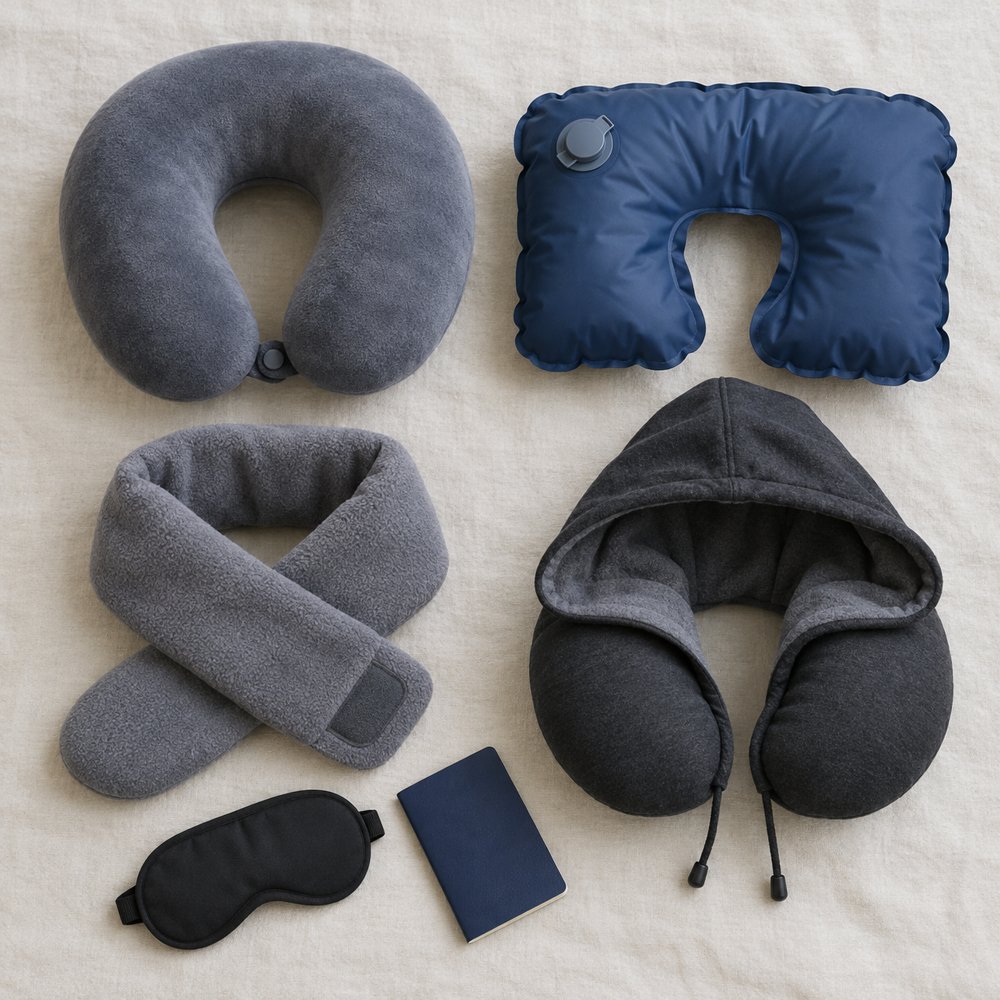
Think about the last time you dozed off in a car or on a plane. Did your head tip to one side, toward the window or your neighbor? Or did it fall forward? Side-sleepers do well with most U-shaped pillows, especially with the thicker side turned toward the direction they lean. Forward-droppers need something that supports the chin or holds the head back against the seat.
Seat position matters too. A window seat gives you a wall to lean against, which makes almost any pillow work better. In a middle or aisle seat, you are relying entirely on the pillow, so structure matters more.
Memory foam pillows with chin support
Memory foam is the most common filling. It molds to your neck and holds its shape, which keeps support steady through a long flight. The trade-off is bulk. Even compressible foam pillows take up space, though most clip onto a bag strap.
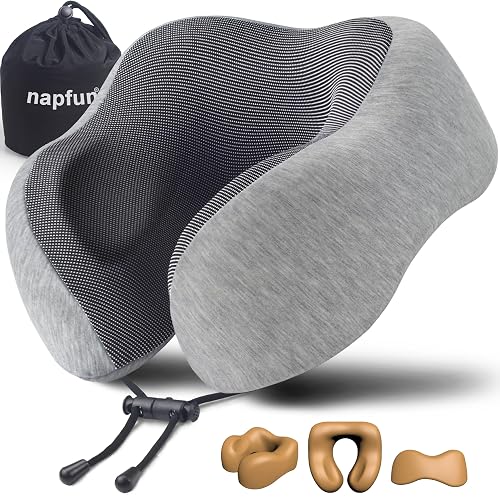
CHIN SUPPORT TRAVEL NECK PILLOW - This airplane pillow can better wrap your neck and free your chin, prevents the head from falling forward, relieves neck pain during travel.
NECK PILLOW FOR TRAVEL...
The napfun neck pillow is one of the top sellers in the category. It is made from memory foam and shaped to wrap the neck while leaving the chin free, which helps keep your head from falling forward. It works in planes, cars, trains, and buses, and it is a good first pillow for people who have only used the soft, beanbag kind before.
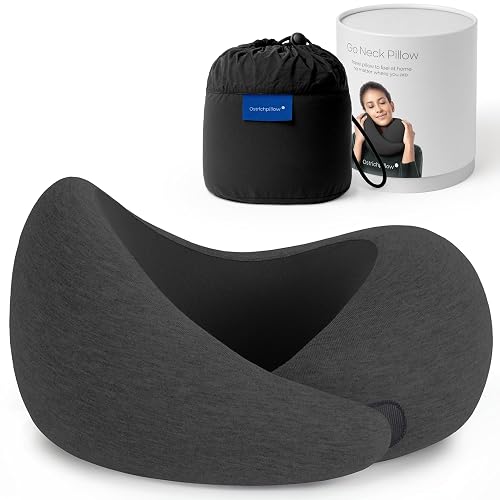
PREMIUM COMFORT: Experience a new level of relaxation with our high-density BASF memory foam. It molds seamlessly to your neck, providing optimal support and neck alignment while traveling.
360º ER...
Ostrichpillow Go uses high-density memory foam with a 360-degree design and a hook-and-loop closure, so you can tighten it around your neck until it holds your chin in place. It has an asymmetric shape, meaning one side is thicker for leaning. The cover is soft and stretchy, and the fit is snugger than a classic U.
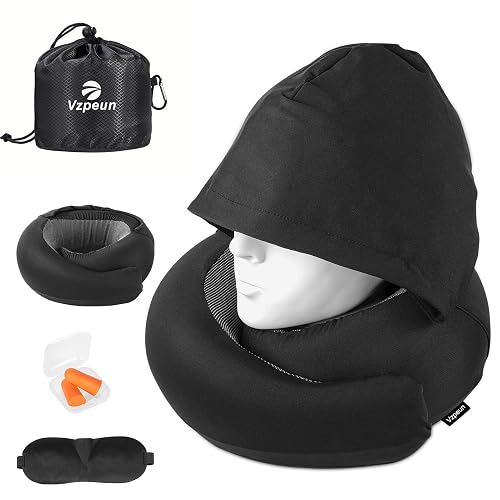
360° ADJUSTABLE NECK SUPPORT - The adjustable hook-and-loop closure lets you customize the fit for comfortable support around your neck and chin. Its wraparound design helps reduce head movement an...
A hooded pillow adds one more trick. The attached hood blocks light and gives a bit of privacy in a crowded cabin. This one has memory foam filling and an adjustable closure for a fit around the neck and chin. It is a good choice for people who struggle to sleep with cabin lights or a window shade someone else controls.
Pillows that attach to the seat
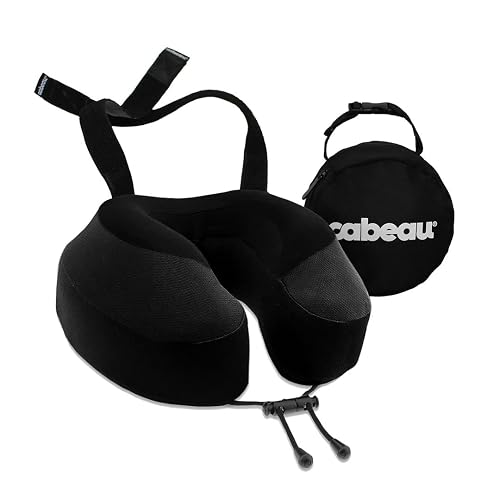
AWARD-WINNING COMFORT & PAIN RELIEF: Featured in CNN & Travel + Leisure as the #1 travel pillow 7 years running. Dual-density memory foam prevents neck pain and stiffness on long flights, car rides...
The Cabeau Evolution S3 uses dual-density memory foam and a patented strap system that attaches to the seat headrest. The straps hold the pillow and your head against the seat, which is the most direct fix for head bobbing. The strap system works on almost any seat, including cars and office chairs, so it is useful beyond flights. It is bulkier than most options here, but many long-haul travelers think the straps are worth it.
Wraparound braces
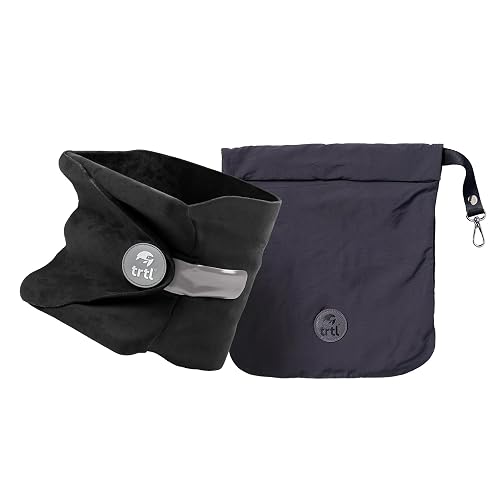
Scientifically Proven Neck Support: The ultimate travel neck pillow for keeping your head in a comfortable, upright position on planes, trains, and road trips. Our patented support-first system pre...
Trtl takes a very different approach. Instead of a ring of foam, it is a soft fleece wrap with an internal support frame that holds your head upright. You wrap it around your neck like a scarf and fasten it, with the support on the side you lean toward. It is much smaller and lighter than foam pillows, which frequent travelers love. Some people find it takes a flight or two to get used to.
Inflatable pillows for light packers
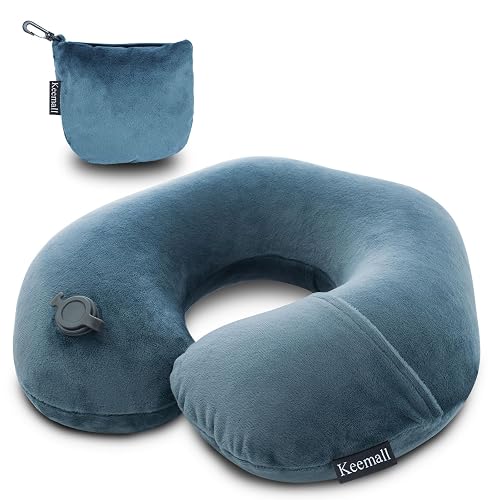
ღ TWO-BREATH INFLATION - A unique one-way air valve system allows you to inflate the travel pillow in 3 breaths. Deflating is just as easy; simply press the inner flap to quickly deflate or adjust ...
If bag space is the main concern, an inflatable pillow folds down to almost nothing. The Keemall pillow uses a one-way valve, so it inflates with a few breaths, and you press an inner flap to let air out or soften it. The micro-velvet cover comes off for washing. Inflatables are less plush than foam, but you can set the firmness exactly, and that alone makes them worth trying.
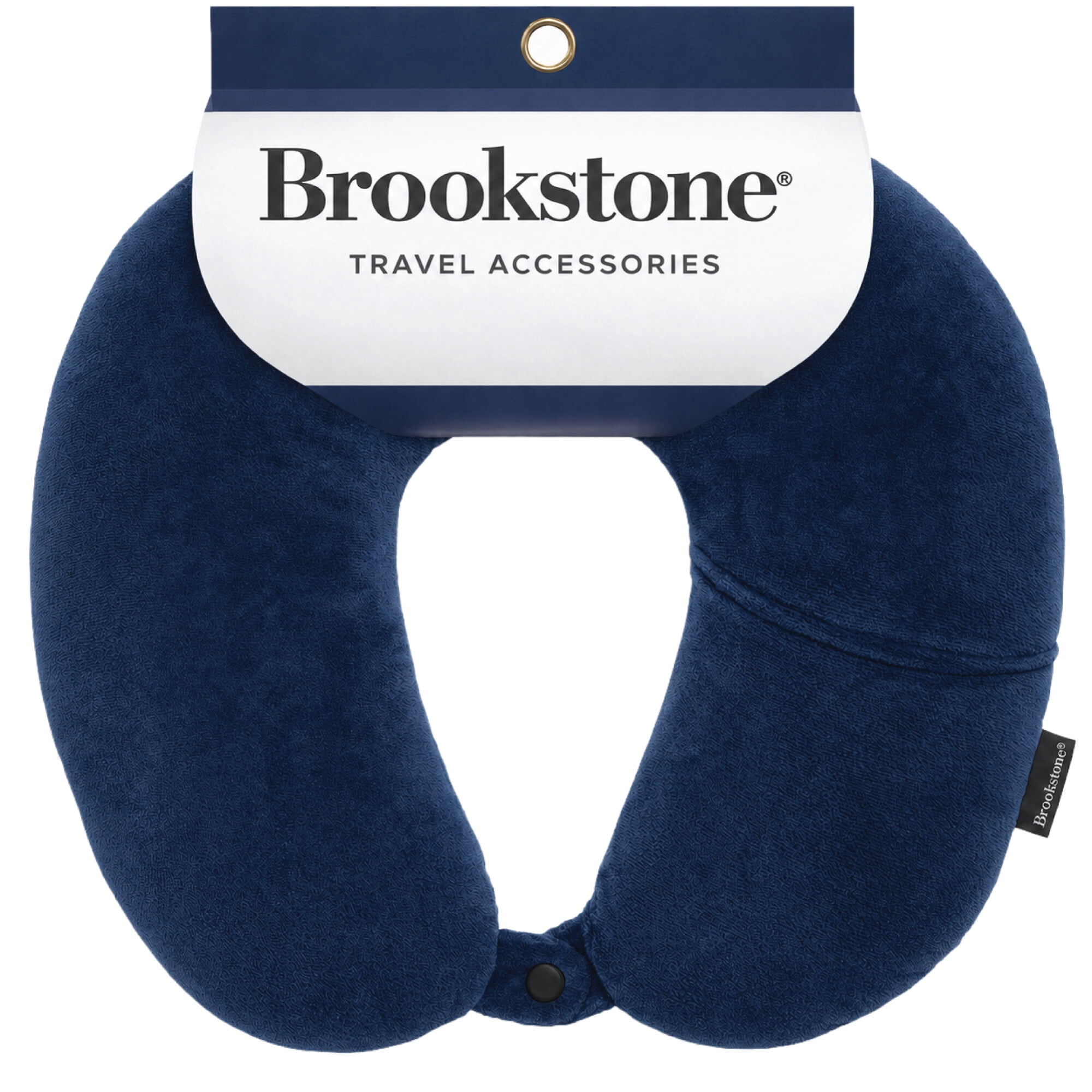
Light microbead pillow. If you want something between foam and air, the Brookstone microbead pillow weighs only a few ounces and uses a U-shape filled with tiny beads that shift to fit your neck. A snap closure lets you clip it to a bag strap.
Basic foam pillow for last-minute trips. The Protege memory foam neck pillow is a simple U-shape with a soft fleece knit cover. It is an easy pick if you are leaving tomorrow and just need something better than a rolled-up jacket.
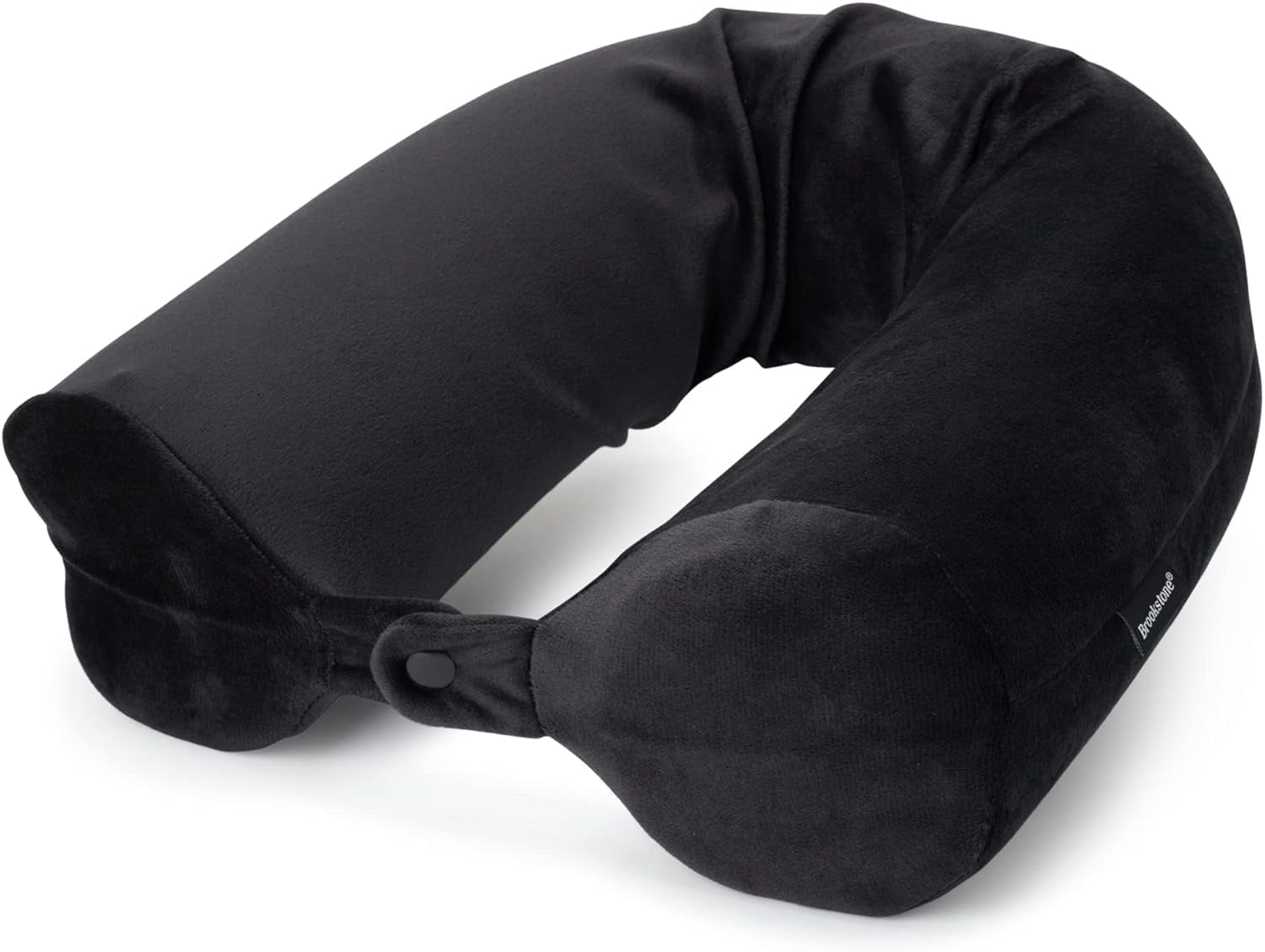
A pillow that bends into shape. Brookstone's adjustable memory foam pillow can be bent to support your neck, chin, or head, and it doubles as a lumbar cushion for your lower back on long drives.
Road trips, trains, and kids
Car passengers usually have it easier than plane passengers, since car seats recline further and the headrest sits closer. A U-shaped pillow is often enough. For drivers, skip the pillow entirely while the car is moving. It can push your head forward and limit how far you can turn to check blind spots. Save it for rest stops or when someone else takes the wheel.
Trains fall somewhere in between. Seats are roomier and you can often move around, but the gentle rocking makes it easy to doze off at odd angles. A wrap or chin-support pillow handles that well.
Children need smaller pillows sized for their necks. An adult pillow can push a child's head forward rather than supporting it. Many brands make kid versions, and those are worth the small extra cost on long trips. For babies and toddlers in car seats, NHTSA advises against add-on pillows or inserts unless the car seat maker made or allowed them, since they can affect how the seat protects the child.
What else makes sleeping on a plane easier
A pillow is only part of the setup. An eye mask blocks out screens and cabin light, and earplugs or noise-canceling headphones handle engine noise and crying babies. A light layer or small blanket helps, since cabins often run cold on overnight flights.
Recline if you can, even a little. Sleeping perfectly upright is much harder than sleeping at a slight angle, and most pillows work better when your head has a surface to rest against. If you have a window seat, put the pillow's thicker side toward the wall.
Time your sleep too. On a long flight, try to sleep on the schedule of your destination, which helps with jet lag later. Skip heavy meals and alcohol right before you want to sleep, and drink water, since cabin air is very dry.
Move around on long flights
Comfort is one thing, but long stretches of sitting carry a real health note. The CDC says that anyone traveling more than about four hours, by plane, car, bus, or train, may face a higher risk of blood clots in the legs, known as deep vein thrombosis. The risk is still low for most people, but it goes up with age, recent surgery, pregnancy, and some medical conditions.
The CDC's advice is simple: get up and walk the aisle every so often if you can, and flex and stretch your legs while seated, raising and lowering your heels and toes. That means a great pillow should not keep you asleep in one position for the entire trip. Wake up now and then, move, and then settle back in. If you have risk factors, ask your doctor about compression stockings or other steps before a long trip.
Caring for your pillow
Travel pillows spend hours against your skin and hair, often in crowded places. Choose one with a removable, washable cover and wash it after every few trips. Memory foam cores usually should not go in the washer, so spot clean them and let them air out. Inflatables can be wiped down and dried before you pack them away.
Keep the pillow in its bag or a clean pouch when it is not in use, especially if it clips to the outside of your luggage. It will stay cleaner and last longer.
Which one to pick
If your head tips sideways, a memory foam U-shape with a thicker side is enough. If your head drops forward, look for chin support, a seat strap, or a wraparound brace. If packing light is the priority, start with an inflatable or a wrap. And if light keeps you awake, a hooded pillow solves two problems at once.
Whatever you choose, test it at home in a chair before your trip. Ten minutes on the couch tells you more about fit than any product photo.
The responses below are not provided, commissioned, reviewed, approved, or otherwise endorsed by any financial entity or advertiser. It is not the advertiser’s responsibility to ensure all posts and/or questions are answered.
For people who sleep leaning on the window, is a wraparound brace better than a U-shaped pillow?