
Last Updated on: Sep 23, 2026
Almost every home project starts with a measurement. Hanging a picture, checking whether a couch will fit through the door, buying a rug, cutting a shelf, ordering blinds: all of it goes smoother with a tape measure you trust. Most people own one, often a hand-me-down from a drawer or a freebie from a hardware store, and only notice how bad it is when the blade flops over halfway across a wall or the lock slips just as you mark a spot.
A good tape measure is cheap, lasts for years, and makes solo measuring much easier. The differences between models come down to length, blade width, standout, the lock, and the markings. Here is what each one means and how to pick the right tape for the jobs you actually do.
Top Tape Measures
What We'll Cover
- Top Tape Measures
- Length: how long does it need to be?
- Blade width and standout
- Locks: self-locking or manual
- Markings that make life easier
- The hook: why it moves
- Case and durability
- What about laser measures?
- Soft tape measures for sewing and body measurements
- Tips for accurate measuring
- Care
- Popular tape measures worth a look
- How to choose
Length: how long does it need to be?
Tape measures come in lengths from a few feet to 35 feet or more. Longer is not always better, since a longer blade means a bigger, heavier case.
- 10 to 16 feet is plenty for most household jobs: furniture, windows, picture frames, and packing. These tapes fit easily in a pocket or a kitchen drawer.
- 25 feet is the most common size and the best all-around choice. It can measure most rooms wall to wall and is still easy to hold.
- 30 to 35 feet suits bigger rooms, decks, fences, and construction work. These tapes are bulkier and heavier.
If you only buy one, a 25-foot tape is hard to beat. If you also want something for the junk drawer or your bag, add a small pocket tape.
Blade width and standout
Standout is how far you can extend the blade straight out in the air before it bends and collapses. It matters a lot when you are measuring alone, such as across a ceiling or from the floor up a wall, since you cannot hold both ends.
Standout mostly comes from blade width and curve. A 1-inch-wide blade with a deep cupped shape stays rigid much farther than a narrow, flat one. Many 25-foot tapes with 1-inch blades list 7 to 11 feet of standout, while smaller pocket tapes may only reach a few feet. If you often work alone, standout is worth paying attention to.
Locks: self-locking or manual
There are two main lock styles.
- Manual locks are the classic kind. The blade retracts freely until you slide a switch to hold it in place. They are quick for taking a series of measurements.
- Self-locking (or auto-lock) tapes hold the blade wherever you stop pulling. You press a button to let it retract. They are handy when you need to hold a measurement while you mark or check it, and they help the blade retract under control.
Either style works well. Self-locking tapes suit people who mostly measure one thing at a time, while many pros like manual locks for speed. Whichever you choose, do not let a long blade snap back into the case at full speed. The hook can whip around and hit your hand, and repeated slamming wears out the hook and spring. Guide it back with a finger.
Markings that make life easier
Look closely at the blade before you buy. Clear markings save time and prevent mistakes.
- Fraction markings print the fraction next to each line, such as 3/8 or 5/16, so you do not have to count small ticks. They are a big help for beginners.
- Stud markings highlight 16-inch intervals, often in red, and some tapes also mark 19.2-inch intervals. These make framing and finding studs easier.
- Dual scales show inches on one edge and centimeters on the other, useful for furniture, sewing, and anything with metric dimensions.
- Both sides printed means you can read the blade from either side, which helps when measuring up a wall or overhead.
The hook: why it moves
The metal hook at the end of the blade is supposed to be a little loose. It slides in and out by the thickness of the hook itself, so measurements are accurate whether you hook it over an edge or push it against a wall. If you tighten it or bend it, your measurements can be off. Some tapes have magnetic hooks that stick to steel studs, pipes, or appliances, which is handy for working alone.
Case and durability
Tape measures get dropped constantly. A rubber overmold on the case protects it from falls and gives a better grip. A belt clip or wrist strap helps keep the tape handy. On the blade itself, a nylon or polyester coating helps it resist wear, dirt, and moisture, and makes markings last longer. If you work outdoors or in a workshop, a coated blade is worth it.
What about laser measures?
Laser distance measures bounce a beam off a wall and show the distance on a screen. They are fast for measuring whole rooms, ceilings, and long spans, and one person can use them easily. They do not replace a tape, though. A laser needs a flat surface to hit, is awkward for short or curved measurements, and does not help you mark a board. Most people who own a laser measure still keep a tape measure close by for everyday jobs.
Soft tape measures for sewing and body measurements
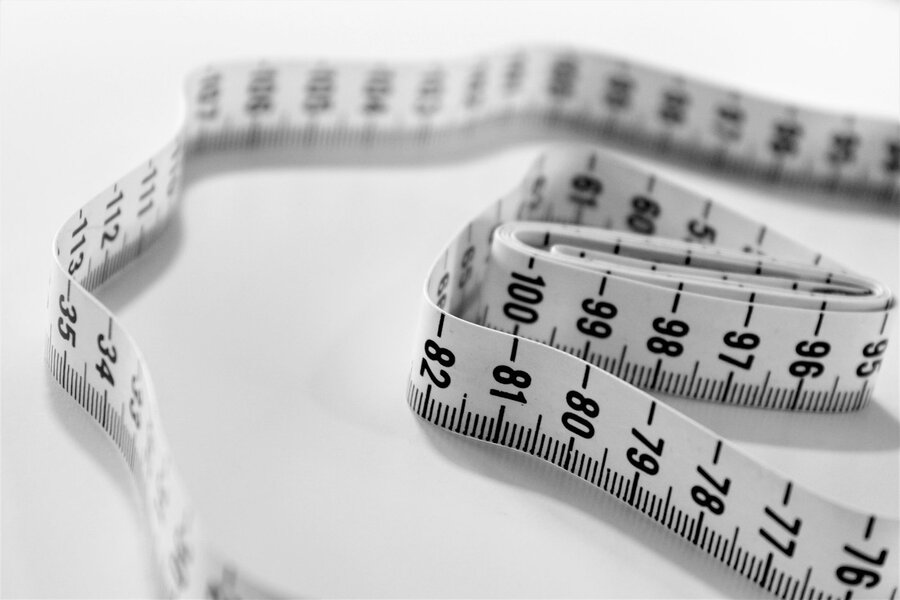
A steel tape is the wrong tool for measuring a waist, an inseam, or a curtain hem. For that, you want a soft, flexible tape, usually 60 inches long, made of fiberglass or vinyl. These are used for sewing, knitting, fitting clothes, and measuring for things like bike helmets or rings. Many people keep one in a sewing kit and another in a kitchen drawer.
Tips for accurate measuring
- Measure twice, cut once. It is an old saying because it works.
- Keep the blade straight and flat. A sagging or angled blade reads long.
- For inside measurements, like the width of a window frame, many tapes list the case length on the back so you can add it to the reading on the blade.
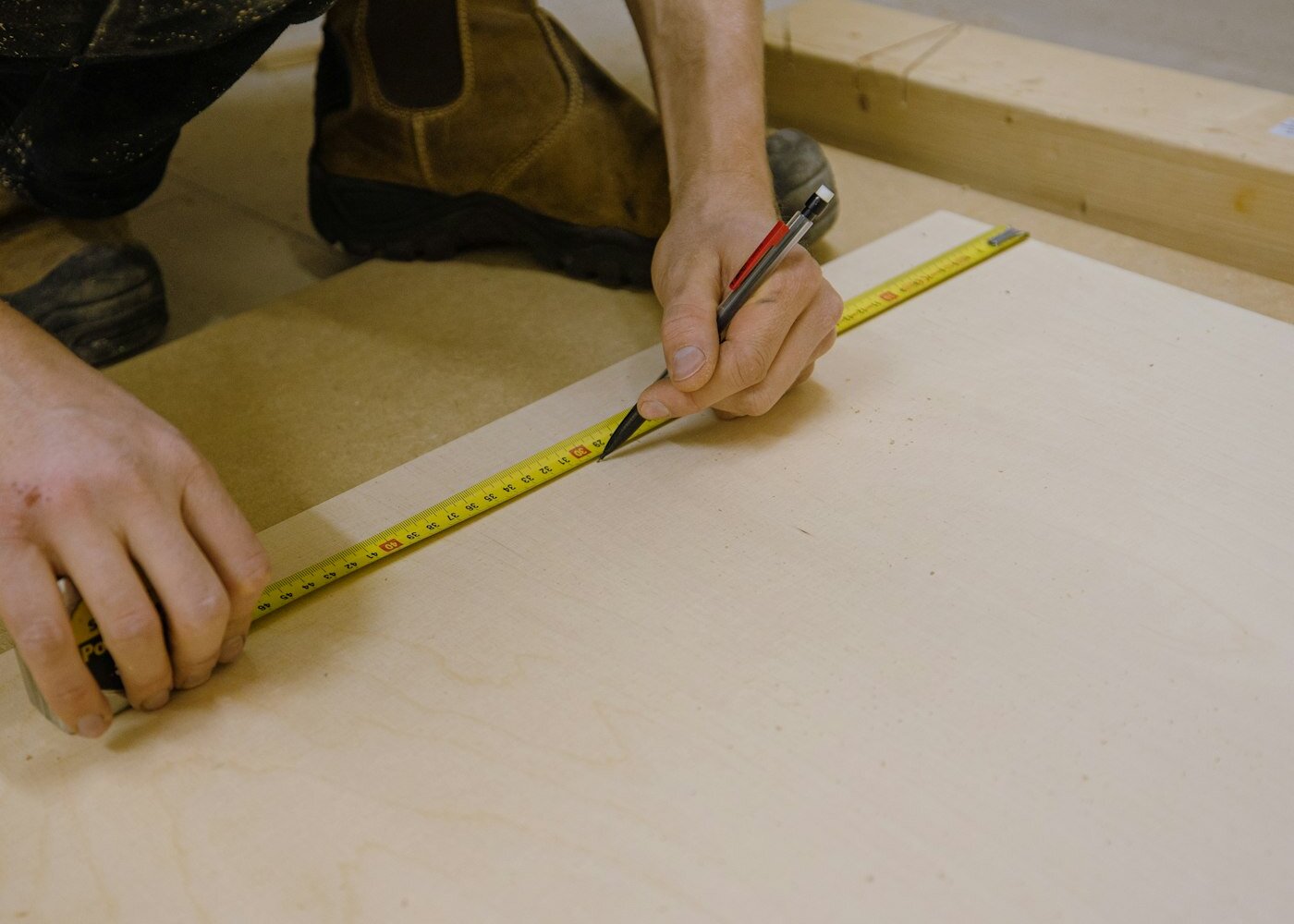
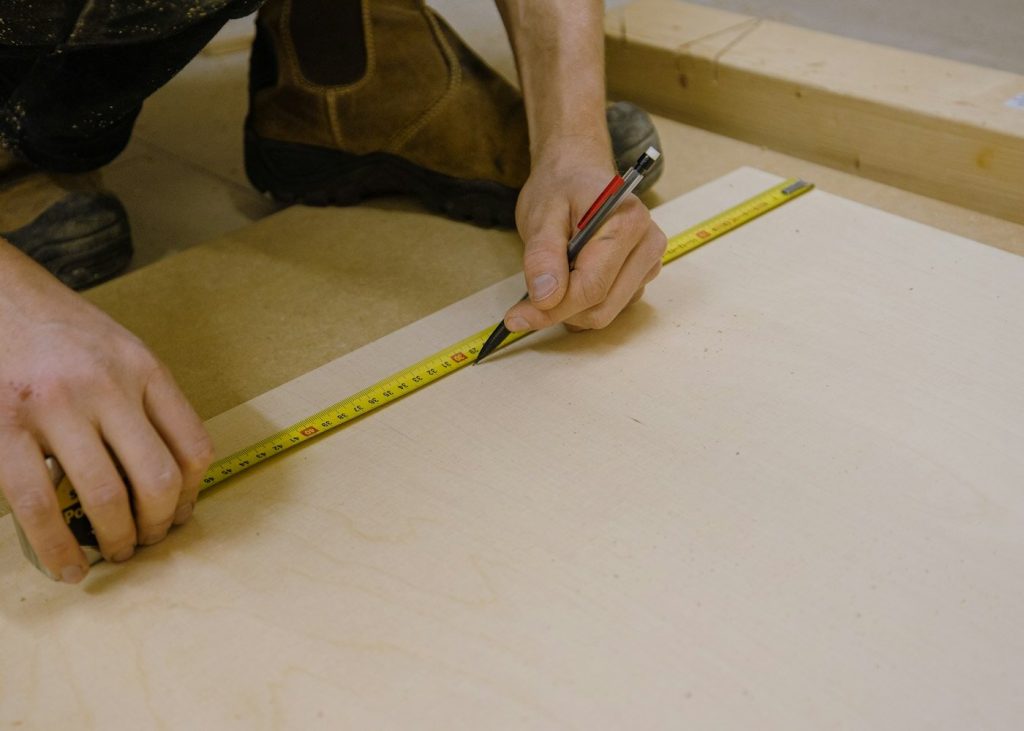
- Mark with a sharp pencil and a small V or line, with the point of the V at the exact spot.
- Use the same tape for all the measurements on one project, since tiny differences between tapes can add up.
Care
Wipe the blade clean if it gets wet or dirty before letting it retract, since grit inside the case can scratch the markings and wear the spring. Store tape measures in a dry place. If a blade gets a kink or a tear, it is time to replace the tape. A damaged blade can give wrong readings and can cut your fingers.
Popular tape measures worth a look
These picks come from the tape measure best-seller list and include 25-foot everyday tapes, a compact 30-foot tape, a pocket tape, and a sewing set.
25-foot tape with fraction markings. A self-locking 25-foot tape with fractions printed on the blade and a rubber overmold for grip.
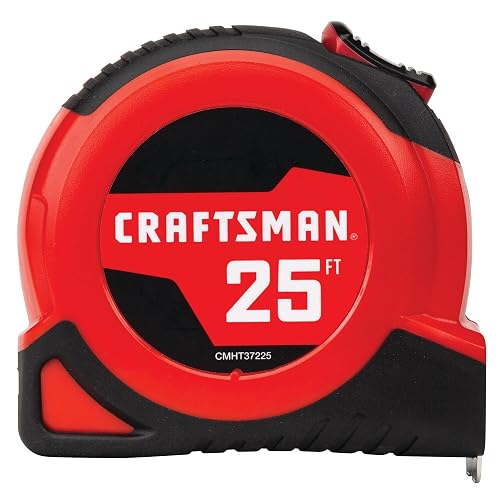
QUICK & EASY MEASUREMENTS: Fractions printed on the blade
ADDED GRIP: Rubber overmold for added grip
Self-locking 25-foot tape with a coated blade. An auto-lock tape that retracts at the push of a button, with a nylon-coated blade, an impact-resistant case, and stud markings every 16 inches.
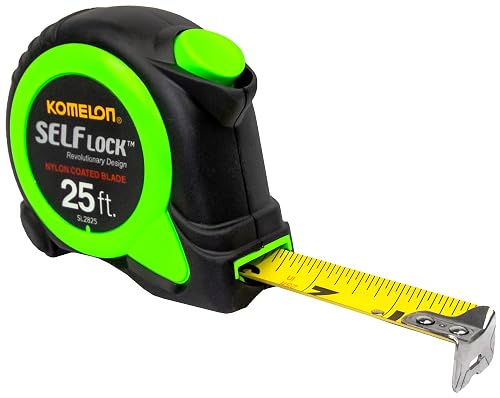
AUTOMATIC LOCK - Self locking mechanism allows blade to lock automatically and retract at the push of a button.
NYLON COATED BLADE - Provides maximum blade protection.
IMPACT RESISTENT CASE - ABS p...
Compact 30-foot tape. A 30-foot tape with a smaller, easier-to-grip case, an integrated finger brake, fractional blade graphics, and a coated blade.
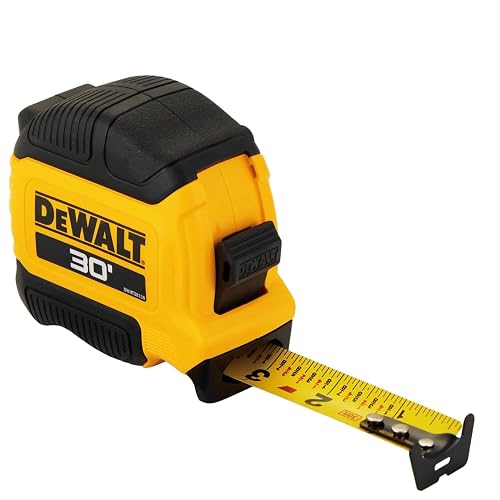
20% more compact grip**: For improved ergonomics and control
Integrated finger brake: For improved blade control
Fractional blade graphics for quick and easy measuring
Durable blade coating for lon...
Two-pack of 25-foot tapes. A pair of 25-foot tapes with about 11 feet of standout, 16-inch and 19.2-inch stud markings, and a top-mounted blade lock. Handy for keeping one in the house and one in the car or garage.
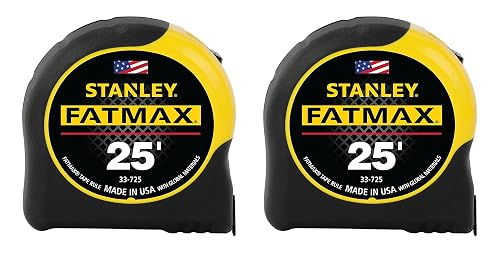
11-foot Standout; 16-inch and 19.2-Inch stud center markings simplify framing jobs
Blade arm our coating on the first 3" maximizes durability of the blade
Mylar polyester film extends life of entir...
Pocket-size 10-foot tape. A small self-locking tape with a dual feet and meters scale, sized for a bag or a junk drawer.
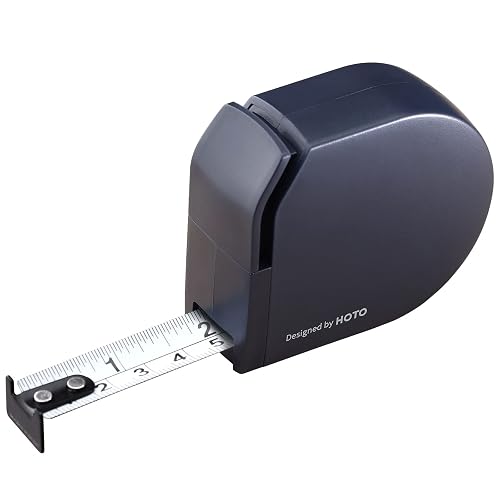
A TOOL THAT LOOKS AS GOOD AS IT WORKS – Designed with HOTO’s signature minimalist aesthetic, this sleek tape measure stands out as one of those cool gadgets for men that actually gets used. Clean l...
Soft tape measures for sewing. A two-pack of 60-inch soft tapes, one flat and one retractable, marked in inches and centimeters.
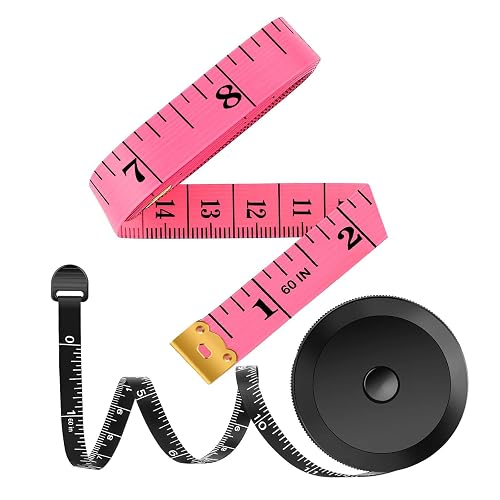
2 Pack Soft Fashion Measuring Tape Set. Double sided, 60 inch / 150 cm, portable,durable tape measure. Small and light pocket size measuring tape.
Easy to Read and Accurate Measurements. The tape m...
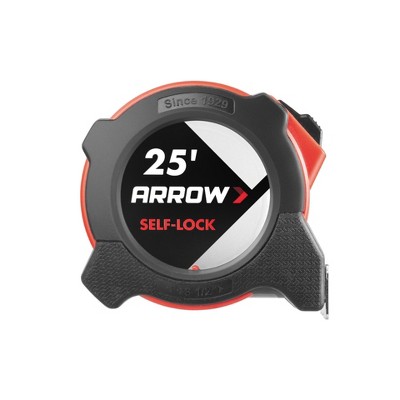
Target carries an Arrow self-lock 25-foot tape with markings printed on both sides of the blade, so you can read it from either side. The maker lists about 7 feet of standout, which is fine for most jobs around the house.
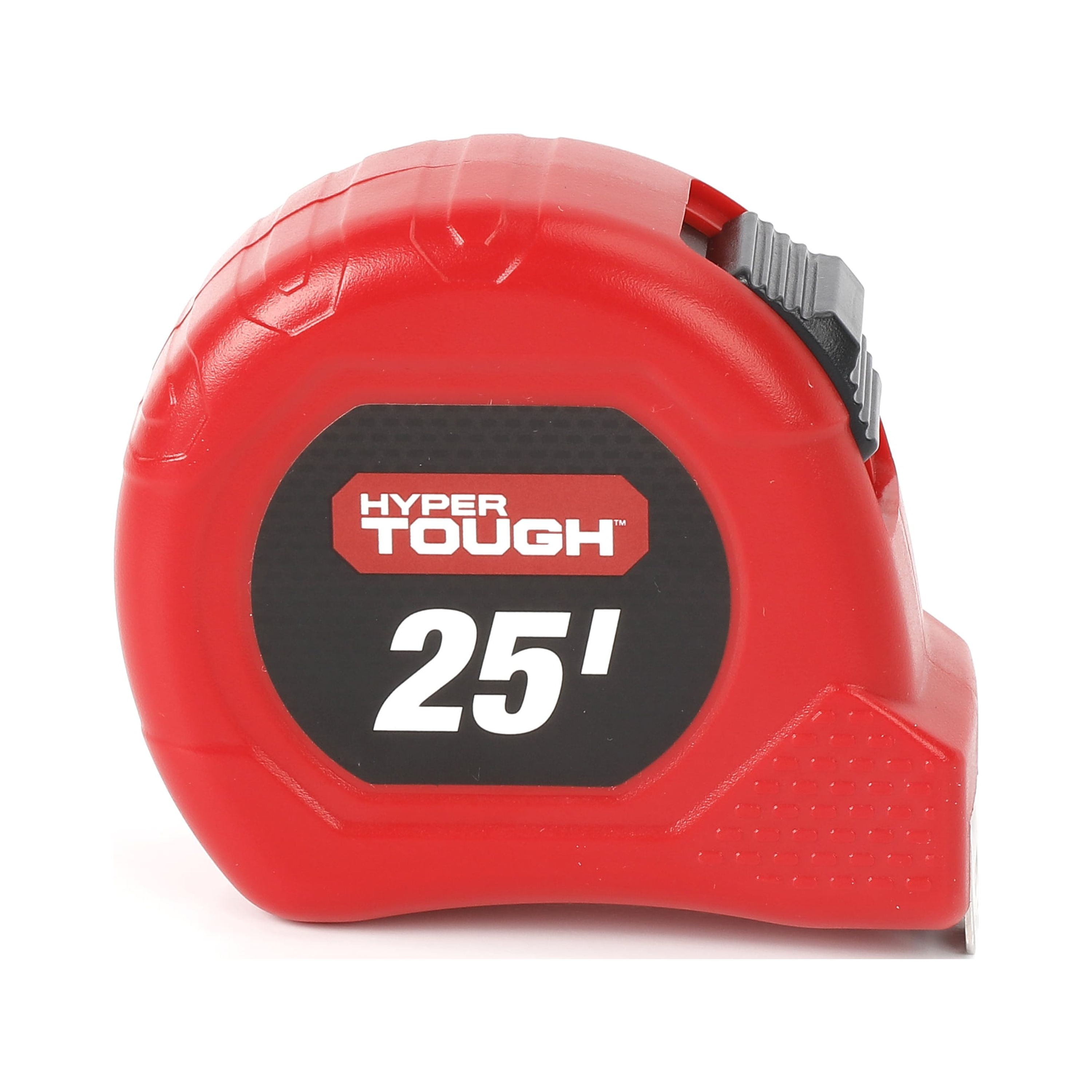
For a spare to keep in a kitchen drawer or the car, Walmart's Hyper Tough 25-foot tape with a nylon-coated blade costs only a few dollars. It will not match a pro tape for standout, but it covers everyday measuring.
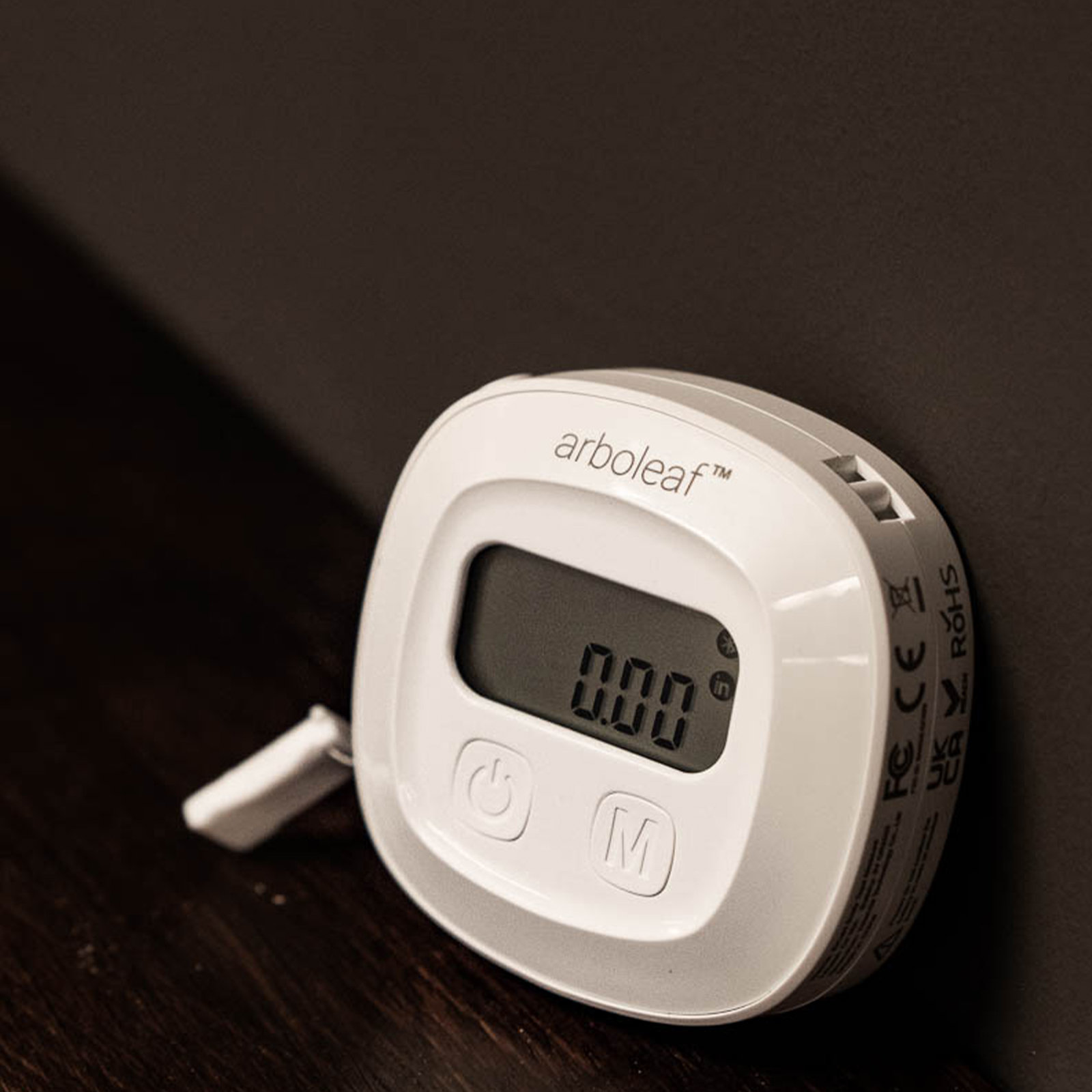
If you track body measurements, Wayfair sells an Arboleaf digital body tape. It measures up to 60 inches, shows the reading on a small screen, locks in place so you can measure yourself, and can save results to a phone app.
How to choose
For most homes, a 25-foot tape with a 1-inch blade, easy-read fractions, and a rubber case covers nearly everything. If you do bigger projects, step up to 30 feet. Add a small pocket tape for everyday odds and ends, and a soft tape for sewing and body measurements. Guide the blade back gently, keep the hook straight, and a good tape measure will last for years.
The responses below are not provided, commissioned, reviewed, approved, or otherwise endorsed by any financial entity or advertiser. It is not the advertiser’s responsibility to ensure all posts and/or questions are answered.
I keep a small 10 foot one in my jacket pocket for furniture shopping. Saves a lot of guessing.
The 19.2 inch marks finally make sense now. Thanks for explaining those.
Never knew the hook was supposed to slide. I almost bent mine back thinking it was broken.