
Last Updated on: Aug 25, 2026
What We'll Cover
Walk into any gym and you will find someone on the floor, slowly rolling their legs over a foam tube and making faces. Foam rollers have moved from physical therapy clinics into living rooms, and they now sit near the top of the fitness best-seller lists year after year.
They are cheap, simple, and last for years, but the choices can be confusing. Soft or firm? Smooth or bumpy? Long, short, or half round? The right roller depends on what you want it for, how sensitive your muscles are, and where you plan to use it.
Top Foam Rollers
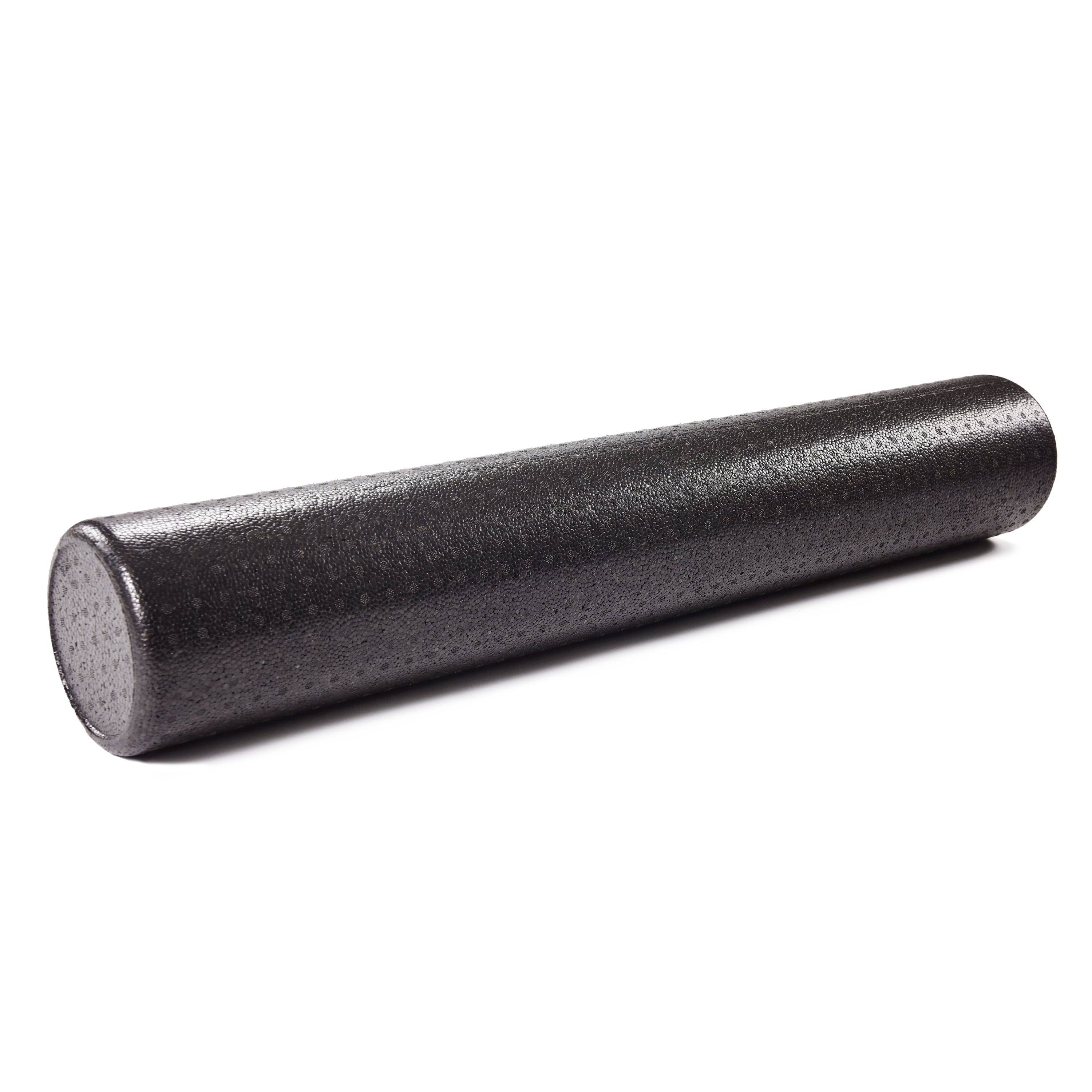
What a foam roller is for
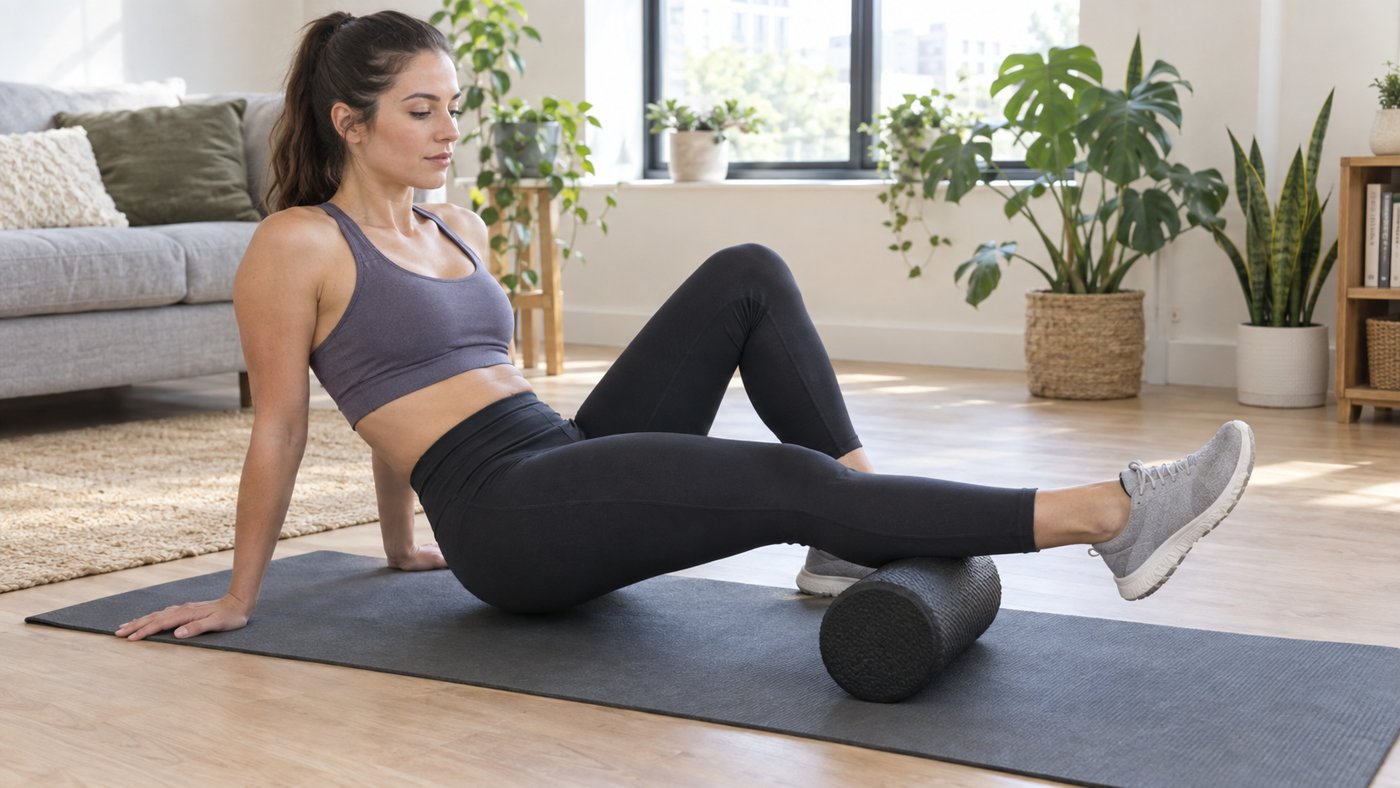
Foam rolling is a form of self-massage. You use your body weight to press a muscle into the roller and move slowly back and forth. Most people use it to warm up before a workout, to ease tightness after one, or to loosen up after long hours at a desk. Many people simply find that it feels good and helps them move more easily.
It is not a replacement for medical care. If you have an injury, sharp pain, numbness, or a health condition that affects your bones, blood vessels, or nerves, talk to a doctor or physical therapist before you start. A roller should feel like firm pressure, not pain.
Density: start softer than you think
Density is the biggest choice. Soft rollers give a gentle massage and are a good starting point for beginners, older adults, and anyone with sensitive muscles. Medium rollers suit most people once they get used to rolling. Firm or high-density rollers apply deep pressure and hold their shape under heavy use, which experienced athletes often prefer.
A common mistake is buying the firmest roller on the shelf and then avoiding it because it hurts. You will get more benefit from a roller you use every day than one that sits in the closet. You can always add a firmer one later.
Size and shape
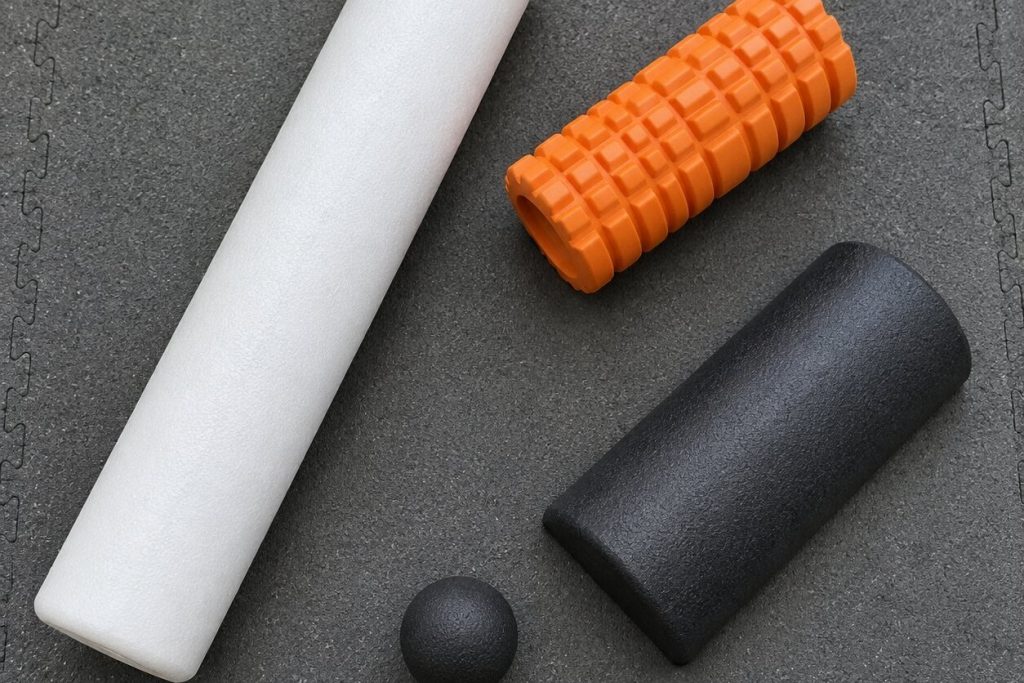
| Shape | Typical size | Good for |
|---|---|---|
| Long round | 36 inches | Back, stretching, Pilates, balance work |
| Short round | 12 to 18 inches | Legs, travel, small spaces |
| Textured | About 13 inches | Targeted pressure on calves, quads, glutes |
| Half round | 12 to 36 inches | Balance, stretching, stable support |
| Wheel | About 6 inches wide | Upper and middle back |
Long rollers are the most versatile. They are stable enough to lie on lengthwise for stretches and chest-opening exercises, and wide enough to roll both legs at once. Short rollers are easier to store and toss in a gym bag, and they let you focus on one leg at a time.
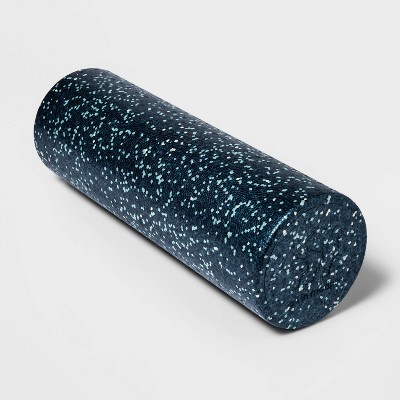
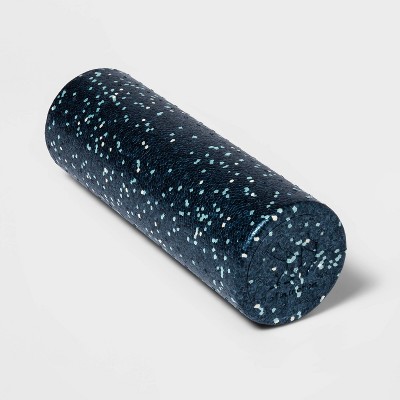
If you want a short roller for a gym bag or suitcase, Target's All In Motion travel roller is 12 inches long and made of EPP foam, the light, closed-cell material many firm rollers use.
Firm and textured rollers
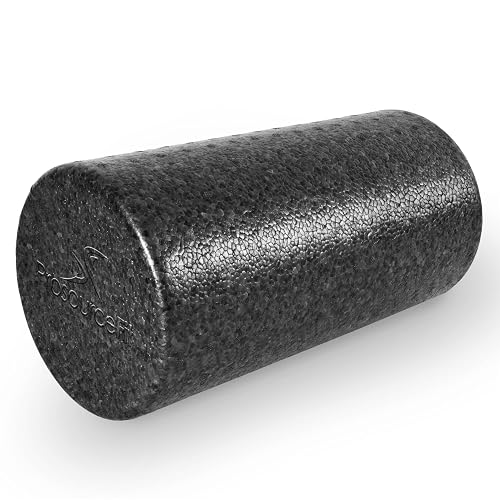
FIRM BACK ROLLER: High-density foam structure provides a deeper massage than a standard foam roll and maintains firmness despite pressure; the 300 LB maximum weight capacity makes it ideal for begi...
The ProsourceFit 12-inch roller is a firm, high-density option at a compact size. It keeps its shape under pressure and is rated for up to 300 pounds. The maker suggests it for the back, legs, neck, calves, IT band, hamstrings, lats, and glutes, as well as Pilates core work and balance training.
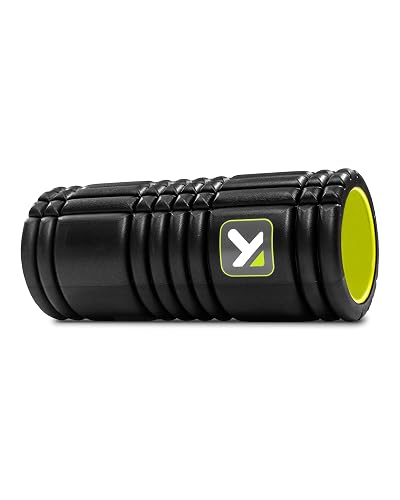
IMPROVE MUSCLE RECOVERY – Multi-density GRID features a three-dimensional surface that provides more efficient muscle recovery by promoting tissue aeration as you roll, while promoting the flow of ...
The TriggerPoint GRID is one of the best-known textured rollers. Its 13-inch surface mixes flat areas, ridges, and nodules in different densities, and the company says the pattern is meant to feel like a massage therapist's hands. You can use the smoother zones for general rolling and the raised areas when you want more focused pressure.
Soft and full-length rollers
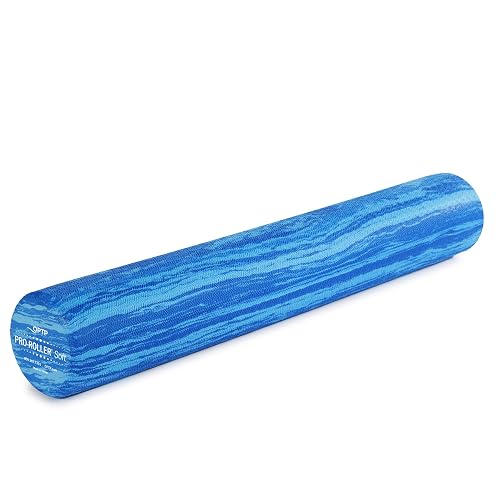
Professional Quality Soft Foam Roller: Made with durable EVA closed-cell soft foam, perfect for use at the gym, studio, clinic or at home. It's easy to wipe clean, unlike more common open-cell foam...
OPTP is a name you will see in many physical therapy clinics. This PRO-Roller in soft density is 36 inches long and 6 inches wide, made from closed-cell EVA foam that wipes clean easily. The soft foam makes it a good first roller and a comfortable base for back exercises, Pilates, and balance work.
If you like the full 36-inch length but want something firmer than soft foam, the Athletic Works high-density roller is 36 by 6 inches. It is a good second roller once a soft one starts to feel too easy.
For a budget pick you can grab on a store run, Target carries an 18-inch high-density roller in its own All In Motion line, made from EPP foam.
How to roll
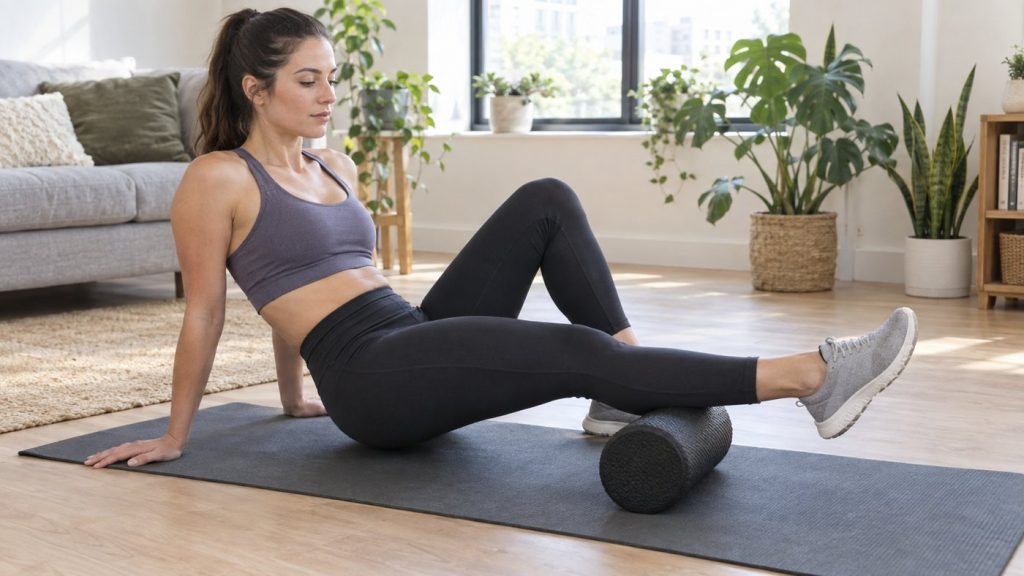
Move slowly, about an inch per second. Rolling fast feels like you are doing a lot, but it mostly just bounces you around. When you find a tight spot, pause and breathe for 20 to 30 seconds, then keep moving. Spend a minute or two on each area rather than 10 minutes on one spot.
Keep your core engaged and use your hands and free leg to control how much weight goes onto the roller. To make it gentler, take some weight off. To make it more intense, stack one leg on top of the other. Avoid rolling directly over joints and bones, like the knee, and be careful around the lower back, where many people do better with a stretch than direct rolling.
For the calves, sit on the floor with the roller under one calf, hands behind you, and lift your hips slightly. For the thighs, lie face down with the roller under your quads and support yourself on your forearms. For the upper back, lie face up with the roller across your shoulder blades, hands behind your head, and lift your hips a little.
When to roll
Before a workout, keep it short and light. A few minutes of rolling on the muscles you are about to use, followed by your normal warm-up, is plenty. The goal is to feel loose and ready, not tired.
After a workout or at the end of the day, you can take more time. Many people like to roll while watching TV, which is an easy way to build the habit. Five to ten minutes covering your calves, thighs, hips, and upper back is a good routine for most people.
If you sit at a desk most of the day, the upper back and hips are good places to start. Lying lengthwise on a long roller with your arms out to the sides for a minute or two can feel like a nice stretch across the chest after hours of leaning toward a screen. Rolling the outer hips and glutes can help too.
Pay attention to how you feel the next day. Some mild tenderness is normal when you start. Bruising, sharp pain, or pain that gets worse means you are pressing too hard or rolling an area you should leave alone. Back off and try a softer roller or less body weight.
Half rollers and back wheels
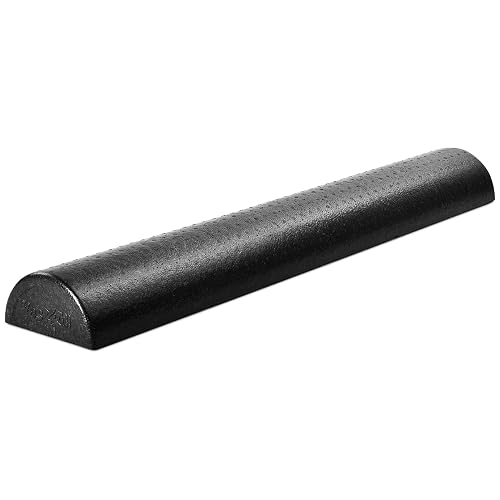
FIRM & DURABLE SUPPORT: Made of high-density EPP foam, this half roller provides steady support for advanced users; Ideal for any stage of your workout with other equipment. Smooth, non-slip, light...
A half roller is flat on one side, so it does not roll away. The Yes4All half roller is made from high-density EPP foam and supports up to about 250 pounds (113 kg). It is useful for balance exercises, Pilates, and stretches where you want support without movement, and it comes in 12, 18, 24, and 36-inch lengths.
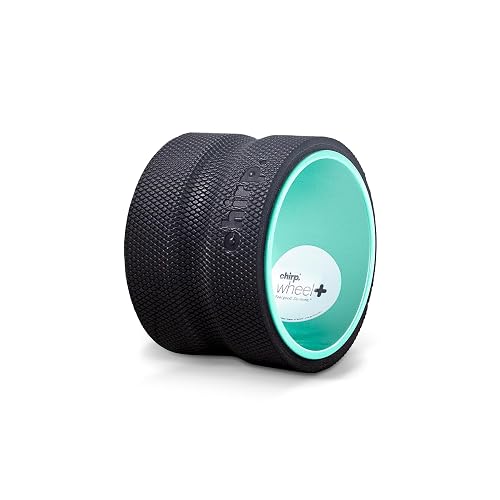
FUNCTIONAL DESIGN WITH DEEP TISSUE RELIEF WITHOUT PRESSURE: Discover the effective muscle relief of the Chirp Wheel Foam Roller. Engineered for deep tissue massage, this foam roller helps reduce ba...
The Chirp Wheel+ takes a different approach for the back. It is a 6-inch wide wheel with a channel down the middle so it presses on the muscles on either side of the spine rather than on the spine itself. Lie back over it and roll slowly along your upper and middle back.
Sets with extra tools
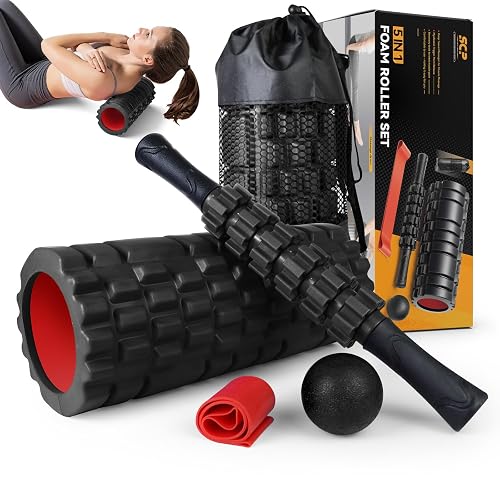
【5 in 1 Deep Tissue Muscle Massage Set】 Package includes 1 hollow foam roller(13"*5"), 1 muscle roller yoga Stick(15"), 1 massage ball(Φ2.5"), 1 stretching band(24"*2"), 1 storage bag
【Relief Muscl...
If you want to try a few tools before settling on one, a kit like this one from SUBCULTUREPICK packs a 13 by 5 inch hollow roller, a 15-inch roller stick, a 2.5-inch massage ball, a stretching band, and a storage bag. The stick is handy for rolling your own legs while sitting, and the ball reaches small spots like the feet and the area around the shoulder blades.
Caring for your roller
Closed-cell foams like EVA and EPP do not soak up sweat, so a quick wipe with a damp cloth and mild soap is enough. Let the roller dry before storing it. Keep it out of hot cars and direct sun, which can warp some foams over time. If a soft roller starts to lose its shape or feels flat in the middle, it is time to replace it.
Which one to pick
If you are new to rolling, start with a soft or medium full-length roller. Once that feels easy, add a firmer or textured roller for your legs. If your main goal is your upper back, a wheel can be more comfortable than a standard roller. And if space is tight, a 12-inch firm roller or a small kit covers most needs. The best roller is the one you keep next to the couch and actually use.
The responses below are not provided, commissioned, reviewed, approved, or otherwise endorsed by any financial entity or advertiser. It is not the advertiser’s responsibility to ensure all posts and/or questions are answered.
Small tip: roll your calves with the other leg stacked on top once the single-leg version feels too easy. Cheaper than buying a firmer roller.
Is it okay to roll the lower back, or should you stick to the upper back and use a ball for the low back instead?