
Last Updated on: Sep 23, 2026
A cooler seems like the simplest thing you can buy. It is a box that keeps things cold. Then you start shopping and find rotomolded chests that cost as much as a small fridge, soft bags that fold flat, backpacks that hold three dozen cans, and wheeled models the size of a coffee table. They all claim days of ice, and they all look about the same in the photos.
What We'll Cover
The right cooler depends less on the brand and more on how you use it. A family that drives to the beach twice a summer needs something very different from a person who camps for a week at a time or brings lunch to a job site every day. This guide covers the main types, what the ice claims really mean, how to pack a cooler so it works, and a few popular models that suit different trips.
Top Coolers
Hard coolers
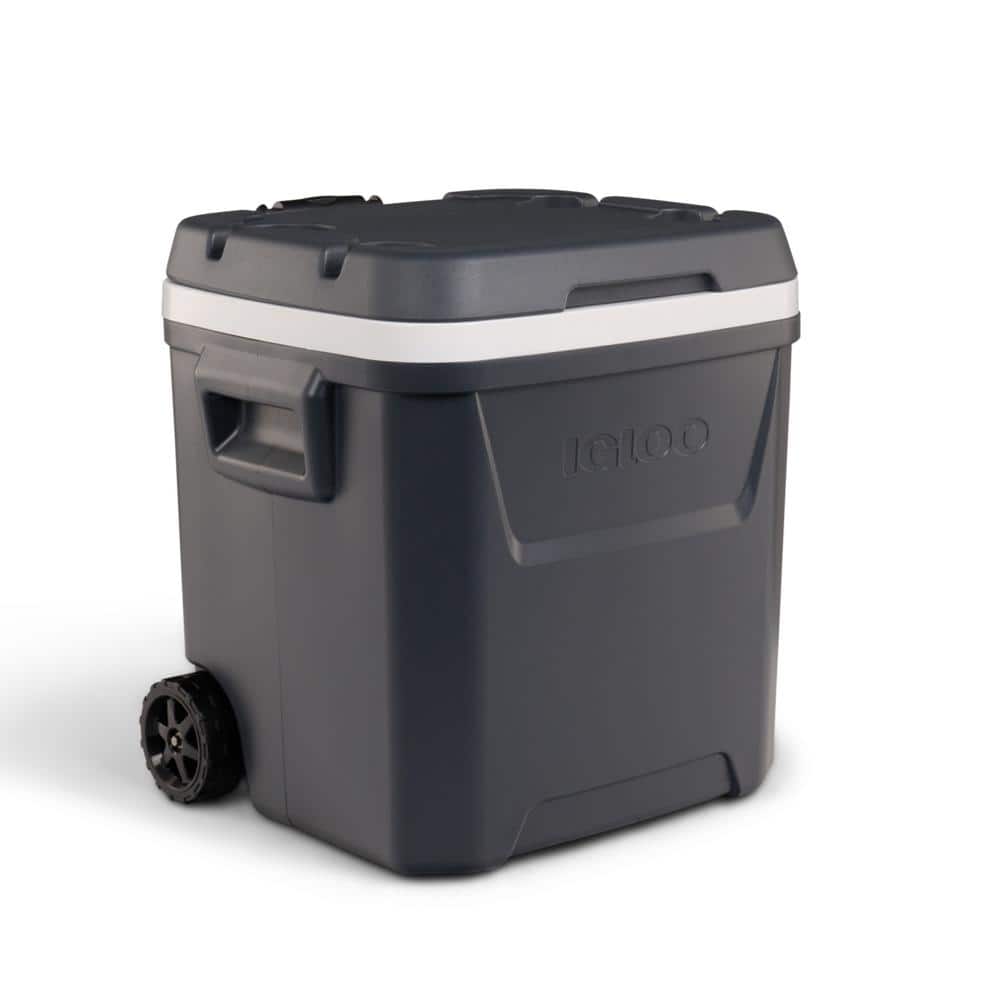
Hard coolers are the classic ice chest: a plastic shell with foam insulation inside the walls and lid. They come in a huge range of sizes, from small personal coolers around 10 to 16 quarts up to large chests over 100 quarts.
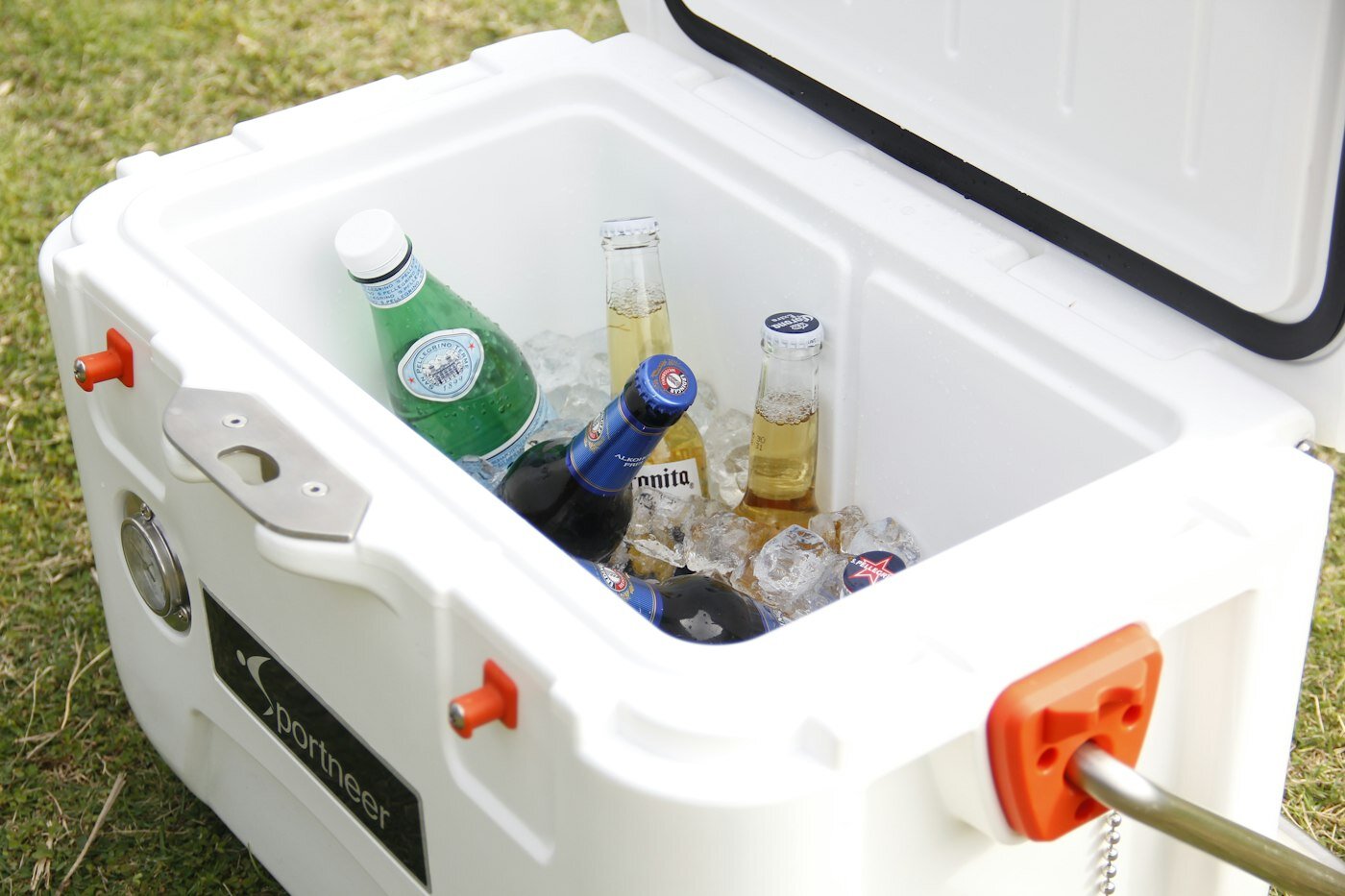
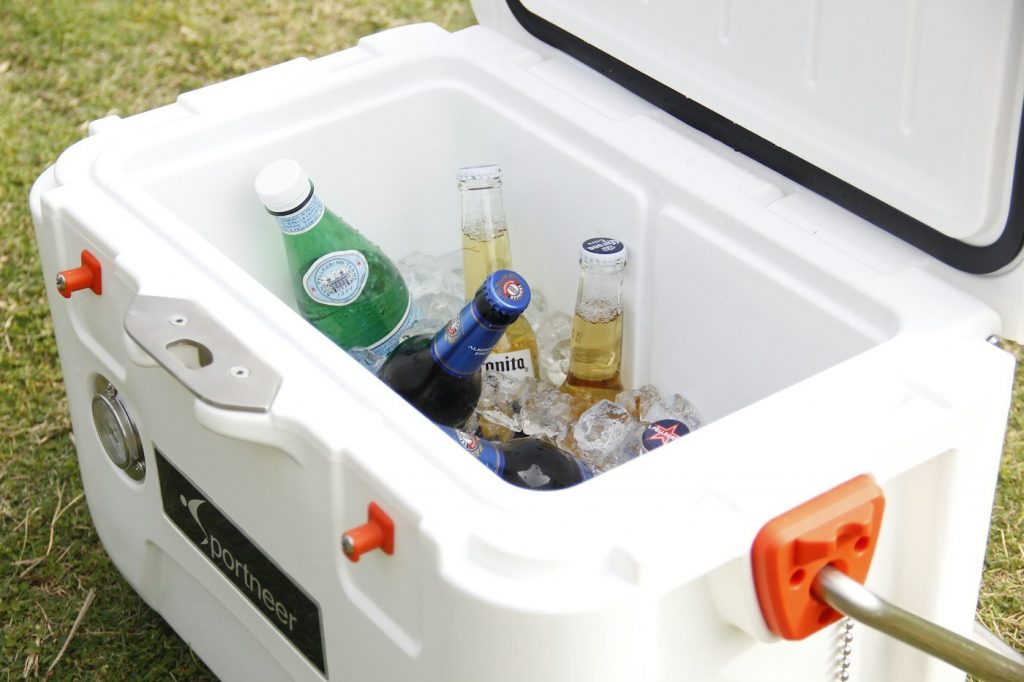
There are two main kinds. Standard hard coolers, the kind most families already own, are light for their size and inexpensive. They hold ice well for a day or a weekend, especially if you keep them in the shade. Rotomolded coolers are made in one seamless piece with thicker walls, heavier latches, and a gasket around the lid. They are much tougher and hold ice longer, but they are also heavy and cost several times more.
The USDA Food Safety and Inspection Service puts it plainly in its guide to food safety while hiking, camping, and boating: foam chests are light and cheap with good cold retention but are fragile, while plastic, fiberglass, or steel coolers are more durable and can take a lot of outdoor wear. It also notes that once filled, larger models may weigh 30 or 40 pounds, which is worth remembering before you buy the biggest one on the shelf.
Soft coolers and cooler bags
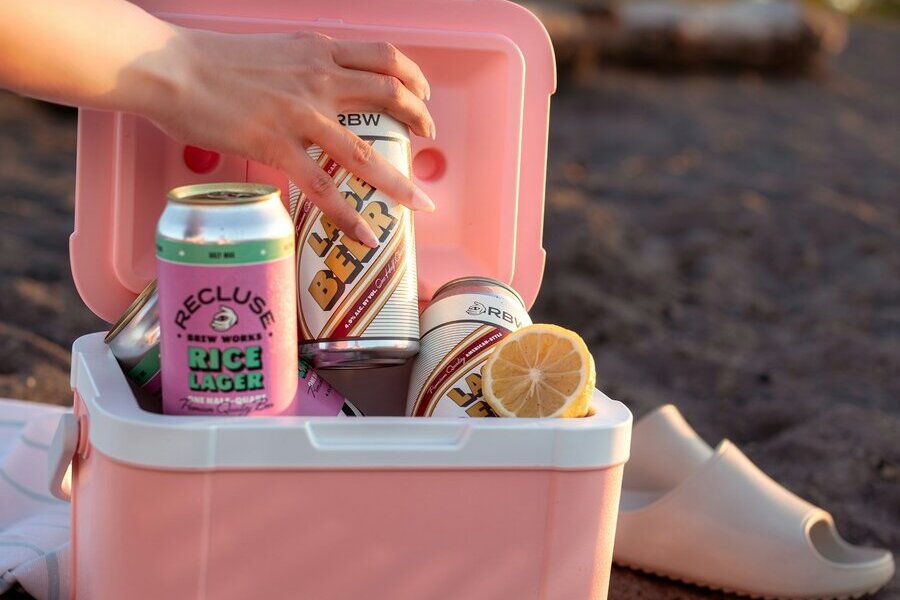
Soft coolers use a fabric shell over a layer of foam and a waterproof liner. They are lighter, easier to carry on a shoulder, and much easier to store, since many fold down or squish into a closet. They are a good fit for picnics, day trips, sports games, and lunches.
The trade-off is ice time. Most soft coolers are made to keep things cold for a day, not a long weekend. Look for a welded, leakproof liner rather than one that is stitched, since stitched seams can drip as the ice melts. Also note that many soft coolers say the zipper itself is not leakproof, so keep them upright.
Backpack coolers
Backpack coolers are soft coolers with shoulder straps and a padded back. They leave both hands free, which is useful when you are also carrying chairs, an umbrella, or a small child to the beach. They work well for hikes, festivals, and parks where you have to walk a fair distance from the car. Most hold somewhere between 20 and 50 cans. They are not ideal for heavy, wet loads over long distances, so pack them with ice packs rather than loose ice.
Wheeled coolers and drink dispensers
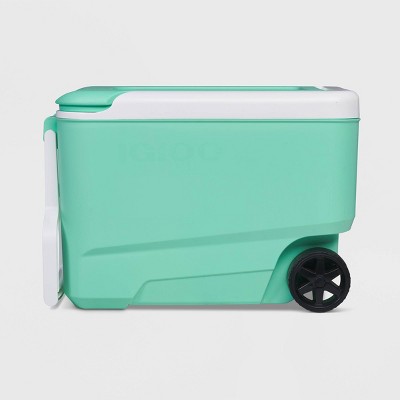
A large cooler full of ice and drinks gets heavy fast. Wheeled models solve that with a tow handle and wheels, and bigger wheels roll much better on sand, gravel, and grass than small plastic ones. They make sense for tailgates, team events, and family beach days where you park in one place and roll to another.
Insulated drink dispensers are another option worth having. A 2- or 5-gallon jug with a spout keeps water or sports drinks cold for a game or a work shift, and it means people are not opening the food cooler every few minutes.
What the ice-retention claims really mean
When a cooler says it keeps ice for five days, that number usually comes from testing under certain conditions, often with the cooler filled with ice, kept closed, and held at a steady temperature. Real trips are harder on a cooler. Direct sun, a hot car trunk, warm drinks going in, and a lid that opens every few minutes all melt ice faster.
Use the claims to compare coolers with each other, not as a promise. A cooler rated for five days will usually outlast one rated for two, but plan on less time than the box says, especially in summer heat.
How to pack a cooler so it stays cold
How you pack a cooler matters as much as which one you buy. The FSIS guidance offers several practical tips:
- Start cold. Refrigerate or freeze food overnight before you leave, and fill the cooler with cold or frozen foods.
- Use block ice when you can. A block of ice keeps food colder for longer than ice cubes. You can freeze clean, empty milk cartons filled with water, or use frozen gel packs.
- Pack in reverse order. The first foods packed should be the last foods used.
- Keep raw meat separate. Ideally, pack raw meat or poultry in a separate cooler. If you have only one, pack it below ready-to-eat foods.
- Use two coolers if you can. One for drinks and snacks and another for more perishable food. The drink cooler gets opened a lot, which lets hot air in and melts the ice faster.
- Keep it shaded. Keep the cooler closed, out of the sun, and covered with a blanket or tarp if possible.
- Keep food dry. Store food in watertight containers so it does not sit in melting ice water.
The same guide reminds readers of the 2-hour rule: perishable food should not sit in the danger zone between 40°F and 140°F for more than 2 hours, and at 90°F or above, food can become dangerous after only 1 hour. It also says leftover food from a cooler is safe only if the cooler still has ice in it. If the ice is gone, throw the leftovers out.
Picking a size
Cooler sizes are listed in quarts or by the number of cans they hold. Can counts are usually measured without ice, so a cooler that says it holds 60 cans will fit far fewer once you add enough ice to keep them cold.
- Personal and lunch coolers (under 16 quarts) suit one person for a day.
- Medium coolers (about 25 to 50 quarts) cover a family day trip or a couple on a weekend.
- Large coolers (over 50 quarts) make sense for groups, longer camping trips, and fishing, but they are heavy once loaded.
A half-empty cooler warms up faster than a full one, so it is better to buy the size you will actually fill. If you only sometimes need a lot of space, a medium hard cooler plus a soft bag for drinks is often more practical than one giant chest.
Care and cleaning
- Drain melted water during the day. Cold water helps a little, but a cooler full of water warms up faster than one full of ice.
- Wash the inside with warm, soapy water after each trip, and wipe the gasket if your cooler has one.
- Let the cooler dry fully with the lid open before storing it, which helps prevent mildew and odors.
- Store soft coolers unzipped so the liner can air out.
Popular coolers to consider
These picks come from the camping cooler best-seller list and include rolling chests, a mid-size hard cooler, soft bags, a backpack, and a small cooler for short trips.
Wheeled hard cooler for big groups. A large rolling chest with six-inch all-terrain wheels and a tow handle. The maker says it keeps ice up to five days at up to 90°F and holds up to 167 cans without ice, and the lid can double as a seat.
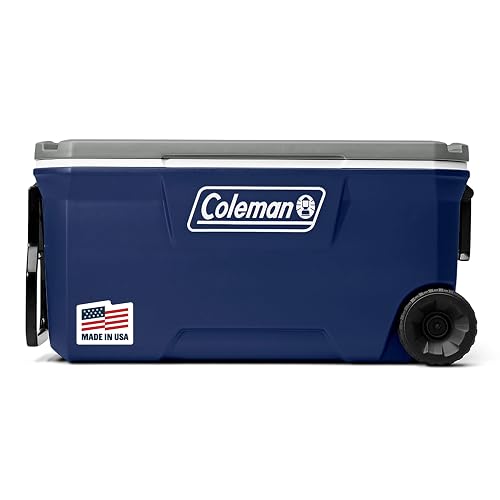
KEEPS ICE UP TO 5 DAYS – Fully insulated lid and body maintain ice in temperatures up to 90°F, keeping food and drinks cold from the first day through the end of your trip.
HOLDS 167 CANS – Fits up...
Mid-size hard cooler. A 30-quart hard cooler with a large-grip bail handle for one-handed carrying. The maker says it holds up to 25 cans with 15 pounds of ice.
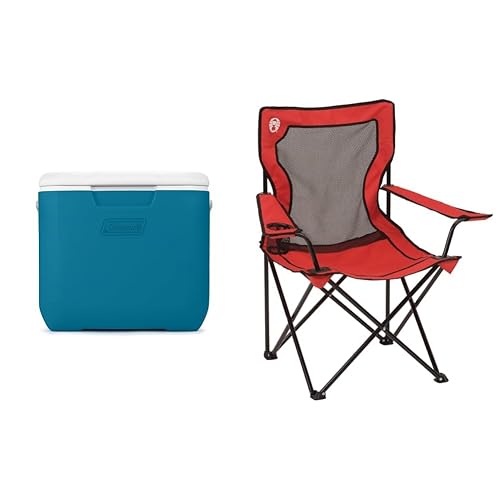
Product 1: ICE RETENTION: TempLock insulation keeps drinks ice cold
Product 1: PORTABLE: Large-grip bail handle makes the cooler easy to carry with one hand
Product 1: QUICK-CLEAN TOP: Smoother sur...
Backpack cooler for 33 cans. A backpack cooler with two insulated compartments, a leakproof liner, and padded straps. The maker notes that the zipper is not leakproof, so it should stay upright.
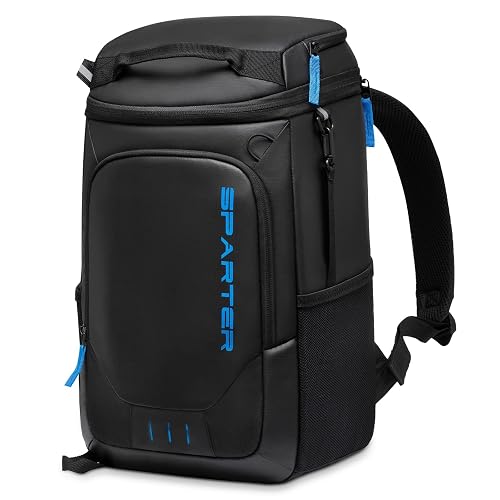
20 Hours Retention: Sparter backpack cooler is insulated with thickened 8 mm foam, together with advanced silver PEVA seal to keep beverages cool up to 20 Hours throughout the day for beach picnic,...
Large soft cooler bag. A lightweight soft cooler with five layers of insulation, a flip-top opening, and a welded inner liner, sold in sizes up to 75 cans.
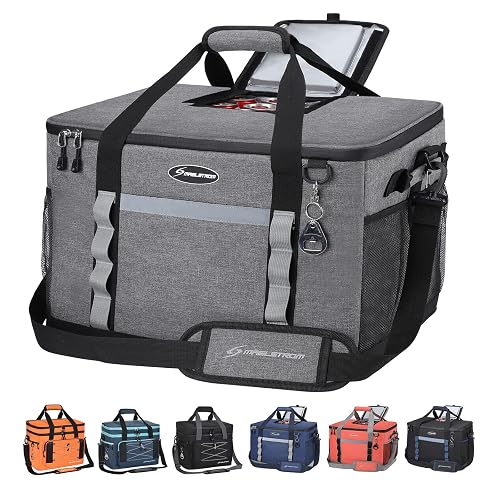
Ultra-Large Capacity, Lightweight Build:Only 1.65 lbs! Holds 75 cans + 2-4 ice packs for long cold retention. Fits food, fruits, beers, meats & seafood—ideal for camping, hiking, picnics & BBQs, ca...
Lunch-box style soft cooler. A 30-can soft cooler with a hinged "doctor's bag" top and a detachable shoulder strap. The maker says it keeps food and drinks chilled for up to 12 hours.
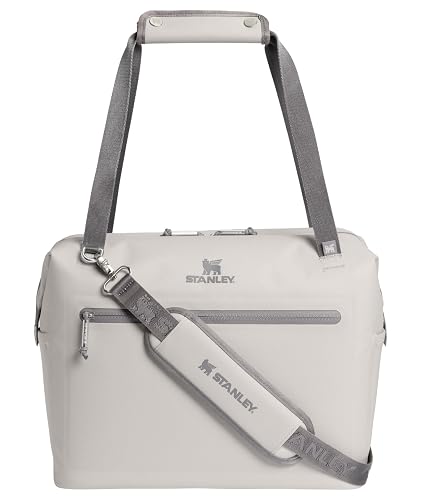
COMPACT CAPACITY: Pack up to 10 cans in this Stanley soft cooler bag for a full day of refreshment. The insulated lunch bag keeps food and drinks chilled for hours, so you can enjoy cool treats fro...
At Target, Igloo's Wheelie Cool is a 38-quart rolling cooler that holds 53 cans. It has wheels, a reinforced tow handle, and molded side handles, and it costs far less than most premium rollers.
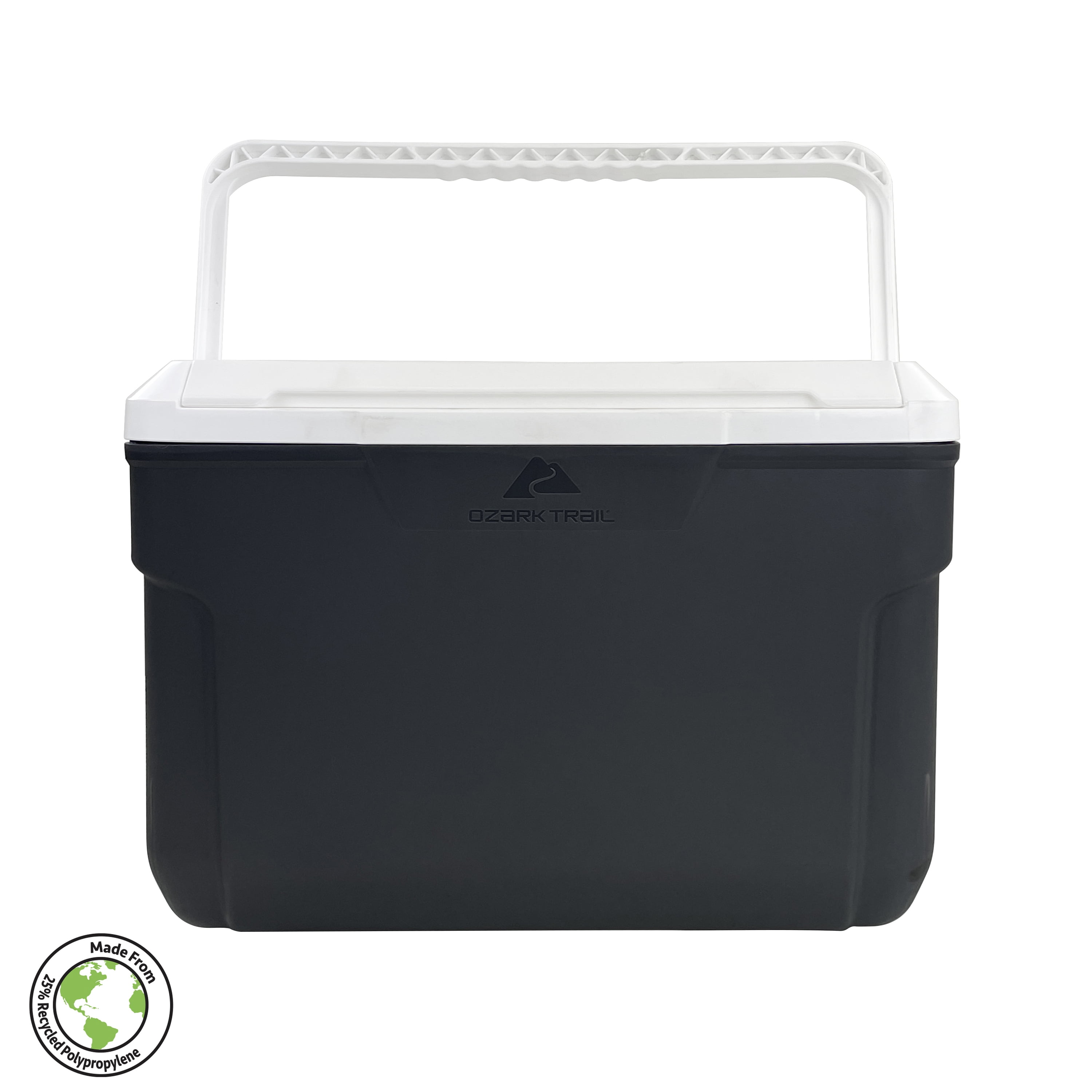
Walmart's Ozark Trail 10-quart hard cooler holds 14 cans. It is a cheap, light pick for a lunch, a short drive, or a spare drinks cooler at the beach.
For tailgates and family trips, Home Depot carries the Igloo Cool 60-quart roller. Oversized wheels make it easier to pull a full load across a parking lot or a campground.
How to choose
For beach days and picnics, a soft cooler or backpack is usually enough and much easier to carry. For car camping, fishing, or anything longer than a day, a hard cooler earns its weight. If you haul a lot of drinks or park far from where you set up, get wheels. And whatever you choose, pack it cold, keep it shaded, and add a second small cooler for drinks. Those habits will do more for your ice than any label on the box.
The responses below are not provided, commissioned, reviewed, approved, or otherwise endorsed by any financial entity or advertiser. It is not the advertiser’s responsibility to ensure all posts and/or questions are answered.
Keeping drinks in a separate cooler from food is the tip I needed. The kids open the drinks one every five minutes.
Block ice on the bottom and cubes on top is what my dad always did. Nice to see there's a reason for it.
Pre-chilling the cooler the night before is such an easy fix. We did it for a weekend at the lake and still had ice on day two.