
Last Updated on: Jul 27, 2026
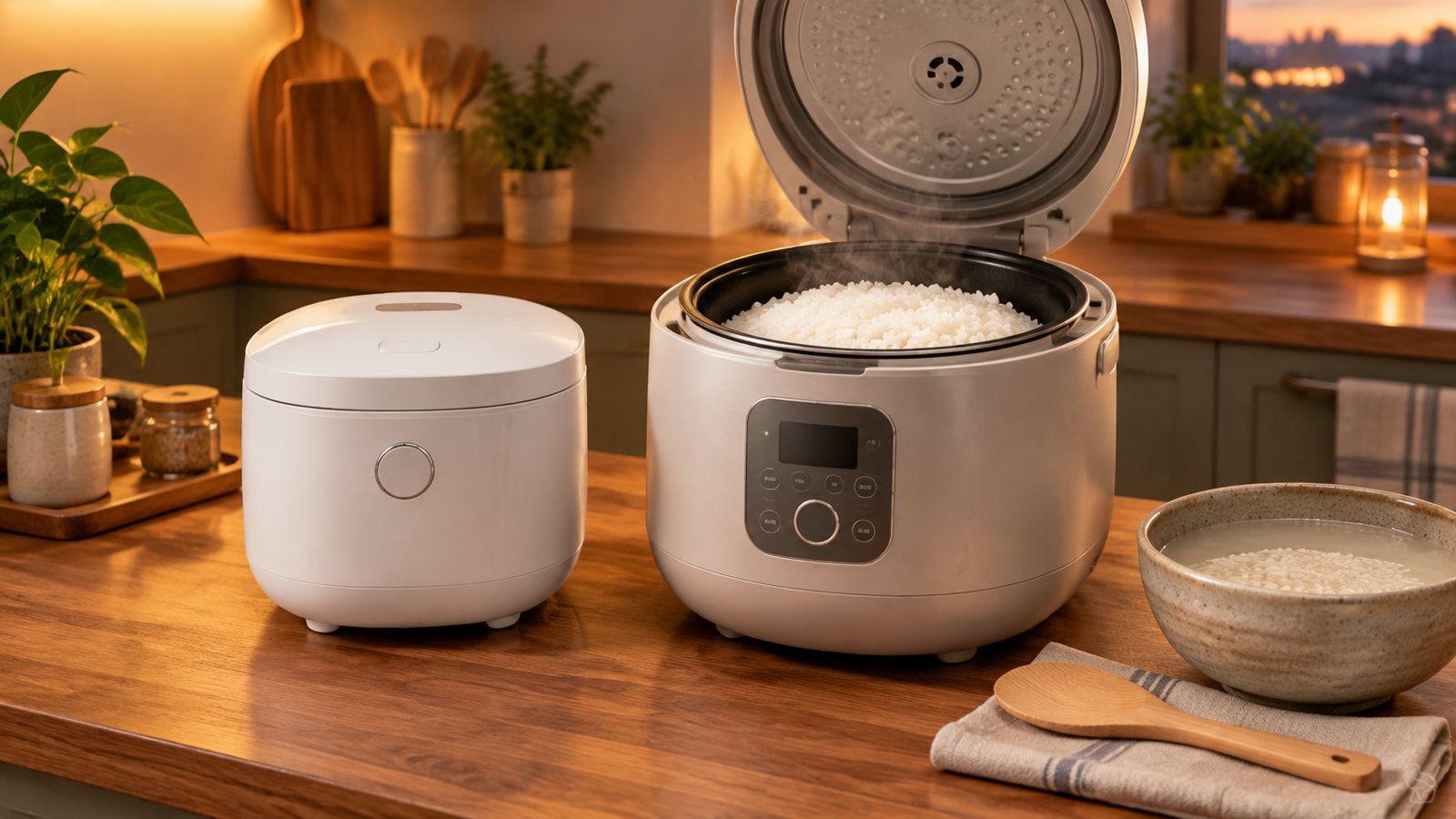
A rice cooker is one of the few kitchen appliances that does one job and does it without supervision. You add rice and water, press a button, and walk away. That simplicity is why so many kitchens keep one on the counter next to far flashier gadgets.
What We'll Cover
The catch is that the category runs from a $25 one-switch pot to a $200 machine with a microchip that adjusts heat as it cooks. Both make rice. The difference shows up in texture, in how well the cooker handles brown rice and other grains, and in how long the rice stays good on keep-warm. Here is how to decide how much cooker you actually need.
Top Rice Cookers
The three kinds of rice cooker
On/off cookers use a simple thermostat. When the water is gone and the temperature rises, the switch flips to warm. They are cheap, reliable, and fine for everyday white rice, but they can scorch the bottom layer and struggle with brown rice.
Micom (microcomputer) cookers use a chip and sensors to control heat through soaking, cooking, and resting stages. Many are sold as "fuzzy logic" models, which means they adjust the cycle based on what the sensors read. The result is more even texture, better brown rice, and separate settings for porridge, mixed grains, and quick cooking.
Induction and pressure cookers heat the whole pot rather than just the base, and some add pressure for softer, stickier grains. They produce the best results but cost the most, and most households do not need one.
Size: think in cooked cups
Capacity labels cause most buyer's regret. Brands usually list uncooked capacity using their own small measuring cup, about three-quarters of a standard cup. A "3-cup" cooker makes roughly six cups of cooked rice, which is plenty for two to four people. A "5.5-cup" model makes around eleven. A "10-cup" unit is for large families or batch cooking.
Bigger is not better if you usually cook small amounts. Most cookers do their best work between a third and two-thirds full. Cooking one cup in a large pot can leave the rice dry or unevenly done.
Everyday picks
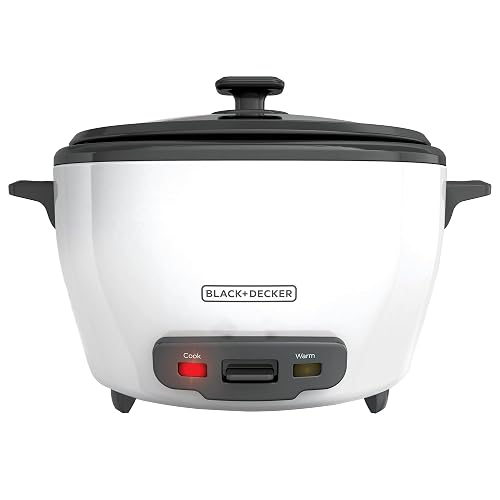
6-Cup Cooked Rice Capacity Produces up to 6 cups of cooked rice using the included ¾-cup rice measuring cup (3 cups uncooked). Prepare anywhere from 1 to 6 cups. Use the included measuring cup for ...
The BLACK+DECKER 6-cup cooker is the straightforward on/off choice. It makes up to six cups of cooked rice, switches to keep-warm on its own, and includes a steaming basket so vegetables or fish can cook above the rice. The pot and lid are easy to clean. It is a good first rice cooker or a backup for a small kitchen, and it rarely costs much more than a takeout dinner.
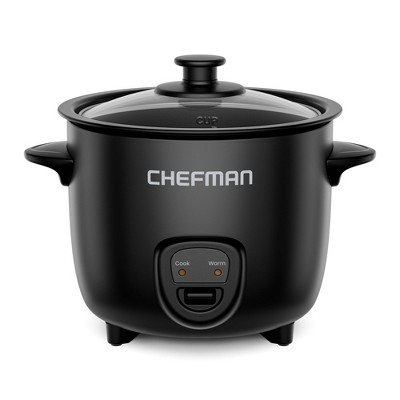
At Target, the Chefman 6-cup cooker is another simple on/off option at a similar size. It suits a small household that mostly makes white rice and wants something that is easy to put away.
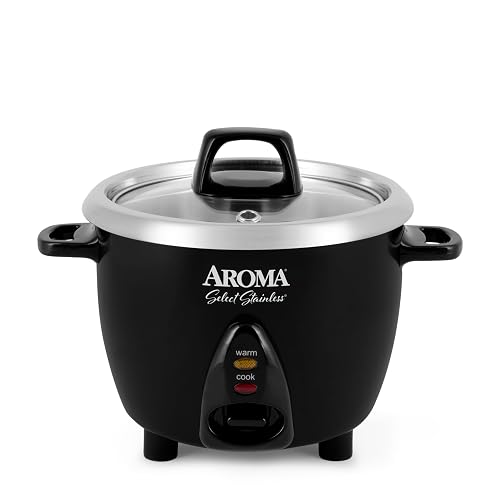
COATING FREE INNER POT: The food-grade 304 stainless steel cooking pot is durable and dishwasher-safe for easy cleaning.
ONE-TOUCH: Pour in up to 3 cups of uncooked rice, add water, and push down t...
The Aroma Select Stainless cooker is worth a look if you want to avoid nonstick coatings. The inner pot is 304 stainless steel and dishwasher-safe. It is a one-lever design with a three-cup uncooked capacity. Stainless pots need a little more water and a short rest after cooking to release cleanly, but they will not flake or wear over time.
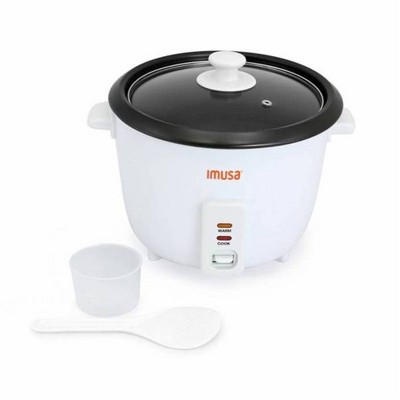
The IMUSA 5-cup cooker, also at Target, is a plain one-switch pot. It is a common pick in kitchens that cook rice every day and just need it done without fuss.
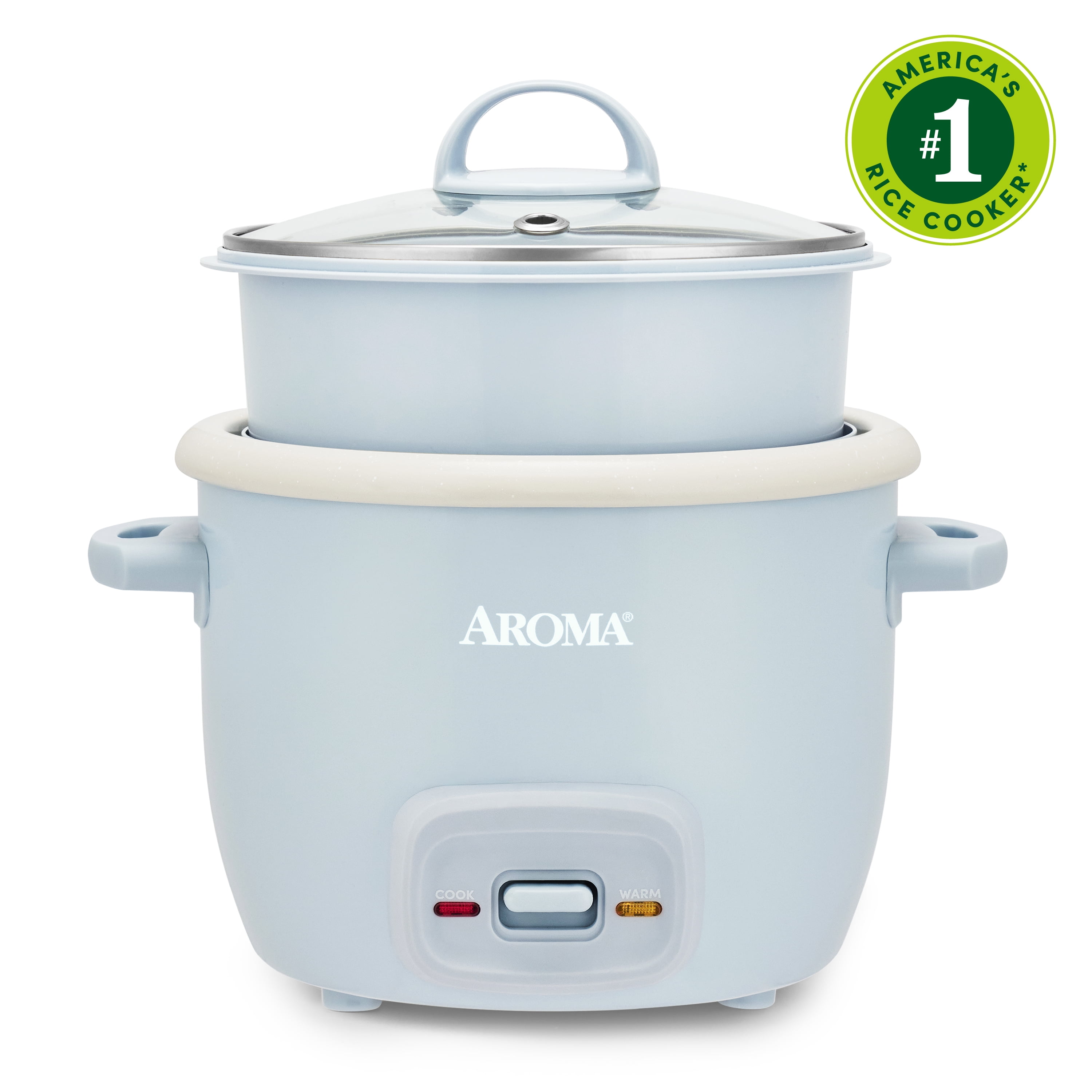
For a dorm, office, or one-person kitchen, the Aroma 4-cup cooker makes about four cups of cooked rice from two cups uncooked. It has a ceramic nonstick pot and a steam tray that sits above the rice, so you can cook a side of vegetables at the same time.
Smarter cookers worth the extra money
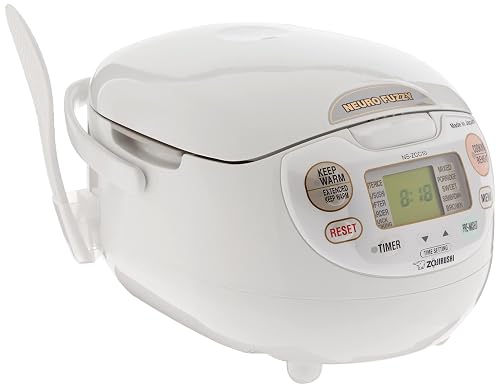
5-1/2-cup computerized rice cooker and warmer with advanced Neuro Fuzzy logic technology. Wall mountable
Multi-menu selections; automatic keep-warm, extended keep-warm, and reheat cycles. Electrica...
The Zojirushi NS-ZCC10 has been sold for years and still sells steadily, which says a lot in a category full of new models. It holds five and a half cups uncooked and uses fuzzy logic to adjust its cycle. The spherical inner pan heats evenly, and the extended keep-warm setting holds rice at a lower temperature so it does not dry out or yellow over several hours. White, brown, sushi, porridge, and mixed rice each have their own program.
It is slower than an on/off cooker. A standard white rice cycle takes close to an hour because it includes soaking and resting. Most owners say the texture is worth the wait, but if speed matters most, use the quick-cook setting or pick a simpler machine.
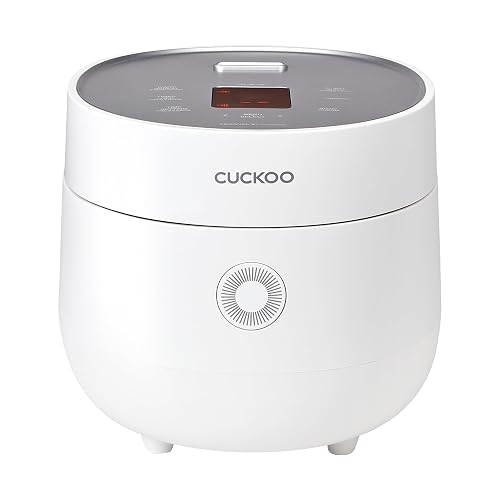
EASY TO USE & CLEAN: Cook up to 12 cups of rice with ease with this Korean rice cooker! Features include a self-clean setting, non-stick pot, and removable lid for hassle-free prep and cleanup.
VER...
The CUCKOO CR-0675FW is a Korean micom cooker that makes up to twelve cups cooked. It has a self-clean steam cycle, a nonstick pot, and a removable lid that can go straight to the sink, which makes it easier to keep fresh than models with fixed lids. It handles white rice, GABA brown rice, porridge, and more. For a family that eats rice several times a week, it is a strong balance of price and features.
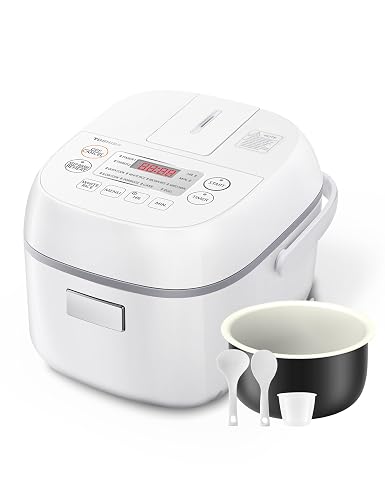
Multi-Function - This mini rice cooker cooks a variety of dishes, not just rice. Features 8 cooking functions, including White Rice, Quick Cook, Brown Rice, Mixed Grain, Slow Cook, Porridge, Cake, ...
The Toshiba mini brings fuzzy logic to a three-cup size. It has eight functions, including white rice, brown rice, mixed grain, porridge, slow cook, and even cake and eggs. Small households get most of the texture benefits of a larger smart cooker without giving up much counter space.
If you prefer to shop at Macy's, it carries Zojirushi's NS-LGC05XB Micom 3-cup, a compact option from the same brand as our top pick.
Rinse, measure, rest
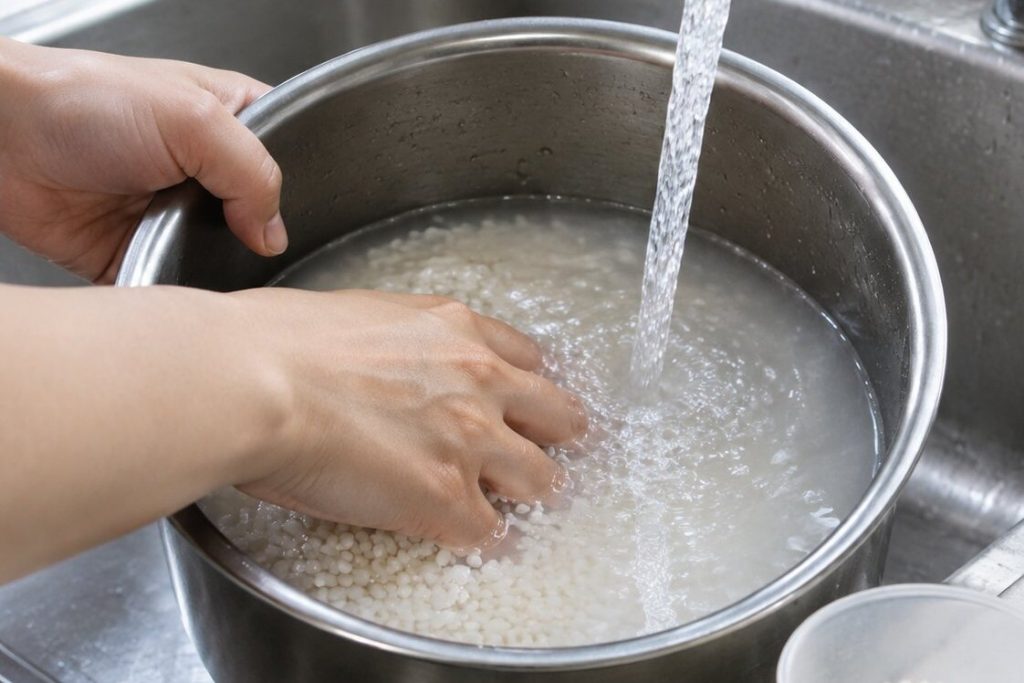
A good cooker cannot fix every habit. Three steps make the biggest difference no matter which model you own.
Rinse. Swirl the rice in cold water and drain it two or three times, until the water runs mostly clear. That removes loose starch that makes rice gummy. Some enriched rice is meant to be cooked unrinsed, so check the bag.
Measure with the included cup. Use the cup that came with the cooker and the water lines printed inside the pot. Mixing a standard measuring cup with the brand's water lines is the most common cause of mushy or crunchy rice.
Rest before opening. Let the rice sit for ten minutes after the cycle ends, then fluff it with a paddle. Resting lets moisture spread evenly through the grains.
Brown rice, grains, and more
Brown rice is where cheap and smart cookers split apart. Its bran layer needs a longer soak and a gentler, longer cook. On/off cookers often finish it with a firm center or a scorched base. Micom and fuzzy logic models have a dedicated brown rice program that soaks the grain first and stretches the cycle, which gives a softer, more even result.
The same programs handle other grains well. Quinoa, steel-cut oats, and mixed-grain blends all cook reliably in a smart cooker with the right setting. Porridge settings make congee or oatmeal overnight if the cooker has a timer. If you want one appliance for grains in general, not only white rice, that flexibility is the main reason to spend more.
What to skip
Skip extra-large cookers unless you regularly feed a crowd, since they cook small batches poorly. Be wary of very cheap models with thin, flimsy pots, which dent and lose their coating quickly. And do not pay extra for dozens of presets you will never use. Most people rely on three: white, brown, and quick.
Keep-warm and food safety
Keep-warm is handy, but it is not permanent storage. Most manufacturers suggest eating rice within several hours on warm, and smart cookers with extended or low keep-warm modes do this better than basic ones. If rice will sit longer, cool it quickly, spread in a shallow container, and refrigerate it. Cooked rice left at room temperature for long periods can grow bacteria that make toxins, and reheating does not destroy those toxins.
Cleaning and care
- Wash the inner pot after each use with a soft sponge. Metal utensils and scouring pads scratch nonstick coatings.
- Wipe the inner lid and steam vent regularly. Starch builds up there and causes odors.
- Empty the condensation collector, if your model has one.
- Let the pot dry fully before storing it inside the cooker.
The short answer
If you cook white rice a few times a month, a basic on/off cooker is enough. If rice is a staple, or you cook brown rice and grains often, a fuzzy logic model is a real upgrade and tends to last for years. Pick the size by cooked cups, not the number on the box, and you will end up with a cooker you use instead of one that sits in a cabinet.
The responses below are not provided, commissioned, reviewed, approved, or otherwise endorsed by any financial entity or advertiser. It is not the advertiser’s responsibility to ensure all posts and/or questions are answered.
Tip for anyone sizing up: the cup that comes with most rice cookers is about 180 ml, not a US cup, so measure with it and the water lines will make sense.