
Last Updated on: May 07, 2026
A good daypack makes a hike more comfortable from the first mile to the last. It carries water, snacks, a layer, and safety gear without digging into your shoulders or bouncing on every step. A pack that fits poorly or is too small can turn a nice walk into a chore.
What We'll Cover
- Top Hiking Daypacks
- Pick the right size
- How a daypack should fit
- Features that matter
- Materials and weight
- Hydration packs
- Everyday and budget daypacks
- What to pack: the Ten Essentials
- Packing a daypack well
- Water: bottles or a bladder?
- Daypacks for kids and families
- Care and storage
- Common daypack mistakes
- Questions to ask before you buy
- The short answer
Daypacks range from simple cinch-top bags to padded packs with hip belts, back ventilation, and room for a water bladder. This guide covers how to choose the right size, how a pack should fit, which features matter, and what the National Park Service suggests carrying, with packs from several stores.
Top Hiking Daypacks
Pick the right size
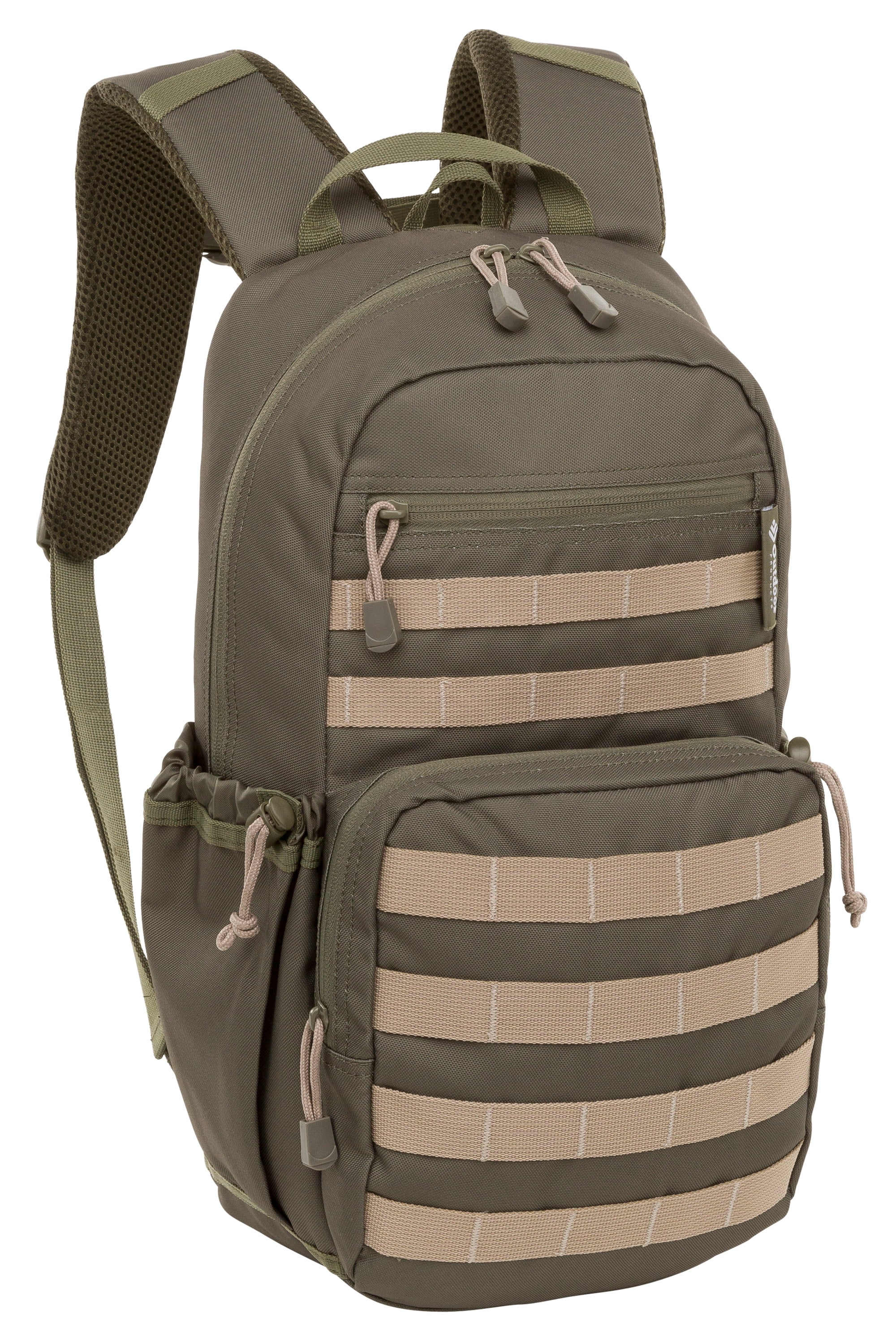
Pack size is listed in liters. For most day hikes, 15 to 30 liters is the sweet spot. A 15- to 20-liter pack holds water, snacks, a light jacket, and small essentials for a short hike or a walk in the park. A 20- to 30-liter pack adds room for extra layers, a bigger lunch, and a first aid kit, which suits longer hikes and cooler weather. Packs of 35 liters and up are useful for long days, winter hiking, or carrying gear for a child, but they are more than most people need.
It is tempting to buy a big pack just in case, but extra space tends to get filled with things you do not need. Think about your usual hike and choose a size that fits that gear with a little room to spare.
How a daypack should fit
- Torso length: Many small packs come in one size. If a pack offers sizes, measure from the bony bump at the base of your neck to the top of your hip bones.
- Shoulder straps: Padded straps should sit flat on your shoulders without gaps or pinching.
- Sternum strap: A chest strap keeps the shoulder straps in place and spreads the load.
- Hip belt: On larger daypacks, a padded hip belt moves weight from your shoulders to your hips. Small packs may have a simple webbing belt or none at all.
Try a pack with some weight in it. An empty pack almost always feels fine. Load it with water bottles and a jacket, walk around, and see whether the straps rub or the pack pulls backward.
Features that matter
- Hydration sleeve: A sleeve and port for a water bladder let you drink without stopping.
- Side pockets: Stretchy side pockets hold water bottles within reach.
- Back panel: A mesh or ridged back panel lets air flow and cuts down on a sweaty back.
- Rain protection: Some packs include a rain cover. Otherwise, a trash bag liner keeps gear dry.
- Organization: A top pocket for keys, snacks, and a phone saves digging through the main compartment.
- Attachment points: Loops for trekking poles are handy on steep trails.
Materials and weight
Most daypacks use nylon or polyester fabric. Heavier fabric lasts longer and resists abrasion from rocks and branches, while thin fabric saves weight and packs down small. Packable daypacks fold into their own pocket, which is useful for travel, but they have little padding and are best for light loads. Water-resistant coatings help in light rain, but few daypacks are fully waterproof at the seams and zippers.
Hydration packs
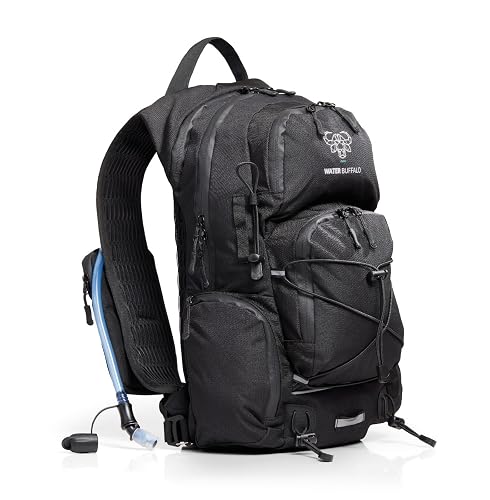
Spacious 22L Water Backpack for Hiking– This hiking hydration backpack features six storage pockets, providing ample space for snacks, extra layers, and trail essentials.
Leakproof 2L Bladder for H...
The Water Buffalo Sherpa is a 22-liter hiking pack that comes with a 2-liter hydration bladder, a well-rounded pick for most day hikes.
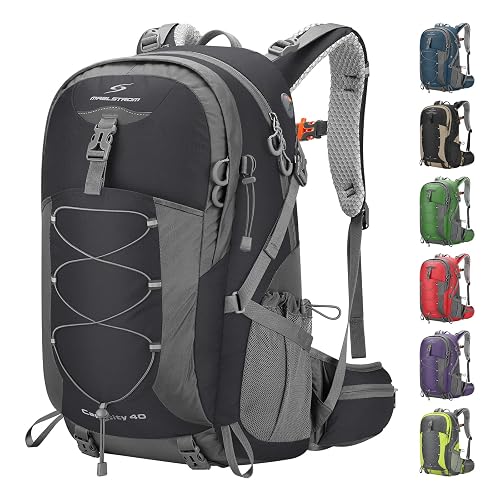
High-Quality Material:Hiking backpack is made of high quality rip-stop 210d nylon fabric,which is water resistant,tear resistant,anti-scratch and wear resistant. Furthermore,we also give away a rai...
The Maelstrom 40L is a larger pack with a rain cover, a good choice for long days, cooler weather, or carrying extra gear.
Everyday and budget daypacks
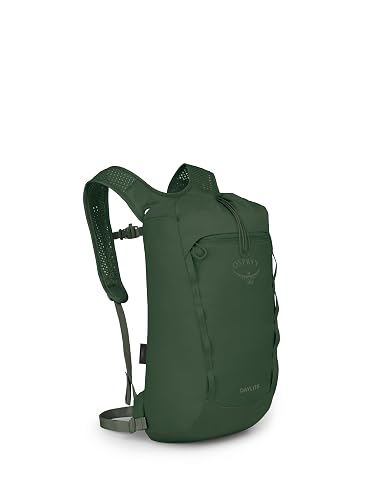
Top-loading access with cinch closing system
Internal reservoir sleeve
Dual daisy chain loops
Front panel zippered slash pocket
Harness grab handle doubles as a luggage pass-thru
Item Dimensions: 1...
The Osprey Daylite Cinch uses a simple cinch-top design, an easy grab-and-go pack for short hikes and errands.
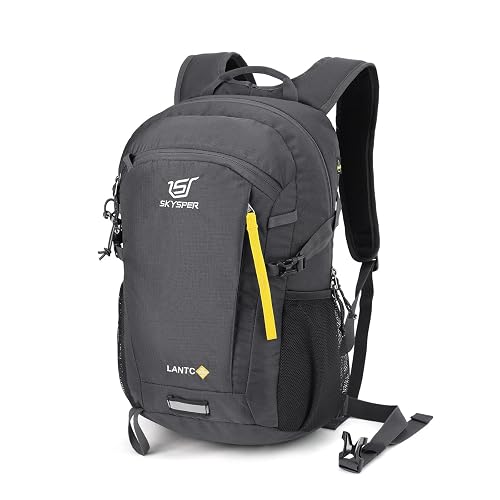
WATER-RESISTANT AND STURDY MATERIAL: SKYSPER 20l Hiking Backpack is made of high-density 600D polyester and 210D nylon plaid fabric, which is impermeable, water-resistant, tear resistant and wear-r...
The SKYSPER 20L is a lightweight daypack, a value option for short to medium hikes.
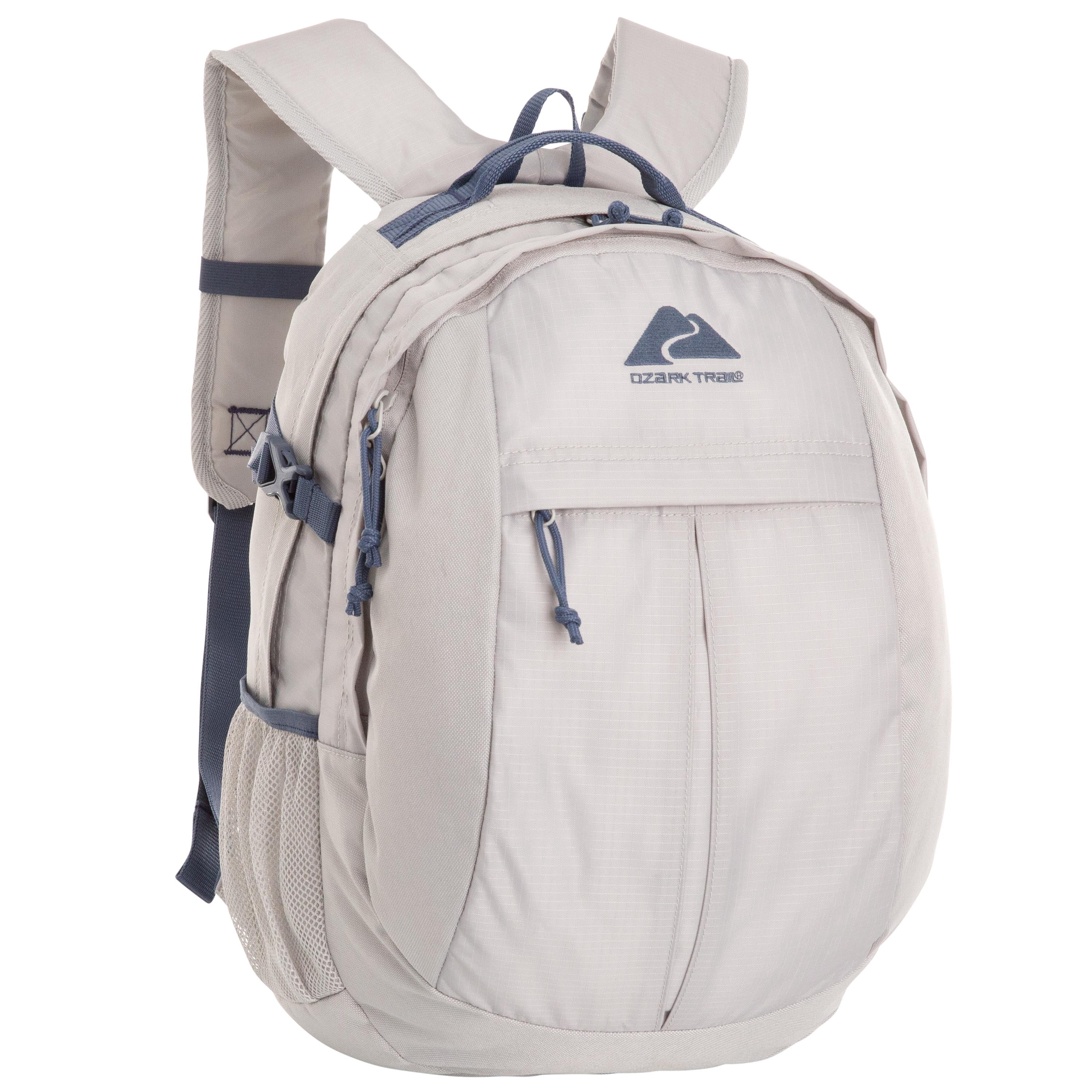
At Walmart, the Ozark Trail 25L hiking backpack is a low-cost pack with room for layers and lunch.
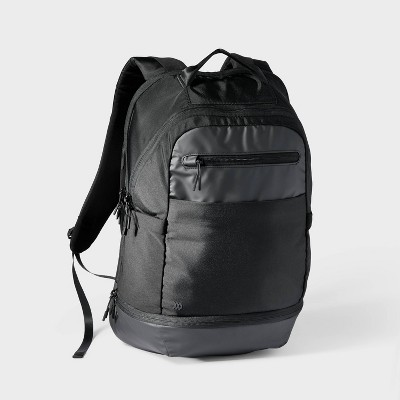
At Target, the All In Motion Sport Pocket Backpack is a sporty everyday pack for short walks, the gym, and light trails.
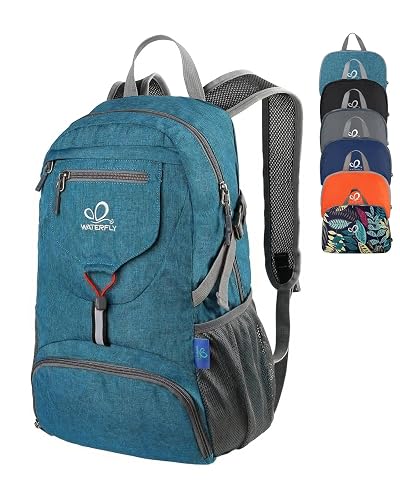
FOLDABLE DESIGN: Unfold size 16.9*11.4*5.5in, folded size 8.7*6.3in.You can fold this backpack when you don't need it, which saves space and allows you to easily pack it in your suitcase, backpack
...
The WATERFLY 20L packable backpack folds down small, which makes it handy to bring on trips for hikes at your destination.
Also at Walmart, the Outdoor Products Venture 17L is a small, simple pack for short hikes and everyday use.
What to pack: the Ten Essentials
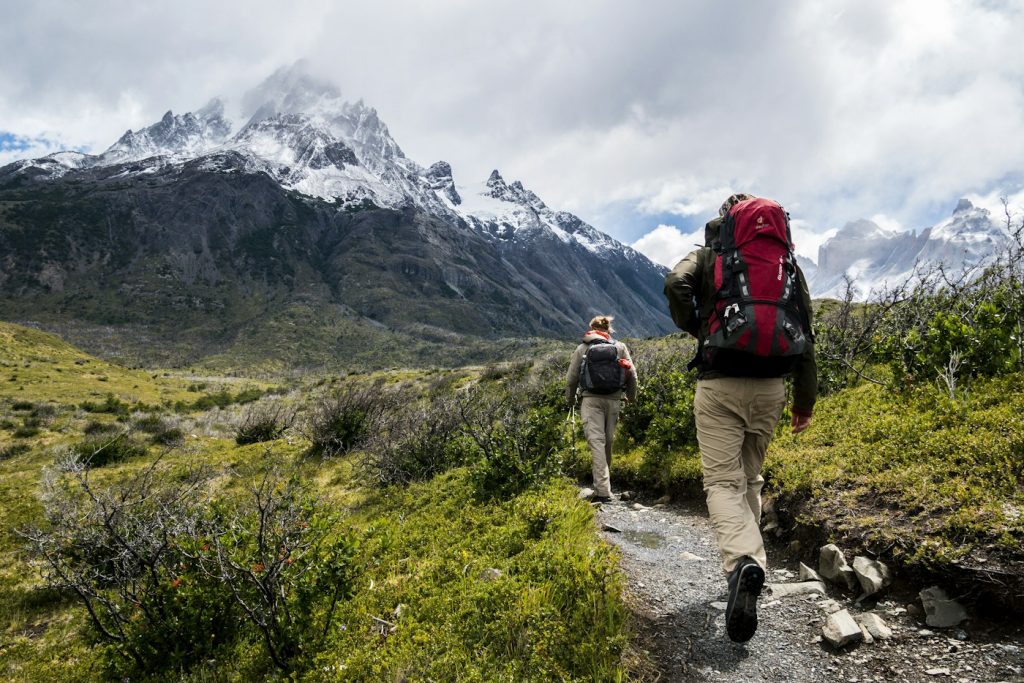
The National Park Service recommends that hikers carry the Ten Essentials. Its list covers navigation, such as a map, compass, and GPS; a headlamp or flashlight with extra batteries; sun protection, including sunglasses, sunscreen, and a hat; first aid supplies; a knife or multi-tool and repair kit; fire, such as matches or a lighter; emergency shelter; extra food; extra water; and extra clothes. The NPS also suggests bringing a physical map as a backup and an extra battery for your phone.
Not every hike needs a full load, but a small kit that lives in your pack means you will not forget the basics. Adjust it for the weather, the trail, and how long you will be out, and check the park's website for current conditions before you go.
Packing a daypack well
- Heavy items close to your back: Water and food sit best near the middle of your back.
- Layers on top: Keep a jacket where you can grab it quickly.
- Small items in pockets: Sunscreen, snacks, and a phone go in easy-to-reach pockets.
- Balance the load: Keep weight even from side to side.
- Tighten the straps: A snug pack moves with you and does not sway.
Water: bottles or a bladder?
Water bottles are easy to fill, clean, and check, and they are simple to share. A hydration bladder holds more water and lets you sip often without stopping, which many hikers find helps them drink enough on warm days. Bladders need more care. Rinse and dry them after each use to keep them fresh. Many hikers carry a bladder plus one bottle for a backup or for drink mixes.
Daypacks for kids and families
Kids often like carrying their own small pack with a water bottle and a snack. Look for a pack sized for a child's back, with a chest strap and light weight, and keep the load small so the hike stays fun. Parents usually end up carrying the shared gear, such as the first aid kit, extra layers, and most of the food and water, so a larger family pack in the 25- to 35-liter range is often the better pick for the adult. Bright colors make kids and packs easier to spot on the trail and at rest stops.
Care and storage
Empty the pack after each hike, shake out dirt and crumbs, and let it air dry fully before storing it, especially after rain. Spot clean with mild soap and water. Avoid the washing machine unless the maker says it is safe, since it can damage coatings and foam. Store the pack in a cool, dry place out of direct sun.
Common daypack mistakes
A common mistake is choosing a pack by looks and then finding it rubs on the trail. Another is carrying too little water, especially on hot or exposed hikes. Many hikers also skip the chest strap and hip belt, which leaves all the weight on the shoulders. Finally, leaving the first aid kit and headlamp at home to save weight is a risk on any hike that could run late.
Questions to ask before you buy
- How long are your hikes? Short hikes need 15 to 20 liters; longer ones need more.
- Bottles or a bladder? Look for side pockets or a hydration sleeve.
- Hot weather? A ventilated back panel helps.
- Will you travel with it? A packable daypack saves room.
The short answer
For most day hikers, a 20- to 30-liter pack with padded shoulder straps, a chest strap, side pockets for water, and a hydration sleeve covers almost every trip. Try it on with weight inside, pack the Ten Essentials, and bring more water than you think you need.
The responses below are not provided, commissioned, reviewed, approved, or otherwise endorsed by any financial entity or advertiser. It is not the advertiser’s responsibility to ensure all posts and/or questions are answered.
Useful to see the Ten Essentials listed out. For a 3-4 hour summer hike, is 2 liters of water usually enough or should I plan on more?