
Last Updated on: Sep 18, 2026
The first pickleball paddle most people use is a loaner: a battered wooden board from the rec center or a paddle a friend brought along. After a few games, you start to notice that some paddles feel dead, some sting your hand, and some send the ball flying long every time. That is usually when people start shopping, and it is also when they find hundreds of paddles that look almost the same.
The good news is that a few specs explain most of the difference: the face material, the core thickness, the weight, the grip, and the shape. Once you know what those do, you can pick a paddle that suits your game, whether you play twice a year at a family cookout or three nights a week at the local courts.
Top Pickleball Paddles
What We'll Cover
First, a word on approved paddles
You will see "USAPA approved" on a lot of listings. USA Pickleball is the governing body for the sport in the United States, and it sets the equipment rules for sanctioned play. Its official rulebook says the complete list of approved paddles is posted on the USA Pickleball Approved Paddle List, and its equipment standards manual sets limits on size: the combined length and width, including any edge guard and butt cap, cannot exceed 24 inches, and the paddle cannot be longer than 17 inches.
For casual games, none of this matters much. If you plan to enter tournaments or play in a league that follows USA Pickleball rules, check that the exact model you are buying is on the approved list, not just that the listing says so.
Face materials: fiberglass, graphite, and carbon fiber
The face is the hitting surface, and it shapes how the ball comes off the paddle.
Fiberglass faces have a bit of flex, which gives the ball extra pop. They are common on beginner and value sets and are forgiving for new players who are still learning to swing smoothly. The trade-off is a little less control on soft shots.
Graphite faces are thin, stiff, and light. They give a crisp, responsive feel and good control, especially for touch shots at the net.
Carbon fiber, including the raw carbon faces that are popular now, is stiff and often has a textured surface that helps grip the ball for spin. Carbon paddles tend to cost more, and many players move to one once they know how they like to play.
Core thickness
Inside most modern paddles is a honeycomb core, usually made of polypropylene. The thickness of that core changes the feel a great deal.
- Around 13 mm. Thinner cores feel livelier and give more pop, which helps with drives and put-aways. They can feel a bit harder to control on soft shots.
- Around 16 mm. Thicker cores absorb more of the impact. They feel softer and more stable, with more control on dinks and resets, and many players find them easier on the arm.
If you are not sure, a 16 mm core is a safe starting point for most recreational players, since control usually wins more points than power at first. Some newer paddles use foam cores instead of honeycomb, which changes the feel again and is worth trying if you get the chance.
Weight
Paddle weight is usually listed in ounces. As a rough guide, paddles under about 7.8 ounces are considered light, around 7.8 to 8.4 ounces is midweight, and above that is heavy.
Light paddles are quick at the net and easy to maneuver, but they can feel less stable against hard shots, and you have to swing harder for power. Heavy paddles drive the ball with less effort and feel solid, but they can tire your arm over a long session and slow your hand speed. Most players land in the midweight range. If you have had elbow or shoulder trouble, it is worth talking to a doctor or physical therapist about what suits you before choosing a heavy paddle.
Grip and handle length
Grip size is the distance around the handle, usually between about 4 and 4.5 inches. A grip that is too big makes it hard to change hand positions quickly, while one that is too small can make you squeeze harder. If you fall between sizes, go smaller. It is easy to build a grip up with overgrip tape, but you cannot make a thick handle thinner.
Handle length matters too. Longer handles leave room for a two-handed backhand and add a little reach. Shorter handles usually come with a wider face and a larger sweet spot.
Shape
Most paddles are close to the same overall size, so shape is a trade-off between reach and forgiveness.
- Standard or wide-body paddles have a broad face and the largest sweet spot. They are the most forgiving, which is why most beginner sets use this shape.
- Elongated paddles are longer and narrower. They add reach and a bit more power on serves and drives but have a smaller sweet spot.
- Hybrid shapes sit in between, with a slightly longer face than standard.
Sets versus single paddles
If you are buying for a household or just starting out, a set is the easy choice. Many include two or four paddles, balls, and a carry bag, so you can get a game going right away. A lot of sets include both indoor and outdoor balls. According to the USA Pickleball rulebook, balls with larger holes are customarily used for indoor play and balls with smaller holes are customarily used outdoors, so check which you are getting for where you play.
Once you have played for a while and know what you like, a single paddle chosen for your style is usually the better buy.
Caring for your paddle
Paddles do not need much care, but a few habits help them last:
- Keep the paddle out of a hot car. Heat can weaken the glue that holds the face to the core.
- Wipe the face with a damp cloth to remove dirt and ball residue, especially on textured carbon faces that rely on grip.
- Replace the overgrip when it gets slick or worn.
- Use a cover or bag so the face does not get scratched in transport.
A paddle that has started to rattle, feels dead in one spot, or has a cracked edge guard may have core damage and is usually due for replacement.
Popular pickleball paddles worth a look
These picks come from the pickleball paddle best-seller list and cover beginner fiberglass sets, carbon fiber paddles with thicker cores, and an overgrip.
Fiberglass starter set. A popular fiberglass set sold in packs of one, two, or four, a good way to outfit a household at once.
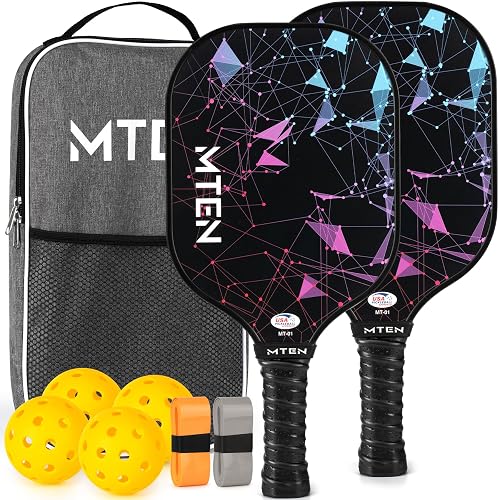
USAPA Approve Pickleball Paddles: The pickleball paddles set of 2 are USA pickleball approved & with USAPA approval label with high safety and professionalism, and can be used in tournaments
Premiu...
Four-paddle family set. Four fiberglass paddles plus two outdoor and two indoor balls, so you can play on either kind of court.
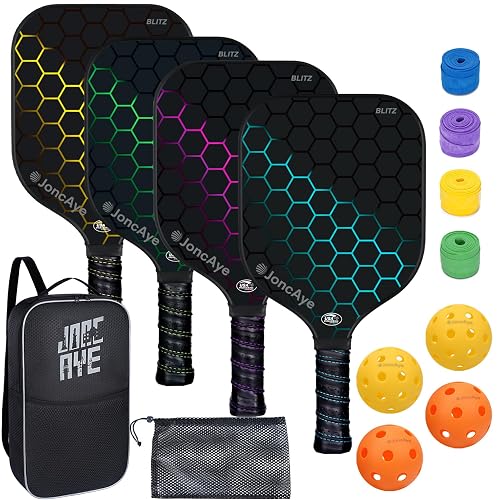
𝘾𝙊𝙈𝙋𝙇𝙀𝙏𝙀 𝙋𝙄𝘾𝙆𝙇𝙀𝘽𝘼𝙇𝙇 𝙎𝙀𝙏: This pickleball set of unbeatable value includes 4 fiberglass pickleball paddles, 2 outdoor pickleball balls + 2 indoor pickleball balls, 4 pickleball lead tapes and 1 pick...
Graphite set with a 13 mm core. Two paddles with a graphite carbon face, a 13 mm honeycomb core, an edge guard, and cushioned grips, plus balls and a bag.
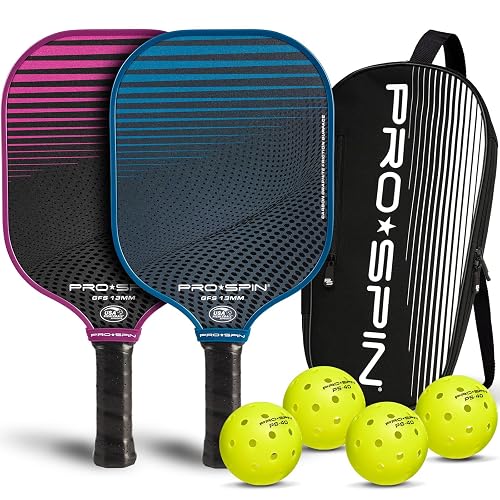
USAPA APPROVED COMPLETE PICKLEBALL SET: This set of 2 graphite paddles is USAPA approved and built for all skill levels. Designed with cushioned, non-slip grips for comfort and endurance, these pic...
Raw carbon paddle with a 16 mm core. A textured carbon fiber face over a thick 16 mm polymer core, aimed at players who want more spin and control.
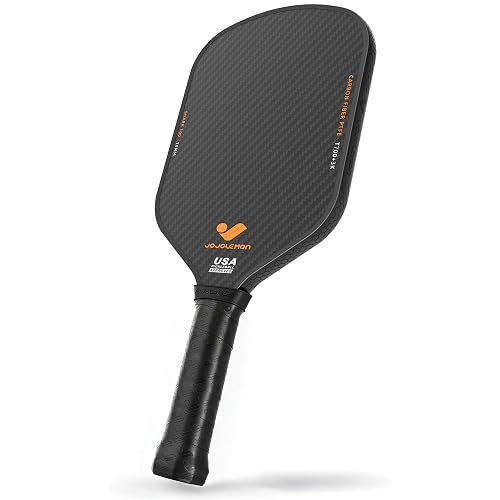
OPTIMIZED PERFORMANCE DESIGN: JOJOLEMON pickleball paddles are expertly crafted to provide top-tier performance and comfort. Built with carbon fiber, this paddle delivers an exceptional playing exp...
Graphite set with a honeycomb core. A graphite-faced set with a polymer honeycomb core, balls, and a bag, a step up from basic fiberglass.
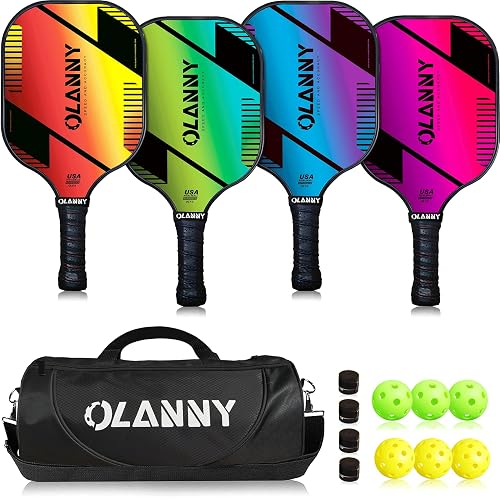
【Pickle Ball Raquette Set of 4】Pickleball set with 4 lightweight pickleball paddles, 3 outdoor pickleball balls & 3 indoor pickleball balls,4 Replacement Soft Grip and 1 pickleball bag,for convenie...
Tacky overgrip. Overgrip tape in six or twelve packs that adds thickness and a tacky, sweat-absorbing feel. Handy if your grip is a little small or has gone slick.
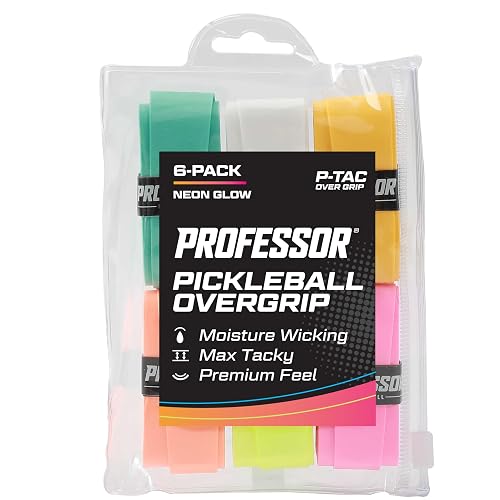
PROFESSIONAL-GRADE PICKLEBALL OVERGRIP TAPE: Enhance your paddle with top-quality pickleball overgrip tape designed for comfort and control. Professor Pickleball's overgrip provides added thickness...
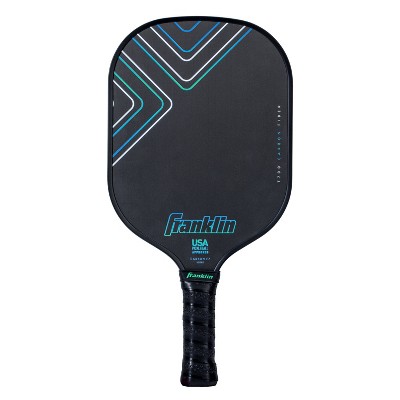
Raw carbon from a sporting goods name. Target carries a Franklin Sports traditional-shape paddle with a T700 raw carbon fiber face, a polypropylene core, and a 4 inch grip. The listing says it is approved by USA Pickleball for sanctioned play, and the textured face is meant to add spin.
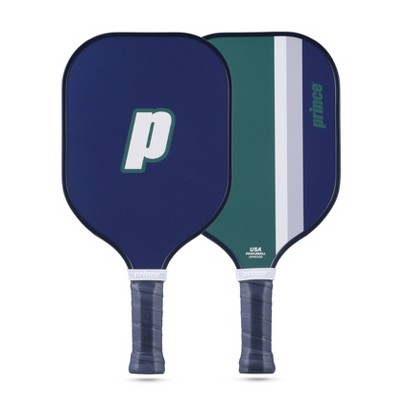
A forgiving paddle for your first season. The Prince Recreational paddle, also at Target, is aimed at new players. It has a widebody shape that gives a larger hitting area and a light feel, which helps while you are still learning to find the sweet spot.
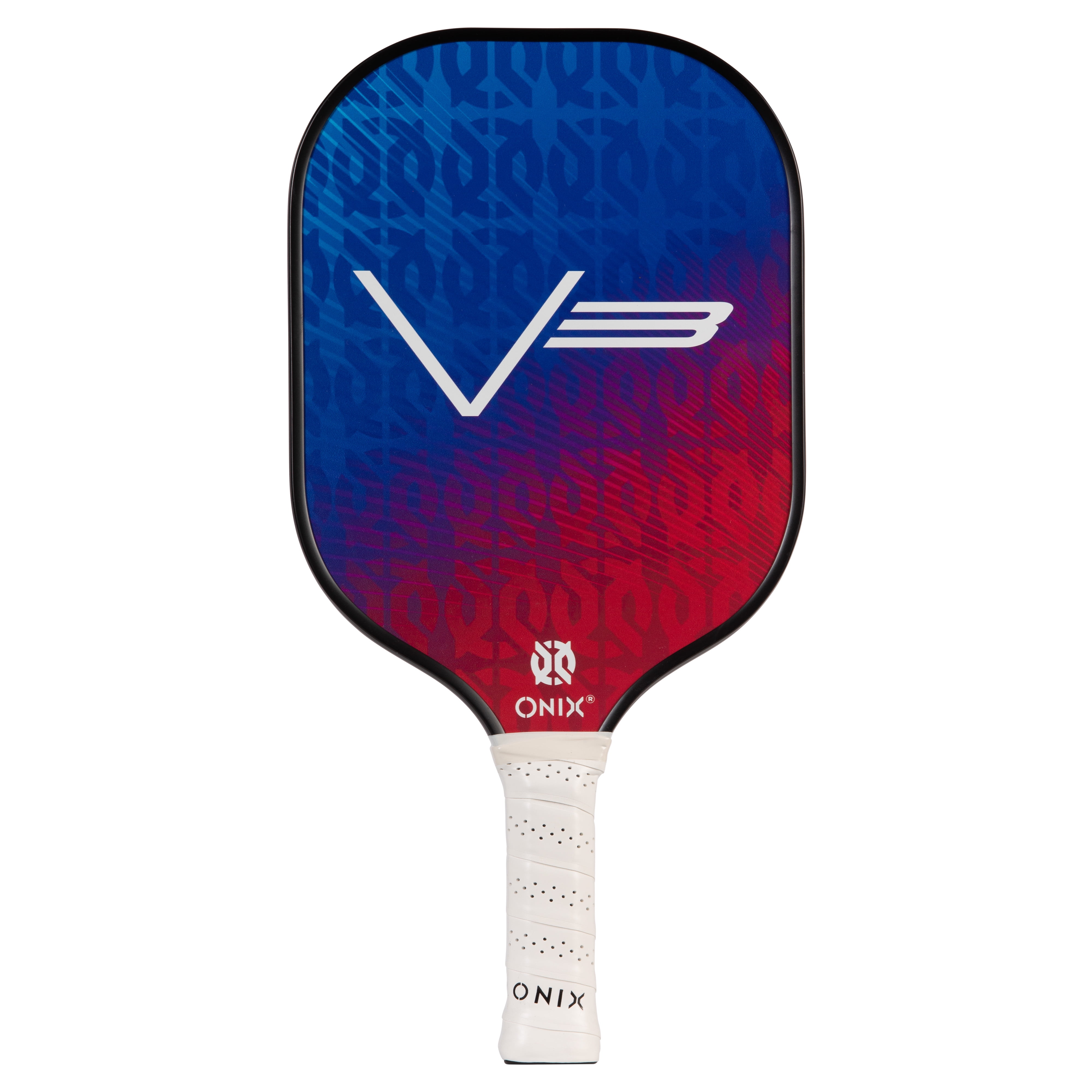
Middle-weight fiberglass pick. The ONIX V3 pairs a fiberglass face with a polypropylene core and weighs about 8 ounces, which sits right in the middle of the weight range covered above. It is made for players of all ages and skill levels.
How to choose
If you are new, buy a fiberglass or graphite set with a standard shape and a midweight feel, and get a few games in before spending more. If you already play regularly and want more control, look at a carbon fiber paddle with a 16 mm core. If tournament play is in your future, confirm the model is on the USA Pickleball approved list. Then go play. The paddle matters, but time on the court matters more.
The responses below are not provided, commissioned, reviewed, approved, or otherwise endorsed by any financial entity or advertiser. It is not the advertiser’s responsibility to ensure all posts and/or questions are answered.
How do you check if a paddle is on the approved list? Is it searchable by model name?
Tip: an overgrip is a cheap way to make a handle fit better if your hand is on the bigger side. Much cheaper than swapping paddles.
Is there a big difference between a 13 mm and 16 mm core for someone who mostly plays doubles at the rec center?