
Last Updated on: Apr 26, 2026
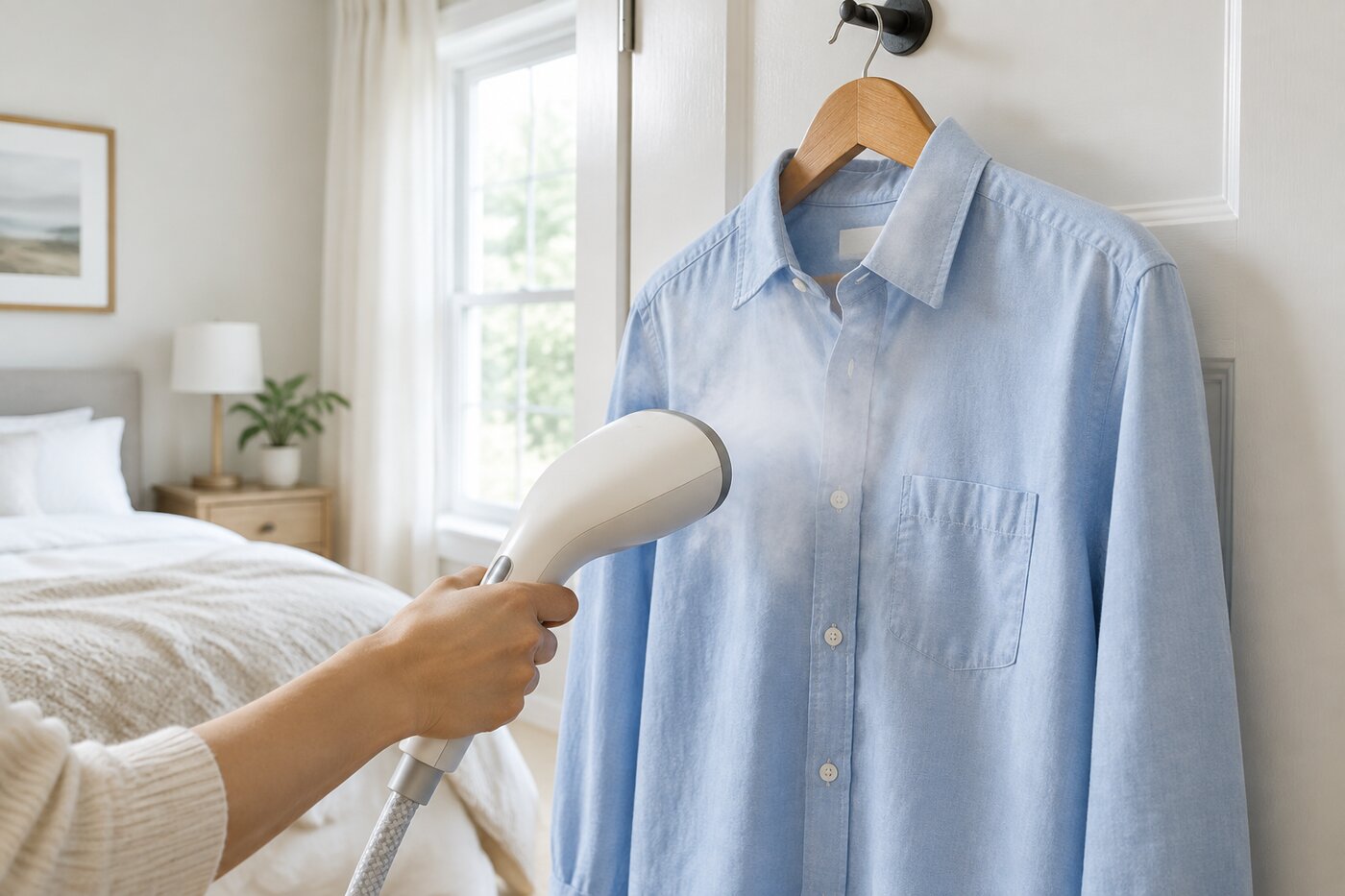
A garment steamer is the easiest way to get wrinkles out of clothes without setting up an ironing board. You hang the shirt, pass the steam head over it, and the fibers relax as they warm and dampen. For a dress shirt before work, a wrinkled dress out of a suitcase, or curtains that came folded in a package, it is often faster than an iron and gentler on delicate fabrics.
What We'll Cover
Steamers come in two main styles, small handheld units and full-size upright models with a floor tank and a pole. Both work, but they suit different homes and habits. This guide explains the differences, what to look for, and how to steam so the wrinkles actually come out.
Top Garment Steamers
Steamer or iron?
An iron presses fabric flat between a hot soleplate and the ironing board. That gives crisp creases and sharp collars, which is why irons are still the tool for dress pants and formal shirts. A steamer does not press. It relaxes wrinkles with moist heat while the garment hangs, so there is no risk of scorching, no shine on dark fabrics, and no need for a board.
Steamers are best for delicate and flowing fabrics like silk, rayon, chiffon, and many synthetics, plus knits, dresses, blouses, and anything with pleats, ruffles, or embellishments you would not want to press flat. They also freshen suits and jackets between cleanings and work on curtains, bedding, and upholstery. Many people keep both: a steamer for daily touch-ups and an iron for crisp results.
Handheld steamers
A handheld steamer holds its water in a small tank inside the unit. It heats quickly, stores in a drawer, and packs for travel. The trade-off is capacity. Most handheld tanks give you somewhere around ten to fifteen minutes of steam before a refill, which is enough for a few shirts or one outfit but not a whole week of laundry. Handhelds are also a bit tiring for long sessions, since you hold the weight of the water the whole time.
Upright steamers
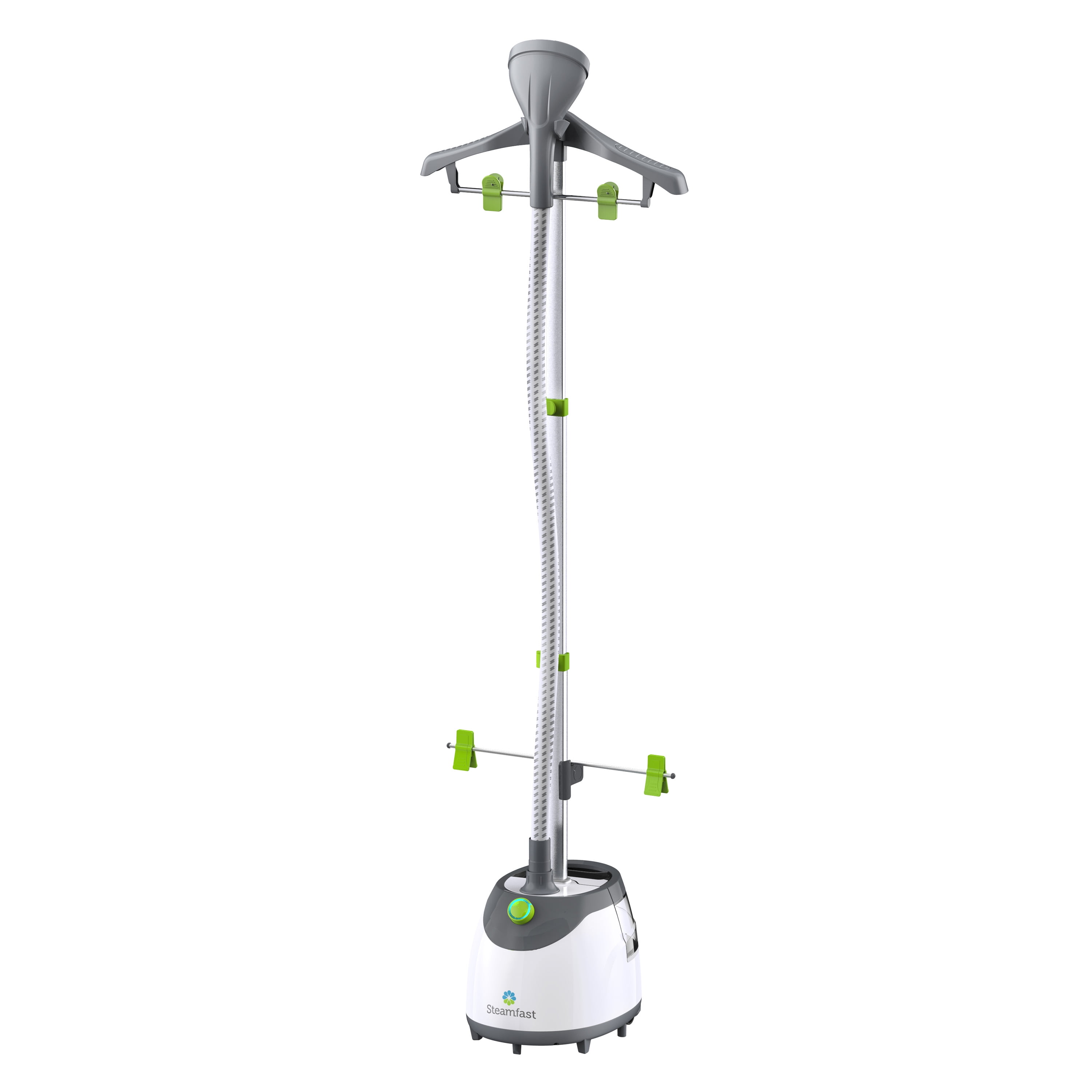
An upright steamer has a large water tank in a floor base, a hose, and a steam head on a pole, usually with a built-in hanger. Big tanks can run for an hour or more, and the steam is typically stronger and more steady than a handheld's. Uprights are the better choice if you steam many garments at once, have a lot of linen or cotton, or want to do curtains. They take up more space, though, and are not something you take on a trip.
What to look for
- Heat-up time: Many models are ready in under a minute. Faster is nicer for rushed mornings.
- Tank size and run time: Match it to how much you steam at once. A small tank is fine for touch-ups.
- Wattage: Higher wattage generally means more steam and faster heat-up, especially on thick fabrics.
- Attachments: Fabric brushes help on thick fabrics like wool coats. Crease tools help with pant legs and collars. Lint brushes are handy on upholstery.
- Removable tank: Easier to fill at the sink and to empty after use.
- Auto shut-off: A useful safety feature if you get distracted.
- Cord length: A short cord limits where you can steam, especially with handheld models.
Handheld picks
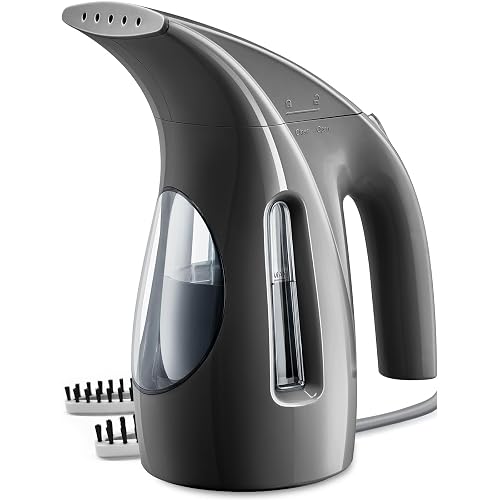
[Easy to Use] This 700W steamer generates gentle, long-lasting steam and has a 8.5- foot power cord, so you'll never have to worry about operating it remotely and you can iron clothes from a distan...
The HiLIFE handheld steamer has a 240ml tank and 700 watts of power. It is a well-rounded option for daily touch-ups at home and fits easily in a closet or drawer.
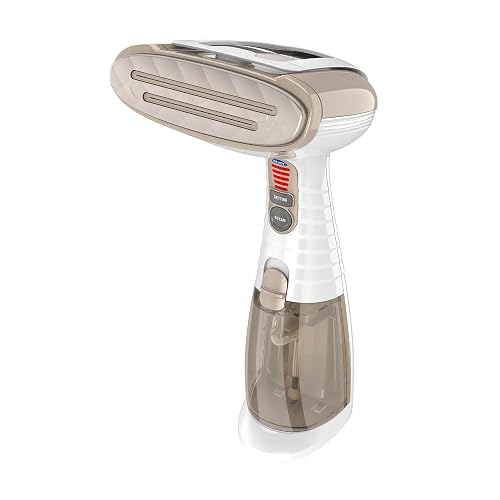
TURBO STEAM POWER FOR FAST, DRY WRINKLE REMOVAL: No spitting, leaking, or wet spots with powerful 1875-watt steam for silk, everyday clothing, thick fabrics, curtains, and upholstery. Dry Steam Tec...
The Conair handheld steamer comes with three attachments and is designed for upholstery as well as clothes. It is a good fit for freshening couch cushions and curtains in addition to shirts.
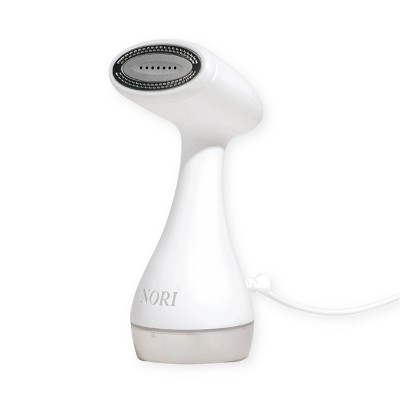
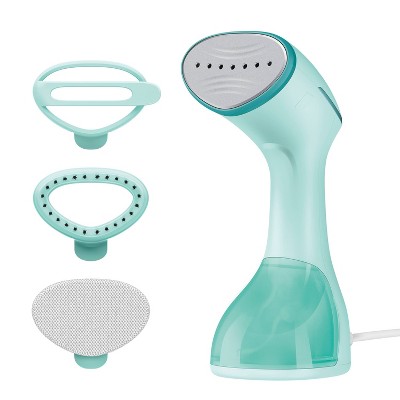
At Target, the Nori Cloud garment steamer is a compact handheld with a clean, modern design that looks nice left out on a dresser.
Target also carries the Conair compact portable steamer, a small handheld that works for quick touch-ups at home or on the road.
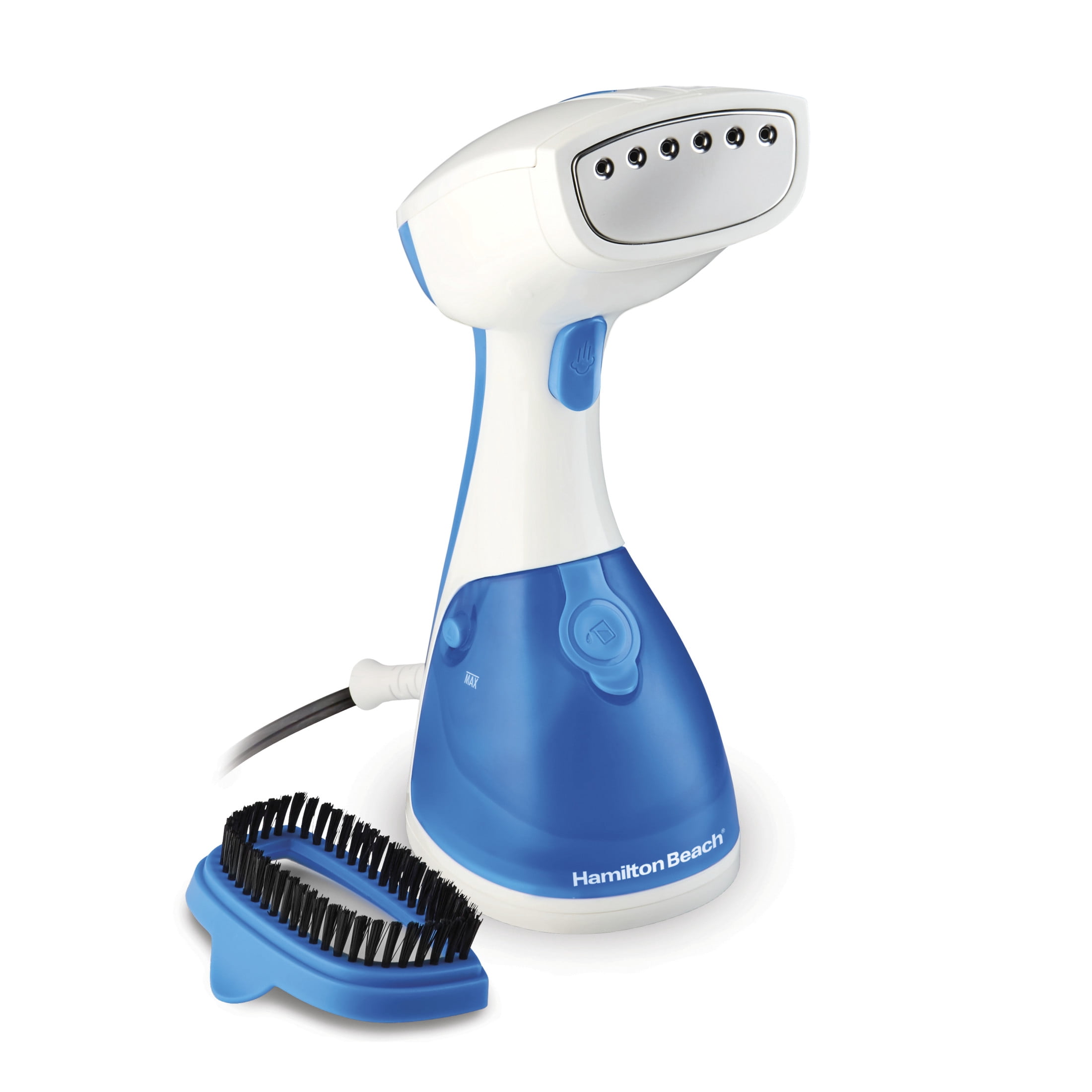
The Hamilton Beach 11556 is a 1000-watt handheld with an 8.5-ounce tank, a 30-second heat-up, and around 15 minutes of steam per fill. It is a simple, budget-friendly option.
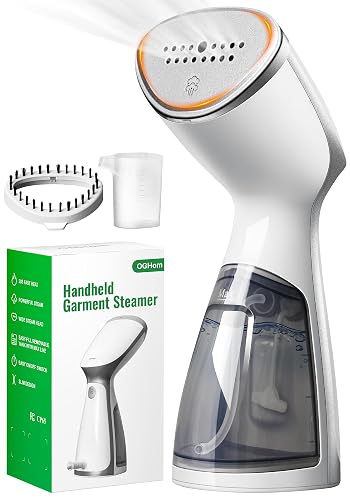
Powerful & Efficient: Equipped with 1000W high power, it heats up quickly in 20 seconds to generate strong steam, smoothing out garment wrinkles in just a few seconds
Portable & Lightweight: With a...
The OGHom travel steamer is a small, portable handheld made for suitcases and carry-ons.
Upright picks
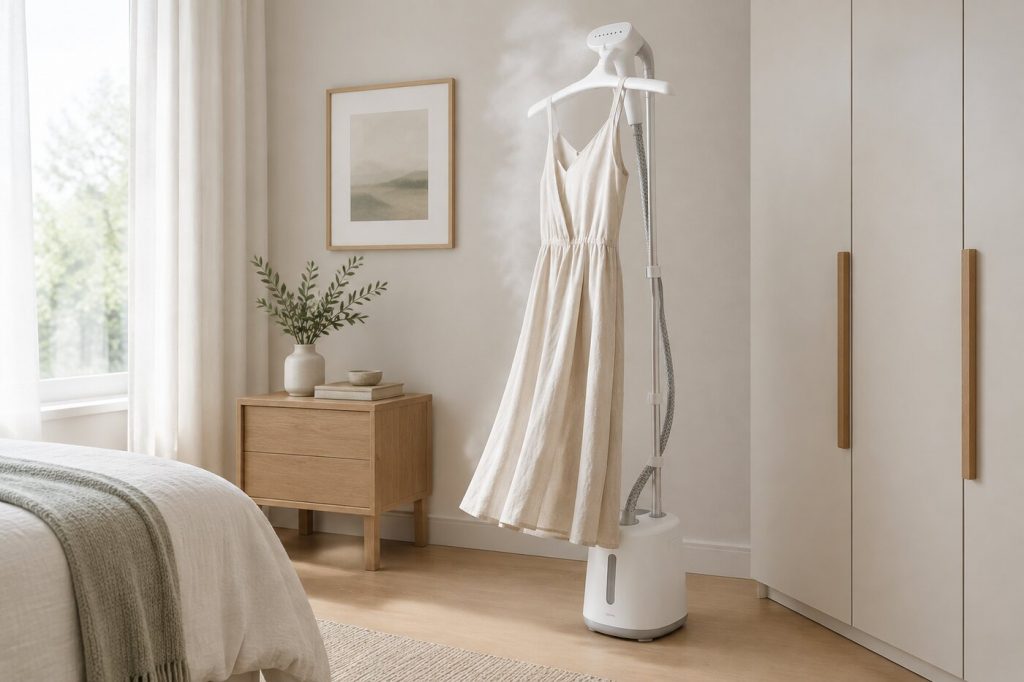
The Steamfast SF-567 is a full-size upright steamer with 1500 watts, a 45-second heat-up, an 86-ounce detachable tank, and up to 96 minutes of continuous steam. The built-in hanger makes it easy to steam long dresses and coats.
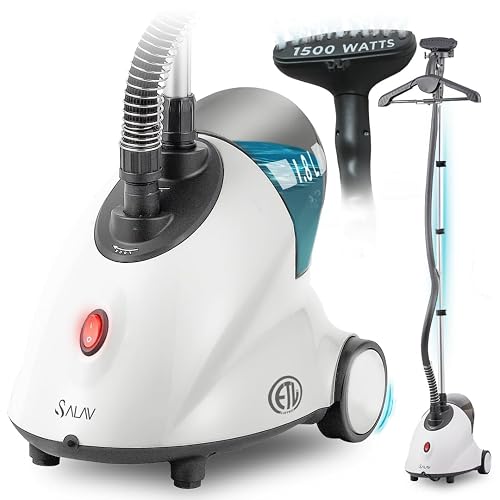
POWERFUL 1500W STEAMER – HEATS IN 45 SECONDS: Quickly smooth wrinkles with the SALAV GS18 Professional Standing Garment Steamer for Clothes, delivering up to 1500 watts of continuous steam for fast...
The SALAV GS18-DJ is a standing steamer with a 1.8-liter tank and roll wheels, so it moves easily from room to room. It suits households that steam a lot at once.
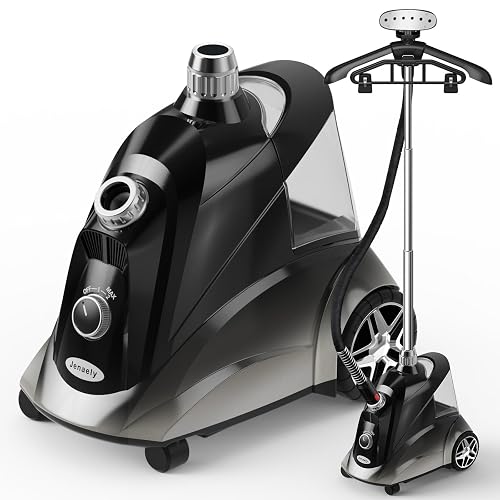
【1500W MOST POWERFUL WRINKLE REMOVER】- Jenaely 1500W professional steamer will heat in 35 seconds and provide 80 continuous minutes of wrinkle busting steam. Up to 248 °F steam penetrates deep and ...
The Jenaely standing steamer is rated at 1500 watts, heats up in about 35 seconds, and runs up to 80 minutes on a tank.
An accessory that helps
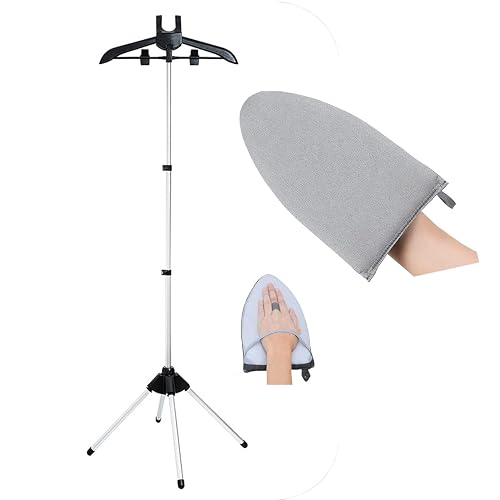
All-in-One Steaming Set for Efficient Steaming :This set includes 1 pc steaming ironing board and a clothes steamer stand for steaming clothes, designed to complement each other and enhance your ha...
If you use a handheld steamer, a stand hanger gives you a place to hang the garment at a comfortable height. This one comes with a heat-resistant glove so you can hold fabric taut with your free hand while you steam.
How to steam clothes
- Fill and heat. Fill the tank with the type of water your manual recommends and let the steamer fully heat up. Some manuals call for distilled water to limit mineral buildup, especially in areas with hard water.
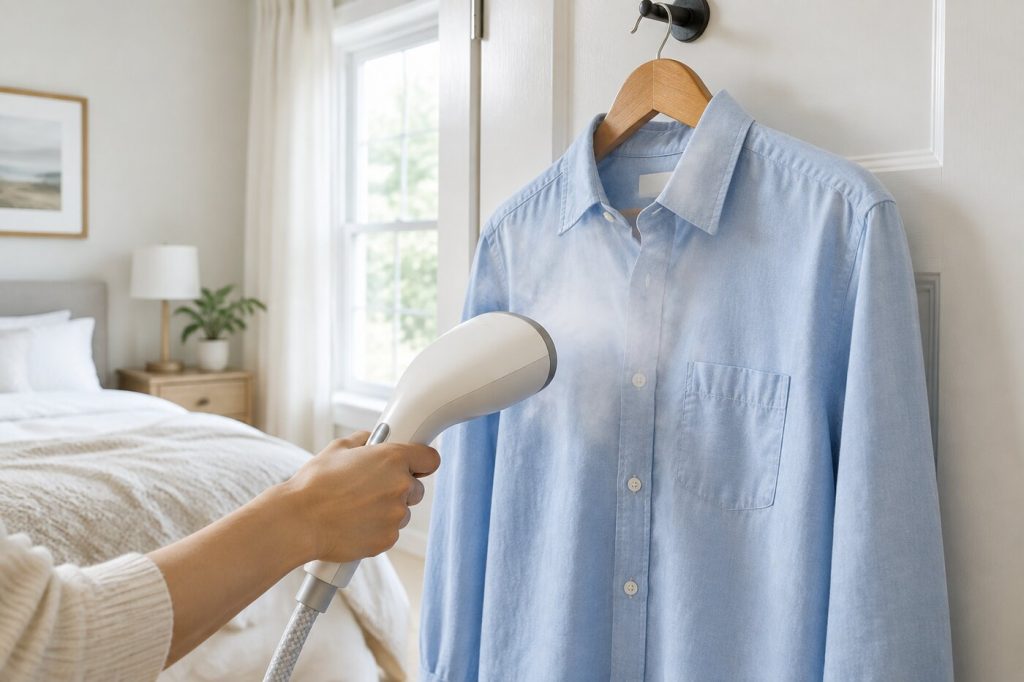
- Hang the garment. Use a sturdy hanger on a door hook, shower rod, or the steamer's own hanger. Button the top button of shirts to keep them straight.
- Pull the fabric taut. Hold the hem gently with one hand, or wear a heat-resistant glove, so the fabric is lightly stretched.
- Steam top to bottom. Move the steam head slowly downward in straight strokes. Heavy fabrics need slower strokes and sometimes a second pass.
- Work from the inside for delicates. On silk and thin synthetics, steam the inside of the garment to protect the finish.
- Let it dry before wearing. Give clothes a few minutes to cool and dry on the hanger so new wrinkles do not set.
Fabric tips
- Cotton and linen: Steam works, but deep creases may need a slow pass or two. For crisp collars, finish with an iron.
- Silk: Keep the head moving and steam from the inside. Test a hidden spot first, since water can spot some silks.
- Wool: Steam is great for relaxing wool jackets and trousers. Use a fabric brush attachment if you have one.
- Polyester and blends: These relax quickly with steam.
- Leather, suede, and some plastics or vinyl: Avoid steaming unless the care label says it is safe.
When in doubt, check the care label. It is the best guide to what a fabric can handle.
Safety
Steam is hot enough to burn skin. Never steam a garment while someone is wearing it, keep the steam head pointed away from your hands and face, and let the unit cool before refilling or storing. Set upright models on a stable, level floor and keep the hose clear of foot traffic. Keep steamers away from children and pets while they are hot.
Care and descaling
Minerals in tap water build up inside steamers over time and can reduce steam output or cause spitting. Empty the tank after each use instead of letting water sit. Follow the manufacturer's descaling instructions, which often involve running a vinegar solution through the unit or using a specific cleaning product. Wipe the steam head so residue does not transfer to light clothes.
The short answer
For most people, a good handheld steamer covers daily touch-ups, travel, and small jobs. If you steam a lot of clothes at once, have many linen or cotton pieces, or want to do curtains, an upright model with a large tank saves time. Pick one that heats up fast, holds enough water for how you use it, and has an auto shut-off. Keep the fabric taut and the strokes slow, and your clothes will look freshly pressed.
The responses below are not provided, commissioned, reviewed, approved, or otherwise endorsed by any financial entity or advertiser. It is not the advertiser’s responsibility to ensure all posts and/or questions are answered.
Does anyone know if the upright models work well on heavy blackout curtains while they are still hanging on the rod? Mine came folded and the creases are stubborn.