
Last Updated on: Mar 07, 2026
A garden hose is one of those tools you rarely think about until it fails. Then it kinks every few feet, leaks at the spigot, or cracks after one cold winter. Picking the right hose up front saves a lot of frustration. The main choices are material, length, diameter, and fittings, and each one affects how the hose handles, how much water it delivers, and how long it lasts.
What We'll Cover
- Top Garden Hoses
- Hose materials
- Length and diameter
- Fittings and couplings
- Rubber and hybrid hoses
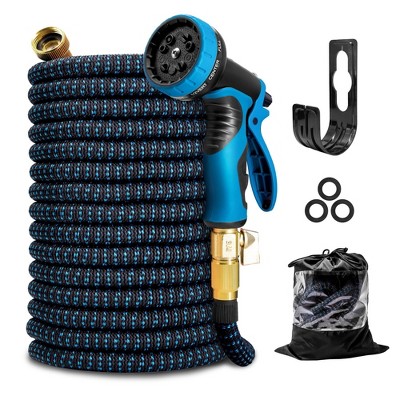
- Expandable hoses
- Nozzles and accessories
- Watering tips
- Hose reels, carts, and hangers
- Using a hose around the house
- Storage and winter care
- Fixing common problems
- Questions to ask before you buy
- The short answer
A good hose also helps you water smarter. The U.S. Environmental Protection Agency's WaterSense program notes that experts estimate 50 percent of the water we use outdoors goes to waste from evaporation, wind, or runoff due to overwatering. A hose with a shut-off nozzle and tight connections is a simple way to cut that waste.
Top Garden Hoses
Hose materials
Rubber hoses are heavy but tough. They resist kinks, handle hot water and sun well, and stay flexible in cold weather. They are a good pick for daily heavy use, though the weight makes them harder to drag around.
Vinyl (PVC) hoses are light and cheap. They work for light watering jobs, but they kink more easily and can stiffen in the cold. Many budget hoses are vinyl or vinyl blends.
Hybrid polymer hoses sit between rubber and vinyl. They aim to be lighter than rubber while staying flexible across temperatures. Many people find them a good all-around choice.
Polyurethane hoses are slim and very light. They coil easily but often have a smaller inner diameter, so they deliver less water.
Expandable hoses shrink when empty and stretch to full length when water flows. They weigh very little and store in a small space. The tradeoff is durability: the inner tube can wear out faster than a traditional hose, especially if dragged over rough ground.
Length and diameter
Measure from your spigot to the farthest spot you need to reach, then add a little extra. A longer hose than you need is heavier and loses a bit of water pressure over distance. For most yards, 50 feet is a common starting point; small patios may only need 25 feet, while large lots may need 75 or 100 feet.
Diameter controls flow. A 5/8-inch hose is the most common size for home use. A 1/2-inch or smaller hose is lighter but delivers less water. A 3/4-inch hose moves more water, useful for long runs or sprinklers, but weighs more.
Fittings and couplings
The ends of the hose matter as much as the hose itself. Brass and nickel-plated fittings last longer than plastic and are less likely to crack or strip. Crush-resistant couplings hold up if the hose gets stepped on or run over. A rubber washer inside each female fitting keeps the connection from dripping; keep a few spares on hand.
Rubber and hybrid hoses
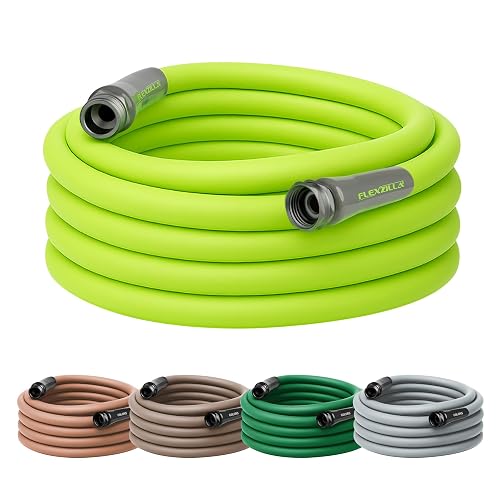
AWARD-WINNING: HGTV, USA Today and Best Reviews voted Best Overall Garden Hose
EXTREMELY DURABLE - Abrasion-resistant outer cover and crush-resistant anodized aircraft aluminum fittings
PREMIUM HYB...
The Flexzilla hose is a lightweight hybrid polymer design meant to stay flexible in all weather, with leak-free connections.
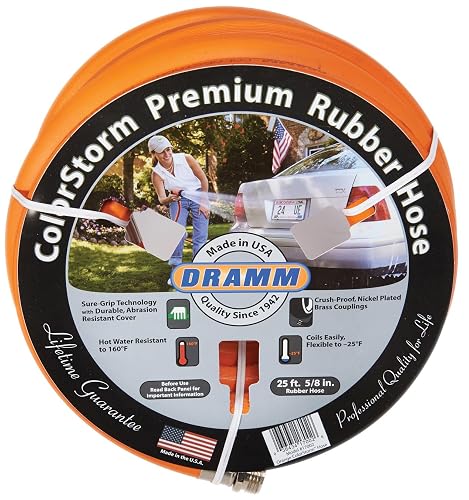
Premium quality rubber hose
Hot water resistant up to 160 Degree F
Resists kinking
Coils easily even in cold weather
Resists kinking
Coils easily even in cold weather
Crush proof, nickel-plated cou...
The Dramm ColorStorm is a heavy-duty rubber hose with kink resistance and crush-proof nickel-plated couplings, built for daily use.
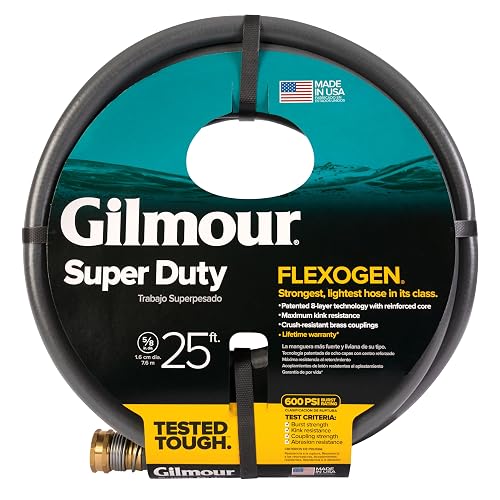
Patented 8-layer construction with reinforced core maximizes both durability and kink resistance
Crush-resistant and corrosion-resistant brass connections
Stainless steel spring prevents kinks at t...
The Gilmour Flexogen 25-foot hose is heavy duty and kink resistant, a good length for small yards and near-house jobs.
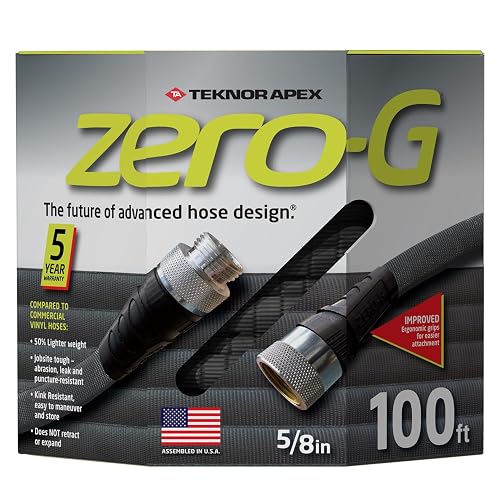
50% lighter weight compared to commercial vinyl hose.The hose does not retract or expand. Max Feed Water Temperature (Fahrenheit):80Flexible and easy to maneuver even in cold weather down to 35°FCo...
The zero-G 100-foot hose uses a lightweight design so long runs are easier to carry and coil.
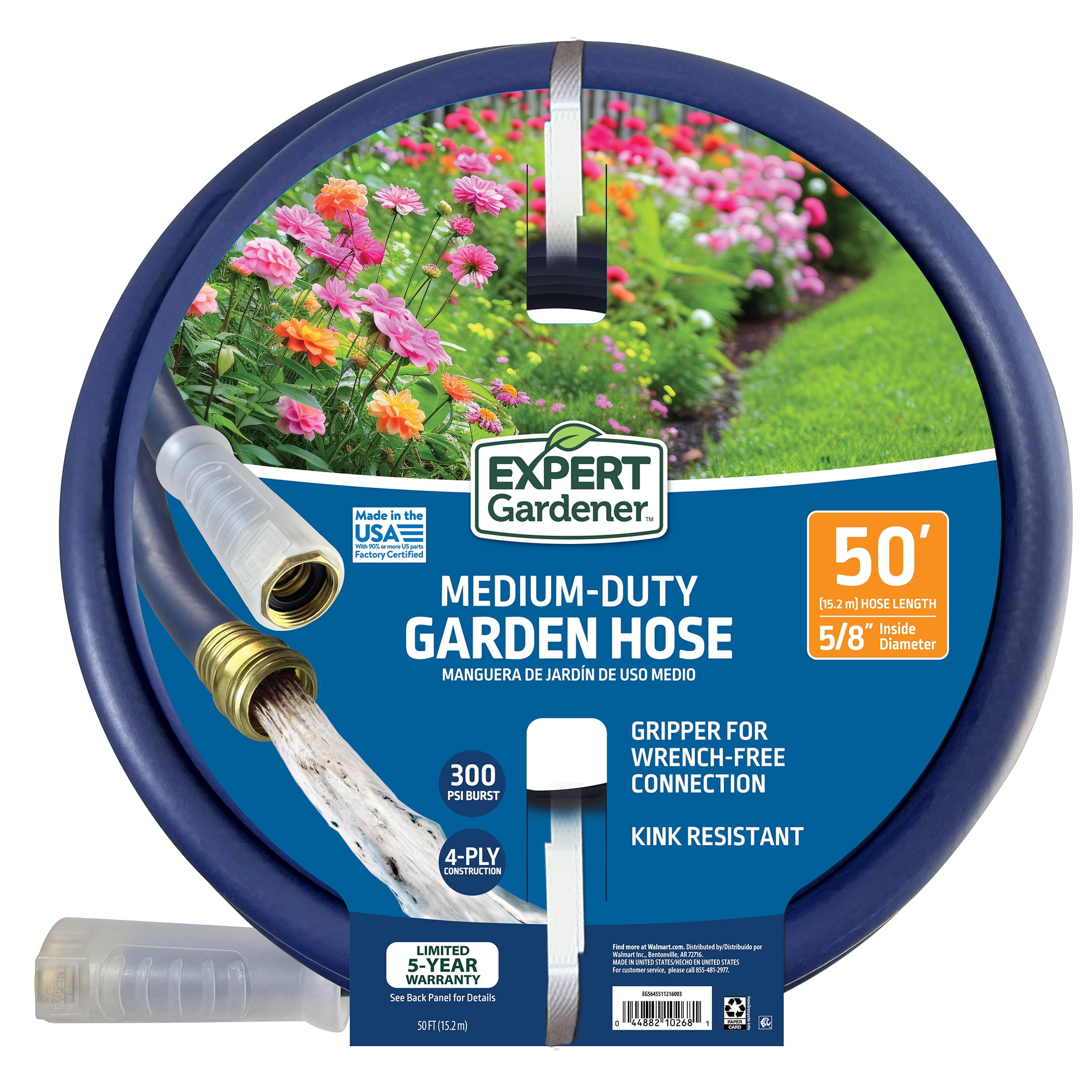
At Walmart, the Expert Gardener medium-duty 50-foot hose is a simple, budget-friendly standard hose.
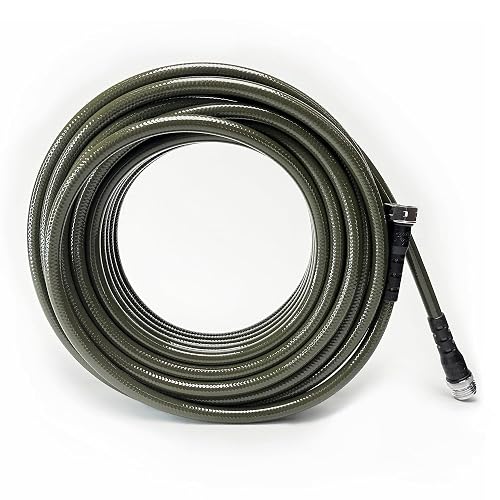
SLIM DESIGN: The 400 Series features a 7/16" inner diameter that offers the perfect balance of water flow and flexibility - perfect for smaller gardens, raised beds, patios, or anyone who prefers a...
The Water Right polyurethane hose is slim and light, with a 7/16-inch inner diameter. The maker labels it non-toxic.
Expandable hoses
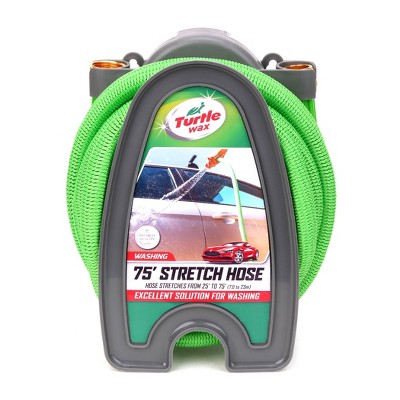
At Target, the Turtle Wax 75-foot expandable hose stretches to full length under water pressure and shrinks back when drained.
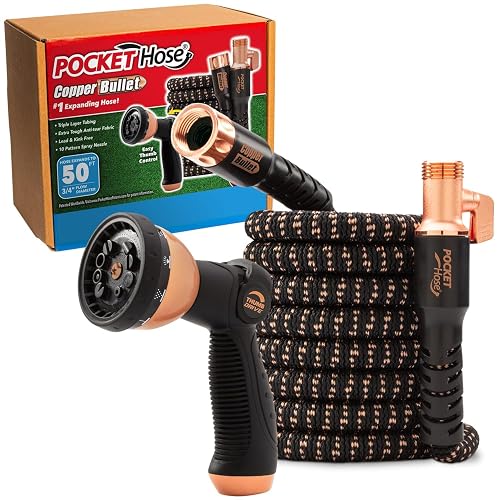
ORIGINAL HOSE THAT GROWS: the original “Hose That Grows” is so innovative it’s been awarded over 126 worldwide patents (Expands under water pressure)
The Pocket Hose Copper Bullet comes with a 10-pattern nozzle and packs down small for storage.
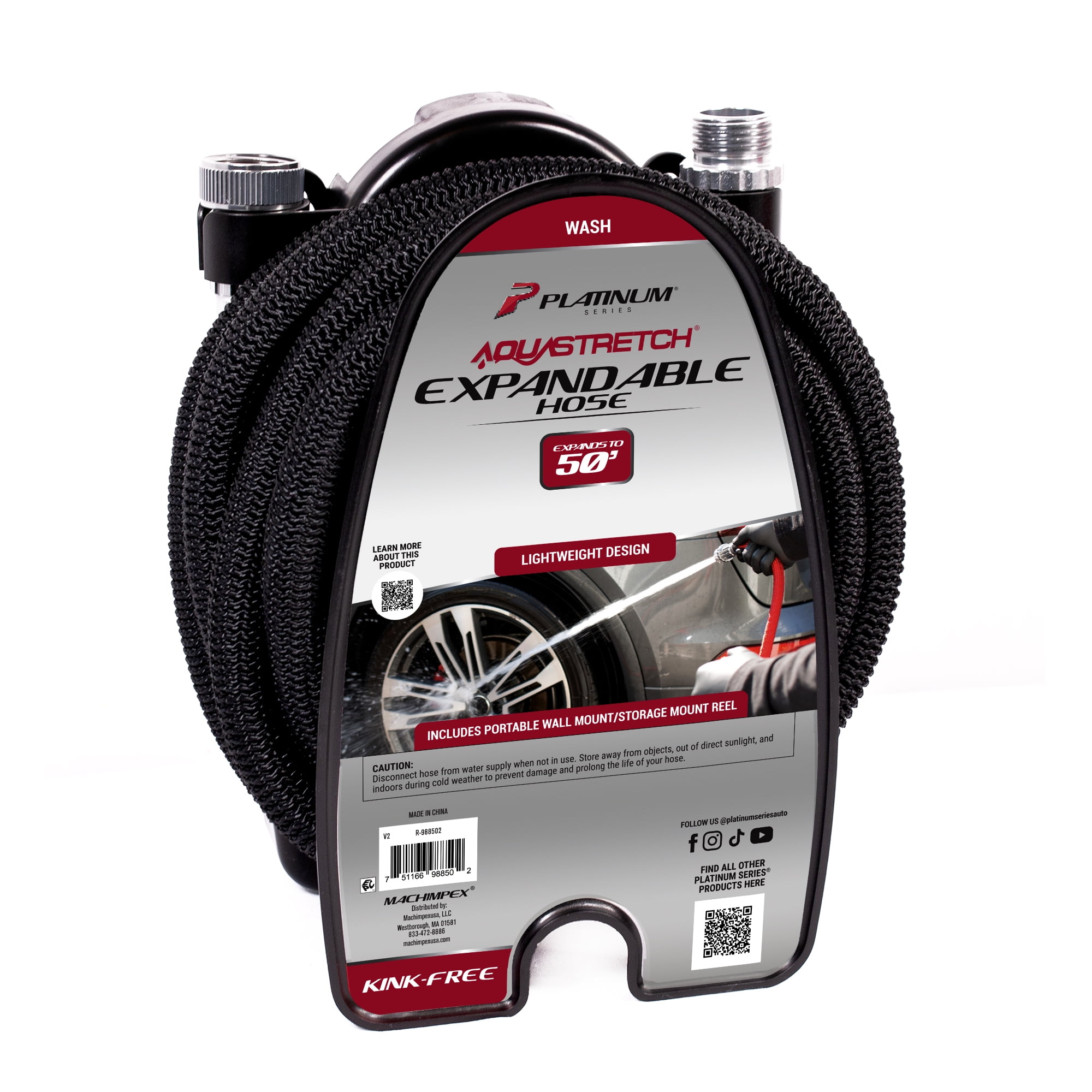
The Platinum Series AquaStretch pairs a 50-foot expandable hose with a storage holder.
The KOTTO 25-foot expandable hose has a solid brass connector and 10 spray patterns, a good size for balconies and patios.
Nozzles and accessories
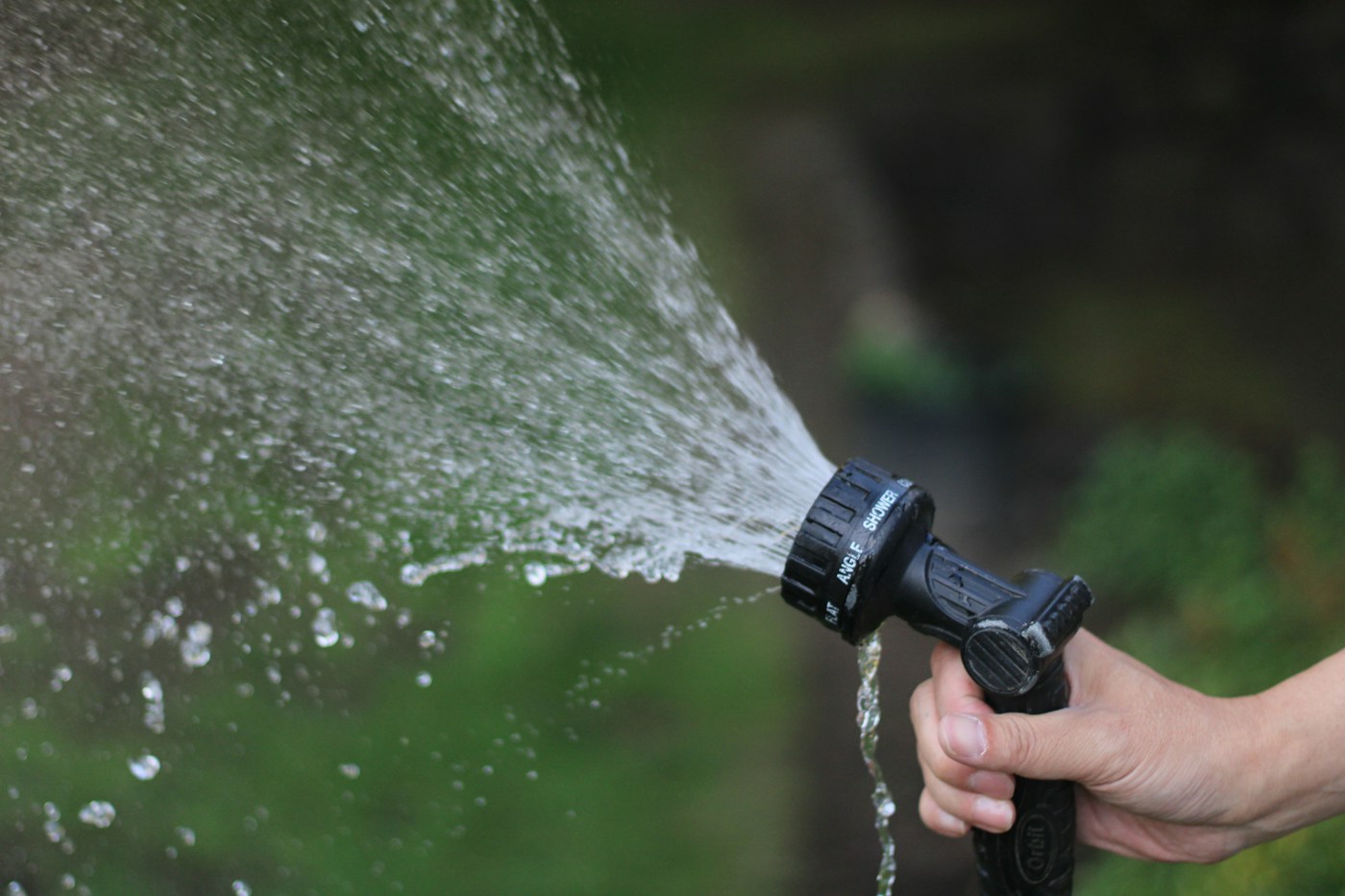
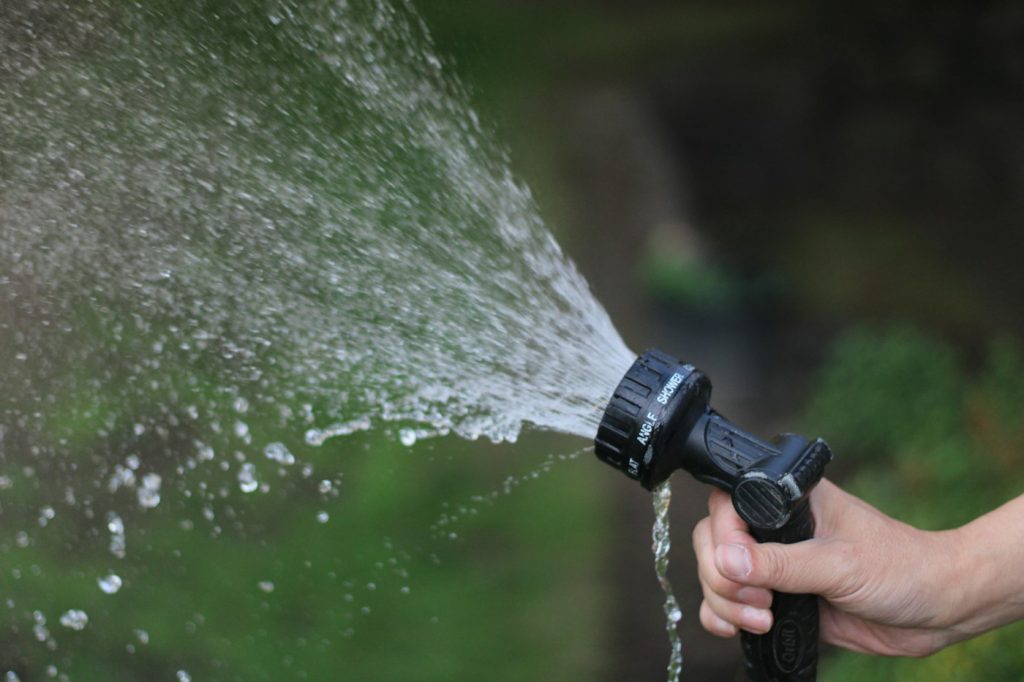
A spray nozzle with a trigger or thumb control lets you stop the water between plants instead of letting it run. Look for a few spray patterns: a gentle shower for seedlings, a jet for cleaning, and a soaker setting for deep watering. A shut-off valve at the end of the hose and a quick-connect set make swapping tools faster. A hose reel or cart keeps the hose off the ground, which helps it last and prevents trips.
Watering tips
The EPA's WaterSense program says it is generally best to water lawns and landscapes in the early morning and evening, after the sun goes down, because a lot of water can be lost to evaporation during the heat of the day. Your local water utility can suggest how much water plants in your area need.
- Water the roots, not the leaves: Aim at the base of plants so water soaks in where it is needed.
- Check for leaks: WaterSense suggests checking for leaks at your spigot connection and tightening as needed.
- Sweep instead of spraying: WaterSense recommends sweeping driveways, sidewalks, and steps rather than hosing them off.
- Watch the weather: Skip watering after a good rain.
Hose reels, carts, and hangers
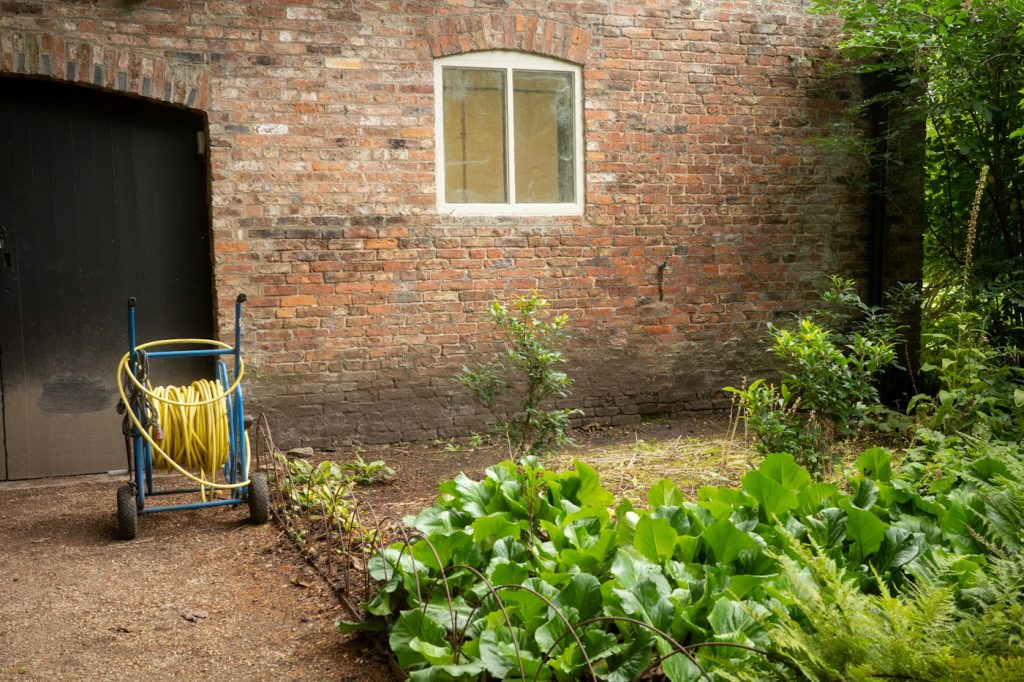
How you store a hose affects how long it lasts. A wall-mounted hanger is the cheapest option and works well for short to medium hoses near the spigot. A hose reel with a crank winds the hose evenly, which keeps kinks from setting in. A reel cart on wheels lets you roll a long hose to the far side of the yard, then roll it back. For expandable hoses, a simple bag or small holder is often enough, since they shrink down when empty.
Whatever you choose, place it out of direct sun if you can, and keep the hose off walkways so no one trips over it. Mounting the reel close to the spigot also means you are more likely to put the hose away after each use rather than leaving it in the grass.
Using a hose around the house
A hose is useful for far more than watering. It rinses patio furniture, fills kiddie pools and pet bowls, cleans garden tools, and washes cars. For each job, a nozzle with the right pattern helps: a wide shower for rinsing, a jet for caked-on mud, and a gentle mist for delicate plants. Keeping the nozzle set to off when not in use prevents wasted water.
Storage and winter care
Sunlight and being left full of water under pressure both wear hoses down. After each use, turn off the spigot, release the pressure with the nozzle, and coil the hose loosely on a reel or hanger. Avoid sharp bends that can create permanent kinks.
In places with freezing winters, drain the hose completely, disconnect it from the spigot, and store it indoors or in a shed. Water left inside can freeze and split the hose or fittings. Expandable hoses in particular should be drained and stored out of the cold.
Fixing common problems
- Dripping at the spigot: Replace the rubber washer in the female fitting and make sure the connection is snug.
- Constant kinks: Uncoil the hose fully in the sun for an hour to relax it, or switch to a rubber or hybrid hose.
- Small leak in the middle: Hose repair kits let you cut out the bad section and join the ends.
- Weak spray: Check for kinks, clogged nozzles, or a hose that is longer or narrower than you need.
Questions to ask before you buy
- How far do I need to reach? Measure, then add a few feet.
- How often will I use it? Daily heavy use favors rubber or hybrid; light use can get by with vinyl or expandable.
- Where will I store it? Small spaces suit expandable hoses; reels suit long standard hoses.
- How cold do winters get? Rubber and hybrid hoses stay flexible better in the cold.
The short answer
For most homes, a 50-foot, 5/8-inch hybrid or rubber hose with metal fittings is the safest bet. Choose an expandable hose if weight and storage matter most, and a short hose for patios. Add a shut-off nozzle, water in the early morning or evening as the EPA suggests, and drain and store the hose before freezing weather.
The responses below are not provided, commissioned, reviewed, approved, or otherwise endorsed by any financial entity or advertiser. It is not the advertiser’s responsibility to ensure all posts and/or questions are answered.
Tip: keep a small bag of spare hose washers by the spigot. A drip at the connection is usually just a worn washer. Has anyone compared how expandable hoses hold up in full sun versus stored in a shed?