
Last Updated on: Aug 24, 2026
Fingertip pulse oximeters went from a hospital gadget to a household item almost overnight a few years ago. Many people still have one in a drawer, and plenty of others buy them for hiking at altitude, for sports, or simply out of curiosity. They are small, cheap, and give a number in seconds. The part many buyers miss is what that number can and cannot tell you.
What We'll Cover
- Top Fingertip Pulse Oximeters
- How a fingertip oximeter works
- Medical devices versus wellness gadgets
- What affects accuracy
- How to take a reading
- Pay attention to how you feel, not just the number
- Features to compare
- Using an oximeter for sports and altitude
- Keeping a log
- Which one to buy for a household
- Care and storage
- Before you buy
This guide explains how these devices work, what the FDA says about their accuracy and limits, and what to look for if you decide to buy one. It is general information, not medical advice. If you have a health condition that affects your breathing or oxygen levels, your health care provider is the right person to guide how, or whether, you monitor at home.
Top Fingertip Pulse Oximeters
How a fingertip oximeter works
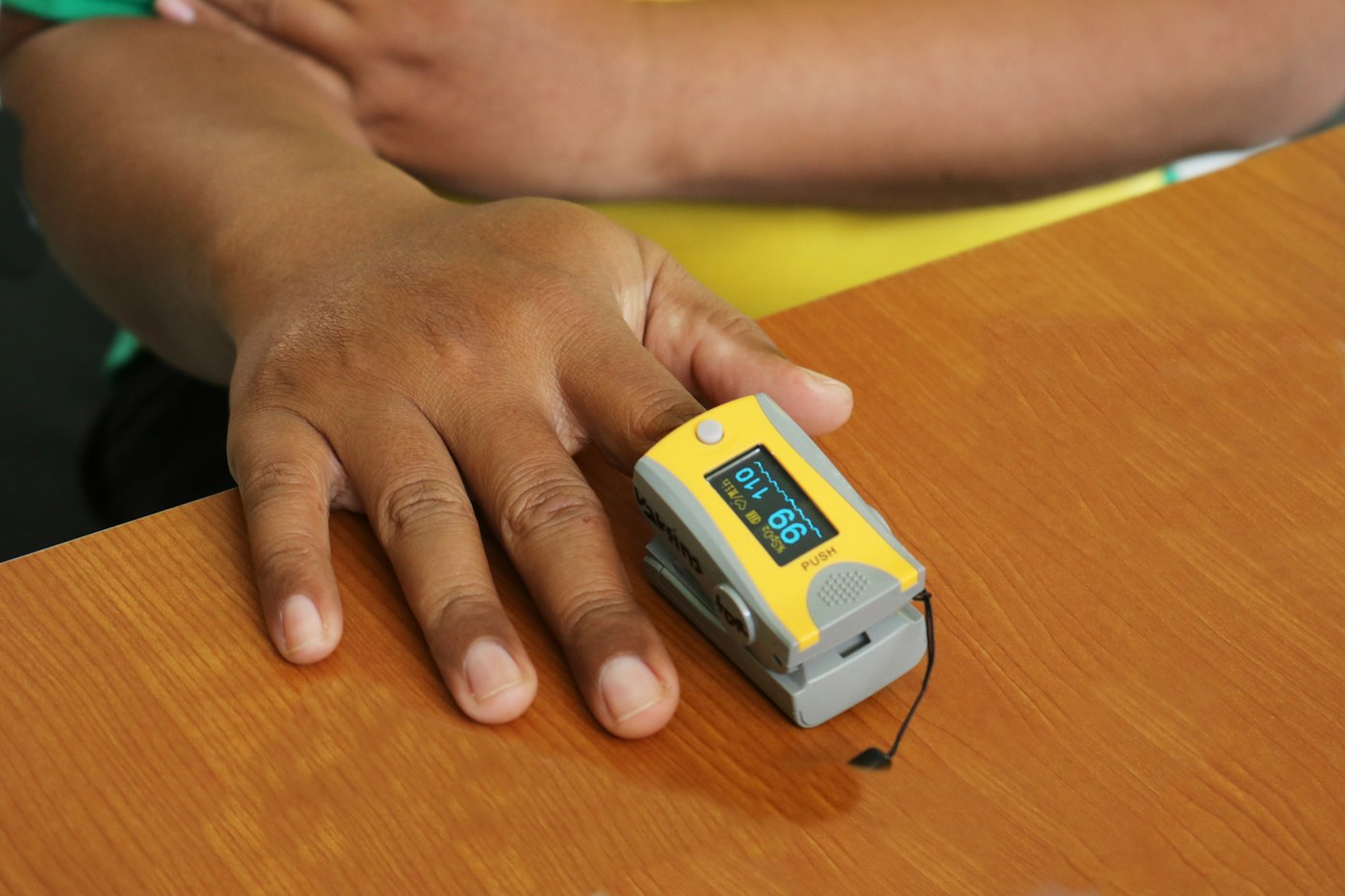
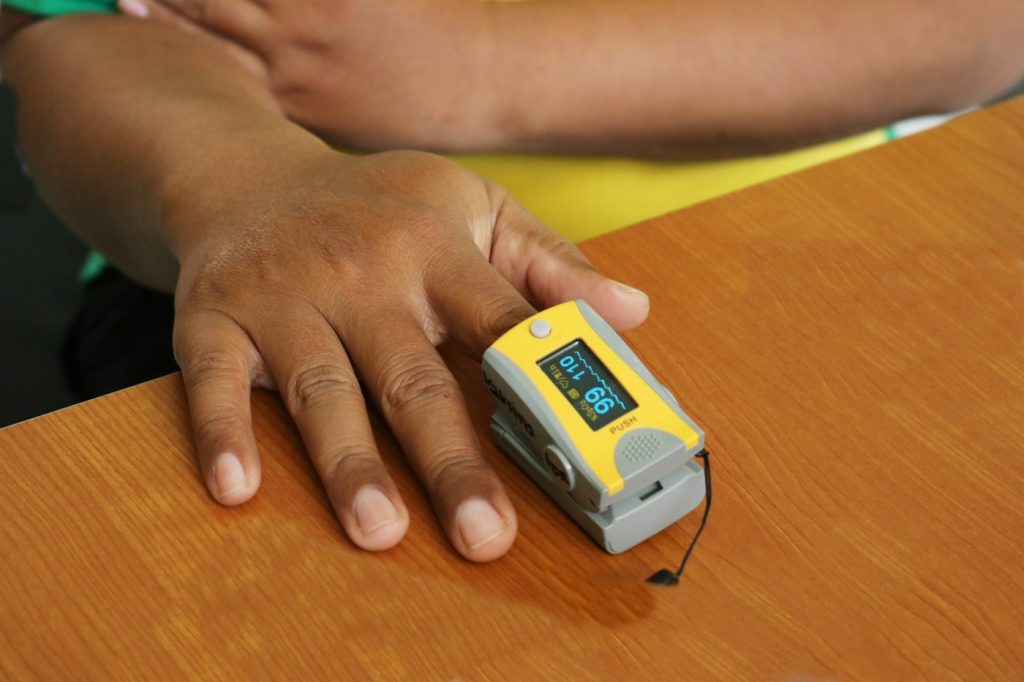
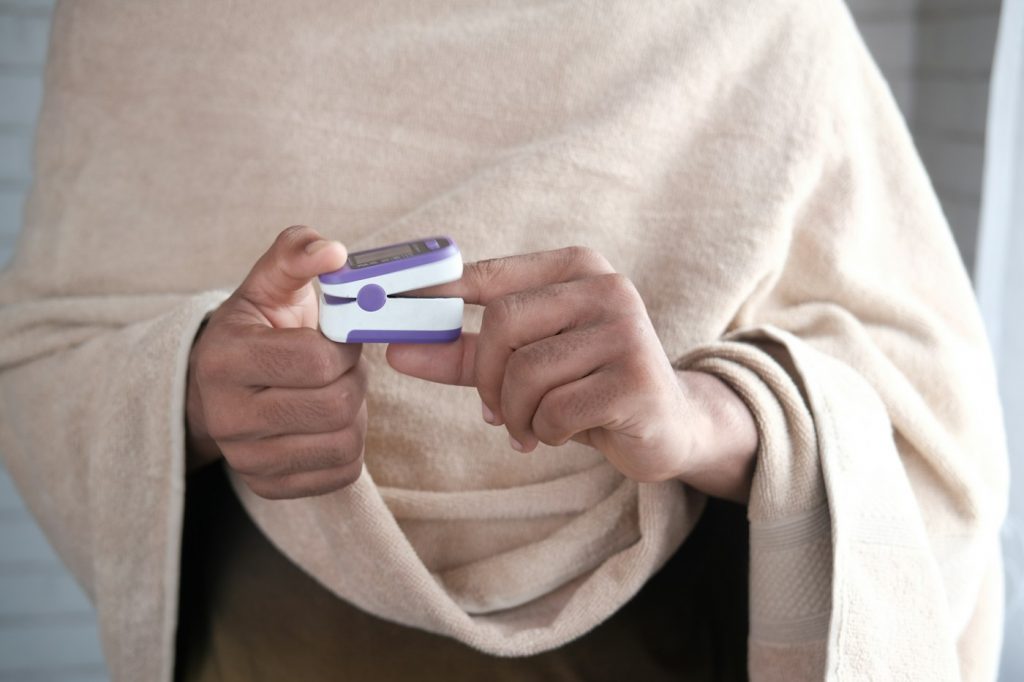
A pulse oximeter clips onto a fingertip and shines light through the skin. By measuring how much light passes through, it estimates the share of your red blood cells that are carrying oxygen, shown as SpO2, a percentage. Most models also show your pulse rate, and many display a small wave or bar that moves with each heartbeat.
According to the FDA, oxygen saturation is between 95% and 100% for most healthy people, but it can be lower in people with lung or heart problems. The FDA also notes that levels are generally slightly lower for people living at higher altitudes.
Medical devices versus wellness gadgets
This is the most important thing to understand before buying. The FDA explains that some pulse oximeters are intended for medical purposes and are mainly used in hospitals and doctors' offices. A small number of these medical oximeters are available over the counter after FDA clearance.
Most of the fingertip oximeters sold online and in stores are different. The FDA says many are sold as general wellness or sporting and aviation products, and these are not reviewed or evaluated by the agency before they go on sale. The FDA adds that these products are not evaluated for use in clinical decisions or for deciding whether to seek medical care. Many listings, including those on best-seller lists, are sold in this category, so read the product details carefully.
If you need an oximeter because of a medical condition, ask your health care provider which kind to use. For general curiosity, sports, or hiking, a wellness model can be a fun and handy tool, as long as you treat the numbers as estimates.
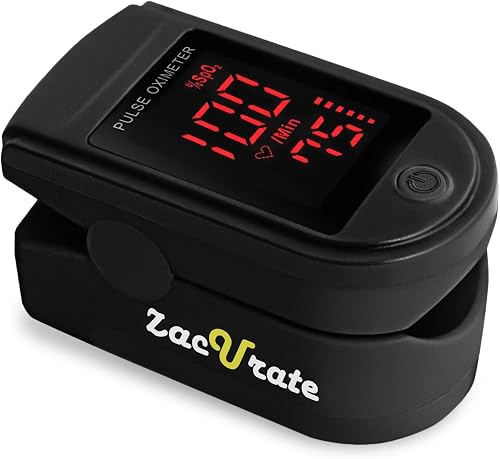
ACCURATE AND RELIABLE - Accurately determines your SpO2 (blood oxygen saturation levels), pulse rate and pulse strength in 10 seconds and displays it conveniently on a large digital LED display.
FU...
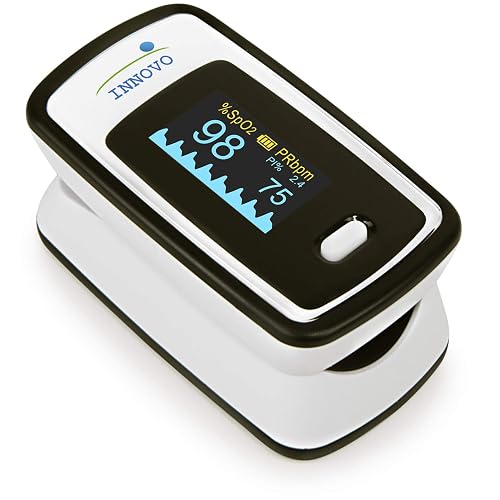
Accurate and Reliable - The Innovo iP900AP Finger Pulse Oximeter is a premium model with an improved LED and sensor, allowing SpO2 and pulse rate measurement even at low blood perfusion. Consistent...
What affects accuracy
The FDA says there is always a risk of an inaccurate reading, and lists several factors that can affect results:
- Poor circulation.
- Skin pigmentation.
- Skin thickness.
- Skin temperature.
- Current tobacco use.
- Fingernail polish.
On skin pigmentation in particular, the FDA says current evidence suggests some accuracy differences in pulse oximeter performance between people with lighter and darker skin. The agency has been working on updated guidance to improve how these devices are tested. It is one more reason to treat a home reading as one piece of information rather than a final answer.
How to take a reading
The FDA's tips for getting the best reading are simple:
- Make sure your hand is warm and relaxed.
- Hold your hand below the level of your heart.
- Remove any nail polish from the finger you use.
- Sit still. Movement can throw off the reading.
Most devices take a few seconds to settle. Wait until the number stops changing before you read it. If the pulse wave or bar looks jumpy or weak, the reading may not be reliable. Try again with a warmer hand or a different finger.
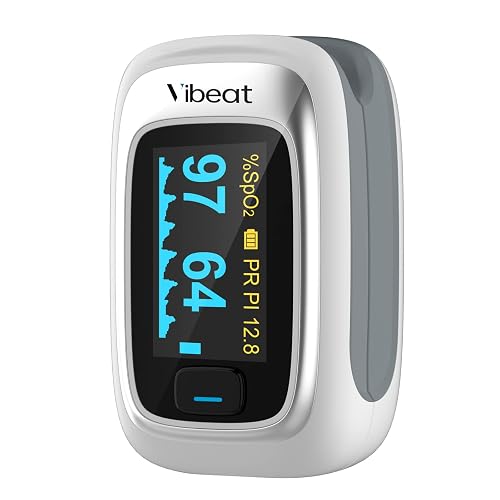
【High Accuracy】Our Finger Oxygen Monitor features the research-grade photoplethysmograph technology that uses infrared light to sense body movement and gather the necessary information to determine...
Pay attention to how you feel, not just the number
The FDA recommends keeping track of your symptoms and how you feel alongside any oximeter reading. It lists signs of low oxygen that are worth knowing, including a bluish color in the face, lips, or nails, and restlessness and discomfort, and notes that some people with low oxygen may not show all of these signs.
The FDA also says only a health care provider can diagnose a condition such as low blood oxygen, and that readings should be considered together with other information, including symptoms. Contact a health care provider if you are concerned about a reading or if your symptoms are serious or getting worse. In an emergency, call 911.
Features to compare
- Display. Bright OLED screens that rotate are easier to read at different angles. A large display helps people with low vision.
- Pulse wave or bar. Shows whether the device is picking up a steady signal, which helps you judge the reading.
- Finger size. Standard clips fit most adults. Some brands make versions for small fingers. Very large or very small fingers may not get a good fit.
- Power. Most use AAA batteries. Some are rechargeable over USB.
- Alarms and memory. Some models beep when readings go outside a set range or store past readings.
- Ring-style and app-connected models. Worn overnight or during activity and synced to a phone. These cost more and are aimed at people who want to see trends.
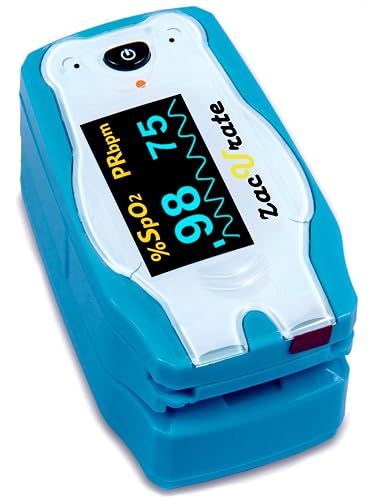
DESIGNED SPECIALLY FOR SMALL FINGERS – Recommended finger thickness for proper use is 0.2-0.6 inch (5-16 mm).
SIMPLE AND EASY ONE-BUTTON OPERATION – Just put your finger into the chamber and measur...
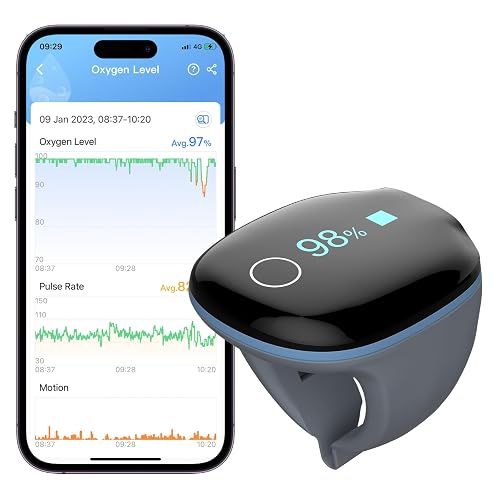
All-day Monitoring: It can be used continuously tracking of blood oxygen level, pulse rate and body motion for the whole day. (Up to 16 hours).
Smart Readings Reminder: If the O2 level is lower tha...
Using an oximeter for sports and altitude
Hikers, skiers, and pilots often use fingertip oximeters to watch how their bodies respond to high elevation. Since readings can run slightly lower at altitude, as the FDA notes, a single number means little without knowing your usual reading at home. Take a few readings at rest before a trip so you have a baseline to compare against. Cold hands are common outdoors and can make readings less reliable, so warm your fingers first.
Athletes sometimes check their pulse and SpO2 after workouts. That can be interesting, but remember these are estimates from a consumer device. For any concern about how your body is responding to exercise or altitude, talk to a health care provider.
Keeping a log
Single readings jump around, so a short record is more useful than any one number. If your health care provider has asked you to track your oxygen at home, note the date, time, reading, pulse, and how you felt. Take readings the same way each time, at rest, with the same hand, so the numbers are easy to compare.
Some app-connected oximeters keep this log for you. A notebook works just as well. Bring the record to appointments, since it gives your provider far more context than a number you remember from last Tuesday.
Which one to buy for a household
For most homes, a basic fingertip model with a clear screen and a signal bar is enough. Families with kids may want a model made for smaller fingers, since a standard clip can slip on a child's hand. Older adults often do better with a large, bright display and simple one-button operation. People who want to look at trends during sleep or exercise tend to choose ring-style or app-connected models, which cost more.
Whatever you pick, keep it with your other health basics, such as your thermometer and first aid kit, so it is easy to find.
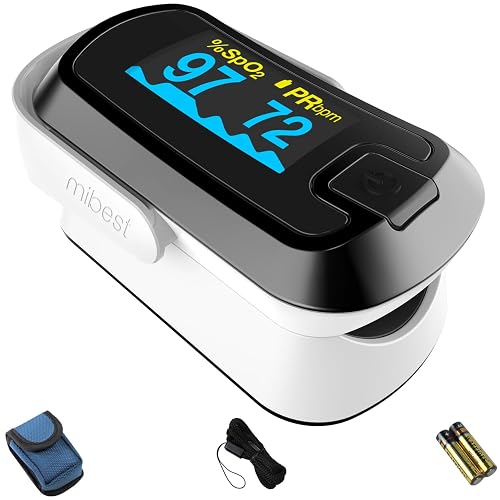
【FAST & ACCURATE READINGS】Quickly measure blood oxygen saturation (SpO2), pulse rate, and pulse strength in seconds. Features 4 display directions, 6 display modes, and 10 adjustable brightness lev...
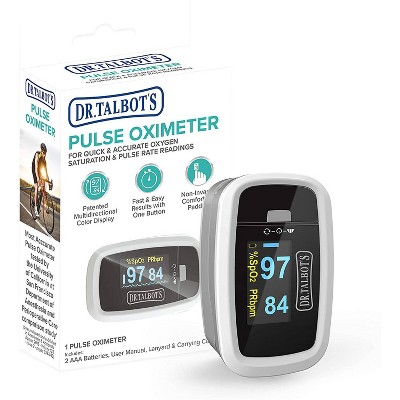
A travel-friendly option. Target carries Dr. Talbot's fingertip oximeter, which has a large digital display, auto shut-off, and comes with a lanyard and travel pouch. The listing says it is suitable for adults and children.
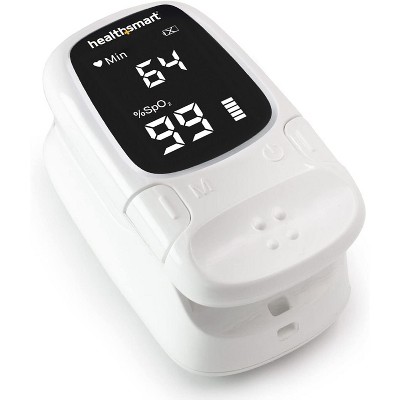
Built for workouts. The HealthSmart Sport oximeter, also at Target, is marketed for training and cardio use. It has an LED display you can read from two directions, adjustable alarms, a low-battery alert, and includes two AAA batteries. As the FDA notes, sport models are not evaluated for making medical decisions.
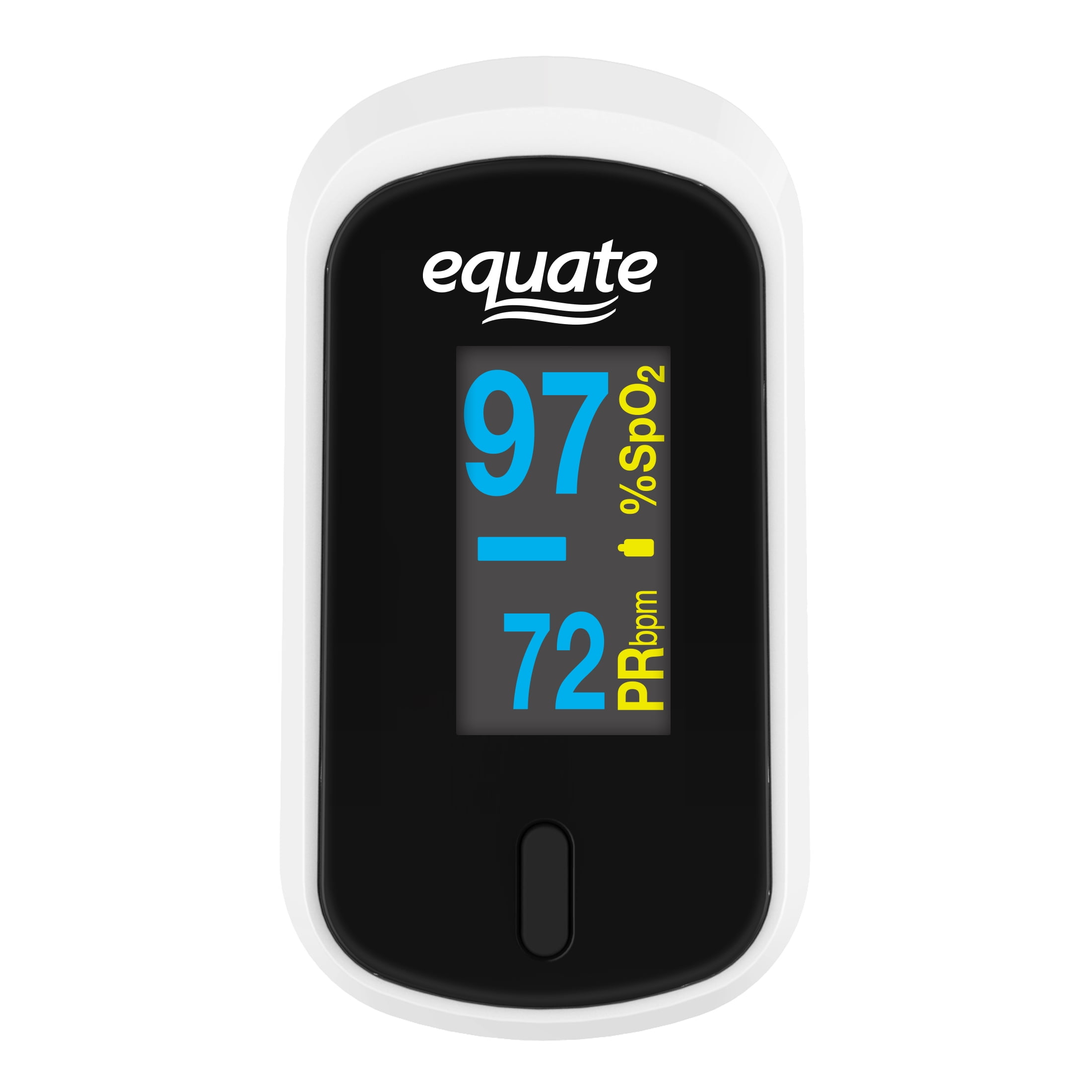
Store-brand pick with a bright screen. The Equate fingertip oximeter has a display with 10 brightness levels that can be read from four sides, soft silicone padding inside the clip, and one-button use with automatic power off.
Care and storage
Oximeters are simple to look after. Wipe the finger pad with a soft cloth or as the maker directs, and keep the device dry. Take out the batteries if you will not use it for a long time, so they do not leak. A small case or pouch keeps it clean in a bag or first aid kit.
If you share an oximeter at home, clean it between uses. Check it now and then to make sure it still powers on and the screen is bright, especially if it lives in an emergency kit.
Before you buy
- Know whether you need a medical device or a general wellness gadget, and ask your health care provider if you are unsure.
- Pick a clip size that fits the fingers of the people who will use it.
- Choose a display that is easy for you to read.
- Look for a pulse wave or signal bar so you can judge the reading.
- Keep spare batteries or a charging cable with it.
A fingertip oximeter can be a useful tool when you understand its limits. Read the FDA's full pulse oximeter basics before relying on one, and always pair the number with how you actually feel.
The responses below are not provided, commissioned, reviewed, approved, or otherwise endorsed by any financial entity or advertiser. It is not the advertiser’s responsibility to ensure all posts and/or questions are answered.
Does it matter which finger you use? I have seen people use the index finger and others use the middle one.