
Last Updated on: May 26, 2026
A Dutch oven is a heavy pot with a tight-fitting lid, and it may be the most versatile piece of cookware in the kitchen. It can sear meat on the stove, then go into the oven for a long, slow braise. It simmers soups and chili, boils pasta, fries chicken, and bakes crusty bread. Because it holds heat so well, food cooks evenly and stays warm at the table.
What We'll Cover
- Top Dutch Ovens
- Enameled vs. bare cast iron
- Picking a size
- Other features to check
- Enameled Dutch ovens
- Bare cast iron
- Baking bread in a Dutch oven
- Cooking tips
- Cleaning and care
- Storing a Dutch oven
- Is a pricey Dutch oven worth it?
- One-pot meals to try
- Questions to ask before you buy
- The short answer
Most Dutch ovens are made of cast iron, either bare or coated in enamel. The two types cook in similar ways but need different care. Size, shape, weight, and lid design also matter, and prices range from budget-friendly to heirloom-level.
Top Dutch Ovens
Enameled vs. bare cast iron
Enameled cast iron
Enameled Dutch ovens have a glassy coating over the iron, inside and out. The coating means no seasoning is needed and acidic foods like tomato sauce and wine braises will not react with the metal. They come in many colors and are easy to clean. The tradeoff is that the enamel can chip if the pot is dropped or banged, and light-colored interiors can stain over time.
Bare cast iron
Traditional bare cast iron Dutch ovens are usually cheaper and very tough. They need to be seasoned with oil, much like a cast iron skillet, and they get more nonstick with use. Some models come with legs and a flat, flanged lid for campfire cooking, where coals can sit on top. Long simmers of very acidic foods can wear down the seasoning, so many cooks save those recipes for enameled pots.
Picking a size
- 2 to 4 quarts: Good for one or two people, side dishes, and small batches of soup.
- 5 to 6 quarts: The most popular size. It handles a whole chicken, a pot roast, or soup for a family of four to six, and it fits a standard bread loaf.
- 7 quarts and up: For big families, batch cooking, and entertaining. These pots are very heavy when full.
Shape matters too. Round Dutch ovens fit well on a stove burner and are the usual choice for bread. Oval pots are better for long cuts of meat or a whole chicken, but they heat less evenly on a round burner.
Other features to check
- Weight: Cast iron is heavy. A 5- or 6-quart pot can weigh 10 pounds or more before you add food, so try lifting one if you can.
- Handles: Wide loop handles are easier to grip with thick oven mitts.
- Lid knob: Check the maximum oven temperature, since some knobs are rated lower than the pot itself.
- Lid fit: A snug lid keeps moisture in during long braises. Some lids have bumps or ridges underneath that help drip condensation back onto the food.
- Interior color: Light interiors make it easy to see browning; dark interiors hide stains.
Enameled Dutch ovens
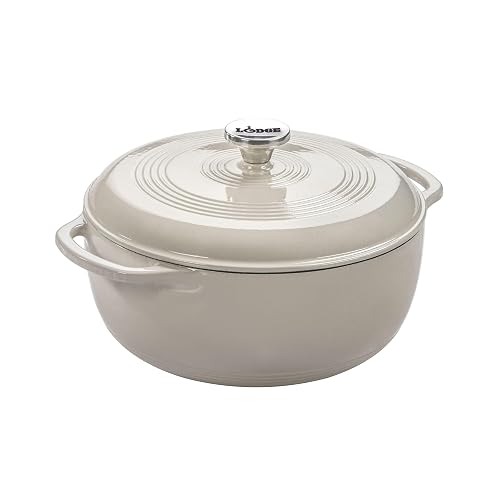
Quality Enameled Dutch Oven: The Lodge Essential Enamel Cast Iron Dutch Oven gives you all the benefits of cast iron cooking, great heat retention and durability, without fear of rust; it's also PF...
The Lodge Essential Enamel Dutch oven holds 6 quarts and has a light oyster white finish, a solid all-purpose size for family meals.
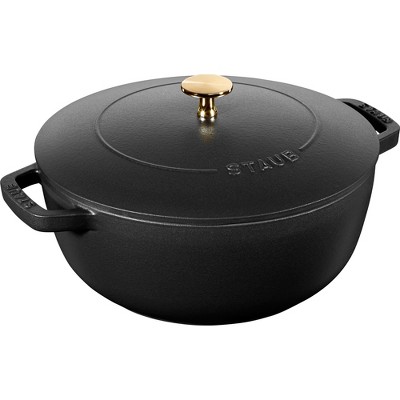
At Target, the Staub Essential French Oven is a 5-quart enameled cast iron pot made in France, with a matte black finish, a premium pick for serious home cooks.
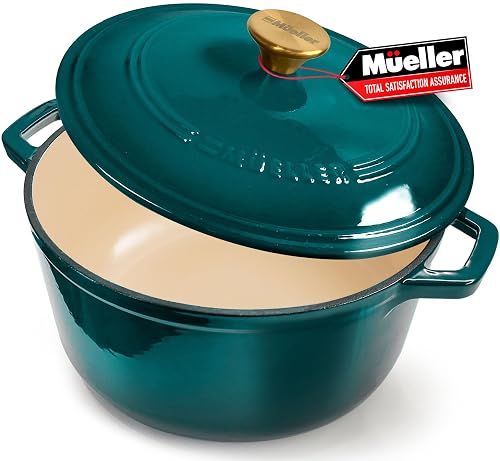
BREAD BAKER'S DUTCH OVEN, 500°F OVEN-SAFE, SOURDOUGH-READY – one of the highest ratings in its class – delivering the sustained heat that sourdough, artisan bread, and pizza dough demand. Thick cas...
The Mueller DuraCast holds 6 quarts and comes with a lid, a value option in enameled cast iron.
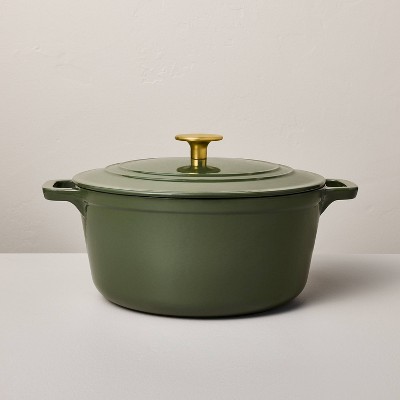
The Hearth & Hand with Magnolia Dutch oven is a 5-quart cast iron pot with a green finish that fits a farmhouse kitchen.
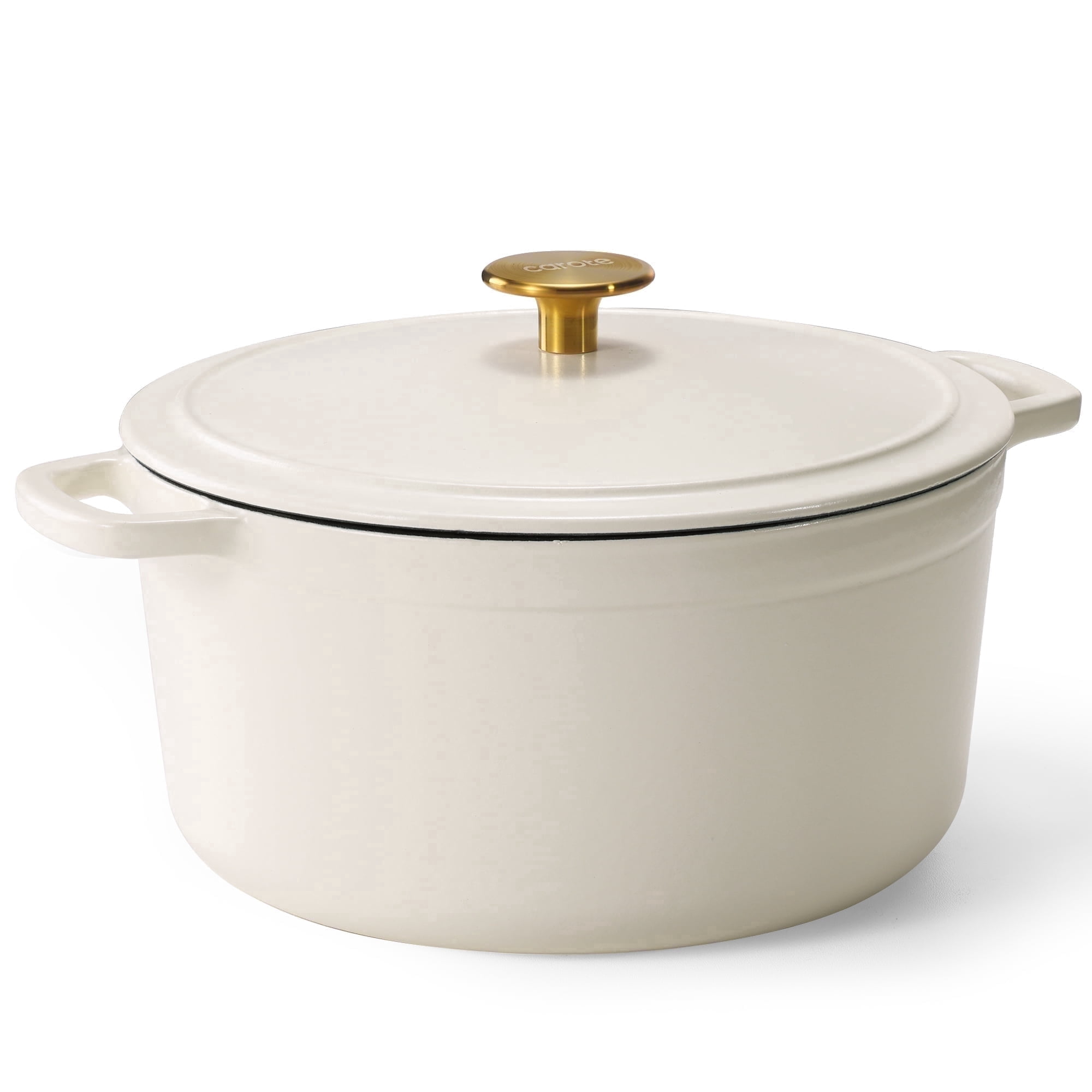
At Walmart, the Carote enameled Dutch oven holds 5 quarts and is marketed for roasting, baking, braising, and sourdough bread.
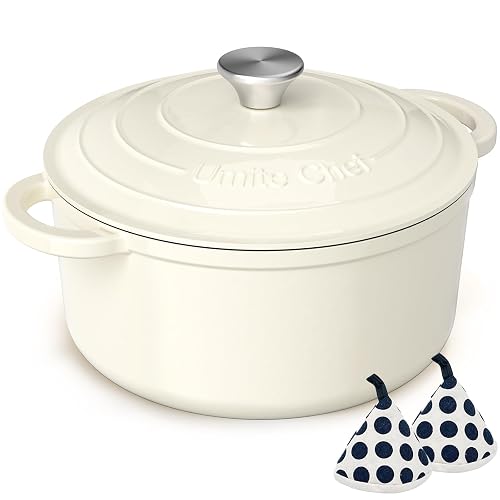
Even Heat Distribution Retention: This Umite Chef Dutch oven Made with heavy-duty enameled cast iron, ensures even heat distribution for perfect searing and slow cooking, locking in flavors. thicke...
The Umite Chef 5-quart pot includes cotton potholders, handy since the handles get hot in the oven.
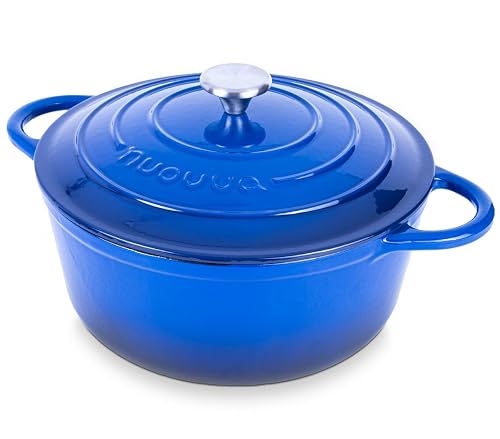
LOW MAINTENANCE: a great alternative to the traditional bare cast iron pot for busy working individuals, our ovenproof casserole dish is coated with enamel for a sleek smooth finish, enjoy quick an...
The Nuovva Dutch oven holds 6.4 quarts, and the listing says it is oven safe up to 500 degrees Fahrenheit.
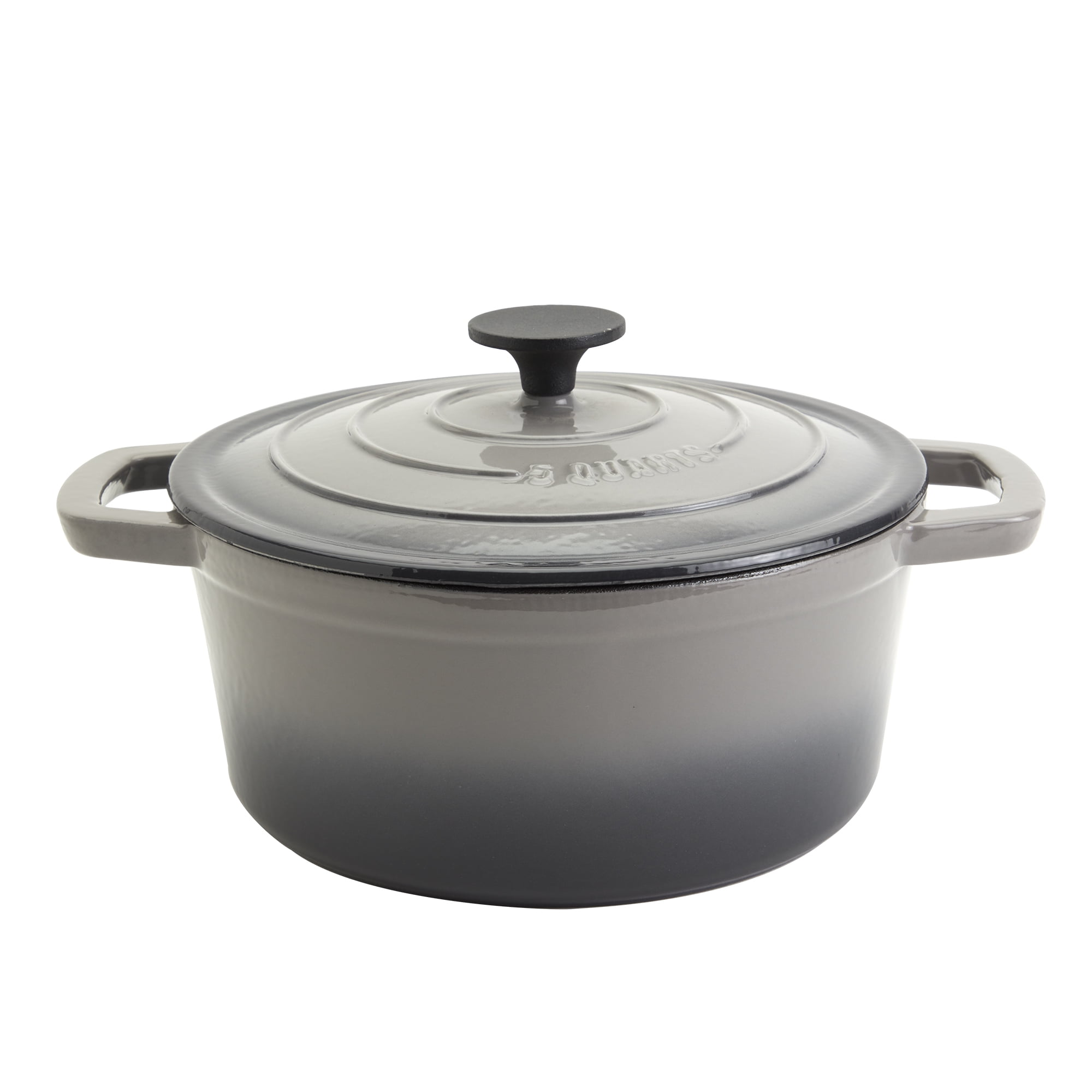
The Smith & Clark 5-quart round Dutch oven has a gray enamel finish and is a budget-friendly way to try enameled cast iron.
Bare cast iron
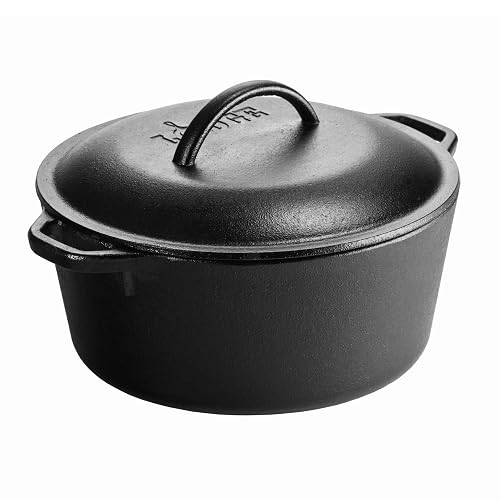
2-in-1 Versatile Cookware Design: The Lodge Cast Iron Double Dutch Oven is a Dutch oven and dual-handle skillet in one smart design, expanding your options for searing, baking, frying, and more
Tim...
The Lodge cast iron Dutch oven with loop handles holds 5 quarts and is oven-safe. As bare cast iron, it builds seasoning over time and can handle high heat.
Baking bread in a Dutch oven
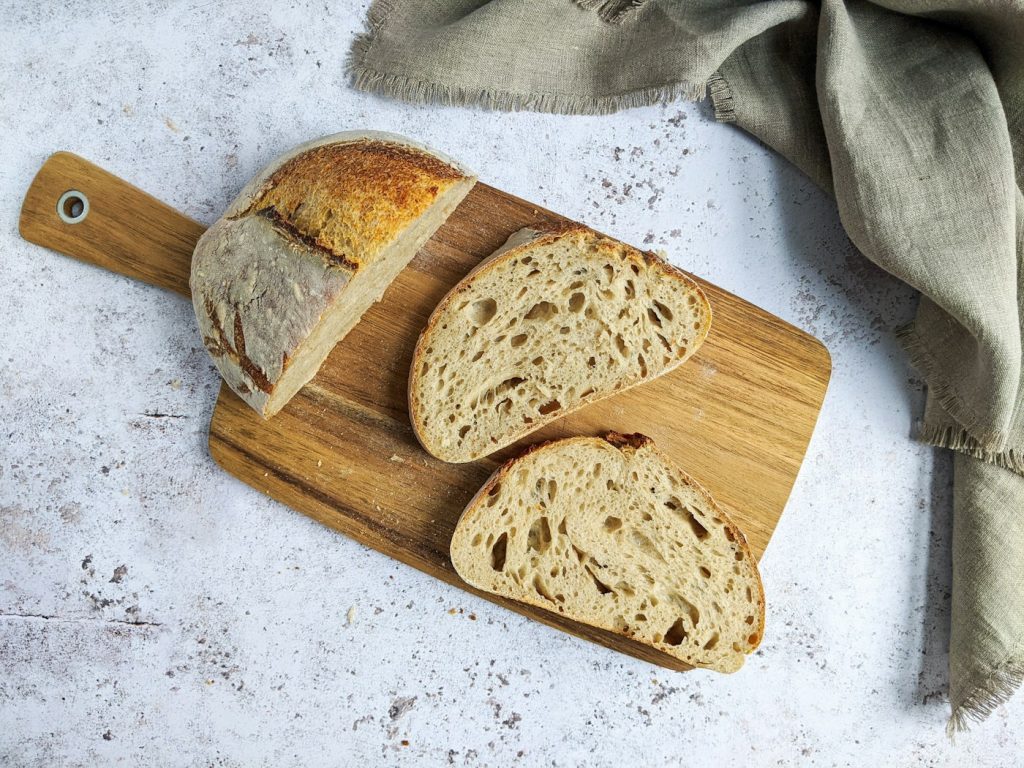
A preheated Dutch oven works like a small steam oven. The lid traps moisture from the dough as it bakes, which helps the loaf rise and gives it a crisp, shiny crust. Many no-knead and sourdough recipes are built around a 5- to 6-quart round pot.
Check your pot's instructions before preheating it empty in a hot oven. Lodge, for example, advises against heating empty enamel cookware on the stovetop and warns against putting cold ingredients into a hot, empty pan, such as using an ice cube to create steam during bread baking, to avoid thermal shock. Parchment paper helps lower the dough into the hot pot safely.
Cooking tips
- Heat gradually: Lodge recommends preheating enameled cast iron gradually with oil on a burner close to the size of the pot.
- Use moderate heat: Cast iron holds heat well, so low to medium heat is usually enough for searing and simmering.
- Use gentle utensils: Lodge suggests wooden, silicone, or nylon utensils on enamel, since metal can scratch the finish.
- Brown in batches: Crowding the pot steams meat instead of searing it.
- Use oven mitts: Handles and lids get as hot as the pot.
Cleaning and care
For enameled cast iron, Lodge says the pieces are technically dishwasher safe but recommends hand washing to preserve the finish. Let the pot cool before washing with warm soapy water, and dry it promptly. For stuck-on food, soak it in warm water before scrubbing with a nylon brush or sponge. Lodge also notes that rust can form on the exposed rim if it is not dried well, and suggests rubbing a little oil around the rim now and then.
For bare cast iron, wash with warm water and a brush, dry right away, and rub a thin layer of oil on the inside before storing. Avoid soaking bare cast iron for long periods, which can cause rust. If rust appears, scrub it off and re-season the pot.
Storing a Dutch oven
Store your Dutch oven in a cool, dry place. Many people keep it right on the stovetop since it is used so often. If you stack other pans inside, put a towel or pan protector between them to prevent chips and scratches. Some cooks leave the lid slightly ajar or place a folded paper towel under it so air can circulate and moisture does not get trapped.
Is a pricey Dutch oven worth it?
High-end enameled Dutch ovens tend to have thicker enamel, tighter lids, and long warranties, and they can last for decades. Budget models cook very well too, and many home cooks are happy with them for years. The biggest differences often show up in how well the enamel holds up to chipping and staining over time. If you cook with your Dutch oven several times a week, a premium pot may be worth it. For occasional stews and bread, a mid-range or budget model is a sensible start.
One-pot meals to try
Once you have a Dutch oven, it is easy to lean on it for weeknight dinners. Brown chicken thighs, add rice and broth, cover, and finish in the oven for a simple one-pot meal. Simmer a big pot of chili or bean soup on a Sunday and eat it through the week. Make a pot roast with carrots and potatoes that cooks low and slow for hours while you do other things. The heavy lid and thick walls keep the heat steady, so these dishes need little attention once they are going.
Questions to ask before you buy
- What will you cook most? Acidic sauces and braises favor enamel; campfire cooking favors bare cast iron.
- How many people do you feed? 5 to 6 quarts suits most households.
- Can you lift it comfortably? Weight matters, especially when the pot is full and hot.
- Do you bake bread? Choose a round pot with an oven-safe knob.
The short answer
For most kitchens, a 5- to 6-quart round enameled Dutch oven is the most useful choice. It can sear, simmer, braise, and bake bread, and it cleans up easily. Choose bare cast iron if you want a tougher, lower-cost pot or plan to cook outdoors. Heat it gradually, use gentle utensils on enamel, dry it well, and it will be a kitchen workhorse for many years.
The responses below are not provided, commissioned, reviewed, approved, or otherwise endorsed by any financial entity or advertiser. It is not the advertiser’s responsibility to ensure all posts and/or questions are answered.
For bread, does a 5 quart round pot work for a standard loaf from a no-knead recipe, or is 6 quarts safer so the dough doesn't touch the sides?