
Last Updated on: Jun 15, 2026
A doormat is easy to overlook until the floor inside the door turns gray with grit, or a rainy week leaves muddy prints down the hallway. A good mat catches most of that before it gets past the threshold. It also takes a beating from boots, weather, and pets, so the right one depends on where it sits, what it needs to catch, and how you plan to clean it.
What We'll Cover
There is a health angle too. The EPA notes that lead in soil can be tracked into homes on shoes, adding to lead in household dust, and its advice for families is to put doormats outside and inside all entryways and remove shoes before entering. A mat will not solve every dust problem, but it is one of the cheapest steps you can take at the front door.
Top Doormats

Why two mats work better than one
A common approach is a two-mat system. The outdoor mat is a scraper: coarse, stiff, and built to knock mud, gravel, and snow off soles. The indoor mat is a wiper: softer fibers that soak up water and catch the fine dust the first mat missed. Together they take care of far more than either could alone.
This lines up with the EPA's advice to place mats both inside and outside entryways. If you only have room or budget for one, pick based on your biggest problem. Mud and grit call for an outdoor scraper. Wet shoes, pet paws, and fine dust call for an absorbent indoor mat.
Materials compared
Coir
Coir is made from coconut husk fiber. It is stiff and scratchy, which makes it very good at scraping dirt off shoes. It is also the classic look for welcome mats with printed words or patterns. Coir sheds a bit at first, and it can hold water and break down faster if it stays soaked, so it does best under a covered porch or overhang.
Rubber
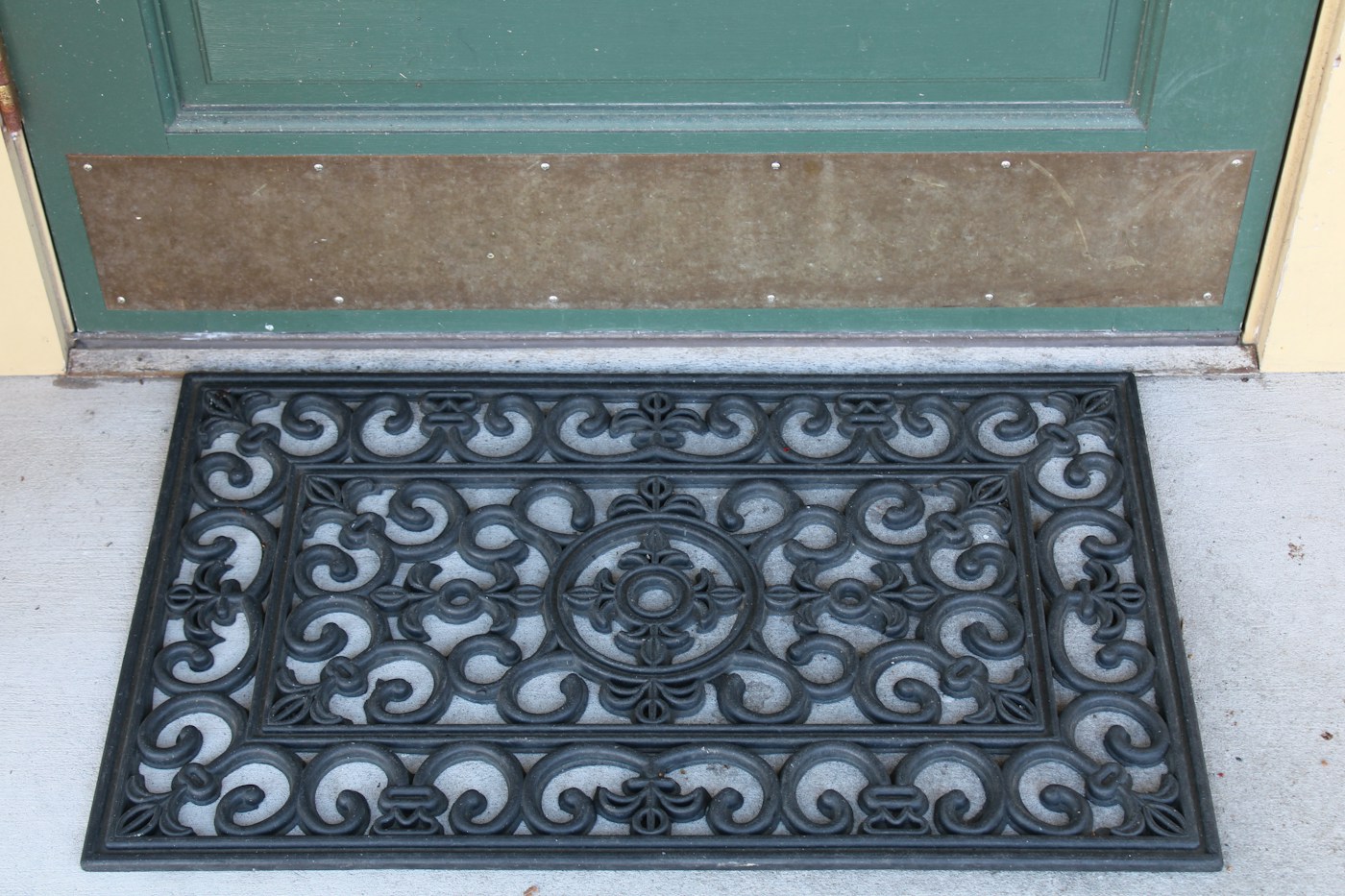
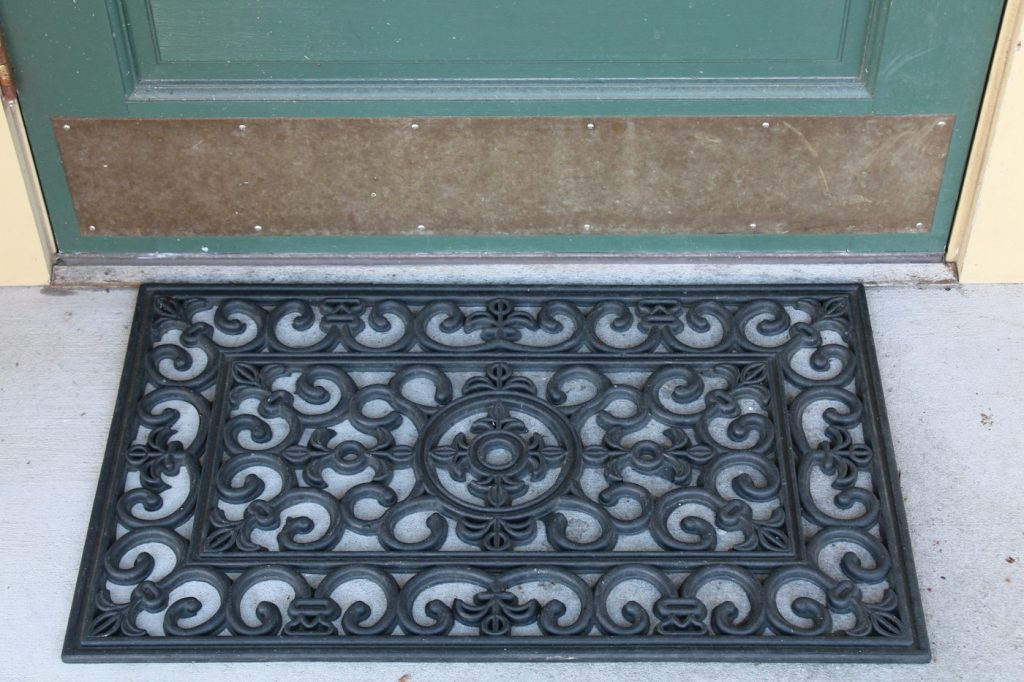
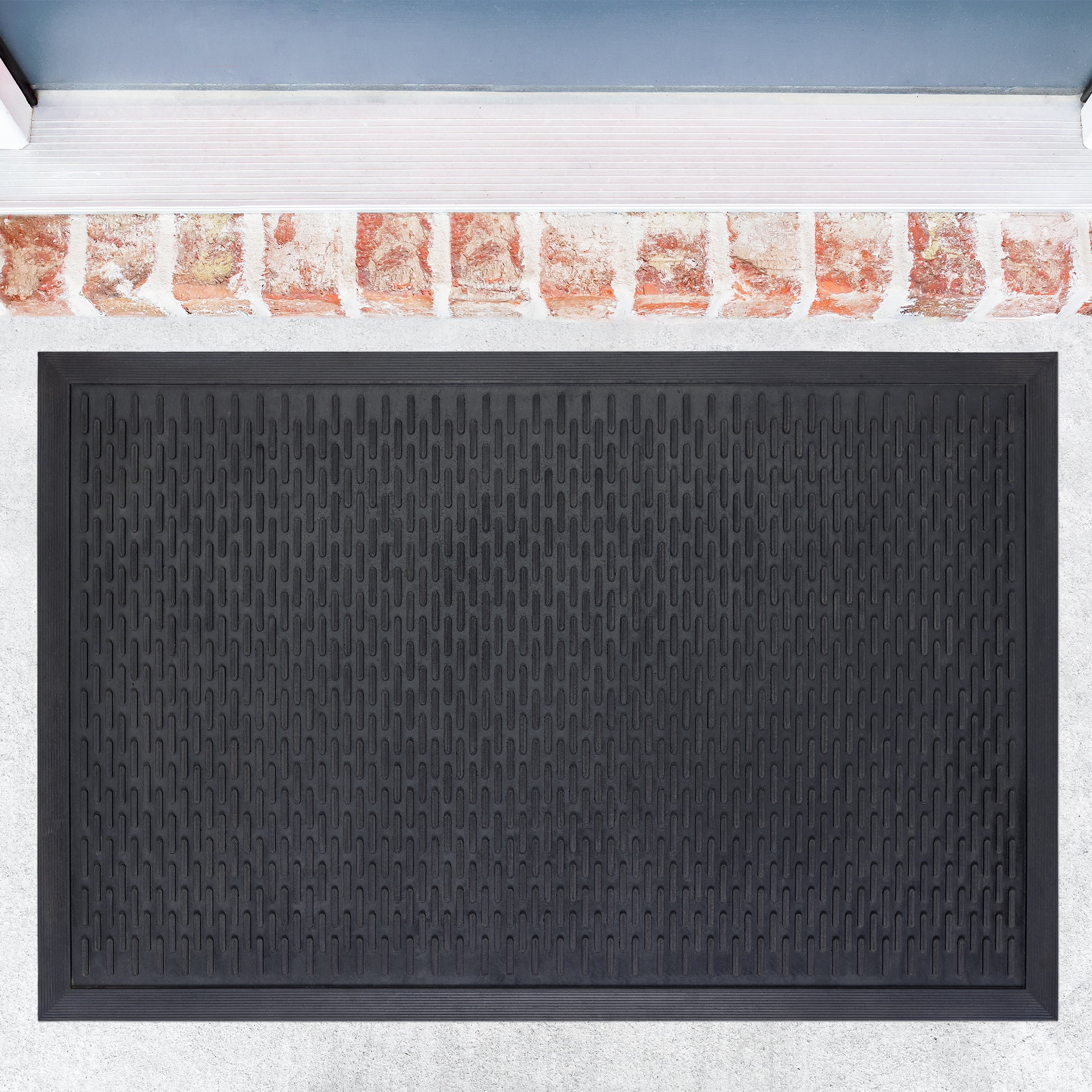
All-rubber mats are the toughest option for open, rainy, or snowy entries. Open grid or lattice designs let water, snow, and mud fall through, and you can hose them off in seconds. They do not absorb much, so they work best as the outdoor half of a two-mat setup.
Synthetic and chenille
Polypropylene, polyester, and microfiber chenille mats are softer and more absorbent. They are good at trapping water and fine dust, and many can go in the washing machine. They usually have rubber or non-slip backing, which is important on smooth indoor floors.
Outdoor scraper mats

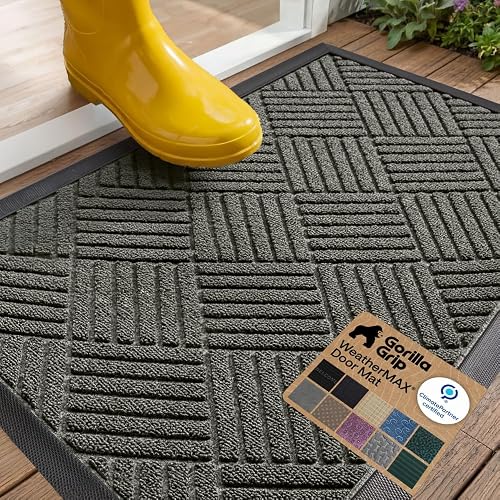
THE ORIGINAL WEATHERMAX ALL SEASON DOORMAT: Gorilla Grip's Original WeatherMax doormat is built tough with a heavy duty, yet soft and flexible construction; deep grooves, beveled rubber border and ...
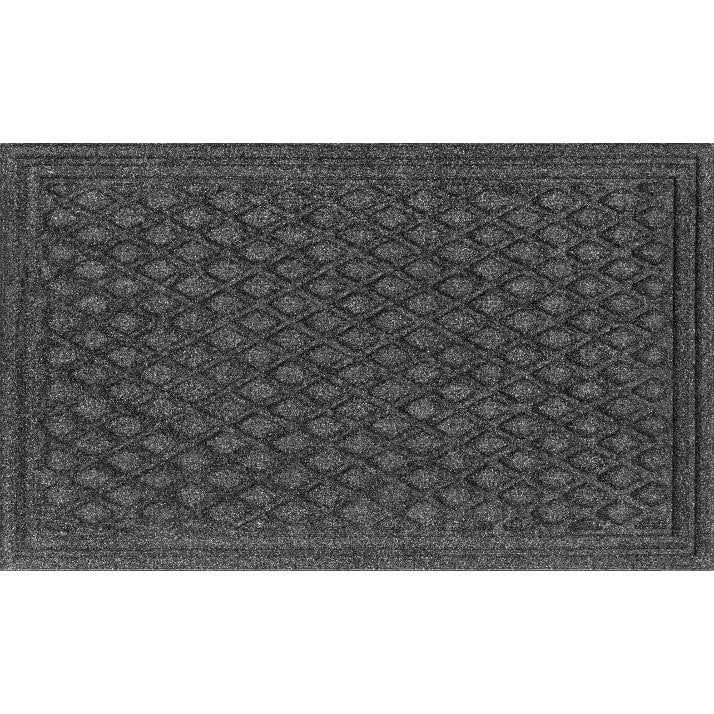
The Gorilla Grip WeatherMAX is built for indoor or outdoor use, with a diamond texture that helps scrape shoes. At 29 by 17 inches it fits a standard single door.
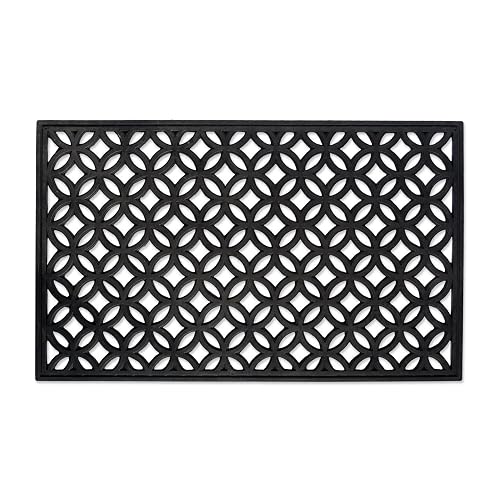
DURABLE RUBBER DOORMAT – Made of durable rubber and measuring 18 x 30 inches, this outdoor front door mat provides a practical entryway solution for everyday foot traffic. The versatile size fits m...
The DII High Traffic mat is all rubber with a lattice pattern, so water and debris drop through the openings. It suits an uncovered step that gets rain.
At Walmart, the Mainstays Ridge Scraper is a larger 24 by 36 inch rubber mat with raised ridges, a good size for wide doors or double entries.
Coir welcome mats
At Target, the Threshold So Happy You're Here mat is natural coir with a printed greeting, sized at 1 foot 6 inches by 2 feet 6 inches.

Stylish Coco Welcome Mat - The beautiful design of our welcome door mat will not go unnoticed! Surprise your visitors and get in a good mood when you arrive at your house or enter the kitchen.
Less...
This coir mat adds a colorful bird design on top of the scraping fibers and has a non-slip backing, a fun choice for a covered front porch.
Indoor and washable mats
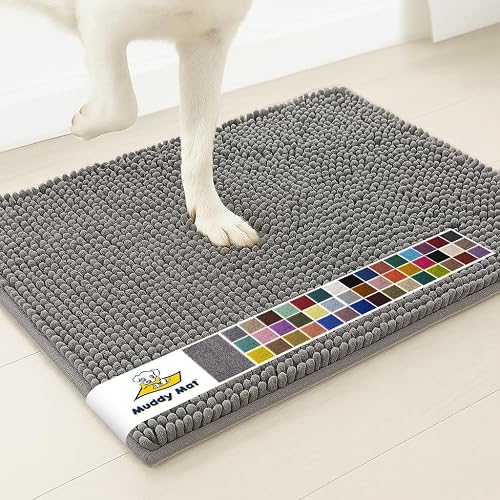
[ MUD & DIRT-FREE FLOORS ] Keep your entryway clean and clutter-free with this microfiber entrance rug from Muddy Mat — The Official Anti-Mud Mat of the American Kennel Club — the ideal welcome tra...
The Muddy Mat uses thick microfiber chenille to soak up water from shoes and paws. It has slip-resistant backing and can go in the washing machine.
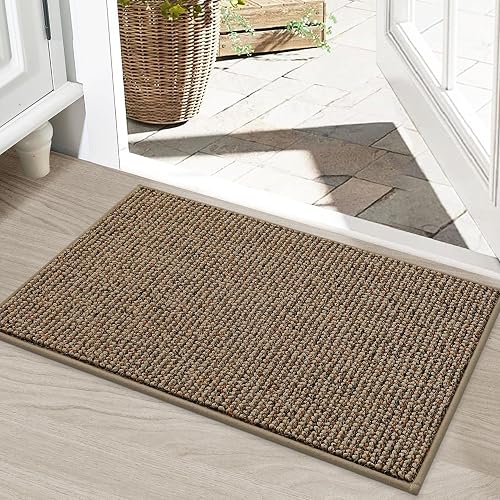
Trap Dirt and Moisture: Our door mats are made of premium Polypropylene and extremely dense yarns, which are highly stain-resistant and absorbent. They quickly absorb moisture and efficiently scrap...
The Beqhause Dirt Trapper is a 20 by 32 inch washable mat with a non-slip back, sized to cover more floor inside the door.
The Apache Mills Eco Mat has a polyester face on a rubber backing. Its low profile helps doors swing over it without catching.
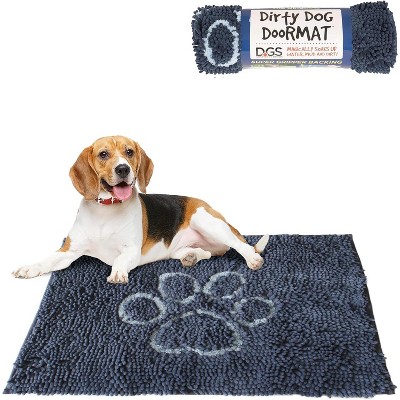
The Dog Gone Smart Dirty Dog doormat is designed to absorb water and dry fast, which helps at a back door where the dog comes in from the yard.
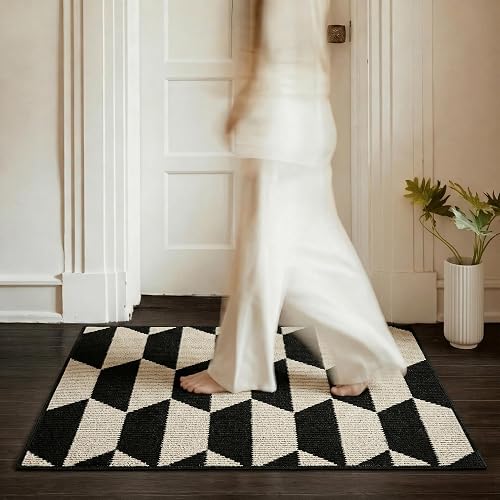
Absorb Dirt and Moisture - This indoor door mat is made of polypropylene loop fleece and will handle any dust, grit, mud, sand, sleet, grass, slush, rain, or snow on your shoes as soon as you come ...
The Granny Says mat is a budget indoor or outdoor option with a non-slip back, and it is listed as washable.
Getting the size right
A doormat should be at least as wide as the door opening, and a bit wider is better, so people naturally step on it. For a standard 36-inch door, a mat around 24 by 36 inches covers the path well. Smaller 17 by 29 inch mats are common and fine for tight porches, but visitors may step past the edges.
- Measure door width: Aim for a mat that covers most or all of it.
- Check door clearance: If the door swings inward over the mat, measure the gap under it and choose a low-profile mat.
- Think about steps: More steps on the mat means more dirt caught. A longer indoor runner can help in busy homes.
- Leave room to open storm doors: Thick coir mats can block outward-opening doors.
Safety at the door
A mat that slides or curls at the corners can become a trip hazard, especially for kids and older adults. On hard indoor floors, pick a mat with a rubber or non-slip backing, or add a rug pad underneath. Replace mats whose edges curl up, and avoid thick mats where a walker or wheelchair needs to roll over the threshold.
Outdoor mats on steps should sit flat and not hang over the edge. If ice is common where you live, rubber mats with open holes let meltwater drain instead of freezing into a slick sheet on top.
Cleaning and care
- Coir: Shake it out or beat it against a wall, and vacuum it. Let it dry fully if it gets soaked.
- Rubber: Hose it off and scrub with mild soap as needed.
- Washable mats: Follow the care label, and many do best in cold water with air drying to protect the backing.
- All mats: Sweep or vacuum underneath now and then, since grit collects under the mat too.
Doormats wear out. When a coir mat goes bald or a washable mat's backing starts to crack, it is time to replace it. A worn mat catches far less dirt.
Mats for every season
Needs change through the year. Spring and fall bring mud and wet leaves, so a scraper outside and an absorbent mat inside do most of the work. Summer brings sand, grass clippings, and dry dust, which coir and ridged rubber brush off well. Winter is hardest: snow, slush, and de-icing salt can stain floors and wear down mats quickly.
In snowy areas, many households swap in a heavy rubber mat outdoors for the winter and add a boot tray just inside the door for wet shoes. Salt residue can leave white marks on hard floors and carpets, so shaking out and washing indoor mats more often during the cold months helps. When spring comes, the coir welcome mat can go back out.
Matching the mat to your entry
The front door is the first thing guests see, so style matters there. Coir mats come in printed greetings, borders, and seasonal designs, and some people layer a small coir mat on top of a larger striped outdoor rug for a finished look. Back doors, garage entries, and mudrooms can be more practical, with plain rubber outside and a washable runner inside.
Color counts as well. Darker and patterned mats hide dirt between cleanings, while light solid mats show every footprint. For apartments with a shared hallway, check building rules first, since some limit mat size or thickness to keep walkways clear.
Questions to ask before you buy
- Is the entry covered? Coir does best under a roof; rubber handles open weather.
- Do you have pets? An absorbent chenille mat inside the door helps with wet paws.
- How much clearance is under the door? A low-profile mat avoids snagging.
- Do you want it washable? Machine-washable mats make indoor cleaning simple.
The short answer
For most homes, pair a stiff outdoor mat, coir under a porch roof or rubber on an open step, with a washable, absorbent mat just inside. Size it to the width of the door, choose non-slip backing indoors, and clean it often. As the EPA points out, mats inside and outside the entry plus taking off shoes help keep soil and dust from being tracked through the house.
The responses below are not provided, commissioned, reviewed, approved, or otherwise endorsed by any financial entity or advertiser. It is not the advertiser’s responsibility to ensure all posts and/or questions are answered.
Our front door opens inward and barely clears the floor. Would a thin washable mat inside plus a rubber one outside be enough, or does the outside mat need to be coir to really scrape off mud?