

Last Updated on: Sep 17, 2026
You can feel it before you see it: a thin stream of cold air along the floor near the front door, or a hallway that is always a few degrees cooler than the rest of the house. Often the culprit is simple. There is a gap under the door, and air moves through it all day and night.
A door draft stopper is one of the cheapest home fixes you can make. Most cost less than a takeout lunch, go on in minutes, and need no tools. They also help with noise, light, dust, and the odd bug that finds its way in. This guide covers the main types, how to measure your gap, where each type works best, and a set of popular options.
Top Door Draft Stoppers
What We'll Cover
Why the gap under a door matters

Doors need a little clearance to swing over the floor, a rug, or a threshold. On interior doors the gap is often left larger on purpose, and on older exterior doors the original seal may have worn or fallen off. That gap is an open path for air.
The U.S. Department of Energy's consumer guide to air sealing notes that air leaks can make a home feel drafty and uncomfortable and place an unnecessary strain on heating and cooling equipment, which lowers its efficiency. It lists door sweeps and weatherstripping among the common materials used to seal those leaks. A draft stopper will not fix a leaky attic or poorly insulated walls, but at the door it goes straight at the problem you can feel.
A quick test: on a bright day, turn off the lights in the room and look at the bottom of the door. If you can see daylight, air is moving through. The DOE's job aid for installing weatherstripping on an exterior door makes the same point, calling visible daylight or a loose-fitting exterior door a common sign of air leakage. On a cold day, you can also hold the back of your hand near the gap and feel for moving air.
The main types of draft stopper
Stick-on silicone or rubber strips
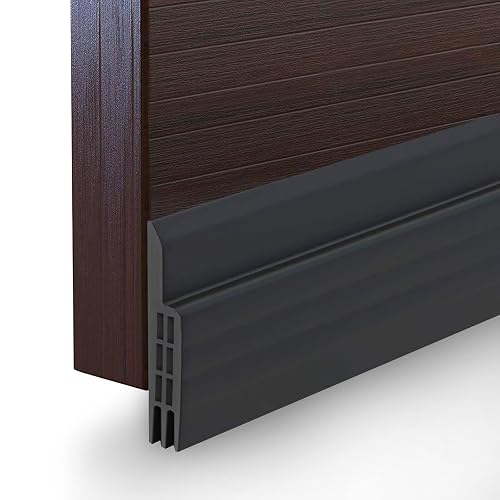
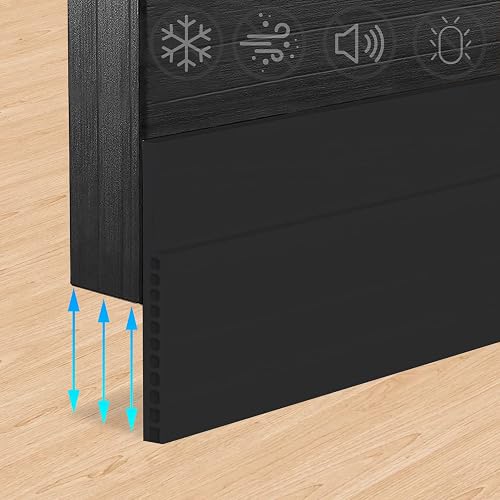
These are long, flat strips with an adhesive backing and a flexible flap or brush along one edge. You peel off the backing, press the strip onto the bottom of the door so the flap just touches the floor, and trim the length with scissors. Many come in 2-inch widths for normal gaps, with wider versions for large gaps.
They stay on the door, so there is nothing to put back each time. The downsides are that the adhesive needs a clean, dry surface and time to set, and a strip that drags too hard can make the door stiff to close or scuff the floor. They can also leave residue if you remove them later, which matters for renters.
Twin foam or double-sided guards
A twin draft guard is a fabric sleeve with a foam tube on each side. It slides under the door so one tube sits on each side and moves with the door as it opens and closes. There is no adhesive and no install. You cut it to width if needed and slide it into place.
These are great for renters and interior doors. They do need a door gap that is not too small, and they work best on smooth, flat floors. On thick carpet or with a raised threshold, they may bunch up.
Single draft snakes
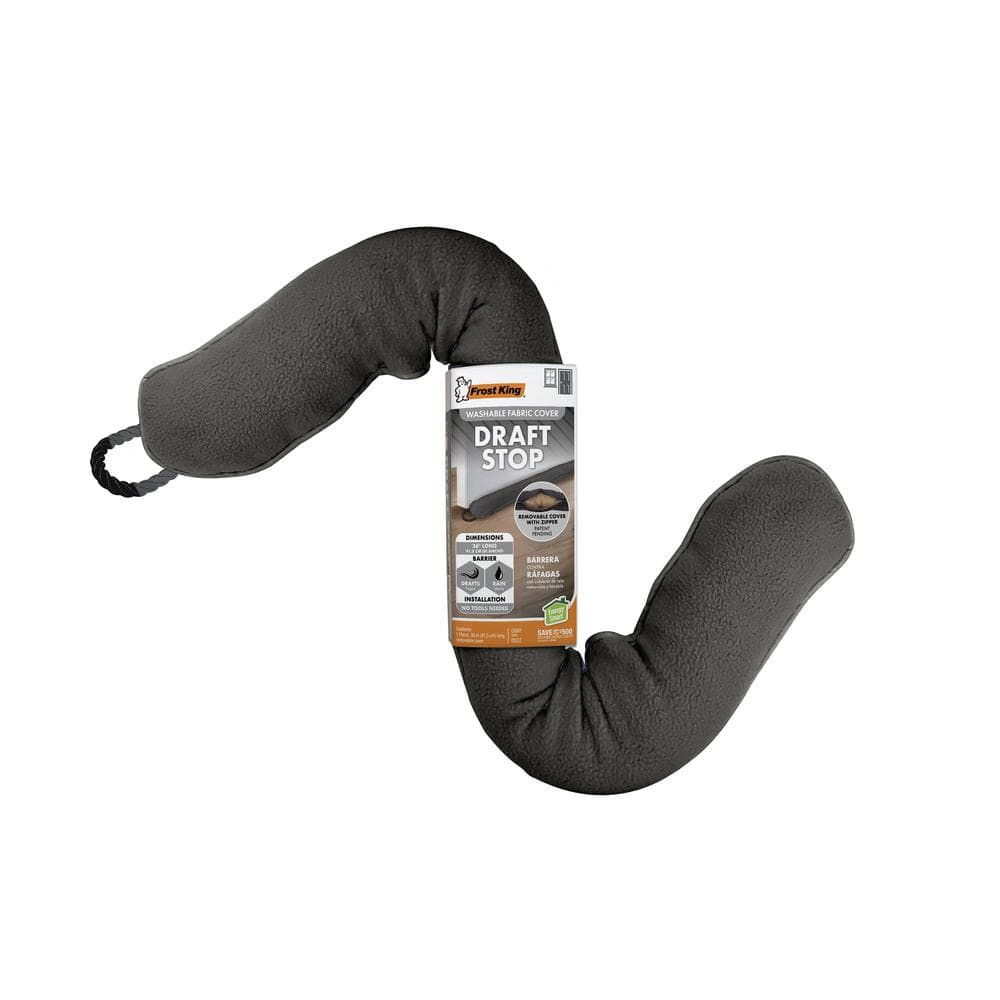
A draft snake is a weighted fabric tube that sits against the bottom of the door on one side. It is the oldest and simplest option. It blocks air well when it is in place, but you have to move it every time the door opens, so it suits doors that stay shut, like a spare room or a door to an unheated porch.
Screw-on door sweeps
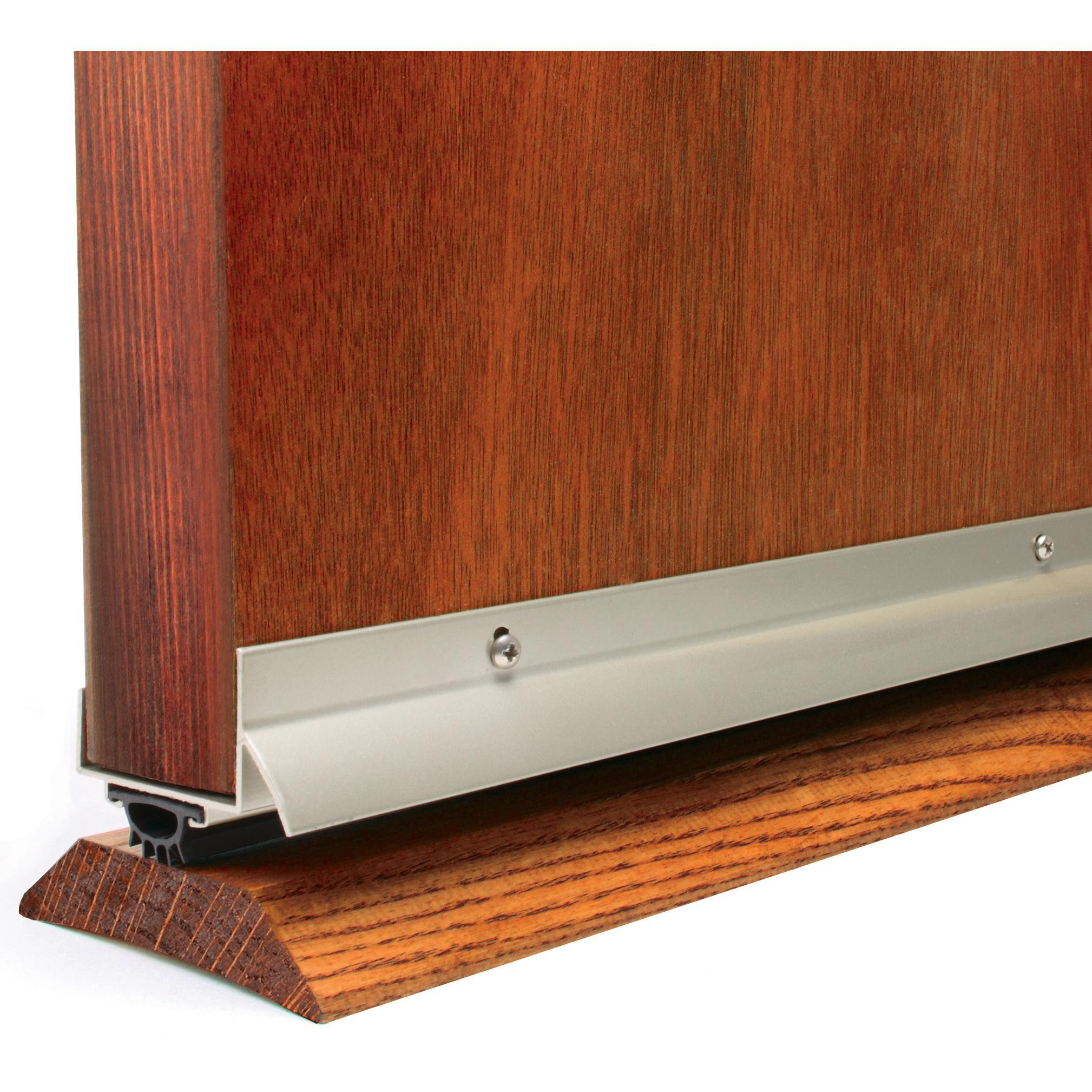
For exterior doors, a screw-on sweep is the most durable choice. It is an aluminum or vinyl strip with a rubber or brush seal that screws to the bottom of the door. It takes a drill and a few minutes, but it holds up to heavy use and weather better than adhesive. If your front door gets a lot of traffic, this is the long-term fix.
Whichever type you pick, clean the bottom of the door first. Wipe off dust and grease with a damp cloth and let it dry fully before sticking anything on. Adhesive strips grip far better on a clean surface, and a foam guard slides more smoothly when there is no grit on the floor. If a strip calls for it, wait the full set time before swinging the door hard.
How to measure your gap
Close the door and measure from the bottom of the door to the floor or threshold at a few points across its width. Floors are rarely perfectly flat, so note the largest and smallest numbers. Then measure the door's width.
- Small gaps (up to about half an inch): a thin stick-on strip or a standard sweep is usually enough.
- Medium gaps (about half an inch to an inch): most twin foam guards and 2-inch strips cover this range.
- Large gaps (over an inch): look for a wider strip, a large-diameter foam guard, or a draft snake. Check the product's stated gap range before buying.
Width matters, too. Most stick-on strips come around 39 inches long and can be trimmed. Twin foam guards often fit doors up to about 36 inches and can be cut down for narrower doors.
A note on ventilation
Sealing gaps is good for comfort, but homes still need fresh air. The DOE guide stresses that air sealing and ventilation go hand in hand, especially in homes with combustion appliances such as gas stoves, fuel-burning furnaces, and fireplaces. It warns that if those appliances do not get enough oxygen, they can operate poorly and may release dangerous gases such as carbon monoxide into the home. A draft stopper on a bedroom door is not going to seal up a house. But if you are planning a bigger air-sealing project, the DOE suggests a professional energy audit, and every home with fuel-burning appliances should have working carbon monoxide alarms.

Draft stoppers worth a look
These popular options cover stick-on strips, twin guards, and foam blockers. Check the listing for current sizes and prices.
Silicone strip two-pack. Two self-adhesive silicone strips, each 2 inches wide and 39 inches long. The silicone flexes over the floor without scratching it. A two-pack covers the front door and one more.
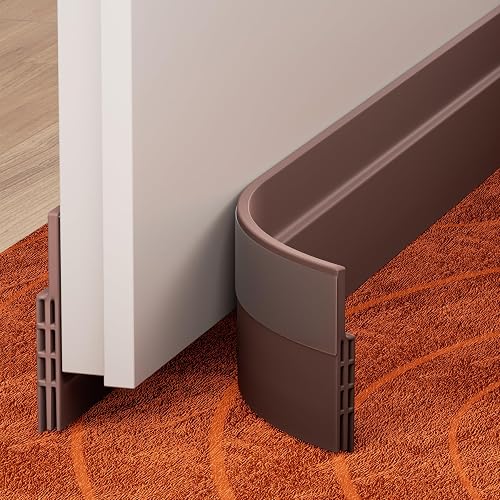
PREMIUM MATERIALS: Door Draft Stopper is made of silicone material, which can bend and deform. The door stoppers for bottom of door is very flexible and will not damage your floor. It is also very ...
Silicone strip with tacks. Another 2 by 39 inch silicone strip, sold in several colors. Buyers note it comes with matching tacks to help hold it in place, which is useful on doors where adhesive alone does not grip well.
Wide strip for large gaps. This version is 3 inches wide by 39 inches long, with a wider adhesive backing for doors with an extra-large gap. It is a good fit for older homes where the gap is more than an inch.
Large-diameter foam blocker. Built for doors up to 36 inches, with 2-inch foam tubes that cover gaps from about half an inch to 1.7 inches. It moves with the door, so there is nothing to reposition.
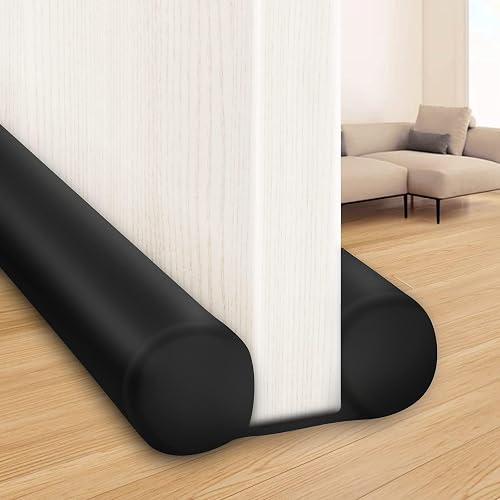
Large door draft stopper foam is 2 inches in diameter, which is larger than most sellers' foam and can cover 0.5" to 1.7" doors gap
Keep you warm by blocking out cold air during the winter months. ...
Adjustable velvet blocker. Fits doors from 30 to 36 inches and gaps up to about 1.6 inches. The cover is machine washable, which is handy for a door where dust and pet hair collect.
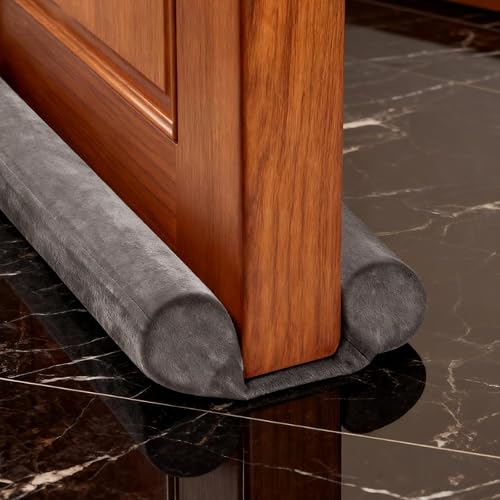
【ALL SEASON PROTECTION】the door draft blocker can keeps your home and family from adverse weather conditions, stopping the heat from escaping during the winter season, and keeping cool air inside d...
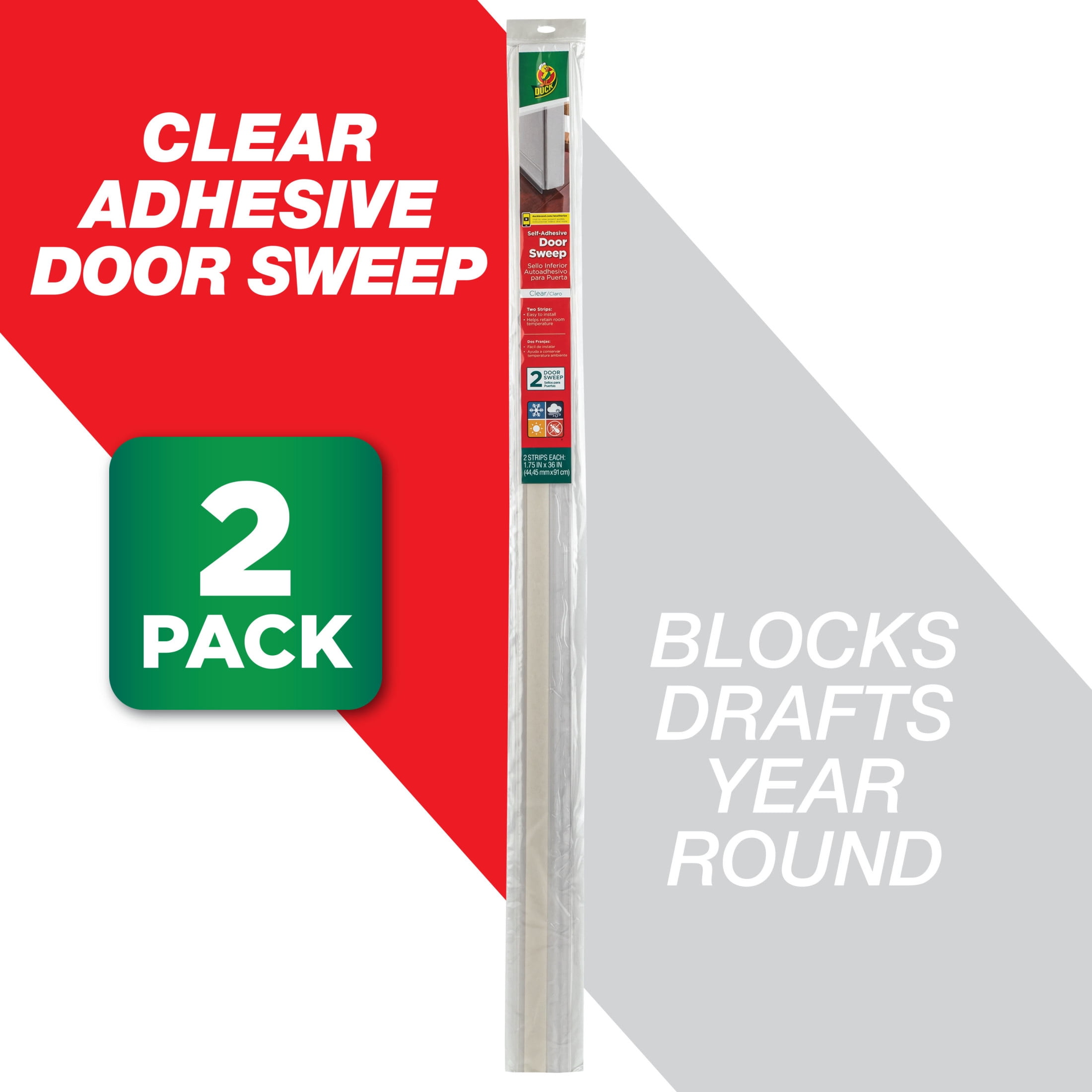
Clear strip that disappears. Walmart sells a Duck Brand two-pack of clear plastic door bottom seals, each 1.75 inches wide and 36 inches long. They peel and stick with no tools, and the clear finish is easy to miss on a painted or wood door, which makes them a tidy choice for a front door you see every day.
Screw-on sweep for exterior doors. If tape will not hold on an outside door, Wayfair carries an M-D U-shaped door bottom: a 36-inch aluminum drip cap with a vinyl seal that fits 1-3/4 inch doors. It is made for use with a saddle threshold, screws are included, and the drip cap sends rainwater away from the door. It takes a little more work to install, but it is a more permanent fix.
Classic fabric draft snake. For renters or anyone who does not want to stick anything to the door, Home Depot has the Frost King draft stop. You lay it along the bottom of a drafty door or window, and the zippered cover comes off for washing.
Which one to choose
For a renter or an interior bedroom door, start with a twin foam guard. It needs no install and comes off cleanly. For an exterior door you own, a stick-on silicone strip is a quick fix for this season, and a screw-on sweep is the durable one for years to come. If the gap is large, pick a wide strip or a large-diameter foam guard and check the stated gap range.
Whatever you pick, test it by closing the door and checking for daylight again. If the door drags, trim or reposition the strip so the seal just touches the floor. A few dollars and a few minutes can make that cold spot by the door a thing of the past.
The responses below are not provided, commissioned, reviewed, approved, or otherwise endorsed by any financial entity or advertiser. It is not the advertiser’s responsibility to ensure all posts and/or questions are answered.
For the adhesive strips, is it better to put them on the inside or outside face of the door? Our front door gets direct sun in the afternoon.