
Last Updated on: Apr 29, 2026
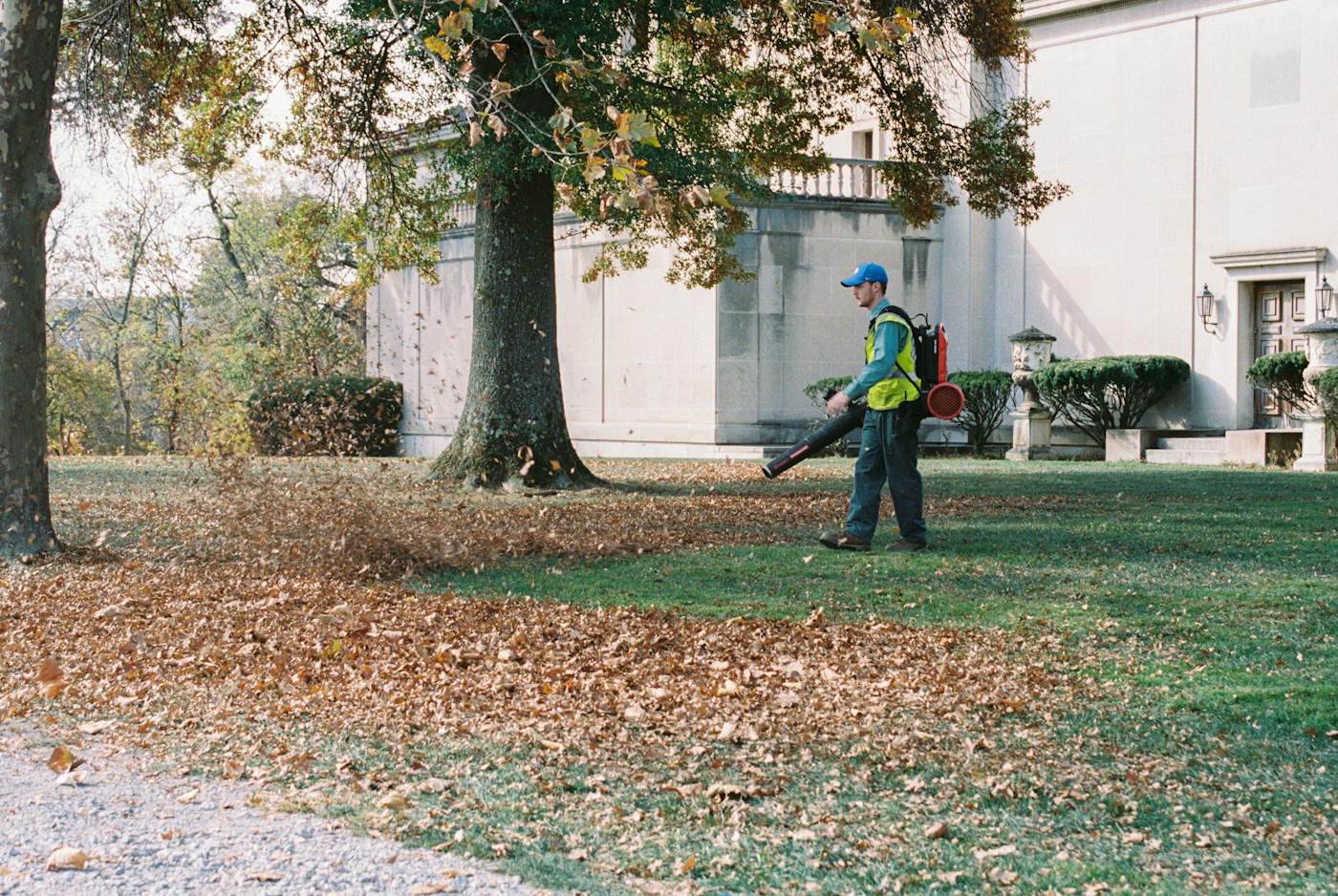
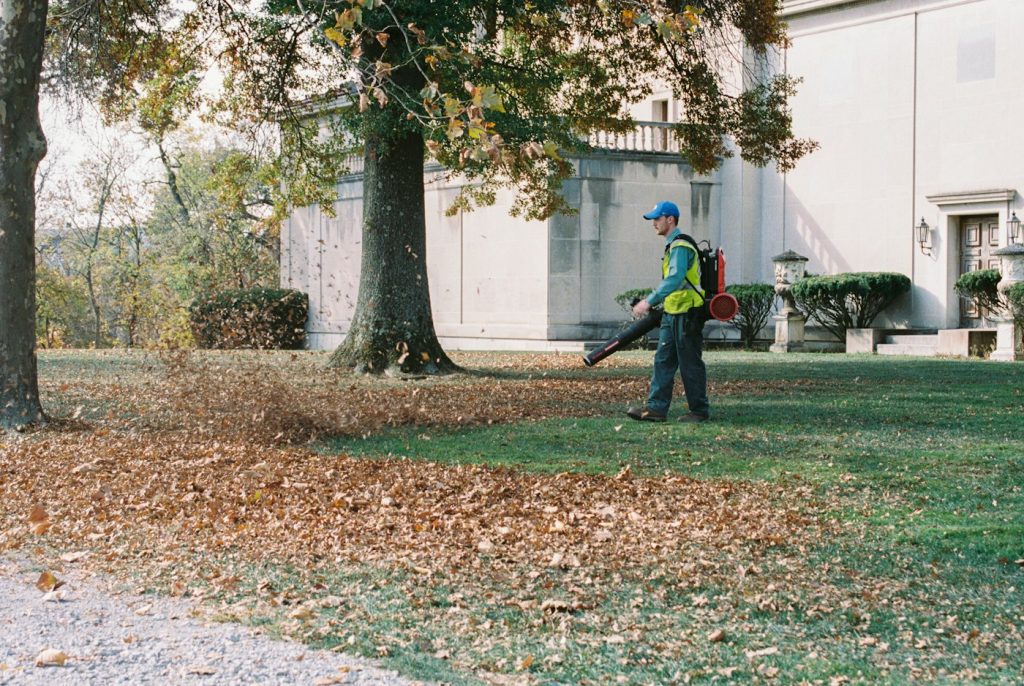
A leaf blower clears leaves, grass clippings, and dust from lawns, patios, decks, and driveways far faster than a rake or broom. Cordless models have become the easy choice for most homes. There is no gas to mix, no pull cord, and no extension cord to drag around, and they start with the press of a trigger.
What We'll Cover
- Top Cordless Leaf Blowers
- CFM and MPH: what the numbers mean
- Batteries and run time
- Weight and balance
- Handheld or backpack?
- Noise and hearing protection
- Blower, vacuum, or rake?
- Nozzles and attachments
- Full-power cordless blowers
- Compact and light-duty blowers
- How to use a leaf blower well
- Safety tips
- Care and storage
- Common leaf blower mistakes
- Questions to ask before you buy
- The short answer
Cordless blowers range from small, light units for sweeping a porch to powerful models that move piles of wet leaves. This guide covers what airflow numbers mean, how batteries affect run time, how to cut noise and protect your hearing, and a range of blowers from several stores.
Top Cordless Leaf Blowers
CFM and MPH: what the numbers mean
Blowers list two main numbers. CFM, or cubic feet per minute, is how much air the blower moves. MPH is how fast that air leaves the nozzle. Higher CFM moves more leaves at once, like a wide push, while higher MPH lifts stuck, wet, or matted debris. For clearing a lawn or big piles, CFM matters most. For blasting debris out of cracks or off a wet driveway, MPH helps.
As a rough guide, a blower around 100 to 300 CFM handles patios, decks, garages, and light leaves. A blower in the 400 to 600 CFM range is better for lawns and heavier leaf cleanup. Keep in mind that makers measure these numbers in their own way, and some budget listings give very high figures, so compare models from the same brand or read independent reviews when you can.
Batteries and run time
Battery voltage and amp-hours (Ah) both matter. Higher voltage tools tend to have more power, and higher amp-hour batteries run longer. Run time drops sharply at the highest speed or on turbo, so a blower that runs a long time on low may only last a short time at full power.
- Stay in one system: If you already own cordless tools, a blower that uses the same batteries saves money.
- Check what is included: Some blowers are sold as bare tools without a battery or charger.
- Consider a second battery: For larger yards, a spare battery lets you swap and keep going.
- Look at charge time: Fast chargers cut the wait between jobs.
Weight and balance
A heavier blower with a big battery can tire your arm on a long job. Look at the weight with the battery installed, not just the bare tool. A well-balanced blower that sits comfortably in your hand is easier to use than a lighter one that tips forward. Some blowers include a shoulder strap or a cruise control that holds the speed without squeezing the trigger.
Handheld or backpack?
Most cordless blowers are handheld, and they suit the typical yard. Backpack blowers carry the battery or engine on your back and are built for large properties and heavy fall cleanups. They cost more and are bulkier to store. For a patio, a small yard, or regular upkeep, a handheld cordless blower is usually enough.
Noise and hearing protection
Cordless blowers are usually quieter than gas models, but they are still loud up close. According to the National Institute on Deafness and Other Communication Disorders, sounds at or below 70 A-weighted decibels (dBA) are unlikely to cause hearing loss even after long exposure, but long or repeated exposure to sounds at or above 85 dBA can cause hearing loss, and the louder the sound, the shorter the time it takes.
Check the decibel rating if the maker lists it, and wear earplugs or earmuffs when using any blower for more than a few minutes. Using a lower speed when you can also cuts noise for you and your neighbors. Some towns limit the hours when leaf blowers can be used, so check local rules.
Blower, vacuum, or rake?
Some blowers can switch into vacuum mode, sucking up leaves and shredding them into a bag. That is handy for small areas and flower beds, but the bags fill fast, so vacuum mode is slow for a whole lawn. A rake is still quiet, cheap, and good exercise for small yards, and it works well for pulling leaves out of beds and corners. Many homeowners use a blower to move leaves into a pile and a rake or tarp to collect them. Mulching leaves with a lawn mower and leaving the small pieces on the grass is another option that saves time and bags.
Nozzles and attachments
Many blowers come with more than one nozzle. A round nozzle spreads air for general clearing, while a flat or tapered nozzle focuses it into a narrow, fast stream for cracks and wet debris. Some models include a gutter kit or an extension tube for reaching high places.
Full-power cordless blowers
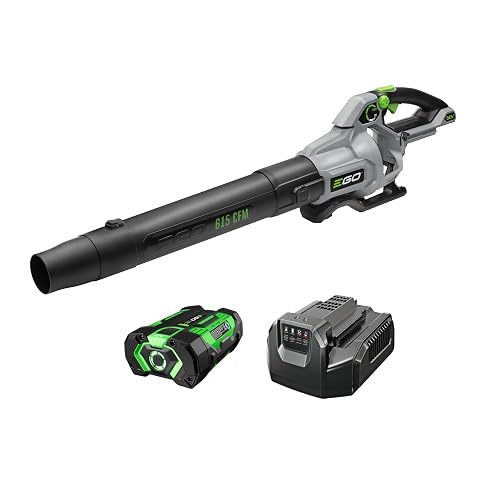
TURBO MODE: Battery powered leaf blower lets you power though wet leaves, caked on grass, rocks, and other debris with up to 615 CFM and air speeds up to 170 MPH.
UP TO 75 MINUTES OF RUNTIME: A sin...
The EGO POWER+ LB6151 lists 615 CFM and comes with a battery, a strong choice for lawns and fall leaf cleanup.
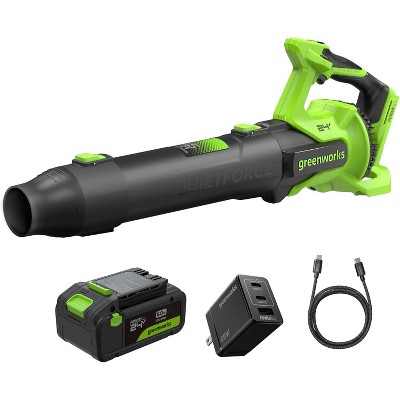
At Target, the Greenworks 24V axial blower lists 515 CFM and 130 MPH with a brushless motor, built for wet leaves and heavier debris.
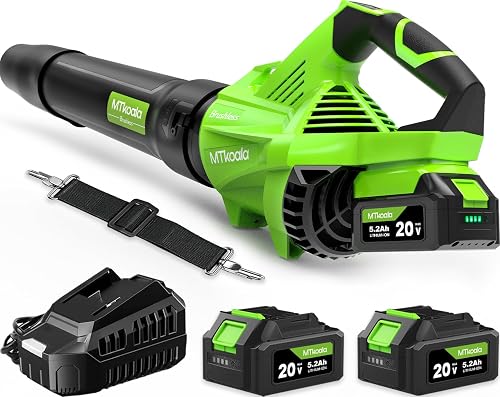
[Upgraded Brushless Motor for Superior Performance] MTkoala Leaf Blower features a 1200W upgraded brushless motor for stronger airflow, lower energy loss, less heat and 3x longer service life than ...
This budget cordless blower uses a brushless motor and lists 700 CFM, a lower-cost option for bigger jobs. Budget airflow claims are hard to compare, so treat the numbers as a rough guide.
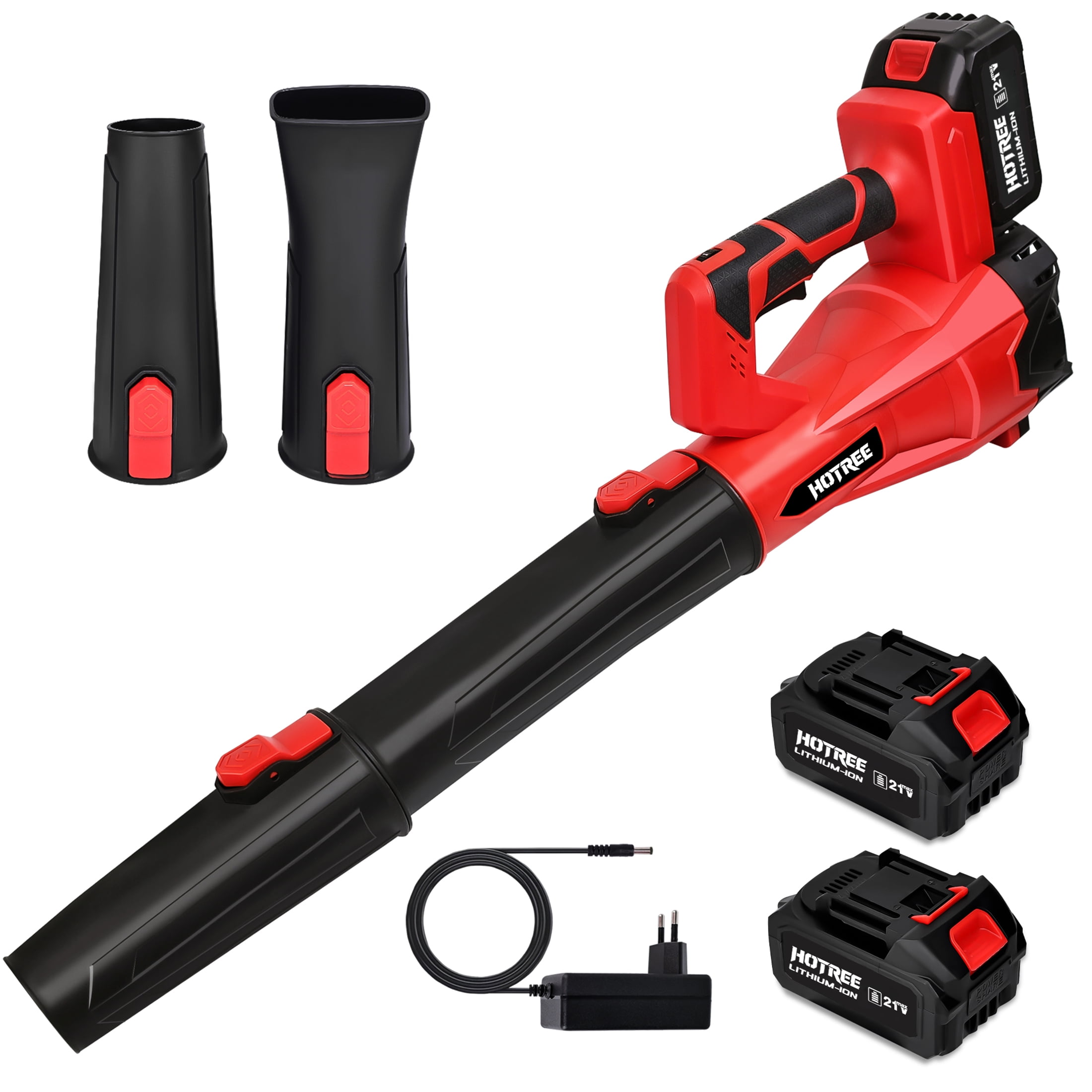
At Walmart, the HOTREE cordless blower lists 480 CFM and 160 MPH, has six speeds, and comes with two batteries.
Compact and light-duty blowers
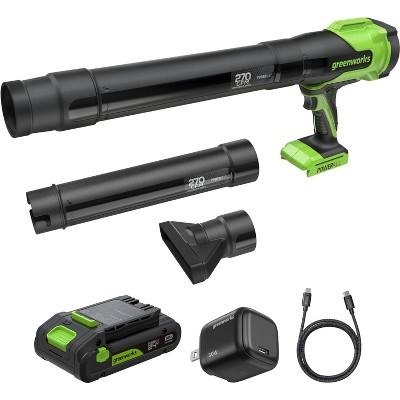
Also at Target, the Greenworks 24V compact blower lists 270 CFM and 130 MPH, a good fit for patios, decks, and driveways.
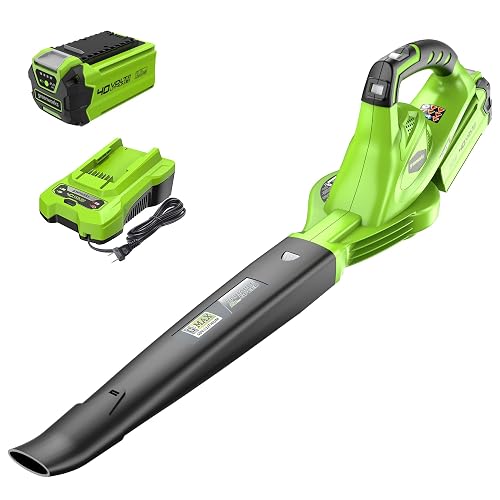
Efficient 40V Sweeper – Quickly clears leaves, debris, and light snow from patios, decks, porches, garage floors, and driveways.
Powerful Performance – 150 MPH wind speed with 135 CFM airflow and a...
The Greenworks 40V blower lists 135 CFM and comes with a 2.0 Ah battery and charger, suited to light cleanup around the house.
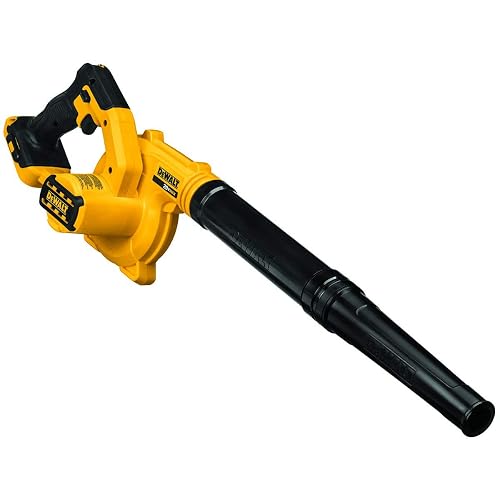
Battery operated leaf blower with max air flow 100CFM.Applications : Tuck pointing cleaning joints, Clearing debris from the ground or overhead, Clearing work areaIncludes : (3) Nozzle attachments
...
The DEWALT 20V MAX blower lists 100 CFM with a variable speed switch. It is sold as a bare tool, so it is best for people who already own DEWALT 20V batteries.
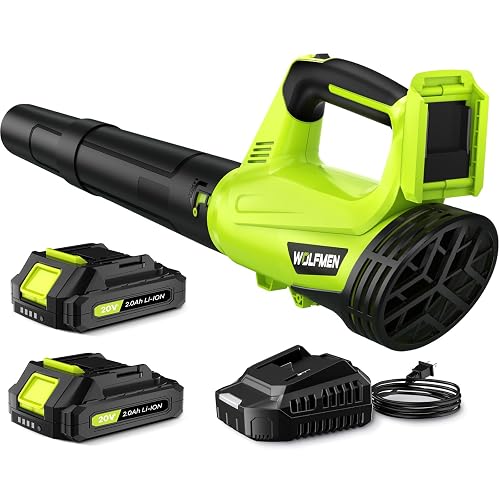
Efficient Cleaning: Upgraded cordless leaf blower eliminates the limitations and bulky feeling of traditional leaf blower with ropes. It can quickly blow away lightweight objects such as leaves and...
This lightweight electric blower comes with two batteries and two speed modes, a simple pick for porches, garages, and small yards.
How to use a leaf blower well
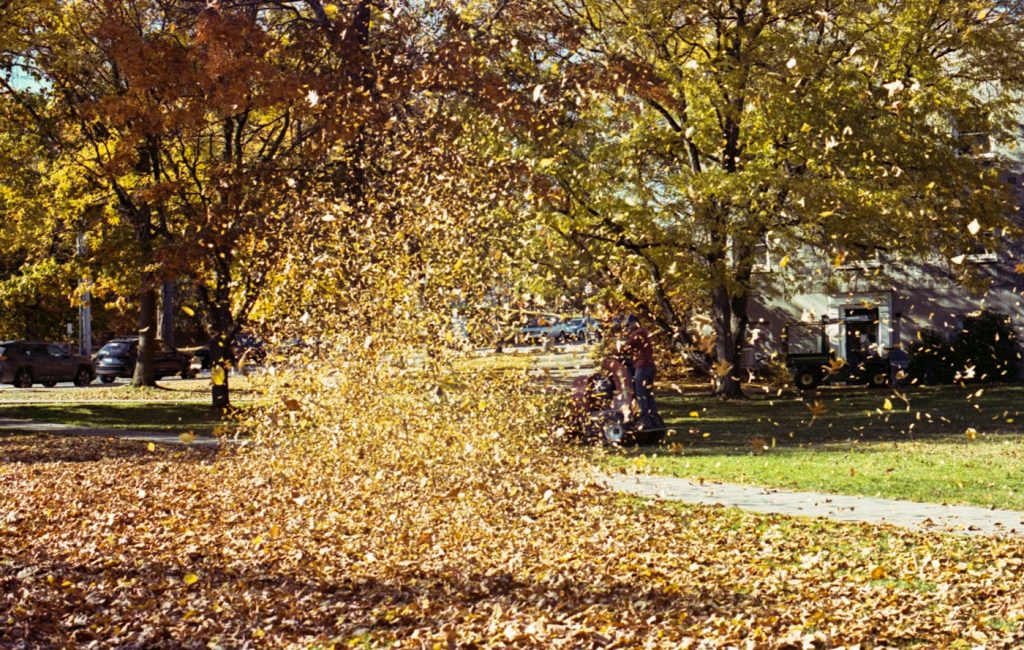
- Work with the wind: Blow leaves in the same direction the wind is moving.
- Use sweeping motions: Move the nozzle side to side close to the ground.
- Blow toward a tarp: Push leaves onto a tarp to drag them to the compost or curb.
- Start on low: Use the lowest speed that gets the job done to save battery and cut noise.
- Avoid dry dust: Lightly wet very dusty areas first, or use a lower speed.
Safety tips
Wear eye protection, since blowers can kick up small stones, dust, and debris. Hearing protection is a smart habit, and long pants and closed shoes help too. Never point a blower at people or pets, and keep children at a distance while you work. Remove the battery before clearing a jam or changing a nozzle, and store batteries in a cool, dry place away from direct sun.
Care and storage
Wipe the blower after use and clear leaves and dust from the air intake so the motor does not overheat. Check the nozzle for cracks. Store the blower and batteries indoors in a dry place, and follow the maker's advice for charging batteries before long storage, such as over the winter.
Common leaf blower mistakes
A common mistake is running the blower on its highest setting the whole time, which drains the battery fast and makes more noise. Another is buying a bare tool without realizing the battery and charger are extra. People also skip eye and ear protection or blow debris into streets and storm drains. Finally, trying to move a large yard's worth of wet leaves with a small patio blower leads to frustration.
Questions to ask before you buy
- What will you clear most? Patios need less power than full lawns.
- Do you own cordless tools? Match the battery system you have.
- How big is your yard? Larger yards need more CFM and a spare battery.
- Is noise a concern? Look for a listed decibel rating and a low-speed setting.
The short answer
For most homes, a cordless handheld blower in the 400 to 600 CFM range with a battery and charger included handles lawns, patios, and fall leaves. Choose a smaller, lighter model if you mainly sweep decks and driveways, match your existing battery system if you have one, and wear eye and ear protection every time.
The responses below are not provided, commissioned, reviewed, approved, or otherwise endorsed by any financial entity or advertiser. It is not the advertiser’s responsibility to ensure all posts and/or questions are answered.
Helpful explanation of CFM versus MPH. For a quarter-acre lot with a few big oaks, would one battery usually get through a full fall cleanup or is a spare a must?