
Last Updated on: Aug 22, 2026
Top Bike Helmets
What We'll Cover
Why the right helmet matters
A bike helmet is the one piece of cycling gear you hope never to test. It is also one of the easiest to get wrong. Plenty of riders wear a helmet that sits too far back, has loose straps, or was really built for a different sport. A helmet only protects you if it is made for riding, fits your head, and is worn correctly every time.
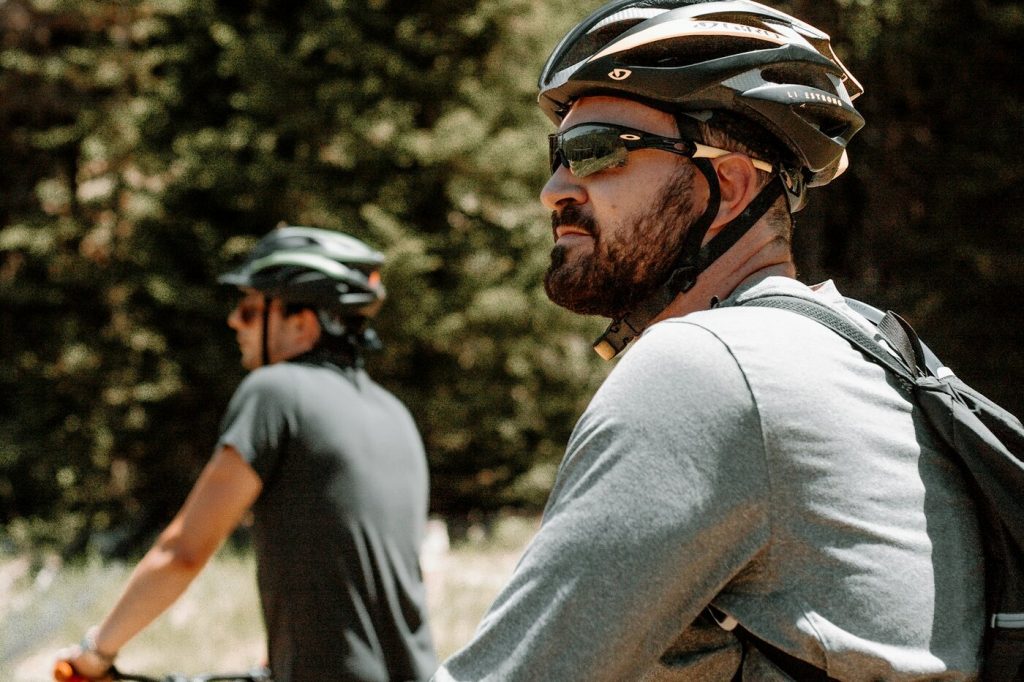
The good news is that a safe, comfortable helmet does not have to be expensive. This guide covers what to check on the label, how to find your size, which features are worth paying for, and several helmets from current best-seller lists, from simple commuter lids to models with built-in lights.
Start with the label
The U.S. Consumer Product Safety Commission says bicycle helmets must comply with a mandatory federal safety standard. All bicycle helmets manufactured after 1999 must meet the CPSC bicycle helmet standard, 16 C.F.R. part 1203. According to the CPSC, helmets that meet this standard provide protection against skull fractures and severe brain injuries when used properly.
Look for a label or marking inside the helmet that says it complies with the CPSC standard. The CPSC's helmet guide also stresses using the right helmet for the right activity. A bike helmet is designed for the kinds of impacts common in cycling, and the agency lists different standards for other activities, including a separate standard for helmets made for riders of high-speed electric bikes.
It is also worth being careful with bold claims. The CPSC states that no helmet design has been proven to prevent concussions, and it warns buyers to beware of claims that a particular helmet can reduce or prevent them. Features like slip-plane liners are designed to help in certain impacts, but they do not make a rider concussion-proof.
Find your size
Wrap a soft tape measure around your head about an inch above your eyebrows, keeping it level all the way around. Most helmets list a size range in centimeters, often with a universal adult size around 54 to 61 centimeters. If you fall between sizes, try both if you can, or pick the one whose dial or pads give you the most room to adjust.
Head shape matters, too. Some helmets run round and some run oval, so a helmet in your size can still press on your forehead or rock side to side. Read reviews for comments about fit, and buy from a seller with easy returns.
How a helmet should fit
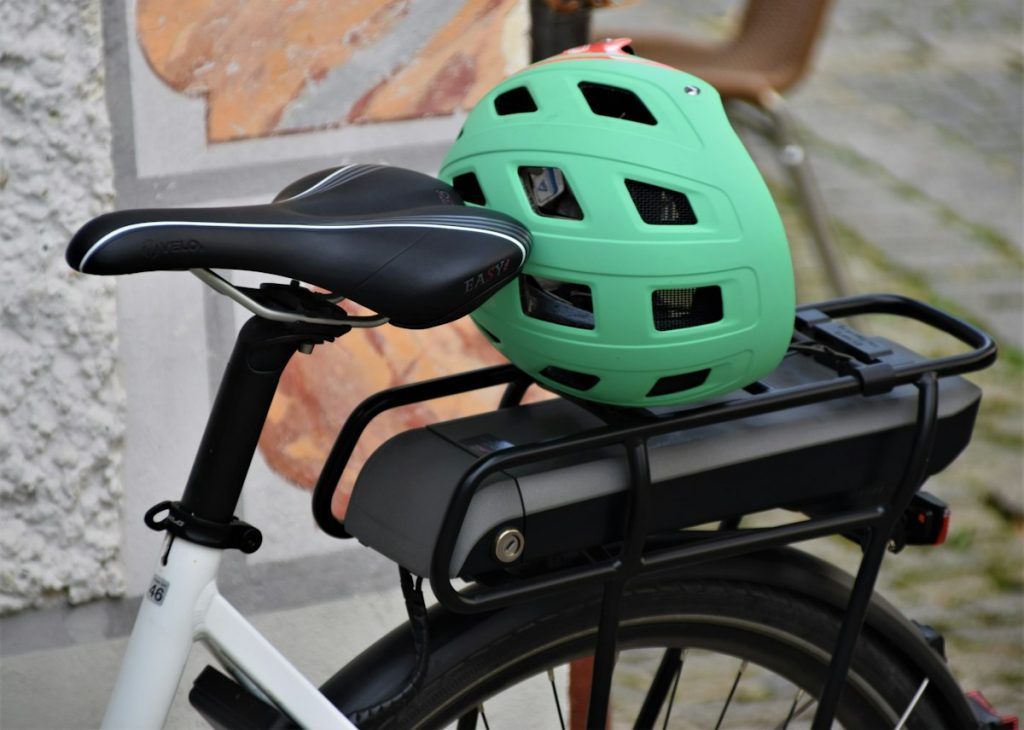
A helmet should sit level on your head, low enough to cover your forehead. A common rule of thumb is that there should be about one or two finger widths between your eyebrows and the front edge of the helmet. Tilting it back to show your forehead leaves the most exposed part of your head unprotected.
The side straps should form a V just under and slightly in front of each ear. Buckle the chin strap so it is snug, with room for no more than a finger or two underneath. When you open your mouth wide, you should feel the helmet pull down a little.
The CPSC notes that the protection a helmet provides depends on a proper fit and wearing it correctly, and that the bicycle standard requires chin straps strong enough to keep the helmet on the head and in position during a fall or collision. An unbuckled strap defeats the purpose.
Finally, do not add stickers, coverings, or attachments that did not come with the helmet. The CPSC warns that these can affect how the helmet performs.
Road, commuter, or mountain
Bike helmets fall into a few broad styles. Road helmets are light and heavily vented, with an aerodynamic shape and usually no visor. They are built for longer, faster rides where staying cool matters most.
Commuter and urban helmets often have a rounder, lower-profile shell, fewer vents, and extras like integrated lights, reflective details, or a spot to lock the helmet to your bike. They are made for shorter rides in regular clothes, often in traffic.
Mountain bike helmets usually add a visor and extend lower at the back of the head for more coverage on rough trails. Many trail riders also like the extra shade the visor gives in the woods. If you ride a bit of everything, a versatile helmet with a removable visor is an easy middle ground, and it can work on the road and the trail.
Features worth paying for
Dial fit system. A dial at the back tightens a cradle around your head, making it easy to get a snug fit and to adjust for a winter cap.
Vents. More vents mean a cooler head on hot rides. Road helmets usually have the most; commuter and skate-style helmets have fewer.
Visor. A removable visor blocks sun and rain on trails and casual rides. Road riders often skip it.
Built-in lights. Integrated rear LEDs help drivers see you at dawn, dusk, and night. They are a nice extra, not a replacement for proper bike lights.
Slip-plane liners. Systems like MIPS add a low-friction layer designed to redirect some rotational energy in angled impacts. They add a little cost and are common in mid-range helmets.
Helmets worth a look
These picks come from current best-seller lists in the adult bike helmet category. Fit ranges and certifications are from the makers.
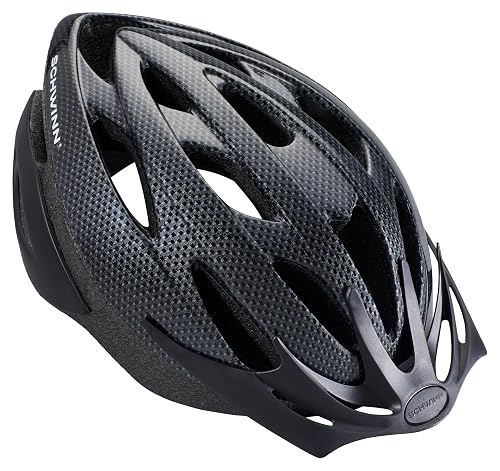
ADULT BIKE HELMET: Designed for fitness and recreational rides, this sporty bicycle helmet fits riders ages 14+ with head circumferences from 58 - 62 cm. Wherever the road leads, you’re covered.
TH...
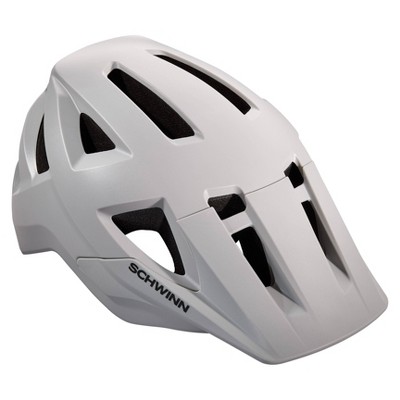
Schwinn's Thrasher is the top-selling adult helmet in the category. It fits head sizes from 58 to 62 centimeters, uses a dial and straps to adjust, and has a removable visor and washable padding. The maker says it complies with the CPSC standard for bicycle helmets.
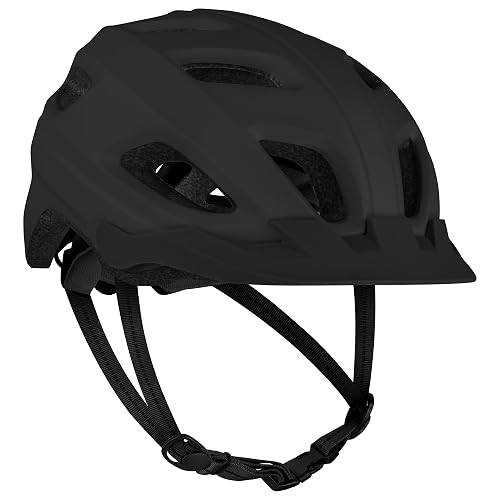
STAY VISIBLE: Built-in 5-LED bike helmet light with 3 functions keeps you seen by drivers. This lighted bicycle helmet with light ensures your safety during dawn, dusk, or night rides
COOL COMFORT:...
Retrospec's Lennon adds a built-in five-LED light with three modes, which is handy for commuting. It has 15 vents, a dial adjustment system, a removable visor, and washable pads.
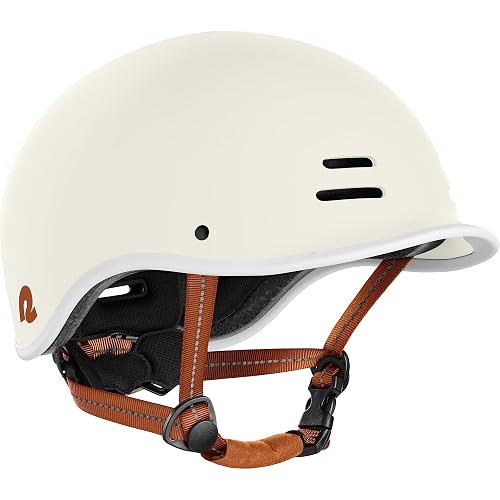
PROTECTION: These adult bike helmets for men and women feature a tough ABS shell with dense foam interior, keeping you safe during every ride and adventure
STAYS COOL: Eleven strategic vents and ch...
For a simple everyday helmet, Retrospec's Remi has an ABS shell with a dense foam interior, 11 vents, a built-in visor, a dial, and reflective straps.
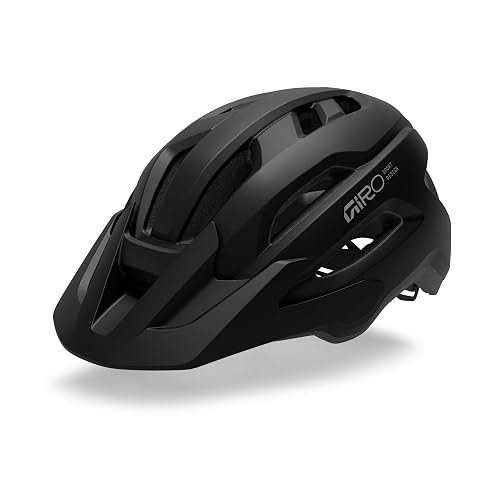
INTEGRATED MIPS BRAIN PROTECTION SYSTEM — All Giro helmets are designed to reduce as much energy as possible while meeting and exceeding stringent safety standards. The goal of Giro's Integrated Mi...
Giro's Fixture MIPS is a universal adult fit from 54 to 61 centimeters. It pairs a slip-plane liner with Giro's Roc Loc Sport fit system, which the maker says has a 7-centimeter adjustment range and works with one hand.
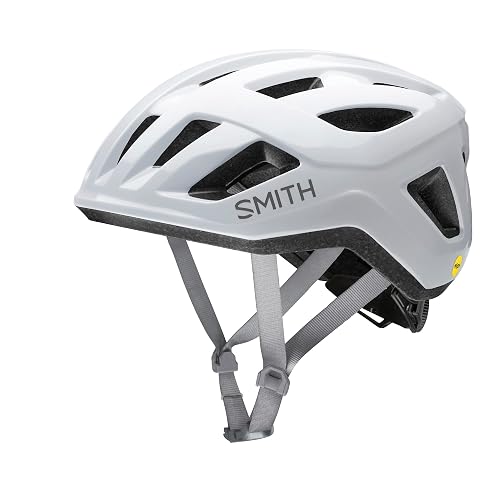
Made for Great Days on the Bike: Whether you’re hitting the road for the day or just facing the daily commute, the Smith Signal helmet gives you the protection you need no matter where your wheels ...
The SMITH Signal is aimed at road riders and commuters. It combines zonal Koroyd coverage with a MIPS liner, 21 vents, and a dial fit system. The maker says it complies with the CPSC standard for riders age 5 and older.
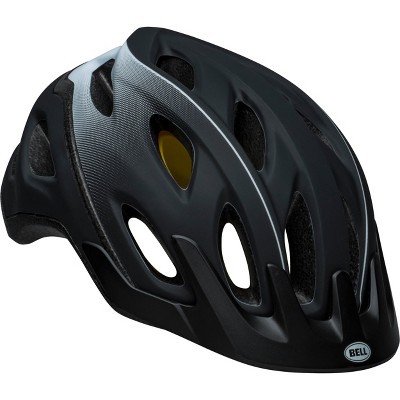
At Walmart, the Bell Focus is a basic in-mold helmet for bigger heads, from 58 to 61 centimeters. It has a dial fit system and an adjustable strap, and it complies with the CPSC bicycle helmet standard. Bell's own listing is a good reminder: measure first, because head size and shape vary even among adults.
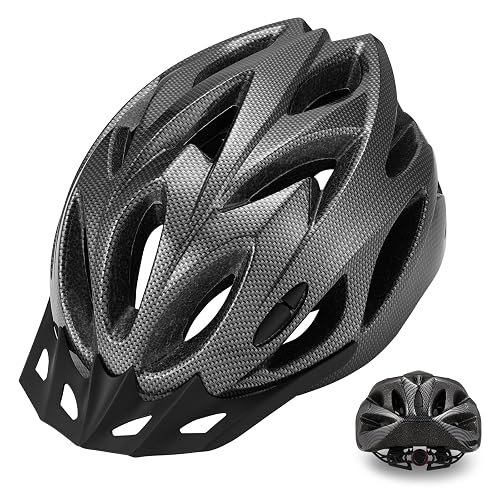
Safety Certified for Riders: CE Marked (European Standard) & U.S. CPSC Approved – meets standards for ages 5+. This adult bike helmet features a durable polycarbonate (PC) shell + high-density EPS ...
Zacro's lightweight helmet weighs about 260 grams, according to the maker. It has 18 vents, a polycarbonate shell over EPS foam, a detachable visor, and a washable liner, and the maker lists it as CPSC approved for ages 5 and up.
At Target, Schwinn's Excursion is a trail-style helmet for riders 14 and up with head sizes from 58 to 61 centimeters. It has extended back-of-head coverage, an extended visor, 13 large vents, and a dial fit system.
Target also carries the Bell Granite MIPS, a mid-priced helmet with a MIPS slip-plane liner, 21 vents, and Bell's Dial Fit system. It fits most heads from 54 to 61 centimeters, and Bell lists it as meeting the CPSC standard for riders age 5 and older.
When to replace a helmet
The CPSC lists visible signs that mean it is time for a new helmet, including a cracked shell, crushed foam in the liner, worn straps, and missing pads or other parts. After a crash, check the maker's instructions or the certification sticker for guidance on replacement, and when in doubt, replace it. The agency also notes that regular replacement can offset the slow breakdown of materials over time and let you take advantage of newer helmet designs.
Store your helmet somewhere cool and dry, out of a hot car, and clean it with mild soap and water rather than harsh solvents.
Which one to choose
Any helmet that meets the CPSC standard, fits your head, and gets buckled every ride will do its job. From there, pick based on how you ride: a vented road helmet for long rides, a visor and extended coverage for trails, and built-in lights for early or late commutes. Measure first, adjust the dial and straps until the helmet sits level and snug, and wear it every time you get on the bike.
The responses below are not provided, commissioned, reviewed, approved, or otherwise endorsed by any financial entity or advertiser. It is not the advertiser’s responsibility to ensure all posts and/or questions are answered.
Tip for anyone between sizes: try the helmet on with the dial fully loosened first. If it already feels tight at the temples before you adjust anything, go up a size.