
Last Updated on: Apr 27, 2026
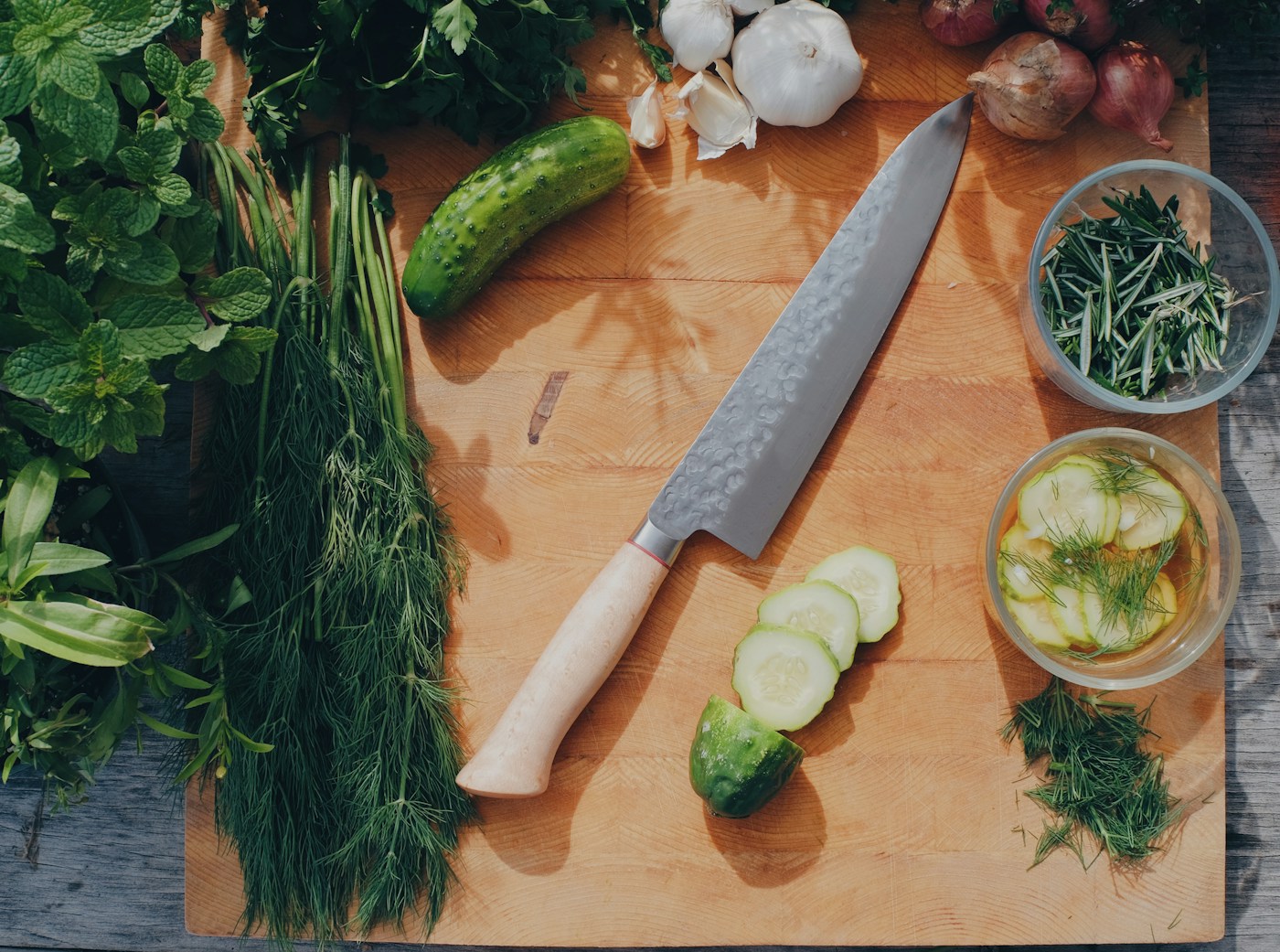
If you buy only one good knife, make it a chef's knife. It chops onions, slices tomatoes, minces garlic and herbs, breaks down a chicken, and cuts most vegetables, all with one blade. A sharp, comfortable chef's knife makes prep faster and safer, and it makes cooking more fun.
What We'll Cover
- Top Chef's Knives
- Blade length
- German or Japanese style?
- Forged or stamped?
- Steel and edge
- Handle and balance
- Everyday chef's knives
- Premium and Japanese-style knives
- Keeping your knife sharp
- Cutting boards and food safety
- Knife safety
- Care and cleaning
- What to spend
- Knives that pair well with a chef's knife
- Right-handed, left-handed, and grip
- Common chef's knife mistakes
- Questions to ask before you buy
- The short answer
Chef's knives vary in blade length, steel, shape, weight, and handle design. This guide covers how to choose one, the difference between German and Japanese styles, how to keep a knife sharp, and how to use it safely, with knives from several stores.
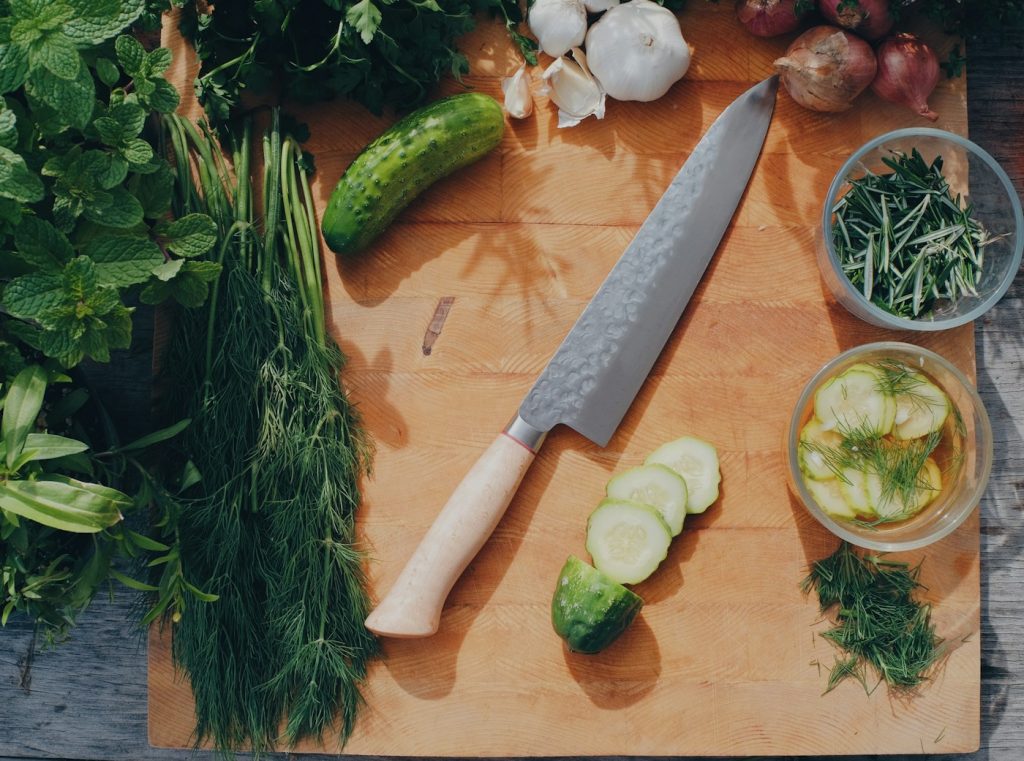
Top Chef's Knives
Blade length
Chef's knives usually range from 6 to 10 inches. An 8-inch blade is the most popular size for home cooks. It is long enough to slice a melon or a large onion and short enough to feel easy to control. A 6-inch knife suits small hands and small kitchens, while a 10-inch knife is handy for big batches but can feel unwieldy. If you are not sure, start with 8 inches.
German or Japanese style?
- German style: Heavier blades with a curved edge that rocks back and forth on the board. The steel is often a bit softer, so it is tough and forgiving but needs honing more often.
- Japanese style: Thinner, lighter blades with a flatter profile and a sharper edge angle. They glide through food with less effort, but the harder steel can chip if used on bones or twisted in hard squash.
- Hybrid designs: Many modern knives mix both styles, such as a Western handle on a thinner blade.
Forged or stamped?
Forged knives are shaped from a single piece of heated steel and usually have a thick bolster where the blade meets the handle. They tend to be heavier and more expensive. Stamped knives are cut from a sheet of steel. They are lighter and cheaper, and many cooks like their feel. A well-made stamped knife can cut just as well as a forged one, so it is worth judging by comfort and edge, not method alone.
Steel and edge
Most chef's knives use stainless steel or high-carbon stainless steel, which resists rust and holds an edge well. Pure carbon steel knives can get very sharp but rust and stain if not dried right away. Harder steel keeps its edge longer but is more likely to chip, while softer steel is easier to sharpen at home. For most home cooks, a high-carbon stainless blade is the practical choice.
Handle and balance
Comfort matters more than almost any spec. Hold the knife with a pinch grip, with your thumb and forefinger on the blade just in front of the handle. It should feel steady and balanced, not heavy at the tip or the handle. Textured plastic handles are grippy when wet, while wood handles look nice but need more care. If you can, try a knife in a store before you buy.
Everyday chef's knives
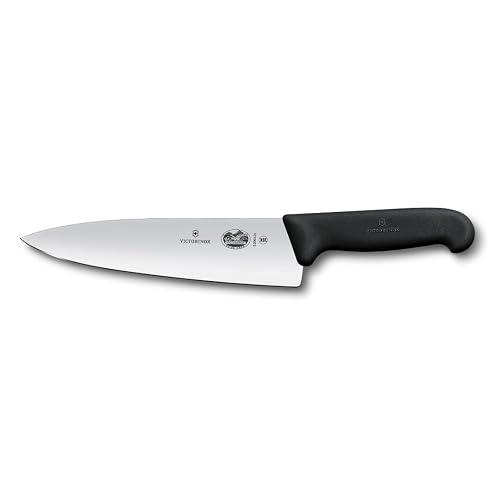
For home chefs & professionals. This Fibro Pro chef's knife has been the top choice of both home chefs and professionals alike. Expertly crafted with a tapered stainless steel edge that cuts with e...
The Victorinox Fibrox Pro is an 8-inch stamped chef's knife with a textured grip, a well-known value choice for home cooks and culinary students.
QUALITY CONSTRUCTION: Knife is crafted with one-piece high-carbon Japanese steel for easy edge maintenance and long-lasting sharpness
SUPERIOR DESIGN: Built to last ergonomic handle with textured f...
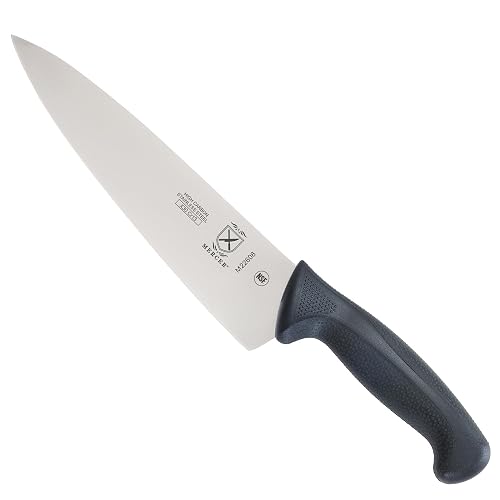
The Mercer Culinary Millennia is an 8-inch chef's knife with a black handle, a budget-friendly pick often used in cooking classes.
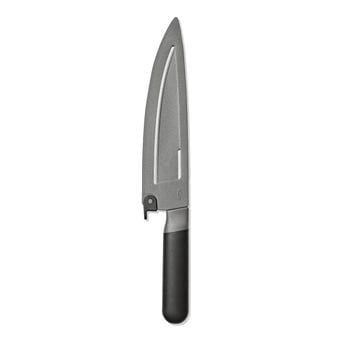
At Walmart, the OXO 8-inch chef's knife comes with a locking sheath, handy for storing the knife safely in a drawer.
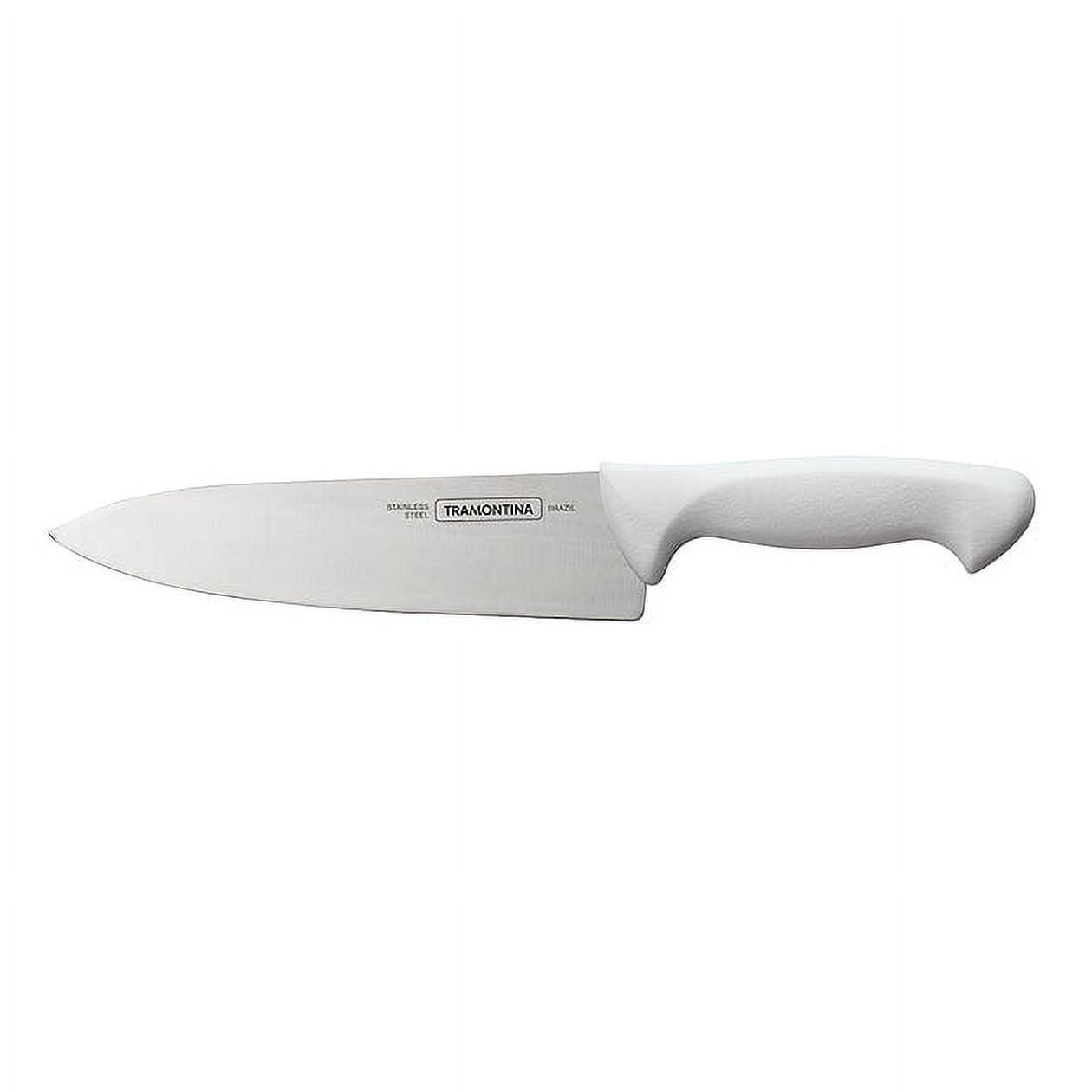
Also at Walmart, the Tramontina Pro-Series 8-inch chef's knife is a simple, sturdy option for everyday prep.
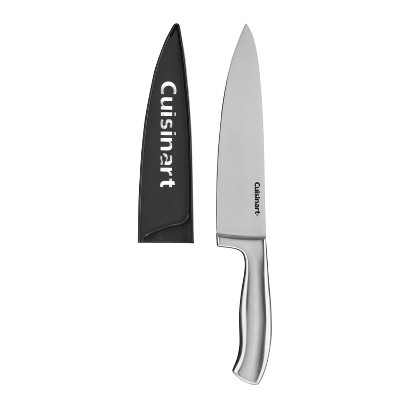
At Target, the Cuisinart Classic 8-inch chef's knife has a high carbon stainless blade and comes with a blade guard, a low-cost starter knife.
Premium and Japanese-style knives
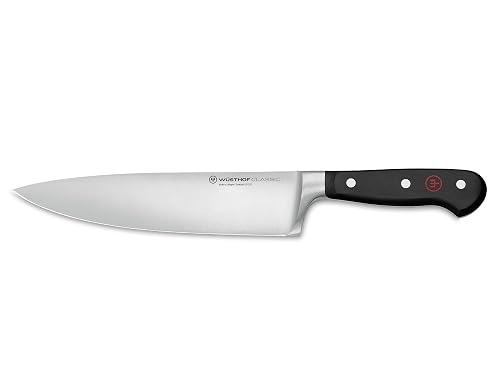
KITCHEN WORKHORSE – The WÜSTHOF 8” Classic Chef’s Knife is essential for preparing any meal. This all-purpose cook’s knife can be used for chopping, mincing, slicing and dicing
WÜSTHOF CLASSIC SERI...
The WÜSTHOF Classic 8-inch chef's knife is a forged German-style knife, a premium pick that many cooks keep for years.
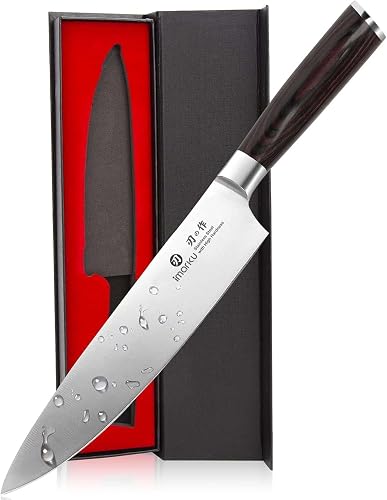
High-Carbon Stainless Steel Blade: It is manufactured from high-quality stainless steel that maintains its functionality for a long time. And to boost its sturdiness, the steel contains 0.6-0.75 ca...
The imarku 8-inch chef's knife offers a Japanese-inspired design at a modest price.
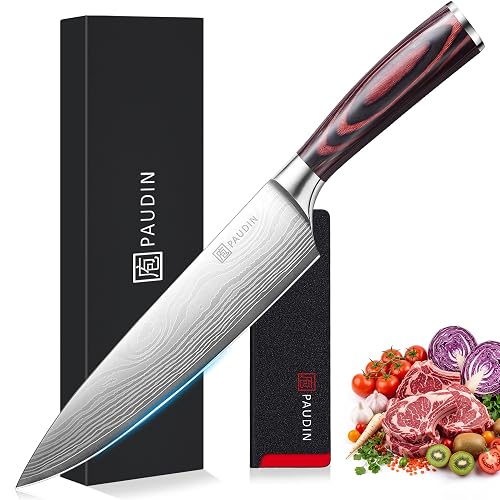
Professional Chef's Knife: This PAUDIN kitchen knife is suitable for cutting bread, vegetables, fillets or meats etc, and is also suitable for home and professional use. Cutting like a master chef ...
The PAUDIN 8-inch chef's knife uses high carbon stainless steel with an ergonomic handle and a patterned blade finish.
Keeping your knife sharp
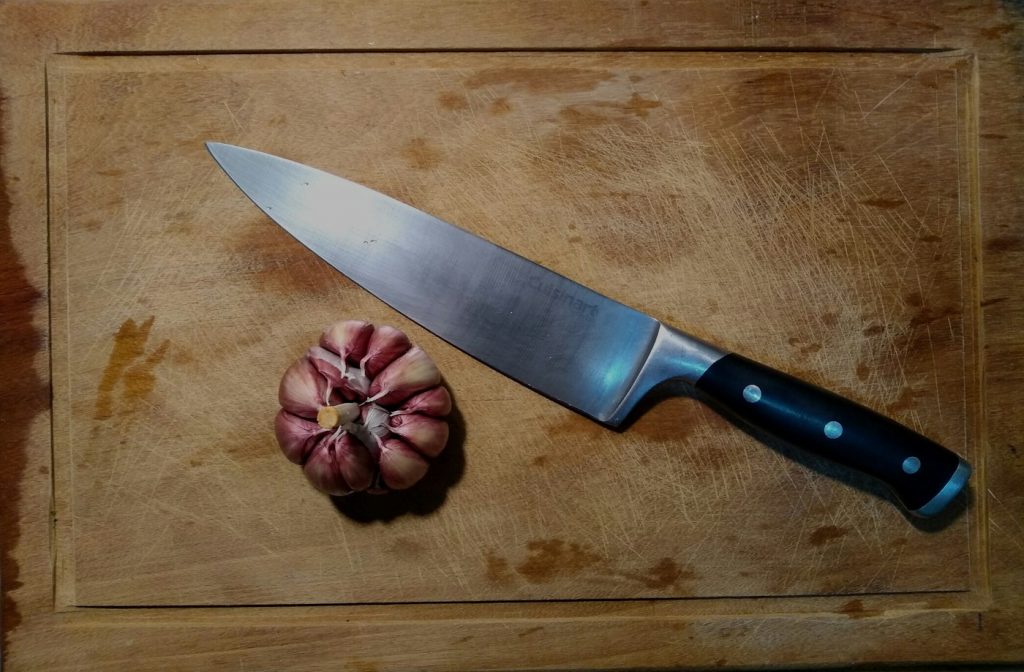
A sharp knife is safer than a dull one because it cuts with less force and is less likely to slip. Honing and sharpening are different. A honing steel straightens the edge and should be used often, even before each use. Sharpening removes a little metal to create a new edge and is needed only every few months for most home cooks.
- Pull-through sharpeners: Quick and easy, but can remove more metal than needed.
- Whetstones: Give the best control and edge but take practice.
- Professional sharpening: Many kitchen stores and farmers markets offer it for a small fee.
Cutting boards and food safety
Use a wood or plastic cutting board. Glass, stone, and ceramic boards dull knives fast. The U.S. Department of Agriculture's food safety steps advise against cross-contamination: keep raw meat, poultry, fish, and their juices away from other food, and after cutting raw meats, wash the cutting board, knife, and countertops with hot, soapy water.
Knife safety
- Use a stable board: Put a damp towel under the board so it does not slide.
- Curl your fingers: Use a claw grip on the food, with fingertips tucked away from the blade.
- Let it fall: Never try to catch a falling knife; step back and let it drop.
- Do not leave it in the sink: A knife hidden under soapy water is easy to grab by the blade.
- Store it safely: Use a block, magnetic strip, or sheath instead of loose in a drawer.
Care and cleaning
Hand wash your chef's knife with warm, soapy water and dry it right away. Many makers advise against the dishwasher, since heat, harsh detergent, and knocking against other items can dull the edge and damage handles. Carbon steel knives in particular need to be dried quickly to prevent rust. Avoid cutting on metal pans or plates, and do not use a chef's knife to pry open cans or chop through bones.
What to spend
A chef's knife does not need to be expensive to work well. Budget knives in the lower price range can cut cleanly for years if you hone them and keep them out of the dishwasher. Mid-range knives often add better steel, a nicer handle, and a more refined edge. Premium forged knives bring heft, fit and finish, and long service life. Spend what feels comfortable, and put some of the budget toward a honing steel and a good board, since both affect how the knife performs every day.
Knives that pair well with a chef's knife
A chef's knife handles most jobs, but two other knives fill the gaps. A small paring knife is easier for peeling, trimming strawberries, and detailed work in your hand. A serrated bread knife saws through crusty loaves and ripe tomatoes without crushing them. With those three knives, most home cooks have everything they need, and they can skip a large block set full of knives that rarely get used.
Right-handed, left-handed, and grip
Most Western-style chef's knives are sharpened evenly on both sides, so they work in either hand. Some Japanese knives have an edge ground more on one side, which suits one hand better. Check the listing if you are left-handed. Whatever the knife, the pinch grip gives the most control and cuts down on wrist strain during long prep sessions.
Common chef's knife mistakes
The most common mistake is letting a knife get dull and then pressing harder, which is when slips happen. Another is putting a good knife in the dishwasher. Many cooks also scrape food off the board with the sharp edge, which dulls it quickly; flip the knife and use the spine instead. Finally, using a thin Japanese-style blade on frozen food or bones can chip the edge.
Questions to ask before you buy
- What size feels right? Most home cooks do well with 8 inches.
- Do you rock or chop? Rockers like German curves; choppers like flatter Japanese blades.
- How much care will you give it? Stainless is easier than carbon steel.
- How will you store it? Plan for a block, strip, or sheath.
The short answer
For most home cooks, an 8-inch high-carbon stainless chef's knife with a comfortable handle is the one knife worth getting right. Choose a German style for a sturdy, forgiving blade or a Japanese style for a lighter, sharper one, hone it often, hand wash it, and keep it on a wood or plastic board.
The responses below are not provided, commissioned, reviewed, approved, or otherwise endorsed by any financial entity or advertiser. It is not the advertiser’s responsibility to ensure all posts and/or questions are answered.
Useful tip about flipping the knife to scrape the board with the spine. How often should a home cook plan on using the honing steel if they cook dinner most nights?