
Last Updated on: Mar 11, 2026
A bird feeder is one of the easiest ways to bring wildlife into view from a kitchen window or a small balcony. Chickadees, finches, cardinals, nuthatches, and many other backyard birds will visit a well-placed feeder, often within days. But feeders are not all alike. The style you pick shapes which birds show up, how much seed ends up on the ground, how often squirrels win, and how easy the feeder is to keep clean.
What We'll Cover
- Top Bird Feeders
- The main types of bird feeders
- What to look for
- Squirrel-resistant feeders
- Tube and hopper feeders
- Platform and starter feeders
- Choosing seed
- Where to hang a feeder
- Feeding through the seasons
- Keeping other animals away
- How to clean a feeder
- Questions to ask before you buy
- The short answer
Cleaning matters more than most people expect. The U.S. Fish and Wildlife Service notes that birds can get sick from moldy or decomposing seed and can spread disease through droppings, and it suggests washing feeders once every 2 weeks, or more often if they are heavily used, after wet weather, or when sick birds or disease outbreaks are reported nearby. This guide covers the main feeder types, what to look for, where to hang one, and how to keep it clean.
Top Bird Feeders
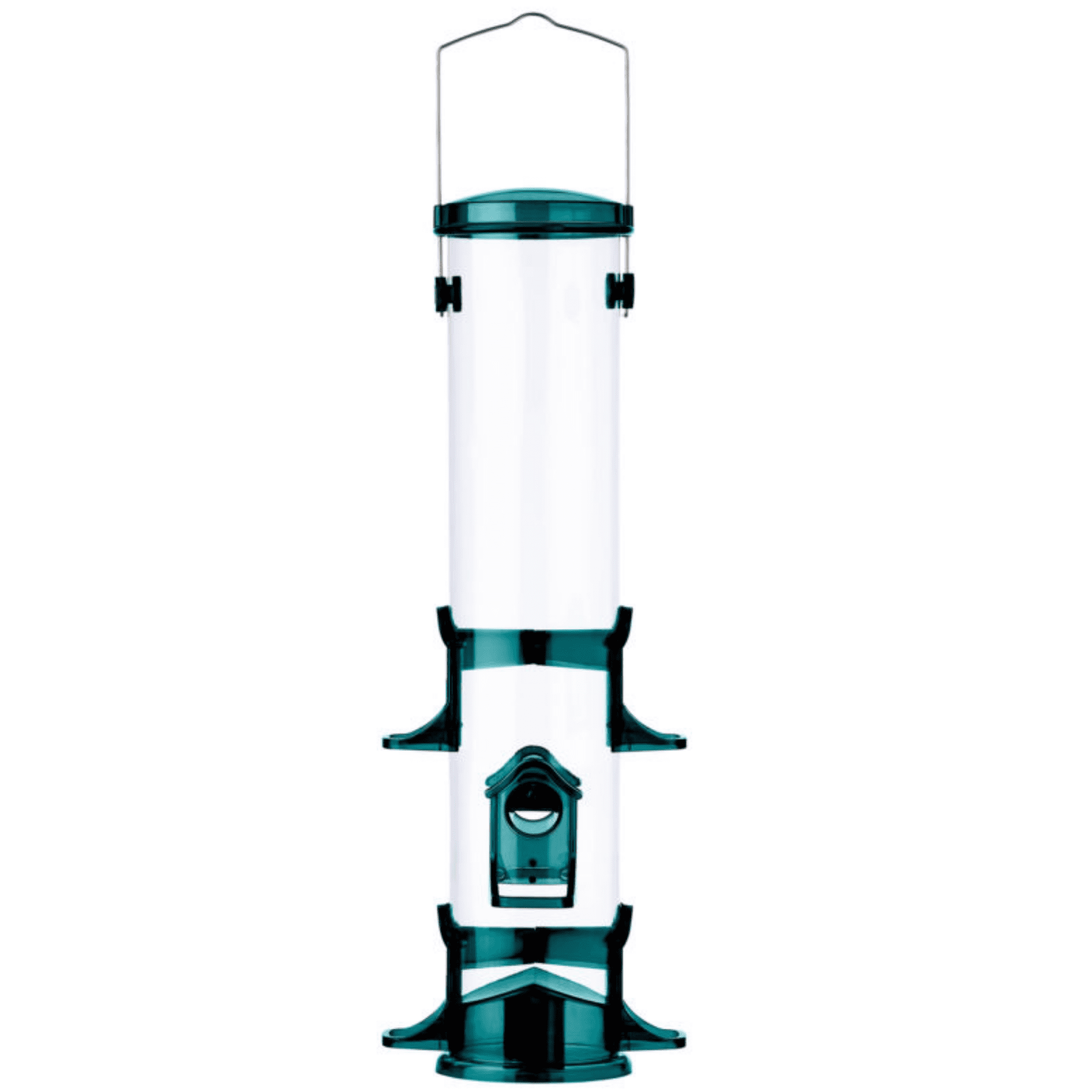
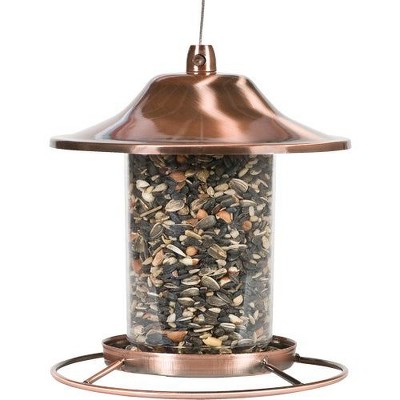
The main types of bird feeders
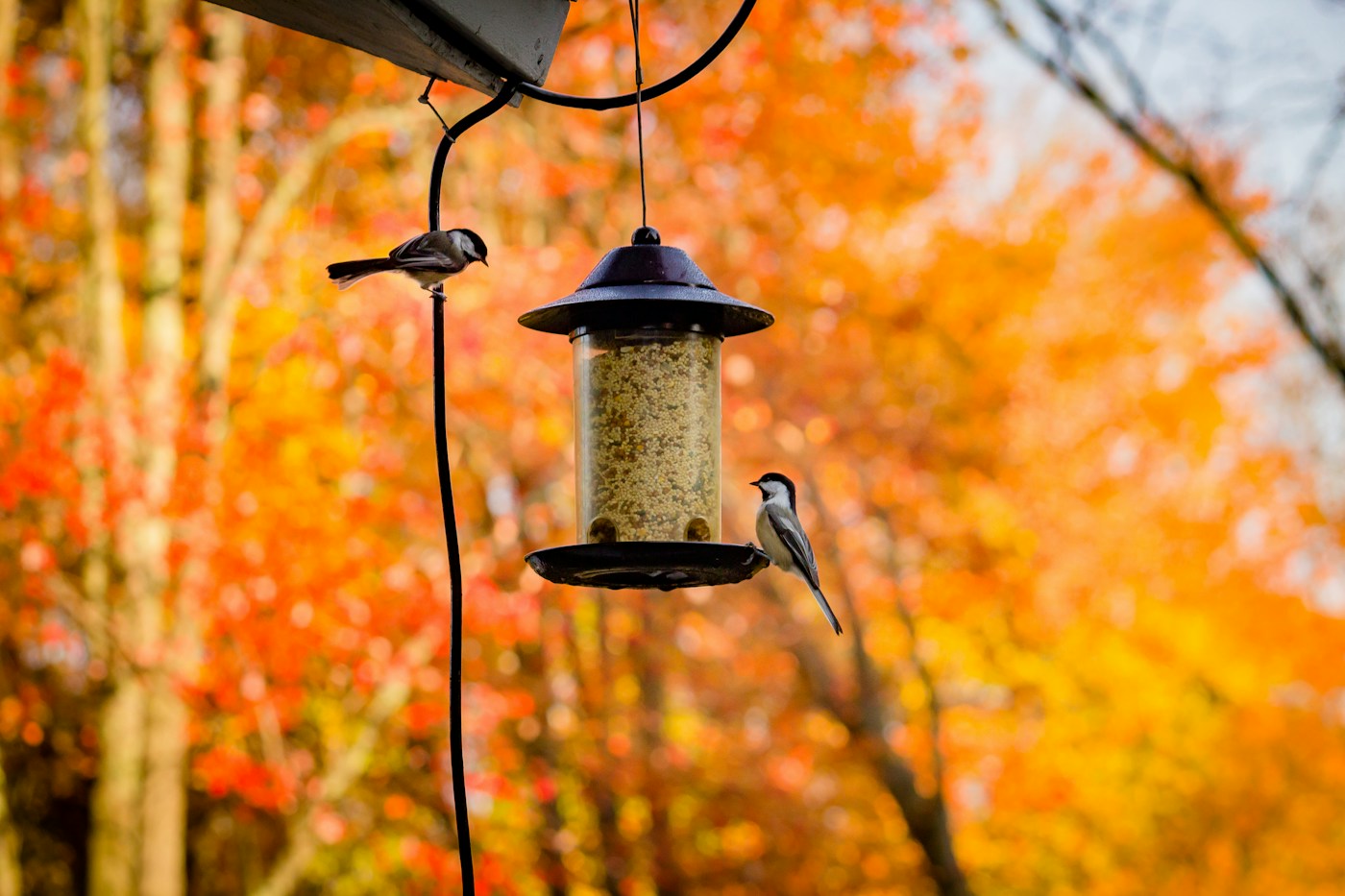
Tube feeders are clear or mesh cylinders with small ports and perches. They keep seed dry and suit small birds like finches, chickadees, and titmice. Larger birds have a harder time using them, which some people see as a plus.
Hopper feeders look like small houses. Seed sits in a central bin and slides out onto a ledge as birds eat. They hold a lot of seed and attract a wide mix of birds, including cardinals, jays, and grosbeaks. Many come with suet cages on the sides.
Platform or tray feeders are open trays. Almost any seed-eating bird can use them, including ground feeders like doves and juncos. The downside is that seed is exposed to rain and droppings, so trays need a drainage screen and frequent cleaning.
Suet feeders are wire cages that hold cakes of suet. They attract woodpeckers, nuthatches, and wrens, especially in colder months.
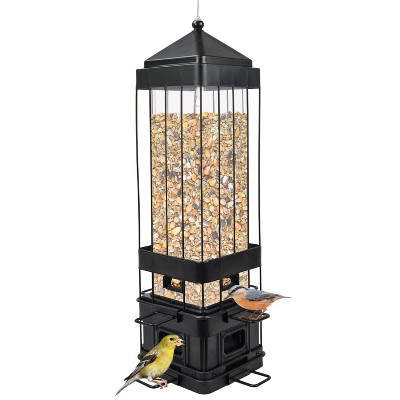
Squirrel-resistant feeders use cages, weight-activated shrouds, or baffles to keep squirrels out. A weight-activated feeder closes the ports when something heavier than a bird lands on it.
What to look for
- Easy to take apart: A feeder you can open fully and scrub is a feeder you will actually clean. Removable bases and tool-free designs help a lot.
- Drainage: Look for drain holes or a mesh floor so rain does not pool and rot the seed.
- Material: Metal ports and lids resist chewing. Cedar and recycled plastic hold up well outdoors.
- Capacity: A bigger feeder means fewer refills, but seed that sits too long can spoil. Match size to how fast your birds empty it.
- Mounting options: Check whether it hangs, mounts on a pole, or both.
Squirrel-resistant feeders
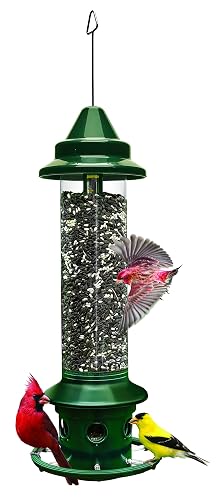
Our largest-capacity model, the Squirrel Buster Plus squirrel-proof bird feeder is also our most popular. Measuring 28" tall from base to hanger, the Squirrel Buster Plus holds a whopping 5.1 lbs o...
The Squirrel Buster Plus uses a weight-activated shroud that closes the six ports when a squirrel climbs on. It holds 5.1 pounds of seed and has a ring that gives cardinals room to perch.
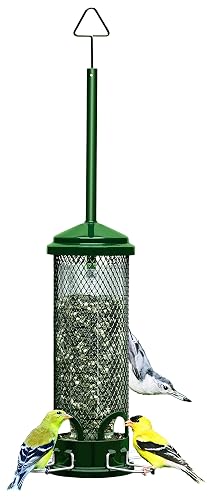
Mini but Mighty at keeping squirrels at bay.
Stop squirrels — for real. Truly squirrel-proof: The weight of an adult squirrel automatically closes the shroud, denying access to seed.
Save your seed...
The Squirrel Buster Mini uses the same idea in a smaller size, with four metal perches and about a pound of seed. It suits small yards and balconies.
At Target, the Nature's Way Squirrel Shield feeder surrounds the seed tube with a metal cage. Small birds slip through the openings while larger animals are kept out.
Tube and hopper feeders
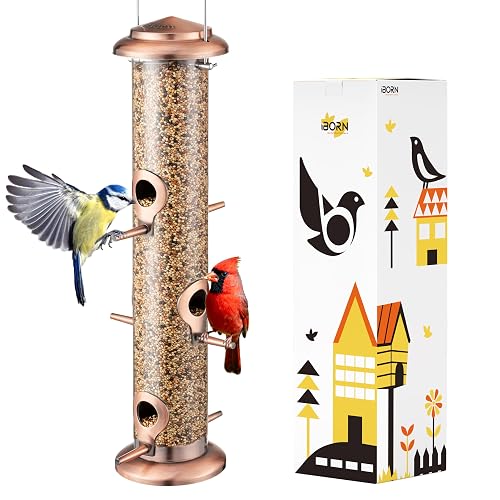
【Six Feeding Ports】 Equipped with six feeding ports and perches, this bird feeder allows multiple small birds to feed at the same time. The spacious multi-port design provides easy access to seeds,...
The iBorn 15-inch tube feeder has six ports and chew-resistant metal parts, a good fit for finches and chickadees.
At Walmart, the More Birds Jumbo Songbird tube feeder holds about 3 pounds of seed and has a built-in socket for pole mounting.
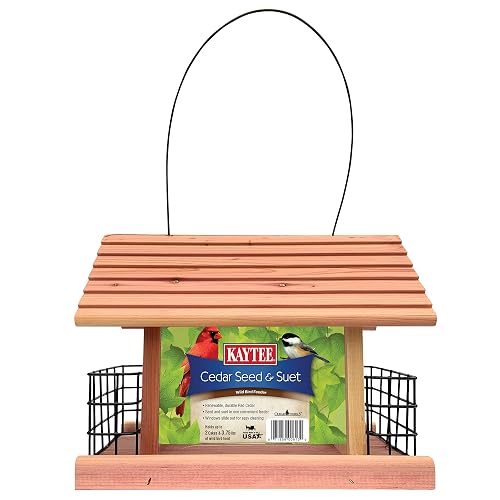
Natural oils help resist cracking
Hand-crafted by the amish
Well-constructed, attractive and a great value
The Kaytee cedar feeder pairs a seed hopper with suet holders, so it can serve seed eaters and woodpeckers at the same time.
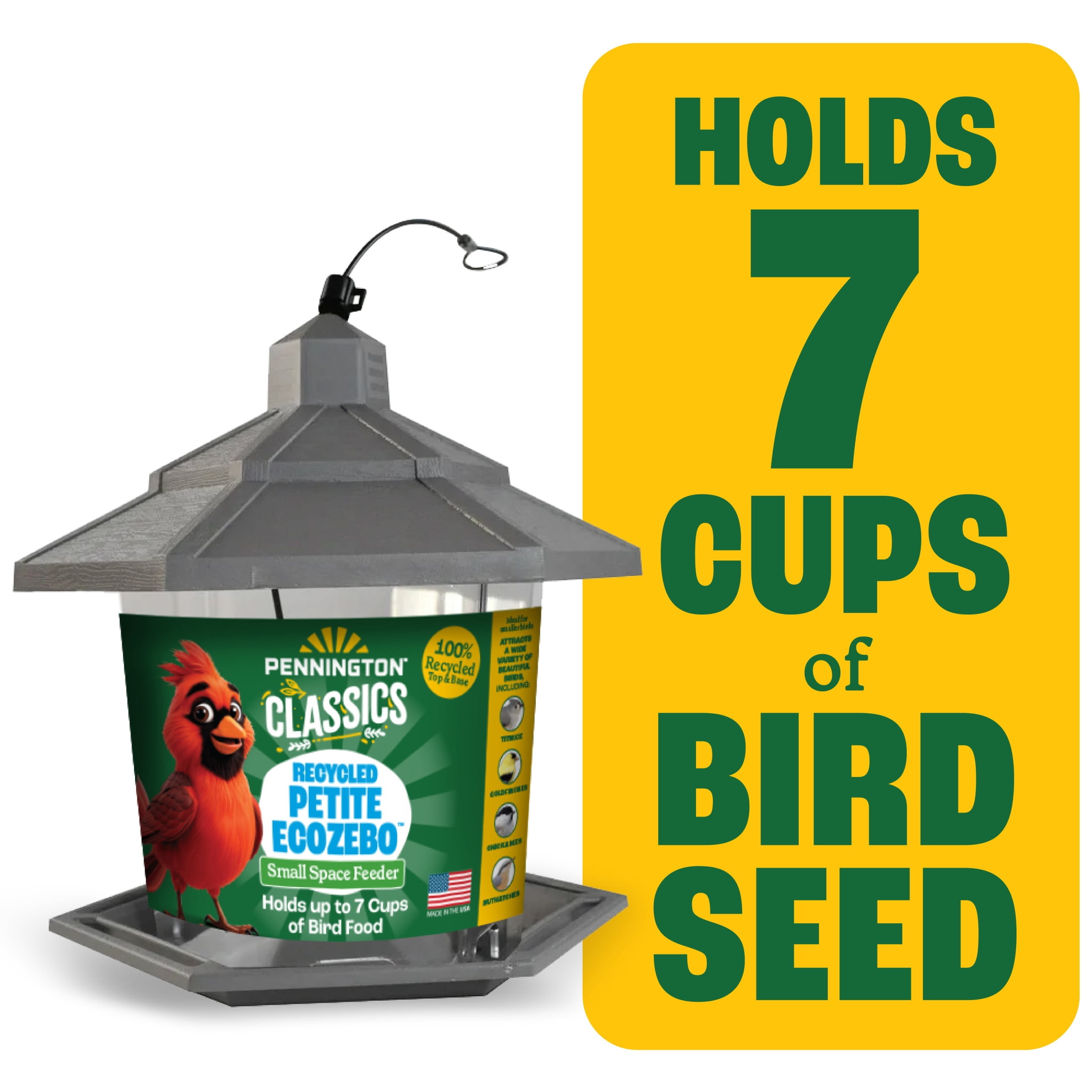
The Pennington Earth Smart hopper holds 2.5 pounds of seed in a simple, budget-friendly design.
The Perky Pet Copper Panorama feeder shows off the seed inside and adds a decorative copper tone to a porch or garden.
Platform and starter feeders
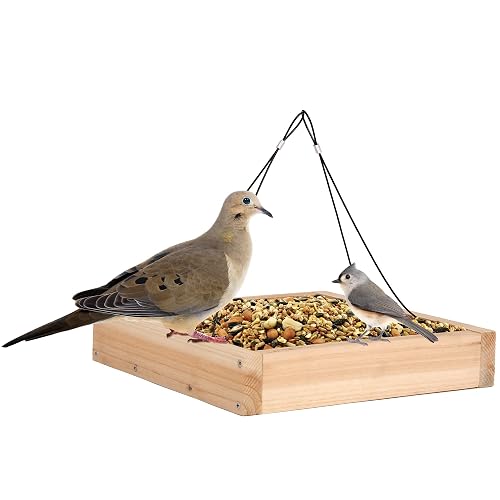
UNIVERSAL SEED FEEDER: Tray design accommodates large birds like Cardinals and Jays, versatile format allows for feeding all seeds as well as dried fruit, in-shell peanuts, and whole corn to attrac...
The Wild Wings cedar tray is an open platform that welcomes a wide range of birds, including ground feeders that rarely use tube feeders.
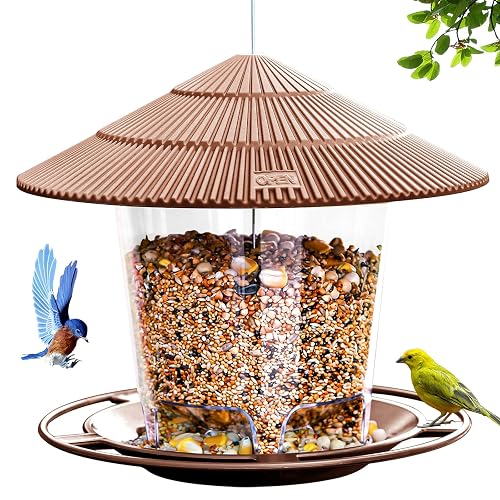
Watch Birds Love Birds: We focus on researching and developing wild bird feeders, squirrel proof birds feeders for outside hanging. Lightweight build, durable metal rope, and a twist lock that dete...
The Hanizi hanging feeder is a simple option for someone trying bird feeding for the first time.
Choosing seed
Black oil sunflower seed is a common starting point because many backyard birds eat it. Nyjer (thistle) seed draws finches and needs a feeder with tiny ports. Mixes with lots of filler grains like milo tend to get kicked to the ground. Buy only as much seed as you will use in a few weeks, and store it in a sealed, dry container to keep out moisture and pests.
Where to hang a feeder
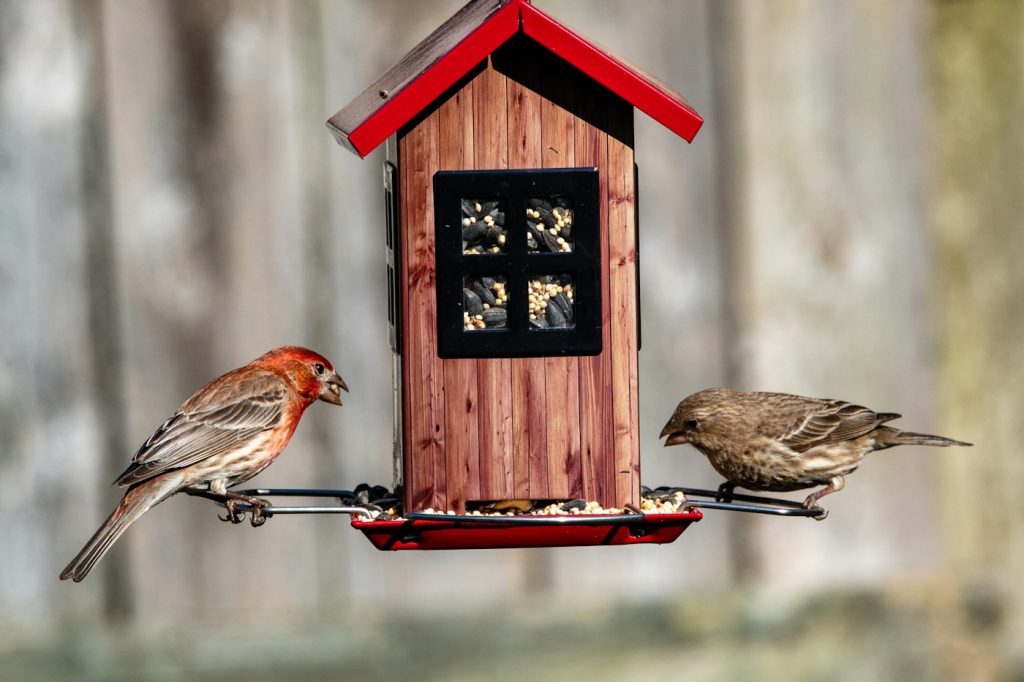
Place feeders where you can see them but where birds feel safe. A spot near shrubs or trees gives birds cover to dart to if a hawk passes. To keep squirrels from jumping on, many people aim for a spot about 10 feet from branches or fences, with a baffle on the pole or hanger.
Window strikes are a real risk. The U.S. Fish and Wildlife Service estimates that almost a billion birds die each year in the United States from window collisions. Its tips include placing bird decals on the outside of windows, moving large houseplants away from windows where birds may mistake them for a garden, and closing curtains or dimming lights at night to help night migrants stay on course. Keep these in mind when you pick a feeder spot near the house.
Feeding through the seasons
Many people feed birds year-round, while others focus on winter, when natural food is harder to find. In cold months, suet and high-fat seed like black oil sunflower give birds extra energy. In warm, wet weather, seed spoils faster, so fill feeders with smaller amounts and clean them more often. Suet can go soft or rancid in summer heat; if you offer it then, look for no-melt suet cakes and check them often.
Spring and fall migration can bring new visitors for a few days or weeks. A second feeder type, such as a tray or a nyjer tube, raises the odds of spotting birds you do not usually see. Keep a simple notebook or use a bird identification app to track who shows up. It is a relaxing habit, and kids often enjoy it as much as adults.
Keeping other animals away
Spilled seed attracts squirrels, rodents, and sometimes larger animals. Seed trays under feeders, no-waste seed blends with hulls removed, and regular raking under the feeder all help. If you live where bears roam, check your state wildlife agency's guidance on bird feeding before hanging a feeder.
How to clean a feeder
Clemson Cooperative Extension's Home and Garden Information Center recommends cleaning seed feeders at least every two weeks, and more often when there are many visitors or after rain. Mississippi State University Extension suggests cleaning feeders outside with warm, soapy water, then soaking them for 10 minutes in a solution of 9 parts water to 1 part bleach.
- Empty old seed and throw away any clumps or moldy bits.
- Take the feeder apart and scrub every surface with a brush.
- Soak in the bleach solution, then rinse well with clean water.
- Let every part dry completely before refilling.
- Rake up spilled seed and hulls under the feeder so they do not rot.
Wear gloves while cleaning and wash your hands afterward. If you see sick birds at your feeder or hear of a disease outbreak nearby, the Fish and Wildlife Service advises cleaning feeders more often. Clean the ground below them too, so moldy food and droppings do not build up.
Questions to ask before you buy
- Which birds do I want to see? Small songbirds favor tubes; cardinals and jays like hoppers and platforms.
- Are squirrels a problem? If so, start with a caged or weight-activated feeder.
- How often can I clean it? Pick a design you can take apart in a minute or two.
- Where will it go? Balconies suit small hanging feeders; open yards can handle poles and platforms.
The short answer
For most backyards, a squirrel-resistant tube feeder or a sturdy hopper is a solid first choice. Add a tray or suet feeder later to bring in more kinds of birds. Whatever style you choose, pick one that is easy to open and scrub, hang it near cover and at a safe distance from windows, and clean it every couple of weeks, as the Fish and Wildlife Service and extension experts recommend.
The responses below are not provided, commissioned, reviewed, approved, or otherwise endorsed by any financial entity or advertiser. It is not the advertiser’s responsibility to ensure all posts and/or questions are answered.
Good reminder about cleaning the ground under the feeder too. One tip: a cheap bottle brush reaches the bottom of tube feeders much better than a sponge. Does anyone know if a baffle works on a shepherd's hook, or only on a straight pole?