
Last Updated on: Mar 27, 2026
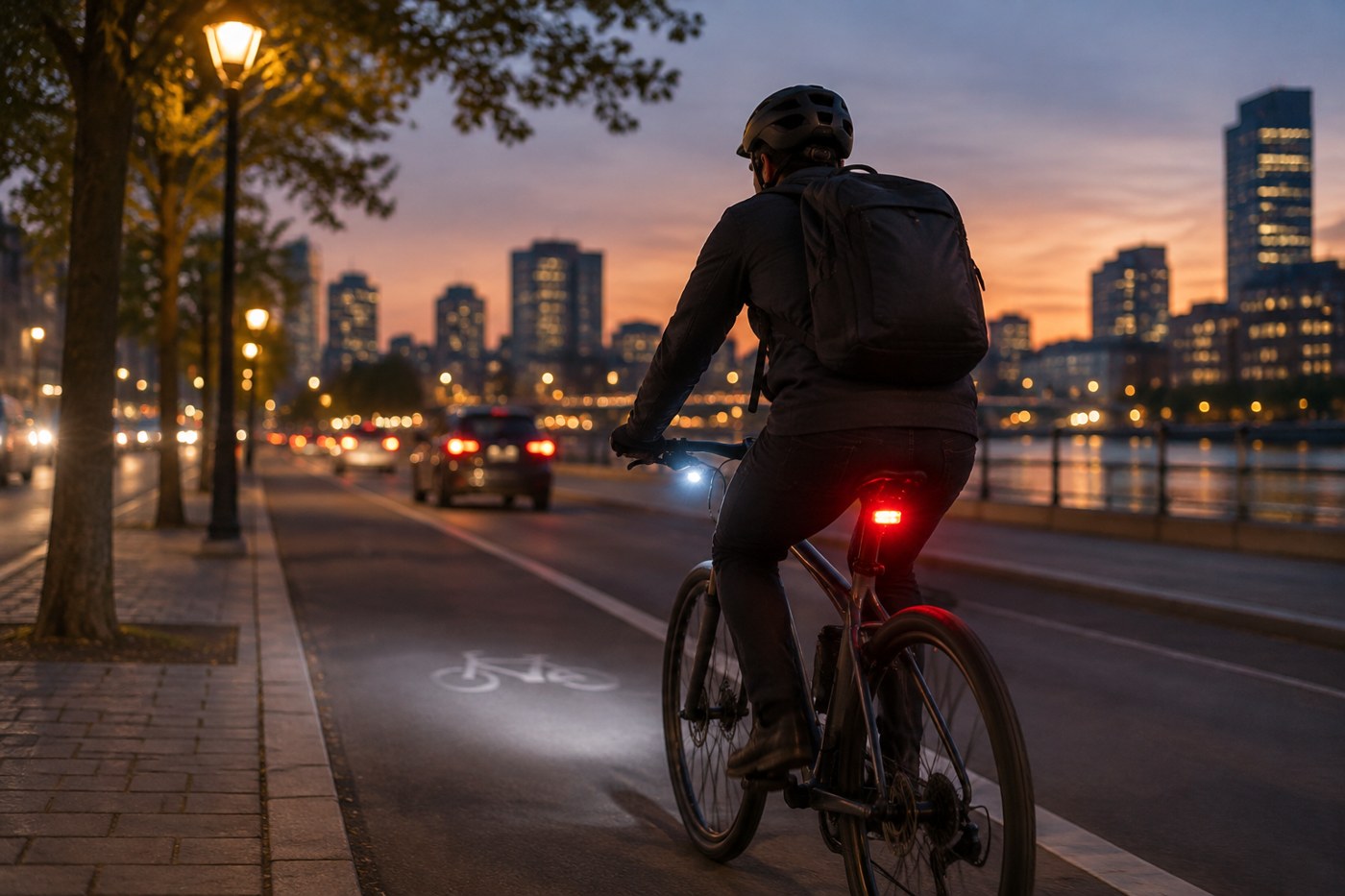
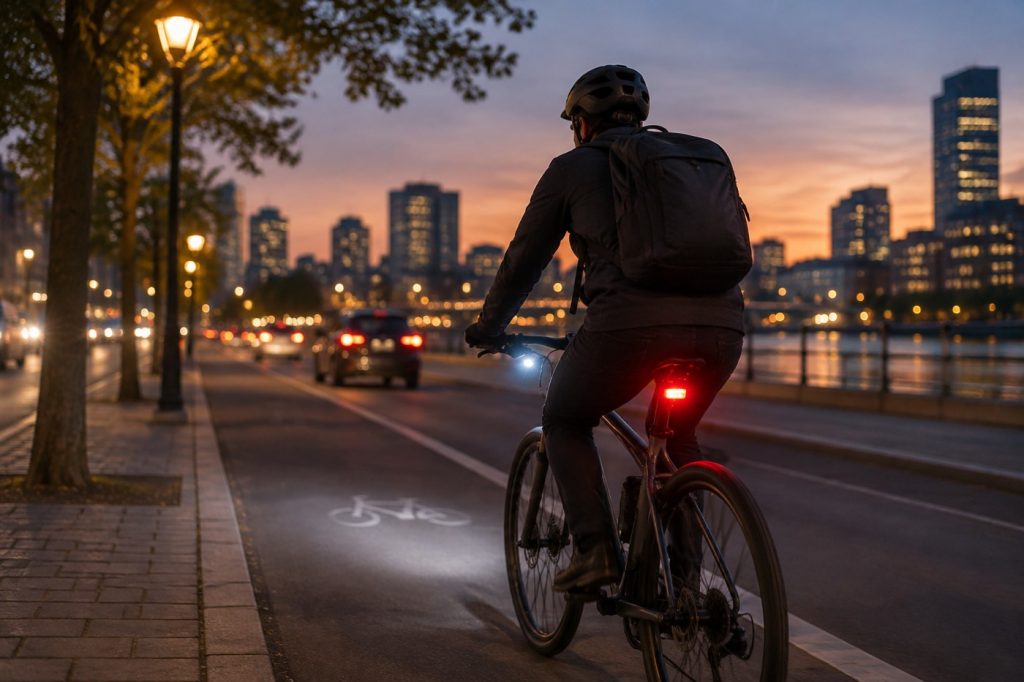
Bike lights do two jobs. A front light helps you see the road, potholes, and debris after dark, and both lights help drivers, walkers, and other riders see you. Even on a short ride home at dusk, lights can make the difference between being noticed early and being noticed late.
What We'll Cover
- Top Bike Lights
- Lights to be seen and lights to see
- How many lumens do you need?
- Beam shape and glare
- Steady or flashing modes
- Battery and charging
- Mounts and weather
- Headlights
- Front and rear sets
- Setting up your lights
- Riding at night
- Care and theft
- Lights for kids and family rides
- The short answer
The National Highway Traffic Safety Administration advises riders to use a white front light, a red rear light, and reflectors on the bike at night or when visibility is poor. This guide explains how to choose those lights: brightness, beam shape, modes, mounts, charging, and weather resistance, plus how to set them up well.
Top Bike Lights
Lights to be seen and lights to see
It helps to sort lights into two groups. Be-seen lights are small and fairly dim, often under 200 lumens. They make you visible on streets that already have streetlights, and they are light, cheap, and easy to leave on a bike. See-by lights are brighter front lights, often 400 lumens and up, that throw enough light on the road to ride on dark paths, rural roads, or unlit trails.
A rider who only commutes on lit city streets may be happy with a basic set. Someone riding on a dark bike path, a country road, or a trail needs a brighter headlight that lights up the surface ahead. Many riders use both: a strong headlight plus a small extra light on a helmet or bag.
How many lumens do you need?
- 100 to 200 lumens: Good for being seen on lit streets.
- 300 to 600 lumens: A common range for commuting on mixed streets and paths.
- 800 lumens and up: Useful for dark roads, unlit paths, and faster riding.
- Rear lights: Brightness matters less than placement and a steady or flashing mode that drivers notice.
Lumen numbers are a starting point, not the whole story. Two lights with the same rating can look very different on the road depending on the lens and beam. Treat very large lumen claims on low-cost lights with some caution, and look at run time charts to see how long a light holds that output.
Beam shape and glare
A round, spot-style beam lights a small area far ahead, which is good for speed on dark roads. A wider flood beam lights the edges of the path, which helps on trails and bike paths. Some headlights use a cut-off beam, flat on top like a car headlight, which puts light on the road and cuts glare for people coming the other way.
Whatever beam you choose, aim the headlight slightly down at the road rather than straight ahead. A bright light pointed into oncoming eyes can blind other riders and drivers, which makes the road less safe for everyone.
Steady or flashing modes
Most lights offer several modes: high, medium, low, and one or more flashing patterns. A flashing rear light can draw attention in traffic. For the front light, a steady beam makes it easier for you to see the road and for others to judge where you are. Some riders run a steady headlight with a second light on flash. Check local rules, since some places set rules about flashing lights and required equipment.
Battery and charging
Most modern lights charge by USB, and newer models use USB-C, which lets you share a cable with a phone. Look at run time for the mode you will actually use, not just the lowest setting. A light that lasts 20 hours on low may only last one or two hours on high.
- Battery indicator: A light that shows remaining charge helps you avoid dying halfway home.
- Charge habits: Top up lights once or twice a week if you commute daily.
- Cold weather: Batteries run down faster in the cold, so plan for shorter run times in winter.
Mounts and weather
Rubber strap mounts fit most handlebars and seat posts without tools and move easily between bikes. Hard mounts hold a heavy headlight steadier on rough roads. Check that the mount fits your handlebar diameter, and that the rear light will not be hidden by a bag, rack, or long coat.
For weather, look at the IP rating. IPX4 means the light resists splashes, which is fine for light rain. IPX6 and IP67 ratings offer more protection for heavy rain and wet commutes.
Headlights
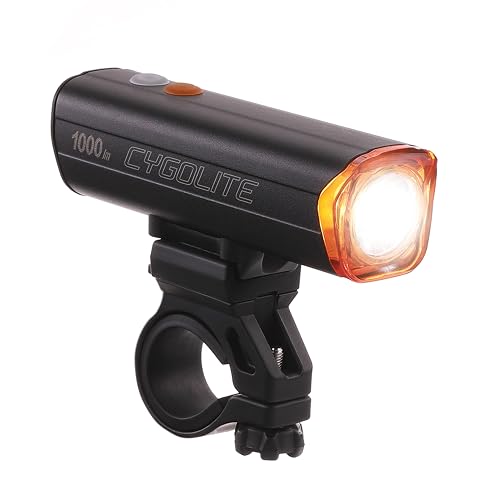
Ultra long battery life with an extreme 1,000 lumen brightness, this powerhouse is fully loaded with unprecedented run times in a bicycle light this bright and compact. Cycling Tuned Optics gives t...
The Cygolite Velocity comes in several output versions from 800 to 1600 lumens, with an aluminum body, nine modes, and an IP67 rating.
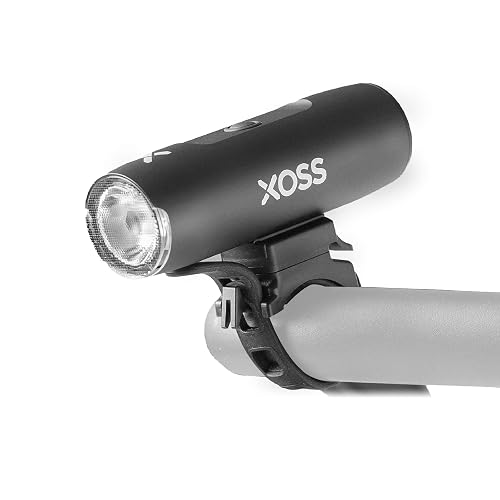
【Warm notice】 Please release the lock status for the first use. First, continuously press the button 3 times, the green light flashes 3 times for releasing the lock state. Or you can charge the hea...
The XOSS XL-800 is an 800-lumen headlight with USB-C charging and five modes, a strong pick for mixed commutes.
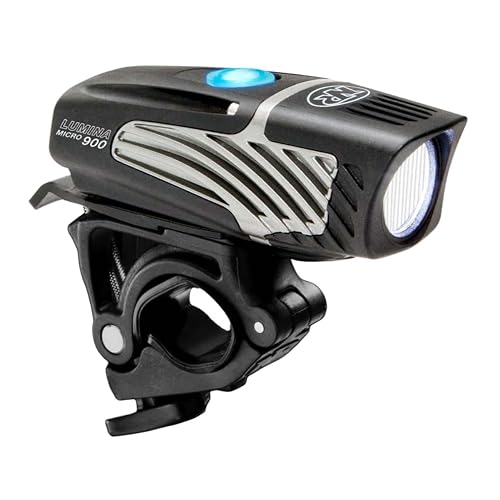
LOCK MODE FEATURE keeps the Lumina Micro 900 headlight securely powered off during transport or storage. Unlock / Lock the light by simply holding the power button down for 8-10 seconds.
IMPORTANT ...
The NiteRider Lumina Micro 900 packs 900 lumens into a compact, USB-rechargeable, water-resistant body, a good fit for darker roads and paths.
Front and rear sets
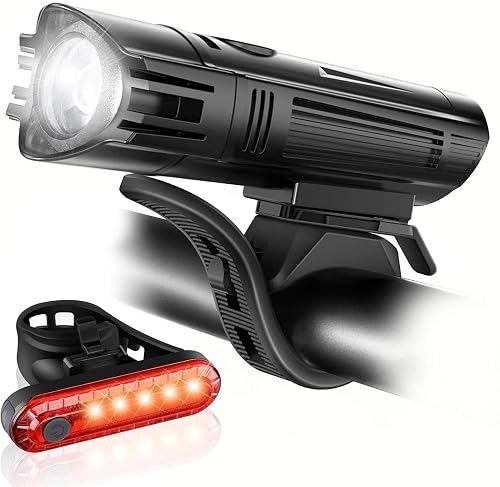
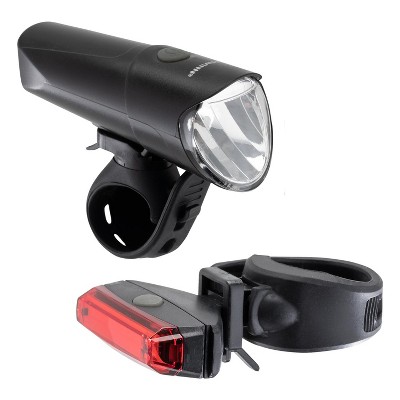
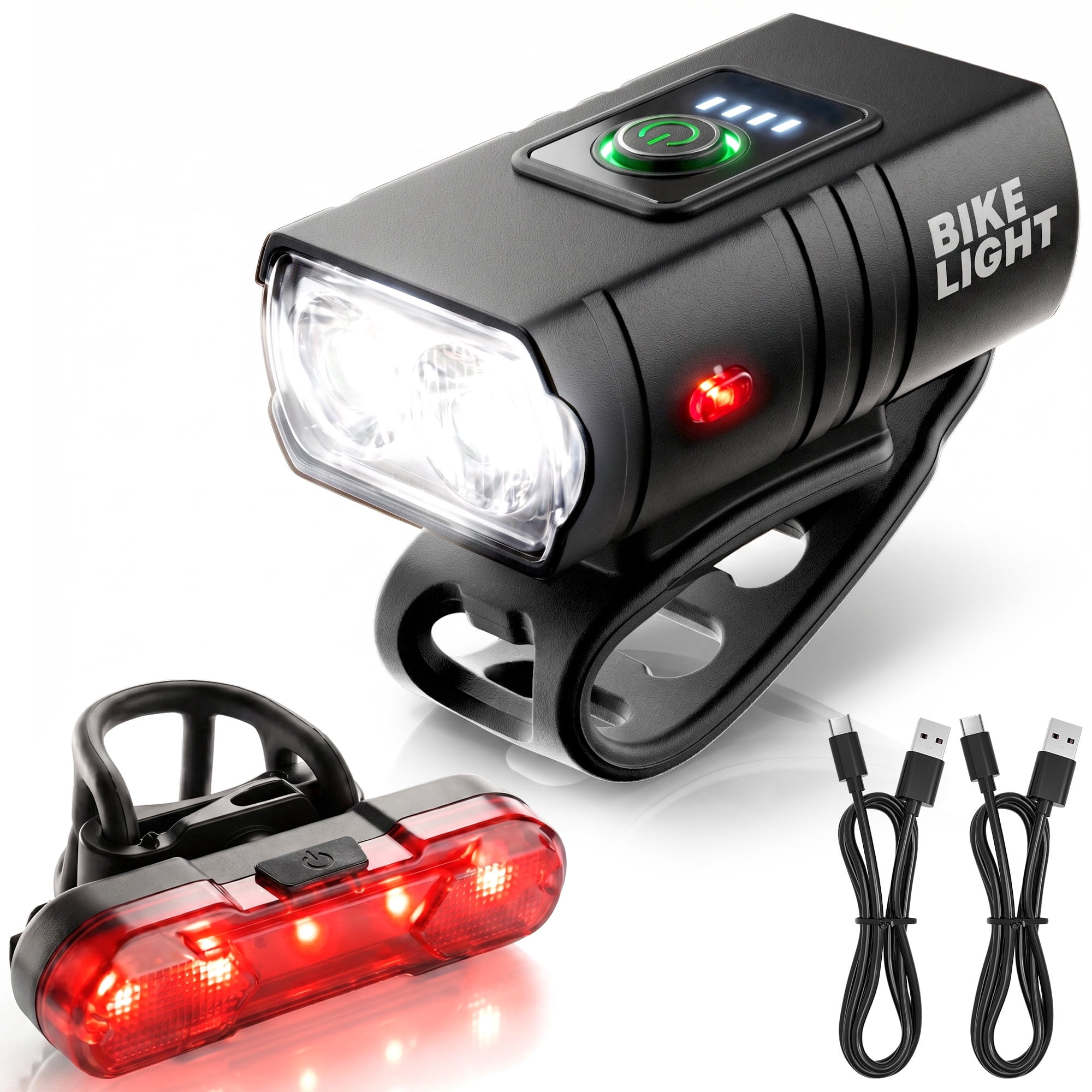
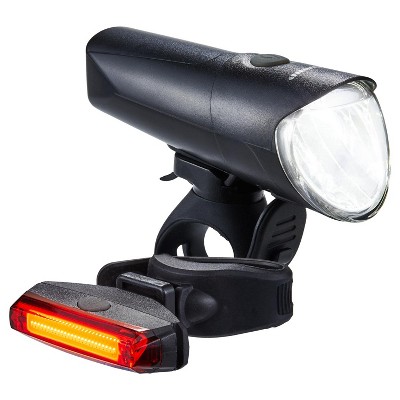
Bright Bike Lights for Night Riding: This bike light set includes both a bright headlight and taillight. Powerful LED headlight illuminates your path ahead while the bright red tail light keeps you...
The Ascher set includes a front and rear light with four modes and simple straps, an easy way to get both lights at once.
At Target, the Schwinn 500 lumen set pairs a rechargeable headlight with a rear light for regular commuting.
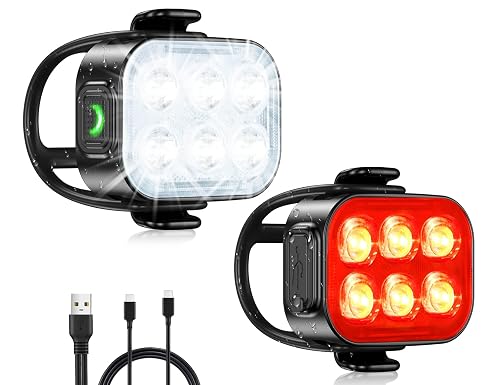
Ultra Slim & Portable Design: This 2026 bike light set features a sleek and compact design, with a thickness of only 1.7cm and a weight of 27g. It won't take up too much space on your bicycle. The ...
The Zewdov front and back set is rechargeable and offers several modes at a budget price.
The DAYBETTER set at Walmart has a 360 lumen front, six front and four rear modes, USB-C charging, and an IPX4 rating.
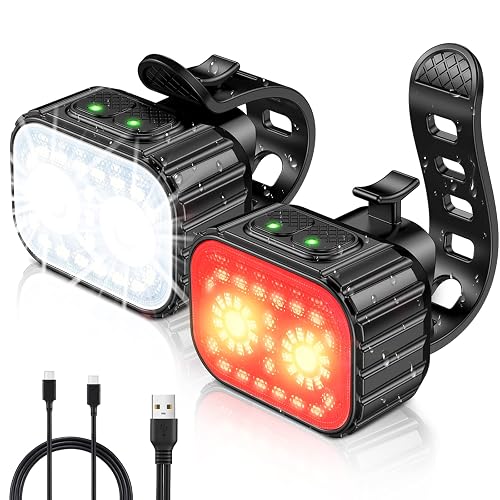
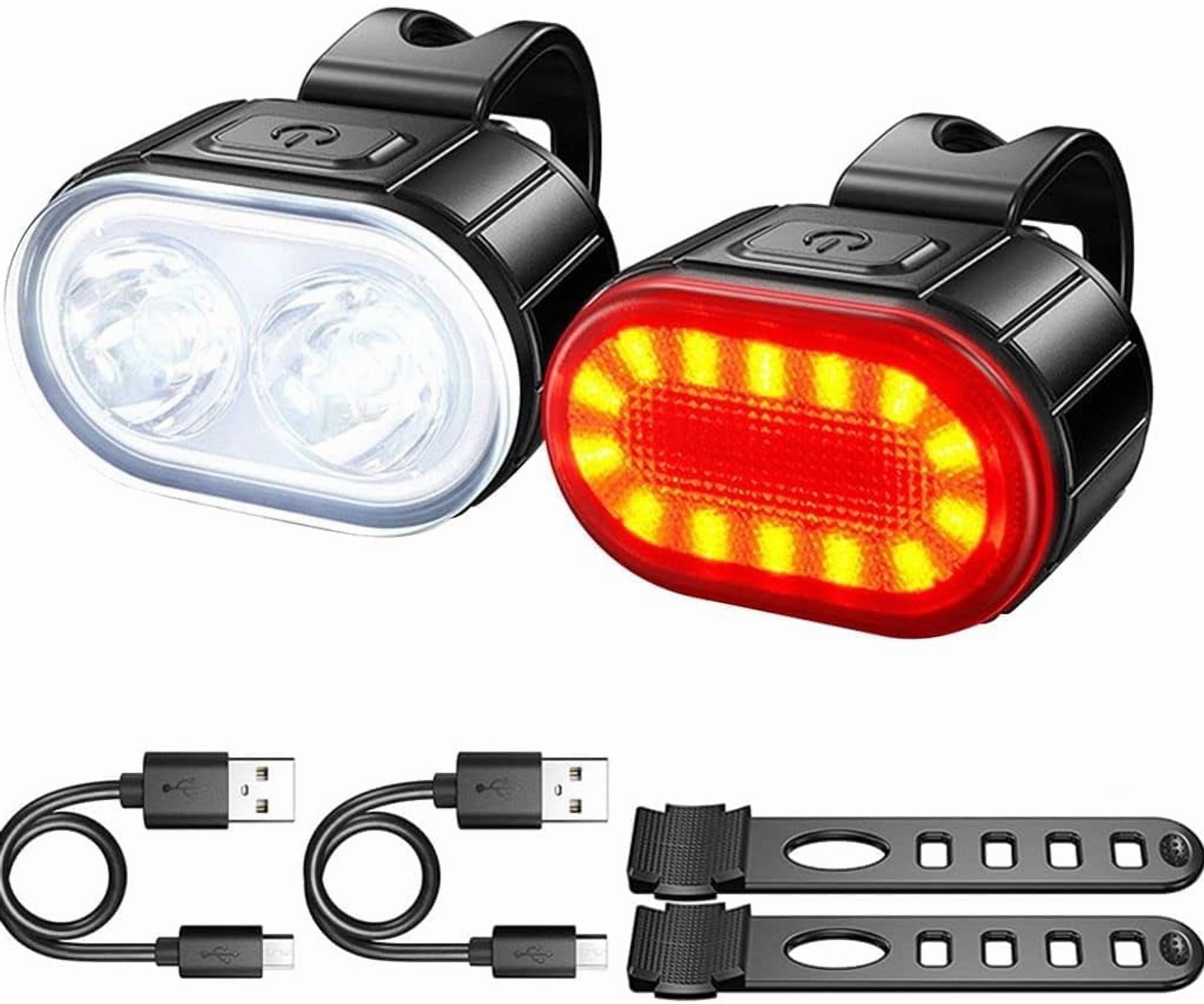
HIGH BRIGHTNESS & MULTI LIGHT MODES - Each bike light is designed with 2 main LEDs and 19 surrounding auxiliary LEDs, controlled by independent switches. The front light has 2 X 4 modes and the tai...
The Cuvccn set includes front and rear lights with multiple modes and a waterproof design.
The BYXAS set offers eight front and twelve rear modes and an IPX6 rating for wet rides.
The Schwinn Intensa 100 lumen set is a simple, rechargeable be-seen option for lit streets.
Setting up your lights
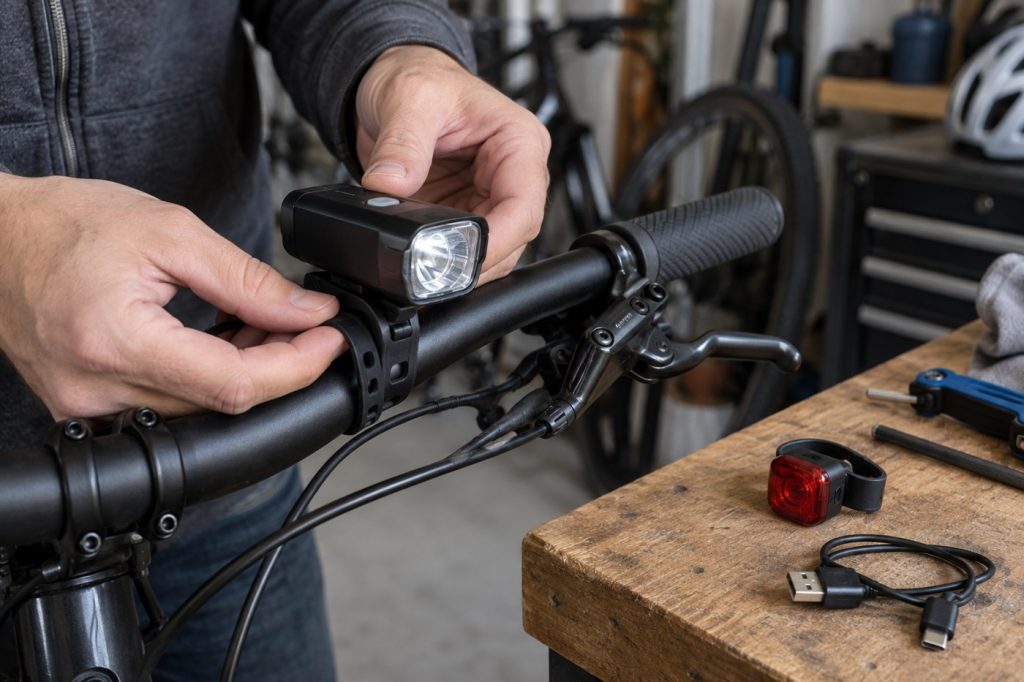
Mount the headlight in the center of the handlebar or just to one side, angled slightly down so the brightest part of the beam lands on the road several bike lengths ahead. Mount the rear light on the seat post or rack, pointed straight back and level, not at the sky or the ground. Make sure cables, bags, and your legs do not block either light.
Keep the reflectors that came with your bike, and add reflective gear on your ankles, clothing, or bag. Moving reflective bands on your legs catch drivers' eyes. The NHTSA also recommends a helmet and gear that makes you more visible to others.
Riding at night
- Turn lights on early: Dusk and dawn are hard light for drivers.
- Ride predictably: Hold a steady line and signal turns.
- Slow down on dark paths: Ride at a speed that lets you stop within the distance your light shows.
- Carry a backup: A small spare light in a bag helps if your main light runs out.
Care and theft
Small strap-on lights are easy to steal, so take them with you when you lock your bike in public. Most pop off the mount in a second, and many clip onto a bag or fit in a pocket. That habit also makes it easy to charge them at work or at home.
Wipe mud and road grime off the lens after wet rides so the beam stays clear, and check that the charging port cover is closed before riding in rain. If a strap gets loose or cracked, replace it before it lets the light drop off on a bumpy road. Every so often, check that the rear light still points straight back, since mounts can twist over time.
Lights for kids and family rides
Kids who ride near dusk need lights too. A simple front and rear set with easy one-button modes works well for younger riders. Show them how to switch the lights on, and make charging part of the routine. Add reflective stickers to helmets and bags, and plan family rides so everyone is home before full dark when possible.
The short answer
Use a white front light and a red rear light at night or in poor visibility, along with reflectors, as NHTSA advises. Choose a be-seen set for lit streets and a brighter see-by headlight of 400 lumens or more for dark roads and paths. Look for USB-C charging, honest run times, a mount that fits your bike, and a weather rating that matches your rides, and aim the headlight down so you light the road without blinding others.
The responses below are not provided, commissioned, reviewed, approved, or otherwise endorsed by any financial entity or advertiser. It is not the advertiser’s responsibility to ensure all posts and/or questions are answered.
Is it better to run the rear light on flash or steady during a city commute? Wondering which one drivers notice more from a distance.