
Last Updated on: Sep 24, 2026
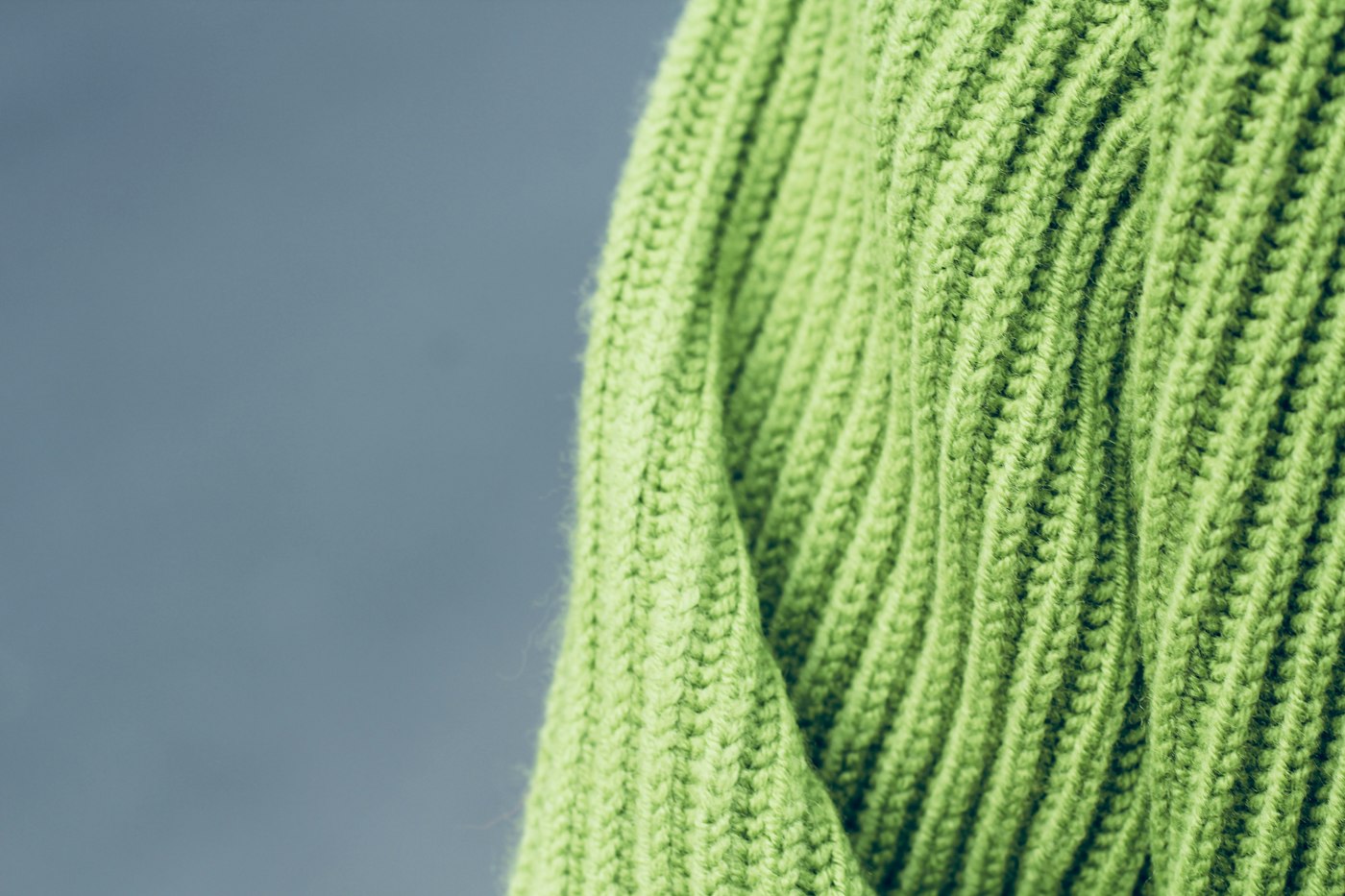
Every sweater drawer has one. The favorite knit that fits perfectly but has gone fuzzy under the arms and along the sides, covered in tiny balls of fiber that make it look years older than it is. Those little balls are called pills, and they are not a sign that the sweater is worn out. In most cases, the fabric underneath is perfectly fine.
A fabric shaver, sometimes sold as a lint remover or sweater defuzzer, trims those pills off in a few passes. It is one of the cheapest ways to make clothes, blankets, and even a couch look newer. This guide explains why fabric pills in the first place, which type of shaver suits which job, and how to use one without putting a hole in your favorite sweater.
Top Fabric Shavers
What We'll Cover
Why fabric pills
Pills form when short or loose fibers work their way to the surface of a fabric and get tangled together by rubbing. That is why they show up first where there is the most friction: under the arms, on the sides where a bag rests, at the cuffs, and on the seat of a couch.
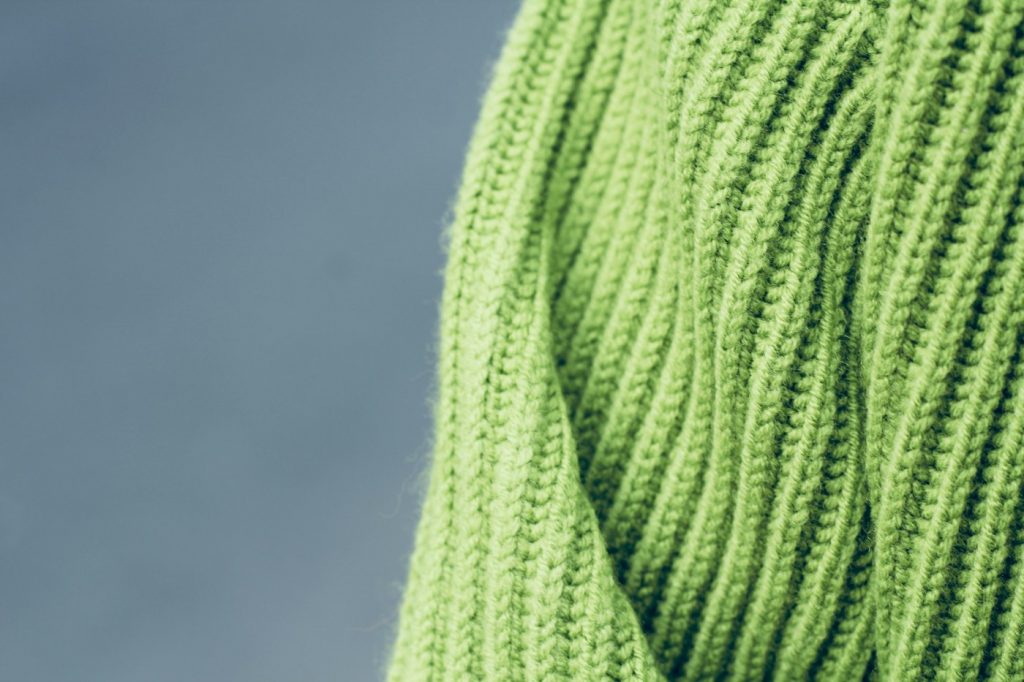
Fiber type makes a big difference. Soft, fuzzy yarns and blends that mix natural fibers with synthetics tend to pill more. Loosely knit fabrics also pill faster than tight weaves. If you want to know what a garment is made of, check the label. The Federal Trade Commission notes that federal law requires most textile and wool products to carry a label listing the fiber content, along with the country of origin and the company responsible for the product.
Washing habits play a part as well. Turning knits inside out, washing them on a gentle cycle, and skipping the dryer for delicate pieces all reduce the rubbing that causes pills. Still, some pilling is normal on almost any soft fabric, and that is where a shaver comes in.
Types of fabric shavers
Rechargeable electric shavers
This is the most common type today. A small motor spins a set of blades behind a metal guard with holes in it. Pills poke through the holes and get cut off, then fall into a clear container you empty after use. Rechargeable models usually charge by USB, often have more than one speed, and some have a battery display. They are the best choice if you plan to do a lot of clothes or bigger items like blankets.
Battery-powered shavers
These work the same way but run on regular AA batteries. They are often cheaper and lighter, and you never have to wait for a charge. The trade-off is buying batteries and, on some models, a little less power.
Manual combs and stones
A sweater comb or pumice-style fabric stone has no motor at all. You brush it gently across the fabric and it catches pills as it goes. These are slower, but many people prefer them for fine wool and cashmere because they give you more control. They also cost very little and never need charging.
What to look for
- Head size. A larger head covers more fabric per pass, which helps on blankets and upholstery. A smaller head is easier to steer around cuffs and seams.
- Speed settings. A low speed is gentler on delicate knits, and a higher speed makes quick work of heavy fabrics.
- A good guard. The metal mesh keeps the blades away from the fabric. Some models also stop the motor if the guard comes loose.
- Height or depth settings. Some shavers let you change how close the blades cut, which helps with thick knits.
- Lint container. A bigger, easy-to-empty container means fewer stops.
- Power source. Rechargeable for heavy use, batteries for occasional touch-ups.
Popular fabric shavers to consider
All of these are current best sellers or highly rated picks in their category. We chose a range of sizes and power options, plus one manual tool for delicate fabrics. Prices change often, so check the listing before buying.
A rechargeable three-speed shaver with an LED display. This model lists a 2000mAh battery with up to 180 minutes of use on a charge, USB-C charging, and a screen that shows battery life and speed. It is a solid all-rounder for sweaters, coats, and furniture.
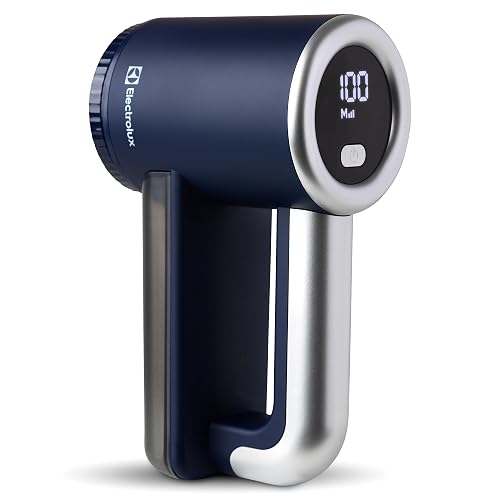
Adjustable 3-Speed Precision - Featuring three adjustable speed settings, this lint remover adapts to delicate fabrics, thicker garments, and durable upholstery with ease. Say goodbye to pilling, f...
A dual-head shaver for couches and blankets. Two large shaving heads and two speeds make this one a good fit for big surfaces like sofa cushions and throws. The maker suggests keeping fabric flat, gliding gently, and testing on a hidden area first.
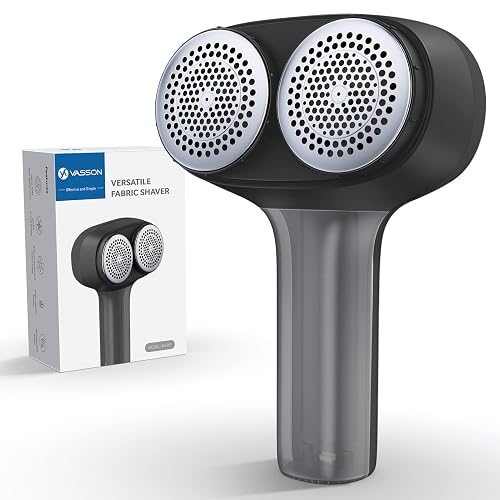
From couches to sweaters: Use this sweater shaver and pilling remover on suitable clothes and household fabrics. Keep fabric flat, glide gently and test on a hidden area first. Avoid loose threads,...
A wide-blade shaver from a major appliance brand. This shaver has a large blade surface, so you need fewer strokes, and the maker lists a blade speed of up to 8,800 rotations per minute. The pill container is large and removes easily.
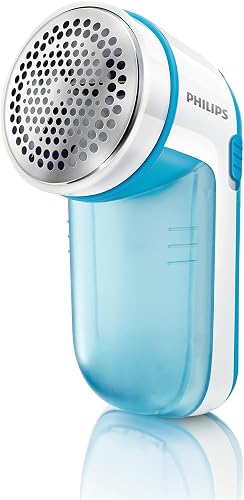
Large blade surface: Large blade surface ensures that larger area of the garment is covered at the same time, hence less strokes are needed to make your garment look new again
8800 rounds/min blade...
A budget battery-operated shaver. A simple, lightweight option with a 2-inch head, three depth settings, and a removable lint catcher. It runs on two AA batteries and works on most household fabrics, from socks to sofas.
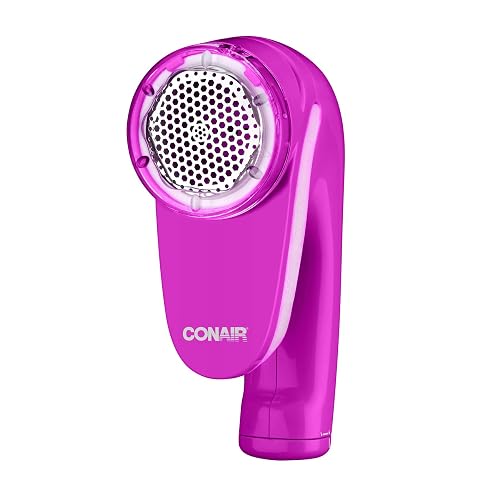
Battery Operated Fabric Shaver: This fabric shaver safely removes fuzz, lint and pills from your favorite fabrics, from socks to sofas - it is safe for use on most household fabrics. It's battery o...
A three-speed shaver with a honeycomb mesh. Another rechargeable pick with an LED display for battery and speed, plus a reinforced protective mesh designed to prevent scratches or marks on fabric.
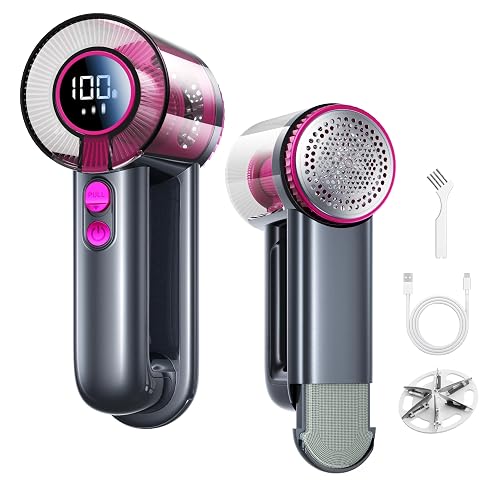
3-Speed Adjustable - This lint remover features 3 speed settings to effortlessly adapt to different garments and fabrics, including delicate materials, heavy-duty clothing, and durable upholstery f...
A cedar-handled sweater comb. For cashmere and fine wool, this double-edged comb removes fuzz by hand. It is small, quiet, and easy to keep in a drawer with your knits.
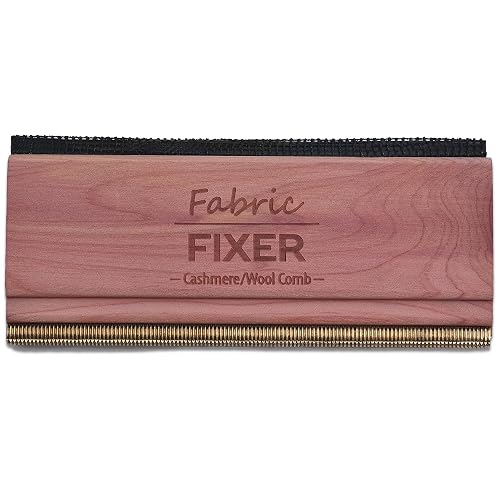
RENEW YOUR FAVORITE SWEATERS! Need help removing unwanted fuzz, lint & bobbles from your cashmere and wool fabrics? Let our cedar wood handled Fabric Fixer dual-sided cashmere comb help by making y...
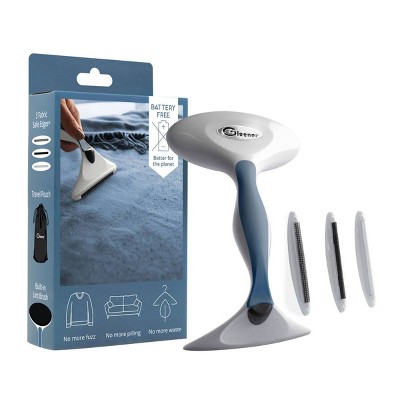
A battery-free shaver with swappable edges. Target carries the Gleener, a hand tool with three interchangeable edges for heavy, medium, and fine fabrics, plus a built-in lint brush. It has no motor to run down, and the maker lists it as safe for cashmere, wool, cotton, fleece, and polyester.
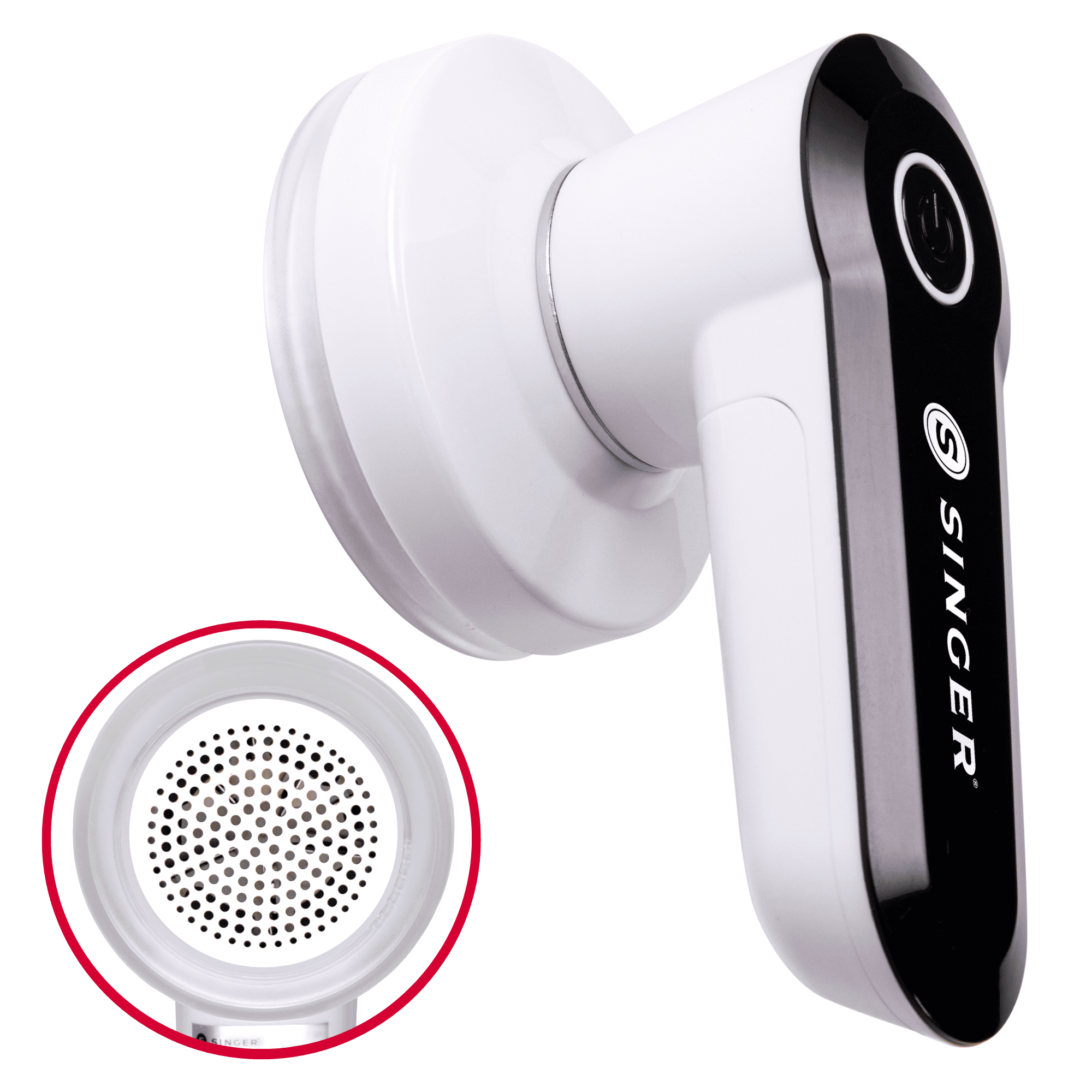
A compact cordless shaver for travel. Walmart's SINGER compact shaver uses three stainless steel rotary blades and a detachable lint catcher that empties quickly. Its small body fits in a suitcase or a desk drawer for quick touch-ups on the go.
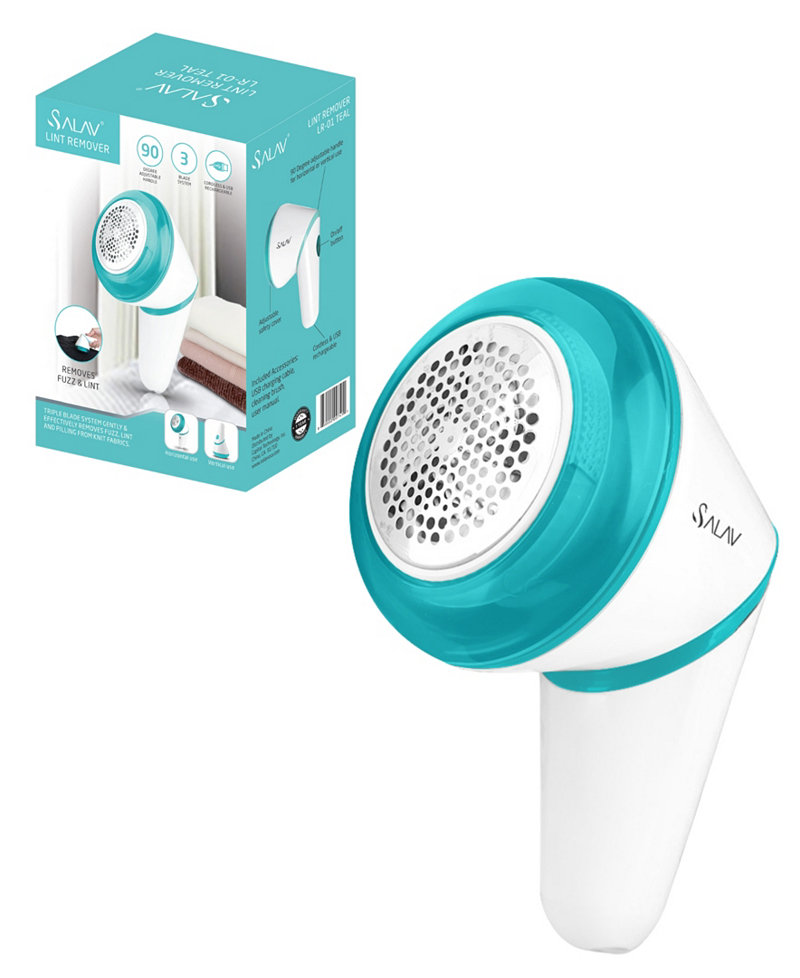
A rechargeable shaver with a swivel handle. The SALAV LR-01, sold at Macy's, has a handle that turns 90 degrees so you can hold it upright or flat, a three-blade system under a stainless steel mesh cover, and USB charging. It comes with a cleaning brush and a safety cover.
How to use a fabric shaver without damaging clothes
Most accidents happen when the fabric bunches up or the shaver is pressed too hard. A few simple steps prevent that:
- Lay the garment flat on a firm surface, like a table or ironing board. Smooth out wrinkles first.
- Test on a hidden spot, such as the inside of a hem, before you start on the front.
- Start on the lowest speed and use light pressure. Let the shaver do the work.
- Move in slow, gentle circles or short strokes. Do not hold it in one place.
- Stay away from seams, buttons, loose threads, and embellishments.
- Empty the lint container often, since a full one reduces suction and cutting.
Be extra careful with very loose knits, open weaves, and fuzzy fabrics like mohair. The guard may not keep the blades far enough from the yarn, and it is easy to cut into the fabric itself. For these, a manual comb is the safer option.
Care and safety tips
Turn the shaver off before you empty the container or touch the guard, and keep your fingers away from the blades. If you notice the shaver starting to pull or snag fabric, the blades may be dull or the guard may be dented, so check for replacement parts from the maker.
For rechargeable models, use the cable that came with the shaver or one that meets the maker's specifications, and follow the manual's charging instructions. Store it somewhere dry. Brush out lint from the blade area now and then with the small brush most shavers include.
Beyond sweaters
Once you have a fabric shaver, you will find uses all over the house. It can freshen up fleece blankets, pilled sheets, couch cushions, car seats, and kids' clothes. It also works on socks and leggings. Many people use one to bring a thrift store find back to life, or to tidy up a coat before a special event.
Upholstery deserves a little more caution than clothing. Check the care tag under the cushion or on the frame first, and test on the back or underside of a cushion. Woven fabrics and velvets can react differently from knits, so go slowly and stop if the surface starts to look thin or shiny.
The bottom line
If you have more than a few pilled sweaters, or a couch that has started to look fuzzy, a rechargeable shaver with a couple of speeds is the most useful choice. For quick touch-ups now and then, a battery model is fine. And for your finest wool and cashmere, a simple comb gives you the most control. A few minutes of careful shaving can make a tired piece look new again, and it is a lot cheaper than replacing it.
The responses below are not provided, commissioned, reviewed, approved, or otherwise endorsed by any financial entity or advertiser. It is not the advertiser’s responsibility to ensure all posts and/or questions are answered.
Tip: turn the sweater inside out and wash it on a gentle cycle in a mesh bag. It slows down new pilling a lot.
Is it safe to use one of these on a pilled bra or leggings, or is that fabric too thin?