
Last Updated on: Sep 23, 2026
A rolled ankle on a morning run, a twisted knee in a pickup game, a sore back after moving furniture: when something gets hurt, most of us reach for the same thing, a bag of frozen peas. It works in a pinch, but it slides off, thaws unevenly, and ends up back in the freezer next to dinner. A proper cold pack is cheap, stays put better, and is ready when you need it.
What We'll Cover
Cold packs come in more shapes than people expect: flat gel packs, instant squeeze packs for first aid kits, wraps shaped for knees and ankles, and even caps that cover the whole head. This guide covers how to use ice safely, based on guidance from federal health sources, and how to choose the kind of pack that fits the way you get hurt.
Top Cold Packs
How to use ice safely
Ice is one of the first steps many people take after a minor sprain or strain. The National Institute of Arthritis and Musculoskeletal and Skin Diseases, part of the NIH, lists it as part of the RICE approach (rest, ice, compression, and elevation) in its guide to sports injury treatment and steps to take. Its advice on ice is specific:
- Apply an ice pack to the injured area for 20 minutes at a time, four to eight times a day.
- Use a cold pack, an ice bag, or a plastic bag filled with crushed ice, wrapped in a towel.
- To avoid cold injury and frostbite, do not apply ice for more than 20 minutes at a time.
- Do not use heat right after an injury, since it tends to increase inflammation and swelling. Heat can be used later, not before 72 hours after the injury, to relieve muscle tension.
MedlinePlus, the National Library of Medicine's consumer health site, gives similar advice in its ankle sprain aftercare page: ice every hour while awake, 20 minutes at a time and covered by a towel or bag, for the first 24 hours, then 20 minutes three to four times a day after that. It also says plainly not to apply ice directly to your skin.
That skin barrier is the easiest rule to forget. Many gel packs come with a soft cover for this reason. If yours does not, a thin towel or pillowcase works fine.
When to see a doctor
Ice is for minor bumps, sprains, and strains, not a substitute for care. NIAMS advises getting medical help for severe pain, swelling, or bruising, pain and swelling that do not go away after a few days, being unable to put any weight on the area, or an obvious deformity. If you are not sure how serious an injury is, call your doctor. If you have a health condition that affects circulation or feeling in your skin, ask your doctor whether cold therapy is right for you.
Types of cold packs
Reusable gel packs
Gel packs are the most common kind. They are filled with a gel that stays cold for a while after freezing, and the better ones stay flexible when frozen so they bend around a knee or shoulder instead of sitting like a brick. Sizes range from small packs about the size of a phone to large ones around 11 by 14 inches that cover a whole back or thigh.
Look for double-sealed or wide-sealed edges, since cheap packs can split and leak. A fabric or nylon cover makes them more comfortable on skin and less slippery.
Instant cold packs
Instant packs do not need a freezer. You squeeze or bend the pack to break an inner pouch, which starts a chemical reaction that makes it cold within seconds. They are single-use, and they do not stay cold as long as a frozen gel pack, but they are ideal for first aid kits, gym bags, cars, and sports sidelines where there is no freezer nearby. Keep them away from young children, and throw out any pack that is punctured or leaking.
Wraps and sleeves
Wraps are gel packs built into a sleeve or strap that fits a specific body part: knees, ankles, shoulders, wrists, or the lower back. The main benefit is that they stay in place, so you can sit or even walk around a little while icing. Some also add light compression. If you tend to ice the same joint over and over, a wrap made for it is much easier than balancing a flat pack.
Ice bags
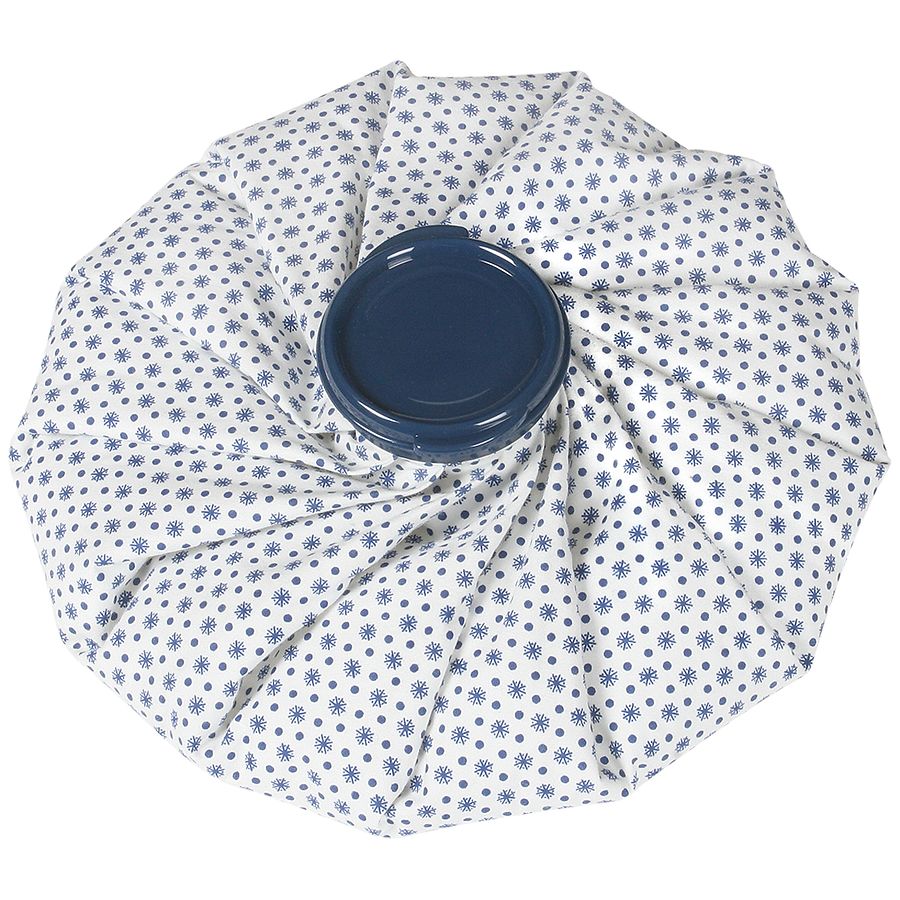
Ice bags are fabric or rubber-lined bags with a wide cap that you fill with ice and water. They mold well to the body and let you control how cold they are by adjusting the mix. Many can also be filled with warm water later for heat. They are a nice middle ground if you do not want a freezer full of gel packs.
Head and face caps
Some cold packs are shaped like a snug cap or mask that covers the forehead, temples, and eyes. People use them for headaches and for general cooling. If you get frequent or severe headaches, talk to a doctor about what is causing them, since a cold cap can help with comfort but does not treat the cause.
Ice, then what?
Ice is only one part of the RICE steps NIAMS describes. Rest means limiting activities that use the injured area for at least a day or two. Compression, such as an elastic bandage, may help reduce swelling, but it should not be wrapped so tightly that it cuts off circulation. Elevation means keeping an injured ankle, knee, elbow, or wrist raised on a pillow above the level of the heart when you can. Used together, these steps are a simple plan for the first couple of days after a minor injury.
Size and fit
Match the pack to the area you usually need to cover. A small 4 by 9 inch pack is fine for a wrist, elbow, or ankle. A knee, shoulder, or lower back usually needs something larger, around 10 by 14 inches. For a back injury, a pack with a strap helps it stay put while you rest. Keeping two packs in the freezer lets one refreeze while you use the other.
Care and storage
- Store reusable packs flat in the freezer so they freeze evenly and fit where you need them.
- Keep them in a zip bag or their storage pouch so they stay clean and do not pick up food smells.
- Wipe the outside with mild soap and water after use, and wash fabric covers as the label directs.
- Throw out any gel pack that is cracked, torn, or leaking. The gel is not meant to touch skin or food.
- Check the dates on instant packs in first aid kits and replace them after use.
Popular cold packs to consider
These picks come from the cold pack best-seller list and include flexible gel packs, instant first aid packs, a knee sleeve, and a head cap.
Large and extra-large gel packs. A set of flexible gel cold packs with double-sealed seams and a thick nylon exterior, sized for backs, hips, and knees.
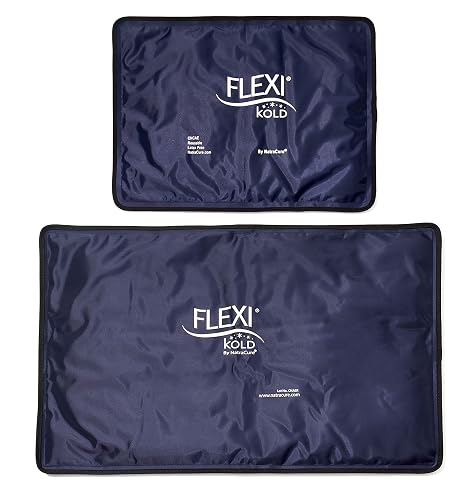
Fast Pain Relief: for anywhere you need a cold pack compress: shoulders, hip, elbows, neck, legs, hands or feet. Try our reusable gel ice packs for knees, back injuries, or to aid any recovery.
Col...
Large flexible pack with a plush cover. An 11 by 14.5 inch gel pack with a soft plush cover, sized for a back, shoulder, or thigh.
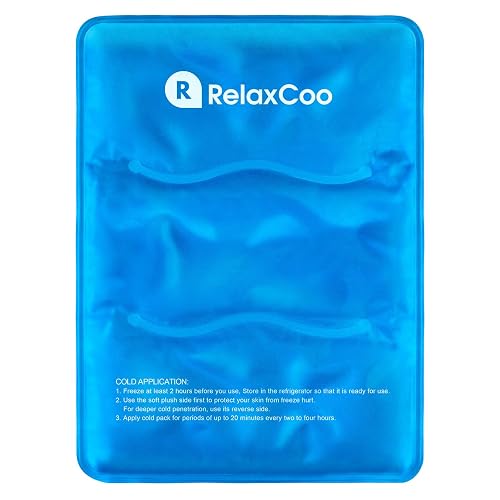
Instant Pain Relief- This gel ice packs for injuries reusable is designed with soft plush cover that is much better than a towel wrapping. The plush cover can avoid condensed water dripping after f...
Small gel packs with covers. A four-pack of 9.5 by 4.5 inch flexible gel packs, each with a soft cover. Handy for wrists, ankles, and keeping a spare in the freezer.
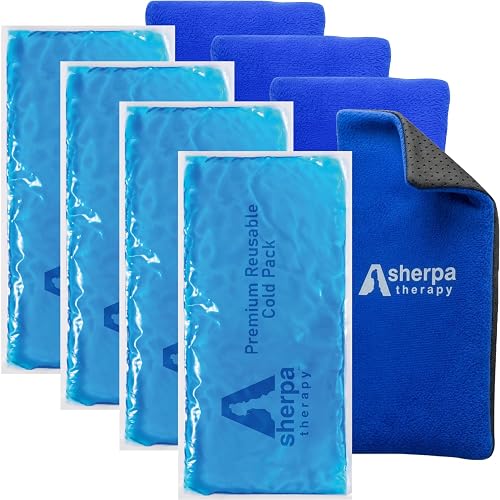
FLEXIBLE AND SOFT GEL: Designed with proprietary gel our soft ice packs for injuries reusable stay flexible out of the freezer, conforming to any part of the body for targeted relief of injuries, s...
Instant cold packs for first aid kits. Eight disposable 4 by 5.5 inch packs that get cold when you squeeze them. No freezer needed, so they fit in a first aid kit, car, or gym bag.
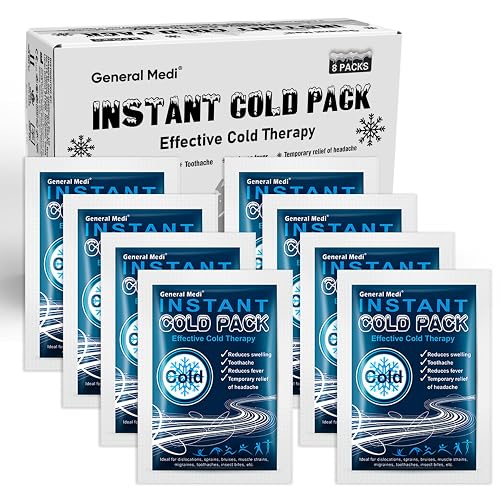
Experience instant pain relief - The extra insulation keeps it cold and effective, to quickly reduce swelling and pain.
Easy to use - These cold therapy ice packs for injuries do NOT need a freezer...
Knee compression sleeve with gel. A sleeve that holds cold gel around the knee and can also be used on the calf or shin.
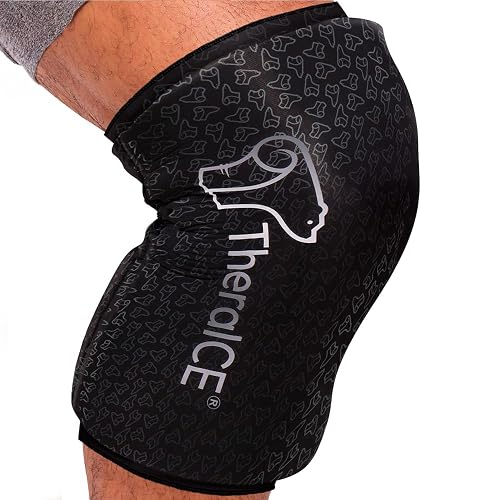
Targeted Relief with FocusZone Technology: Experience unparalleled relief with the TheraICE Hot & Cold Compression Sleeve PRO, featuring FocusZone Technology for targeted cooling and pressure. Idea...
Cold cap for the head. A stretchy wraparound gel cap that covers the forehead and temples. It comes with a freezer bag and can also be warmed.
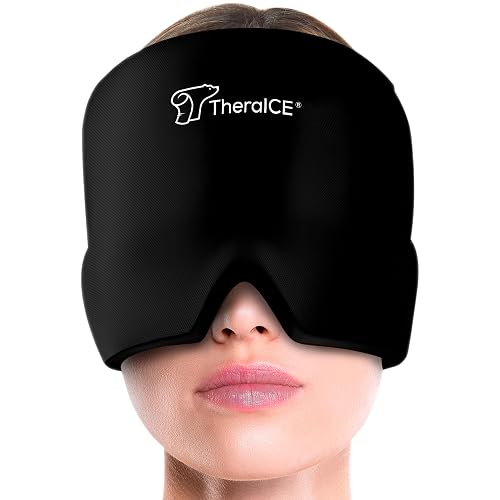
COMFORTABLE AND EFFECTIVE MIGRAINE RELIEF: Experience unmatched comfort and support with our TheraICE Headache Hat Junior. This product is designed specifically for those with smaller heads, ensuri...
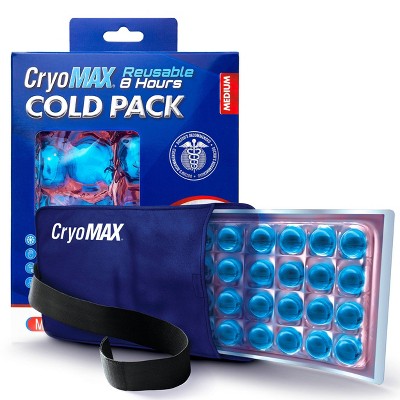
Target carries the Cryo-MAX medium cold pack, a 6 by 12 inch pack that the maker says stays cold for up to eight hours. It comes with a washable wrap with hook-and-loop straps, which helps hold it in place. Even if a pack stays cold longer, stick to about 20 minutes at a time.
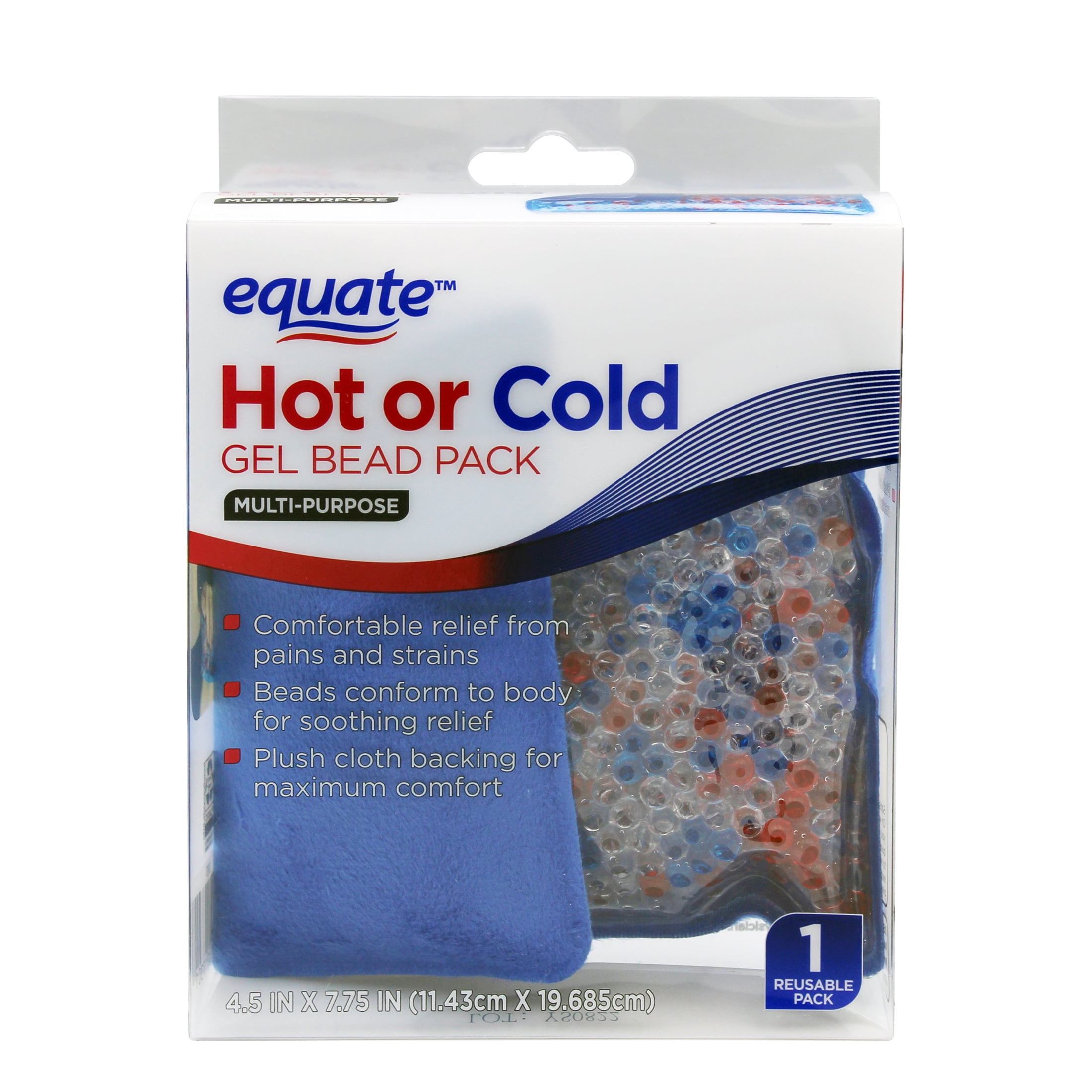
Walmart's Equate gel bead pack is a small, low-cost option at 4.5 by 7.75 inches. The beads shape to a wrist or ankle, and the same pack can be warmed later, after the first few days, when heat is more useful. Wrap it in a thin towel before it touches your skin.
For a classic option, Walgreens sells a large refillable ice bag. You fill it with ice cubes or cold water and screw on the leak-resistant cap, which matches the ice bag the NIH guidance mentions.
How to choose
For most homes, a couple of flexible gel packs in the freezer and a box of instant packs in the first aid kit cover nearly everything. Add a wrap for the joint you hurt most often. Whatever you use, keep a cloth between the pack and your skin, stick to about 20 minutes at a time, and see a doctor if pain or swelling does not start to improve.
The responses below are not provided, commissioned, reviewed, approved, or otherwise endorsed by any financial entity or advertiser. It is not the advertiser’s responsibility to ensure all posts and/or questions are answered.
Keeping a box of instant packs in the car has come in handy more than once at my son's soccer games.
The 20 minutes on, then off rule is something I always forget. I used to leave a pack on my ankle through a whole movie.