Every missed shot has a physics explanation, and most of them live in your mouse. Polling rate decides how often your aim actually reports to the game, weight decides how fresh your wrist feels in round thirty, and shape decides whether any of it is comfortable enough to matter. The 2026 field is the strongest ever: haptic triggers have reinvented the click, ultra-wideband wireless has arrived, and 50-gram flagships are normal now.
This list pulls from the year’s deepest testing: WIRED’s scored roundup of dozens of models and Tom’s Guide’s hundred-plus hours across FPS, RTS, RPG and MMO titles. Sixteen mice made the cut. The four you can pick up at big-box stores lead off, grouped after that by the player they suit. Prices update live at the top of the page.
Pros
- 8K polling and 50-gram shells are now mainstream, not exotic
- Haptic and UWB tech genuinely changed the 2026 flagships
- Budget mice like the M916 Pro now carry 4K polling
- Ergonomic and left-out options exist at every price
Cons
- Top flagships skip Bluetooth to save weight
- 8K polling drains wireless batteries fast
- Honeycomb shells and RGB remain love-it-or-hate-it
- No left-handed versions of most sculpted mice
The Big-Box Four: In-Store Today
Logitech Pro X Superlight 2 Dex
The Superlight 2 Dex is the sculpted counterpoint to Logitech’s symmetrical flagship, and WIRED’s testers rate its shape as comfortable as anything Razer currently ships. The internals remain thoroughly pro-grade: a HERO 2 sensor, 8,000Hz polling and a 60-gram right-handed shell that fills the palm the way the flat Superlight never could. Because it predates the newest Razer flagships by over a year, it now regularly sells at a meaningful discount, which turns a great mouse into a smart buy. If you want Logitech’s software ecosystem and a shape built for long sessions, this is the one.
Razer Naga V2 Pro
The Naga line has owned the MMO category for a decade because of one idea: swappable side plates. Tom’s Guide’s reviewers call it arguably the best MMO mouse ever made, and the V2 Pro carries the formula forward with three magnetic plates, a simple two-button layout for everyday play, a seven-button ring for MOBAs, and the famous 12-button grid that puts an entire hotbar under your thumb for World of Warcraft and Final Fantasy XIV. It is large and deliberately heavy, which suits big hands and palm grips, and the plates swap in seconds. For macro-heavy games, nothing else is close.
SteelSeries Aerox 3 Wireless
The original Aerox 3 Wireless remains one of the most distinctive mice you can buy, and not because of its sensor. It is one of the only water-resistant gaming mice on the market: WIRED’s reviewer literally ran it under a sink for a couple of minutes to prove the point. At 66 grams with built-in Bluetooth, it is a great fit for shared family PCs, accident-prone owners and anyone who snacks at the keyboard. The honest trade-offs are 1,000Hz polling and an 18,000 DPI ceiling, fine for everyone outside the esports bracket, which is precisely who this mouse is for.
Corsair Scimitar RGB Elite
Corsair’s Scimitar family is the other great answer to MMO button overload, and WIRED recommends the line for one clever reason: the entire 12-button thumb panel rides on a sliding rail, so you can shift it forward or back to match your hand size and grip instead of contorting to reach the far row. The RGB Elite is the wired workhorse of that family, with 17 programmable buttons and a shape built for long raid nights. It will never win a weight contest and it is unashamedly right-handed, but if your games demand a numpad’s worth of macros, this delivers them comfortably.
Esports and FPS: Where Milliseconds Live
For competitive shooters, the formula is brutal simplicity: the lowest weight, the fastest reporting, the cleanest clicks. These five are the current state of the art.
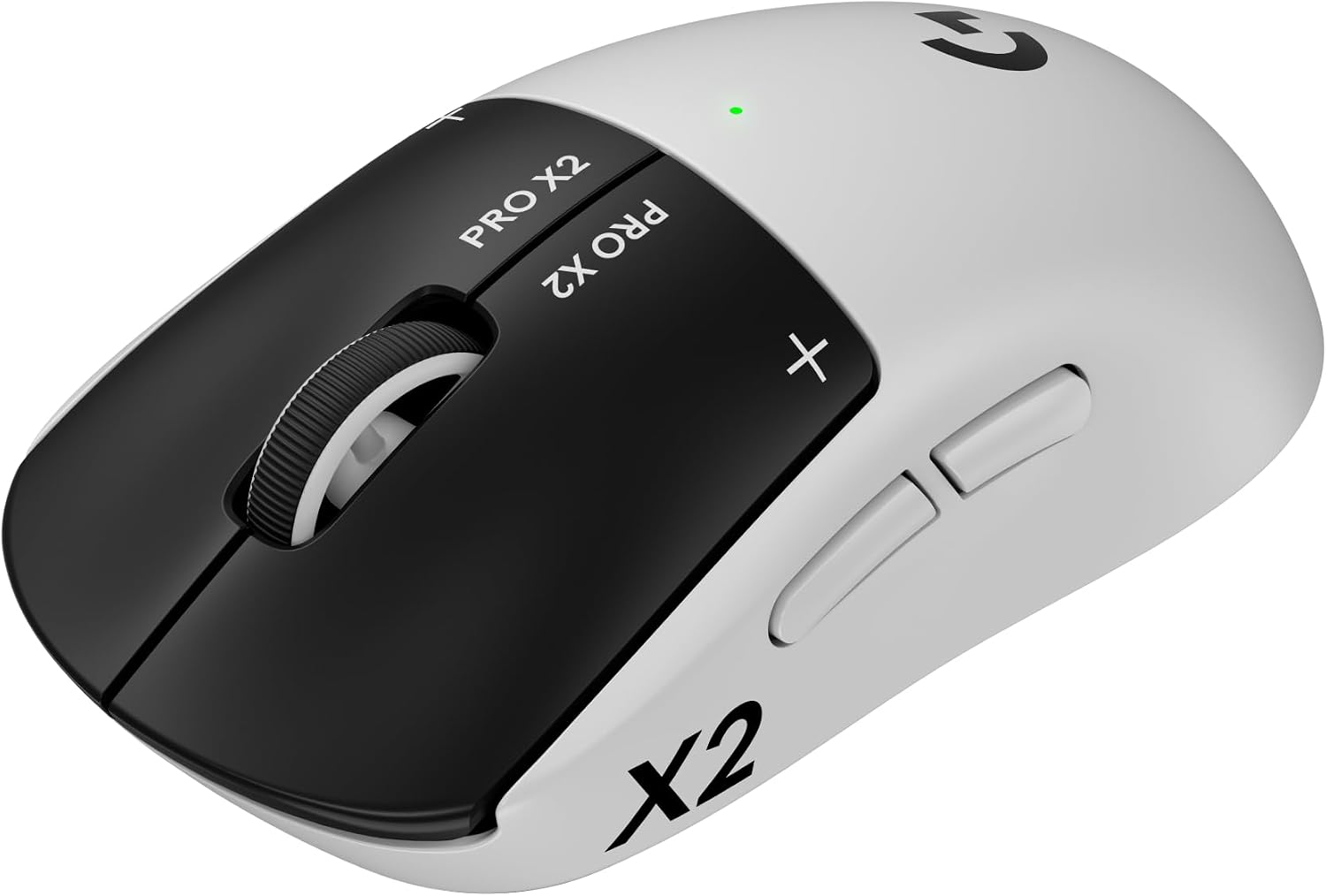
Logitech G Pro X2 Superstrike
Tom’s Guide’s best gaming mouse of 2026 earned the crown by reinventing the click. Its Haptic Inductive Trigger System replaces conventional switches with inductive analog sensing and real-time haptics, so actuation points are adjustable, Rapid Trigger resets are supported, and click speed stops being a mechanical lottery. Their reviewer described blazing-fast clicks that still feel completely in control, in games and in everyday work. It commands a premium price, and the technology is genuinely new rather than a spec bump. For players who want the actual cutting edge under their index finger, this is it.
Razer Viper V4 Pro
The Viper V4 Pro is Razer’s competitive flagship and a 9/10 WIRED Recommends pick, improving on a legendary line in every metric at once. The symmetrical shell hovers around 50 grams, the internals are optical across sensor, switches and scroll wheel, and the spherical 8,000Hz dongle doubles as a status display with LED indicators for connection quality, battery and DPI stage. Tom’s Guide named it their lightweight pick, noting that against the Superstrike it counters with less mass and a higher DPI ceiling, which keeps your wrist fresh deep into overtime. The compromises: no Bluetooth, and the dongle wants a cable run to your PC.
SteelSeries Rival Pro
The Rival Pro is the first gaming mouse with 6GHz ultra-wideband wireless, and Tom’s Guide’s FPS recommendation for most players. Movement tracking is rock-solid, the 8,000Hz polling is oversampled down from 9,000Hz for smoother reporting, and the 42,000 DPI sensor leaves headroom you will never use. Their reviewer measured the difference where it counts: faster, more predictable aim changes in Counter-Strike 2 straight out of the box, in a 53-gram shell that never tired his hand. Battery life at full 8K polling lands around 16 hours, and the optical switches are merely good rather than special. For pure aim, it is a top contender.
Razer DeathAdder V4 Pro
The DeathAdder V4 Pro takes everything in the Viper V4 Pro and wraps it in the sculpted right-handed shape that made the DeathAdder famous. WIRED gave it 9/10, calling it potentially more comfortable than its smaller cousin, with identical premium optical internals and the same deep customization: sensitivity curves, lift-off and landing distance, even rotation adjustment for different grip styles. The spherical USB-C dongle’s three RGB lights can show polling rate, battery, connection quality or DPI, a small desk-friendly touch. Like most competitive flagships, it skips Bluetooth to save weight, which laptop users should note.
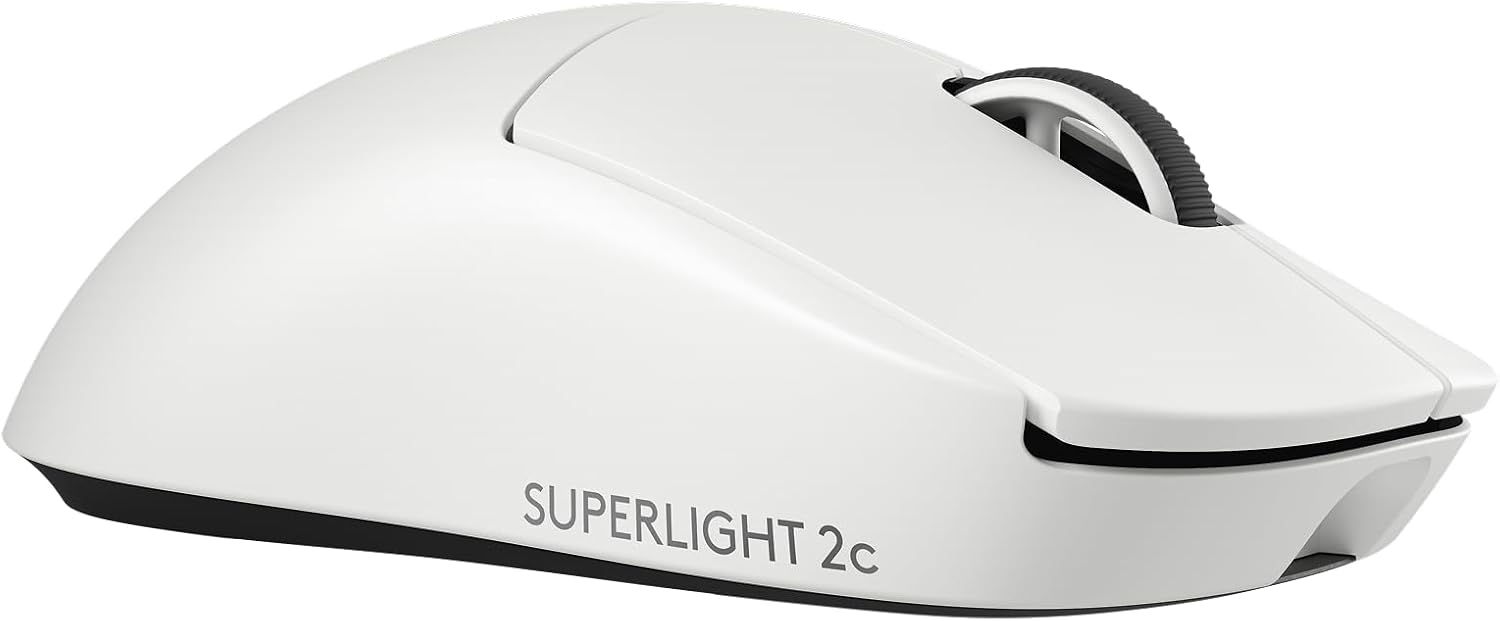
Logitech Pro X Superlight 2C
The Superlight 2C shrinks Logitech’s flagship without shrinking its specs: 51 grams, 15 percent lighter than the standard model, with the same HERO 2 sensor rated to 44,000 DPI, the same 8,000Hz polling and the same quoted 95-hour battery. WIRED frames it as the pick for smaller hands and claw grippers who never needed the extra shell in the first place. Everything about it feels deliberate rather than compromised, which is rarer than it should be in compact mice. If standard mice have always felt a half-size too big, the 2C is the correction.
Everyday All-Rounders
Gaming mice that also respect your nine-to-five: comfortable shapes, sensible software and batteries that last the week.
Razer Cobra HyperSpeed
The Cobra HyperSpeed is WIRED’s 9/10 answer to feature-stripped ultralights: it stays under 70 grams while keeping RGB lighting, Bluetooth connectivity and wireless charging options that rivals sacrifice at the altar of grams. Inside it is all premium, an optical sensor, optical switches and an optical scroll wheel, among the fastest and most reliable parts on the market. The included low-profile dongle runs at 1,000Hz, upgradeable to 8,000Hz with the bulkier HyperPolling dongle if you want to chase the last millisecond. For players who game and work on the same mouse, this balance is exactly right.
Razer Basilisk V3 Pro 35K
The Basilisk V3 Pro 35K is the maximalist’s mouse, and WIRED says it hits every mark: a 35,000 DPI optical sensor, 8K-capable polling, a wheel that swaps between clicky and smooth scrolling and tilts for horizontal input, and a signature sniper clutch, a thumb button that temporarily drops DPI while held, perfect for scoped shots and precision edits. The sculpted shell and thumb rest feel closer to a premium office mouse than a stripped-down esports tool. The catch is honesty itself: at 112 grams it is heavy, proudly so. If you prefer substance over speed, nothing is more loaded.
Cherry XTRFY M50
The Cherry XTRFY M50 is the mouse that sneaks gaming credentials into the office. Its ergonomic right-handed shape impressed Tom’s Guide so much that one reviewer adopted it as a daily driver, and the low-key minimalist design draws no attention in a meeting. The 12,000 DPI sensor and 1,000Hz polling deliver strong performance in casual and mid-core titles, and the companion software is refreshingly user-friendly. Competitive players will want higher polling and lower weight, but for the work-and-play crowd who wants one mouse for both lives, the M50 is the quiet overachiever.
Keychron M7
The Keychron M7 is Tom’s Guide’s comfort pick, built around a sculpted right-handed shell with a proper thumb rest that suits both palm and claw grips. The specs overdeliver at its starting price: 26,000 DPI, 1,000Hz polling and 2.4GHz, Bluetooth and wired connectivity in a light yet sturdy body. Their tester landed more accurate headshots in Counter-Strike and praised the tactile switches through long sessions of both gaming and work. Battery life is merely okay and there is no left-handed version, but for ergonomic comfort on a budget, the M7 is the standout.
SteelSeries Aerox 3 Wireless Gen 2
The Aerox 3 Wireless Gen 2 is Tom’s Guide’s mid-range pick, pairing a 26,000 DPI sensor with 4,000Hz wireless polling in a honeycomb shell that keeps weight around 68 grams and palms sweat-free. Battery life clears 120 hours at 1,000Hz, an onboard DPI selector flips sensitivity between games, and the SteelSeries GG software handles remapping, polling and lift-off distance. Their testers found it nailed pro-level performance at a mid-range price, flagging only the divisive honeycomb look and the lack of onboard dongle storage. A very easy recommendation for competitive players on a sane budget.
Budget Champions
Redragon M916 Pro
The Redragon M916 Pro is Tom’s Guide’s budget champion, and the numbers are faintly absurd for the price: 49 grams, a 4,000Hz polling rate and a 26,000 DPI sensor, specs that lived in $150 territory two years ago. It is an ultralight that raises the bar for what a budget gaming mouse can be, with tri-mode connectivity for good measure. You do feel where the money was saved, in materials and software polish rather than performance. For a first serious mouse, a backup for the tournament bag, or a kid’s setup, it embarrasses mice at three times the price.
SteelSeries Rival 3 Gen 2
WIRED’s 7/10 score undersells what the Rival 3 Gen 2 is for: the Toyota Camry of gaming mice, their words, simple and reliable enough to get nearly anything done. Easy-access side buttons, clicky mains, underside RGB and a grippy rubberized wheel cover the essentials, and the TrueMove sensor’s 8,500 DPI is more than any non-professional can exploit. Their favorite detail: the whole mouse disassembles in under five minutes with standard screwdrivers, a repairability gesture almost extinct in peripherals. For under fifty dollars, this is all the mouse most players need.
By the Numbers
| Gaming mouse | Weight | Polling | Sensor |
|---|---|---|---|
| Logitech Pro X Superlight 2 Dex (walmart.com) | 60 g | 8,000Hz | HERO 2, 44K DPI |
| Razer Naga V2 Pro (walmart.com) | Heavy, MMO-class | 1,000Hz | 30K optical |
| SteelSeries Aerox 3 Wireless (target.com) | 66 g | 1,000Hz | 18K, water-resistant |
| Corsair Scimitar RGB Elite (target.com) | MMO-class, wired | 1,000Hz | 18K, 17 buttons |
| Logitech G Pro X2 Superstrike | ~60 g class | 8,000Hz | HITS haptic triggers |
| Razer Viper V4 Pro | ~50 g | 8,000Hz | Optical, top-tier |
| SteelSeries Rival Pro | ~53 g | 8,000Hz UWB | 42,000 DPI |
| Razer DeathAdder V4 Pro | Light ergo | 8,000Hz | Optical, top-tier |
| Razer Cobra HyperSpeed | Under 70 g | 1,000Hz (8K opt.) | Optical sensor/switches |
| Logitech Pro X Superlight 2C | 51 g | 8,000Hz | HERO 2, 44K DPI |
| Razer Basilisk V3 Pro 35K | 112 g | 1,000Hz (8K opt.) | 35,000 DPI |
| SteelSeries Aerox 3 Gen 2 | ~68 g | 4,000Hz | 26,000 DPI |
| Redragon M916 Pro | 49 g | 4,000Hz | 26,000 DPI |
| SteelSeries Rival 3 Gen 2 | Light, wired | 1,000Hz | 8,500 DPI |
| Cherry XTRFY M50 | 82 g class | 1,000Hz | 12,000 DPI |
| Keychron M7 | ~63 g | 1,000Hz | 26,000 DPI |
Logitech Pro X Superlight 2 Dex
The sculpted Superlight: WIRED calls its shape just as comfortable as Razer’s newest flagship, and it now sells at a real discount.
- 60 g, right-handed sculpt
- HERO 2 sensor, 8K polling
- Often discounted below launch

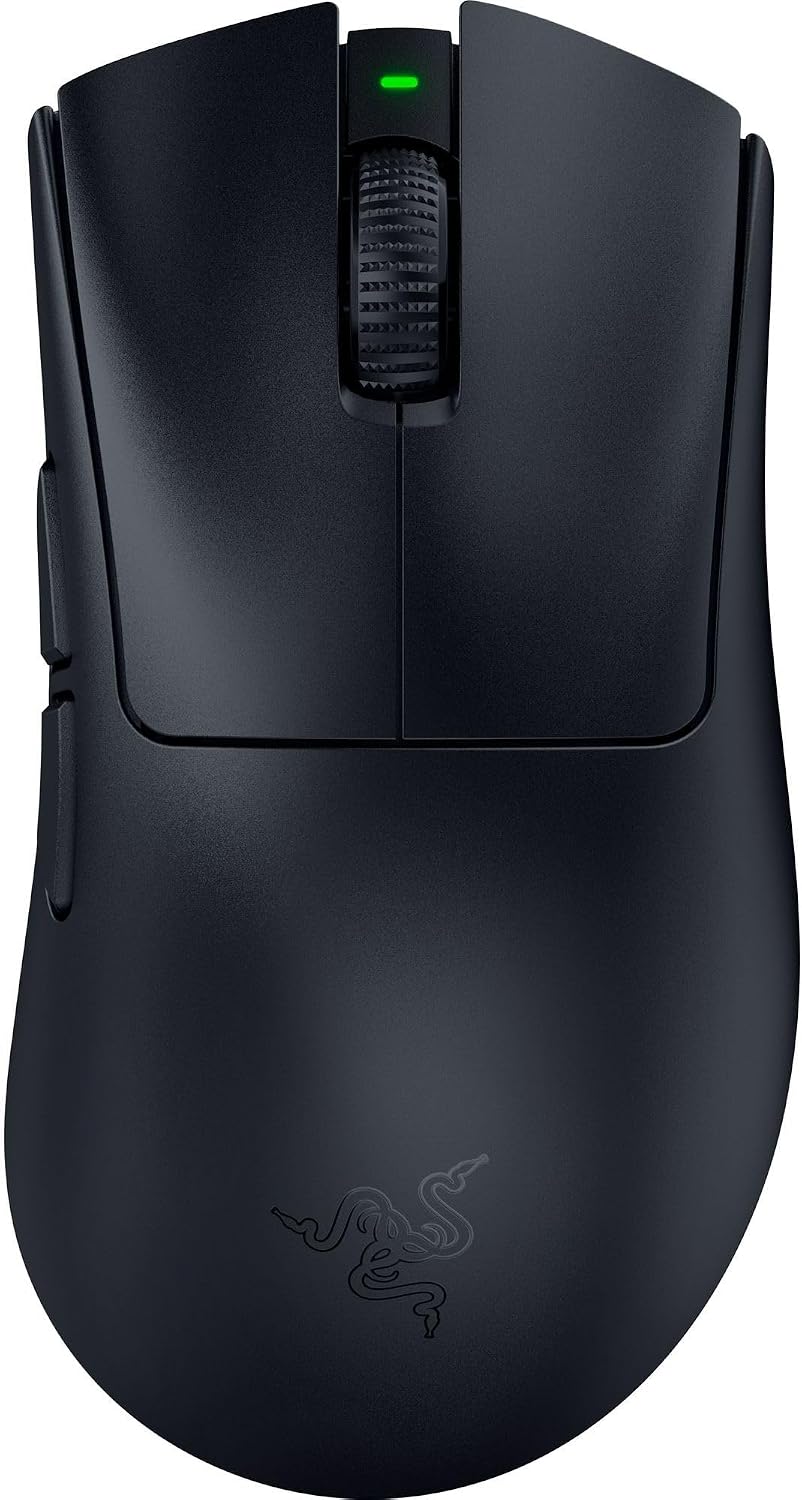
Razer Naga V2 Pro
The MMO command center: three swappable side plates with 2, 7 or 12 thumb buttons, plus a Hyperscroll wheel and 30K sensor.
- Swappable 2/7/12-button plates
- 30K optical sensor
- Wireless + Bluetooth
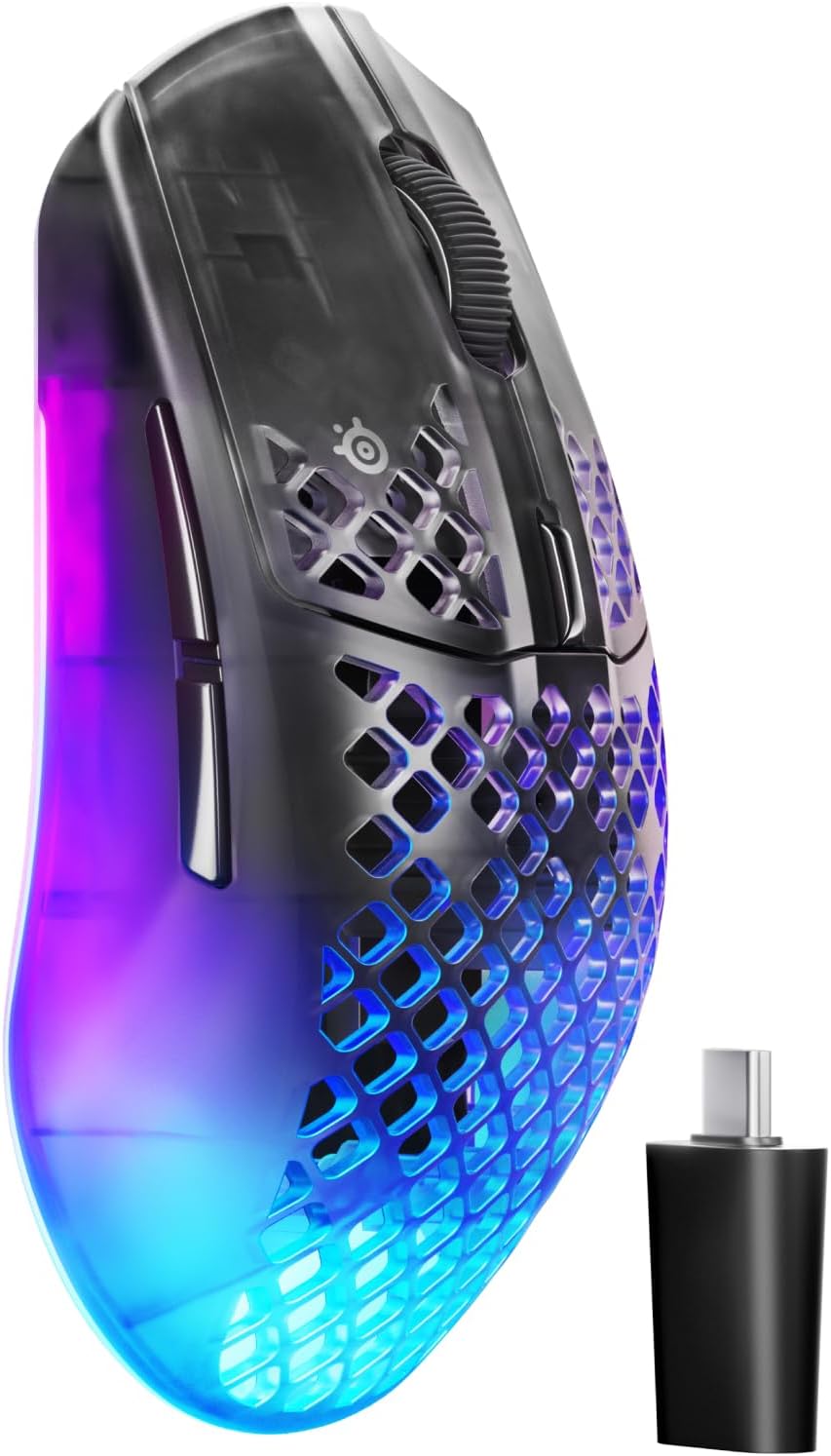
SteelSeries Aerox 3 Wireless
The waterproof one: 66 grams, Bluetooth built in, and WIRED literally ran it under a sink to prove its AquaBarrier rating.
- 66 g honeycomb shell
- Water-resistant internals
- Bluetooth + 2.4GHz

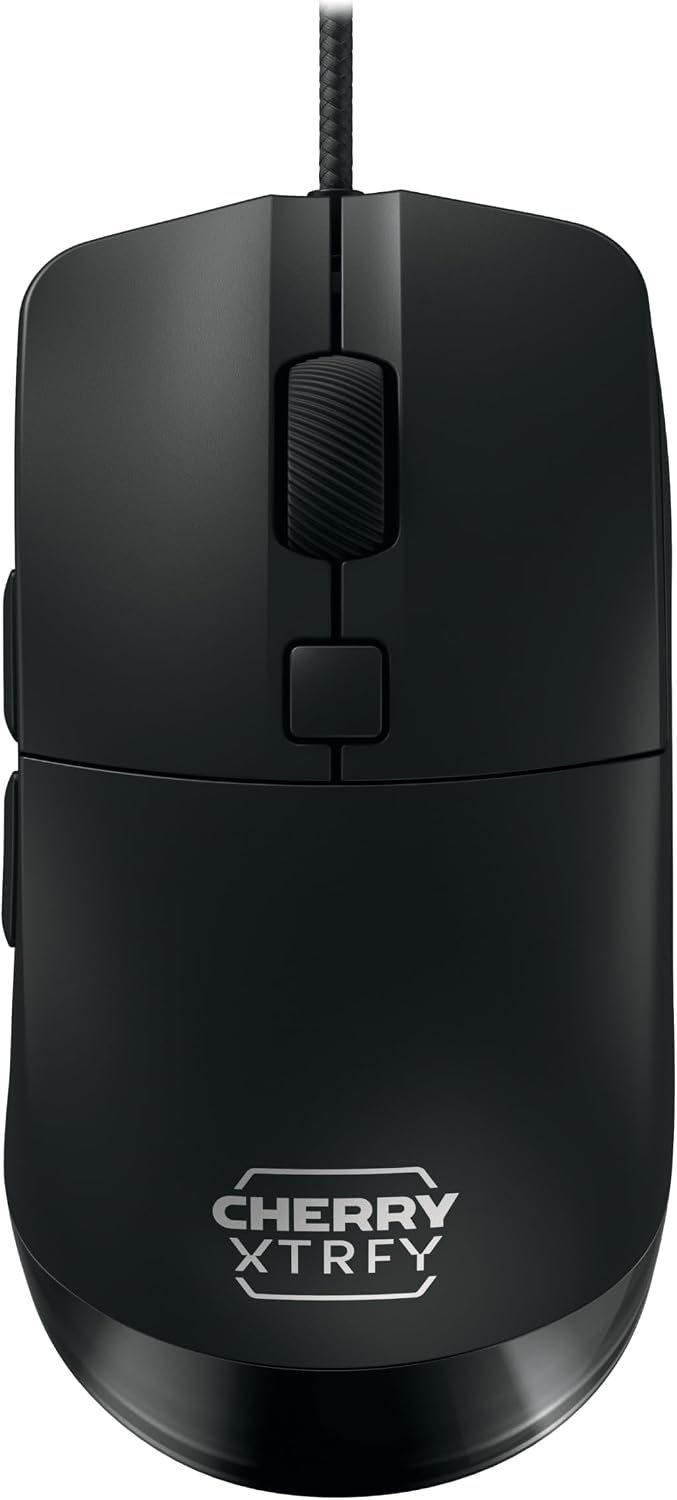
Corsair Scimitar RGB Elite
The MMO workhorse: a 12-button thumb panel on a sliding rail that adjusts to your grip, built for macro-heavy games.
- 12-button sliding thumb rail
- 17 programmable buttons
- Braided wired connection
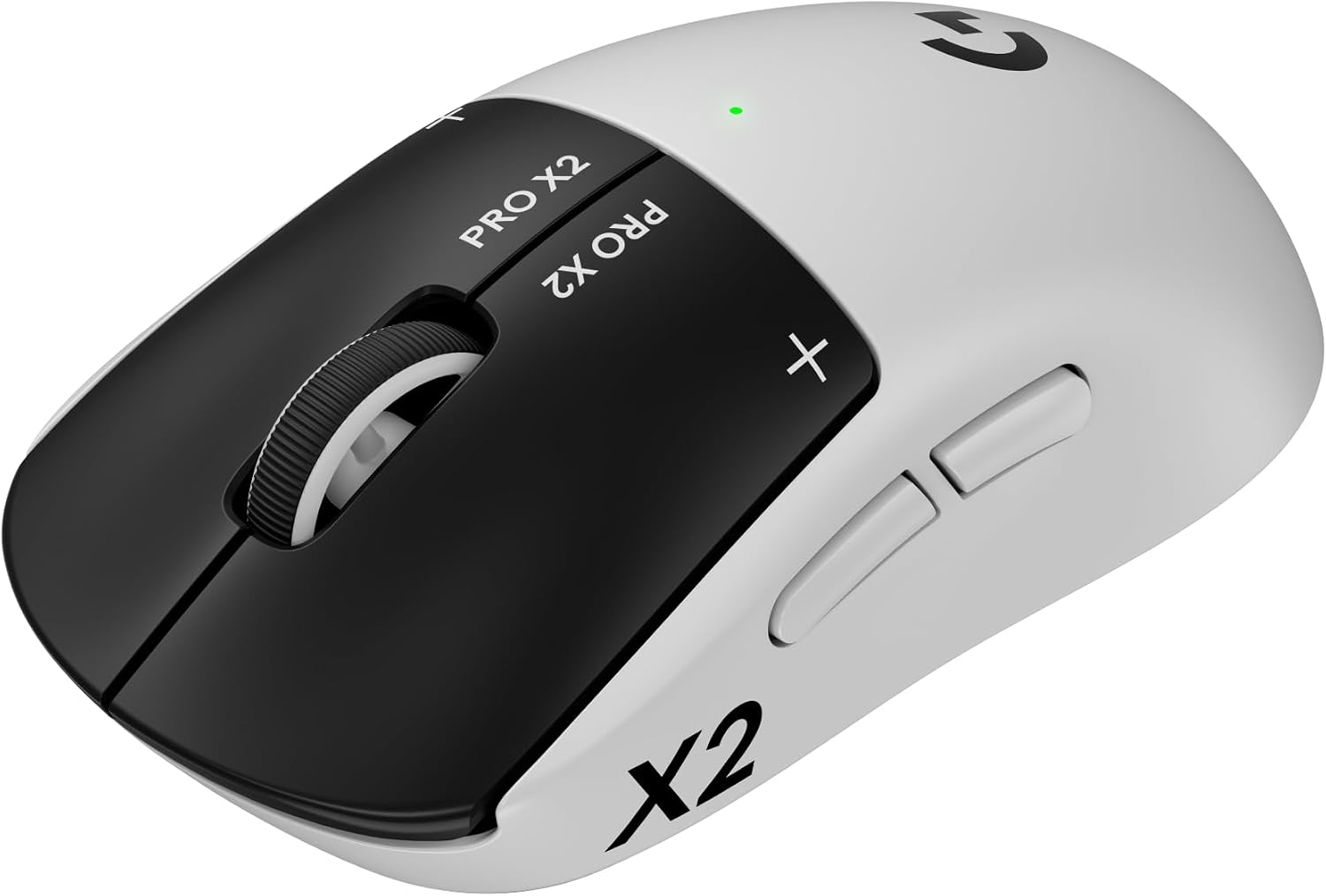
Logitech G Pro X2 Superstrike
Tom’s Guide’s best gaming mouse of 2026: haptic inductive triggers with adjustable actuation points reinvent the click itself.
- HITS haptic trigger system
- Adjustable actuation, Rapid Trigger
- 8K polling wireless

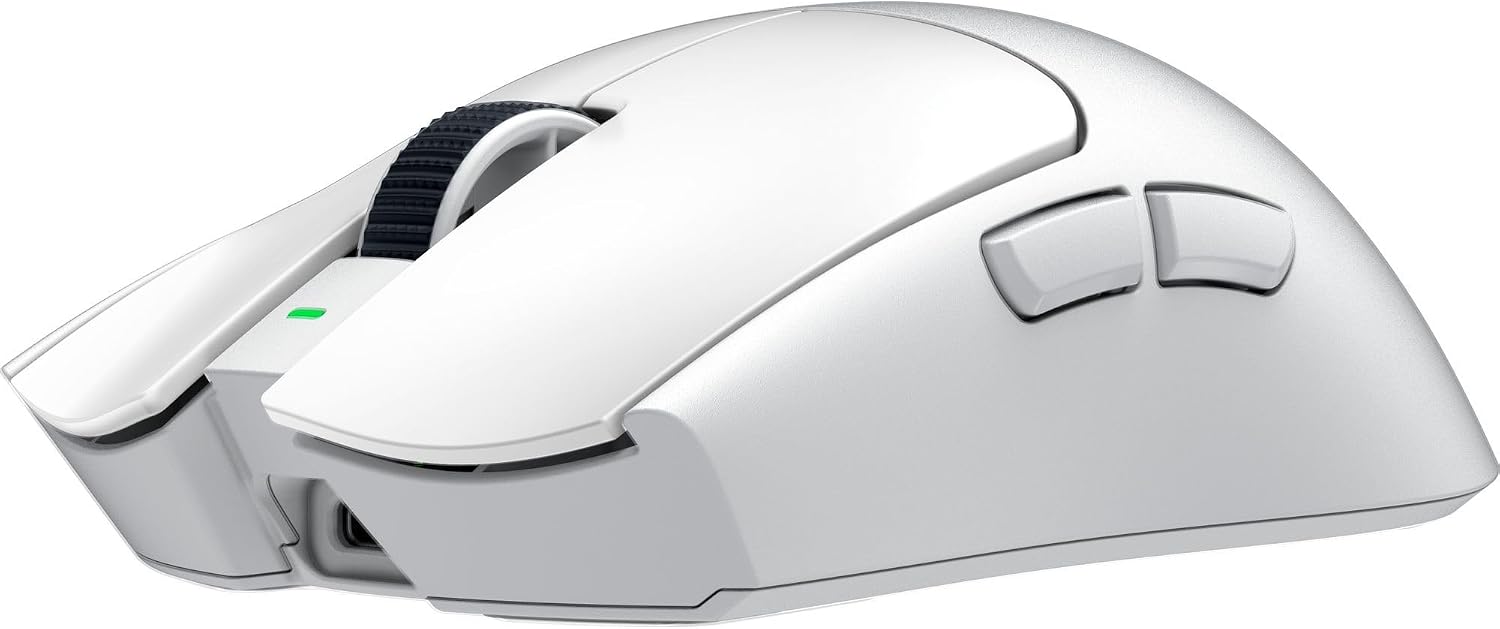
Razer Viper V4 Pro
A 9/10 from WIRED and Tom’s Guide’s lightweight pick: roughly 50 grams of symmetrical, 8K-polling competitive focus.
- ~50 g symmetrical shell
- 8,000Hz polling dongle
- Optical switches and sensor
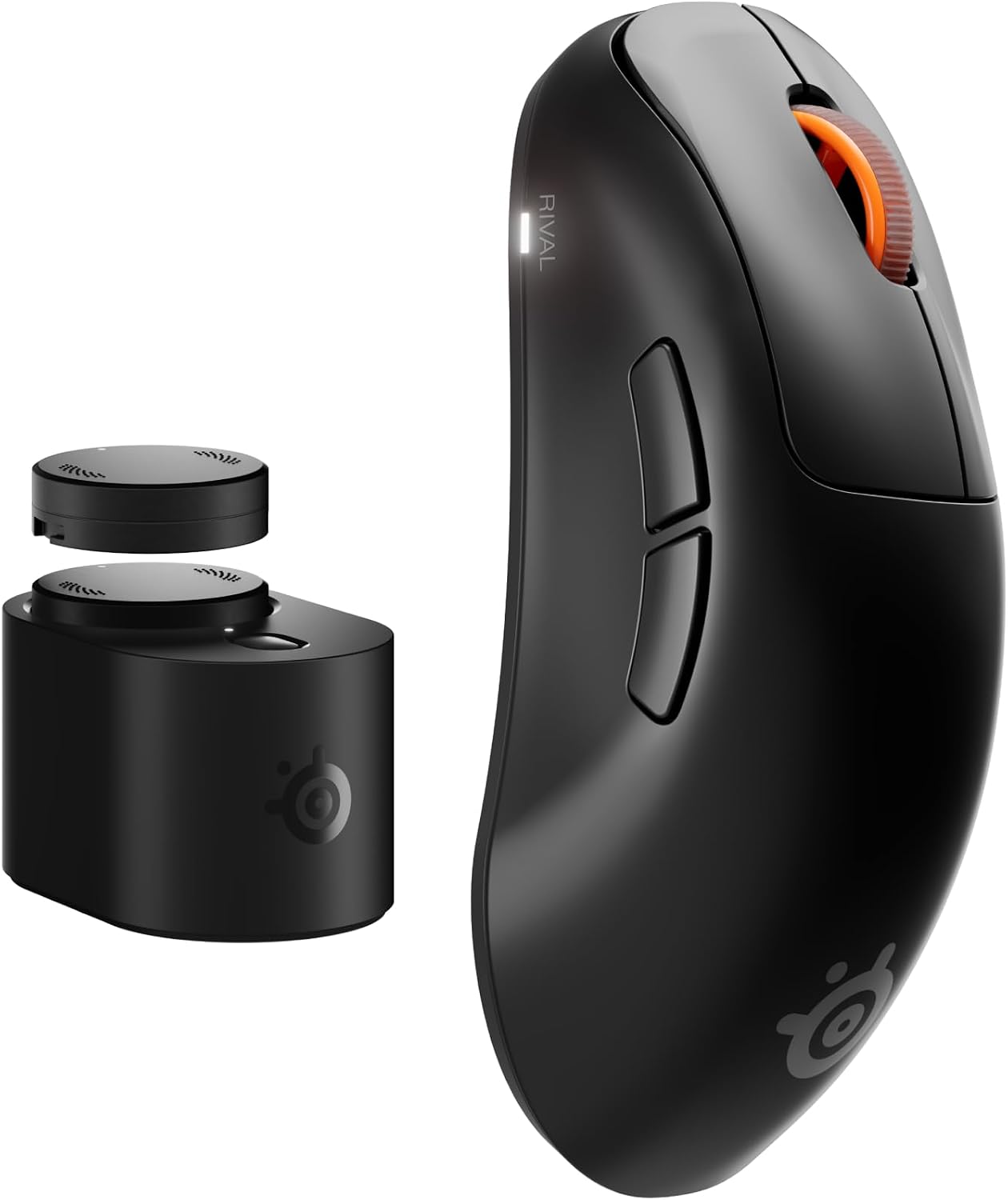
SteelSeries Rival Pro
Tom’s Guide’s FPS pick: the first mouse with 6GHz ultra-wideband wireless, 8K polling and a 42,000 DPI sensor at 53 grams.
- 6GHz UWB wireless
- 8K polling, 42K DPI
- ~53 g, swappable battery
Razer DeathAdder V4 Pro
WIRED’s 9/10 sculpted flagship: the Viper’s internals in a larger ergonomic shell, with a status-displaying spherical dongle.
- Ergonomic sculpt, 8K polling
- Spherical LED status dongle
- Deep sensitivity tuning
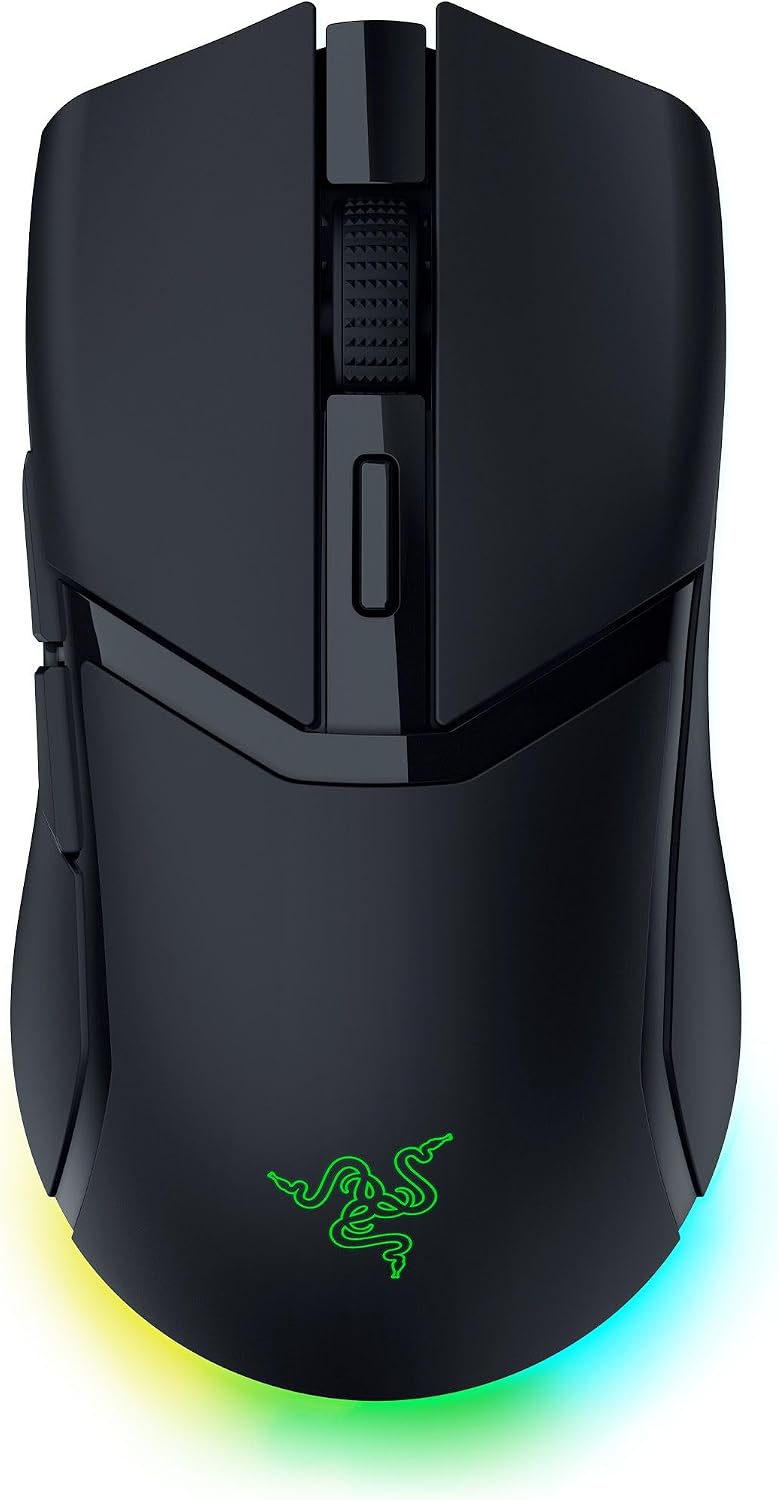
Razer Cobra HyperSpeed
WIRED’s 9/10 practical pick: under 70 grams without giving up RGB, Bluetooth or wireless charging.
- Sub-70 g with RGB and Bluetooth
- Optical sensor, switches and wheel
- 1K polling, 8K upgradeable
Logitech Pro X Superlight 2C
The 51-gram compact Superlight: same HERO 2 44K sensor and 95-hour battery, sized for smaller hands and claw grips.
- 51 g compact body
- HERO 2, 44K DPI
- 95-hour battery, 8K polling
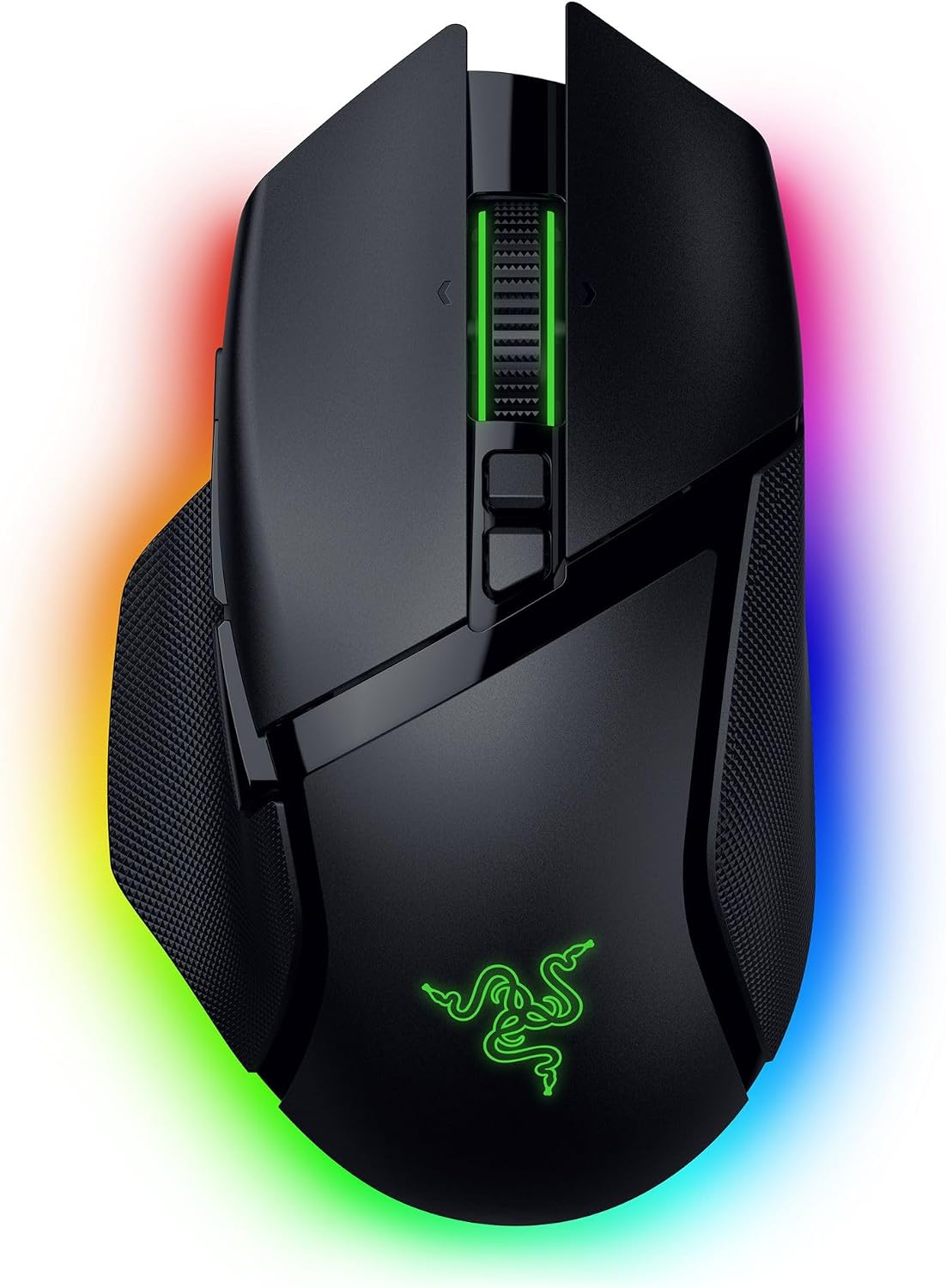
Razer Basilisk V3 Pro 35K
The everything mouse: 35K sensor, a sniper clutch button, a dual-mode tilt wheel, and unapologetic 112-gram heft.
- 35,000 DPI optical sensor
- Sniper clutch thumb button
- Tactile/free-spin tilt wheel
SteelSeries Aerox 3 Wireless Gen 2
Tom’s Guide’s mid-range pick: 26K DPI and 4K polling in a 68-gram honeycomb shell with 120-plus hours of battery.
- 26,000 DPI, 4,000Hz polling
- 120+ hour battery
- Onboard DPI selector
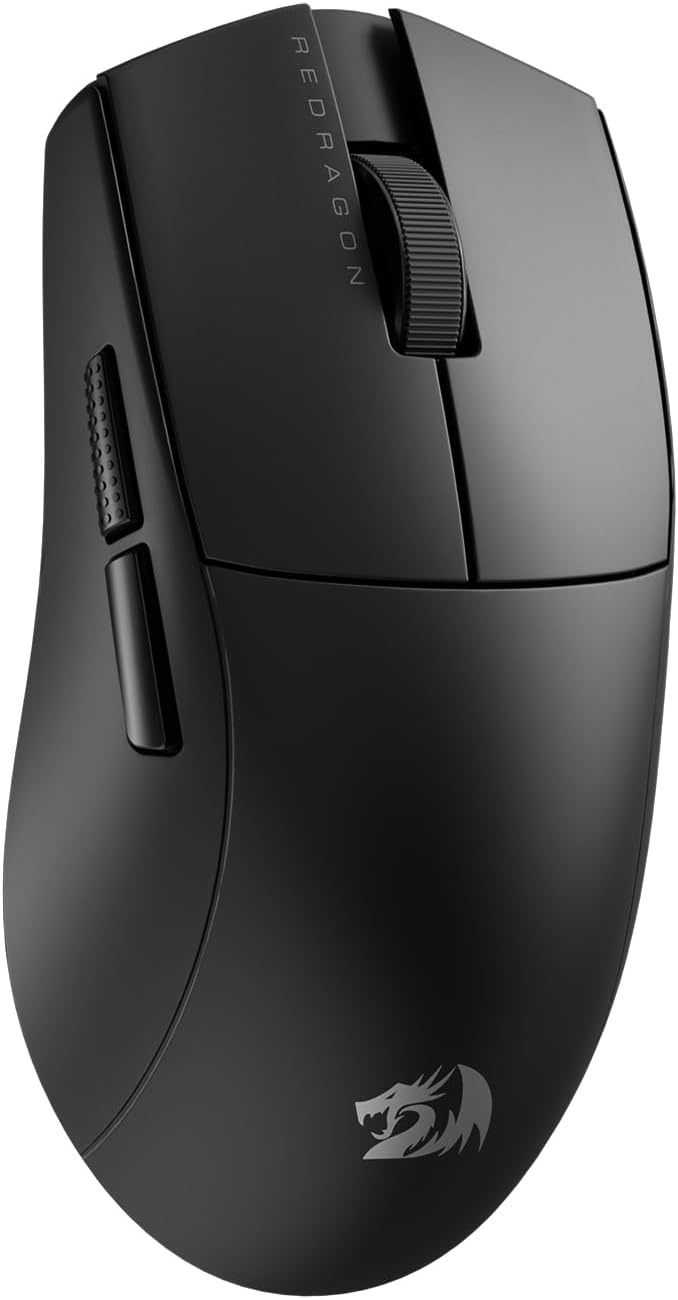
Redragon M916 Pro
Tom’s Guide’s budget pick: 49 grams and a 4,000Hz polling rate at a price that undercuts everything else here.
- 49 g ultralight
- 4,000Hz polling, 26K DPI
- Tri-mode connectivity
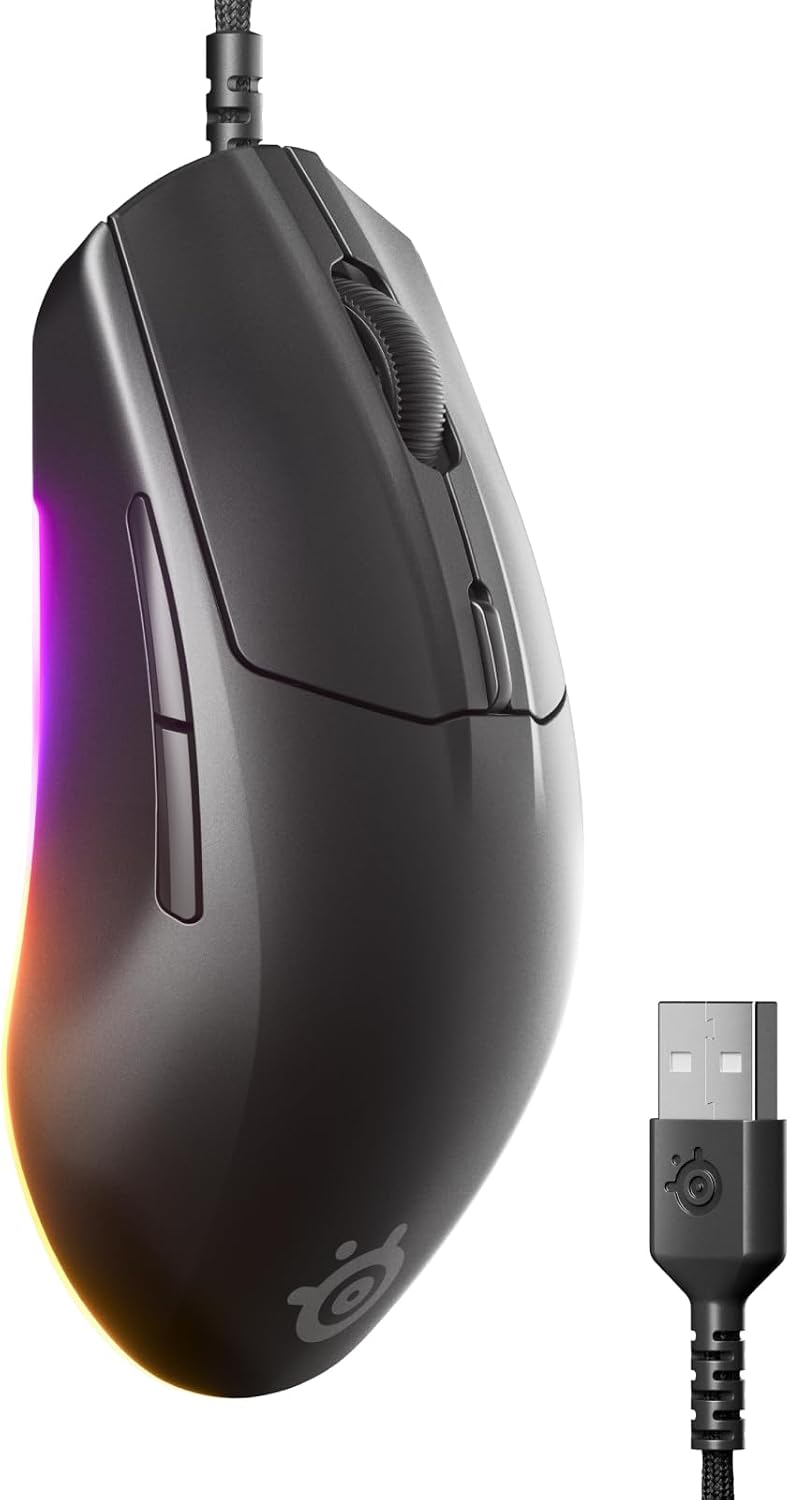
SteelSeries Rival 3 Gen 2
The Toyota Camry of gaming mice: simple, robust, repairable, and all the performance non-pros realistically need.
- 8,500 DPI TrueMove sensor
- Fully disassembles with screwdrivers
- Under-$50 class
Cherry XTRFY M50
The office-friendly gamer: an ergonomic shape one Tom’s Guide reviewer uses as a daily driver, with fuss-free software.
- 12,000 DPI, 1,000Hz
- Low-key minimalist design
- User-friendly companion app
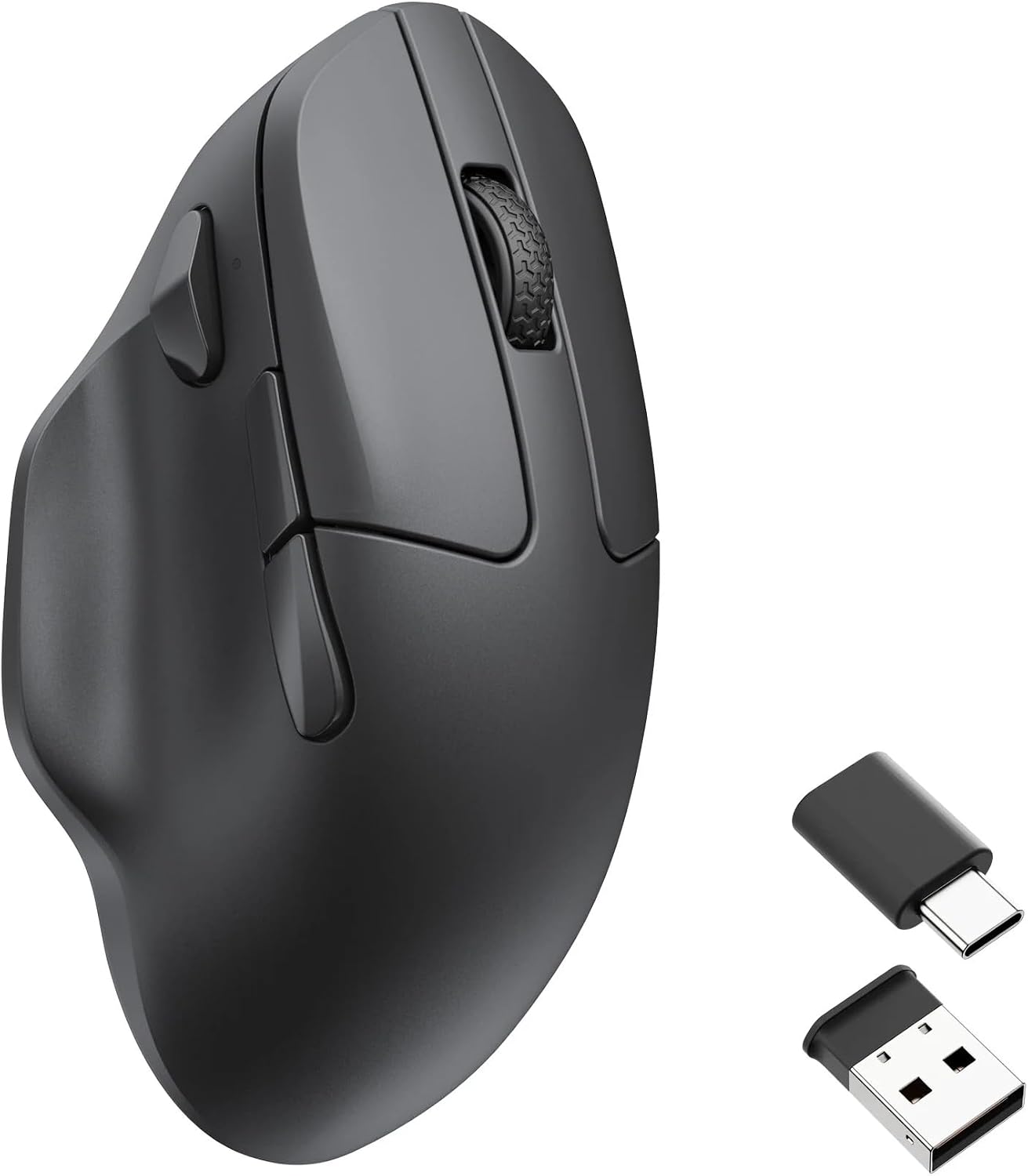
Keychron M7
Tom’s Guide’s comfort pick: a sculpted 63-gram shell with a thumb rest and 26K DPI at a genuinely budget price.
- 26,000 DPI, 1,000Hz
- Ergonomic thumb rest
- 2.4GHz, Bluetooth and wired
Making the Call
Shape first, everything else second: the best sensor in the world cannot fix a shell that fights your grip. Palm grippers and big hands should start with the DeathAdder V4 Pro, Basilisk V3 Pro 35K or Keychron M7; claw and fingertip players with smaller hands should look at the Superlight 2C or Cobra HyperSpeed. Chasing every millisecond leads to the Superstrike, Viper V4 Pro or Rival Pro. MMO players already know: Naga or Scimitar, pick your thumb panel. And if the budget is firm, the Redragon M916 Pro and Rival 3 Gen 2 prove the floor has never been higher. Match the mouse to the hand, then to the game, and you will not buy twice.
The responses below are not provided, commissioned, reviewed, approved, or otherwise endorsed by any financial entity or advertiser. It is not the advertiser’s responsibility to ensure all posts and/or questions are answered.