A smartwatch in late 2026 is no longer a novelty screen strapped to your arm. The good ones now read your heart rate every few seconds, flag sleep apnea, coach your runs, and in a couple of cases call for help from places with no cell signal at all. The bad ones are still notification buzzers that die by dinner. The gap between those two groups is exactly what this list is about.
We went through the current lineups from Apple, Google, Samsung, Garmin, Fitbit, Amazfit, Coros and Nothing, leaning on long-term tester reviews from WIRED, Tom’s Guide, TechRadar and Runner’s World plus spec sheets from the manufacturers. Sixteen watches made the cut, from a sub-hundred-dollar overachiever to a titanium expedition piece. The four models you can pick up at big-box stores lead the list, followed by the wider field.
The Shortlist, Side by Side
Battery claims are the manufacturers’ own; where independent testers measured something shorter, our reviews below say so. Prices move constantly around sale events, so compare the live listings rather than any number printed here.
| Watch | Best for | Battery (rated) | Phone it wants |
|---|---|---|---|
| Apple Watch Series 12 (target.com) | iPhone owners, all-round | 24 hours | iOS |
| Google Pixel Watch 5 (walmart.com) | Android owners, all-round | 30 to 40 hours | Android |
| Samsung Galaxy Watch9 (walmart.com) | Galaxy phone owners | ~25 hours (tested) | Android / Samsung |
| Garmin Vivoactive 6 (target.com) | Fitness without fuss | 11 days | iOS or Android |
| Apple Watch Ultra 4 | Off-grid and endurance | 50 hours | iOS |
| Apple Watch SE 3 | Apple on a budget | 18 hours | iOS |
| Samsung Galaxy Watch8 Classic | Bezel lovers | ~30 hours | Android / Samsung |
| Google Pixel Watch 4 | Discount hunters | ~30 hours | Android |
| Garmin Forerunner 265 | Serious runners | 13 days | iOS or Android |
| Amazfit Active 3 Premium | Training per dollar | ~14 days | iOS or Android |
| Samsung Galaxy Watch Ultra (2025) | Android adventurers | Multi-day | Android |
| Amazfit Balance 2 | Maps and stamina | 21 days | iOS or Android |
| Coros Pace 3 | New runners | 17 days | iOS or Android |
| Fitbit Ace LTE | Kids 7+ | ~16 hours | iOS or Android |
| Fitbit Versa 4 | Cheap health tracking | 6 days | iOS or Android |
| Nothing CMF Watch 3 Pro | Under $100 | 10-13 days | iOS or Android |
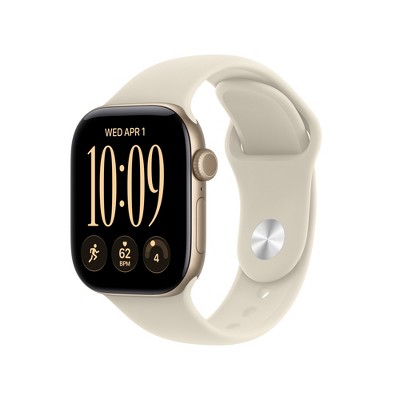
Apple Watch Series 12
The default answer for iPhone owners. The new Health Sensing System reads heart rate every five seconds and HRV every few minutes, and fast charging now buys 12 hours in 15 minutes.
- Health Sensing System with Readiness score
- 42mm or 46mm, aluminum or titanium
- 15 minutes on the charger for 12 hours

Google Pixel Watch 5
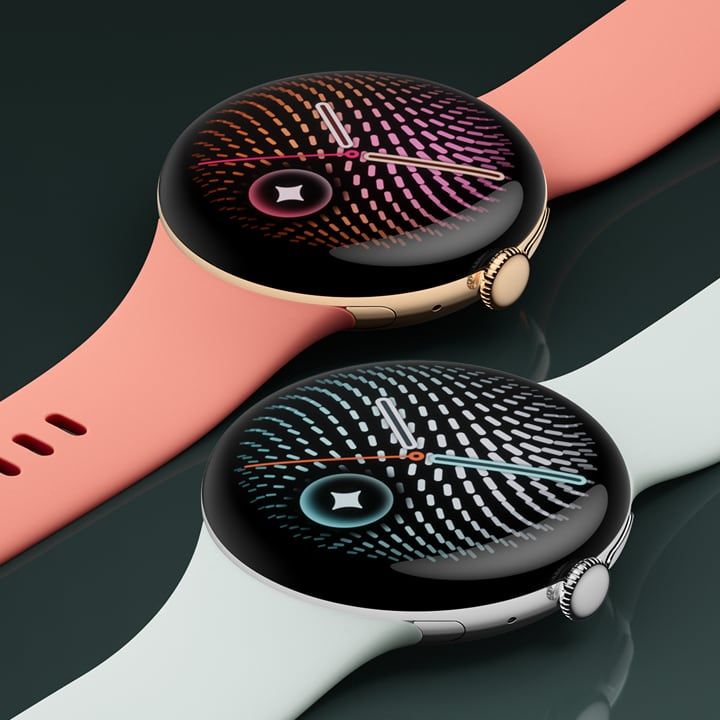
The most polished Wear OS watch: domed glass, accurate dual-band GPS, satellite SOS on the cellular model, and Gemini that now handles offline tasks like starting a workout.
- 41mm or 45mm domed design
- Satellite emergency messaging (LTE)
- 15-minute charge returns 15 hours

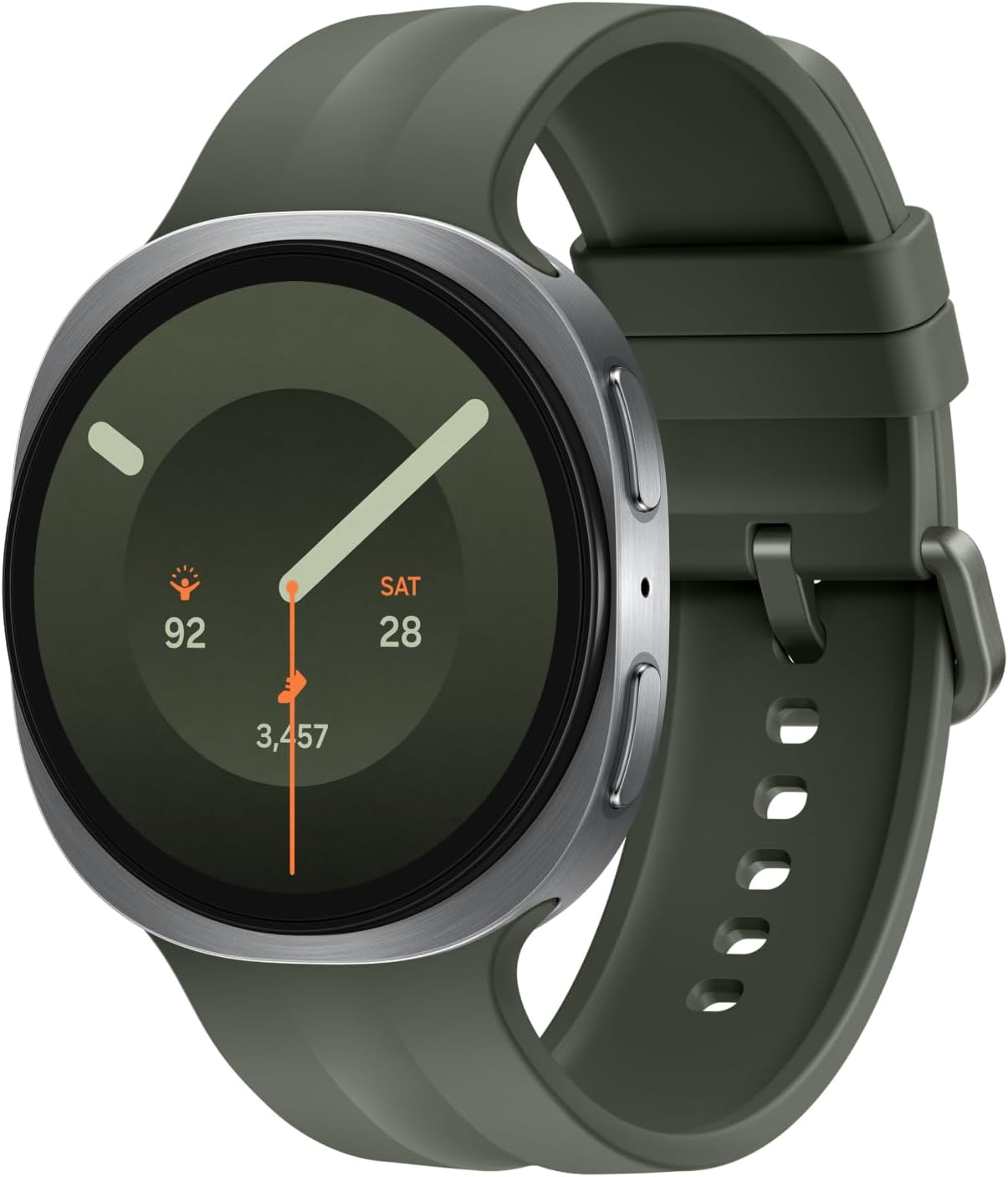
Samsung Galaxy Watch9
The pick for Galaxy phone owners: spot-on heart rate, dual-frequency GPS, best-in-class automatic workout detection, and raise-to-talk Gemini.
- 40mm or 44mm, Wear OS
- Dual-frequency GPS
- Sleep apnea detection and Vitals
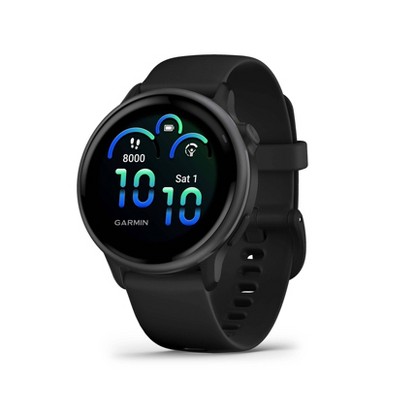
Garmin Vivoactive 6
A fitness watch that behaves like a smartwatch: Body Battery, Training Readiness, 80 activity profiles and roughly a week per charge, with Garmin Pay on board.
- Up to 11 days of battery
- 80+ activity profiles
- Works with iOS and Android
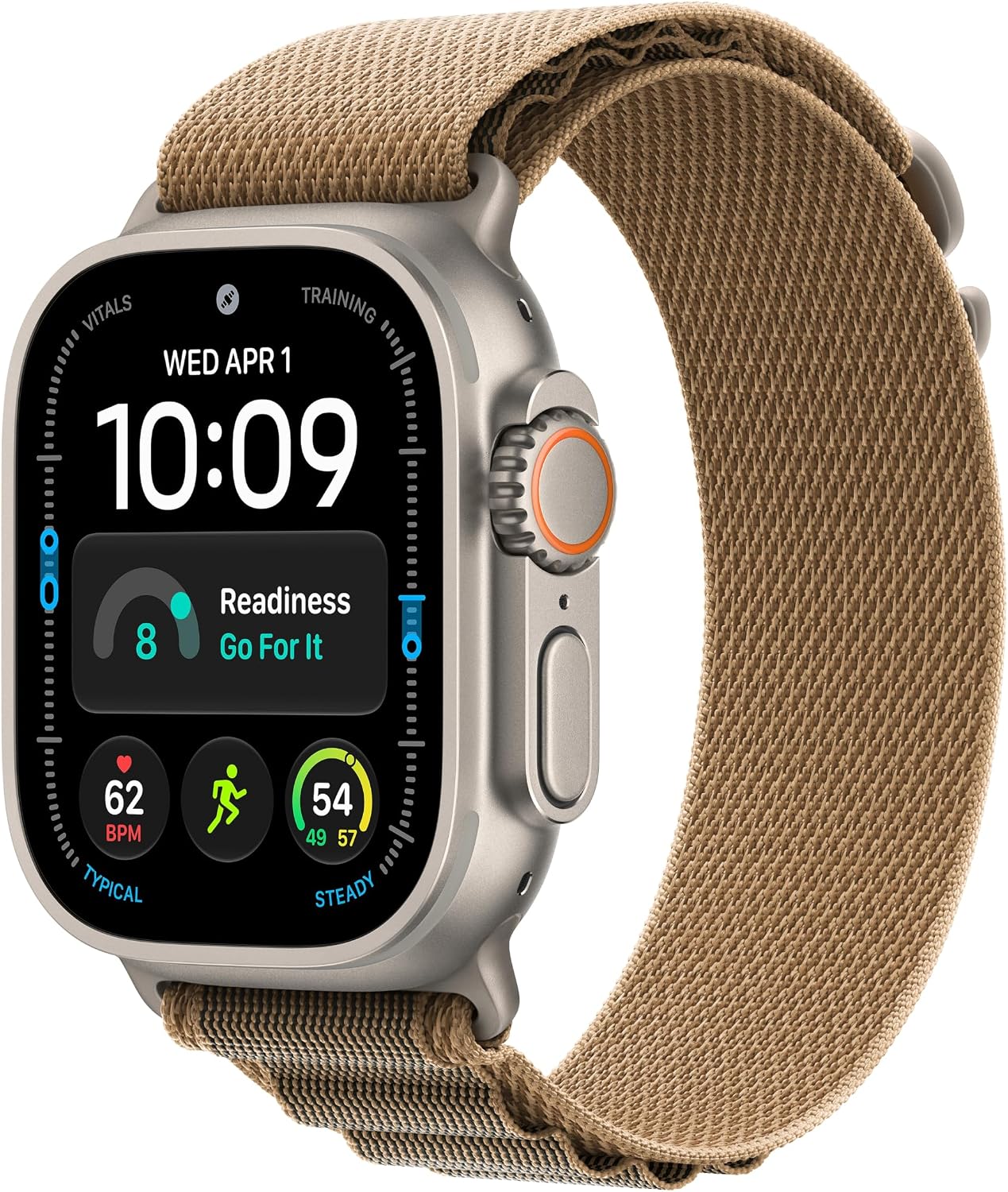
Apple Watch Ultra 4
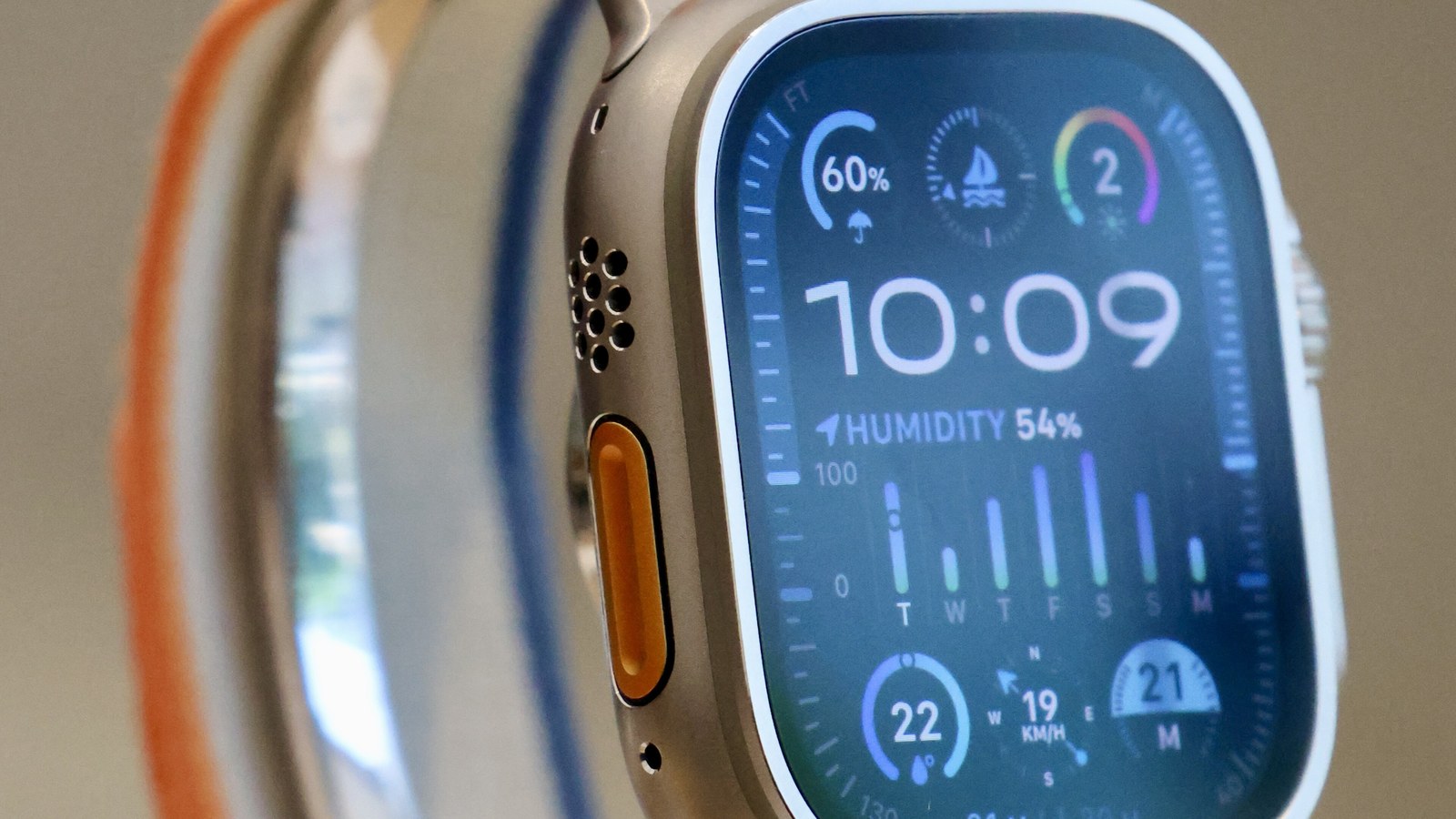
The adventure flagship: 50-hour battery, satellite messaging off the grid, an 86-decibel siren, and dive-rated water resistance to 40 meters.
- Up to 50 hours, 84 in Low Power
- Emergency SOS via satellite
- 49mm titanium, 40m dive rating

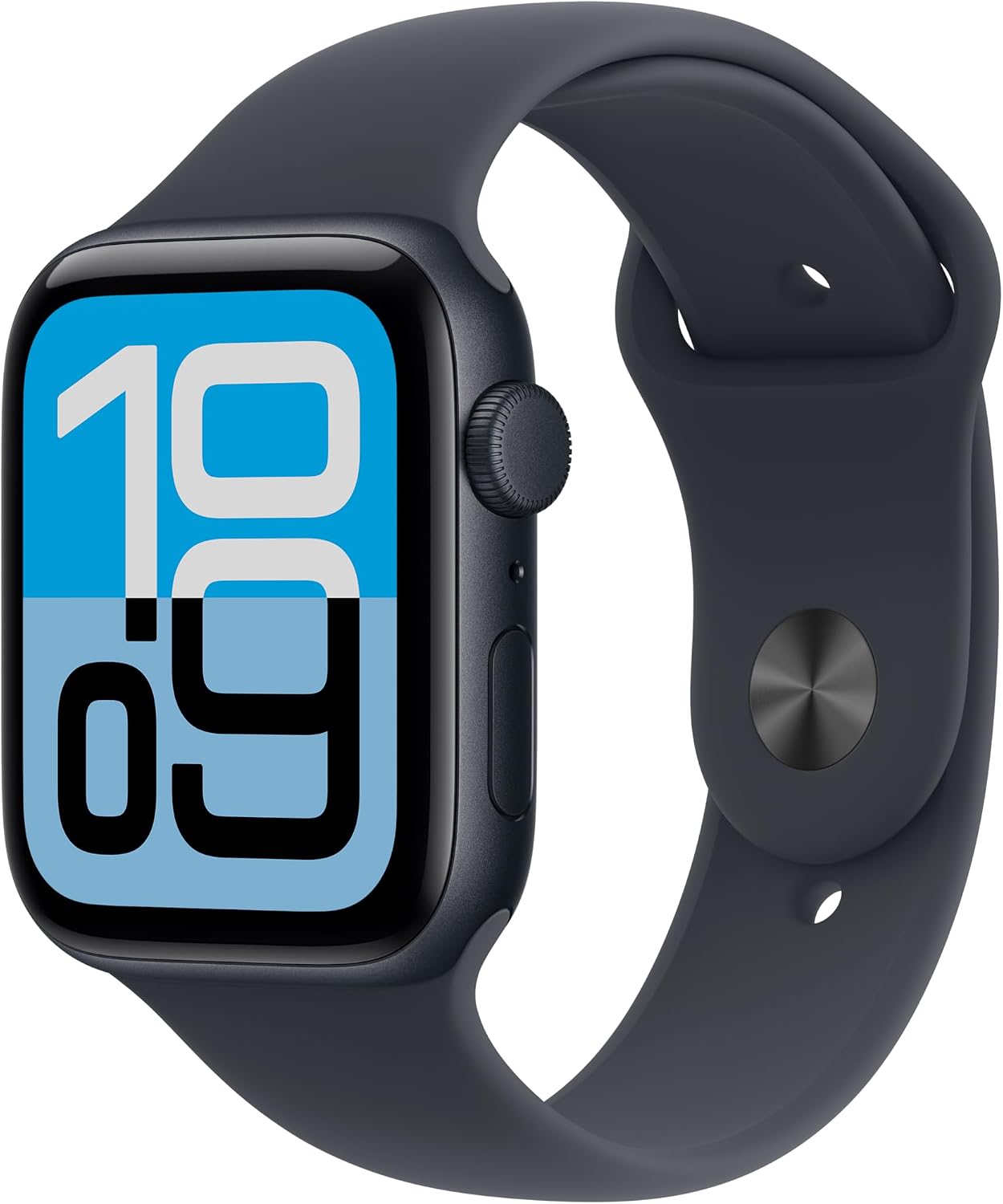
Apple Watch SE 3
The budget Apple Watch finally gets an always-on display and faster charging, keeping the health core that matters while skipping the exotic sensors.
- Always-on Retina display
- Same design, 40mm or 44mm
- Fast charging support
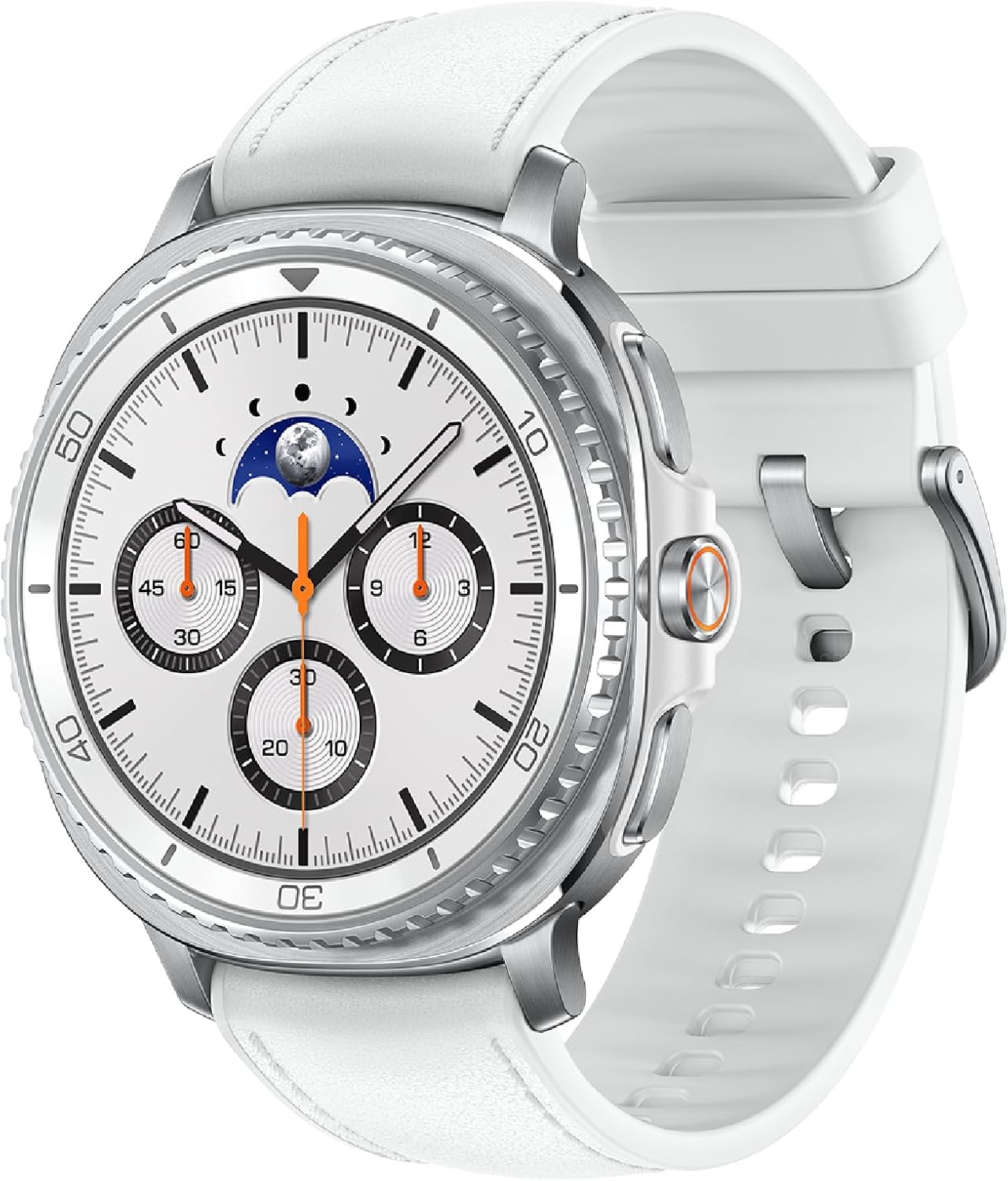
Samsung Galaxy Watch8 Classic
The rotating bezel returns on a cushion-case body. It is the most tactile way to run Wear OS, with Samsung’s full health suite behind it.
- Physical rotating bezel
- 46mm cushion case
- Running Coach and Energy Score
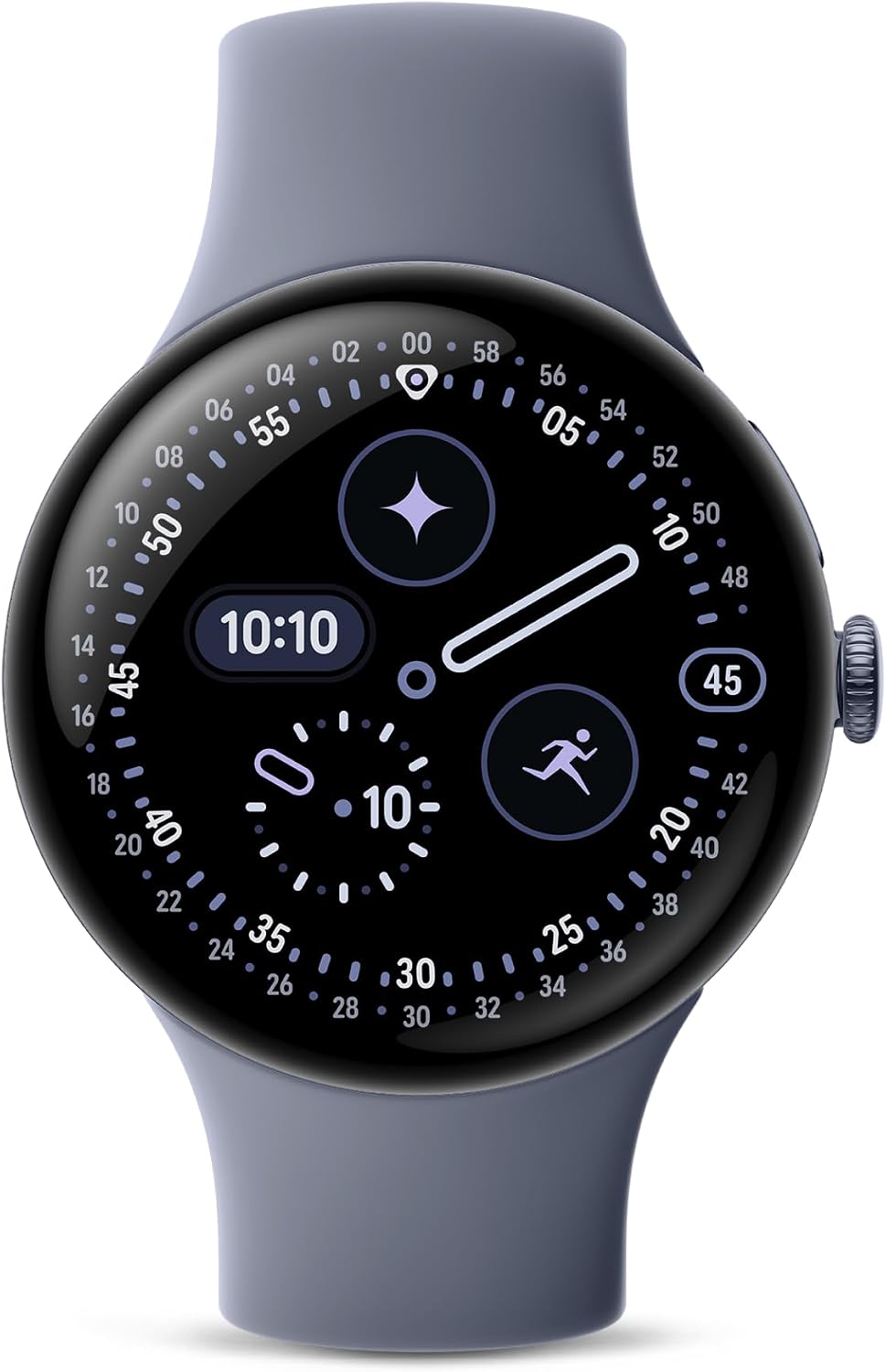
Google Pixel Watch 4
Last year’s Pixel Watch has absorbed most of the new model’s software, so discounted units are one of the smartest buys in the category.
- Most Pixel Watch 5 software included
- Actua domed display
- 41mm or 45mm
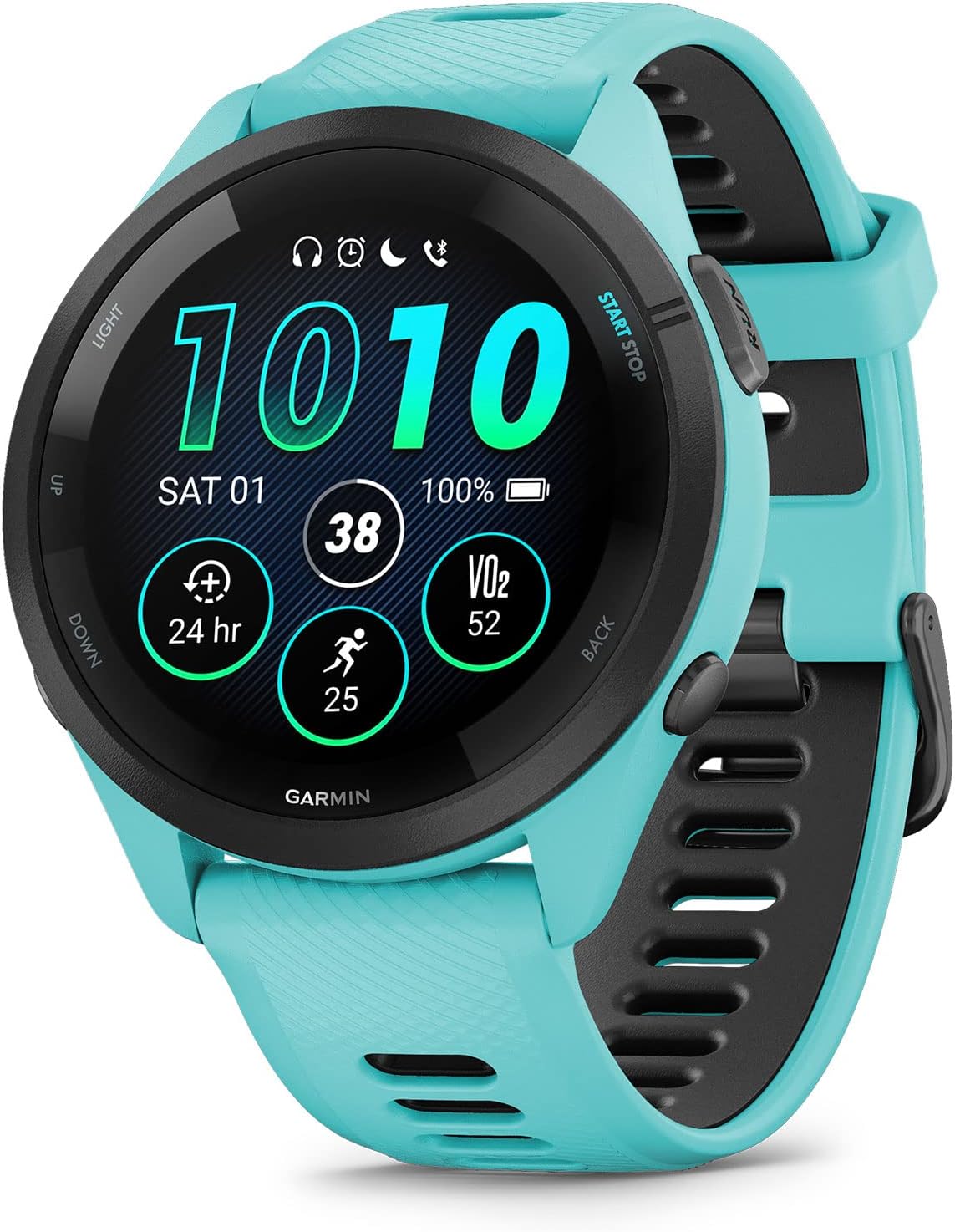
Garmin Forerunner 265
The runner’s midrange sweet spot: AMOLED screen, Training Readiness, multi-band GPS and race-day tools, without flagship Fenix pricing.
- AMOLED display, 46mm
- Multi-band GNSS
- Training Readiness and race widget
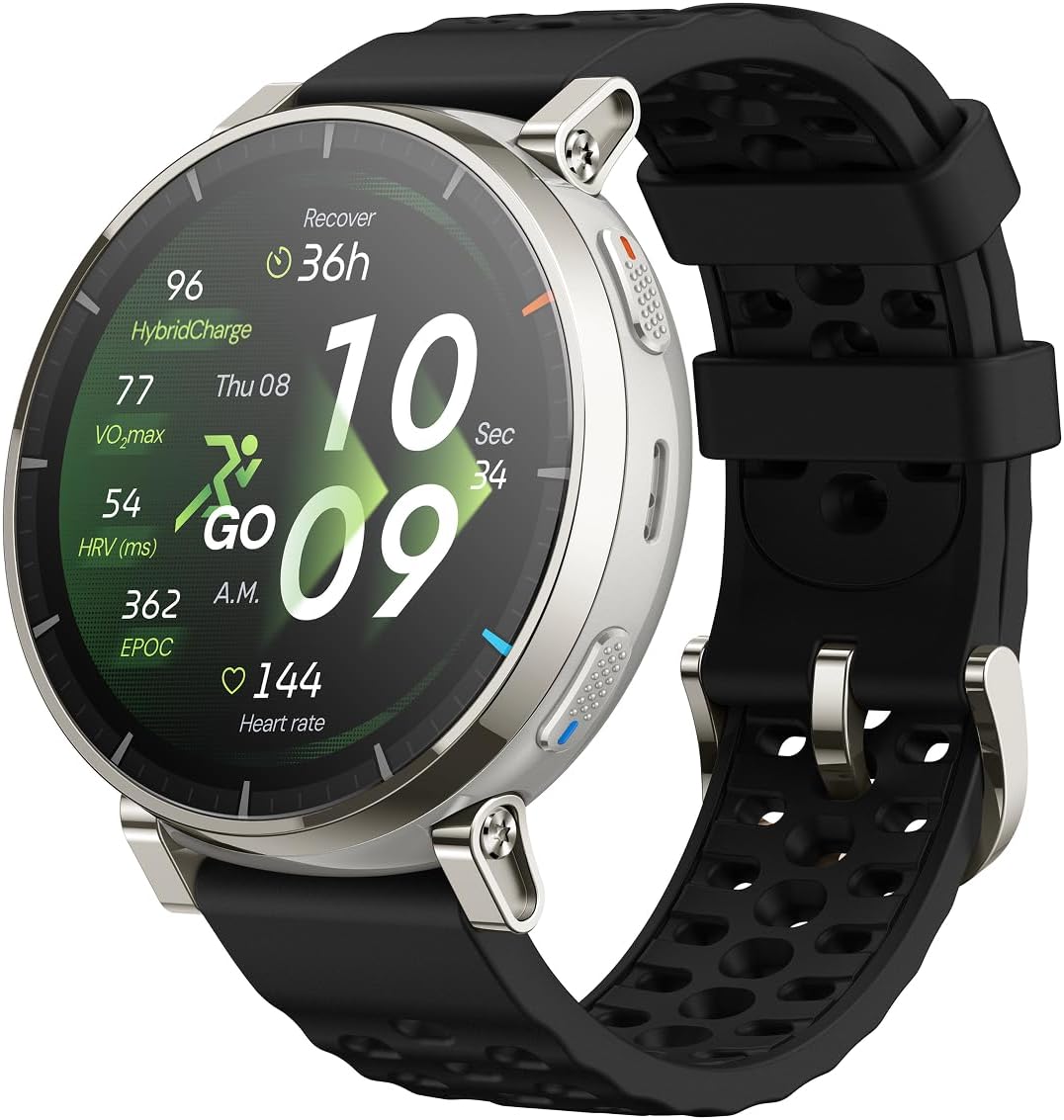
Amazfit Active 3 Premium
A sapphire-glass running watch with real training plans and multi-day battery at a price that embarrasses the big names.
- 1.32-inch AMOLED, sapphire glass
- Built-in GPS with running plans
- Roughly two weeks per charge
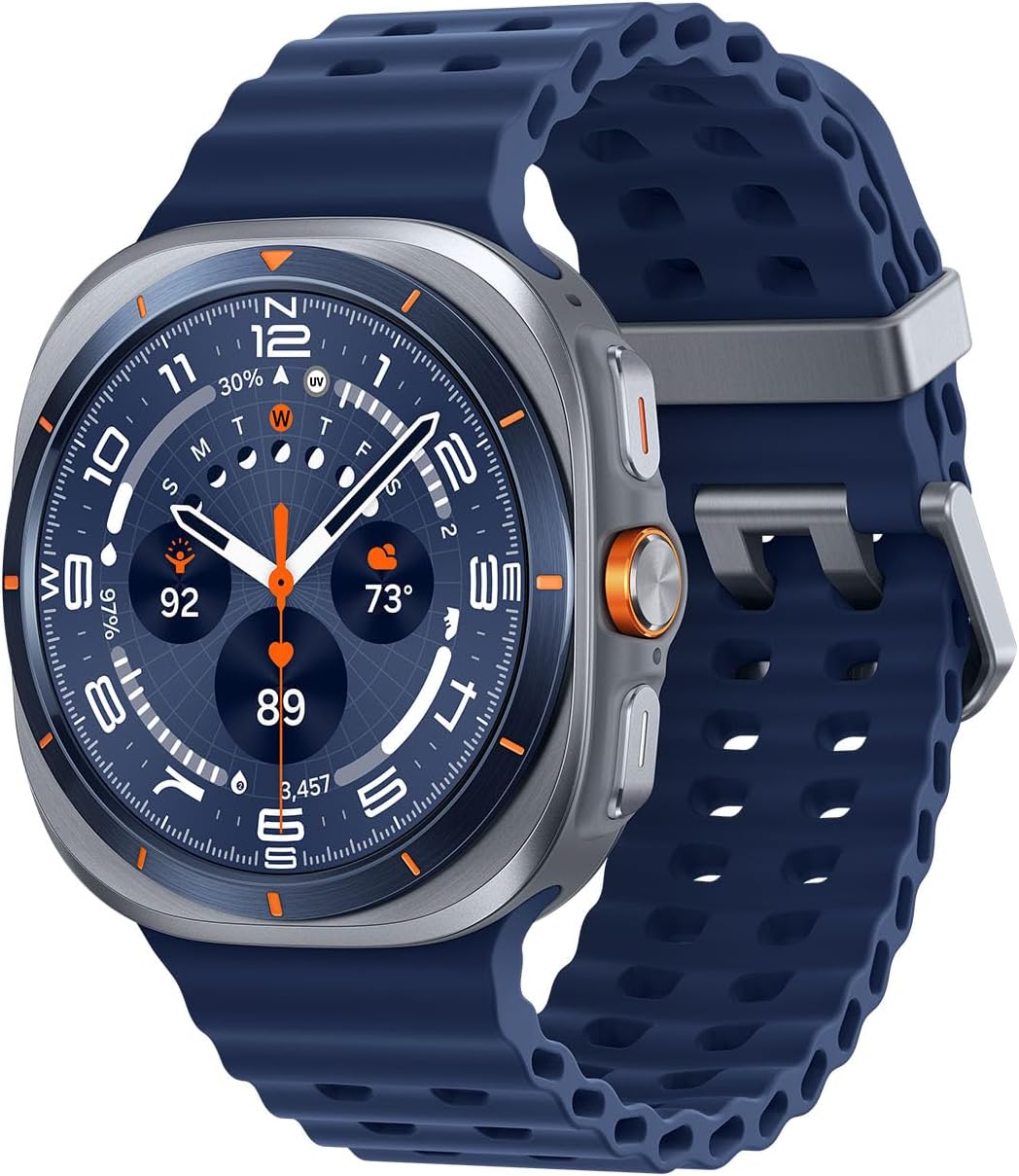
Samsung Galaxy Watch Ultra (2025)
Samsung’s titanium trail watch: 47mm rugged case, sapphire glass, dual-frequency GPS and the biggest battery in the Galaxy line.
- 47mm titanium, sapphire
- 10ATM water resistance
- Multi-day battery
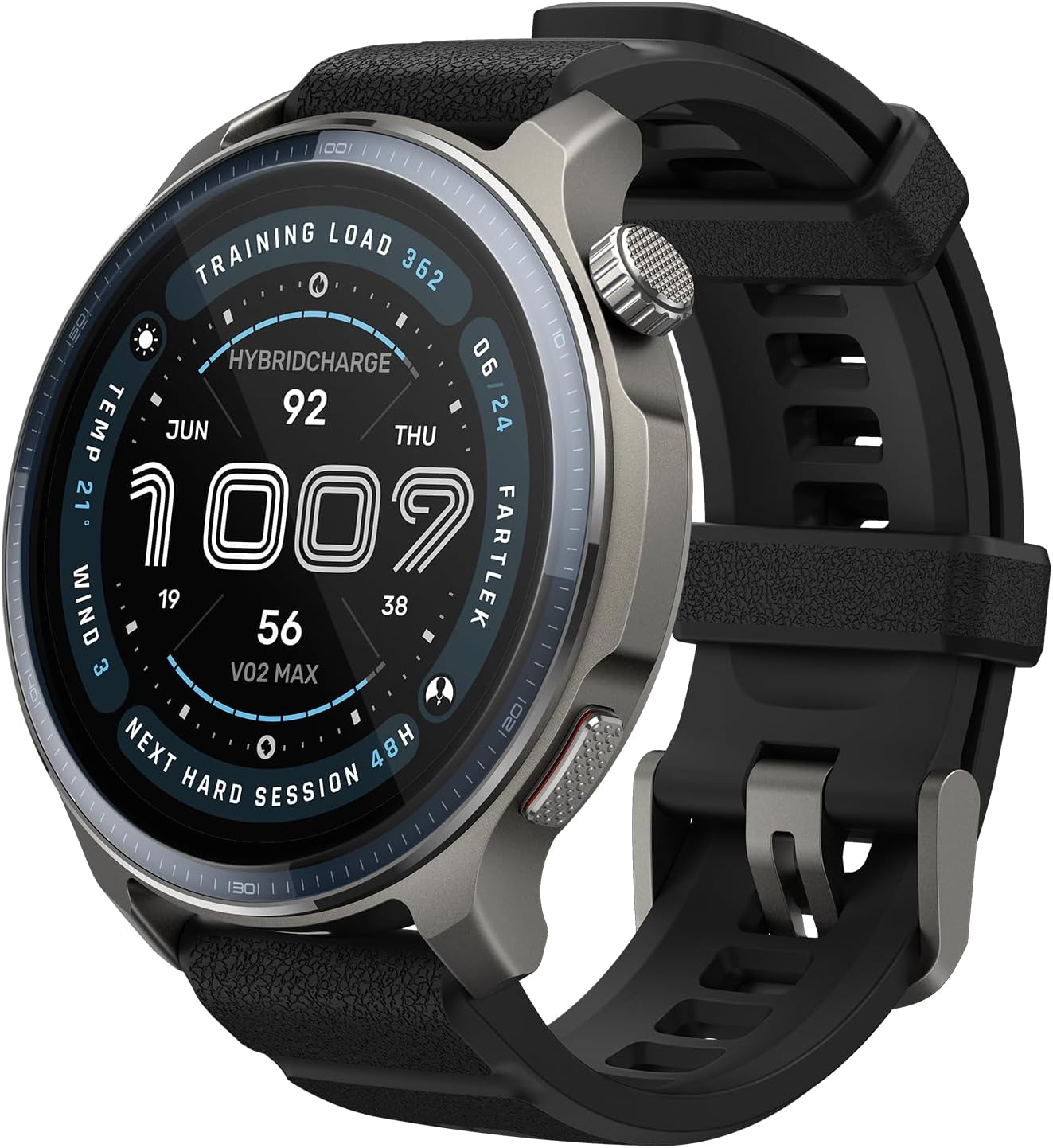
Amazfit Balance 2
A 47mm all-rounder with offline maps, dual-band GPS and up to 21 days of battery. Fitness tracking is excellent; the smart side is merely fine.
- Offline maps, dual-band GPS
- Up to 21 days of battery
- Sapphire AMOLED display
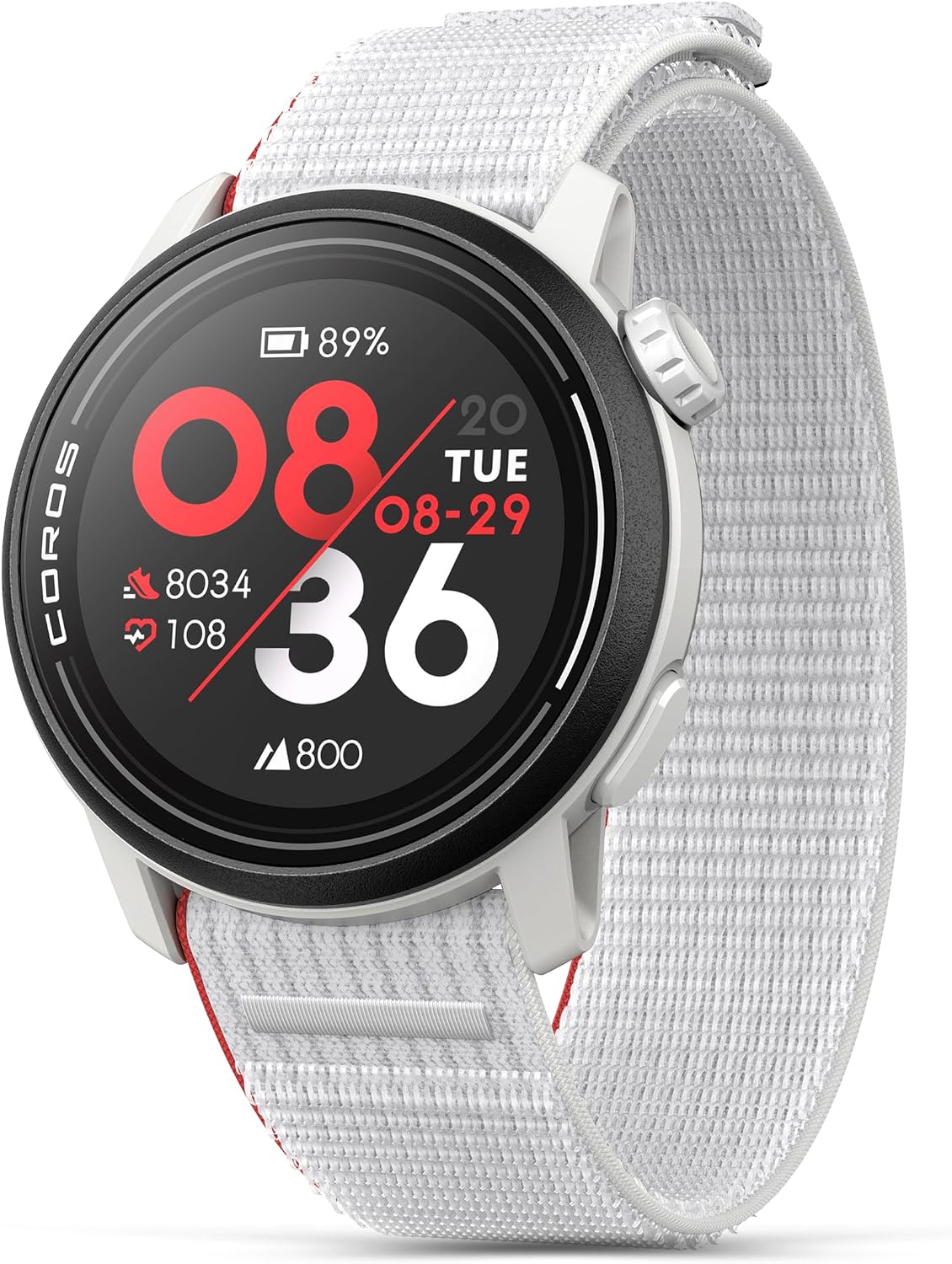
Coros Pace 3
A 38-gram featherweight with dual-frequency GPS, breadcrumb navigation and 17 days of battery. The value pick for new runners.
- 38 grams with nylon band
- 17-day battery life
- Dual-frequency GPS
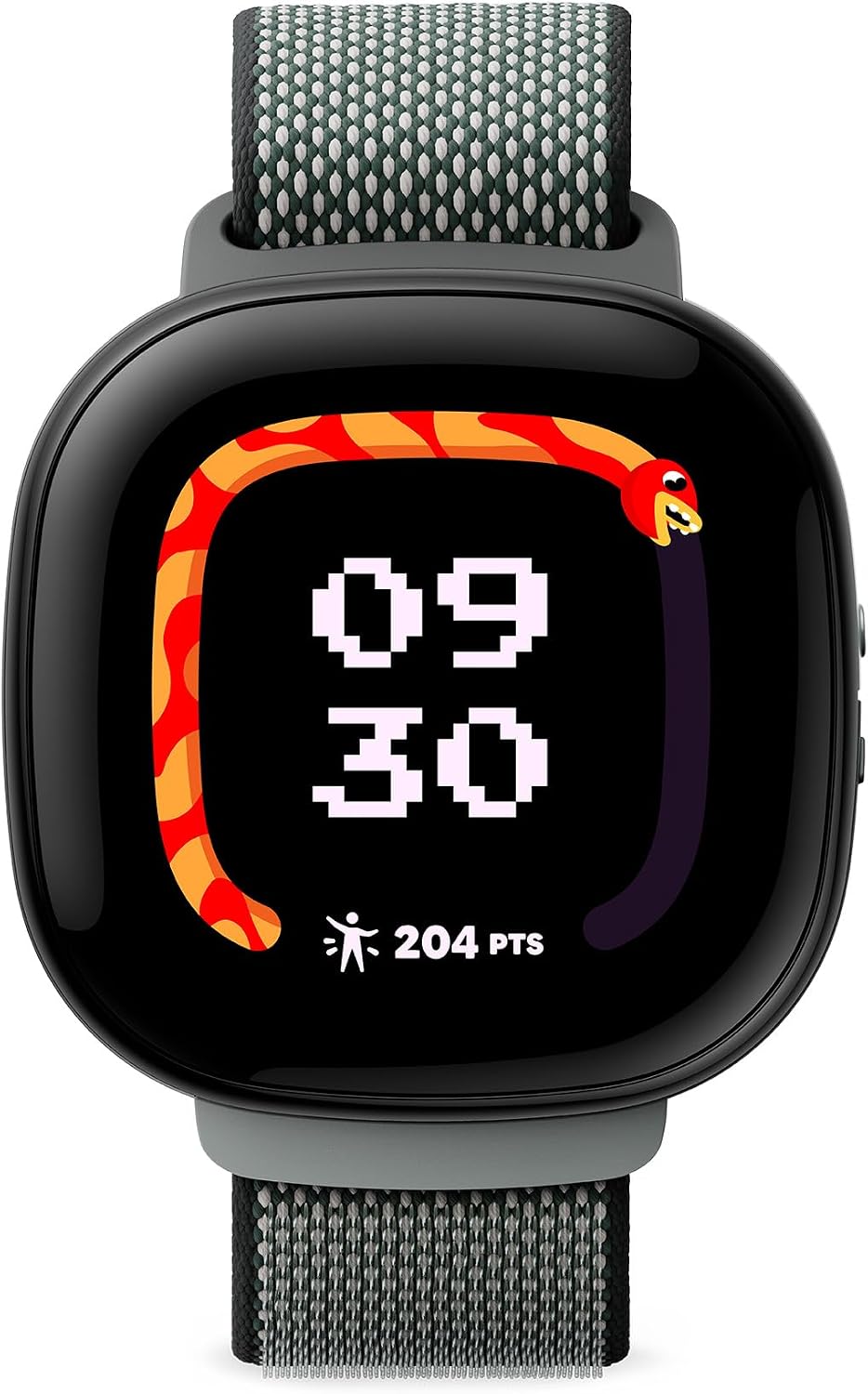
Fitbit Ace LTE
The kids’ watch done carefully: calls and messages to approved contacts, location sharing, School Time, and Google’s promise to delete location history after 24 hours.
- Built-in LTE calling and texts
- School Time parental controls
- Fitbit Arcade activity games
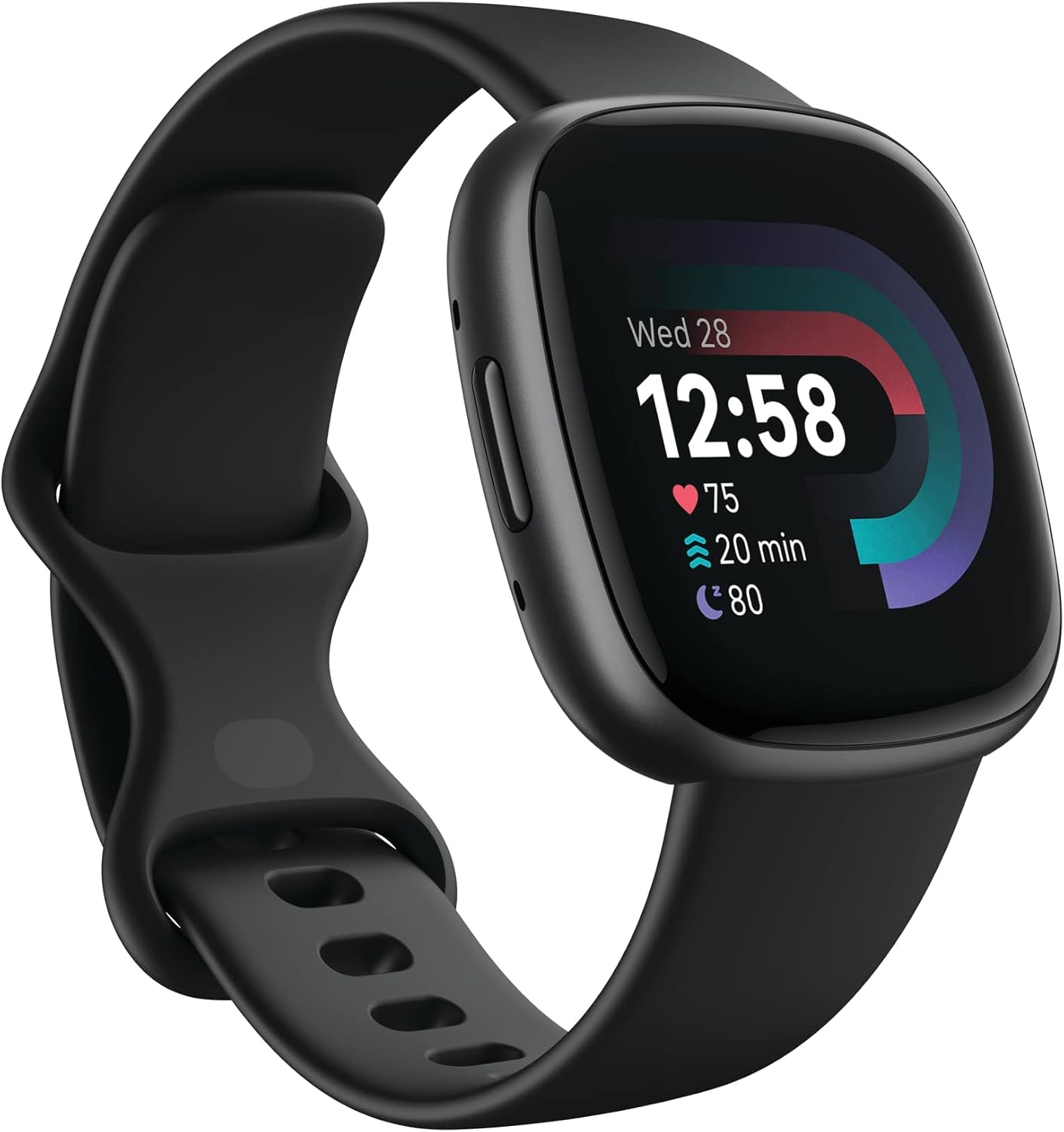
Fitbit Versa 4
An aging but cheap fitness-first watch: six-day battery, 40 exercise modes and Daily Readiness, now that discounts do the arguing.
- 6-day battery life
- 40+ exercise modes
- Daily Readiness score
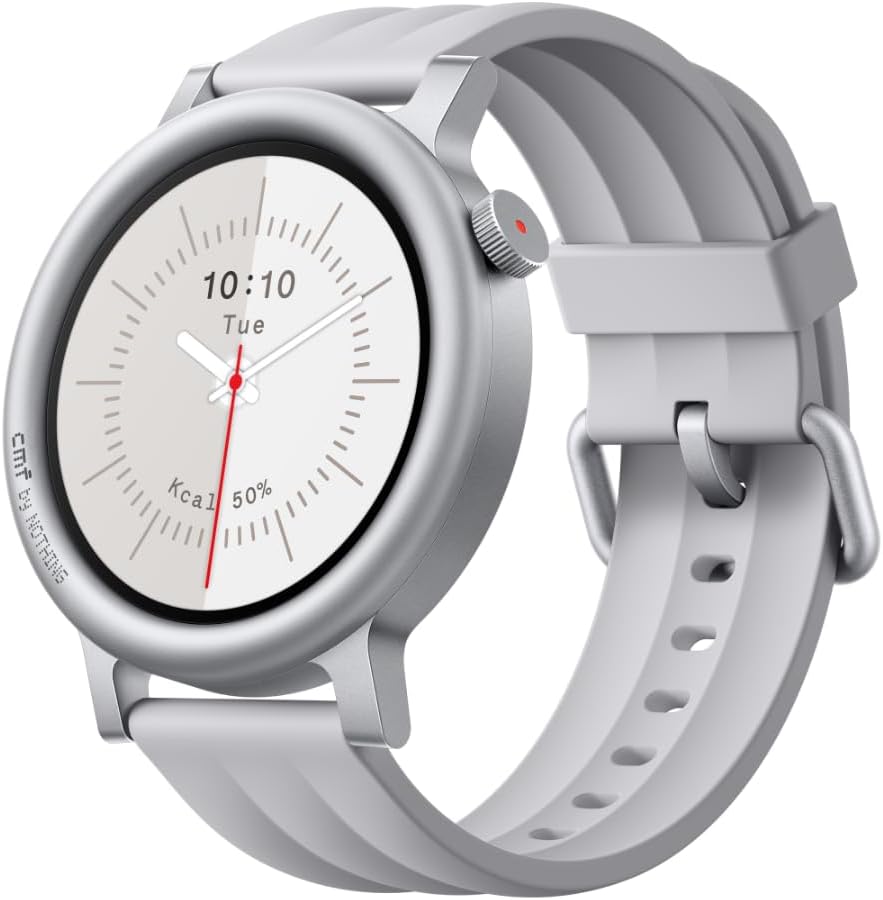
Nothing CMF Watch 3 Pro
The sub-hundred-dollar surprise: dual-band GPS that matched dedicated trackers in testing, gesture controls, voice calls and a 10-to-13-day battery.
- Dual-band GPS under $100
- 10 to 13 days per charge
- IP68, voice calling, flashlight
The Everyday Flagships
These are the watches most people should buy first and ask questions later. Each pairs tightly with its phone ecosystem, and that pairing, not the spec sheet, is what you are really choosing.
Apple Watch Series 12
The Series 12 is not a dramatic redesign, and it does not need to be. The new Health Sensing System, driven by the S11 chip, reads heart rate as often as every five seconds and HRV every few minutes, feeding a Readiness score that finally makes the Apple Watch feel like a real training tool rather than a step counter. WIRED’s tester called it the best smartwatch for iPhone owners outright. The honest compromise is battery: 24 hours rated, so it still sleeps on the charger most nights, though 15 minutes now buys you 12 hours. If you wear an iPhone and want one watch for health, fitness and notifications, this is it.
Google Pixel Watch 5
Google’s fifth Pixel Watch is the most refined Wear OS device yet, and the first one we would recommend without a footnote. The domed design is gorgeous, the dual-band GPS now corrects for atmospheric interference, and Gemini on the wrist handles offline tasks like starting a workout. Satellite SOS on the cellular model is the kind of feature you buy once and hope to never use. The catches are familiar: a handful of tricks remain Pixel-phone exclusives, and Google still sells no proper multi-device charging dock. For Android owners, though, this is the new default.
Samsung Galaxy Watch9
The Watch9 is a modest spec bump over the Watch8 at the same price, which makes it the right call for anyone on a Galaxy phone. Heart rate and sleep tracking tested reliably, automatic workout detection is the best in the business, and raise-to-talk Gemini is genuinely handy mid-run. Be realistic about stamina: testers averaged about 25 hours with the always-on screen, short of Samsung’s claim, and a full charge takes around 100 minutes. Some headline metrics, like the AGEs and antioxidant indexes, still feel more experimental than useful. None of that dents its position as the Samsung loyalist’s watch.
Apple Watch Ultra 4
The Ultra 4 exists for people who leave pavement. Battery life climbs to 50 hours of normal use and 84 in Low Power Mode, satellite messaging works with zero bars, and there is an 86-decibel siren plus a 40-meter dive rating. Fifteen minutes of charging now returns 18 hours, which changes the math on multi-day hikes. It shares the Series 12’s new health sensor stack, so you lose nothing on the wellness side. The trade-off is physical: the 49mm titanium case wears huge on slim wrists, and the price only makes sense if the battery, satellite or water features are real needs. For endurance athletes and backcountry types, nothing else here competes.
The Fitness-First Watches
If your wrist’s main job is training data, these five put sport ahead of apps. Battery life, GPS accuracy and recovery metrics matter more here than voice assistants.
Garmin Vivoactive 6
The Vivoactive 6 is the rare fitness watch that does not feel like homework. Garmin’s Body Battery and Training Readiness metrics translate your sleep and strain into plain advice, there are 80 activity profiles, and the battery runs around a week between charges. Garmin Pay handles post-run coffee. The limits are real: no third-party app store to speak of, and iPhone users can see texts but only Android users can answer them. If you want Garmin’s training brain in a watch that still looks normal at dinner, this is the one.
Garmin Forerunner 265
Two years on, the Forerunner 265 remains the midrange running watch to beat. The AMOLED screen is bright enough for midday track sessions, multi-band GPS holds its line in cities, and Training Readiness plus the race widget cover everything from base miles to race morning. Long-term reviewers at the Telegraph and running outlets kept it on their wrists through hundreds of miles and still recommend it in 2026. It lacks onboard maps and costs more than a Coros Pace 3, but the polish justifies the gap for anyone training with intent.
Coros Pace 3
Thirty-eight grams. That is the number that sells the Pace 3: a watch you forget you are wearing, with dual-frequency GPS, breadcrumb navigation and a 17-day battery. Runner’s World called it one of the best smartwatches for new runners, and it is easy to see why: it does the essentials nearly as well as watches costing twice as much. You give up the app ecosystems, contactless payments and any semblance of smartwatch flash. For a first serious running watch, or a light second one, it is the value king of this list.
Amazfit Active 3 Premium
Tom’s Guide named the Active 3 Premium its best smartwatch overall, full stop, and the reasoning is simple: sapphire glass, sharp AMOLED, structured running plans and multi-week battery at a price that makes the big brands look greedy. One reviewer wrote it killed his interest in a much pricier Apple Watch. The compromise is the smart side: notifications and replies work, but the app selection and polish trail Wear OS and watchOS by a mile. If training features per dollar is your metric, this wins the whole list.
Amazfit Balance 2
The Balance 2 is the Active’s bigger, more outdoorsy sibling: a 47mm sapphire AMOLED case, offline maps, dual-band GPS and a claimed 21 days of battery. TechRadar’s verdict sums it up: an outstanding fitness tracker with so-so smart features. Sleep, readiness and recovery tracking are deep and accurate, while replying to messages feels a generation behind. Hikers and high-mileage athletes who charge monthly, not nightly, will forgive all of it.
The Value Plays
Four watches that undercut the flagships without embarrassing themselves. Each gives up something specific; we tell you exactly what.
Apple Watch SE 3
The SE 3 quietly fixed the line’s oldest complaint by adding an always-on display, plus faster charging and wrist-temperature sensing. Macworld’s review called it brilliance on a budget, and that is about right: you keep the core Apple Watch experience, crash and fall detection, and the app library, while skipping the ECG sensor, hypertension alerts and the fanciest materials. For first-time buyers, kids’ first watches, or anyone upgrading from a Series 5 or older, this is the rational Apple Watch.
Nothing CMF Watch 3 Pro
Under a hundred dollars, the CMF Watch 3 Pro has no business being this good. Its dual-band GPS tracked accurately against far pricier devices, the optical heart rate sensor matched an Oura Ring 4 closely in WIRED’s testing, and the battery runs 10 to 13 days. You even get gesture controls, voice calls and a flashlight. The case looks more plastic than its metal build suggests, the companion app is occasionally glitchy, and it overestimated sleep in side-by-side tests. At this price, those are footnotes, not flaws.
Google Pixel Watch 4
Here is an insider move: the Pixel Watch 4 has received most of the Pixel Watch 5’s software upgrades, so when retailers discount it, you get nearly the current experience for last year’s money. The domed Actua display still looks premium, health tracking is accurate, and Wear OS runs smooth. Battery life around 30 hours and the proprietary band system are the known compromises. If the price gap to the Watch 5 is meaningful, take it and do not look back.
Fitbit Versa 4
The Versa 4 is the elder statesman here, and it shows: no third-party apps, no music storage, and a feature set frozen while Google shifted focus to Pixel Watch. What survives is a competent fitness watch with a six-day battery, 40 exercise modes, Daily Readiness scoring and sleep tracking that still hangs with newer rivals. Deeply discounted, it is a sensible buy for someone who wants health tracking with zero fuss. At full retail, look elsewhere on this list.
The Specialists
Three watches for buyers with one specific need that the mainstream picks do not cover.
Samsung Galaxy Watch8 Classic
The Classic’s rotating bezel is still the most satisfying way to scroll Wear OS, full stop. Around it you get the cushion-shaped 46mm case, Samsung’s complete health suite with Running Coach and Energy Score, and build quality a step above the standard line. It is big and heavy, and battery life hovers near 30 hours, so this is a choice of feel over efficiency. If you missed the bezel on the plain Watch8, this is your watch.
Samsung Galaxy Watch Ultra (2025)
Samsung’s Ultra answers Apple’s with a 47mm titanium case, sapphire glass, 10ATM water resistance and the largest battery in the Galaxy family, measured in days rather than hours. Dual-frequency GPS and the full health sensor set carry over from the Watch9. The bulk is real, it only makes sense paired with Android, and the price sits close to Apple’s Ultra without the satellite tricks. For Samsung users who hike, dive or just hate charging, it earns its corner of the lineup.
Fitbit Ace LTE
Kids’ smartwatches are usually a privacy horror show, which is exactly why the Ace LTE stands out. Google commits to deleting location history after 24 hours and health data after 30, calls and texts run only to parent-approved contacts, and School Time locks the watch down during class. Fitbit Arcade games trick kids into moving more, which is the entire point. The catch is the required monthly plan, which includes the LTE line. For a first connected device at age seven and up, it is the responsible choice.
Pros
- Genuine choice at every budget from under $100 to expedition-grade
- Health sensors now go far beyond steps: HRV, readiness, sleep apnea alerts
- Battery life is finally diverging, with multi-day options at several prices
- GPS accuracy has improved across the board with dual-band chips
Cons
- The best watch is usually locked to its matching phone brand
- Apple and Google flagships still need near-daily charging
- Subscription fees lurk behind some features, notably the kids’ watch
- Several headline health metrics remain more marketing than medicine
How to Choose
Start with your phone, because ecosystem lock-in is the one rule this category never breaks: iPhone owners should pick between the Series 12, SE 3 and Ultra 4, while Android owners choose among the Pixel Watch 5, Galaxy Watch9 and Watch8 Classic. Then be honest about battery. If charging nightly annoys you, skip the flagships entirely and go straight to Garmin, Amazfit, Coros or the CMF. Finally, buy for the workout you actually do. A runner needs GPS accuracy and training metrics, a swimmer needs real water ratings, and a hiker needs satellite and multi-day battery. Everything else is decoration.
The responses below are not provided, commissioned, reviewed, approved, or otherwise endorsed by any financial entity or advertiser. It is not the advertiser’s responsibility to ensure all posts and/or questions are answered.