

Last Updated on: Sep 24, 2026
Which headphones fit quiet home listening or a noisy journey?
Choose the Sennheiser HD 550 for a quiet wired listening space, or the Sony WH-1000XM6 when portable noise cancellation matters. Closed-back wired models fill a different role. Decide where you listen and how the source connects before comparing sound claims.
A quiet listening chair and a noisy journey ask different things of headphones. This guide compares wired home-listening designs with portable active noise cancellation, rather than repeating a general comfort guide or a budget-wireless ranking. The 2025 shortlist includes established wired models as well as newer wireless choices. Product descriptions and independent coverage inform the recommendations; no headphone listening tests were performed for this article.
What We'll Cover
- Which headphones fit quiet home listening or a noisy journey?
- Compare listening environment and connection type
- Option 1: Sony WH-1000XM6 Wireless ANC Headphones at Target
- Option 2: Sennheiser HD 550 Wired Open-Back Headphones at Amazon
- Option 3: Sony MDR-M1 Wired Closed-Back Headphones at Amazon
- Option 4: Audio-Technica ATH-R70xa Wired Open-Back Headphones at Amazon
- Option 5: Sennheiser HD 490 Pro Wired Open-Back Headphones at Amazon
- Option 6: Bose QuietComfort Wireless ANC Headphones at Target
- Option 7: Sony WH-1000XM6 Wireless ANC Headphones at Target
- Choose the listening environment before the connection label
The seven rows compare six models, including a retailer alternative for the Sony wireless pair. Scores are editorial fit judgments for the uses described, not measured laboratory results. Duplicate models keep the same score because a different retailer does not improve sound performance.
Compare listening environment and connection type
| Headphones | Retailer | Documented identity | Best role | Before choosing |
|---|---|---|---|---|
| Sony WH-1000XM6 Wireless ANC Headphones | Target | Wireless; adaptive ANC; foldable; up to 30-hour playback | Best Portable ANC Starting Point | Match exact model and seller |
| Sennheiser HD 550 Wired Open-Back Headphones | Amazon | Wired; open-back; angled drivers; detachable cable | Best Quiet-Room Starting Point | Match exact model and seller |
| Sony MDR-M1 Wired Closed-Back Headphones | Amazon | Wired; closed-back; two detachable cables; screw-in adapter | Best Closed-Back Desk Pick | Match exact model and seller |
| Audio-Technica ATH-R70xa Wired Open-Back Headphones | Amazon | Wired; open-back; dual-sided detachable cable; 470 ohms | Best Dedicated Listening Setup | Match exact model and seller |
| Sennheiser HD 490 Pro Wired Open-Back Headphones | Amazon | Wired; open-back; angled earcups; replaceable pads | Best Studio-Desk Alternative | Match exact model and seller |
| Bose QuietComfort Wireless ANC Headphones | Target | Wireless; Quiet and Aware modes; up to 24-hour playback | Best Simple Mode-Switching Pick | Match exact model and seller |
| Sony WH-1000XM6 Wireless ANC Headphones | Target | Wireless; adaptive ANC; foldable; up to 30-hour playback | Best Sony Retailer Alternative | Match exact model and seller |
Option 1: Sony WH-1000XM6 Wireless ANC Headphones at Target
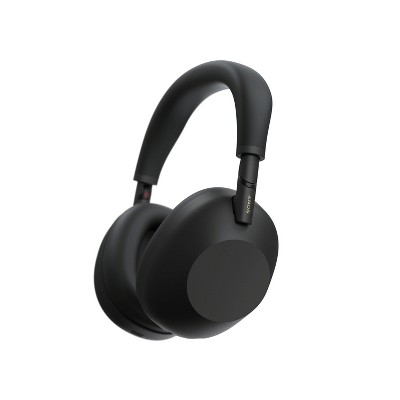
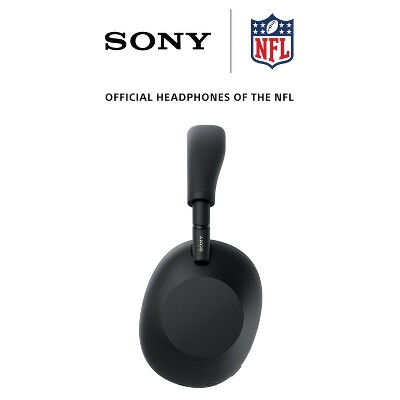
The Sony WH-1000XM6 is the portable starting point when outside noise is part of the listening problem. The fully retrieved Target page identifies wireless noise-canceling headphones with a foldable design and adaptive noise control. That makes the model a different kind of choice from the wired open-back pairs later in this guide. It is intended here as a travel-and-movement option, not a claim that wireless automatically sounds better at home. Read the Sony WH-1000XM6 Wireless ANC Headphones product page for the exact listing.
Brand and noise control: Sony names its QN3 processor, multiple microphones and an adaptive optimizer. Those are product features, while WIRED's review supplies independent listening context and praises the model's noise-canceling performance. This article did not repeat that testing. It therefore does not assign its own measured attenuation figure or claim that every external sound disappears whenever the headphones are worn.
Pros: the folding design and documented portable features suit a pair that moves between desk, bag and journey. The product page states playback up to 30 hours, which is a manufacturer's maximum rather than a promise for every setting and use pattern. The Sound Connect app also offers controls for noise cancellation, ambient sound and equalization. Those adjustments can help tailor the experience instead of treating a single default mode as the only option.
Cons: a rechargeable wireless pair brings a battery and software routine that a passive wired headphone does not need. Check the source device and preferred connection separately rather than assuming every Bluetooth feature works with every phone. The Target specification table also includes awkward battery wording, so the main product description is the more useful place to understand its built-in rechargeable design. Do not infer that a replaceable household battery must be purchased from that field.
Options and setup: this entry uses the standard black Target listing, not a refurbished offer. Compare the noise-control modes in the places you expect to listen, and keep awareness of your surroundings where needed. Choose it when a portable ANC system solves an actual problem. If the main use is seated listening in a quiet room, compare the simpler wired choices before deciding that travel features deserve the same weight at home.
| Product Insert |
Option 2: Sennheiser HD 550 Wired Open-Back Headphones at Amazon
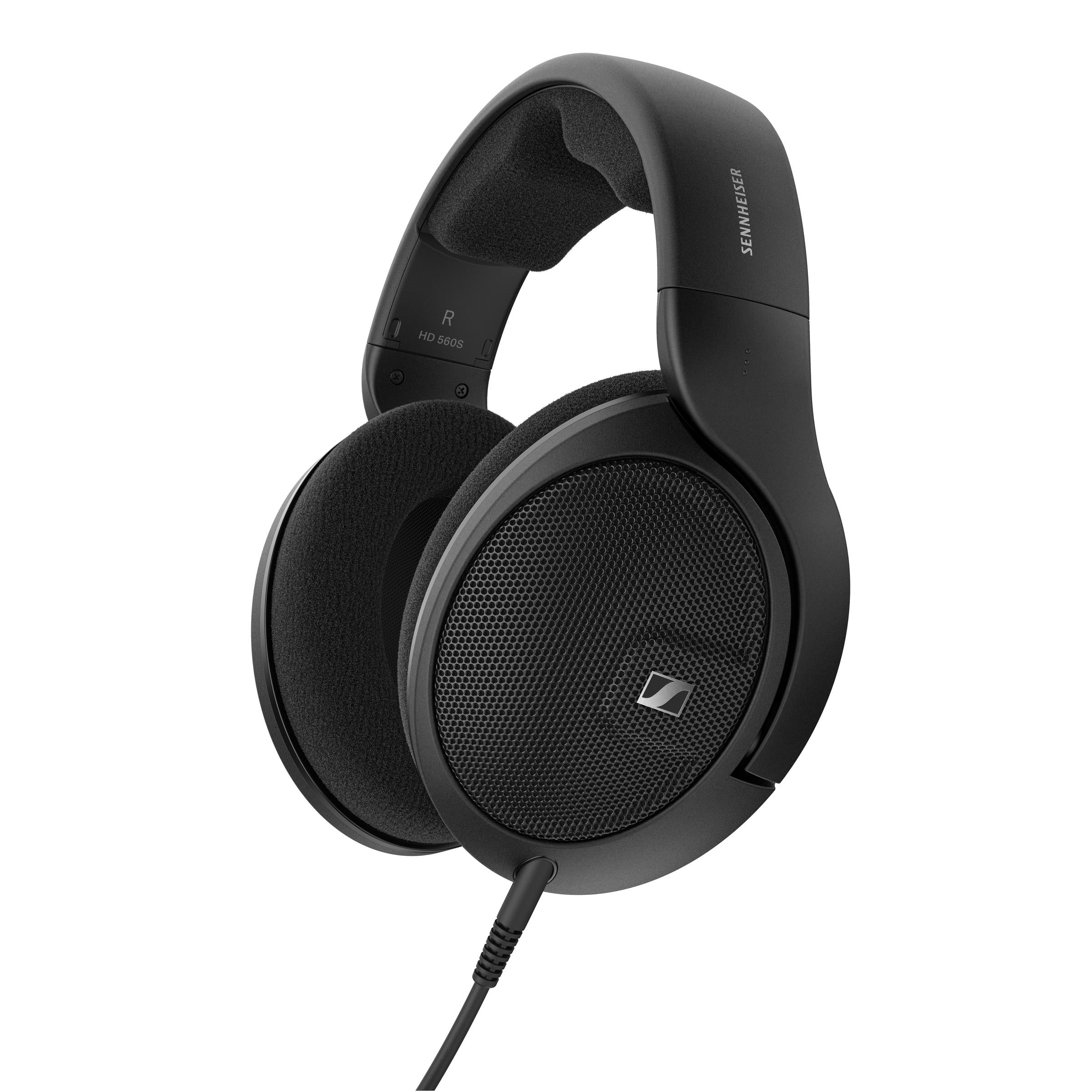
The Sennheiser HD 550 is the quiet-room starting point for someone who wants a wired listening arrangement. The base Amazon listing and Sennheiser's own page identify an open-back design, angled drivers and a detachable cable. Its role differs from the Sony wireless pair: the listener chooses the room and source deliberately rather than relying on portable active noise cancellation to manage the environment. Read the Sennheiser HD 550 Wired Open-Back Headphones product page for the exact listing.
Brand and design: Sennheiser's HD 550 page identifies a 150-ohm transducer and angled drivers in an open-back design. The manufacturer describes a neutral sound balance. Those are source specifications and positioning, not a sound-quality verdict from this guide. We did not test frequency response or compare this pair directly with the other models.
Pros: the wired path avoids a Bluetooth pairing and charging routine for passive listening. The detachable cable also makes the connection a separate component to inspect rather than a permanently fixed part of the design. For an intentional listening chair or desk, those details may be more useful than a microphone system or travel app that will rarely be used. Decide which source output and connector will be involved before choosing the headphone itself.
Cons: this is not an ANC travel solution. An open-back design should be selected with the actual listening environment in mind rather than treated as an automatic upgrade for every setting. The 150-ohm specification alone also does not prove how well a particular phone adapter, interface or amplifier will drive it. Impedance is one piece of the source-matching question, not a universal rule that settles the required equipment.
Options and setup: follow the exact HD 550 listing rather than a different HD-series model with similar styling. Check cable termination and any adapter requirements on the selected item. Keep the source and room as simple as your needs allow; do not add an amplifier solely because another listener uses one. Choose this model as the first wired open-back comparison when a deliberate quiet listening space is the priority, with manufacturer sound descriptions kept separate from claims of our own testing.
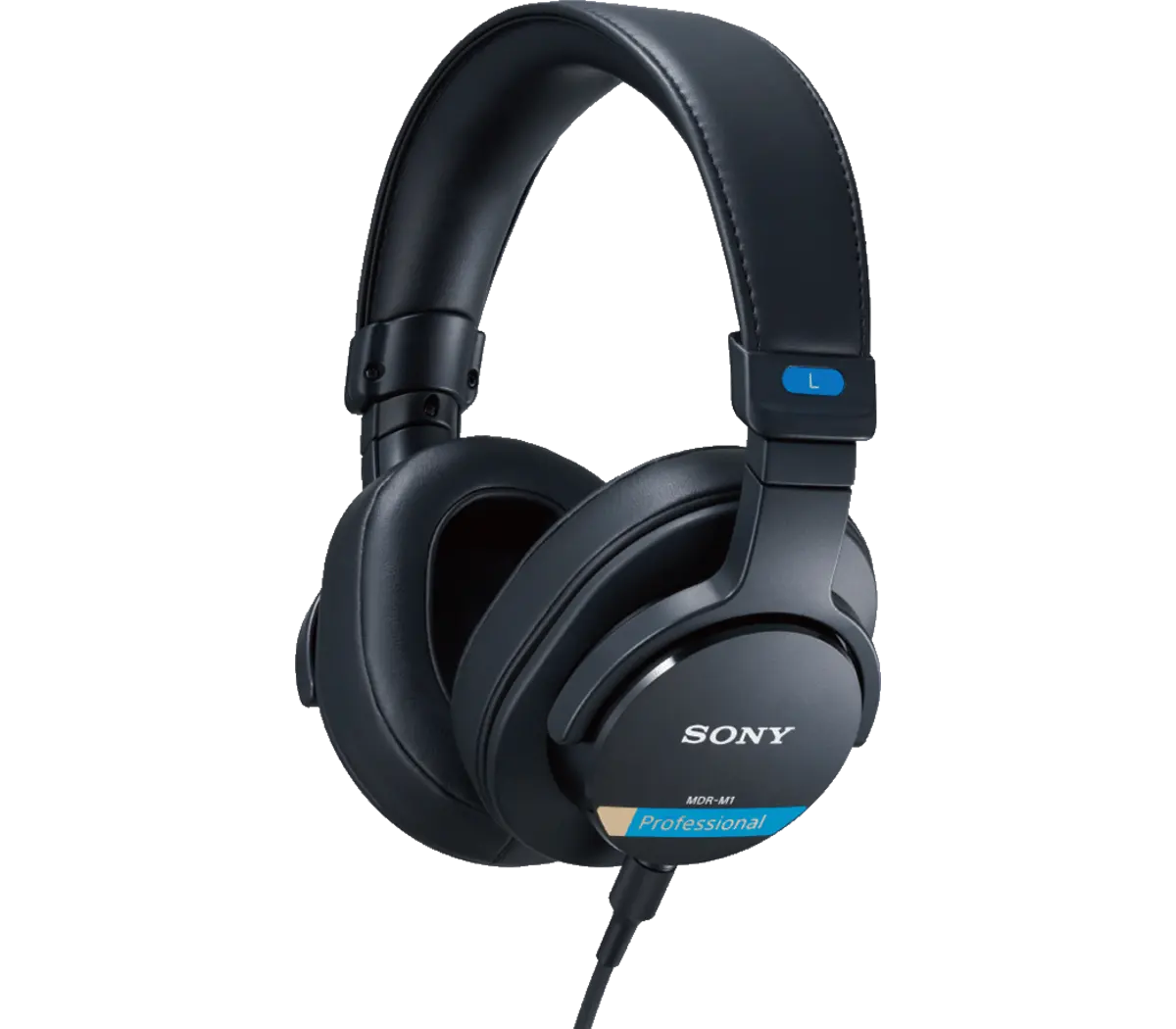
STUDIO SOUND, UNLEASHED: Ultra-wideband playback and a closed acoustic structure with high sound isolation allows for detailed and precise monitoring, for a wide range of audio production workflows...
Option 3: Sony MDR-M1 Wired Closed-Back Headphones at Amazon
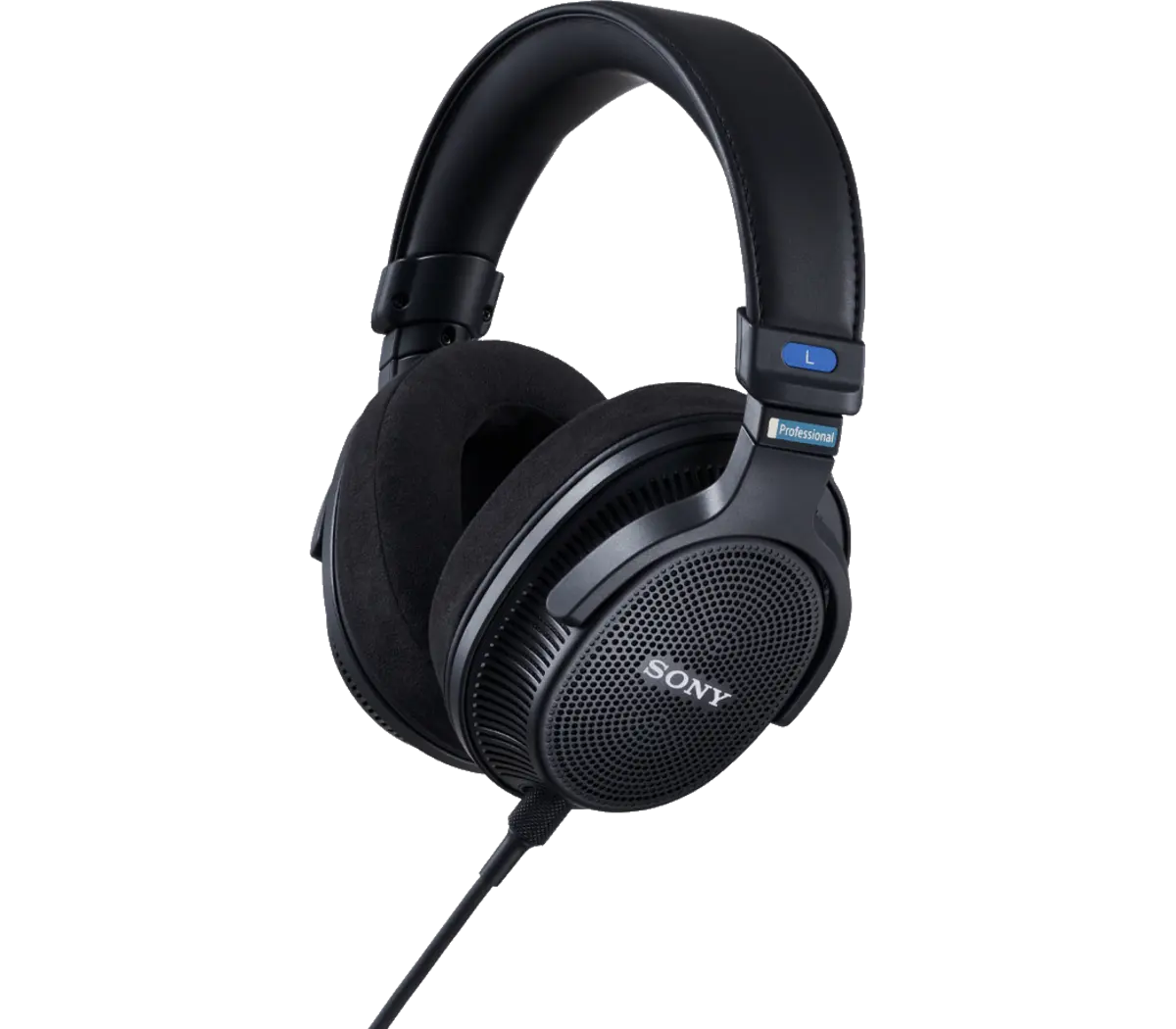
The Sony MDR-M1 is the closed-back wired desk option. The base listing identifies a reference monitor headphone with two detachable cables and a screw-in jack adapter. That gives it a different role from both the open-back home-listening choices and the wireless ANC pairs. A listener can want a physical cable and closed earcup without needing batteries, an app or Bluetooth as part of the everyday setup. Read the Sony MDR-M1 Wired Closed-Back Headphones product page for the exact listing.
Brand and connection: Sony describes the MDR-M1 as a professional reference model with a closed acoustic structure. Its product page names cable replacement and pad replacement among the ownership details. Those are the grounds for this entry's role in the guide. The article did not measure noise reduction, sound balance or durability, and it does not repeat every strong performance claim in the manufacturer's description as an independent conclusion.
Pros: two supplied detachable cable lengths let the listener consider the desk and source position more carefully than with one fixed cord. The adapter also gives a clear starting point when an interface and portable source use different jack sizes. A passive wired pair has no listening-time limit tied to charging a built-in battery. That is practical for a headphone that remains part of a stationary desk rather than a portable wireless routine.
Cons: closed-back construction is not the same as active noise cancellation. Do not choose the MDR-M1 while expecting the Sony wireless pair's adaptive microphone system under a professional studio name. Manufacturer frequency-range wording also does not prove that every listener can hear or benefit from every stated frequency. This guide avoids using those large bandwidth numbers as a sound-quality score or an invented test finding.
Options and setup: the linked item is the base MDR-M1, not a different Sony monitor headphone or accessory package. Check the source jack, adapter and cable routing before placing it in a home setup. Decide which included cable length suits the desk and leave enough slack for ordinary movement. Choose the MDR-M1 when a closed wired pair matches the environment and its connection details are useful, not because professional branding guarantees that every listener will prefer its sound.
Quick reference for the three retailer entries above.
| Product | Key labels | Score | Award |
|---|---|---|---|
| Sony WH-1000XM6 Wireless ANC Headphones | Wireless; adaptive ANC; foldable; up to 30-hour playback | 9.0 | Best Portable ANC Starting Point |
| Sennheiser HD 550 Wired Open-Back Headphones | Wired; open-back; angled drivers; detachable cable | 8.8 | Best Quiet-Room Starting Point |
| Sony MDR-M1 Wired Closed-Back Headphones | Wired; closed-back; two detachable cables; screw-in adapter | 8.6 | Best Closed-Back Desk Pick |
| Product Insert |
Option 4: Audio-Technica ATH-R70xa Wired Open-Back Headphones at Amazon
The Audio-Technica ATH-R70xa is the open-back alternative for a dedicated listening or production desk. Audio-Technica identifies a fully open acoustic structure and a detachable dual-sided cable. This is a separate design from the closed-back Sony MDR-M1, not a related Sony model. Read the ATH-R70xa product page for the exact listing.
Brand and design: Audio-Technica's ATH-R70xa specifications position this model for mixing, mastering and critical listening. The manufacturer identifies 45 mm drivers, a weight of 199 g without the cable and 470-ohm impedance. Those are source descriptions, not listening results from this guide. We did not measure soundstage, frequency response or a particular studio workflow.
Pros: the detachable dual-sided cable makes the connection a component to inspect and maintain separately. The manufacturer lists a 3 m cable with a 3.5 mm stereo plug and a 6.3 mm adapter. The passive wired path avoids charging and Bluetooth pairing during ordinary playback. Those connection details are useful for a fixed home or studio setup, provided the source can drive the headphones appropriately.
Cons: this open-back design is not a portable noise-canceling solution. It lets sound pass through, so choose it with a quiet room in mind. The 470-ohm specification makes source matching worth checking, but impedance alone does not settle amplifier needs. Manufacturer frequency-range and reference wording should not become a promise of audible improvement or a measurement performed by this article.
Options and setup: use the exact ATH-R70xa base entry, not the earlier ATH-R70x or an accessory bundle. Review the supplied cable, adapter and source output before adding equipment. Choose this Audio-Technica model for an intentionally open wired setup; the Sony MDR-M1 and portable ANC alternatives address different environments. A professional label does not establish that every listener needs the same setup.
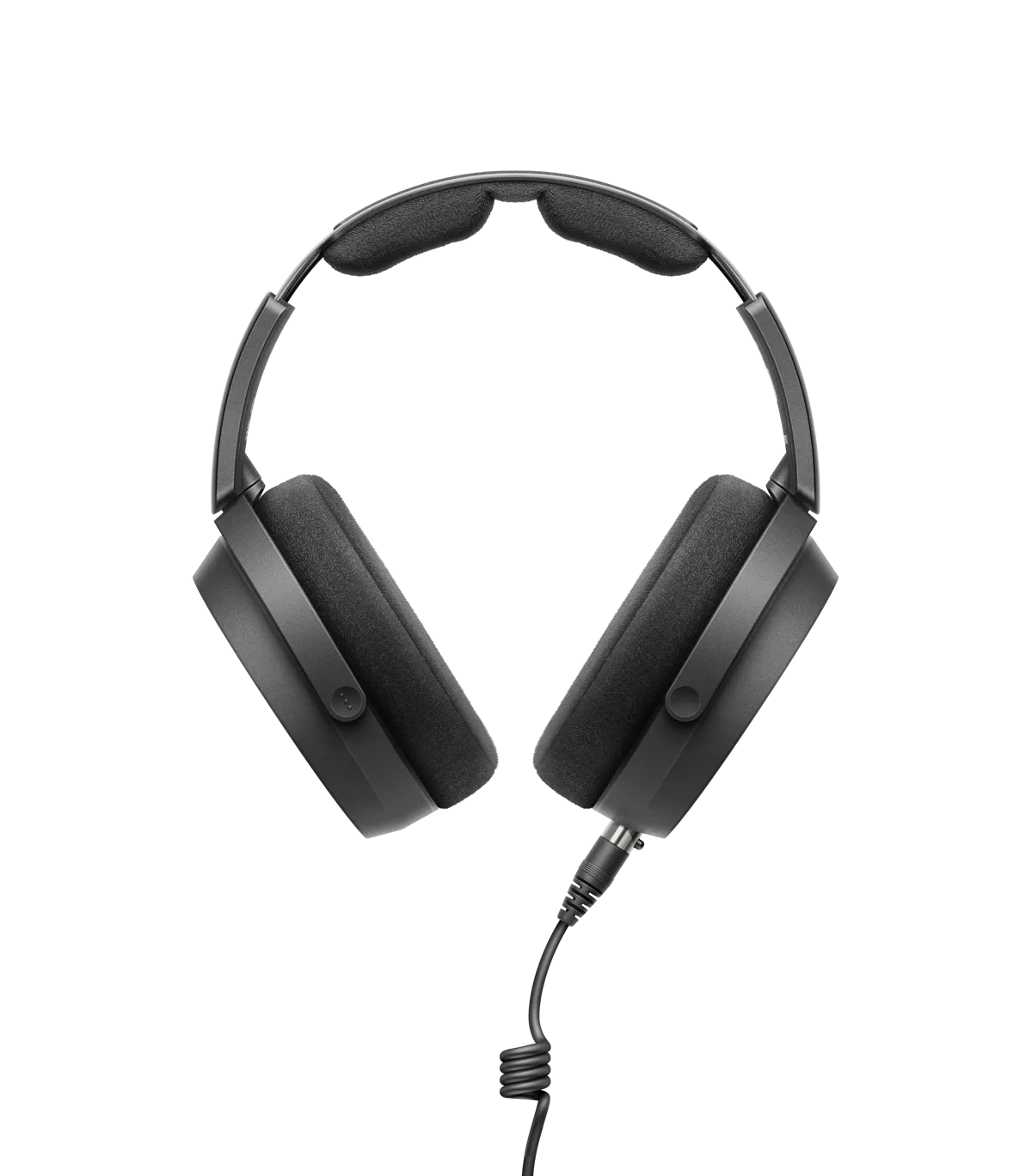
UNPARALLELED SOUND QUALITY: Open-back design with a wide soundstage, uncolored frequency response, and low-frequency cylinder system for precise audio reproduction.
SUPREME COMFORT AND VERSATILITY:...
Option 5: Sennheiser HD 490 Pro Wired Open-Back Headphones at Amazon
The Sennheiser HD 490 Pro is the studio-desk alternative among the open-back choices. The base listing identifies an open design, angled earcups and replaceable ear pads. Keep the full HD 490 Pro name in view rather than confusing it with the HD 550 or a Pro Plus package. Related Sennheiser names can describe different included parts and intended workflows even when the general headphone style looks familiar. Read the Sennheiser HD 490 Pro Wired Open-Back Headphones product page for the exact listing.
Brand and use: Sennheiser's source description positions this model for production work with an open sound presentation. That is a reason to investigate it for a fixed desk, not a finding that this guide tested its accuracy. We did not perform a frequency-response comparison, listening panel or source-power test. Strong sound descriptors in the listing are kept separate from the basic design facts used to explain its role in the table.
Pros: replaceable pads are a useful ownership detail to inspect when a headphone stays at a working desk. The listing also names interchangeable pads and an ergonomic earcup arrangement. Those features may matter to someone moving between tasks, but they do not guarantee the same fit for every wearer. A passive wired setup also avoids the battery routine that belongs to the portable ANC entries.
Cons: this article does not assume that a studio-focused model will be the best choice for every home listener. The retrieved page includes software and accessory wording, so check the exact included package rather than treating every promotional line as a permanent entitlement. It also does not establish a particular source pairing. The headphone's professional position should not be used to recommend an amplifier or interface without checking the actual requirements.
Options and setup: follow the base HD 490 Pro listing rather than a Pro Plus package with extra accessories. Confirm the included parts, connector arrangement and source needs on the selected item. Choose it when a production-style open-back desk fits the work or listening routine. If movement and outside noise lead the decision, the Sony and Bose portable options solve a different problem. The useful comparison is the environment and connection, not the most professional-sounding product description or the largest collection of bundled extras.
Option 6: Bose QuietComfort Wireless ANC Headphones at Target
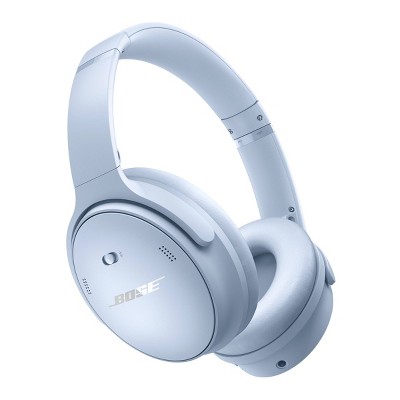
The Bose QuietComfort is the portable alternative for someone who wants simple noise-control modes. The fully retrieved Target page identifies the standard QuietComfort wireless headphone in Moonstone Blue, not the QuietComfort Ultra. That distinction matters when comparing reviews and features. A review of the Ultra version should not become evidence that this model has the same hardware or the same listening result. Read the Bose QuietComfort Wireless ANC Headphones product page for the exact listing.
Brand and controls: Bose's source description names Quiet Mode, Aware Mode and customizable noise-control settings. It also lists Wind Block and app-based equalization. These documented controls explain the role of the model in the guide. We did not compare its attenuation or sound directly with the Sony XM6, and the recommendation does not claim that one eliminates every sound the other allows through.
Pros: choosing between fuller noise cancellation and an awareness mode can be a practical part of moving through different environments. The page states playback up to 24 hours, a manufacturer maximum rather than a promise for every setting and battery condition. It also describes an included audio cable with an inline microphone. That gives a shopper another connection detail to inspect rather than assuming the product is useful only through Bluetooth.
Cons: the model still needs a charging routine for its wireless features. It is not the same arrangement as a passive open-back headphone connected to a home source. The retrieved specifications also say no water-resistance rating, so this guide does not recommend it as a weatherproof or workout solution. A portable role is not permission to assume protection that the page does not establish.
Options and setup: follow the exact QuietComfort listing and selected color rather than a QuietComfort Ultra or newer similarly named pair. Check how the cable and wireless connection will work with the intended source. Choose the Bose when its documented mode controls fit a daily portable routine. Keep the open-back wired choices for quiet seated listening, and do not treat a comfortable-looking travel product as the answer to every environment merely because the brand is familiar.
Quick reference for the three retailer entries above.
| Product | Key labels | Score | Award |
|---|---|---|---|
| Audio-Technica ATH-R70xa Wired Open-Back Headphones | Wired; open-back; dual-sided detachable cable; 470 ohms | 8.8 | Best Dedicated Listening Setup |
| Sennheiser HD 490 Pro Wired Open-Back Headphones | Wired; open-back; angled earcups; replaceable pads | 8.5 | Best Studio-Desk Alternative |
| Bose QuietComfort Wireless ANC Headphones | Wireless; Quiet and Aware modes; up to 24-hour playback | 8.7 | Best Simple Mode-Switching Pick |
Option 7: Sony WH-1000XM6 Wireless ANC Headphones at Target
This Target entry is an alternative retailer route to the Sony WH-1000XM6, not a different headphone with a better sound score. The fully retrieved page identifies the same wireless ANC model, a folding design and playback up to 30 hours. A second seller path can be useful after choosing the model, but it should not be counted as a new acoustic design or a second set of listening-test results. Read the Sony WH-1000XM6 Wireless ANC Headphones product page for the exact listing.
Brand and identity: Sony's full XM6 name remains important. The page names adaptive noise cancellation and the QN3 processor, while the independent WIRED review gives the model listening context. This guide does not claim that the retailer changes those features. It also does not use a marketplace product description to prove that the headphone works with every phone, computer or airplane entertainment system without checking the actual source.
Pros: the duplicate route lets the shopper compare the purchase process without mixing in an XM5, a refurbished item or a bundle. The portable use case remains the same as the first entry: outside noise, movement and a compact listening kit. The app controls and battery maximum belong to that use case, not to a claim that the pair is automatically the best option for a quiet home source.
Cons: Beach Camera is the named seller and shipper on this page. Do not assume that a Target URL establishes direct Target fulfillment or identical support terms for every listing. A manufacturer playback maximum also is not a guarantee of daily battery life. No shipping, service or stock promise is made here, and the exact selected product page should be reviewed before purchase.
Options and setup: compare this route with the other XM6 listing once the headphone itself is the preferred choice. Check included parts and the relevant seller terms separately from the hardware comparison. Keep the same expectations for the noise-control modes and the source connection across both rows. Choose the buying route that suits you without assigning a higher sound score simply because the storefront changed. The environment decides whether portable ANC is useful; the retailer decides a different part of the purchase experience.
Choose the listening environment before the connection label
Use the open-back choices for an intentionally quiet space, the Sony MDR7506 for a closed-back wired desk, and the wireless ANC options when movement and outside noise matter. Verify the source connection and any amplifier needs separately. A familiar brand does not make those environments interchangeable, and a wireless option is not automatically the best home-listening choice.
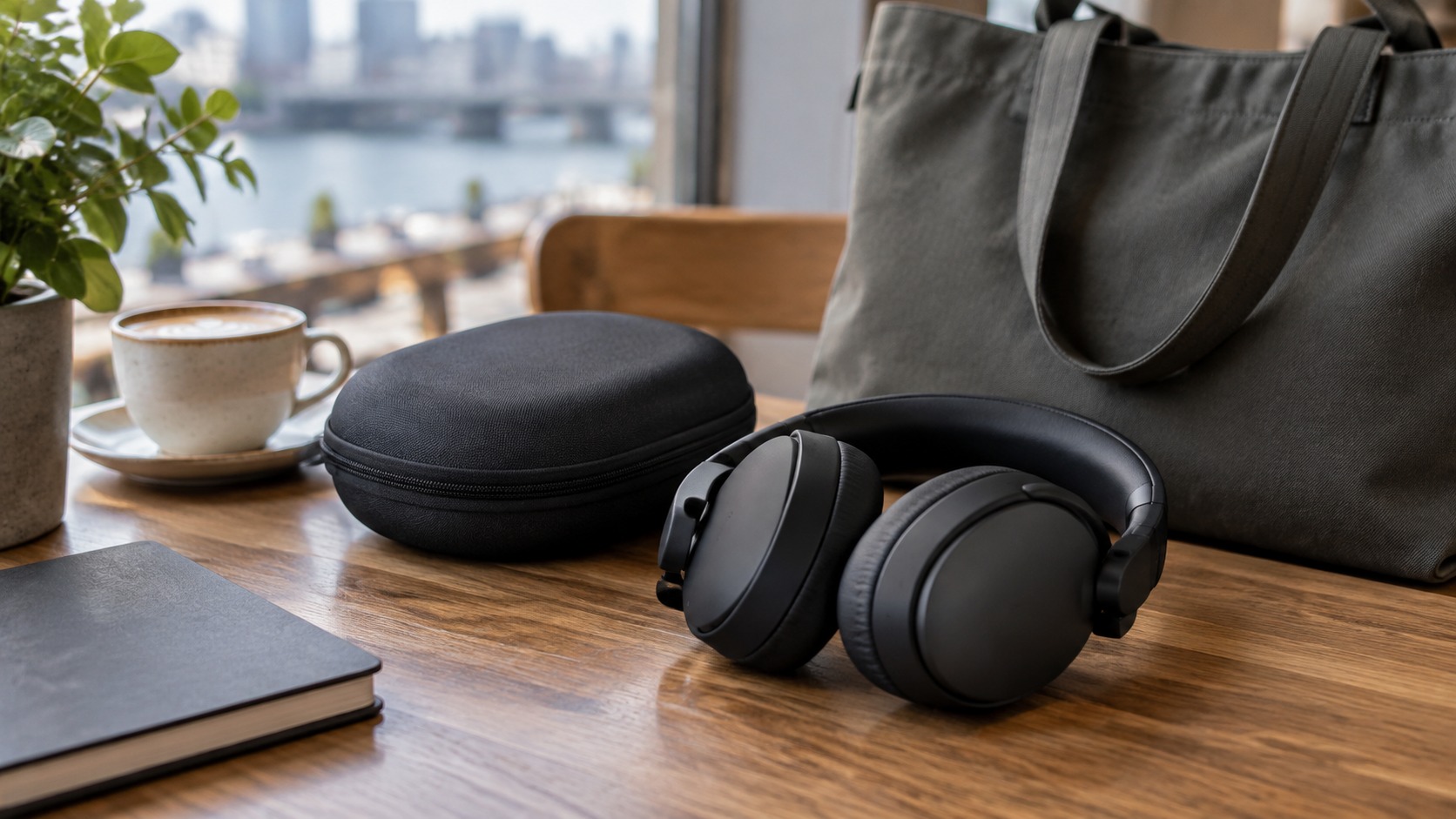
Image credit: two AI-generated generic listening-scene illustrations, not photographs of listed headphones. Product details: Amazon and Target listings; recommendation context: WIRED wireless-headphone coverage and manufacturer product descriptions. No headphone tests were performed for this guide. This post contains affiliate links; we may earn a commission on qualifying purchases at no extra cost to you.
The responses below are not provided, commissioned, reviewed, approved, or otherwise endorsed by any financial entity or advertiser. It is not the advertiser’s responsibility to ensure all posts and/or questions are answered.