

Last Updated on: Apr 10, 2026
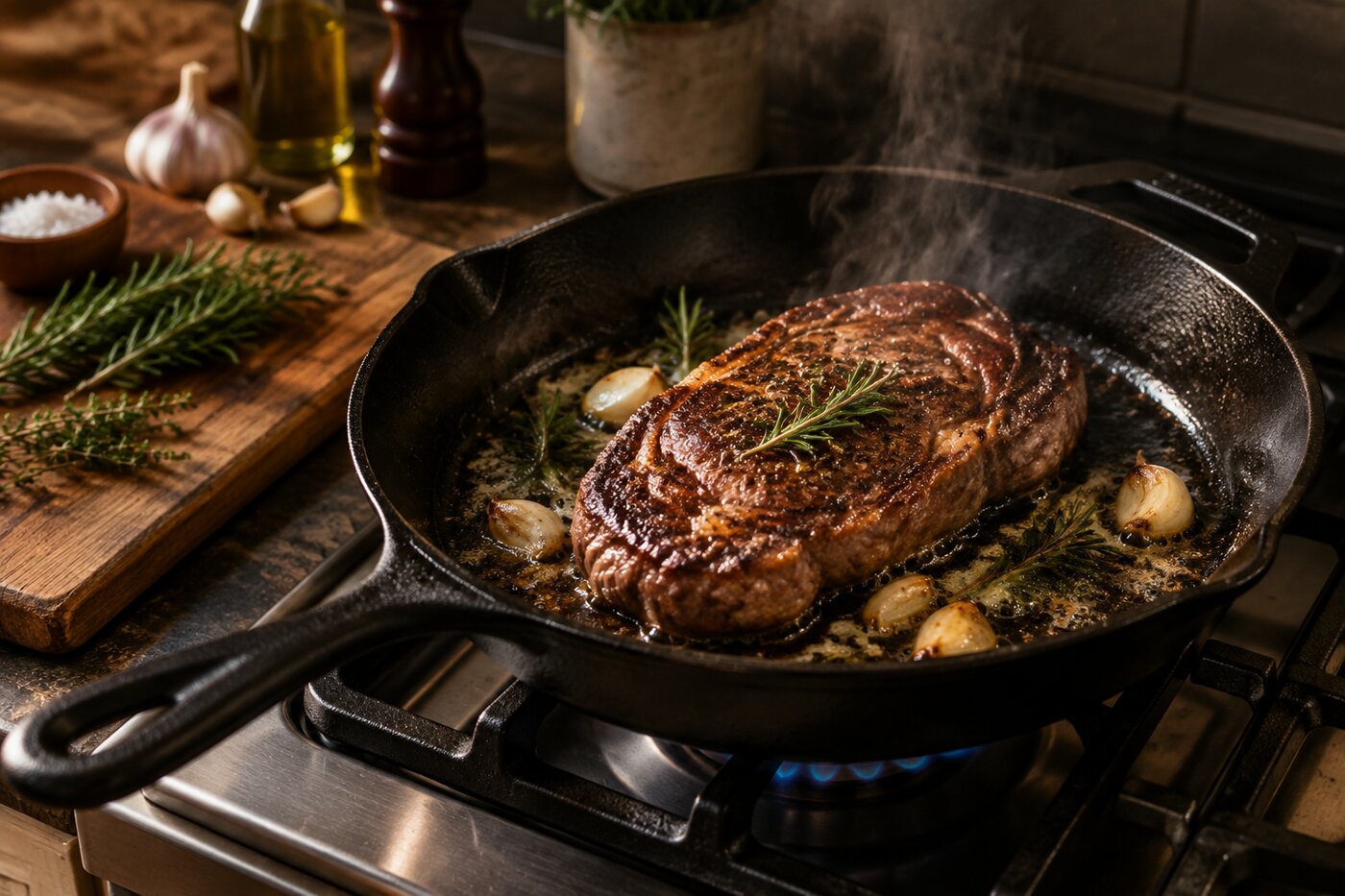
A cast iron skillet is one of the few pans that can last for generations. It holds heat better than most cookware, which gives steaks a deep crust and cornbread a crisp edge. It moves from stovetop to oven to campfire without complaint, and with regular use its seasoned surface becomes more slick over time.
What We'll Cover
It also has a reputation for being fussy. In reality, cast iron care is simple once you know the basics. This guide covers how to pick a size and style, what seasoning is, and how to clean and store a skillet using guidance from Lodge, one of the best-known cast iron makers in the United States.
Top Cast Iron Skillets
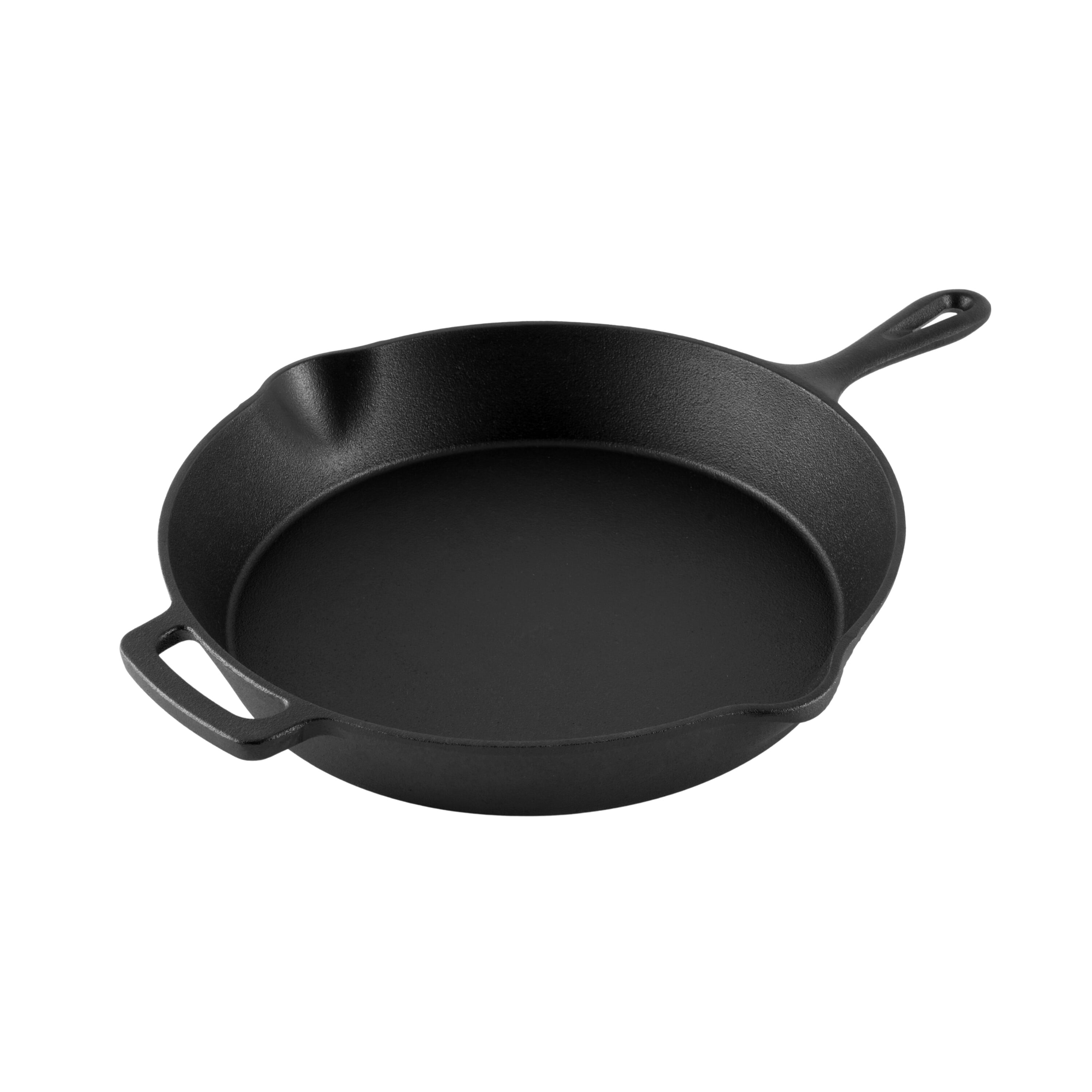
Why cook with cast iron
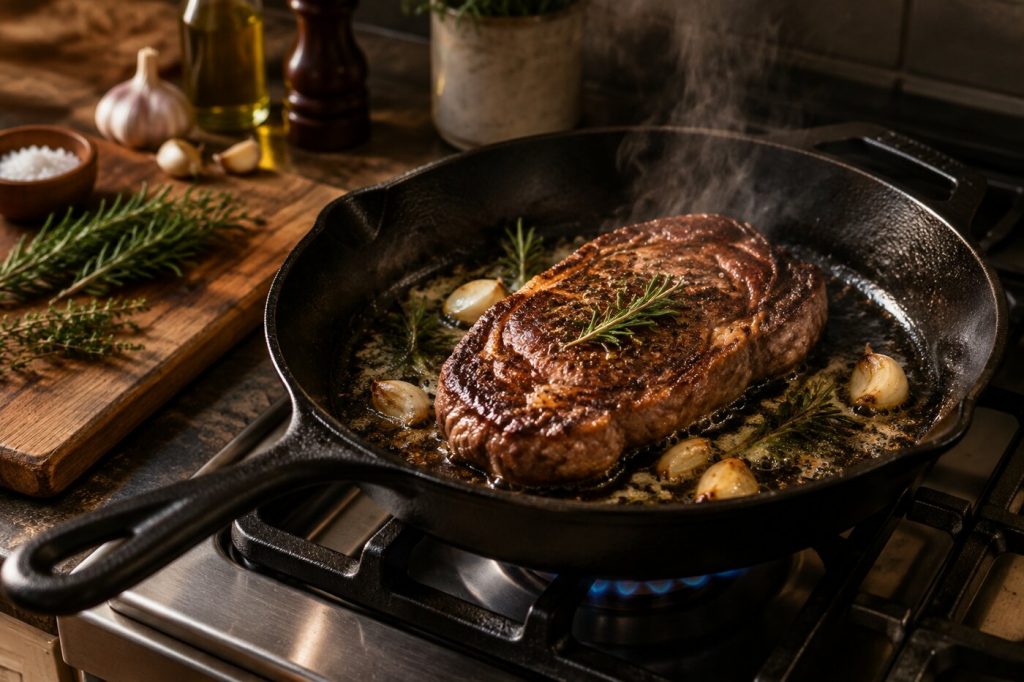
Cast iron is heavy and dense, so it takes a while to heat up but holds that heat once it gets there. When you drop a cold steak into a hot cast iron pan, the pan stays hot instead of cooling down, which is why it sears so well. The same heat retention makes it great for frying, roasting vegetables, baking cornbread and skillet cookies, and keeping food warm at the table.
Cast iron works on gas and electric stoves, on induction cooktops, in the oven, and on a grill or campfire. Plain cast iron has no coating to wear off or scratch, so metal utensils are fine. With care, a skillet can outlast almost any other pan in your kitchen.
Seasoned vs. enameled cast iron
Seasoned cast iron is bare iron coated with layers of oil that have been baked on. This coating, called seasoning, protects the pan from rust and creates a naturally slick surface. Most new skillets come pre-seasoned and are ready to use. Seasoned cast iron is affordable and very durable, but it needs to be dried and oiled after washing.
Enameled cast iron has a glass-like coating fused to the iron. It does not need seasoning, does not rust, and handles acidic foods like tomato sauce without any worry about the finish. It costs more, is not quite as nonstick for eggs, and the enamel can chip if dropped or banged. Enameled pans are a great choice if you want cast iron heat without the maintenance.
Choosing a size
- 8 inches: Good for one or two eggs, a small side, or baking a single cornbread.
- 10 to 10.5 inches: A versatile size for one or two people. Fits most burners and is easier to lift.
- 12 inches: The most popular all-around size. Fits two steaks, a whole chicken cut up, or a family-size frittata. It is heavy, so a helper handle is useful.
- Sets: Multiple sizes cover every job, but take up more storage space.
Cast iron is heavy. A 12-inch skillet weighs several pounds before food goes in, so check the listed weight. If lifting is hard, a 10-inch pan or a model with two loop handles is easier to manage.
Classic pre-seasoned skillets
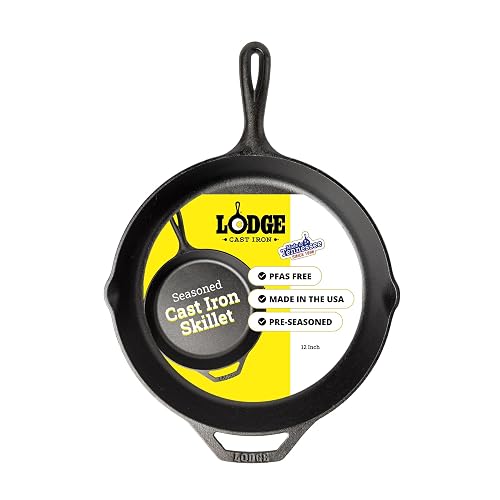
Quality Cast Iron Frying Pan: The Lodge Seasoned Cast Iron Skillet is loved for its great heat retention, incredible durability, and ability to make almost any recipe you dream up
Naturally Seasone...
The Lodge 12-inch skillet is the classic choice: pre-seasoned, ready to use, and built with a helper handle opposite the main handle.
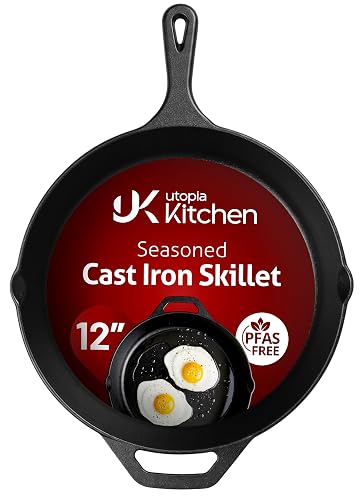
Exceptional Heat Retention: Enjoy perfectly cooked meals with cast iron skillets that provide even heat distribution, ideal for searing, frying, and baking in a 12 inch frying pan.
Versatile Cookin...
The Utopia Kitchen 12-inch skillet is a lower-cost pre-seasoned option for anyone trying cast iron for the first time.
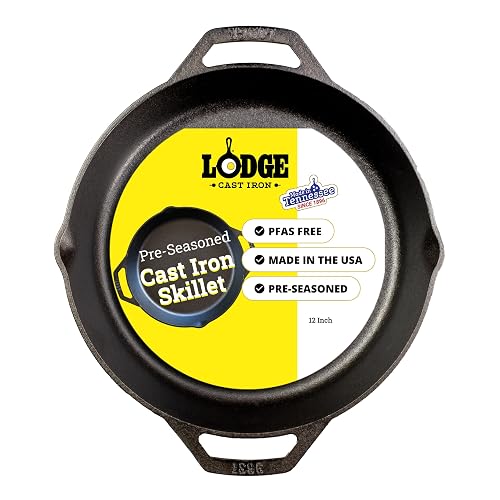
Secure Dual Assist Handle: The Lodge Seasoned Cast Iron Dual Handle Pan features dual assist handles for a secure grip when moving this cast iron skillet
Time-Tested Even Heat Distribution: This du...
The Lodge dual handle pan swaps the long handle for two loops, which makes it easier to lift in and out of the oven and to store.
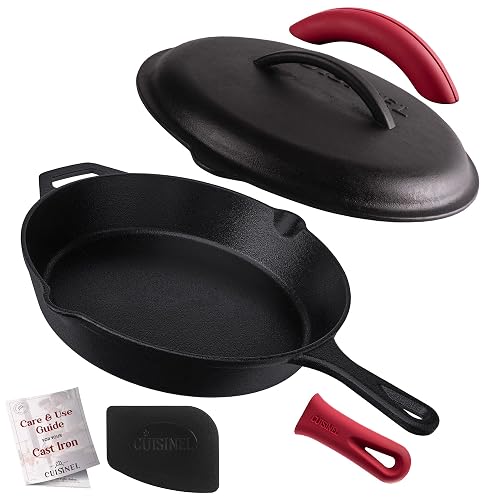
SUPERIOR HEAT RETENTION FOR PERFECT SEARING – Heavy‑duty cast iron distributes heat evenly so steaks, vegetables and more cook consistently on stovetop, oven, grill or campfire.
VERSATILE SKILLET W...
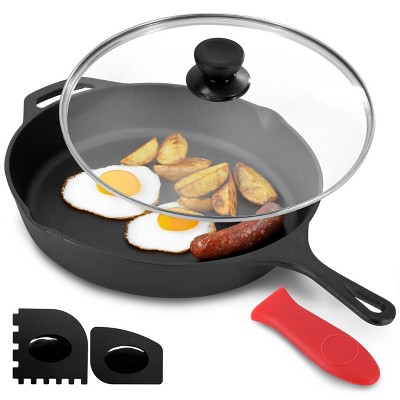
The Cuisinel 12-inch skillet comes as a kit with a lid, silicone handle holders, and a scraper, so you have what you need from the start.
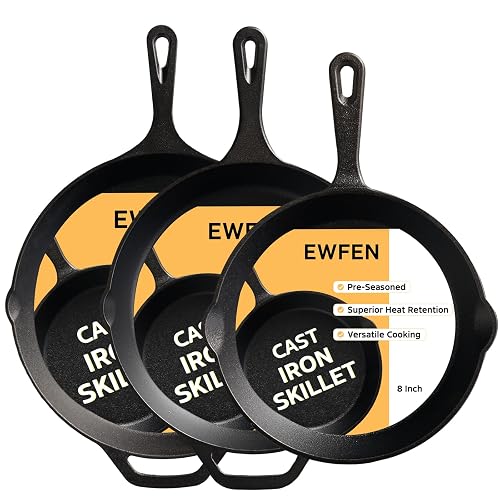
SEASONED COOKWARE FOR IMMEDIATE USE: Pre-seasons every pan with 100% natural vegetable oil, giving it a non-stick finish without synthetic chemicals, to enhance the non-stick performance and delive...
The EWFEN three-piece set includes 8, 10, and 12-inch skillets with drip spouts for pouring off fat.
At Target, the MegaChef 12-inch skillet comes pre-seasoned with a tempered glass lid, handy for braising and keeping splatter down.
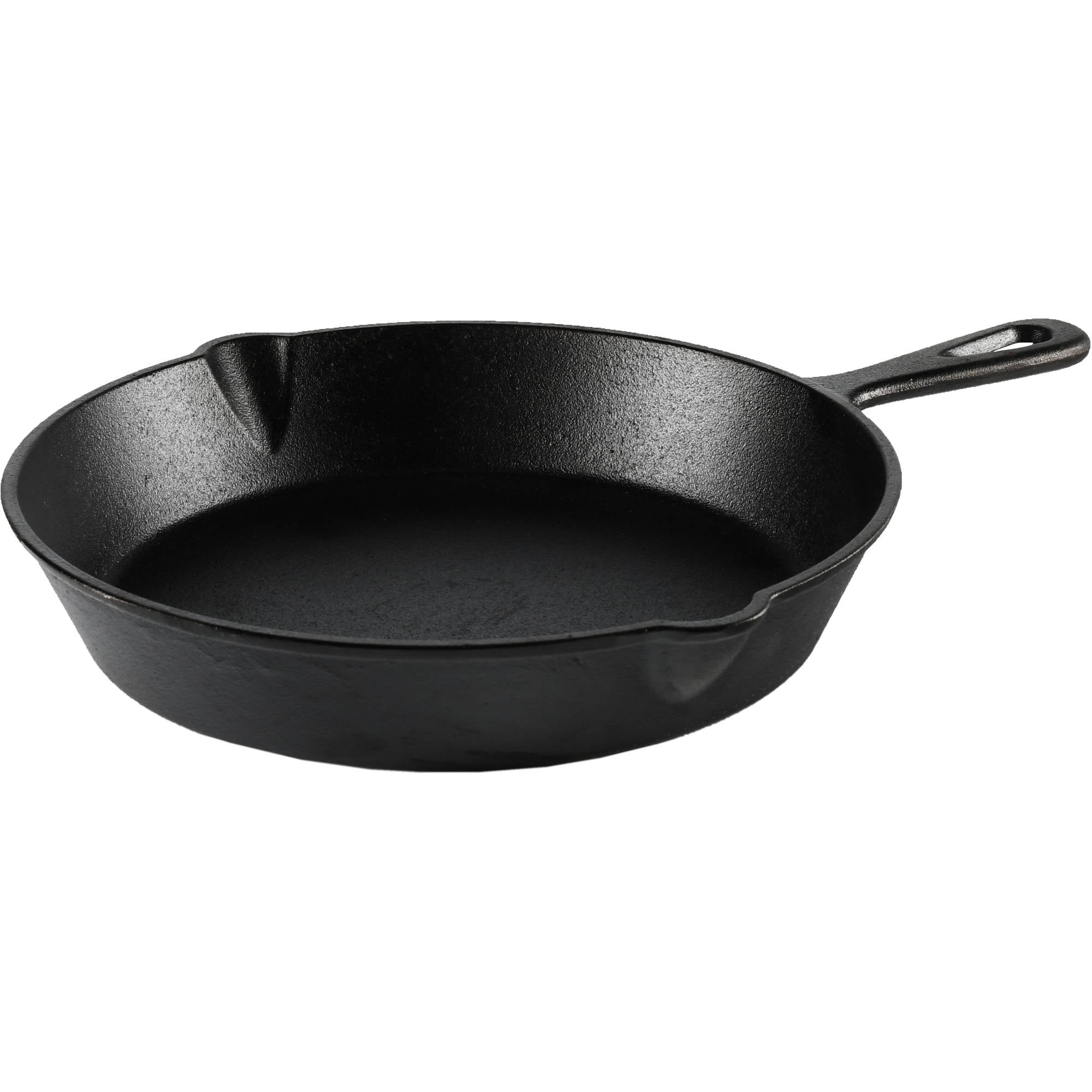
The Ozark Trail 10.5-inch skillet at Walmart is a pre-seasoned pan sized for campfires, camp stoves, and small kitchens.
The Mainstays 12-inch skillet is a basic, low-cost option for everyday frying and searing.
Enameled skillets
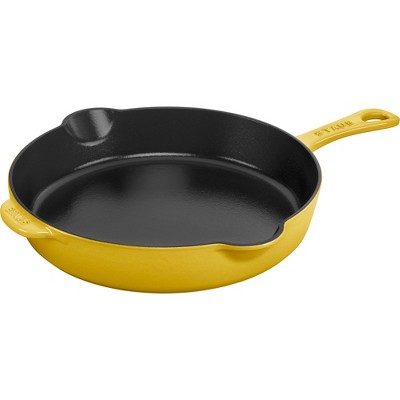
The Staub 11-inch traditional skillet at Target is enameled cast iron, so it needs no seasoning and handles acidic sauces. It is a premium choice.
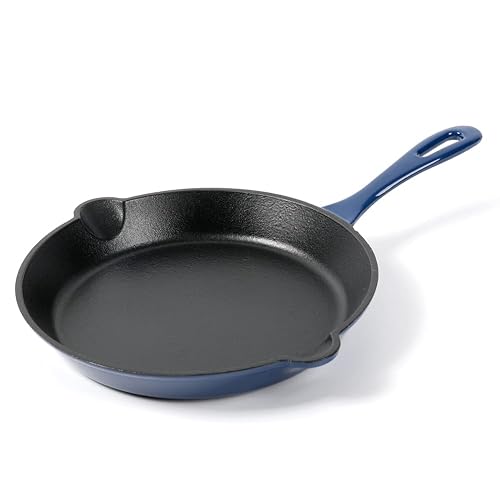
Set Includes: 1 PC Cast Iron Skillet + 1 PC Handle Cover Skillet:15.6"L(with handle)x10"Wx1.4"H Handle Cover:6.57"Lx3.35"W
Versatile Cooking: Whether you're searing, sautéing, baking, broiling, bra...
The HAWOK 10-inch enameled skillet comes with a handle cover and is a budget way to try enameled cast iron.
What to cook first
A new pre-seasoned skillet is ready to go, but some foods help it settle in faster. Start with dishes that use a good amount of fat. Pan-fried potatoes, bacon, sausages, sauteed onions, and shallow-fried chicken all add to the seasoning while they cook. Cornbread is another classic, since the batter hits a hot, oiled pan and comes out with a crisp crust. Save delicate eggs and fish until the pan has been used a few times and the surface feels smooth and slick.
Cast iron on glass and induction stoves
Cast iron works on induction because iron is magnetic. On glass-top electric stoves, it works well too, but lift the pan rather than sliding it, since the rough base can scratch the glass. Heat slowly on any stovetop so the whole pan warms evenly. Because cast iron holds heat for a long time, turn the burner down a little earlier than you would with thinner pans.
How to clean cast iron
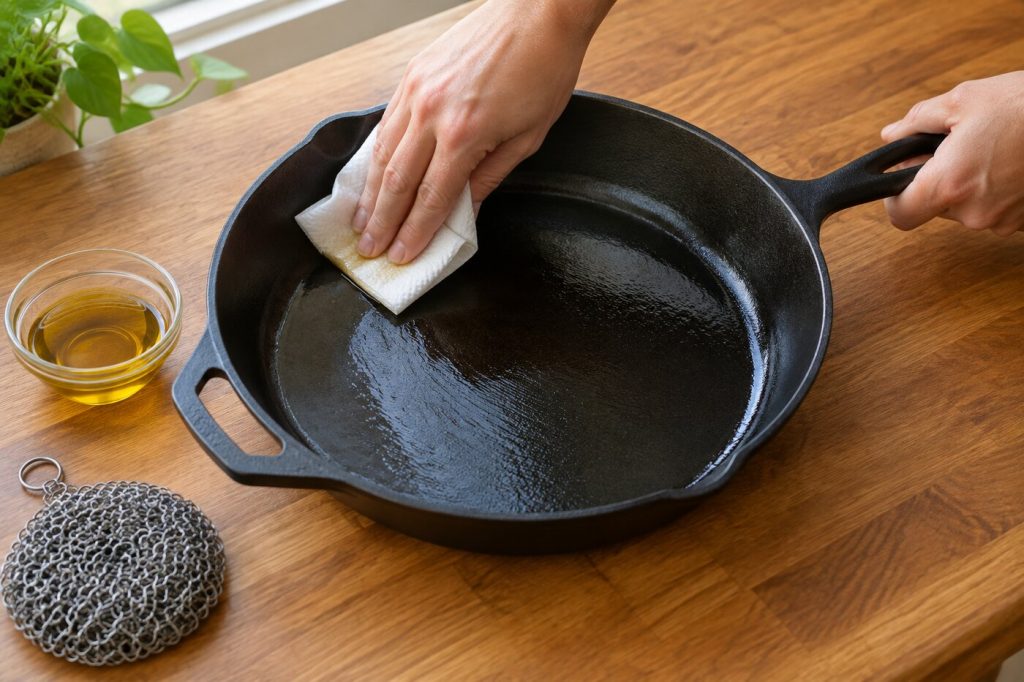
Lodge describes cleaning seasoned cast iron in three simple steps: wash, dry, and oil. Start with warm, soapy water and scrub with a stiff brush or scrubbing pad. Dry the pan completely with a paper towel or lint-free cloth. Then add a thin layer of oil and spread it over the entire surface with a paper towel. Yes, a little dish soap is fine on seasoned cast iron.
What cast iron does not like is sitting wet. Lodge notes that soaking a pan in the sink, running it through the dishwasher, letting it air dry, or storing it somewhere damp can lead to rust. For stuck-on food, scrub with a scraper or a chainmail scrubber, or simmer a little water in the pan to loosen it, then wash, dry, and oil as usual.
Fixing rust
Rust looks alarming but is usually easy to fix. Lodge recommends scrubbing the rusty spots with steel wool in warm, soapy water, then rinsing and drying the pan completely. After that, oil the pan and re-season it by baking it or simply cooking with it regularly. The seasoning will rebuild over time.
Building seasoning
The best way to build seasoning is to cook with the pan often. Every time you cook with fat and then oil the pan after cleaning, the surface gets a little better. Foods that use plenty of oil, like fried potatoes, bacon, and cornbread, are good for a new pan. Delicate foods like eggs may stick at first but get easier as the seasoning builds. If a pan looks dull or patchy, you can re-season it in the oven by coating it with a very thin layer of oil and baking it upside down.
Cooking tips
- Preheat slowly. Heat the pan over medium for several minutes so it warms evenly before turning the heat up.
- Use a handle cover or mitt. The handle gets as hot as the pan.
- Go easy on long acidic simmers in seasoned cast iron. Quick tomato dishes are fine, but long-cooked sauces can wear seasoning.
- Avoid sudden temperature changes. Do not plunge a hot pan into cold water.
Storage
Store cast iron in a dry place. If you stack pans, put a paper towel between them to protect the surface and absorb moisture. Keep lids off or slightly open so air can circulate. A skillet that hangs on a wall hook or sits on the stovetop ready to go is one you will use more, and regular use is the best care of all.
The short answer
For most kitchens, a pre-seasoned 12-inch skillet is the best first cast iron pan, with a 10-inch model as a lighter option. Choose enameled cast iron if you want no seasoning and plan to cook acidic foods often. Wash with warm soapy water, dry completely, and wipe with a thin coat of oil after each use, and your skillet will keep getting better.
The responses below are not provided, commissioned, reviewed, approved, or otherwise endorsed by any financial entity or advertiser. It is not the advertiser’s responsibility to ensure all posts and/or questions are answered.



Is it okay to leave a little oil in the pan between uses, or should it be wiped almost dry before storing? Mine gets a bit sticky on top if I leave too much.